


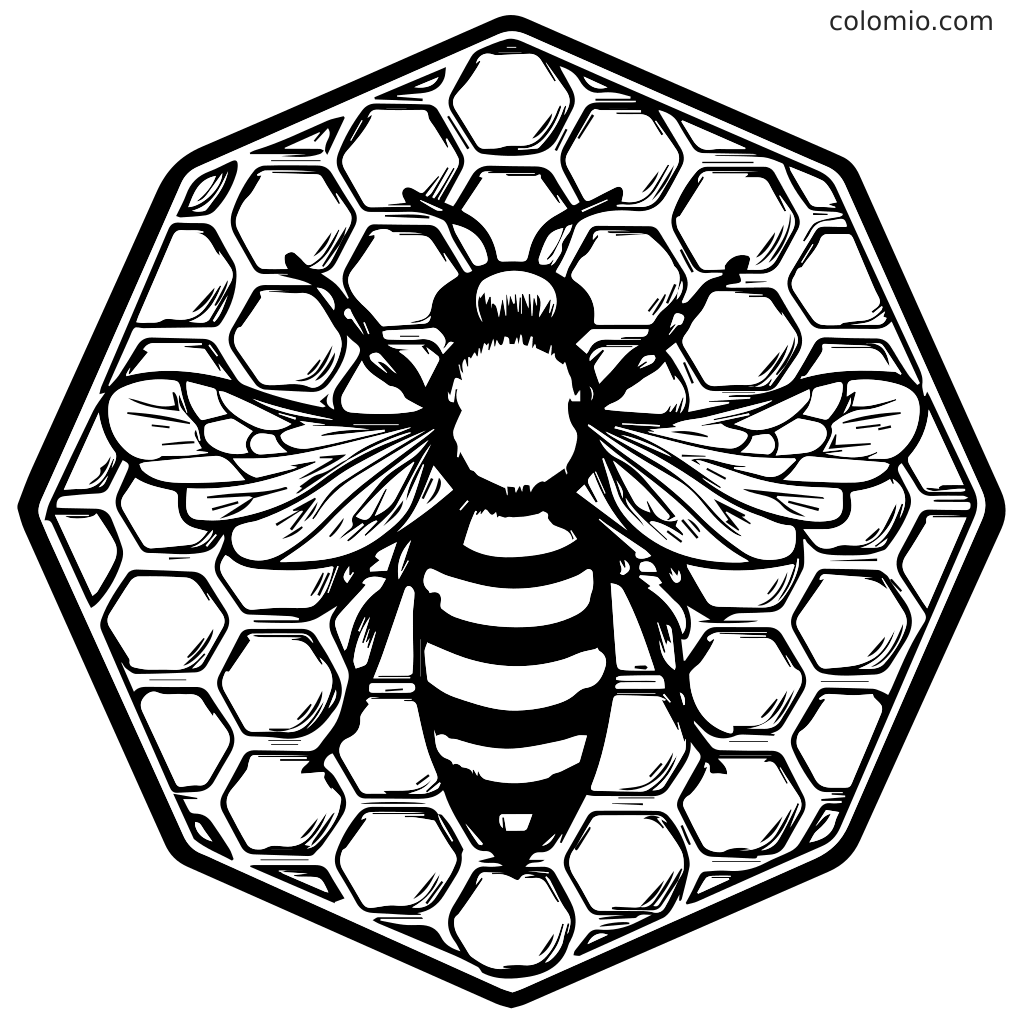
Chibi bee with heart eyes – colored in by the community
-
1 Likes


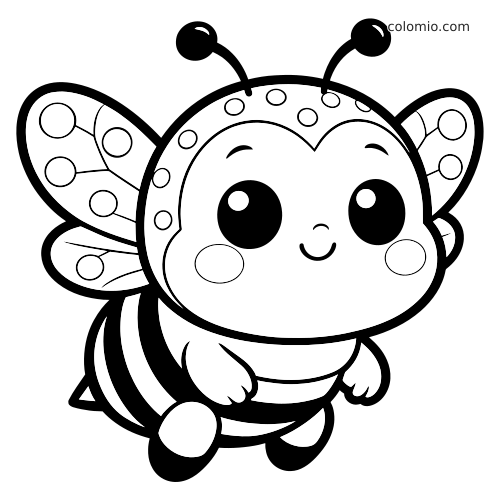
Cute kawaii bee with big eyes – colored in by the community
-
by lily
14 Likes


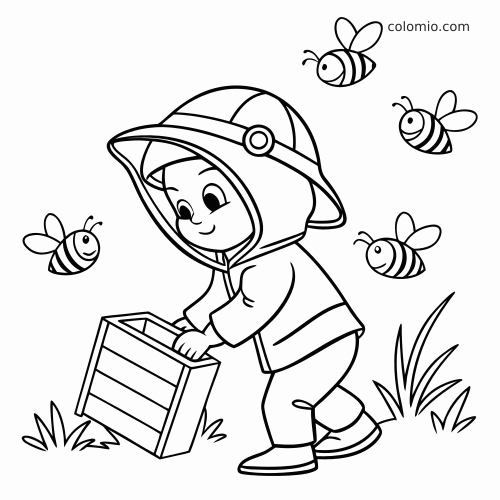
Cute beekeeper with smiling bees – colored in by the community
-
by sasi
12 Likes

Beekeeper with bees and honeycomb – colored in by the community
-
1 Likes
Buzz-Worthy Coloring Tips: Bring Your Bee to Life!
A bee may look simple at first, but it has lots of tiny details that make it special. When coloring, go slowly and watch the striped body, the see-through wings, and the small shapes on the head and legs. Careful coloring helps your bee look real and ready to fly.
Quick Bee Check: Bees have bold stripes, fuzzy bodies, and shiny wings. Keeping these parts clear and neat makes the picture look more realistic.
What to Pay Special Attention To
- Fuzzy thorax: The middle body part (behind the head) looks a bit fluffy. Use light, short strokes instead of pressing hard.
- Stripes on the abdomen: Try to keep the edges of the stripes clean and curved to match the round body shape.
- Wing texture: Wings are thin and lightly colored. Leave some white space and add just a gentle tint so they look transparent.
- Head details: Color the eyes darker than the face so they stand out clearly.
- Legs and antennae: These are narrow lines. A sharp colored pencil or a well-pointed crayon helps keep them tidy.
- Shading for roundness: Make the sides of the body slightly darker than the middle to help the bee look 3D.
Realistic Colors That Work Best
Use these nature-inspired colors to make a classic bee. The table includes a small color block to help you pick the right shade.
| Bee Part | Color Suggestion | Swatch | Hex |
|---|---|---|---|
| Body stripes (light bands) | Golden Yellow | #F4C542 | |
| Body stripes (dark bands) | Deep Black | #1A1A1A | |
| Fuzzy thorax (soft shading) | Warm Brown | #8B5A2B | |
| Head | Dark Brown | #4A2E1F | |
| Eyes | Charcoal Gray | #2F2F2F | |
| Wings | Very Light Blue-Gray | #DDE7F2 | |
| Wing lines (veins) | Light Gray | #B9C0C7 | |
| Legs and antennae | Black | #1A1A1A | |
| Stinger (if shown) | Dark Gray | #3D3D3D |
Helpful Hints for Neat, Realistic Coloring
- Start with yellow first: Coloring the lighter stripes before the dark ones helps keep the yellow bright and clean.
- Use gentle pressure on wings: A soft layer looks more like a real wing than a solid block of color.
- Keep stripe spacing even: Matching the width of the stripes makes the bee look balanced.
- Add tiny shadows: A little dark shading under the wings and along the belly edge can make the bee pop off the page.

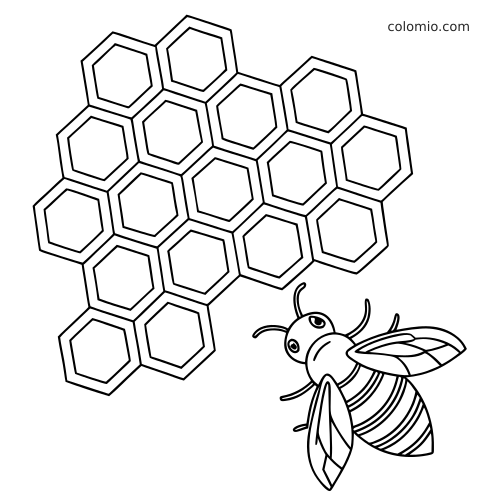
Simple honeycomb with a bee – colored in by the community
-
by Ania
3 Likes
-
1 Likes

-
0 Likes


Simple bee with blooming flowers – colored in by the community
-
0 Likes

Buzz, Build, and Decorate: Bee Crafts Kids Can Make!
Make a Puffy Bee Buddy!
✂️ You need: bee coloring page, crayons or markers, scissors, glue stick, cotton balls, black paper (or a black marker), googly eyes (optional)
- Color the bee and cut it out with help.
- Glue cotton balls onto the bee’s body to make it fluffy.
- Add stripes with black paper strips or draw them on.
💡 Supports: fine motor skills, creativity, hand-eye coordination
Bee Finger Puppet in Minutes
✂️ You need: cardstock or thick paper, crayons or markers, scissors, glue or tape, a strip of paper, googly eyes (optional)
- Draw or paste a small bee on cardstock and color it.
- Cut out the bee and a paper strip for a finger ring.
- Wrap the strip around a finger and glue it to the back of the bee.
💡 Supports: pretend play, fine motor skills, storytelling
Classroom Bee Mobile Decoration
✂️ You need: several bee coloring pages, crayons or markers, scissors, string or yarn, a coat hanger or stick, tape, hole punch (optional)
- Color and cut out several bees for the group.
- Tape or tie a piece of string to each bee.
- Attach the strings to a hanger or stick and hang it up.
💡 Supports: teamwork, planning, spatial thinking


Bee Mine Valentine card with heart – colored in by the community
-
by Ania
9 Likes
-
2 Likes


Buzzing Secrets: 5 Sweet Facts About Bees
They “talk” with a waggle!
Honeybees can do a special waggle dance to show other bees where yummy flowers are—like giving directions with their bodies. National Geographic
Bee fuzz is a pollen magnet
Many bees look a little fuzzy because tiny hairs help pollen stick to them, so they can carry it from flower to flower like nature’s dusting brush. Smithsonian Magazine
Almonds need bee helpers
In California, huge almond orchards bloom each year, and honeybees help pollinate the flowers so almonds can grow. U.S. Fish & Wildlife Service
Some bees live in tiny tunnels
Not all bees live in hives—many native bees in the United States live alone, making nests in the ground or in hollow plant stems. U.S. Fish & Wildlife Service
Honey is a super-sticky snack
Honey is made from flower nectar, and because it has very little water, it can last a long time when stored—like a naturally long-lasting treat. National Geographic


Happy cartoon bee design – colored in by the community
-
11 Likes
-
0 Likes


Honeybee – colored in by the community
-
4 Likes
-
0 Likes

Smiling bee – colored in by the community
-
4 Likes
-
0 Likes