Easter coloring pages
 Author Mathias
 Easter brings a gentle burst of color and simple joy, and an Easter coloring page can be a perfect way to welcome the season. These printable coloring pages are black-and-white outlines of eggs, bunnies, chicks, baskets, spring flowers, and kid-friendly scenes designed for little hands. Each coloring page is created so kids can explore color choices, practice staying inside the lines, and add their own creative details like patterns, faces, or backgrounds. Whether it’s a single sheet for a short activity or a stack of themed pages for an afternoon, they’re easy to print and use right away.
These Easter coloring pages are suitable for toddlers, preschoolers, and older kids alike: simpler pages with big shapes work well for toddlers, more detailed designs engage preschoolers, and older children can enjoy intricate patterns or invent stories about the pictures. Use them at home for quiet time, in the classroom for seasonal art, in homeschool lessons to reinforce vocabulary or counting, or on car trips to keep kids calmly occupied. Beyond fun, coloring supports fine motor skills, color recognition, focus, creativity, and early literacy as children name objects and tell stories about their artwork, making Easter coloring a small activity with real developmental benefits.

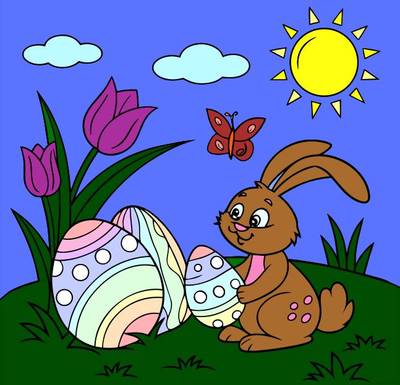
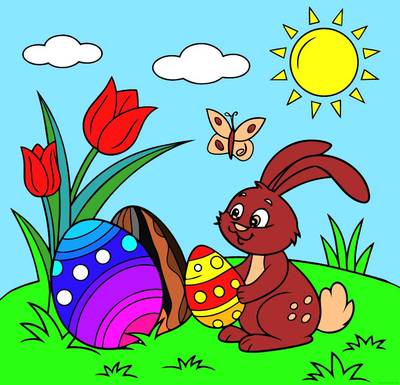
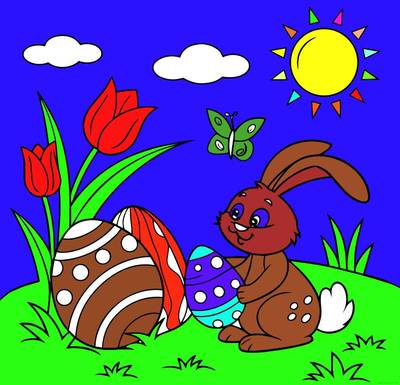
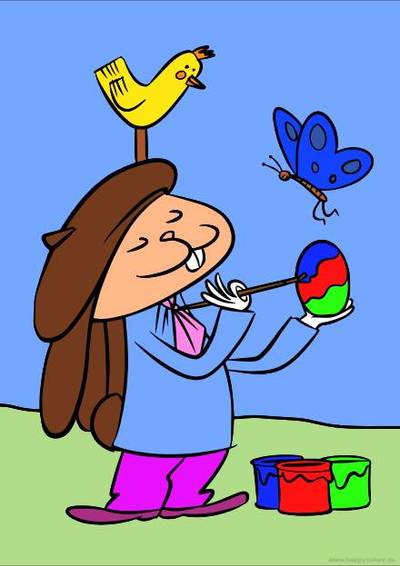
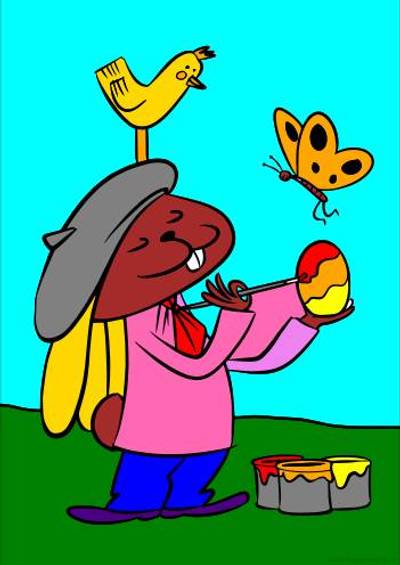
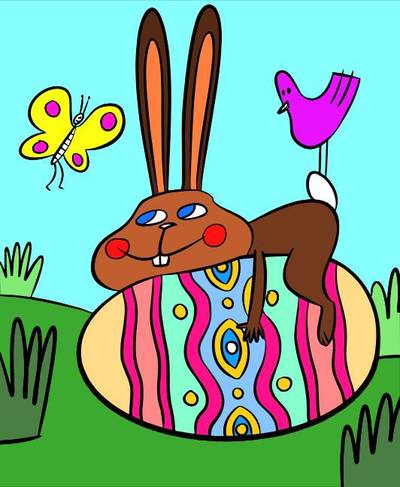
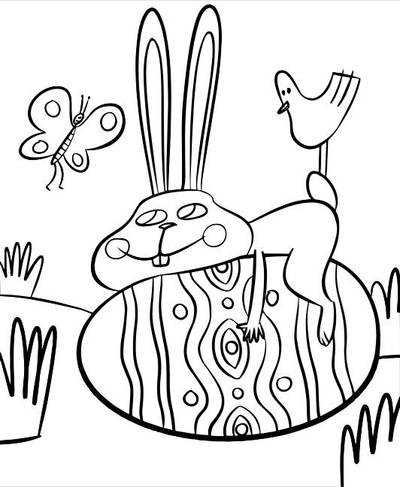
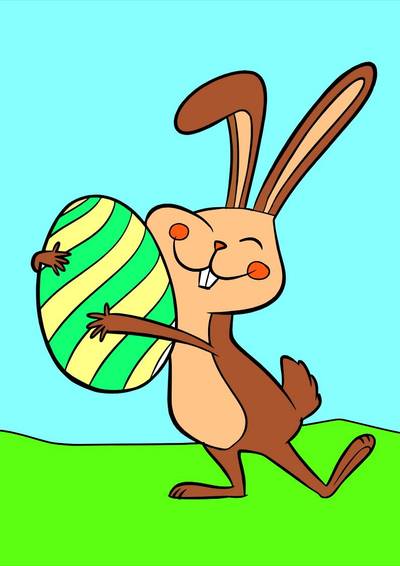
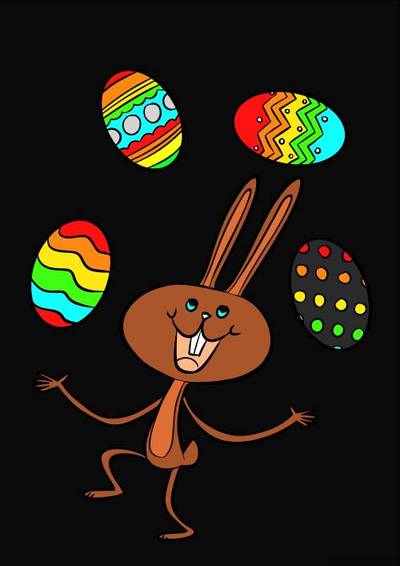
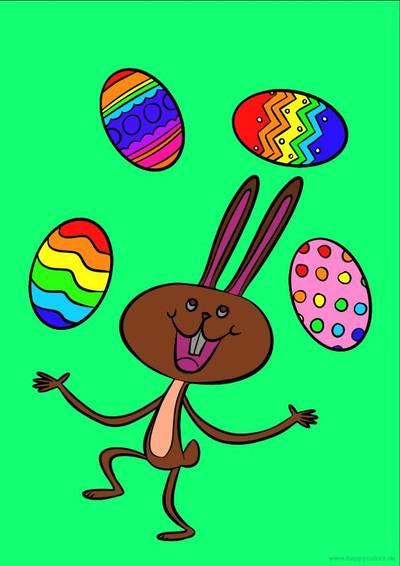
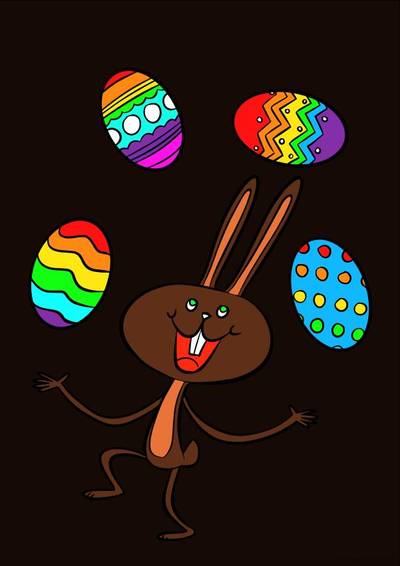
Easter bunny with decorated eggs – colored in by the community
-
by Joline
 7 Likes
-
by Ania
 3 Likes
-
by user-v32r78
 1 Likes

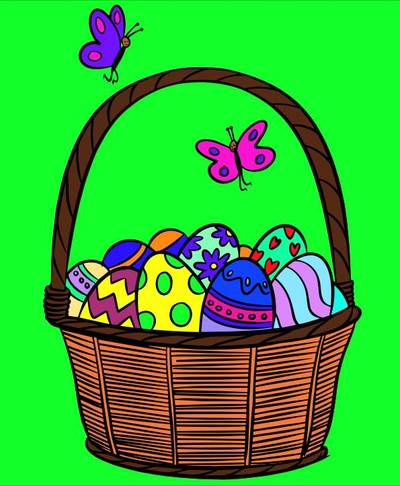
Easter basket with decorated eggs – colored in by the community
-
by benni
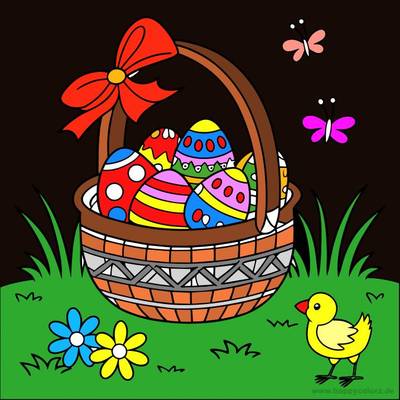 3 Likes
-
by user-cg7q8u
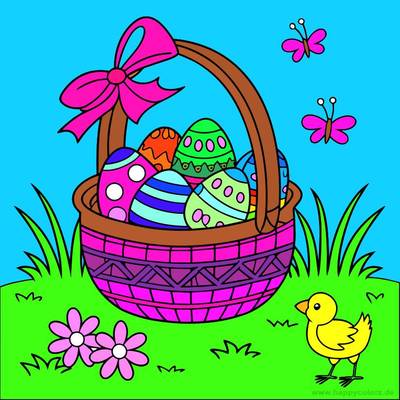 2 Likes
-
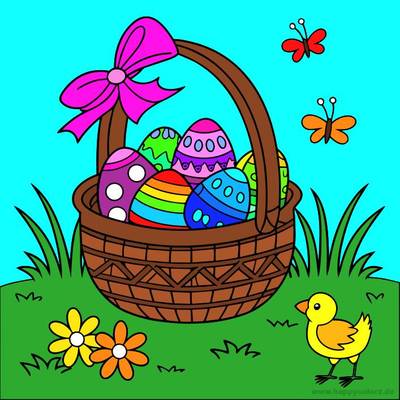 2 Likes

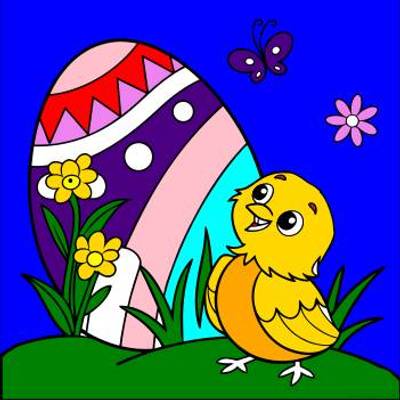
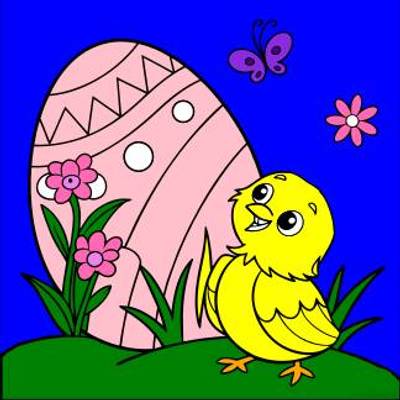
Easter egg and chick scene – colored in by the community
-
by Joline
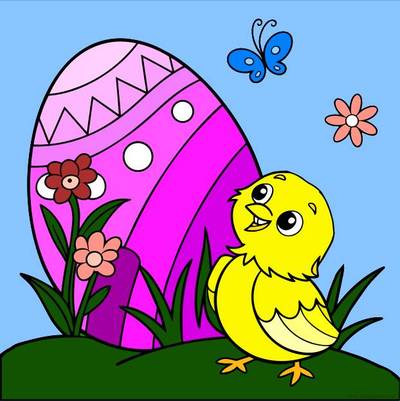 1 Likes
-
by user-hz8b8f
 1 Likes
-
by Joline
 0 Likes

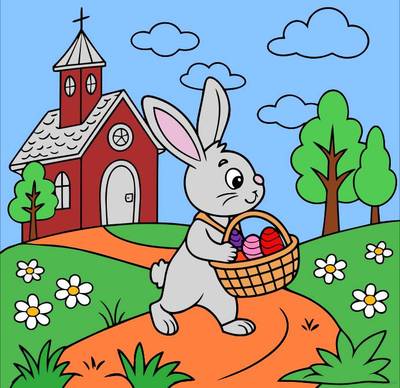
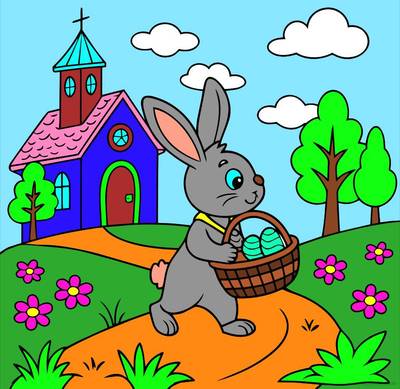
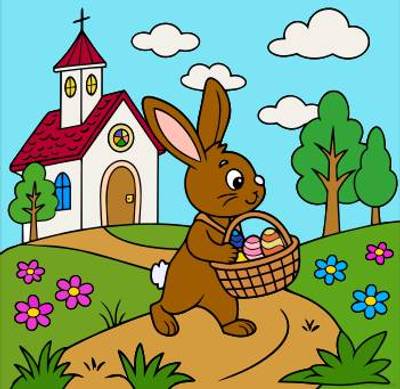
Easter bunny with egg basket – colored in by the community
-
 3 Likes
-
by Ania
 2 Likes
-
by user-p01iu2
 1 Likes

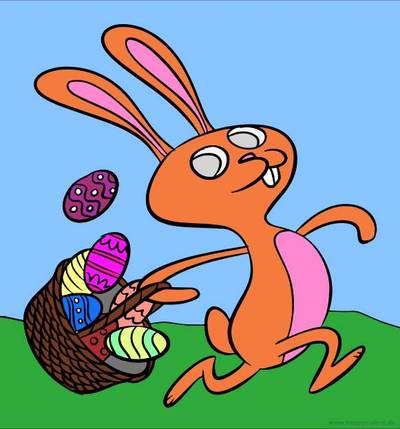
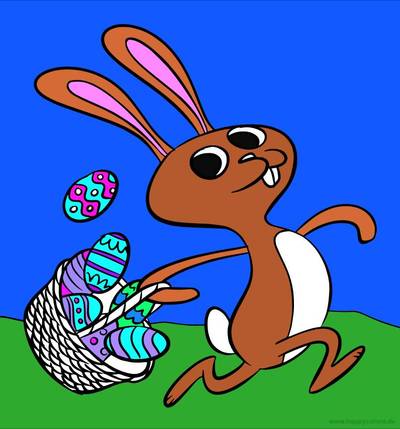
Easter Bunny with Basket and Eggs – colored in by the community
-
by Joline
 1 Likes
-
 1 Likes

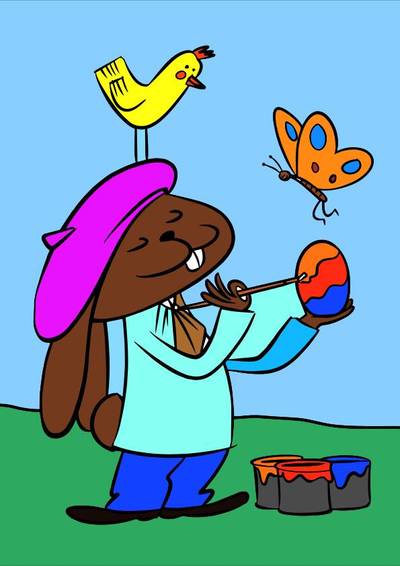




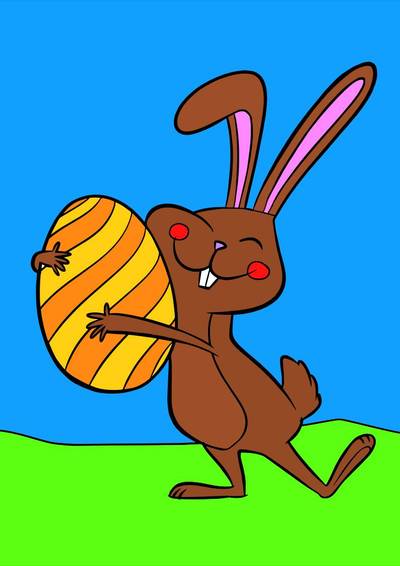
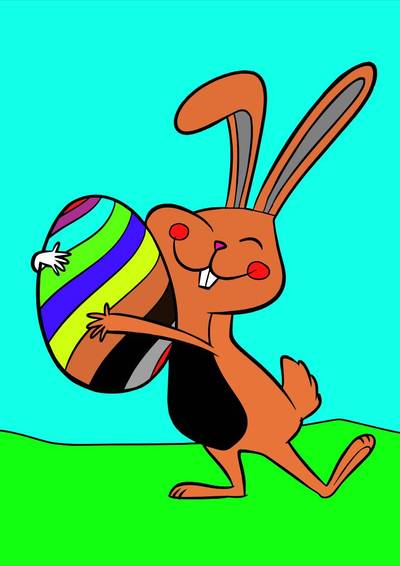

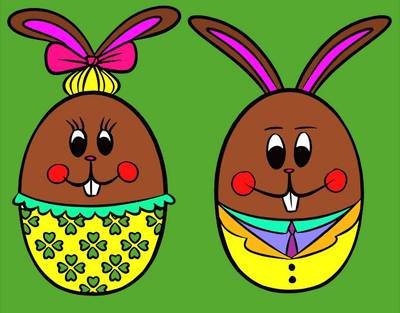
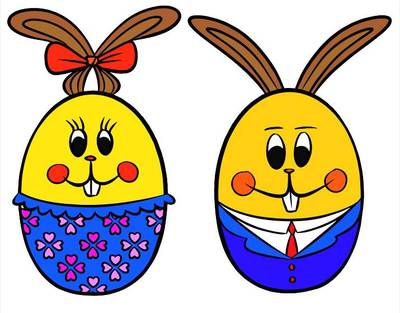


Grab Your Crayons: Bring Easter Eggs, Bunnies, and Springtime Details to Life!
Coloring an Easter scene is extra fun because it often includes soft fur, shiny eggs, and cheerful spring decorations. Taking a little time with small details helps the whole picture look neat, bright, and easy to recognize.
Quick goal: Use smooth coloring for big areas (like the bunny’s body) and careful, tiny strokes for patterns (like egg stripes and dots).
What to Pay Special Attention to While Coloring
- Bunny fur: Color in short, light strokes that follow the body shape (down the ears, around the cheeks, along the back) to make the fur look soft.
- Inner ears and nose: These small spots stand out. Keep edges clean so the face looks friendly and clear.
- Easter egg patterns: Stripes, zigzags, dots, and little shapes look best when children slow down and repeat the pattern carefully.
- Basket weaving (if shown): Try coloring each “strip” separately. Leaving tiny white gaps between strips can make the weave look more real.
- Grass and leaves: Use strokes that go upward, like real blades of grass. This makes the ground look lively instead of flat.
- Shadows and curves: Darker color near the bottom of eggs or under the bunny helps round shapes look more realistic.
- Background details: Flowers, clouds, and small decorations look best when they are colored lightly, so the main Easter characters stay the focus.
Realistic Color Ideas for an Easter Coloring Page
These colors match common, real-life Easter scenes: natural bunny shades, spring greens, and classic painted egg colors.
| Part of the Picture | Realistic Color | Color Hint |
|---|---|---|
| Bunny fur (light) | Warm Cream | #F3E6C8 |
| Bunny fur (brown) | Soft Brown | #A67C52 |
| Bunny fur (gray) | Gentle Gray | #B0B7BD |
| Inner ears | Soft Pink | #F2A7B8 |
| Nose | Rose Pink | #D97B8A |
| Eyes (pupil) | Deep Brown | #3B2A1F |
| Grass | Spring Green | #6FBF4B |
| Leaves and stems | Leaf Green | #3F8F3A |
| Tree branches (if shown) | Natural Brown | #7A5536 |
| Basket (if shown) | Wicker Tan | #D2B48C |
| Easter egg base (common dyed look) | Pastel Yellow | #F7E27C |
| Easter egg base (common dyed look) | Pastel Blue | #8EC5E8 |
| Easter egg base (common dyed look) | Pastel Green | #A8D8A8 |
| Easter egg base (common dyed look) | Pastel Pink | #F3A6B6 |
| Egg pattern lines | White | #FFFFFF |
| Flower petals (spring flowers) | Butter Yellow | #FFD66B |
| Flower centers | Golden Yellow | #F2B705 |
| Sky (if shown) | Light Sky Blue | #BFE3FF |
Helpful Hints for Neat, Happy Easter Coloring
- Start with the biggest shapes first (bunny body, large eggs, sky), then finish with small patterns and faces.
- For egg designs, color the base first and let it “rest” for a moment before adding darker stripes or dots on top.
- Keep one direction for each texture: fur strokes follow the bunny’s shape, grass strokes go upward, and basket strips go along the weave.
- If crayons or pencils leave white specks, go over the area again with gentle pressure to make the color look smooth.




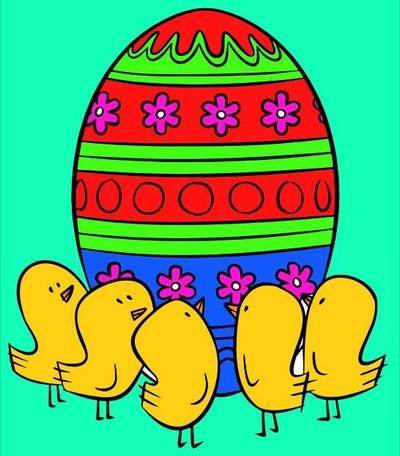
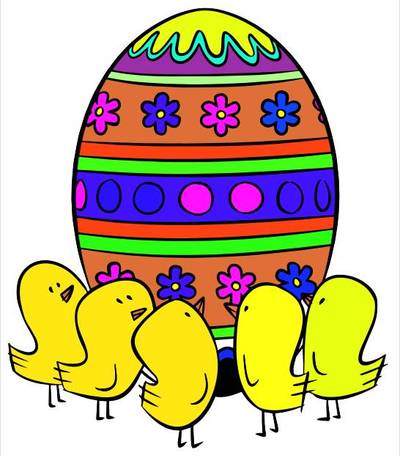
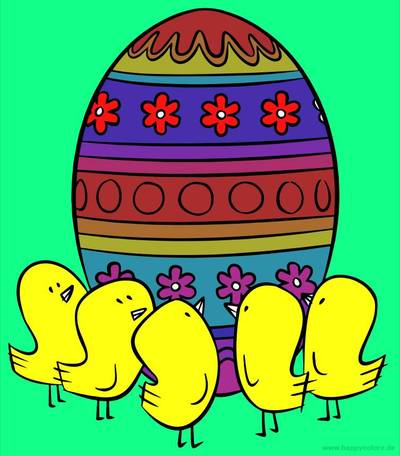
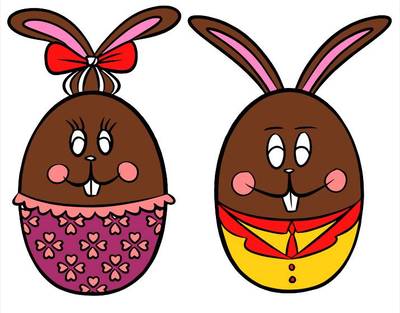
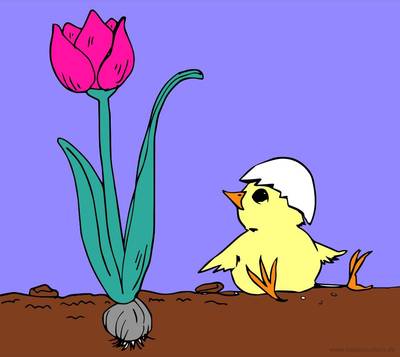
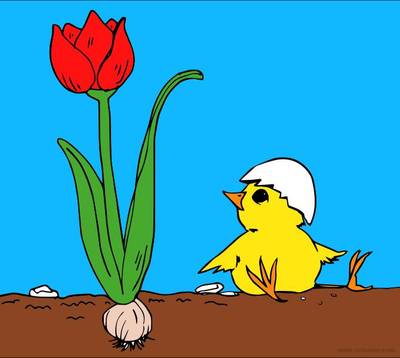
Easter eggs with Chicks and Easter Bunny – colored in by the community
-
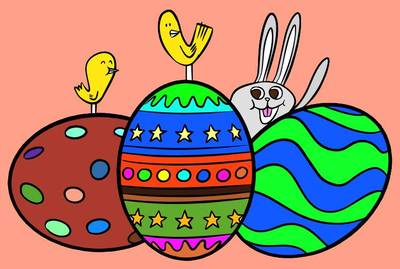 33 Likes
-
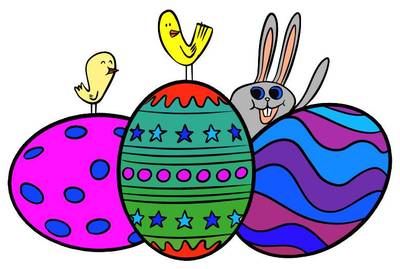 19 Likes
-
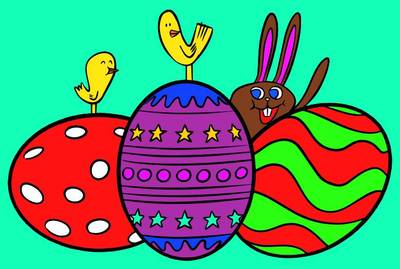 15 Likes

Scissors, Glue, Go! Easter Craft Magic Awaits
Pop-Up Easter Egg Surprise!
✂️ You need: Easter coloring page, cardstock, scissors, glue stick, crayons or markers
- Color the Easter picture and cut out a big egg shape.
- Fold a piece of cardstock in half to make a card.
- Glue the egg so it sticks out from the fold like a pop-up.
💡 Supports: fine motor skills, creativity, careful cutting
Cotton-Tail Bunny Mask Fun
✂️ You need: Easter coloring page, cotton balls, glue, scissors, hole punch (optional), string or craft stick
- Color a bunny face and cut it out.
- Glue cotton balls on the cheeks and as a fluffy tail.
- Add string through holes or glue on a craft stick to hold it.
💡 Supports: imaginative play, hand control, sensory creativity
Classroom Easter Garland Parade
✂️ You need: several Easter coloring pages, crayons or markers, scissors, tape or glue, string or ribbon, hole punch (optional)
- Color different Easter shapes like eggs, chicks, and bunnies.
- Cut them out and punch a hole at the top of each.
- Thread them onto string and hang the garland up.
💡 Supports: teamwork, planning, pattern making
🎨 New coloring pages by email
Regularly get new free coloring pages straight to your inbox – no spam, unsubscribe anytime.
You’ll first get a confirmation email (double opt-in). Unsubscribe anytime with one click. Privacy Policy
Did You Know? 5 Egg-cellent Facts About Easter
Easter Moves Around Every Year!
Easter Sunday doesn’t have a fixed date—it changes each year because it’s linked to the moon and the start of spring. That’s why it can be in March or April. Encyclopedia Britannica
The White House Has Egg Rolls
In Washington, D.C., kids and families have rolled decorated eggs on the White House lawn for a long time at a special Easter event. History Channel
Eggs Mean “New Life”
Long before modern egg hunts, eggs were a symbol of new life and springtime—just like baby animals and new flowers popping up after winter. National Geographic
Bunnies Can’t Lay Eggs—Silly!
Rabbits don’t lay eggs, but they became part of Easter because they can have lots of babies, especially in spring—so they’re another sign of new beginnings. Smithsonian Magazine
Egg Dye Can Be From Plants
Some families color eggs using natural dyes from foods like onion skins, beets, or red cabbage—turning the kitchen into a mini color lab. PBS
Why Kids Love These Easter Coloring Pages
- These Easter coloring pages help children develop fine motor control and color recognition as they practice staying within lines and choosing palettes.
- They give parents and teachers ready-made, theme-aligned printables that save prep time and fit into lesson plans or holiday centers.
- As a screen-free activity, a single Easter coloring page encourages quiet focus, imaginative play, and cooperative group time without devices.
- Simple outlines let kids personalize characters, practice storytelling, and build vocabulary while exploring colors and patterns.
Creative Ideas & Activities
- Color-and-cut garland: Have each child color a single Easter coloring page, cut out egg or bunny shapes, hole-punch them, and string them together with yarn or ribbon to make a classroom garland.
- Color-by-number math: Turn an Easter coloring page into a color-by-number by assigning colors to sums or multiplication answers so kids solve problems to reveal the picture.
- Story prompt flip-book: Ask children to color one Easter character per page and write a sentence about them, then staple pages into a flip-book to build sequencing and writing skills.
- Texture collage: After coloring an Easter page, let kids add cotton, foil, felt scraps, or sequins to create tactile fur or egg decorations, practicing fine motor control and sensory exploration.
- Matching and memory game: Print two copies of small Easter images, cut them into cards, and play memory or matching games to reinforce vocabulary like “bunny,” “basket,” and “egg.”
- Egg hunt clues: Use colored Easter pages as clue cards or hide numbered pages around the room for a scavenger hunt that teaches following directions and teamwork.
- Stained-glass window art: Trace an Easter design onto clear contact paper or laminate a colored page between transparent sheets, then hang it in a window to catch the light and brighten the room.
- Classroom gallery & critique: Create an Easter art gallery where each child displays a finished page and classmates share one compliment and one idea to try next time to build confidence and art vocabulary.
Frequently Asked Questions
Are the coloring pages free to download and print?
Yes, all coloring pages on this page are free to download and print. You can print as many copies as you need for home or school activities.
What file formats are available for printing, PDF or JPG?
Pages are available in common formats like PDF and JPG; PDFs are best for consistent full-page printing while JPGs are handy for quick prints or image editing. Choose the format that fits your printer or project needs.
What ages are these coloring pages suitable for?
These pages are suitable for preschoolers through elementary-age children, with simpler designs for younger kids and more detailed scenes for older children. Teachers and parents can adapt activities to match developmental levels.
Can I use these coloring pages in my classroom or kindergarten?
Yes — these coloring pages can be used for free at school and in kindergarten; classroom use is allowed for centers, seasonal projects, and lesson plans. Feel free to print multiple copies for your class or group.
How can I get the best coloring results with crayons or markers?
For best results, use medium-weight paper or cardstock to reduce marker bleed and give crayons good texture; colored pencils are great for fine detail and markers for bold color. Place a scrap sheet underneath when using markers, and encourage children to test new tools on a corner before starting.