Cock-a-doodle-doo! The chicken coloring picture crows for bright colors
 Author Mathias
 A chicken coloring page can be a simple joy: a single outlined bird waiting for bright colors, imaginative patterns, or a story of farmyard friends. These chicken pages are designed to be clear and approachable, with bold lines that make it easy for little hands to stay inside the borders. A chicken coloring page is not just an activity sheet; it’s a gentle invitation to explore colors, practice grip and coordination, and invent little narratives about the hen, rooster, or fluffy chicks that appear on the paper.
These coloring pages suit a wide range of ages—toddlers can scribble and learn color names, preschoolers can practice staying inside the lines, and older kids can add details, backgrounds, or even create mixed-media art. Use them at home for quiet time, in the classroom for group projects, in homeschool lessons to reinforce vocabulary and life sciences, or on the go during travel. Beyond fun, chicken coloring pages support fine motor development, color recognition, concentration, and early writing readiness. They also encourage creativity and storytelling as children name their chickens, imagine habitats, and experiment with patterns—making a simple sheet of paper a tiny, educational workshop.

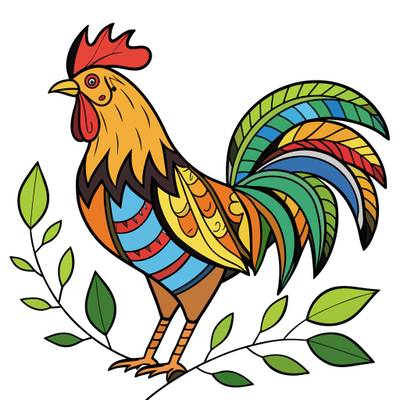
Zentangle rooster with leafy branches – colored in by the community
-
by Emily
 6 Likes

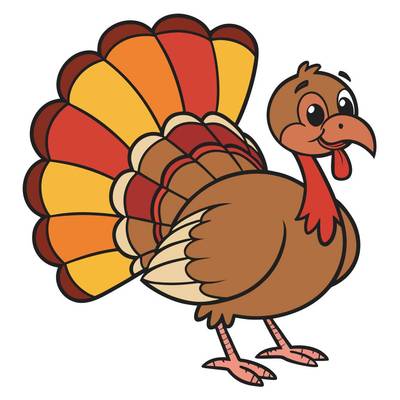
Cute cartoon turkey bird – colored in by the community
-
by sasi
 3 Likes

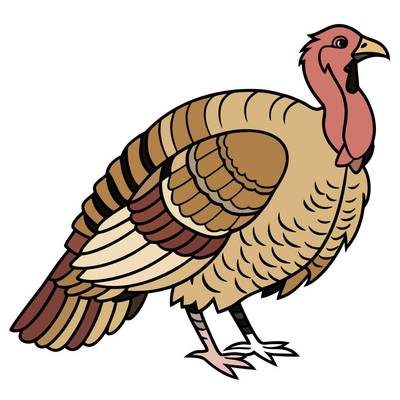
Detailed side-view turkey bird – colored in by the community
-
by freja
 5 Likes

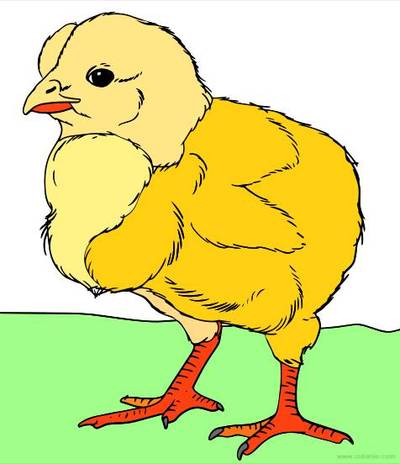
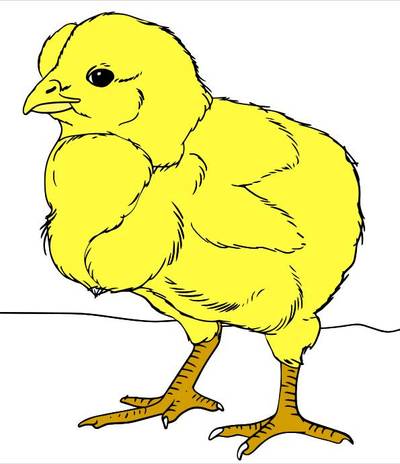
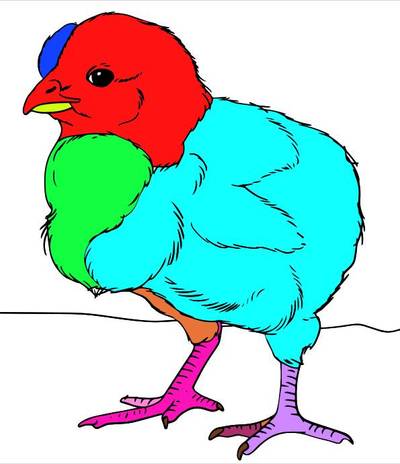
Cute special chicken breed chicks – colored in by the community
-
by Matilde
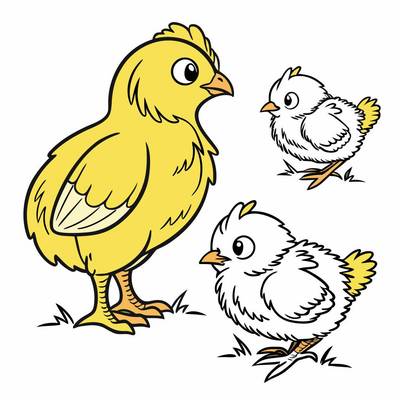 5 Likes

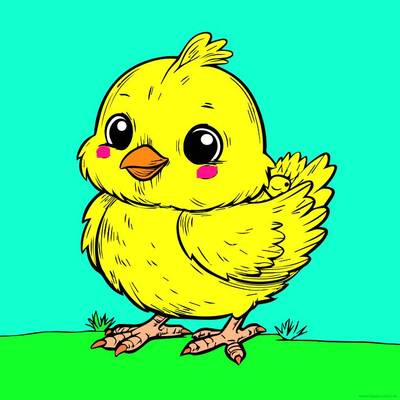
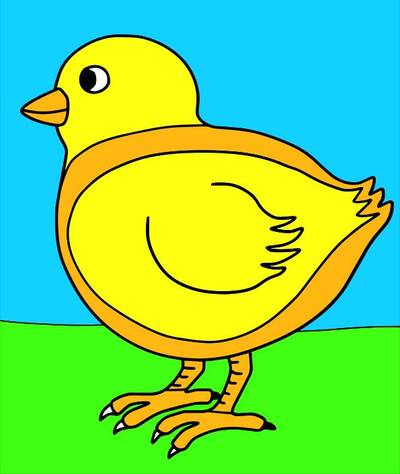
Chicken standing on grass – colored in by the community
-
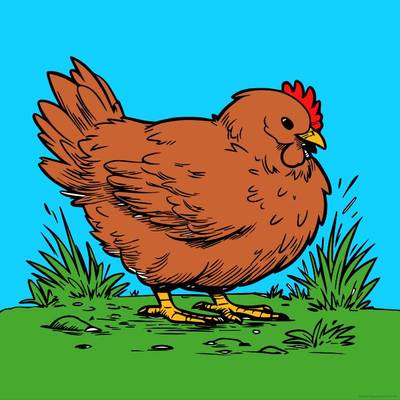 1 Likes

Three special chicken breeds – colored in by the community
-
by Nora
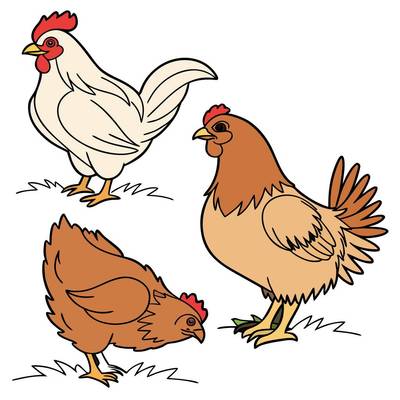 2 Likes

Prominent rooster with long tail – colored in by the community
-
by Nora
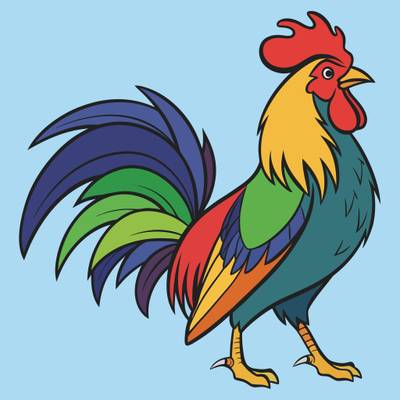 1 Likes

Kawaii chick sitting on an egg – colored in by the community
-
by lily
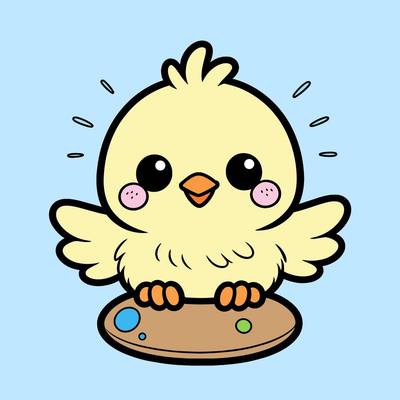 10 Likes

Cute kawaii chick with big eyes – colored in by the community
-
by Clara
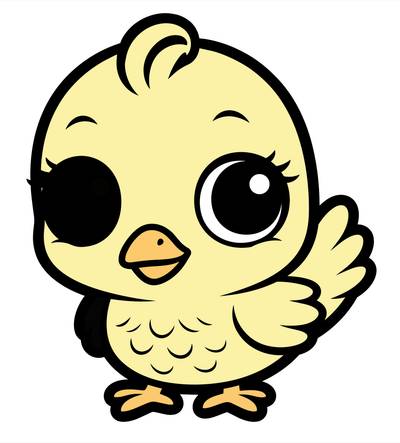 4 Likes

Detailed hen with two chicks – colored in by the community
-
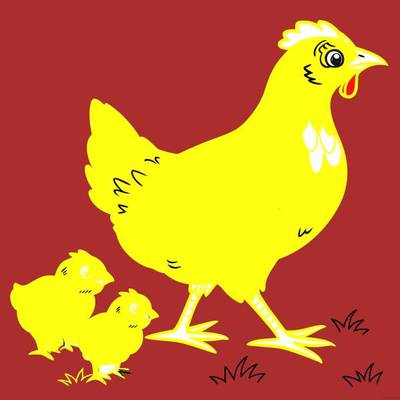 1 Likes

Simple hen with two chicks – colored in by the community
-
by luca
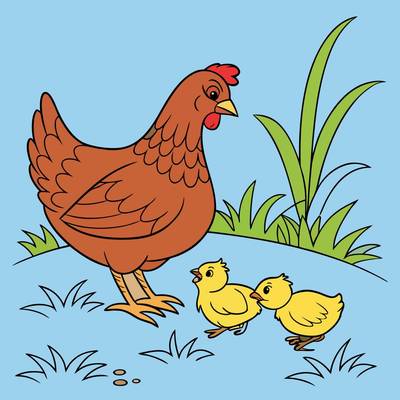 6 Likes

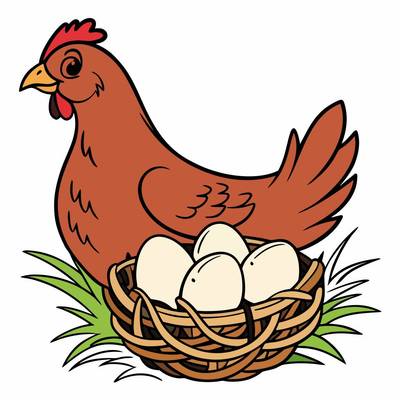
Cute hen with eggs in a nest – colored in by the community
-
by tiago
 4 Likes
Make Your Chicken Look Real: Simple Coloring Tips for Feathers, Beak & Comb
A chicken may look simple at first, but it has lots of fun details! While coloring, children can slow down and notice the feather directions, the different parts of the head, and the shapes of the legs and toes. Careful coloring helps the chicken look neat, friendly, and true-to-life.
Helpful hint: Chickens often have two main “textures” in one picture: soft, fluffy feathers on the body and smoother, firmer parts like the beak, comb, and legs. Using slightly different pressure (light vs. firm) can make those parts stand out.
What to Pay Special Attention To
- Feather texture: Use small, gentle strokes that follow the feather lines. On the belly and tail, feathers can look fluffier, so lighter coloring works well.
- Comb and wattle: These are the bumpy red parts on top of the head and under the beak. Color them evenly, and keep edges clean so they pop.
- Beak shape: Beaks are smooth and curved. Leave a tiny lighter spot (a small uncolored area) to make it look shiny.
- Eyes: Color the pupil dark and keep a small white dot for a bright “sparkle.” This makes the chicken look lively.
- Legs and toes: Chickens have scaly legs and clear toe shapes. Coloring inside the lines here is important so the feet don’t blur together.
- Tail feathers: Tail feathers can be longer and layered. Slightly darker shading near the base helps show the layers.
Realistic Chicken Colors (With Quick Visual Swatches)
| Chicken Part | Realistic Color | Color Hint |
|---|---|---|
| Body feathers (common hen) | Warm Brown | #8D6E63 |
| Body feathers (light/white chicken) | Creamy White | #F5F1E8 |
| Body feathers (black chicken) | Deep Charcoal | #2E2E2E |
| Body feathers (golden/tan chicken) | Golden Tan | #C9A66B |
| Comb & wattle | Chicken Red | #C62828 |
| Beak | Yellow-Orange | #F2B233 |
| Legs & feet | Muted Yellow | #D8C36A |
| Eye (pupil) | Black | #000000 |
| Eye (iris, if shown) | Warm Brown | #6D4C41 |
| Shadows between feathers | Soft Gray | #B0B0B0 |
Neat Finishing Touches (Still Realistic)
- Color the body feathers first, then do the smaller parts (comb, beak, legs) to keep edges tidy.
- Use slightly darker color near feather overlaps and under the belly to show gentle shadow.
- Keep the comb and wattle a strong, even red so they look clear and easy to recognize.

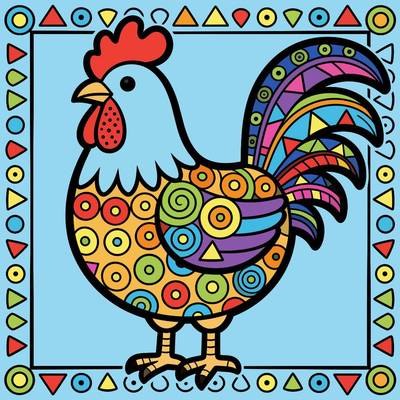
Easy zentangle rooster in a border – colored in by the community
-
by manfred
 1 Likes

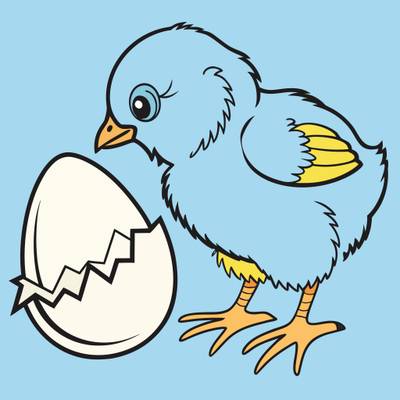
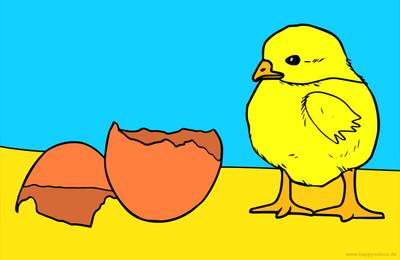
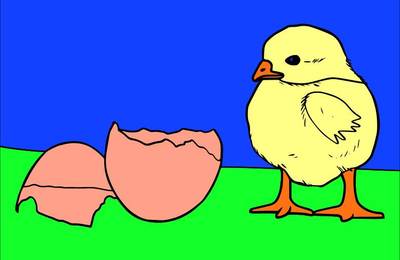
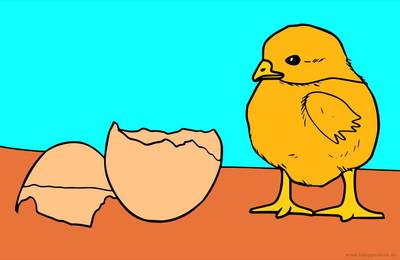
Cute Easter chick beside cracked egg – colored in by the community
-
by Emily
 6 Likes

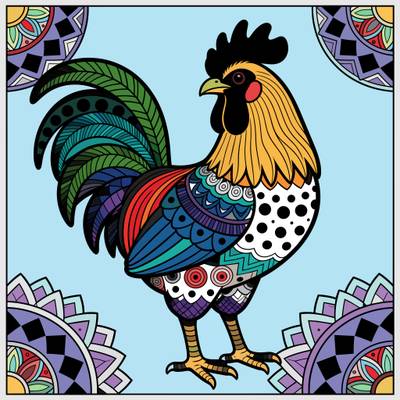
Complex zentangle rooster with mandalas – colored in by the community
-
by Chiara
 4 Likes

Detailed chicken coop with hens – colored in by the community
-
by sasi
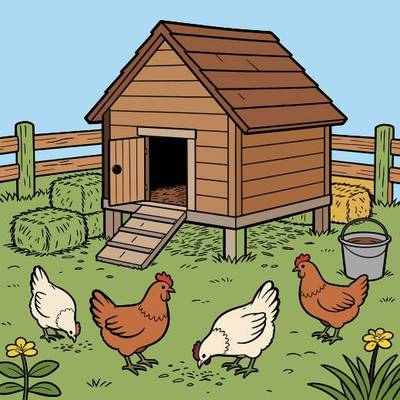 7 Likes
-
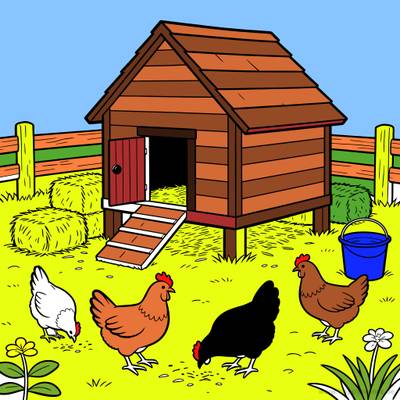 1 Likes
Scissors, Glue, Go! Chicken Crafts for Little Hands
Make a Fluffy Cotton Chicken!
✂️ You need: colored chicken page, cotton balls, glue stick, yellow paper, orange/red paper, child-safe scissors
- Color the chicken body and let it stay mostly light.
- Pull cotton balls into small fluffy pieces.
- Glue the cotton onto the chicken’s body like feathers.
- Cut a small beak and comb from paper and glue them on.
💡 Supports: fine motor skills, sensory play, creativity
Chicken Puppet on a Stick
✂️ You need: colored chicken page, cardstock or cereal box cardboard, glue, craft stick or paper straw, child-safe scissors, tape
- Color the chicken and cut it out carefully.
- Glue the chicken onto cardstock to make it strong.
- Cut around the chicken again after the glue dries.
- Tape a craft stick to the back to make a handle.
💡 Supports: storytelling, hand control, imagination
Classroom Coop Wall Collage
✂️ You need: several colored chicken pages, large paper (poster size), glue, crayons/markers, brown paper scraps, optional: real straw or shredded paper
- Color and cut out several chickens.
- Glue brown paper scraps onto the poster to make a coop.
- Add the chickens inside and around the coop.
- Glue a little straw or shredded paper at the bottom for a nest look.
💡 Supports: teamwork, planning, creative design

Close-up hen by coop and eggs – colored in by the community
-
by Matilde
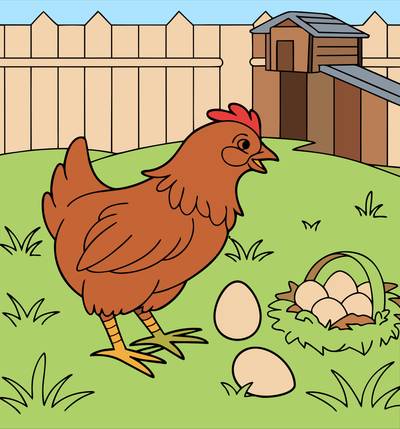 4 Likes


Simple chicken coop and rooster – colored in by the community
-
by sofie
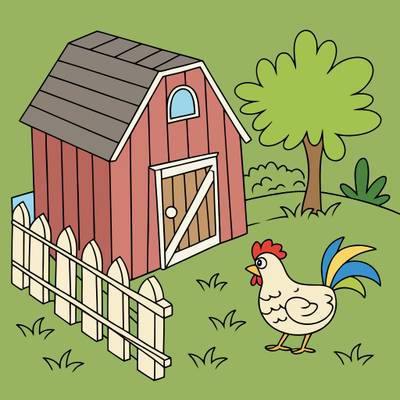 5 Likes

Hen with two chicks on grass – colored in by the community
-
by Emily
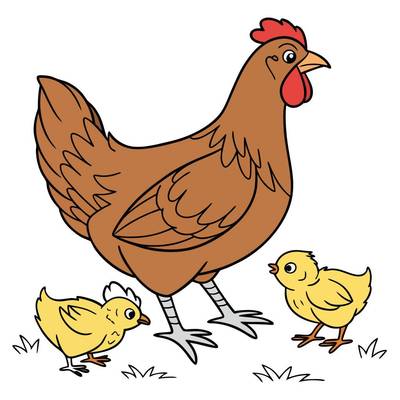 6 Likes
Did You Know? 5 Egg-cellent Facts About Chickens
They’re Tiny Dinosaur Relatives!
Chickens belong to the same big animal group as dinosaurs and modern birds, which is why they have scaly legs and a “dino” look up close. Smithsonian Magazine
A Comb Can Help With Heat
That red “crown” on top of a chicken’s head is called a comb, and it can help the chicken let extra heat out on warm days. National Geographic
Chicks Talk Before Hatching
Peep, peep—baby chicks can make sounds while they’re still inside the egg, and the mother hen can answer them too. Wikipedia
The U.S. Has Famous Chicken Breeds
Some chickens were developed in the United States, like the Rhode Island Red, a well-known breed named after the state of Rhode Island. Encyclopedia Britannica
They Take Dust Baths on Purpose
Chickens love to flop and wiggle in dry dirt or sand—this “dust bath” helps keep their feathers in good shape and can knock off tiny pests. PBS

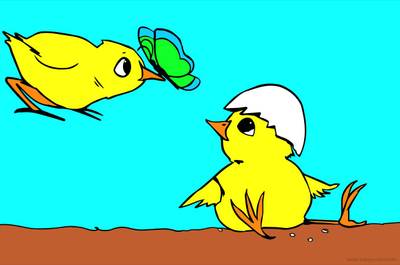
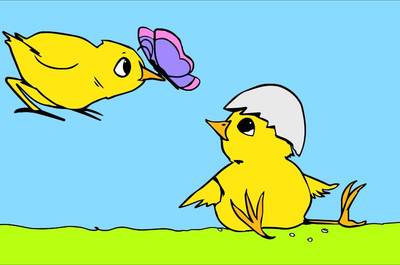
Cartoon chick beside cracked egg – colored in by the community
-
by Nora
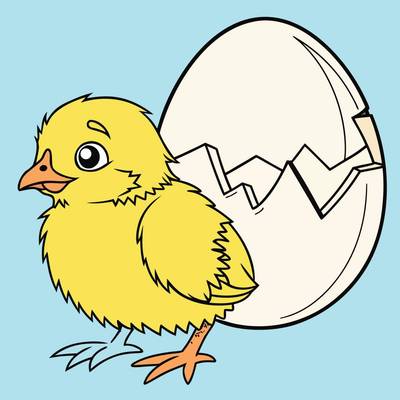 3 Likes

Cute chick hatching from an egg – colored in by the community
-
by Matilde
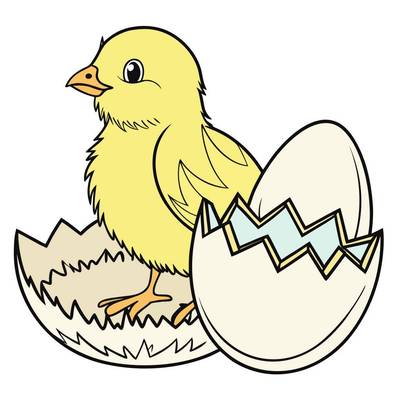 9 Likes

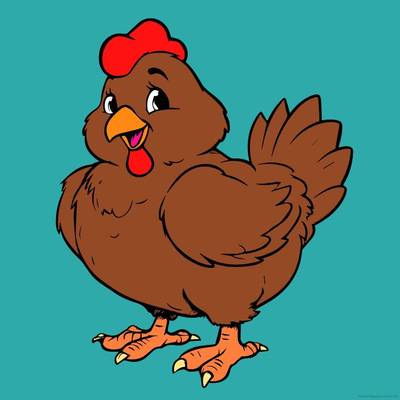
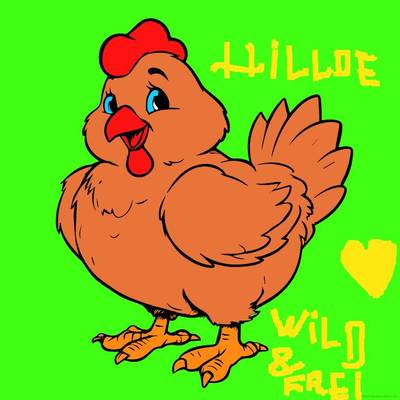
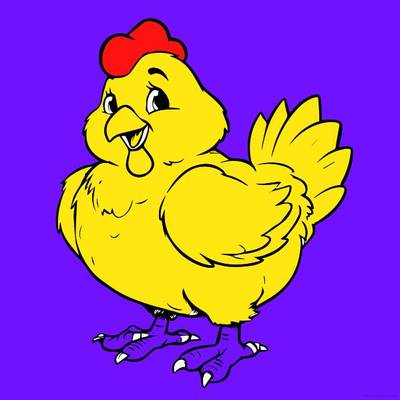

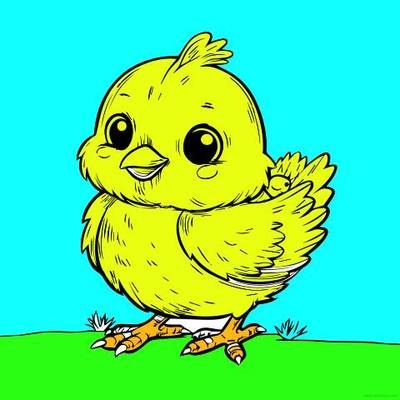
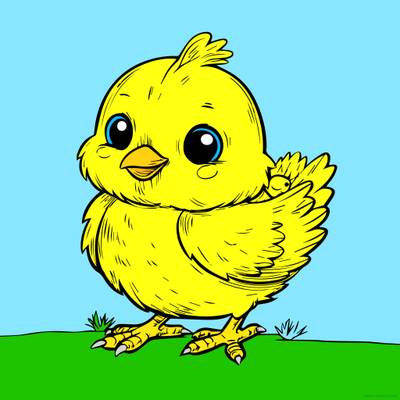

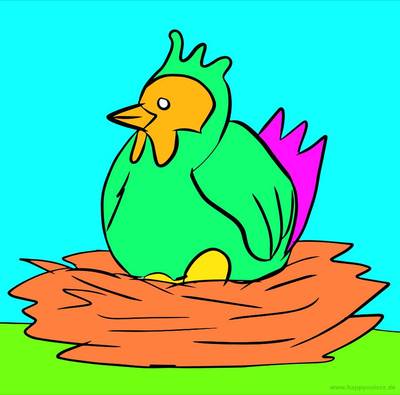
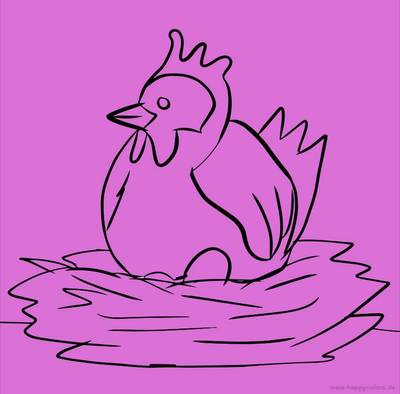
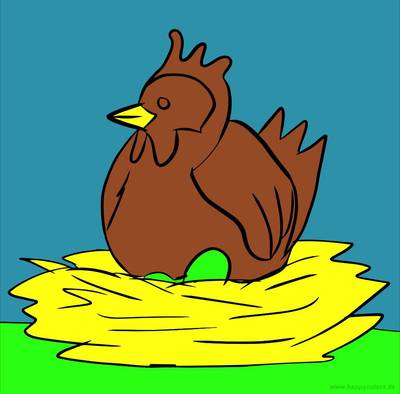
Hen in a nest – colored in by the community
-
 2 Likes
-
 1 Likes
-
 0 Likes


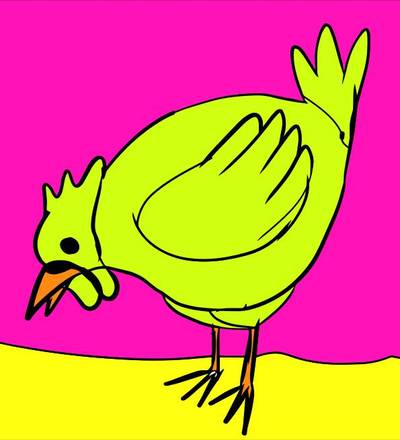
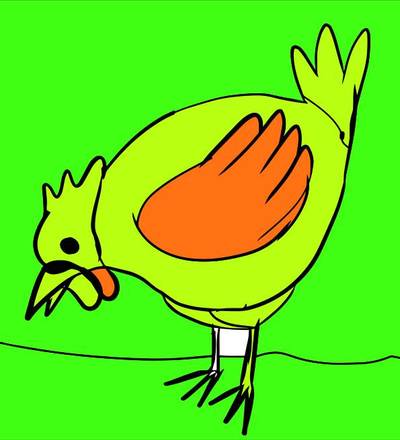
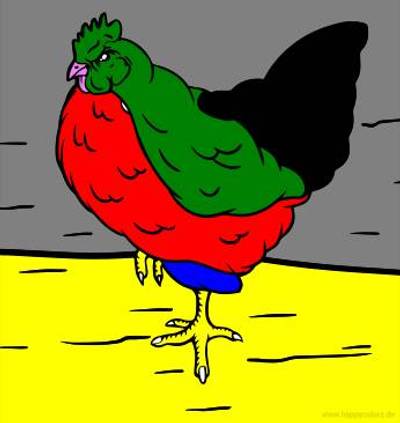
Pecking chicken – colored in by the community
-
 3 Likes
-
 2 Likes



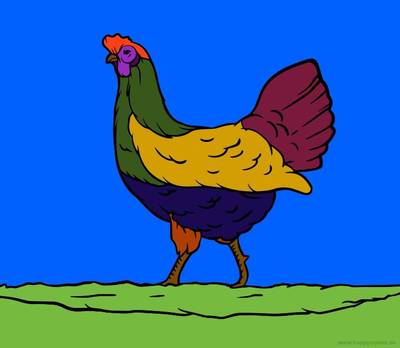

Rooster – colored in by the community
-
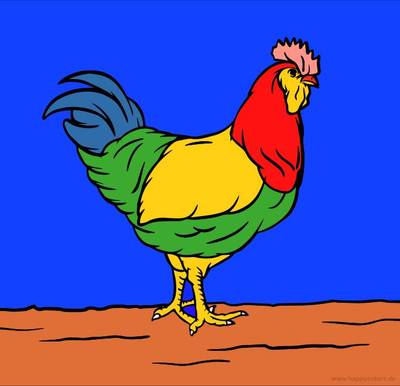 5 Likes
-
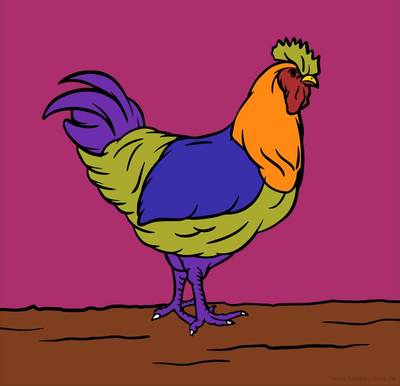 2 Likes
-
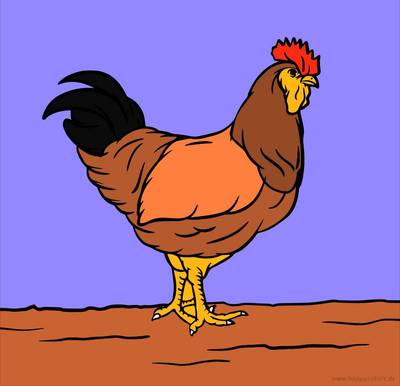 0 Likes




Hen with three chicks – colored in by the community
-
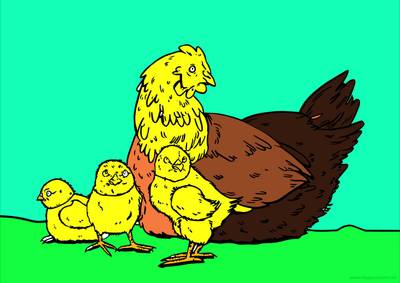 0 Likes
-
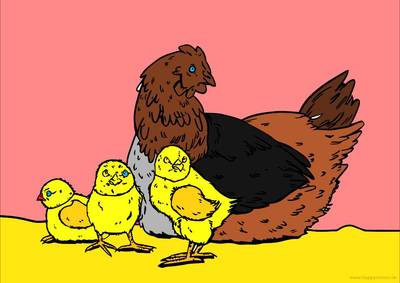 0 Likes
🎨 New coloring pages by email
Regularly get new free coloring pages straight to your inbox – no spam, unsubscribe anytime.
You’ll first get a confirmation email (double opt-in). Unsubscribe anytime with one click. Privacy Policy
Why Kids Love These Chicken Coloring Pages
- Children develop fine motor control and color recognition by filling in details and practicing controlled strokes on each chicken coloring page.
- Parents and teachers can use the printable chickens as quick activity sheets for letter tracing, counting eggs, or quiet independent work during circle time.
- These pages provide a simple, screen-free activity that fits into transitions, car rides, or calm-down corners without any special equipment.
- Customizing patterns and colors on a chicken encourages storytelling and imagination, as kids describe their bird’s personality and habitat.
Creative Ideas & Activities
- Turn a colored chicken into a puppet by gluing it to a craft stick and using it for short role-play songs or farmyard conversations.
- Make a counting game by coloring several chickens, cutting them out, and using numbered eggs for children to match to the correct bird.
- Create a textured collage by adding cotton balls, yarn, and feathers to a chicken outline to explore touch and materials.
- Use a chicken page as a story prompt: have each child color a bird and then write or tell a one-paragraph adventure about where it lives.
- Design a color-by-number chicken to reinforce number recognition and following directions with crayons or colored pencils.
- Build a classroom bulletin board farm by mounting multiple children’s chickens and labeling parts of the bird for a simple science display.
- Play a matching game by printing pairs of chickens with different patterns, turning them face down, and taking turns finding matches to boost memory skills.
- Teach life cycles by pairing a chicken coloring page with simple cutouts of egg, chick, and hen; children can sequence the stages and glue them on a timeline.
Frequently Asked Questions
Are these chicken coloring pages free to download and print?
Yes, all coloring pages on this page are free to download and print. They can be used for free at school and in kindergarten, so classroom use is allowed.
What file formats are the coloring pages available in and how should I print them?
The coloring pages are available in common formats such as PDF and JPG for easy printing. For best results use the PDF for crisp lines and select “actual size” or “fit to page” in your print settings on standard 8.5″ x 11″ paper.
What ages are these chicken coloring pages suitable for?
These pages suit a wide range of ages from preschoolers to early elementary students, with simpler outlines for toddlers and more detailed designs for older kids. Teachers and parents can choose pages by complexity to match skill level and attention span.
Can I use these coloring pages in my classroom or kindergarten?
Yes, you may use the pages in classrooms and kindergarten settings; classroom use is allowed and free. They work well as worksheets, center activities, or take-home projects for groups of students.
How can I get the best coloring results with these chicken pages?
Use medium-weight paper or light cardstock for markers and mixed-media projects, and stick to standard printer paper for crayons or colored pencils. Crayons and colored pencils are best for fine details, while washable markers give bright color—place a scrap sheet underneath when using markers to protect surfaces.