Sweet coloring picture of a rabbit for little nature lovers
 Author Mathias
 A rabbit coloring page can be a simple, joyful way to introduce children to art and storytelling. These printable rabbit illustrations range from big, friendly outlines perfect for toddlers to more detailed scenes that challenge older kids. Each coloring page shows a rabbit in a different pose or setting—hopping in a garden, nibbling on a carrot, or curled up for a nap—so children can pick images that match their interests and skill level.
These rabbit coloring pages are suitable for toddlers, preschoolers, and older kids alike. Use them at home for quiet time, in the classroom for a calm activity, during homeschool lessons, or tucked into a travel bag to keep little hands busy on the go. Beyond the fun of choosing colors, coloring helps develop fine motor skills, hand-eye coordination, color recognition, concentration, and even early writing readiness. As children color rabbits and create their own scenes, they practice decision-making and storytelling, too. Whether you’re guiding a toddler or giving an older child a themed prompt, these rabbit pages encourage creativity, patience, and confidence in a welcoming, low-pressure way.

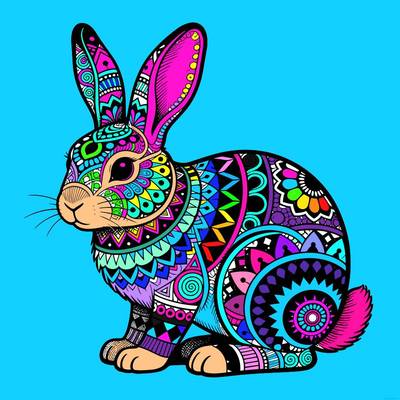
Detailed zentangle rabbit pattern – colored in by the community
-
 8 Likes

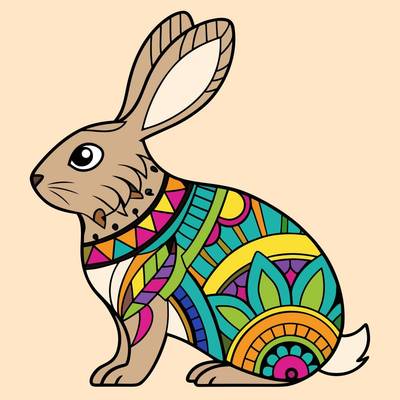
Simple zentangle rabbit outline – colored in by the community
-
by manfred
 15 Likes
-
by Leny
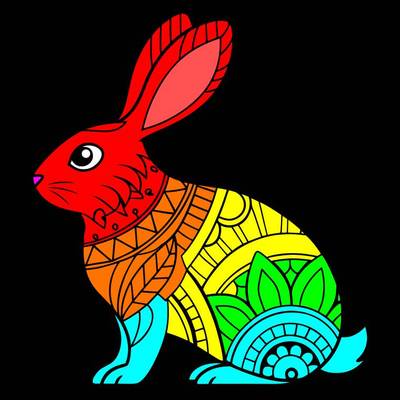 4 Likes
-
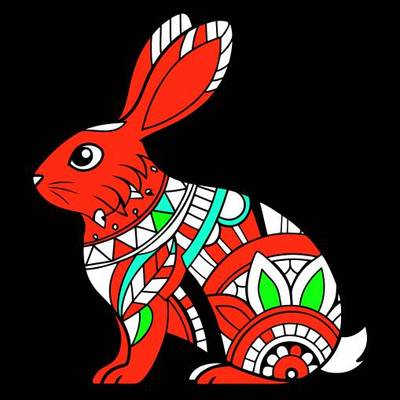 3 Likes

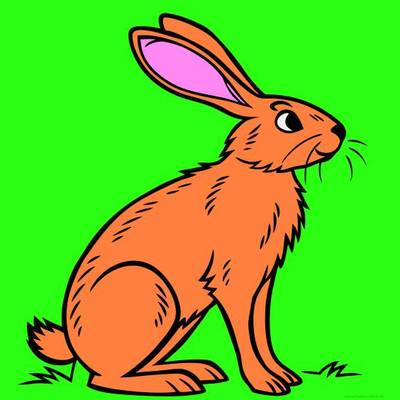
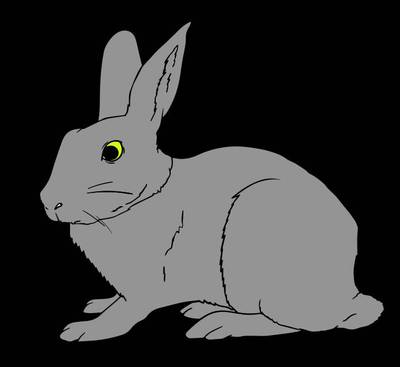
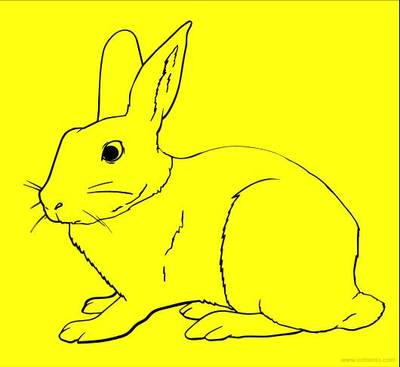
Realistic sitting wild hare – colored in by the community
-
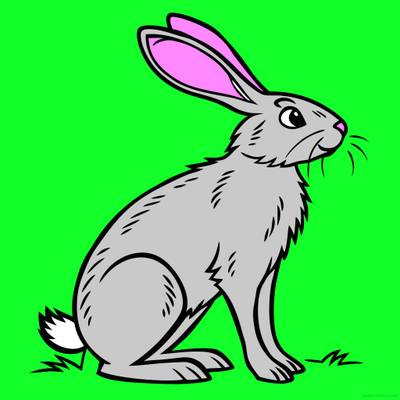 1 Likes
-
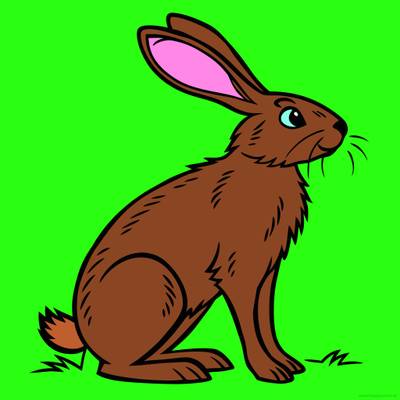 0 Likes
-
 0 Likes


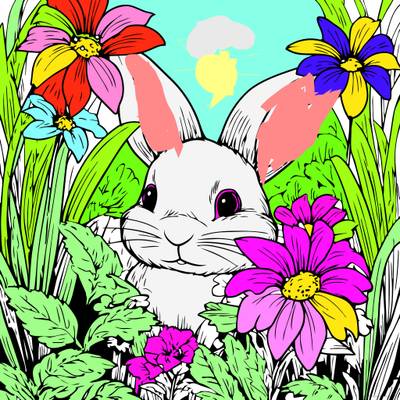
Bunny among flowers – colored in by the community
-
 2 Likes
-
by Chrisei
 1 Likes

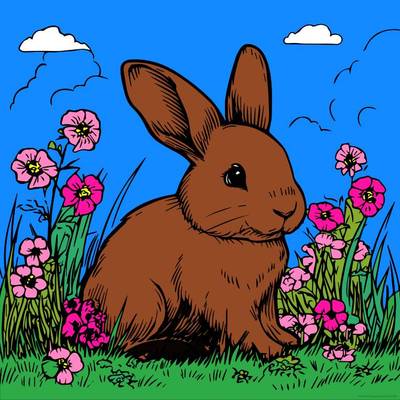
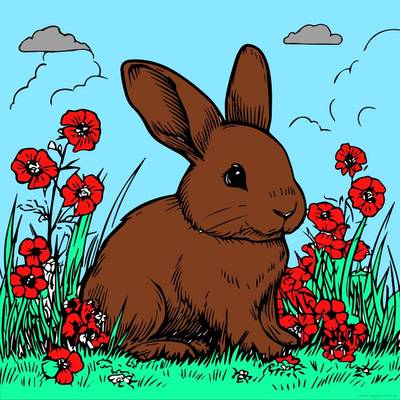

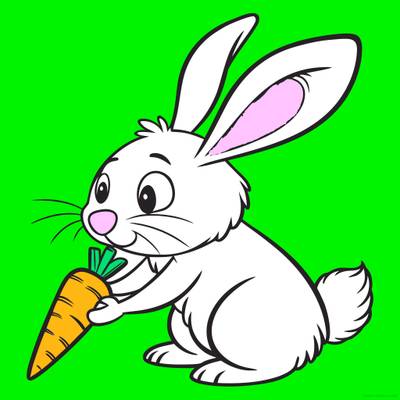
Fluffy rabbit with a carrot – colored in by the community
-
 1 Likes

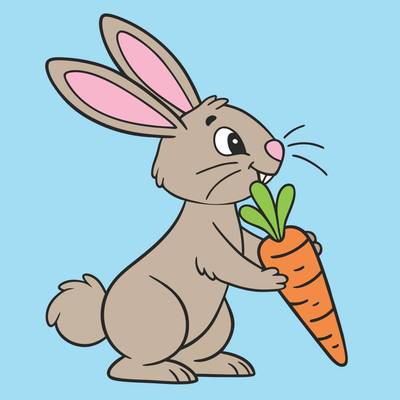
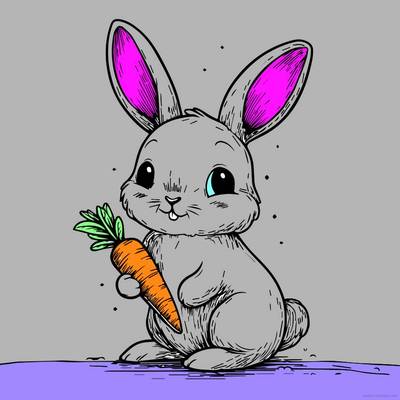
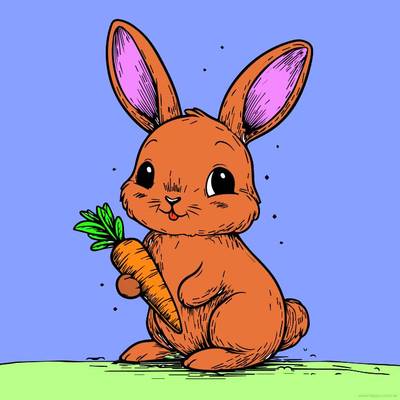
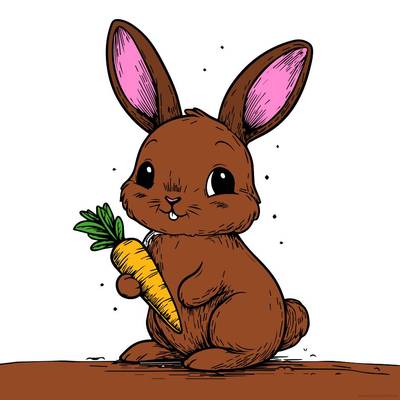
Cute rabbit holding a carrot – colored in by the community
-
by freja
 3 Likes

Standing rabbit with butterfly and ladybug – colored in by the community
-
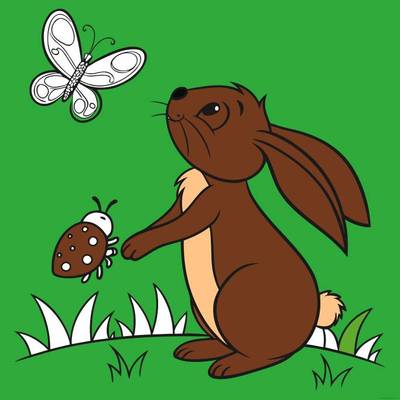 0 Likes

Cute rabbit with butterfly and ladybug – colored in by the community
-
by Ida
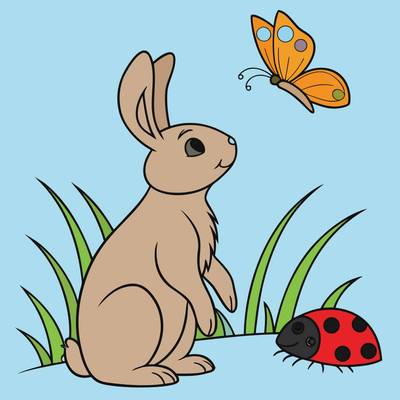 6 Likes

Cute rabbit holding a carrot – colored in by the community
-
by Manon
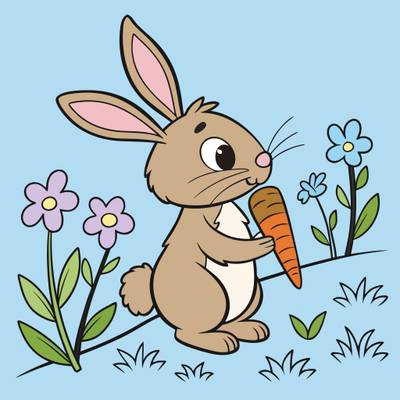 5 Likes

Simple rabbit in a spring garden – colored in by the community
-
by Oliver
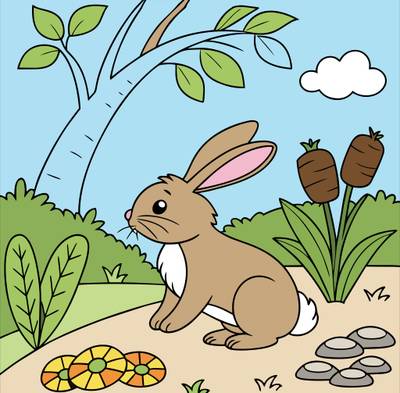 2 Likes
Hop Into Detail: Simple Tips to Color Your Rabbit Beautifully
Quick goal: Make the rabbit look soft and fluffy by using gentle strokes, light shading, and careful coloring around the ears, face, and tail.
What to Pay Special Attention to While Coloring
- Fur texture: Instead of pressing hard, use small, light strokes that follow the rabbit’s body shape. This helps the fur look soft, not flat.
- Face details: Color slowly around the nose and mouth area so the rabbit’s expression stays clear and cute.
- Eyes that stand out: Leave a tiny white spot in each eye (a “shine”) if the page has room for it. It makes the rabbit look lively.
- Long ears: The outer ear fur is usually the same as the body, while the inner ear is often a lighter pinkish tone. Keep edges neat so the ears look smooth and tall.
- Shadows and shape: Add a slightly darker shade under the chin, belly, and where legs meet the body. This gives the rabbit a round, real look.
- Fluffy tail: Use tiny curved strokes and keep it lighter than the body so it looks like a soft puff.
- Whiskers: If whiskers are drawn as thin lines, color around them carefully and keep them light so they don’t disappear.
Realistic Rabbit Colors (With Easy Visual Swatches)
| Rabbit Part | Realistic Color | Color Hint |
|---|---|---|
| Fur (light) | Cream | #F3E7C9 |
| Fur (classic) | Warm Brown | #A9744F |
| Fur (dark) | Chocolate Brown | #5A3A2E |
| Fur (gray) | Soft Gray | #B7B7B7 |
| Fur (black) | Charcoal | #2F2F2F |
| Fur highlights | Light Beige | #E9D7B6 |
| Inner ears | Soft Pink | #F2B6B6 |
| Nose | Dusty Pink | #D99A9A |
| Eyes | Deep Brown | #3B2A1F |
| Eye shine (leave uncolored) | White | #FFFFFF |
| Whiskers | Light Gray | #D6D6D6 |
Helpful Hints for Neat, Realistic Coloring
- Start with the lightest fur color first, then add darker shading on top where shadows would be.
- Keep the belly and tail a bit lighter to help the rabbit look fluffy and round.
- For smooth fur, color in the same direction (head to back, top to bottom on the legs).
- If using crayons, use gentle layers. If using colored pencils, blend lightly by adding a second soft layer.
Parent/teacher tip: Encourage children to slow down on the ears, eyes, and nose. These small areas make the biggest difference in a realistic rabbit.

Detailed rabbit in falling snow – colored in by the community
-
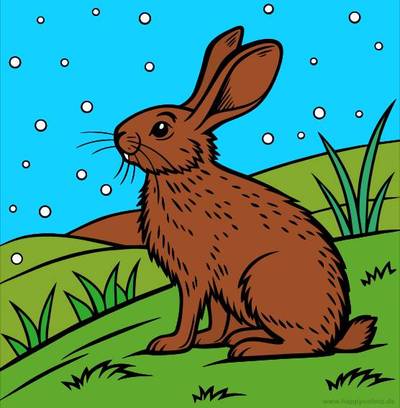 0 Likes

Simple rabbit in snowy hills – colored in by the community
-
by femke
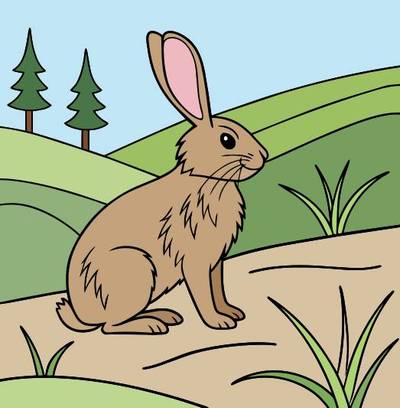 6 Likes

Simple rabbit at burrow entrance – colored in by the community
-
by zofia
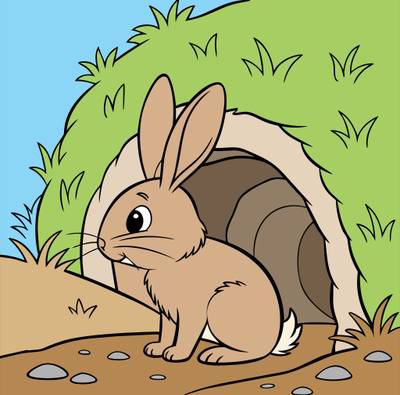 7 Likes

Cute rabbit by a hillside burrow – colored in by the community
-
by Manon
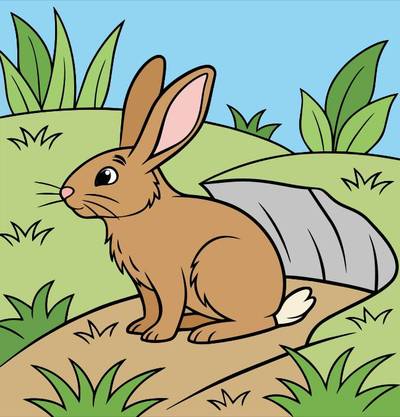 5 Likes
Hop, Snip, and Stick: Rabbit Crafts Kids Can Make!
Cotton-Tail Bunny in a Frame
✂️ You need: colored rabbit coloring page, cotton balls, glue, crayons or markers, cardstock or a paper plate, scissors
- Color the rabbit and cut it out with help.
- Glue the rabbit onto cardstock or the middle of a paper plate.
- Pull cotton balls a little fluffy and glue on a tail and tummy.
- Add a simple border with patterns like dots, grass, or carrots.
💡 Supports: fine motor skills, creativity, hand-eye coordination
Paper Bag Rabbit Puppet Show
✂️ You need: lunch paper bag, colored paper, glue stick, crayons or markers, scissors, googly eyes (optional)
- Turn the bag so the flap becomes the rabbit’s mouth.
- Cut long ears from paper and glue them on top.
- Draw or glue on eyes, a nose, and whiskers.
- Slide your hand inside and make the rabbit talk and hop.
💡 Supports: storytelling, imagination, speaking and listening skills
Classroom Bunny Garland Parade
✂️ You need: several rabbit coloring pages, crayons or markers, scissors, hole punch, string or yarn, tape
- Color lots of rabbits in different patterns.
- Cut them out and punch one hole near each ear.
- Thread string through the holes and space the rabbits out.
- Tape the garland on a wall, door, or window for a bunny parade.
💡 Supports: teamwork, planning, scissor control

Rabbit in jacket in the garden – colored in by the community
-
by tiago
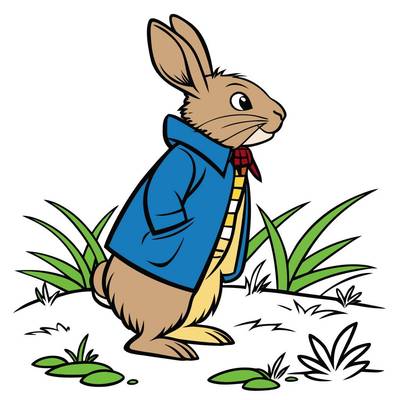 7 Likes

Rabbit in jacket with bow tie – colored in by the community
-
by lily
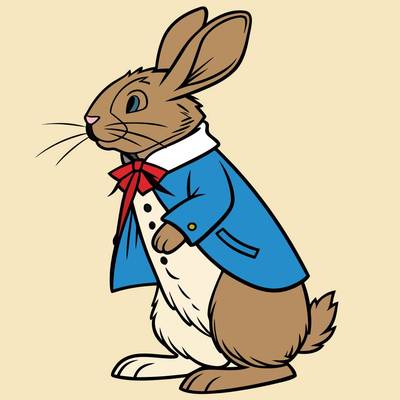 12 Likes

Mother rabbit with two baby bunnies – colored in by the community
-
by Katze
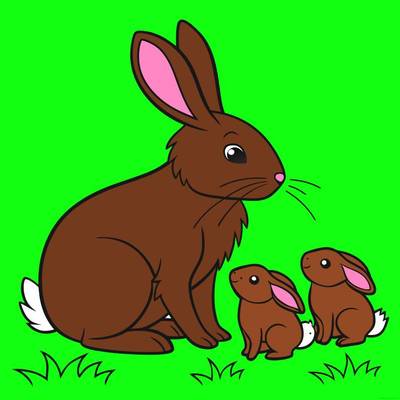 0 Likes

Did You Know? 5 Hoppy Facts About Rabbits
Bunny Teeth Never Stop Growing!
A rabbit’s front teeth keep growing its whole life, so chewing on hay and crunchy plants helps wear them down—like a natural toothbrush job. Smithsonian Magazine
Big Ears, Cool Body Trick
Those long ears aren’t just for listening—rabbits can also use them to help release heat and stay cooler on warm days. National Geographic
Cotton Tails Live All Over America
Eastern cottontail rabbits are common in many U.S. places—from backyards to parks—especially across the eastern and central states. U.S. Fish & Wildlife Service
Baby Rabbits Are Called Kits
When rabbits are born, the babies (called kits) are tiny and need lots of care—many are born with closed eyes and no fur at first. National Wildlife Federation
They Can Jump Really Far!
Rabbits have strong back legs made for quick hops and big leaps, helping them zip away fast when they feel unsafe. Wikipedia

Fluffy lop-eared rabbit side view – colored in by the community
-
by paula
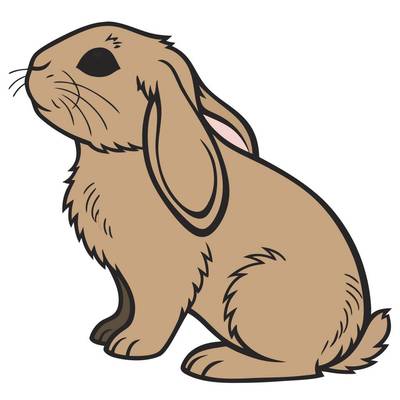 0 Likes

Cute rabbit sitting on grass – colored in by the community
-
 4 Likes
-
 3 Likes
-
by Katze
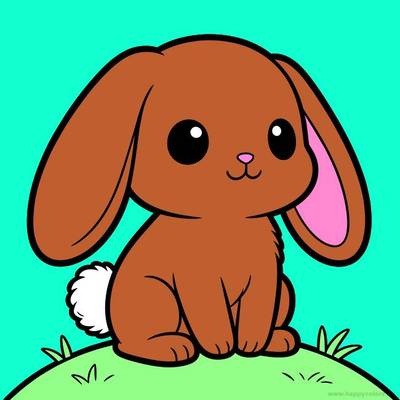 0 Likes

Simple sitting lop-eared rabbit – colored in by the community
-
by Maja
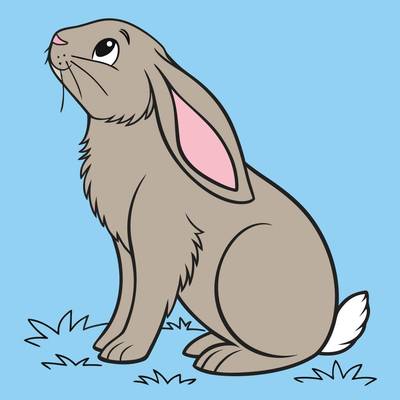 6 Likes

Easy zentangle rabbit with floral details – colored in by the community
-
by Alva
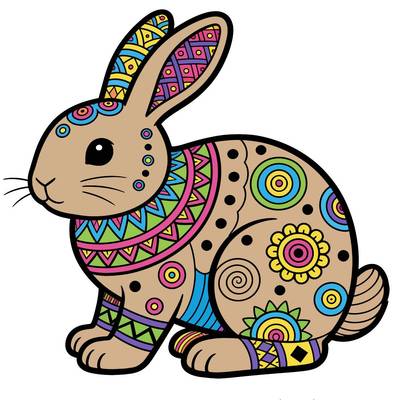 7 Likes

Cute Easter bunny with basket of eggs – colored in by the community
-
by aino
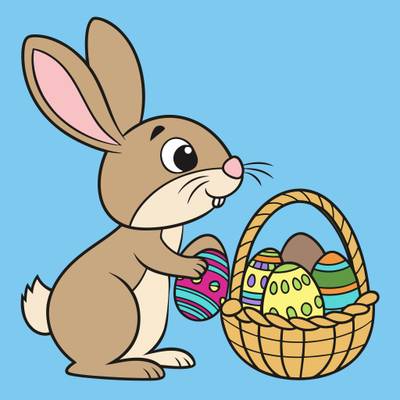 9 Likes

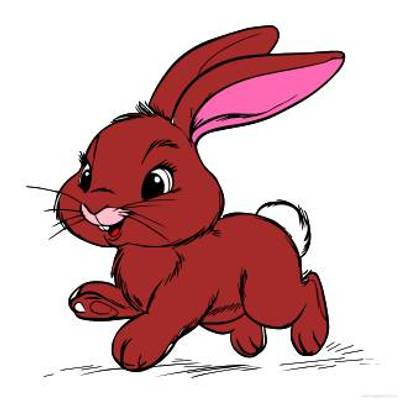
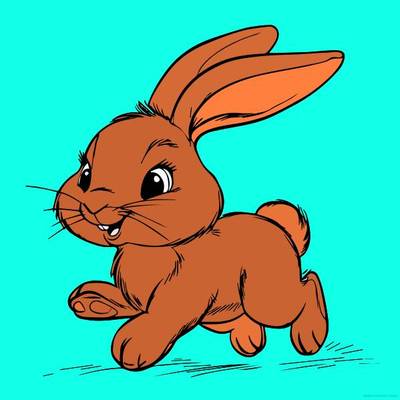
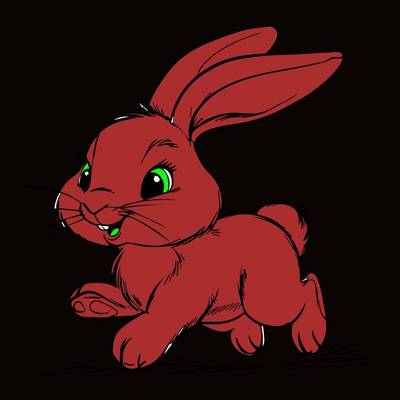

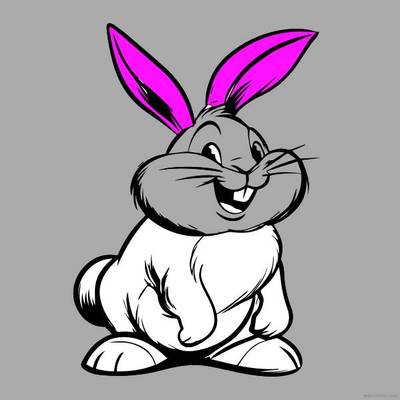
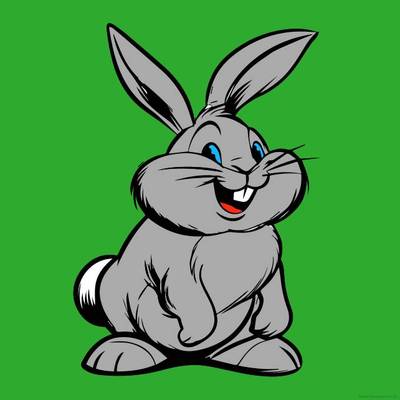
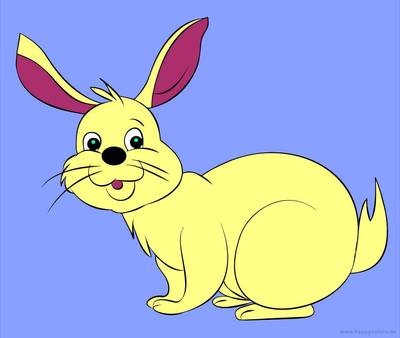
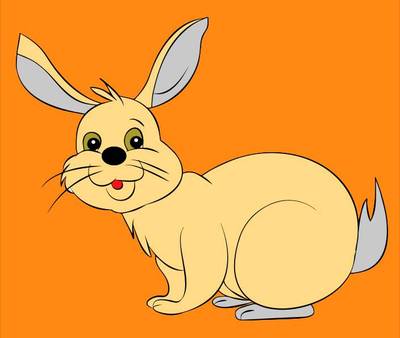
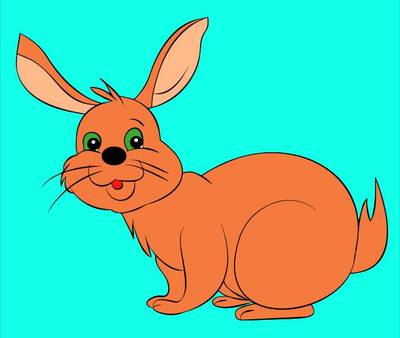
Happy cartoon rabbit – colored in by the community
-
 4 Likes
-
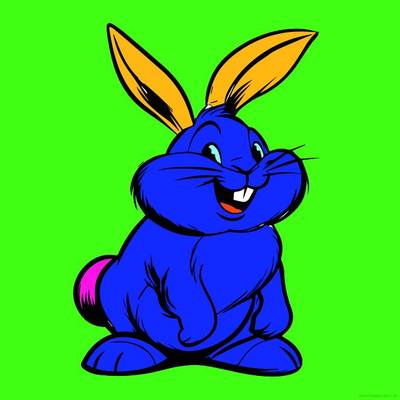 4 Likes
-
 2 Likes






🎨 New coloring pages by email
Regularly get new free coloring pages straight to your inbox – no spam, unsubscribe anytime.
You’ll first get a confirmation email (double opt-in). Unsubscribe anytime with one click. Privacy Policy
Why Kids Love These Rabbit Coloring Pages
- Coloring rabbit pages builds fine motor skills and hand-eye coordination as children practice staying inside lines and controlling crayons or pencils.
- Parents and teachers can quickly print multiple rabbit designs for themed lessons, calm-down corners, or art centers because all coloring pages on this page are free to download and print and classroom use is allowed.
- As a screen-free activity, rabbit coloring keeps kids focused while encouraging imagination and independent play without digital distractions.
- Varied rabbit designs—from simple shapes to detailed scenes—make it easy to match activities to different skill levels and lesson topics.
Creative Ideas & Activities
- Use a rabbit coloring page as a story starter by having each child color a rabbit and then write or tell a short adventure about where their rabbit lives and what it likes to do.
- Turn colored rabbit pages into simple puppets by cutting them out, laminating or gluing to cardboard, and attaching a craft stick for hands-on storytelling and puppet shows.
- Create a counting game by numbering several rabbit cutouts and hiding them around the room for kids to find and add up, reinforcing number recognition and simple addition.
- Make a habitat diorama by coloring a rabbit and gluing it into a shoebox scene with construction paper trees, cotton-ball clouds, and recycled materials for a cross-curricular craft project.
- Practice patterns and symmetry by folding a rabbit page in half, coloring one side, and trying to reproduce the pattern on the other side to learn mirror symmetry and sequencing.
- Use rabbit templates as stencils for collage activities—kids can trace rabbits onto different papers, fabrics, or magazine clippings to explore texture and mixed media art.
- Design rabbit-themed greeting cards by folding cardstock, inserting a colored rabbit on the front, and having children add messages for family, friends, or classroom exchanges.
- Set up a classroom “rabbit artist” station where students rotate between coloring, cutting, and labeling rabbit body parts to support vocabulary and small-group collaboration.
Frequently Asked Questions
Are these rabbit coloring pages free to download and print?
Yes, all coloring pages on this page are free to download and print. You can use them at home or bring them into the classroom without cost.
In what file formats are the coloring pages available and how should I print them?
The coloring pages are available in common formats such as PDF and JPG for easy printing. For best quality choose PDF when possible, print at actual size on standard 8.5×11 paper, and select “high quality” or “best” settings if your printer offers them.
What ages are these rabbit coloring pages suitable for?
These rabbit pages suit a wide age range from preschoolers to early elementary students, with simpler designs for toddlers and more detailed scenes for older children. Choose pages with larger shapes for younger kids and intricate patterns for fine-motor practice with older students.
Can I use these rabbit coloring pages in a classroom or kindergarten setting?
Yes, you can use these pages for free at school and in kindergarten; classroom use is allowed. They work well for centers, lessons, take-home activities, and special events without additional permissions.
How can I get the best coloring results for the rabbit pages using common supplies?
For crayons or colored pencils, standard printer paper works fine, but choose heavier paper (65–80 lb) if you want smoother blending or plan to use markers. Use washable markers for bright colors, colored pencils for detail and shading, and place a scrap sheet under the page to prevent bleed-through when using wet or heavy-handed media.