Coloring pictures of squirrels to print free of charge
 Author Mathias
 A squirrel coloring page can be a simple delight for kids and adults alike. This cozy introduction invites you to meet a playful squirrel—its bushy tail, curious eyes, and busy paws—rendered in clean, friendly lines ready for crayons or markers. Each coloring page is designed to be approachable, with bold outlines and open spaces that make it easy for little hands to stay inside the lines while still leaving room for imagination. Whether a child is just learning to hold a crayon or practicing more precise strokes, a squirrel image offers a satisfying subject.
These squirrel coloring pages work well for toddlers, preschoolers, and older kids, adaptable to different skill levels by changing color choices or adding patterns. Use them at home, in the classroom, for homeschool lessons, on car trips, or as quiet-time activities after a busy morning. Beyond fun, coloring supports creativity, fine-motor development, color recognition, focus, and even early storytelling—children often invent scenes and habits for the squirrels they color. Warm and unhurried, these pages encourage exploration and calm, helping young artists build confidence one colored squirrel at a time.

Zentangle squirrel with patterned tail – colored in by the community
-
by kat
 22 Likes
-
by Leny
 5 Likes
-
 2 Likes

Fluffy squirrel with curled tail – colored in by the community
-
 3 Likes
-
 2 Likes

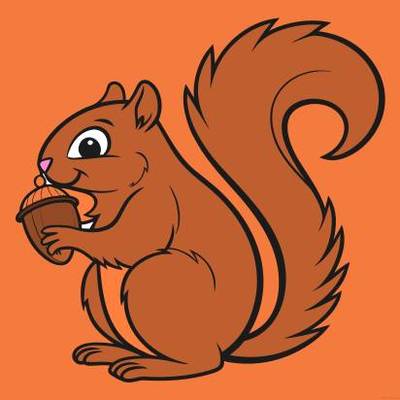
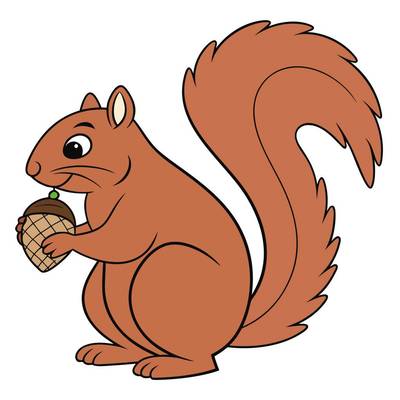
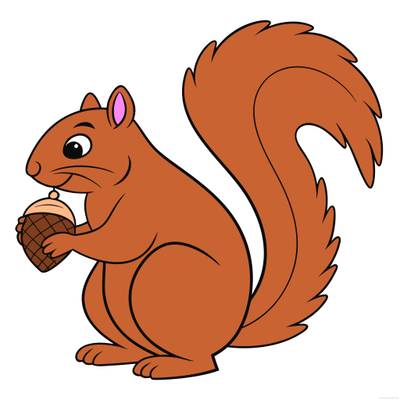
Simple squirrel holding an acorn – colored in by the community
-
by Chiara
 6 Likes
-
 2 Likes

Cute squirrel leaping on branch – colored in by the community
-
by Fenna
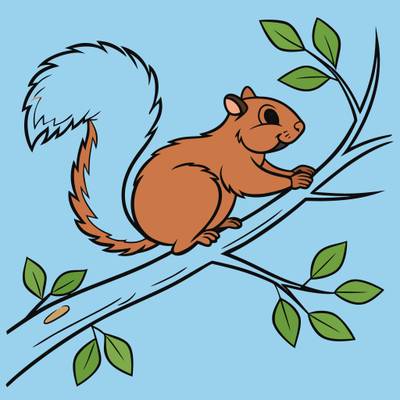 7 Likes

squirrel with acorn basket – colored in by the community
-
by benni
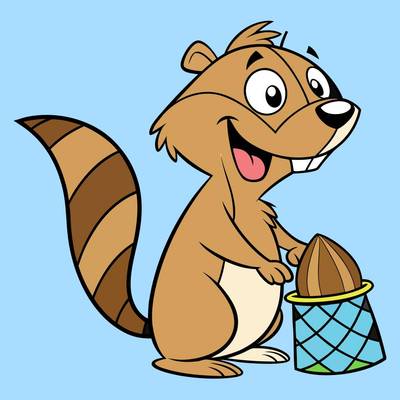 21 Likes
-
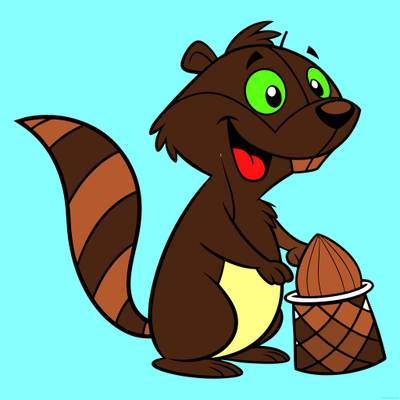 3 Likes

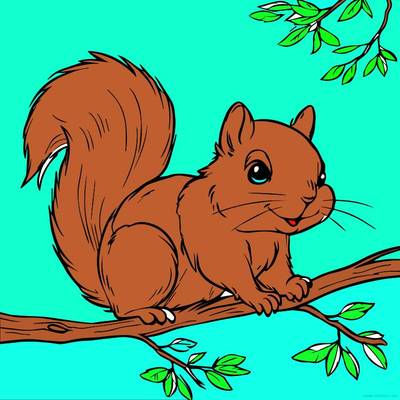

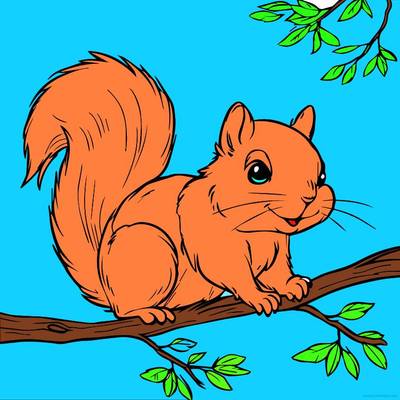

Simple squirrel leaping on branch – colored in by the community
-
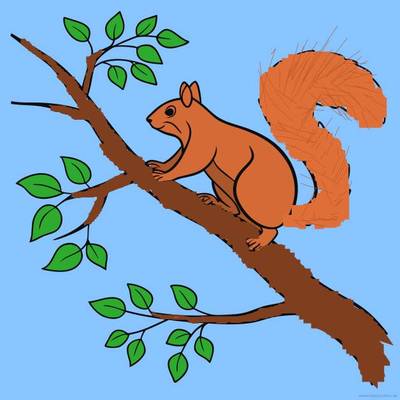 0 Likes

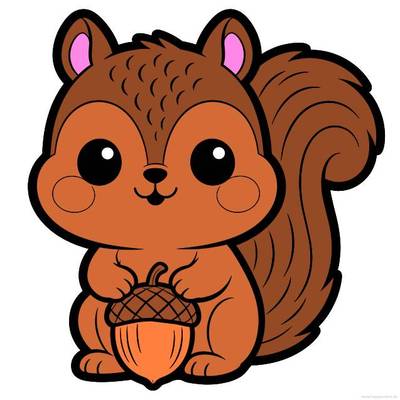
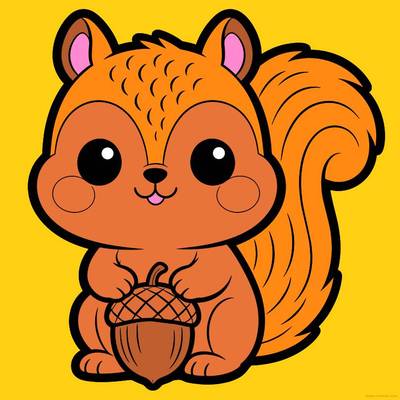
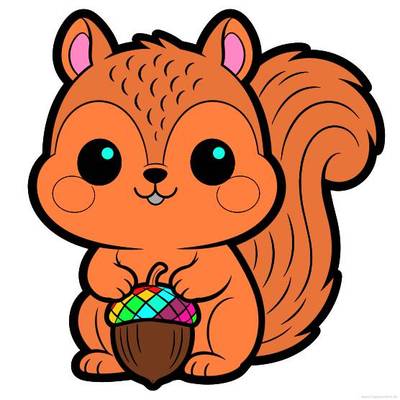

Cute kawaii squirrel with acorn – colored in by the community
-
 3 Likes

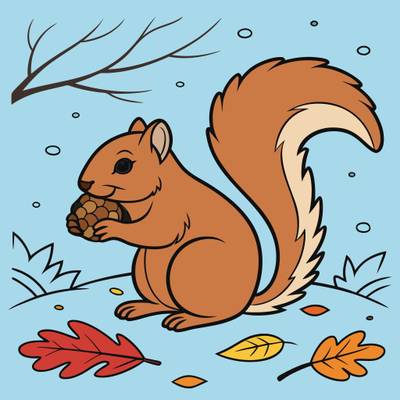
Simple squirrel holding a pine cone – colored in by the community
-
by Alessia
 7 Likes


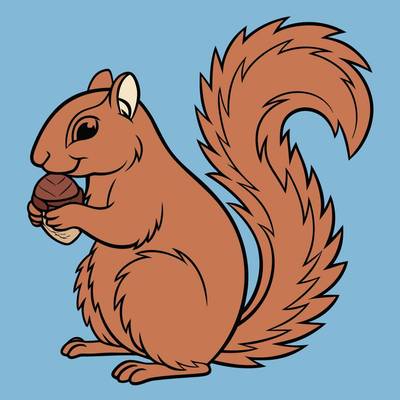
Close-up squirrel with acorn – colored in by the community
-
by Ida
 5 Likes
Bring a Woodland Squirrel to Life: Simple Coloring Tips for Soft Fur & Fluffy Tails
When coloring a squirrel, the most important goal is to make it look soft and furry while keeping the shapes clear. Squirrels have tiny details—like small paws and a bright eye—so slow, careful coloring helps the picture look neat and real.
What to Notice While Coloring Your Squirrel
- Fur direction: Use short strokes that follow the body shape (down the back, around the cheeks, and along the legs).
- Fluffy tail: Keep the tail lighter in some spots and darker in others to show “puffiness.”
- Face details: Leave a tiny white spot in the eye for a shiny look, and color around the nose carefully.
- Little paws and claws: These areas are small—use a sharpened pencil or the tip of a crayon to stay inside the lines.
- Light and shadow: Add gentle shading under the chin, belly, and where the tail overlaps the body to make the squirrel look 3D.
Helpful hint: Color the lightest areas first (belly and cheek fur), then add darker shades on top for a natural, furry look.
Realistic Squirrel Colors (Easy Guide)
Most squirrels are shades of brown, gray, and warm tan, with darker accents on the eyes, nose, and claws. Use the table to pick realistic colors that match a woodland squirrel.
| Part of the Squirrel | Realistic Color | Color Hint |
|---|---|---|
| Main fur (back and sides) | Warm Brown | #8B5A2B |
| Fur shading (deeper areas) | Dark Brown | #4E342E |
| Belly and lighter fur | Cream | #F2E6C9 |
| Tail highlights | Light Tan | #D2B48C |
| Ear tips and small shadow spots | Deep Umber | #3B2F2F |
| Eye | Black | #000000 |
| Nose | Charcoal Gray | #333333 |
| Claws | Slate Gray | #6B7280 |
Neat Coloring Tricks for a More Real Look
- Layer brown lightly first, then press a bit harder in the shadow areas to make the fur look thicker.
- Keep the belly area smooth and lighter so it stands out from the darker back fur.
- Make the tail look fluffy by leaving tiny gaps of lighter color between short strokes.
- Outline the eye gently after coloring so it stays clear and easy to see.

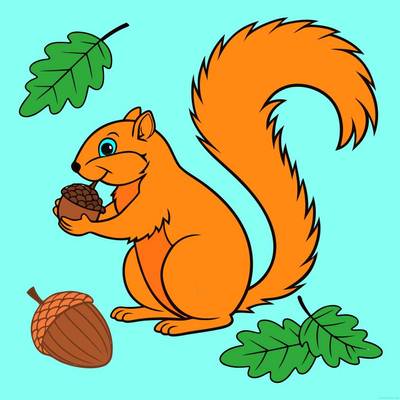
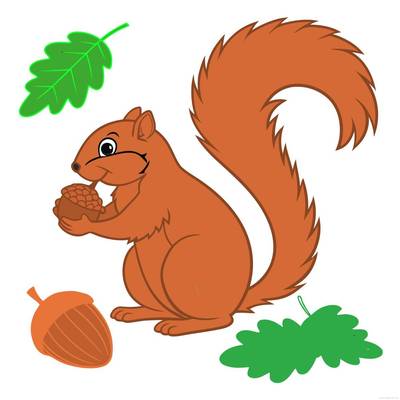
Squirrel with acorns and oak leaves – colored in by the community
-
 1 Likes
-
 0 Likes

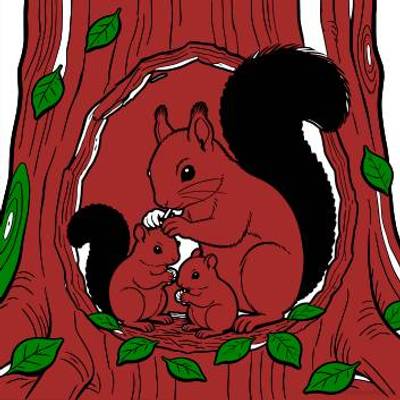
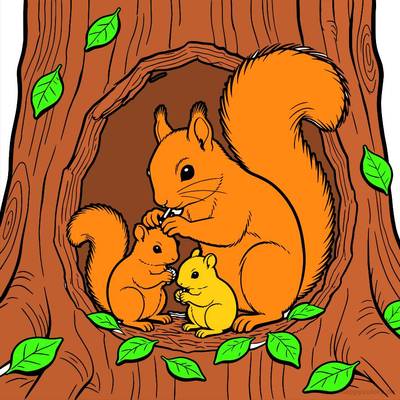
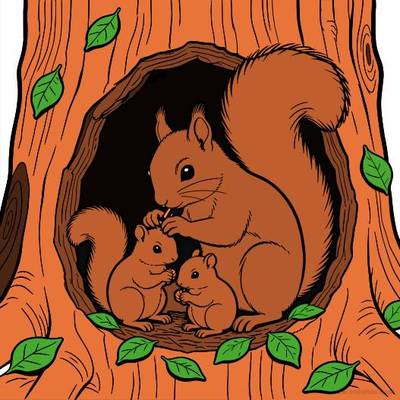
Detailed squirrel family in hollow – colored in by the community
-
 1 Likes
-
 0 Likes
-
 0 Likes

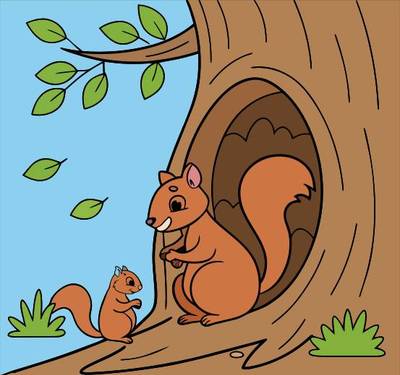
Cute squirrel family by tree hollow – colored in by the community
-
by Chiara
 7 Likes

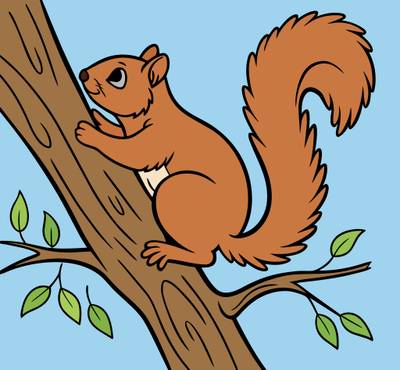
Close-up squirrel on tree trunk – colored in by the community
-
by Nora
 3 Likes
Scissors, Glue, Go! Squirrel Crafts for Little Hands
Fluffy Tail Squirrel Collage
✂️ You need: printed squirrel coloring page, crayons or markers, glue stick, cotton balls (or tissue paper), brown/orange paper scraps, scissors
- Color the squirrel body and face.
- Pull cotton balls into small fluffy pieces.
- Glue the fluff onto the tail to make it puffy.
- Add paper scraps as leaves or nuts around the squirrel.
💡 Supports: fine motor skills, creativity, texture exploration
Pop-Up Squirrel Tree Scene
✂️ You need: colored squirrel page, cardstock, glue, scissors, green and brown paper (or crayons), tape (optional)
- Cut out the colored squirrel carefully.
- Fold a piece of cardstock in half to make a card.
- Cut a simple tree trunk and canopy from paper and glue them inside.
- Fold a small paper strip into a “V” and glue it inside as a pop-up stand.
- Glue the squirrel onto the pop-up stand so it pops forward.
💡 Supports: scissor control, spatial thinking, step-by-step planning
Classroom Acorn Counting Garland
✂️ You need: squirrel coloring pages (several), brown paper, string or yarn, hole punch, scissors, crayons or markers, glue (optional)
- Color and cut out one squirrel for each child.
- Cut out several acorn shapes from brown paper.
- Write numbers on the acorns and add matching dot groups.
- Punch holes in squirrels and acorns and thread them onto yarn.
- Hang the garland as a shared class or room decoration.
💡 Supports: teamwork, early math skills, hand-eye coordination

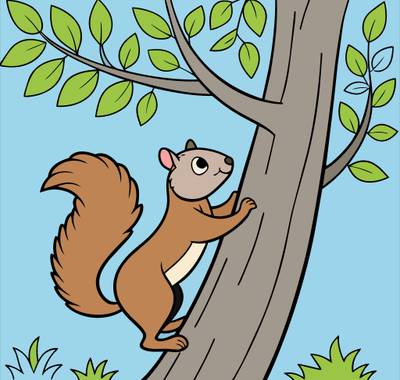
Cute squirrel climbing a tree – colored in by the community
-
by Ellie
 6 Likes

Cute squirrel and owl forest friends – colored in by the community
-
by Maja
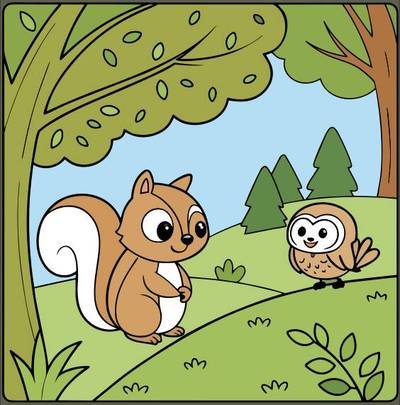 11 Likes

Simple squirrel and owl forest scene – colored in by the community
-
by tiago
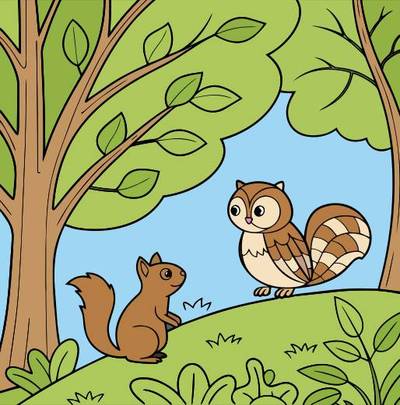 2 Likes

Cute standing squirrel outline – colored in by the community
-
by sasi
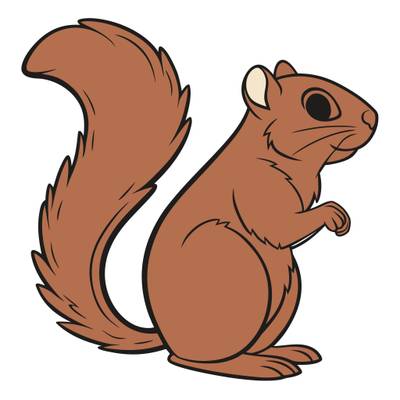 4 Likes
Did You Know? 5 Nutty Facts About Squirrels
They “Plant” New Trees!
Squirrels hide acorns and other nuts for later, but they don’t find every single one—so some forgotten seeds can sprout into new trees in forests across North America. National Wildlife Federation
Their Tails Are Super Tools
A squirrel’s fluffy tail isn’t just cute—it can help with balance when climbing, act like a warm blanket in cold weather, and even work like a little umbrella in rain. National Park Service
Some Can Glide Like Kites
Flying squirrels don’t truly fly, but they can glide from tree to tree using a stretchy skin “parachute” between their legs—almost like a tiny superhero cape. Smithsonian Magazine
Built-In “GPS” for Snacks
When squirrels bury food, they use memory and clues like landmarks (a rock, a stump, a special tree) to help them find their hidden treats later. Wikipedia
America’s Gray Squirrel Star
Eastern gray squirrels are common in many U.S. states, and they even live in big city parks—like New York City’s Central Park—where they dash, dig, and snack among people every day. National Park Service

Cute red and gray squirrel – colored in by the community
-
by tiago
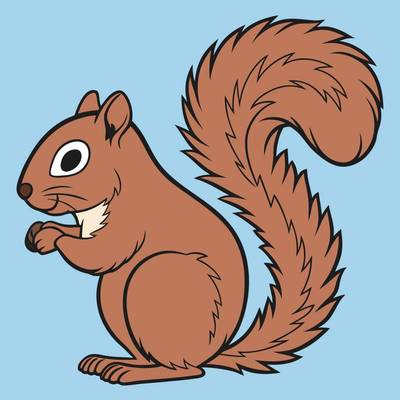 2 Likes

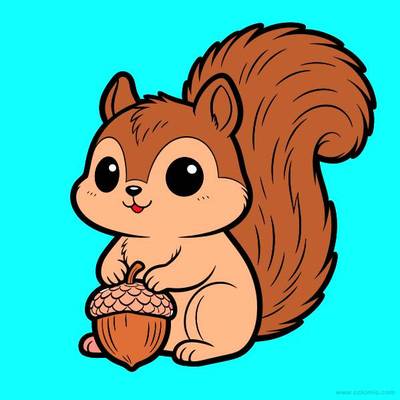
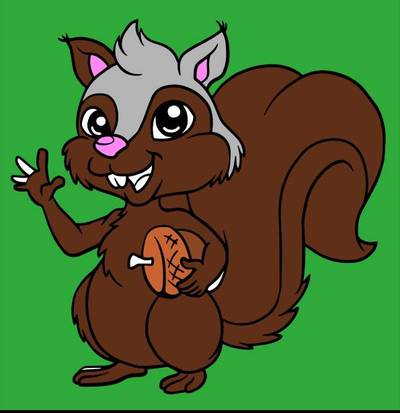
Cute squirrel holding an acorn – colored in by the community
-
by sasi
 6 Likes

Easy zentangle squirrel with floral border – colored in by the community
-
by Manon
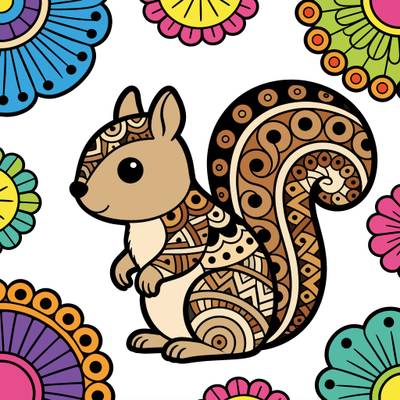 5 Likes

Detailed chipmunk on grass – colored in by the community
-
by Nora
 5 Likes

Simple side-view chipmunk – colored in by the community
-
by Katze
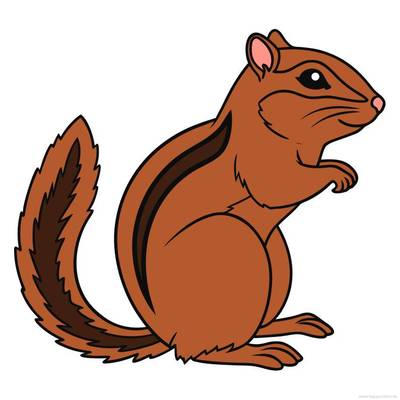 3 Likes
-
by Katze
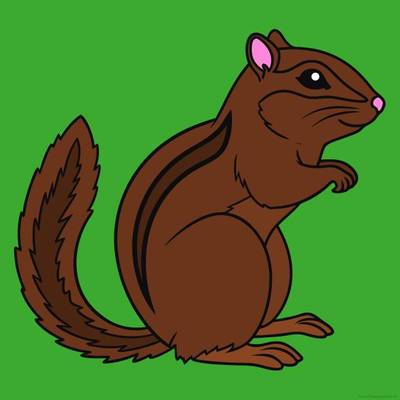 2 Likes
-
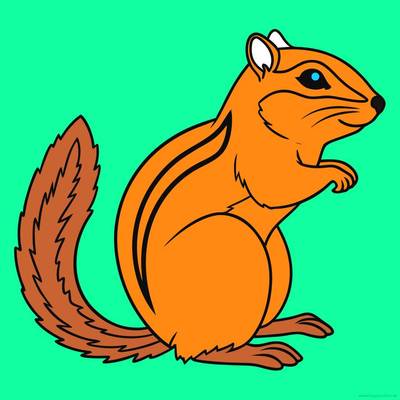 0 Likes

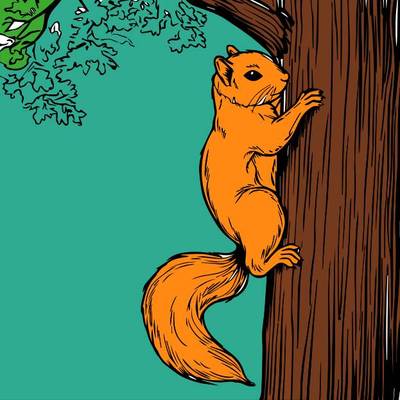
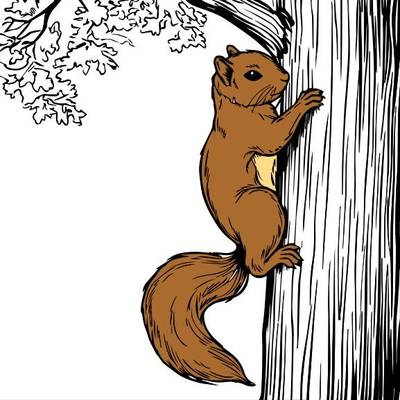
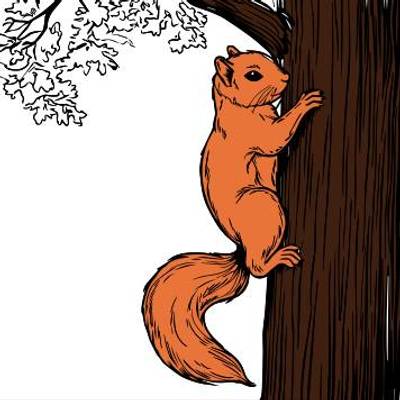


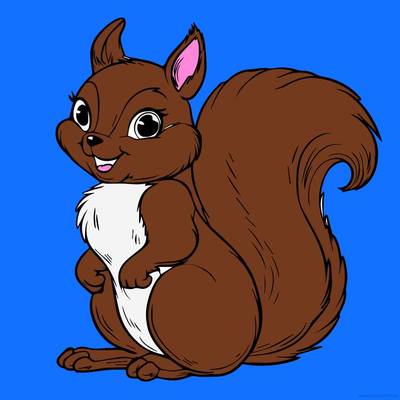
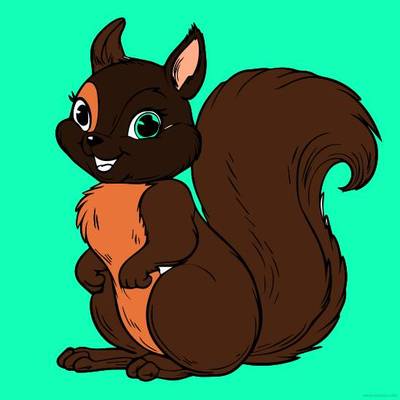

Squirrel with acorn – colored in by the community
-
 2 Likes
-
 1 Likes

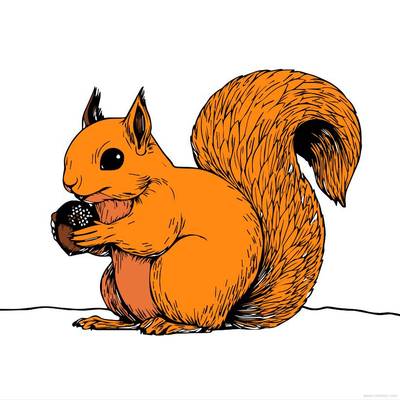
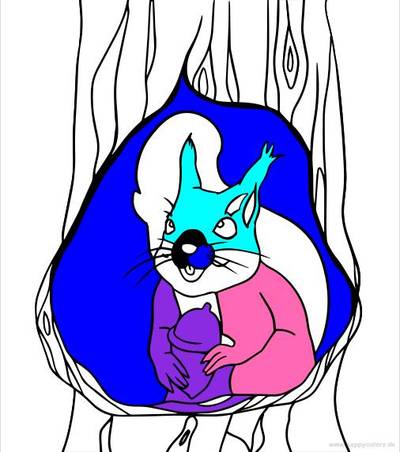
Squirrel in a tree – colored in by the community
-
 0 Likes

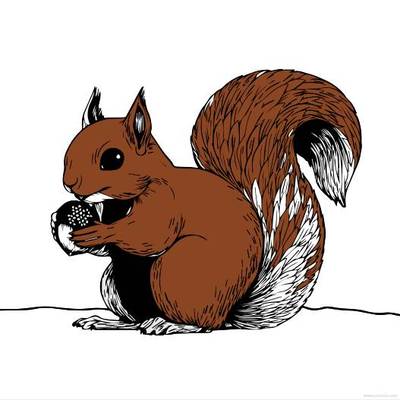
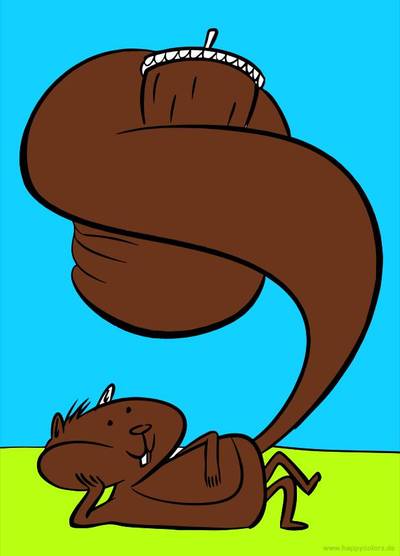
Cute squirrel with acorn – colored in by the community
-
 1 Likes

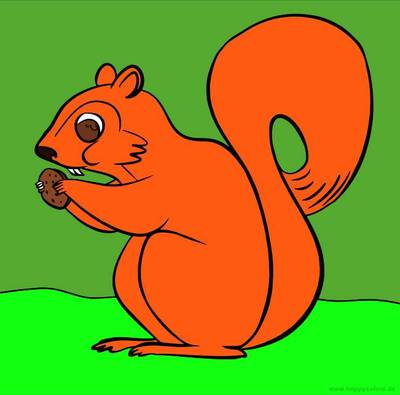
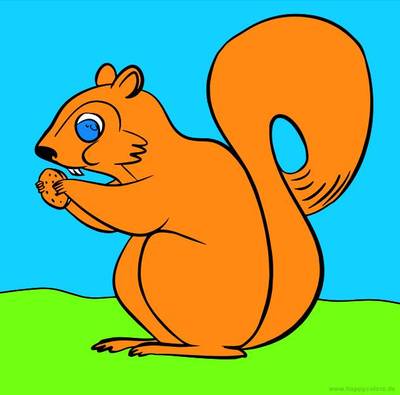
Squirrel nibbling nut – colored in by the community
-
by Katze
 3 Likes
-
 3 Likes
-
 0 Likes

Squirrel with acorn – colored in by the community
-
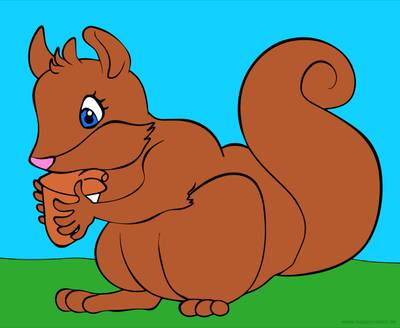 2 Likes
-
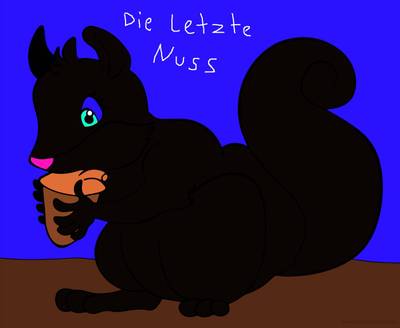 0 Likes

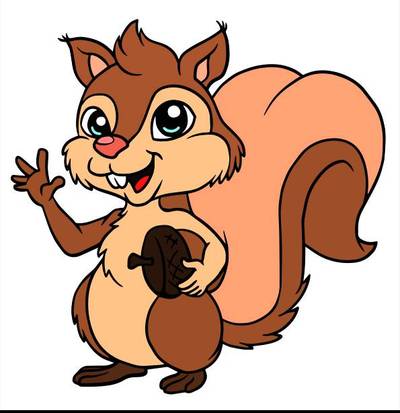
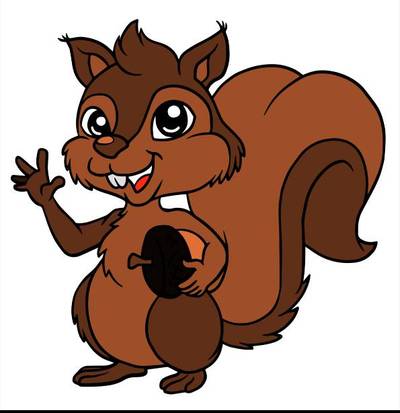

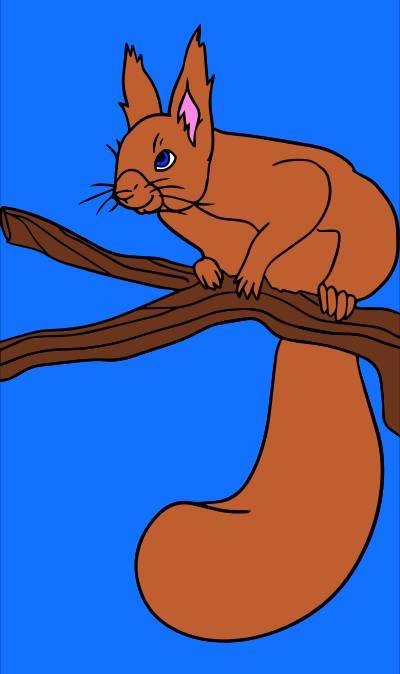
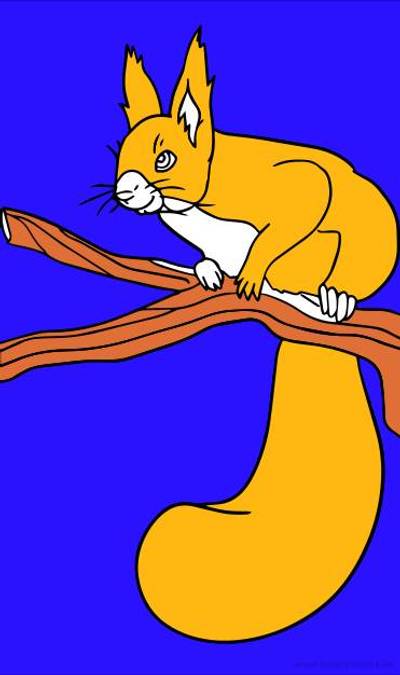
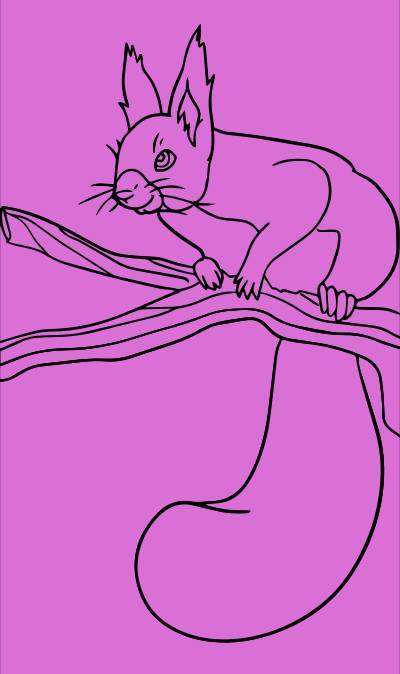

Cute squirrel – colored in by the community
-
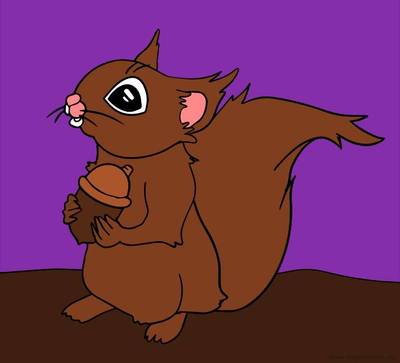 4 Likes
-
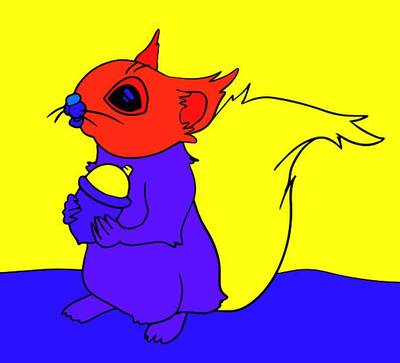 2 Likes
-
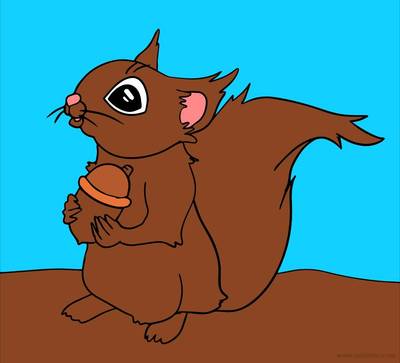 1 Likes


🎨 New coloring pages by email
Regularly get new free coloring pages straight to your inbox – no spam, unsubscribe anytime.
You’ll first get a confirmation email (double opt-in). Unsubscribe anytime with one click. Privacy Policy
Why Kids Love These Squirrel Coloring Pages
- They strengthen fine motor skills and hand-eye coordination as children color detailed squirrel features like bushy tails and tiny paws.
- Parents and teachers can use them for quick learning stations, rewards, or to reinforce lessons about seasons, habitats, and animal behavior.
- All coloring pages on this page are free to download and print and can be used for free at school and in kindergarten, making them easy to share with groups.
- Coloring squirrels is a calm, screen-free activity that encourages focus, creativity, and imaginative play without needing special equipment.
Creative Ideas & Activities
- Make a squirrel habitat collage by coloring a squirrel, cutting it out, and gluing it onto construction paper with leaves, twigs, and drawn trees to teach about ecosystems.
- Create a set of squirrel puppets by printing multiple pages, coloring them, laminating or gluing to cardboard, and attaching craft sticks for a short puppet show or storytelling session.
- Use squirrel coloring pages for a matching game: color pairs with different patterns or colors, cut into cards, and play memory to build concentration and visual memory.
- Turn coloring into a counting lesson by having kids color a group of squirrels and then count and write the number, or add simple math problems like “If you have 3 squirrels and find 2 more, how many?”
- Host a “decorate your squirrel” art challenge where children add textures with tissue paper, yarn tails, leaf rubbings, or glued-on acorns to explore mixed media.
- Integrate a nature walk: collect leaves or small items, then use them as stencils or decorations on the squirrel page and discuss where squirrels live and what they eat.
- Create a seasonal series by making four squirrel scenes—spring, summer, fall, winter—with appropriate backgrounds and clothing to teach about seasonal changes.
- Use the pages as a writing prompt: after coloring, ask children to write a short story or a few sentences about their squirrel’s name, home, and favorite food to encourage literacy and imagination.
Frequently Asked Questions
Are the squirrel coloring pages free to download?
Yes, all coloring pages on this page are free to download and print. You can use them at home or share them with students and friends without cost.
In what file formats are the pages available and how should I print them?
The pages are provided in common formats like PDF and JPG for easy downloading and printing; choose PDF for multi-page files and JPG for single images. For best results, print on standard letter-size (8.5″ x 11″) paper and select “high quality” or “best” in your printer settings to preserve line clarity.
What ages are these squirrel coloring pages suitable for?
The pages are suitable for preschool through elementary-aged children, with simpler designs for younger kids and more detailed squirrels for older children. Teachers and parents can choose pages by complexity to match fine motor and attention levels.
Can I use these coloring pages in my classroom or kindergarten?
Yes, these coloring pages can be used for free at school and in kindergarten; classroom use is allowed. Feel free to print multiple copies for lessons, art centers, or take-home activities.
How can I get the best coloring results with these squirrel pages?
Use slightly heavier paper (around 90–110 gsm) or standard printer paper to prevent bleed-through, and choose crayons or colored pencils for fine detail and washable markers for bright color. Place a scrap sheet under the page to avoid impressions, test markers on a corner first, and encourage layering and blending for richer colors.