Enchanting fairy tale coloring pictures for little princes and princesses
 Author Mathias
 Fairy tales and fables come alive on the page, and a single coloring page can be the gentle bridge between storytime and hands-on creativity. These fairy tales and fables coloring pages present familiar characters—brave knights, clever foxes, kind queens—in clear, inviting outlines that invite young hands to explore color, texture, and narrative. A coloring page based on a classic fairy tale or a short fable can spark conversation about morals, characters, and settings while keeping children happily engaged.
These pages are suitable for toddlers with simple shapes, preschoolers developing fine motor skills, and older kids who enjoy adding detail or creating their own scenes. Use them at home for quiet afternoons, in the classroom as a cross-curricular activity, in homeschool lessons to reinforce reading comprehension, or in the car and on trips to calm restless energy. Beyond entertainment, coloring pages rooted in fairy tales and fables support creativity, vocabulary growth, hand-eye coordination, and emotional expression. They encourage storytelling, decision-making about color and composition, and can prompt imaginative play. Warm and accessible, these resources welcome children into beloved stories while helping them practice skills that matter—one coloring page at a time.

Elegant Princess – colored in by the community
-
by Isabelle_Leite
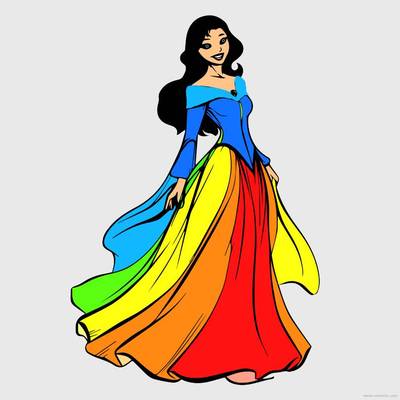 14 Likes
-
by Katze
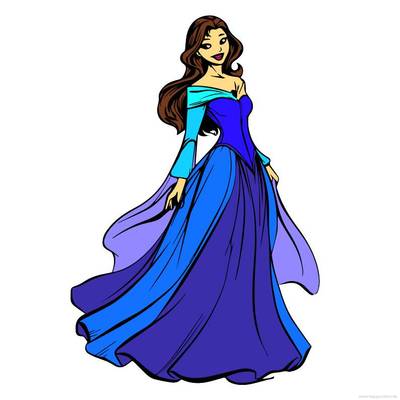 4 Likes
-
 4 Likes

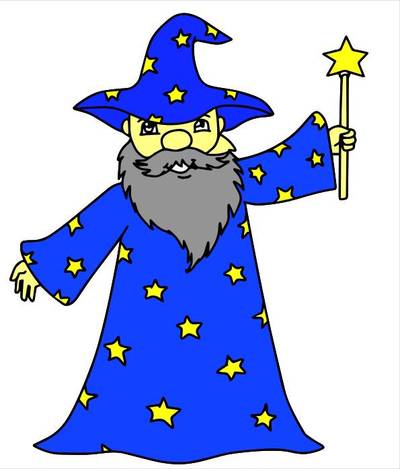
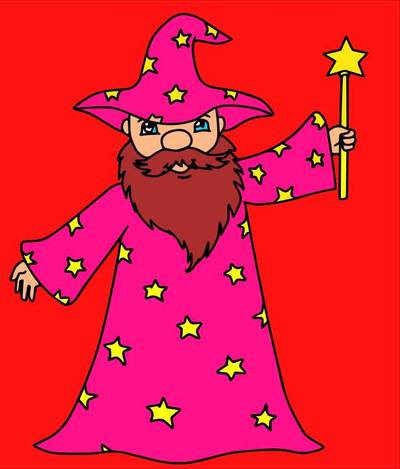
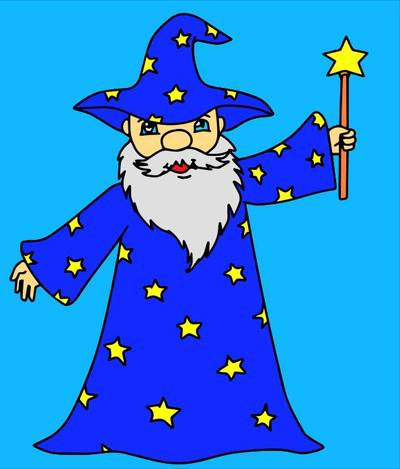
Whimsical wizard illustration – colored in by the community
-
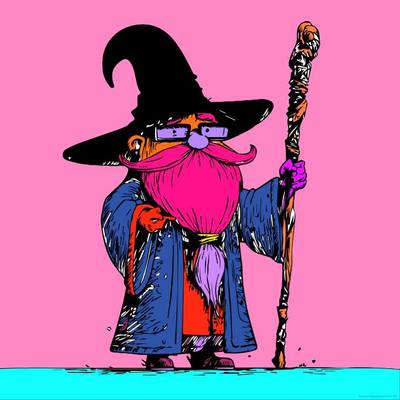 0 Likes
-
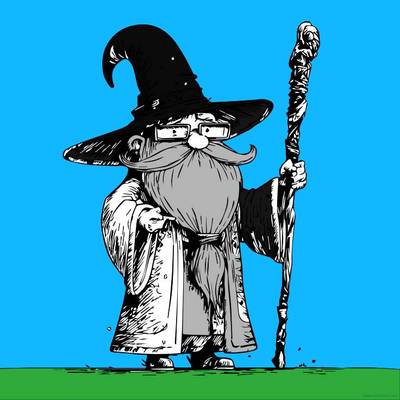 0 Likes
-
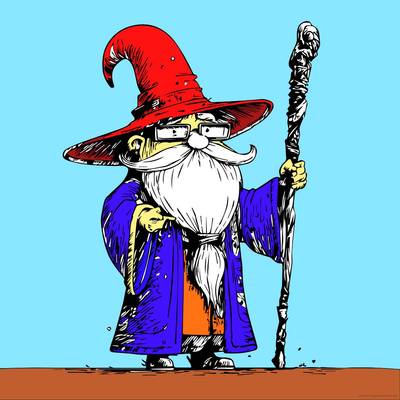 0 Likes

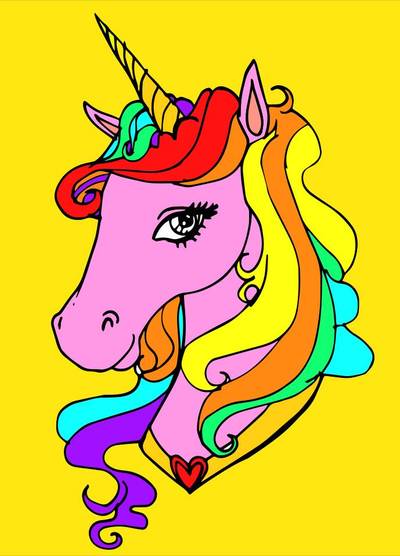
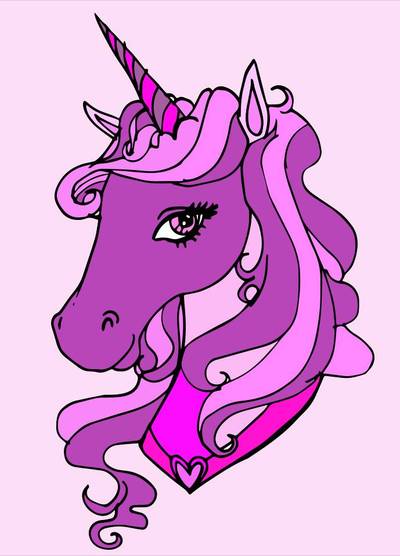
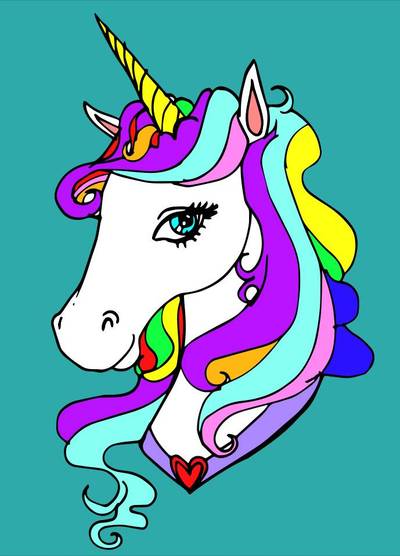
Adorable unicorn in nature – colored in by the community
-
by FireSong
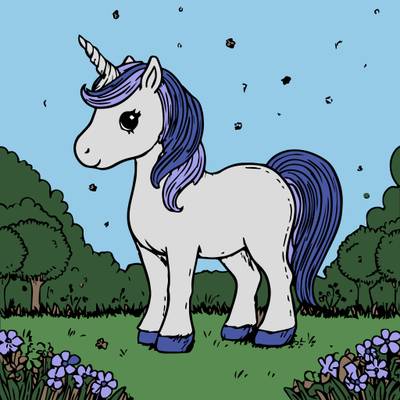 3 Likes
-
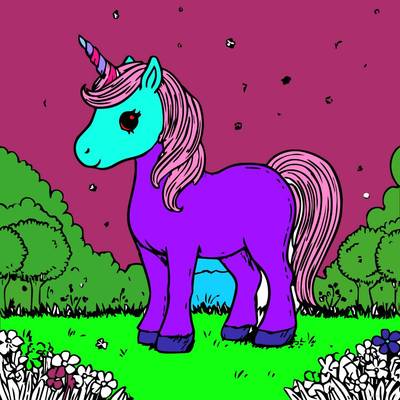 2 Likes
-
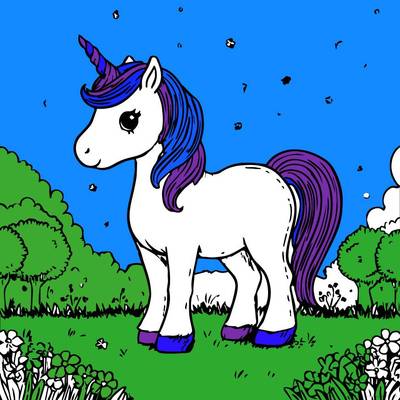 2 Likes



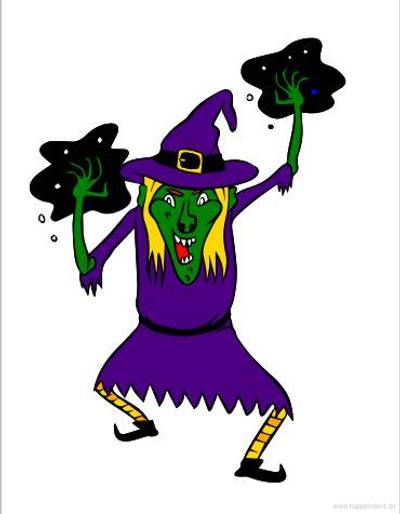
Witch conjuring a spell – colored in by the community
-
by user-r7cw3e
 39 Likes
-
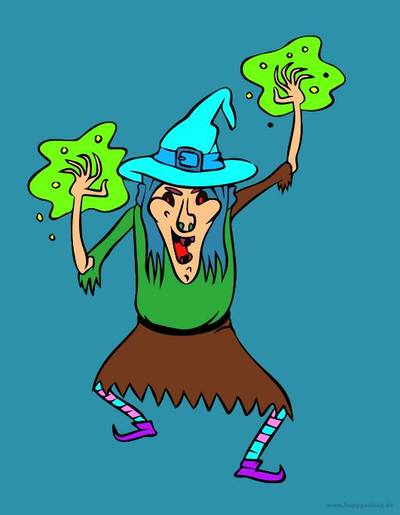 10 Likes
-
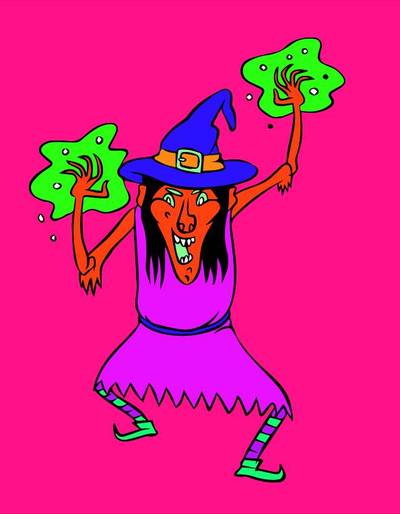 6 Likes

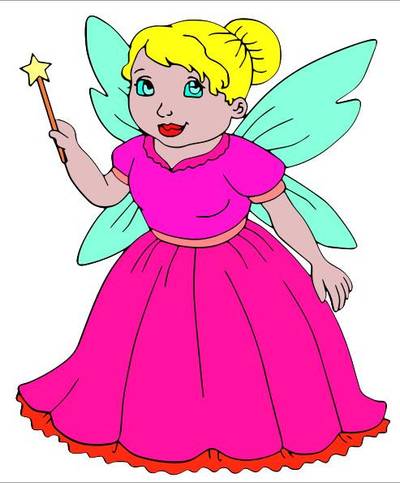
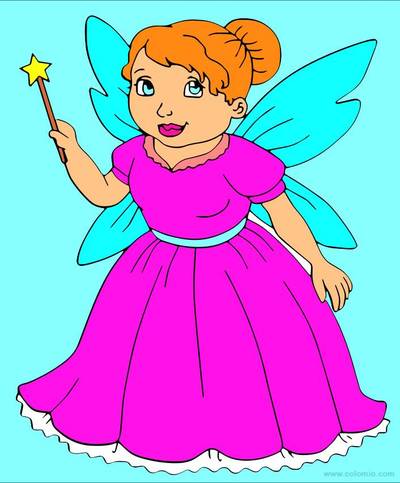


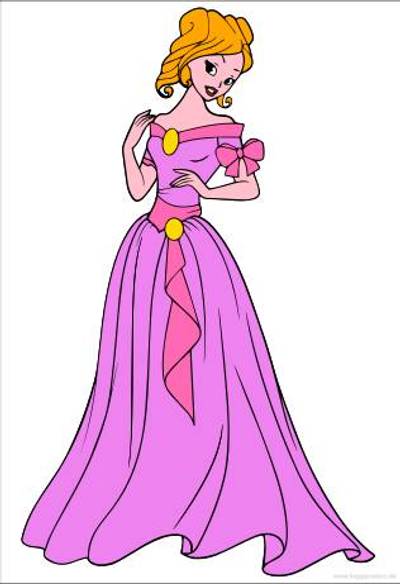
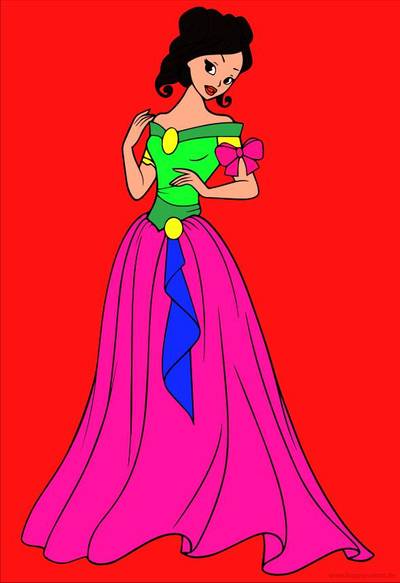
Princess with strapless dress and bow – colored in by the community
-
 3 Likes
-
 2 Likes
-
 2 Likes

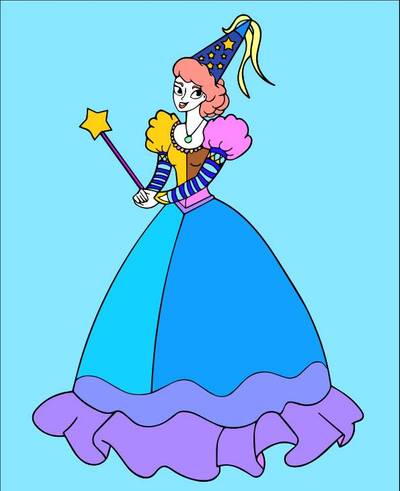
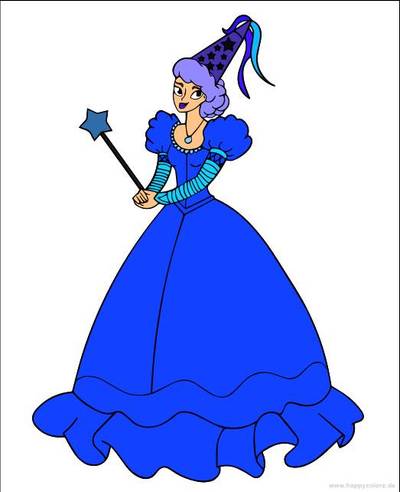
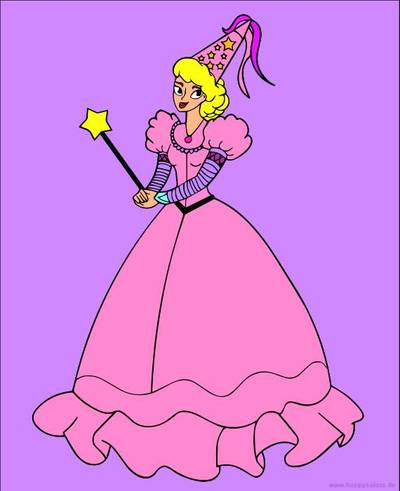
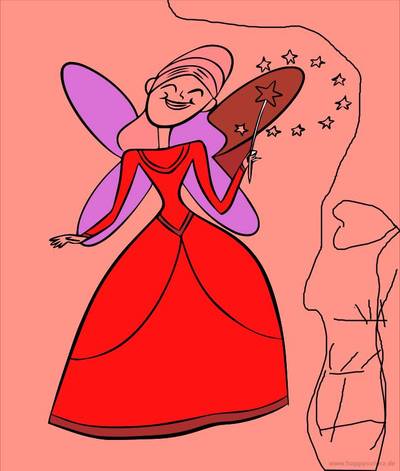
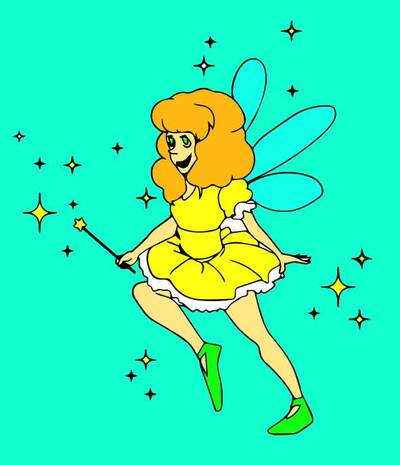
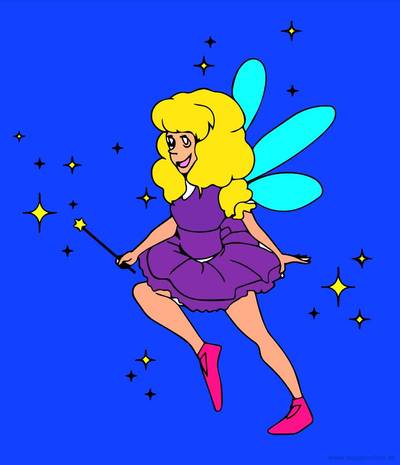
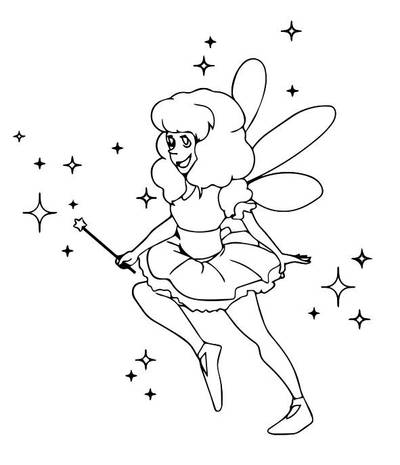
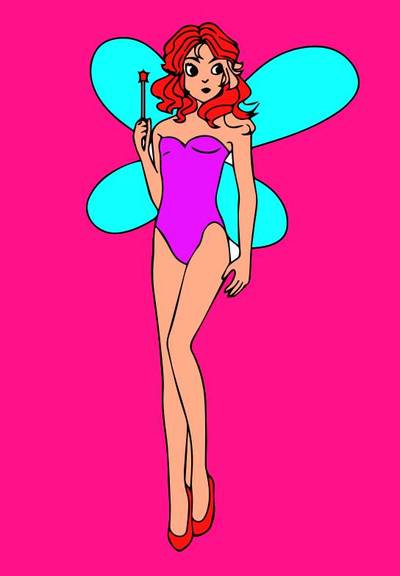
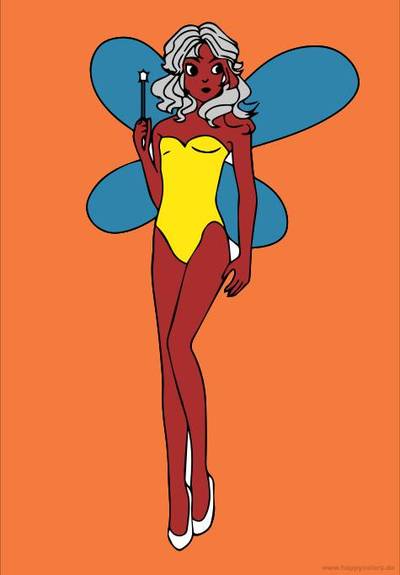
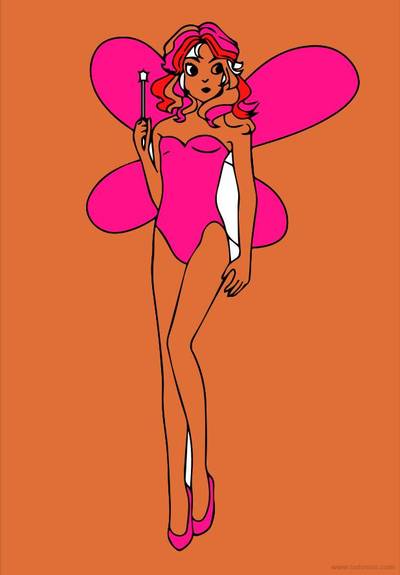
Fairy with magic wand and beautiful dress – colored in by the community
-
by mia
 20 Likes
-
 4 Likes
-
 2 Likes

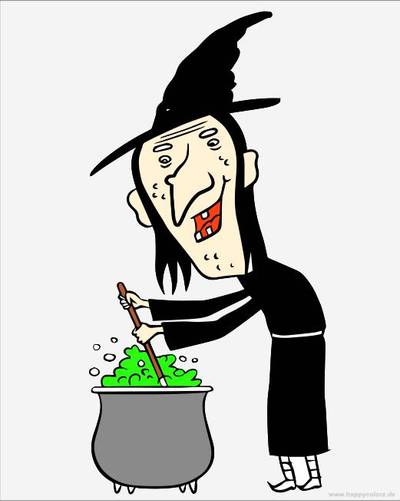
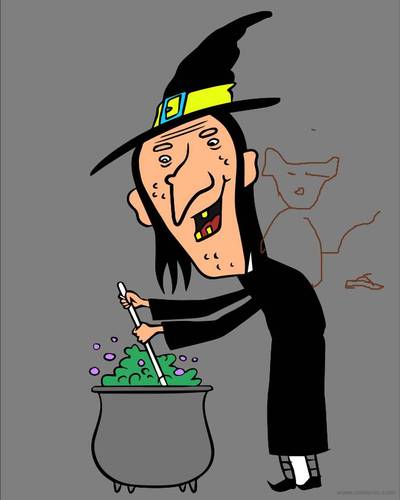
Witch preparing magic potion – colored in by the community
-
 2 Likes
-
 2 Likes
-
 1 Likes

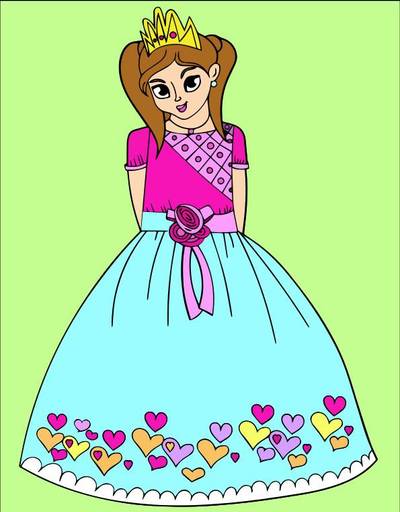
Princess wearing a heart dress – colored in by the community
-
by lily
 2 Likes
Bring Fairy Tales and Fables to Life: Simple Coloring Tips for Castles, Forests, and Storybook Friends
Fairy Tales and Fables often include magical places, cozy villages, deep forests, and helpful animals. While coloring, children can make the picture look clear and story-ready by noticing small details and keeping each area neat and easy to recognize.
What to Pay Special Attention to While Coloring
- Clothing folds and fabric patterns: Color gently from light to dark along the folds to make dresses, capes, and tunics look real.
- Hair and fur texture: Use short strokes for fur (foxes, rabbits, wolves) and longer flowing strokes for hair (princesses, knights, storytellers).
- Wood, stone, and brick surfaces: Trees and wooden doors look best with lines that follow the grain; castles look strong with light gray stone and slightly darker cracks.
- Wings, crowns, and tiny decorations: Small shapes (stars, gems, buttons) are easier to color if children slow down and use a sharp pencil or the tip of a crayon.
- Background layers: Color far-away things (sky, distant hills) a little lighter so the main characters stand out in front.
- Patterns on shields, books, and banners: Repeat colors carefully (stripe by stripe or dot by dot) to keep the pattern tidy and easy to see.
Helpful hint: Start with the biggest areas first (sky, walls, ground), then move to medium parts (clothes, trees), and finish with the tiniest details (eyes, jewels, buttons). This helps keep the page clean.
Realistic Color Guide for Fairy Tales and Fables
These colors fit common storybook scenes such as forests, cottages, castles, and traditional outfits. The swatches give a quick visual cue for each shade.
| Use in the Picture | Realistic Color Suggestion |
|---|---|
| Sky (daytime) | Sky Blue |
| Clouds | Soft White |
| Grass and meadow plants | Leaf Green |
| Forest leaves (darker areas) | Deep Forest Green |
| Tree trunks and branches | Bark Brown |
| Wooden doors, fences, cottages | Warm Wood Brown |
| Stone castles and rocky paths | Stone Gray |
| Shadow lines on stone | Dark Gray |
| Roofs (tile or shingles) | Brick Red |
| Earth, paths, and soil | Sandy Tan |
| Water (river, pond) | Clear Water Blue |
| Animal fur (fox, deer, many woodland animals) | Golden Brown |
| Animal fur (wolf, mouse, some birds) | Natural Gray |
| Royal crowns and metal trim | Gold |
| Armor, keys, buckles | Silver |
| Books, leather belts, boots | Leather Brown |
| Traditional cloak or cape | Deep Red |
| Dress or tunic fabric | Classic Blue |
| Skin tones (light) | Light Peach |
| Skin tones (medium) | Warm Beige |
| Skin tones (deep) | Deep Brown |
| Hair (blonde) | Honey Blonde |
| Hair (brown) | Chestnut Brown |
| Hair (black) | Soft Black |
For a tidy, realistic finish: Keep outlines visible by coloring with light pressure near the edges, then filling the center of each shape more smoothly.

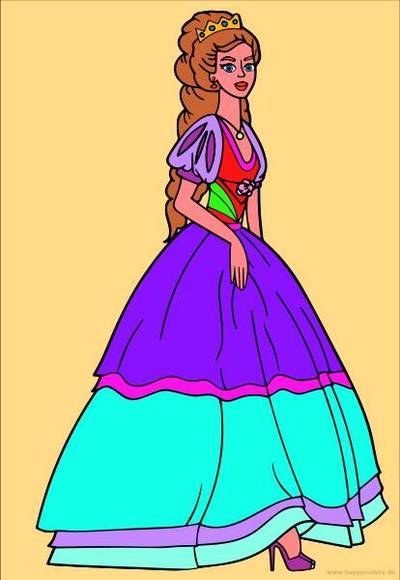
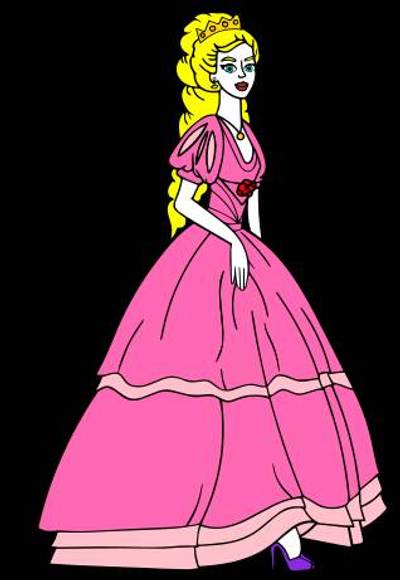
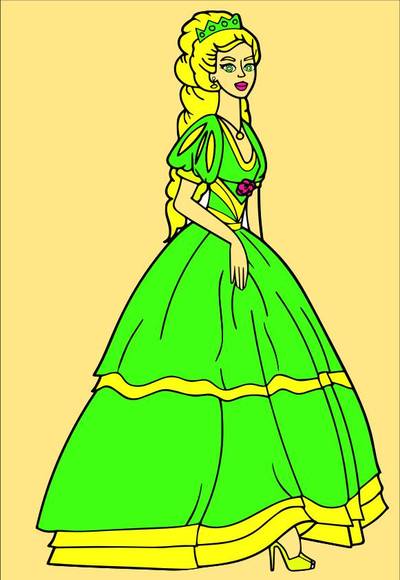

Princess with a big bow – colored in by the community
-
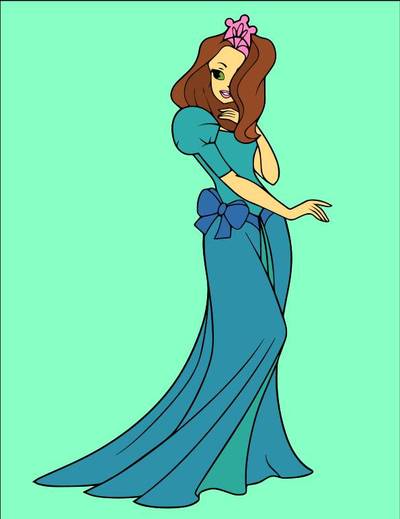 19 Likes
-
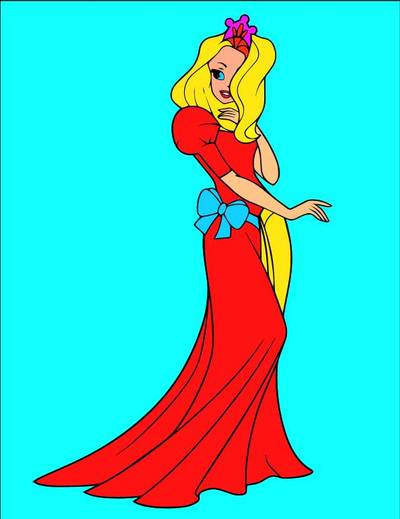 6 Likes
-
by Isabelle_Leite
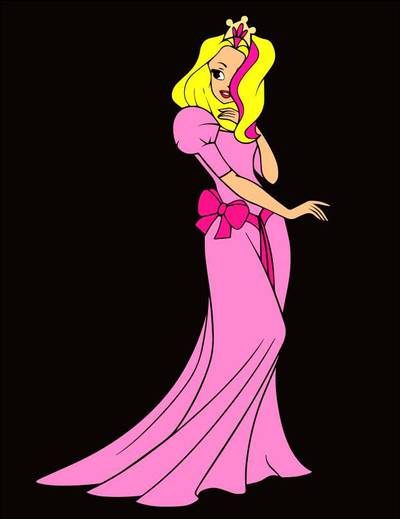 2 Likes

Princess with a big bow on her dress – colored in by the community
-
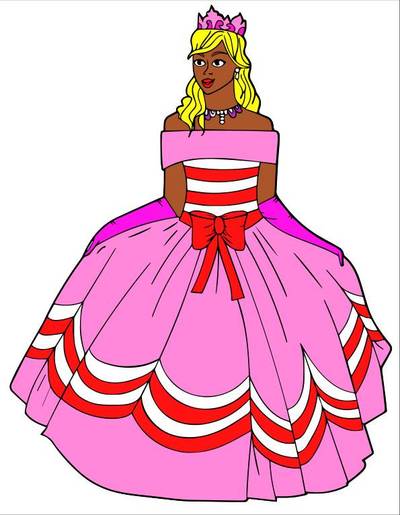 14 Likes
-
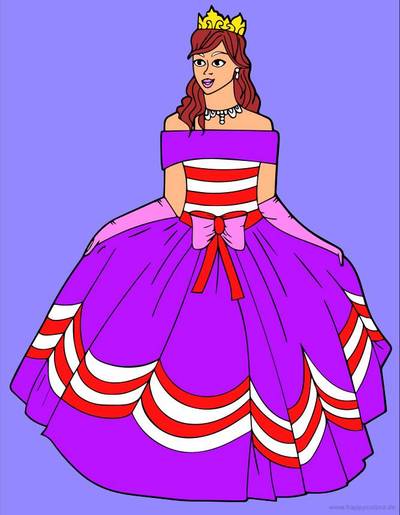 4 Likes
-
 1 Likes

Snip, Stick, and Sparkle: Fairy Tales And Fables Craft Magic!
Make a Fairy Tale Story Wand
✂️ You need: coloring page, crayons or markers, scissors, glue stick, cardstock, craft stick or paper straw, yarn or ribbon, tape
- Color one favorite character or symbol from the page.
- Cut it out and glue it onto cardstock.
- Tape the picture to a craft stick and add ribbon streamers.
💡 Supports: fine motor skills, creativity, storytelling
Fold a Tiny Fable Booklet
✂️ You need: 1 sheet of paper, coloring page pieces, crayons or markers, stapler (adult help) or glue, pencil
- Fold the paper in half to make a little book.
- Cut out 3–4 small pictures from the coloring page.
- Glue one picture on each page and add a short caption.
💡 Supports: early writing, sequencing, imagination
Create a Classroom Fairy Tale Wall
✂️ You need: several colored pages, safety scissors, glue sticks, large poster paper or bulletin board paper, labels or sticky notes, optional glitter glue
- Color pages together and pick one favorite part from each page.
- Cut out the characters and glue them onto a big poster.
- Add labels like “hero,” “helper,” and “lesson” next to each picture.
💡 Supports: teamwork, communication, story comprehension


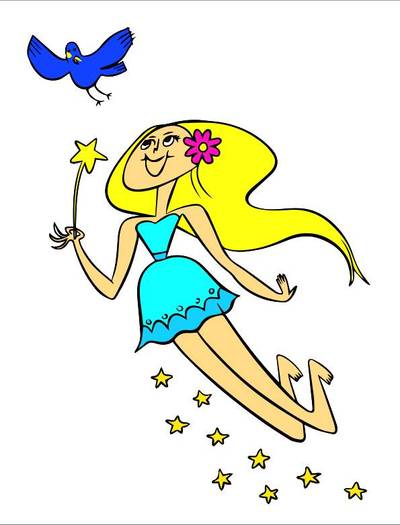
Fairy with bird and stars – colored in by the community
-
 11 Likes
-
 0 Likes

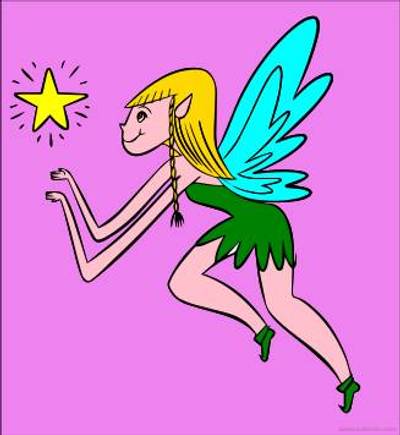
Fairy with a star – colored in by the community
-
 0 Likes


Did You Know? 5 Magical Facts About Fairy Tales and Fables
Fairy Tales Travel the World
Many fairy tales started long ago in one place, then people carried them to new lands by telling them out loud—kind of like a story suitcase! When families moved to the United States, they brought favorite tales with them, and the stories kept changing as new kids heard them. Library of Congress
Fables Teach With Talking Animals
A fable is a short story that often uses animals who talk and act like people, and it ends with a lesson called a “moral.” That’s why you might see a clever fox, a patient turtle, or a brave little mouse in fables. Encyclopedia Britannica
A “Tall Tale” Is a Cousin
In the United States, some favorite story cousins are tall tales—super-silly stories with big exaggerations, like a hero who can do impossible things. These stories were told for fun on the American frontier and helped people laugh during hard work and long trips. PBS
Old Stories Change Their Outfits
The same fairy tale can have different versions—like wearing different costumes—depending on who tells it and where. Characters, settings, and even the ending might change so the story fits a new place and time. Smithsonian Magazine
Fables Are Older Than Many Countries
Some fables are extremely old—told and retold for thousands of years—because they use simple characters and big ideas that kids understand quickly. Even when the words change, the lesson can stay the same. National Geographic

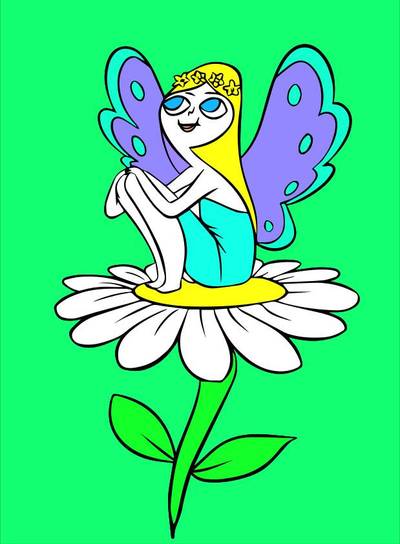
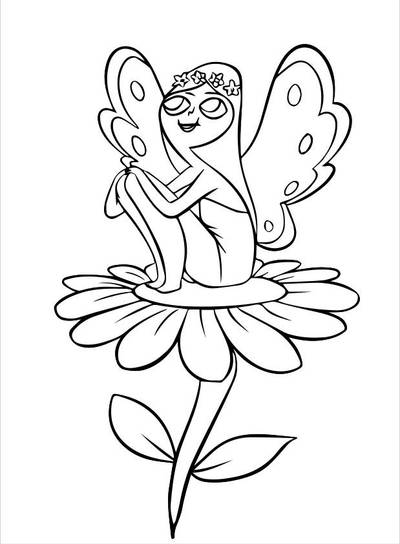
Fairy on a flower – colored in by the community
-
 0 Likes
-
 0 Likes

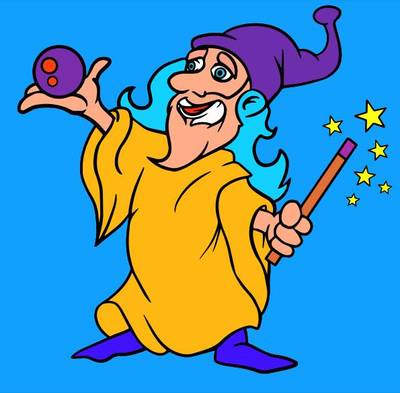
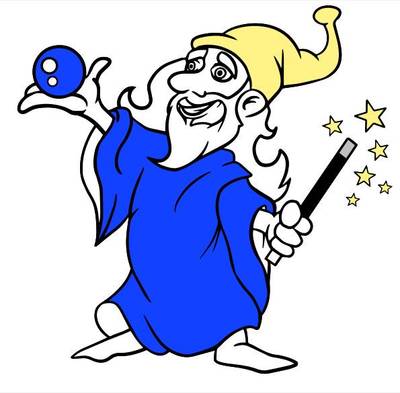
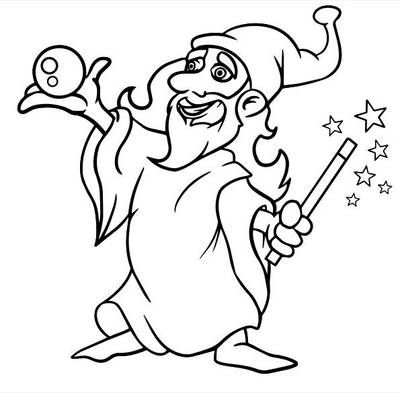
Wizard with orb and magic wand – colored in by the community
-
 11 Likes
-
 0 Likes
-
 0 Likes

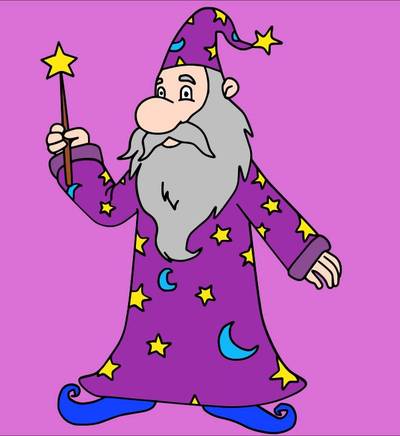
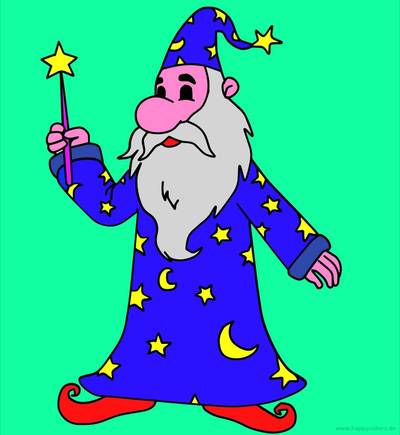
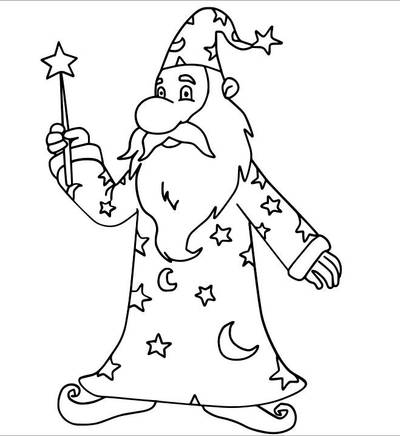
Wizard with wand and star dress – colored in by the community
-
 7 Likes
-
 0 Likes
-
 0 Likes


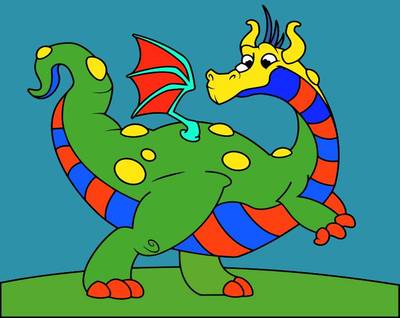
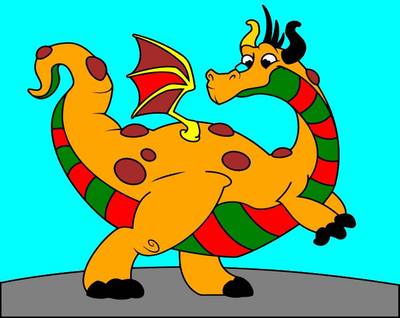
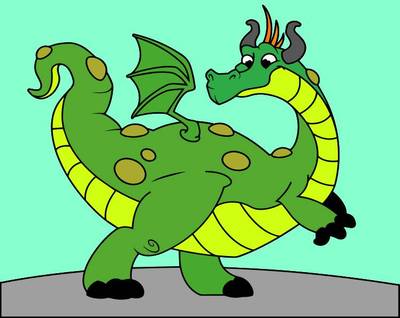

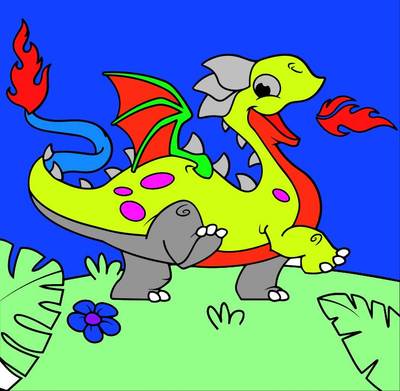
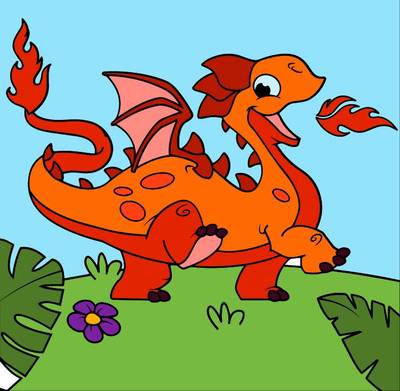
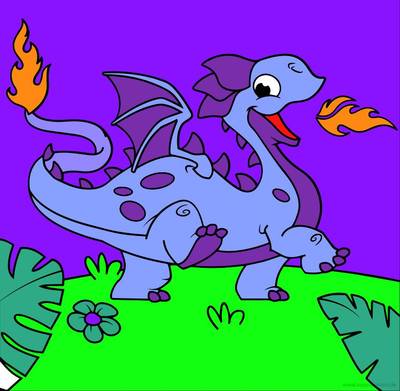

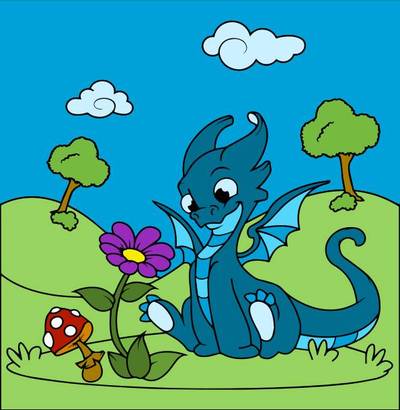
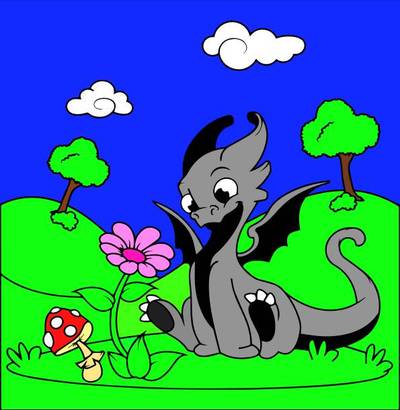
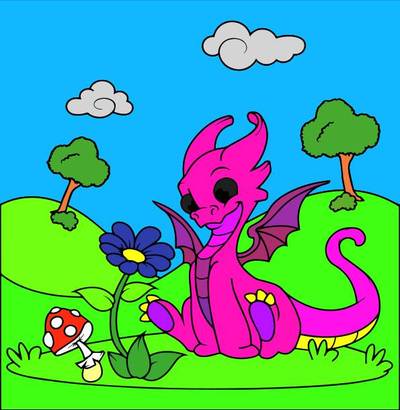

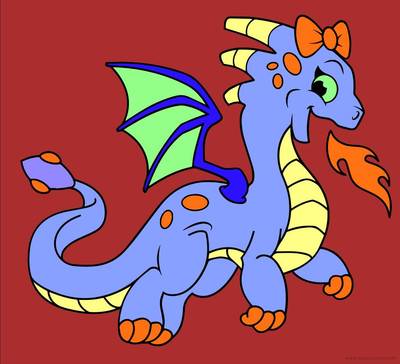
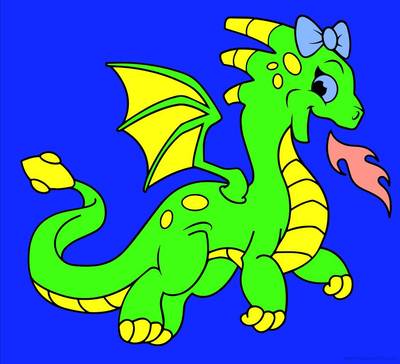
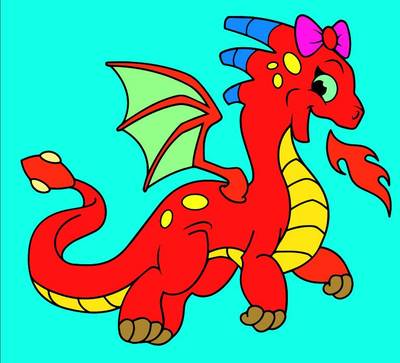
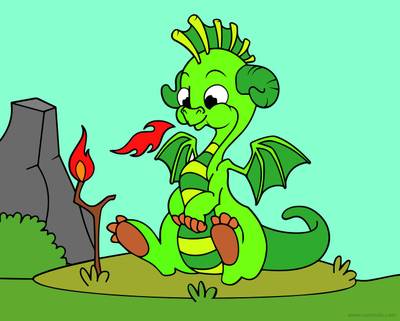
Dragon makes fire – colored in by the community
-
 3 Likes
-
 0 Likes

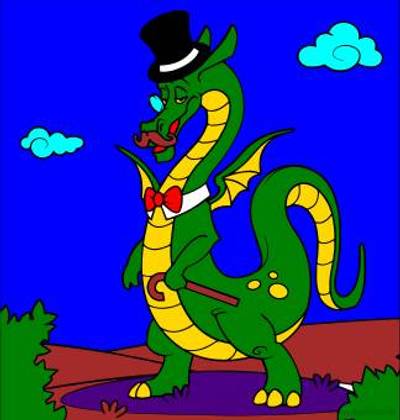
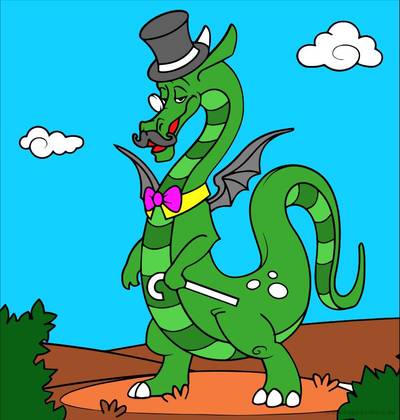
Old dragon with hat – colored in by the community
-
by user-mdligu
 3 Likes
-
by user-7mido5
 1 Likes

Dragon with knight – colored in by the community
-
by Katze
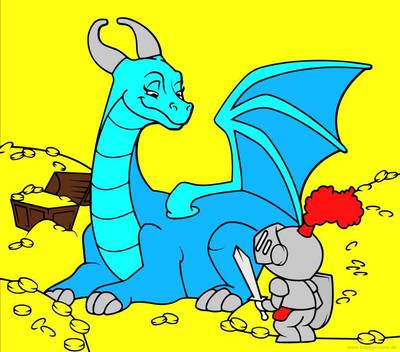 3 Likes
-
by user-mdligu
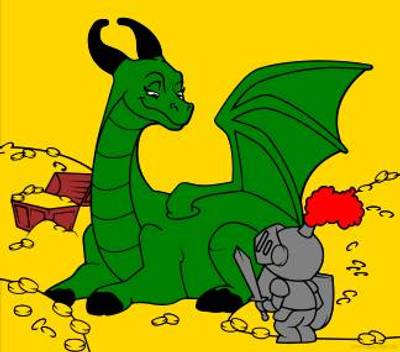 2 Likes
-
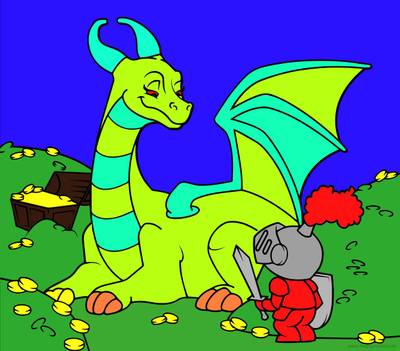 2 Likes

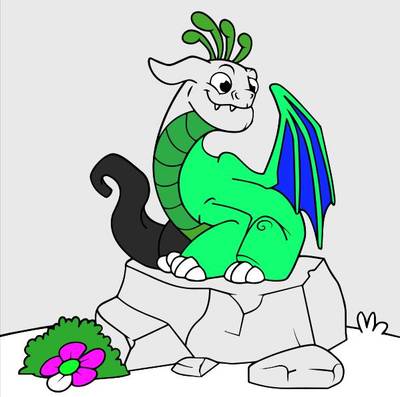
Dragon on a stone – colored in by the community
-
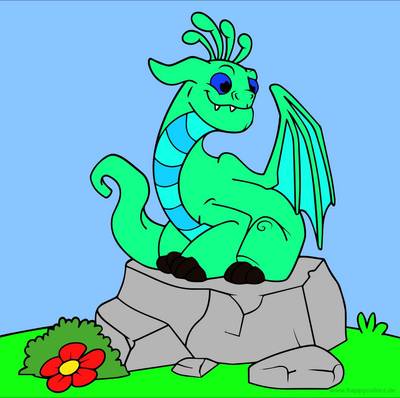 0 Likes
-
 0 Likes

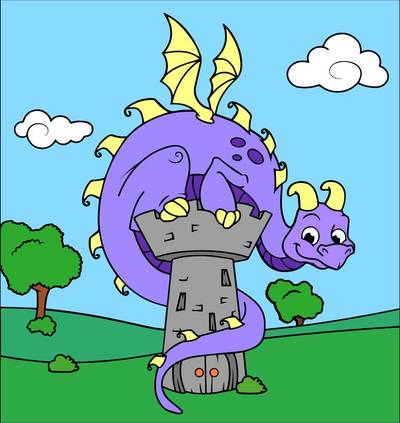
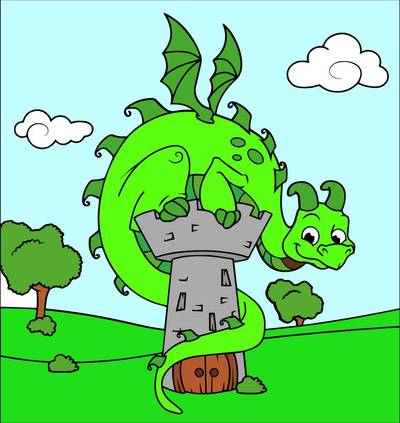
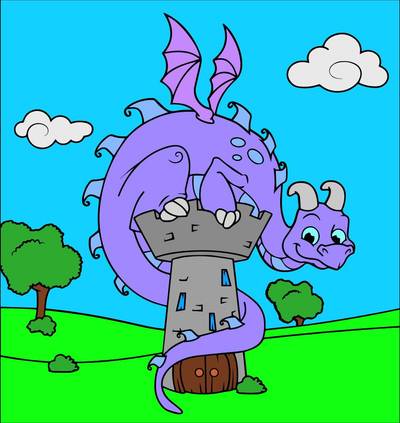

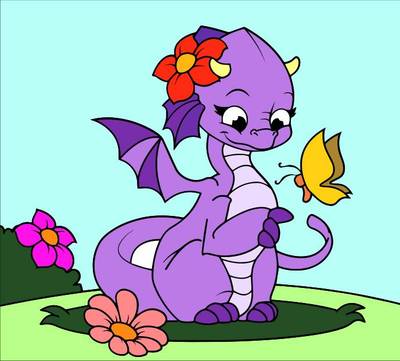
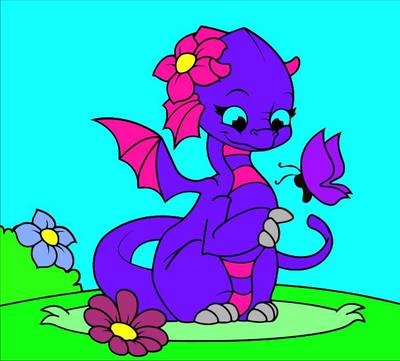
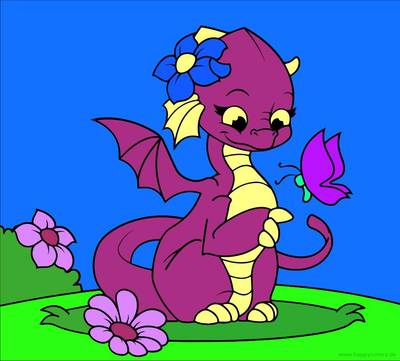


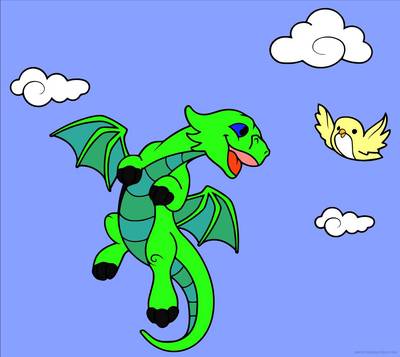
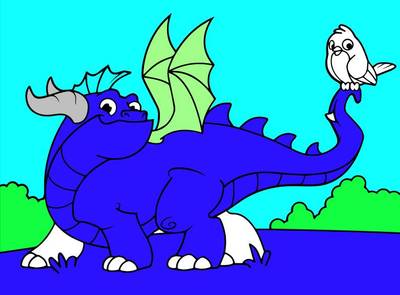
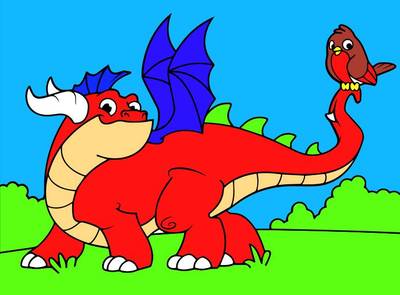
Dragon with bird and clouds – colored in by the community
-
 0 Likes
-
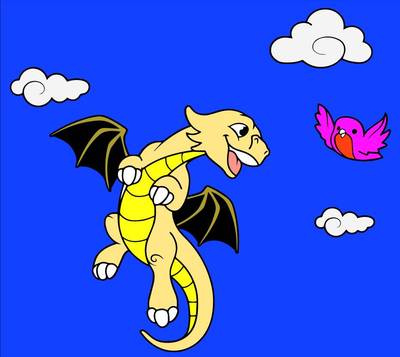 0 Likes

Dragon with balloons and clouds – colored in by the community
-
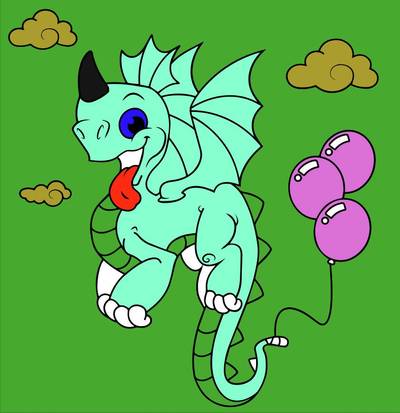 1 Likes

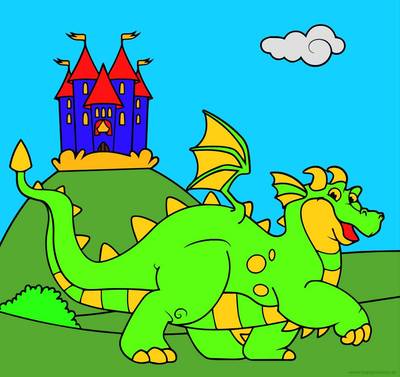
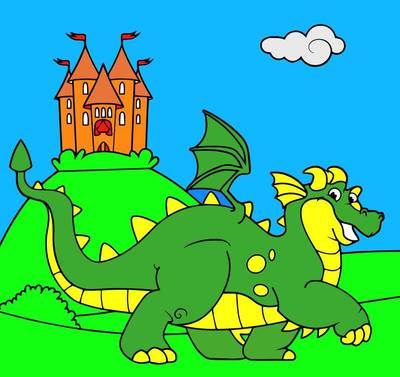
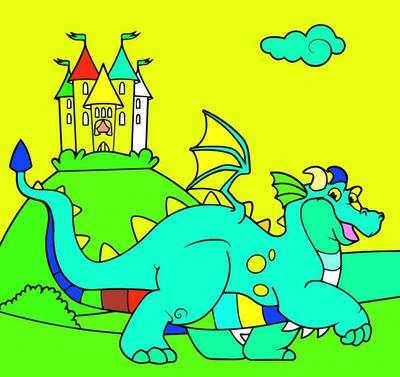

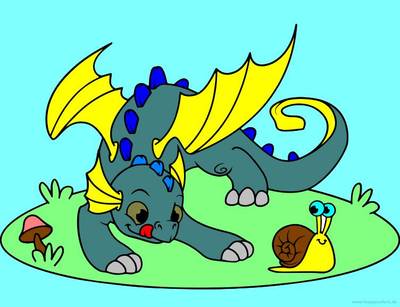
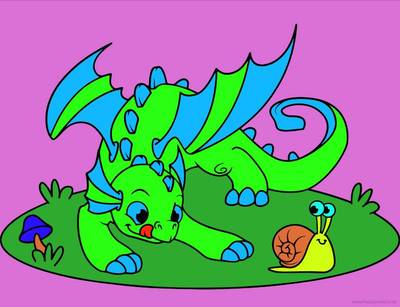
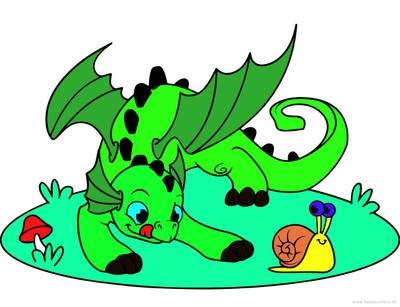

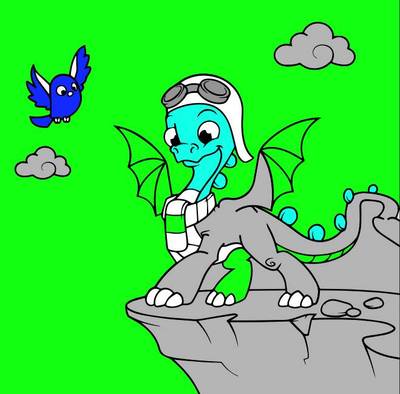
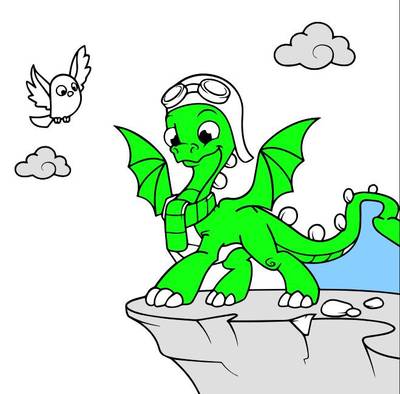
Dragon on a cliff – colored in by the community
-
 2 Likes
-
 1 Likes
-
 0 Likes

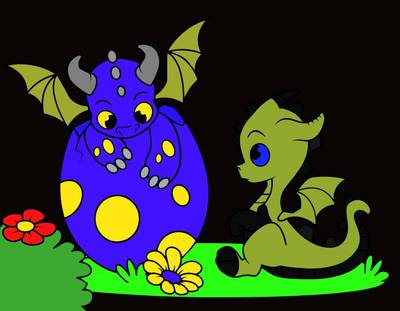
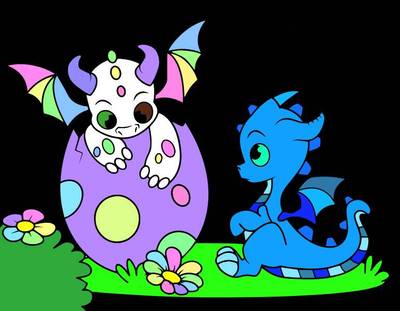

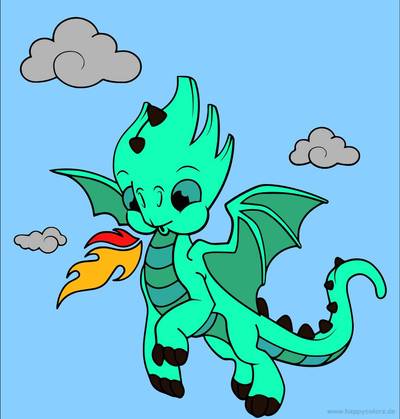
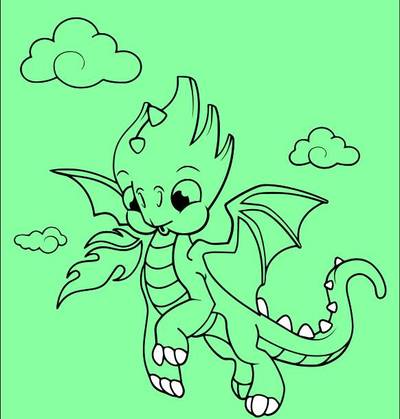
Cute flying dragon – colored in by the community
-
 0 Likes
-
 0 Likes



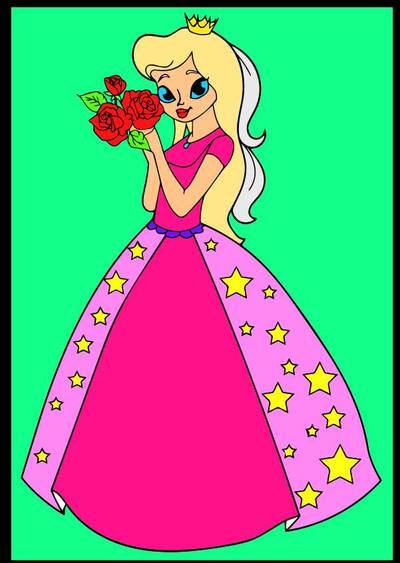
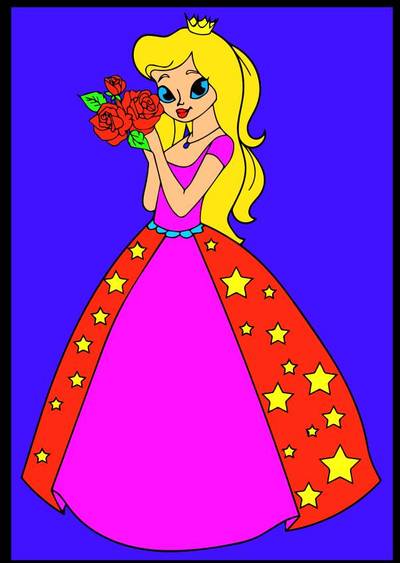
Princess with roses and star dress – colored in by the community
-
 16 Likes
-
 13 Likes
-
 12 Likes



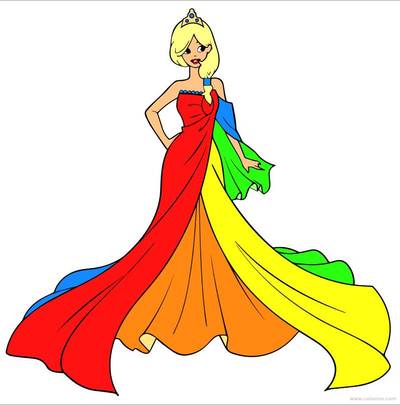
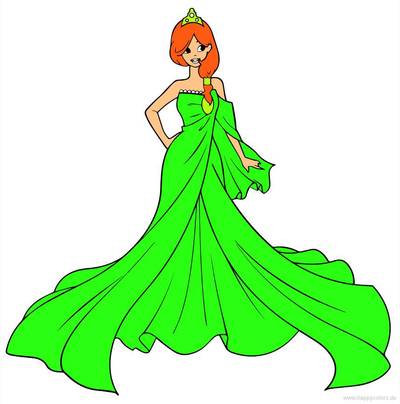
Princess with one-shoulder dress – colored in by the community
-
 11 Likes
-
by Isabelle_Leite
 4 Likes
-
 3 Likes

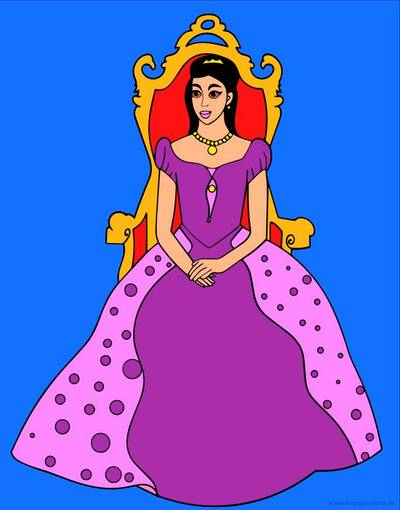
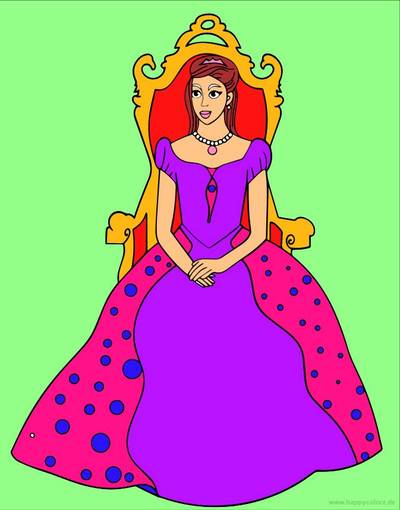
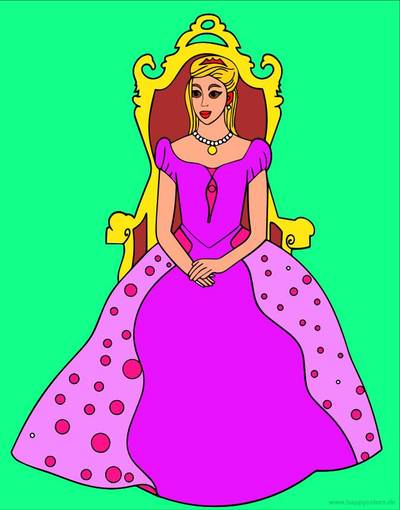

Princess – colored in by the community
-
 1 Likes
-
 0 Likes

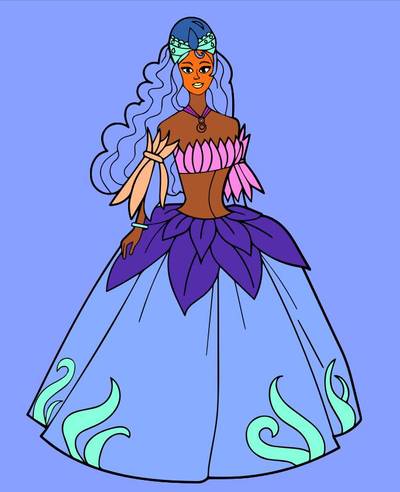
Princess with strapless dress – colored in by the community
-
 7 Likes
-
 2 Likes
-
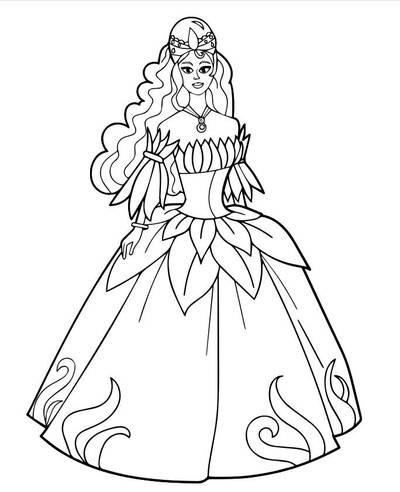 1 Likes

Princess with pearl necklace – colored in by the community
-
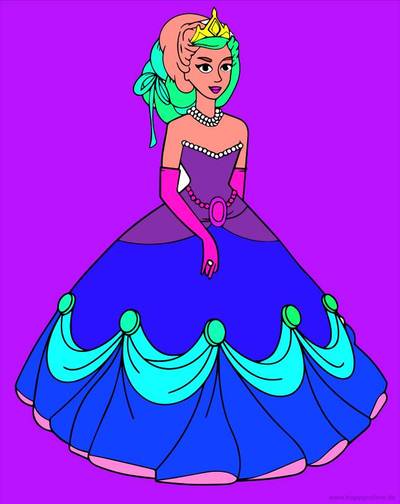 11 Likes

Princess with ruffle dress – colored in by the community
-
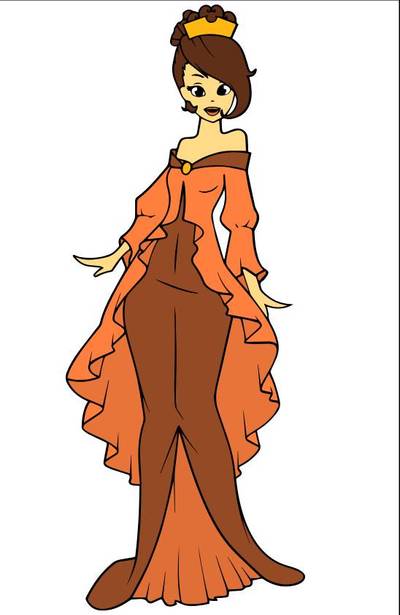 10 Likes
-
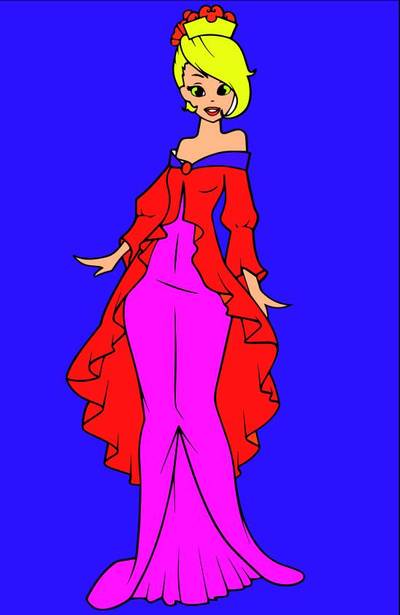 6 Likes
-
by Isabelle_Leite
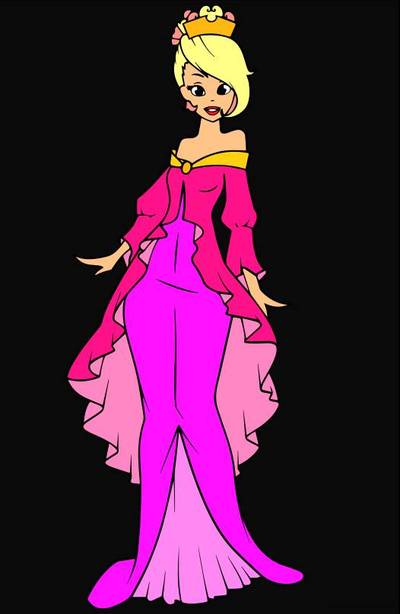 2 Likes

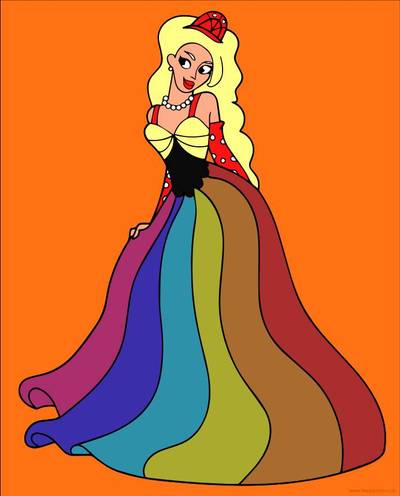

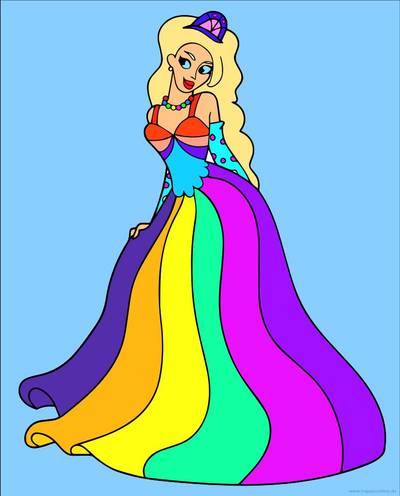

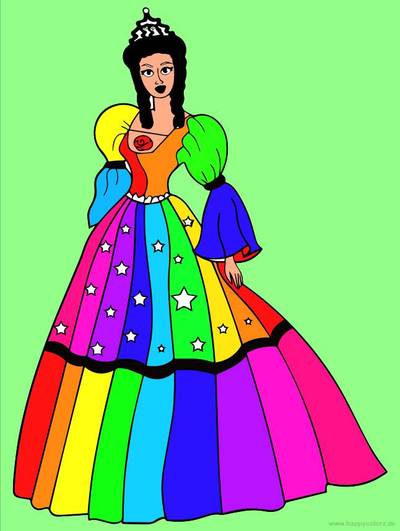
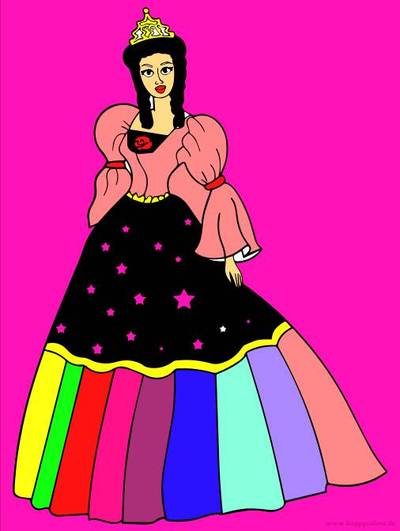
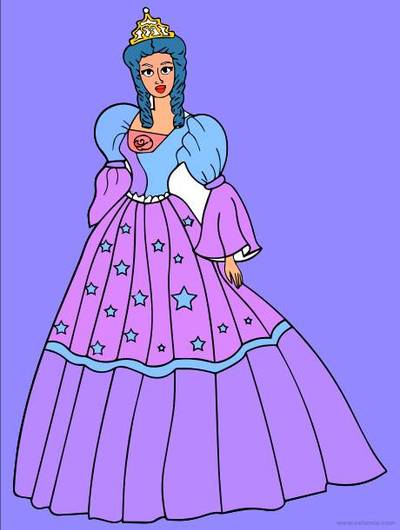

Princess riding a horse – colored in by the community
-
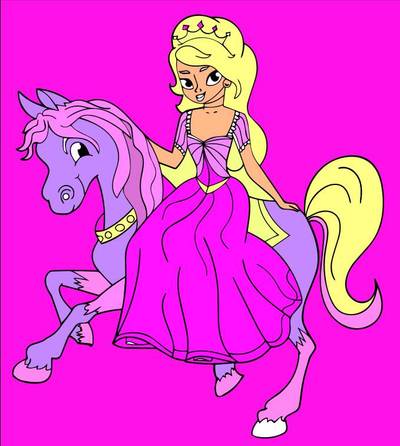 4 Likes
-
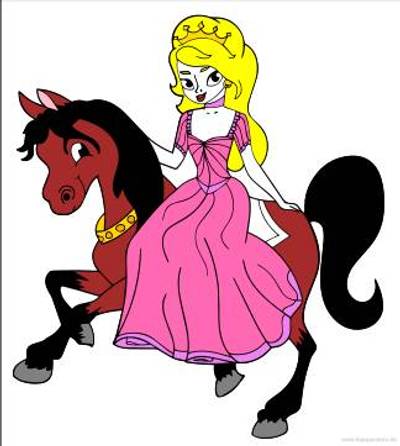 2 Likes
-
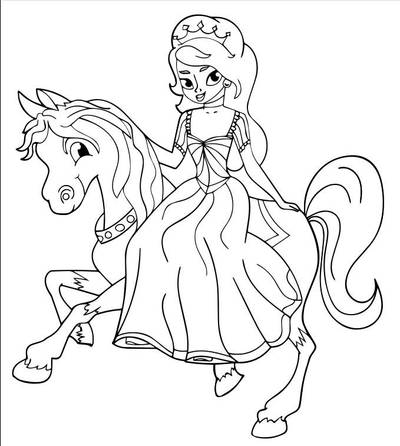 0 Likes

Princess with hand mirror – colored in by the community
-
by Isabelle_Leite
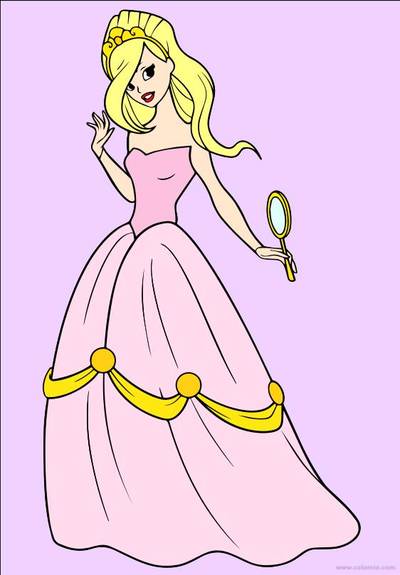 3 Likes
-
by Katze
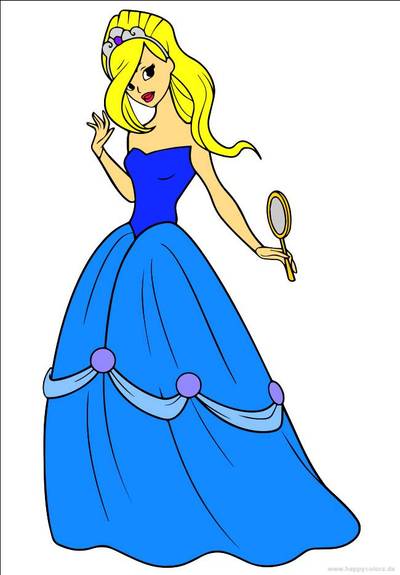 3 Likes
-
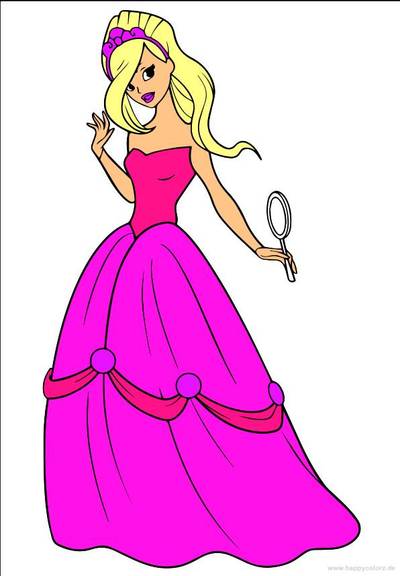 2 Likes

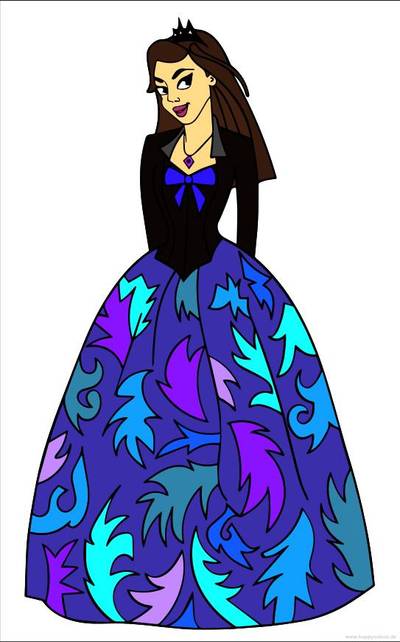

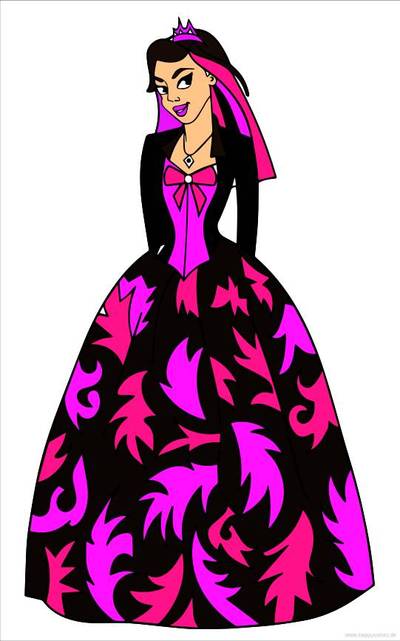

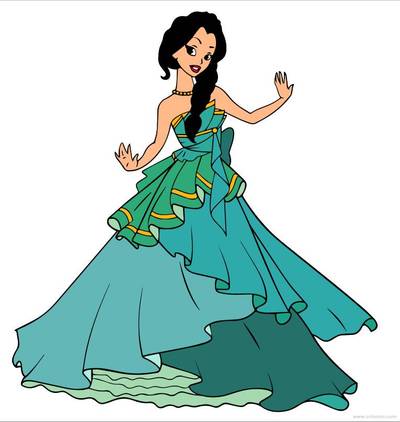
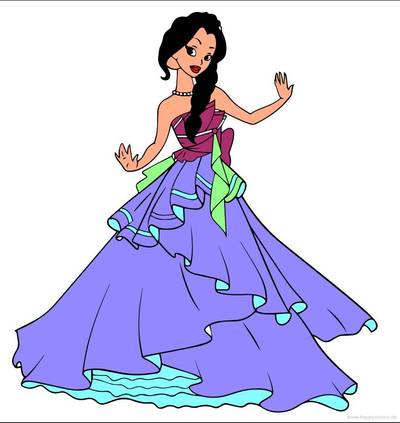
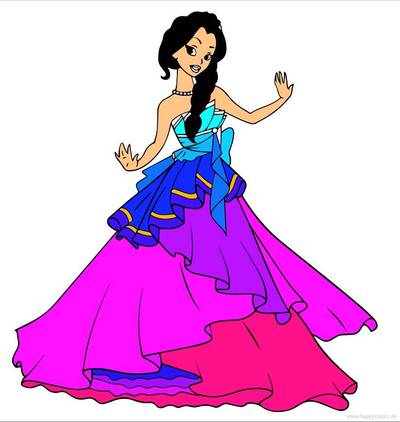
Princess with strapless ruffle dress – colored in by the community
-
by Isabelle_Leite
 5 Likes
-
 2 Likes
-
 2 Likes


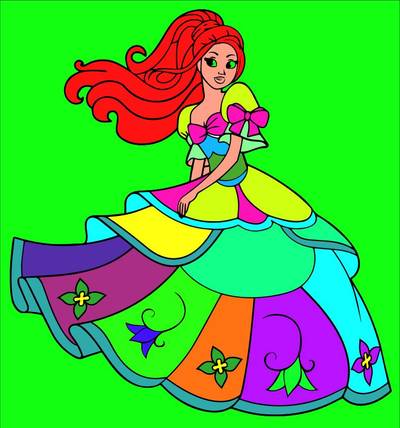
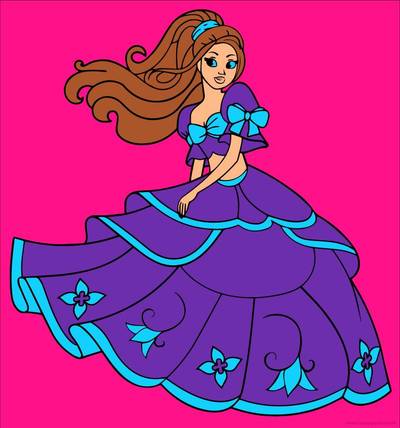
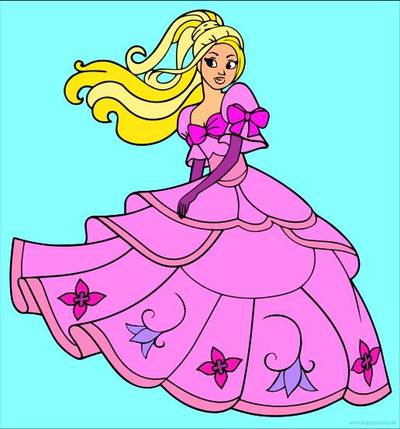

Cute princess with beautiful dress – colored in by the community
-
by Ania
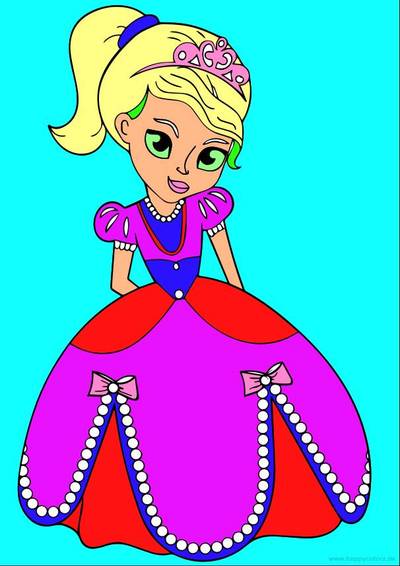 2 Likes

Dancing princess – colored in by the community
-
by Ania
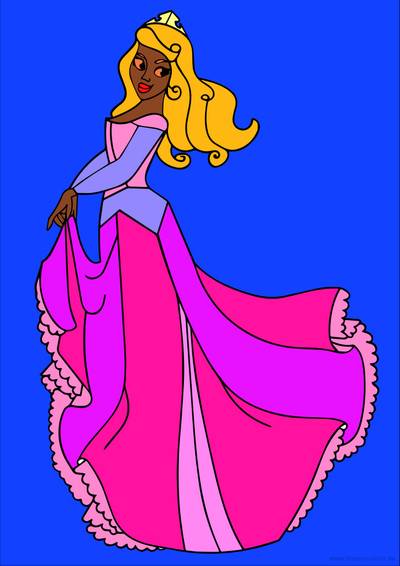 4 Likes
-
by Isabelle_Leite
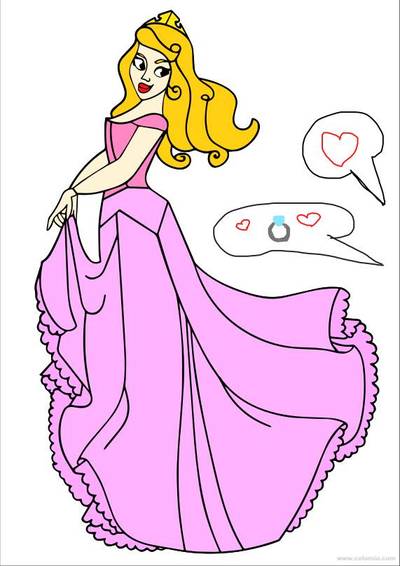 4 Likes
-
 2 Likes

Sweet princess with magic wand – colored in by the community
-
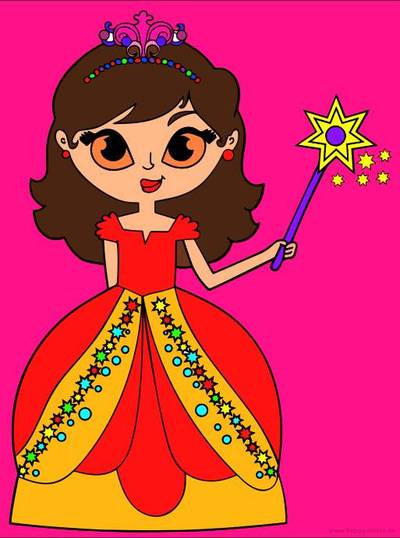 1 Likes


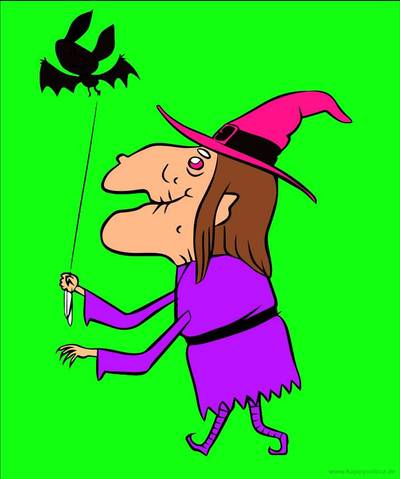
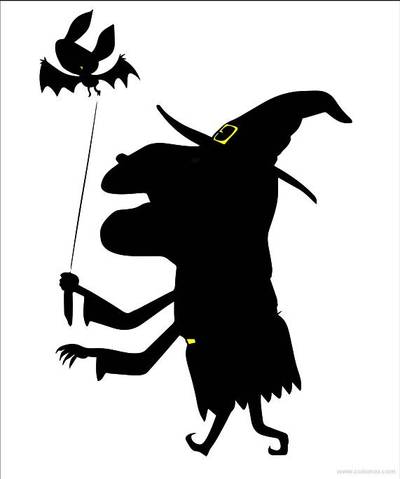
Old witch with bat – colored in by the community
-
 2 Likes
-
 1 Likes

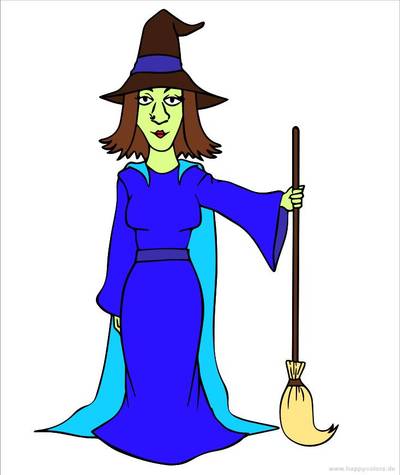
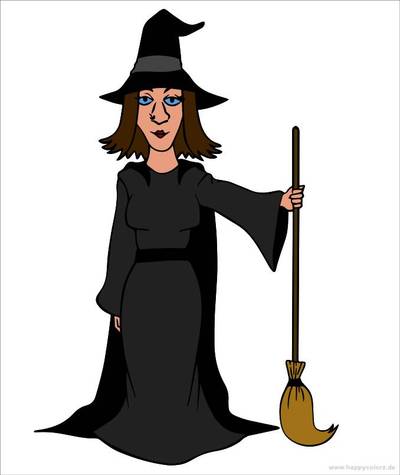
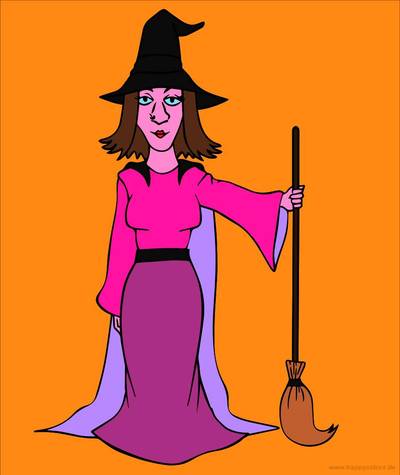
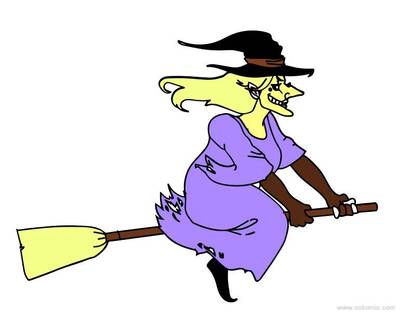
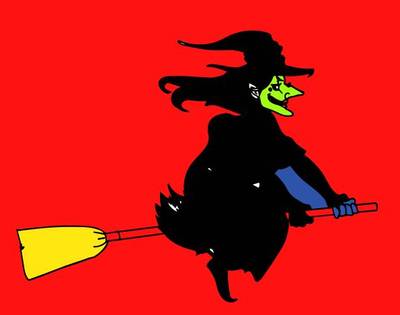
Smiling witch on a broom – colored in by the community
-
 2 Likes
-
 1 Likes
-
 0 Likes



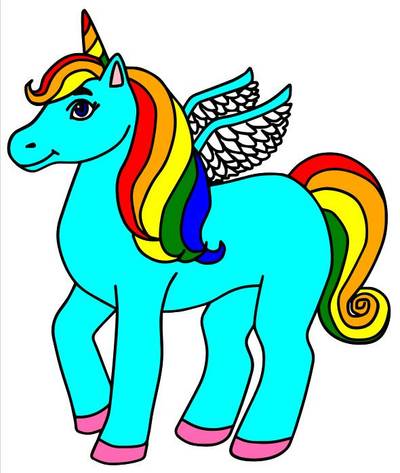
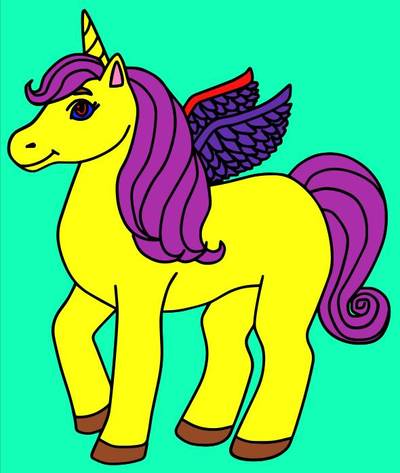
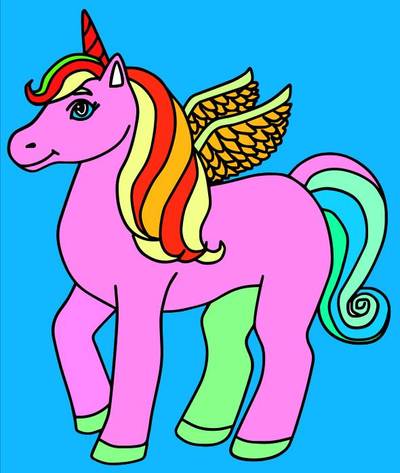
Unicorns in love – colored in by the community
-
 1 Likes

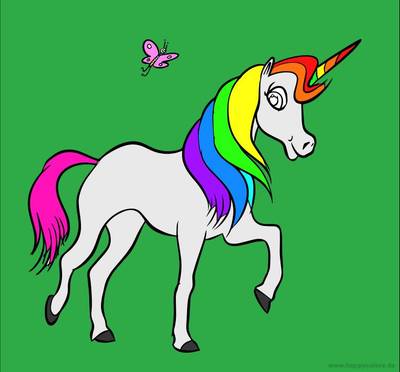
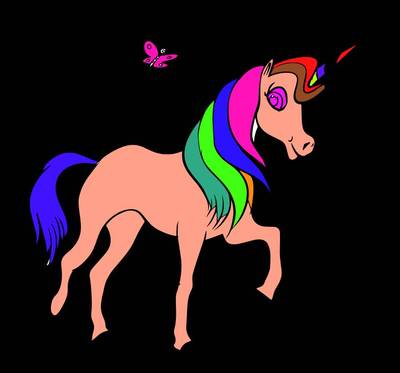

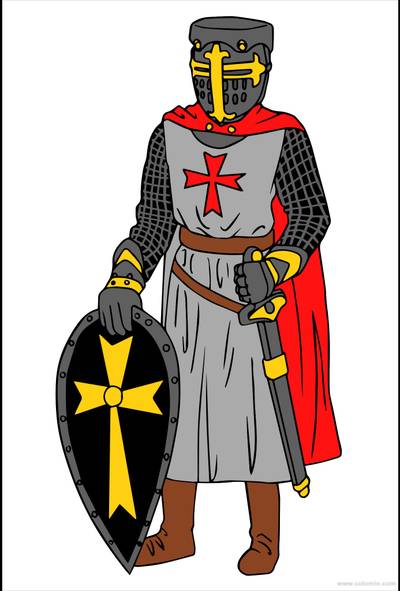
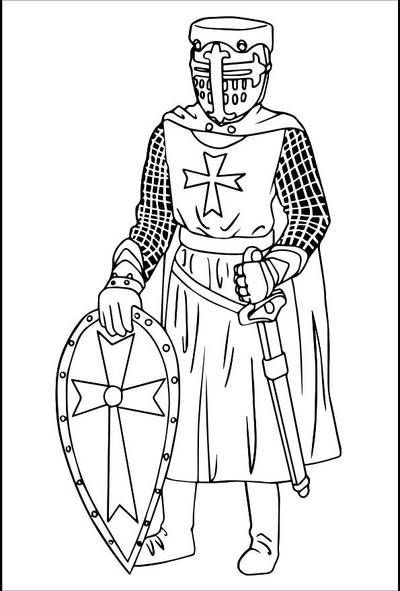




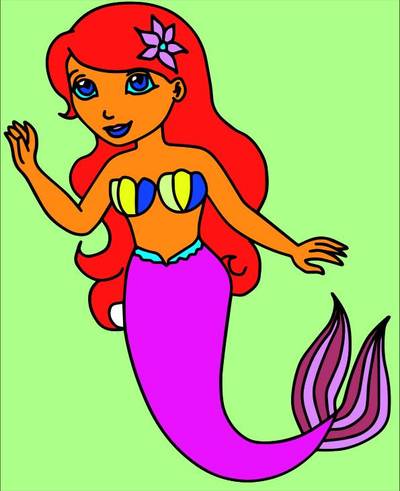
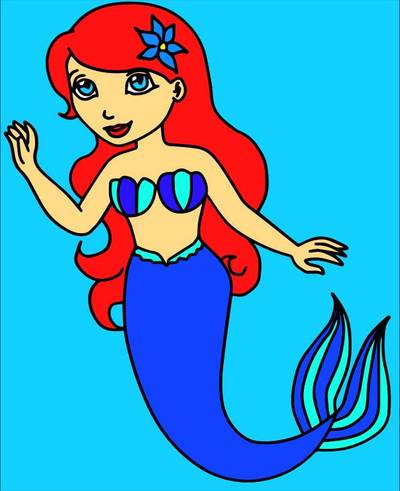
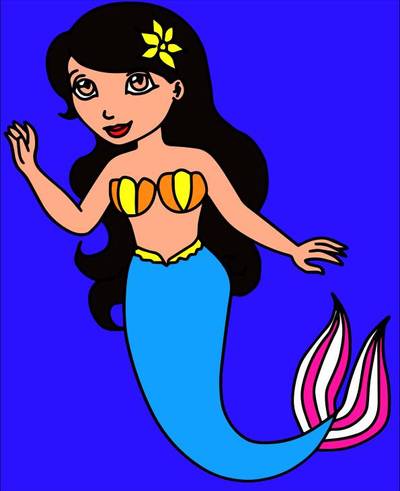

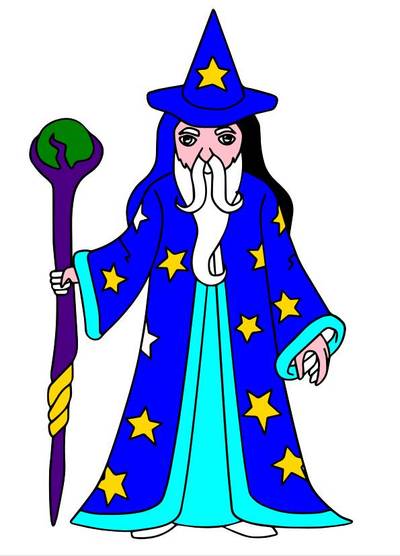
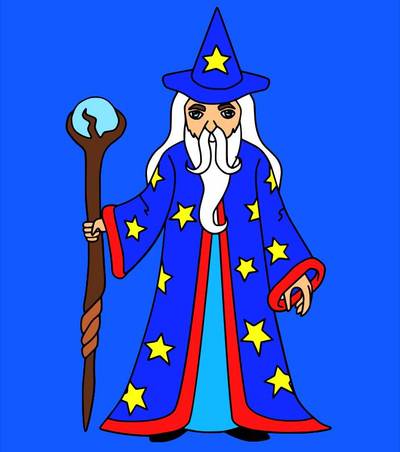
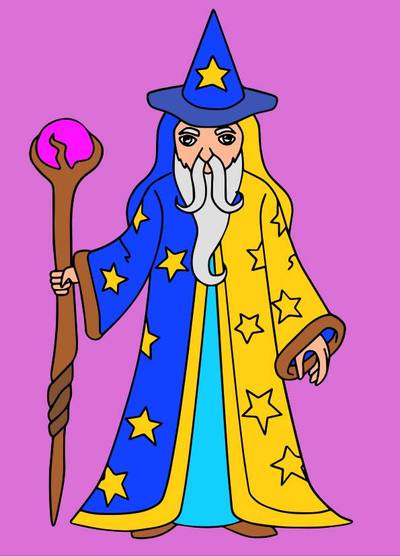


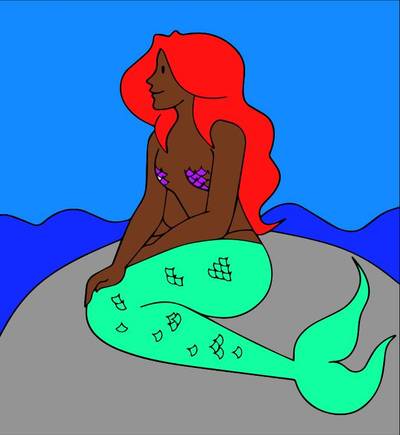
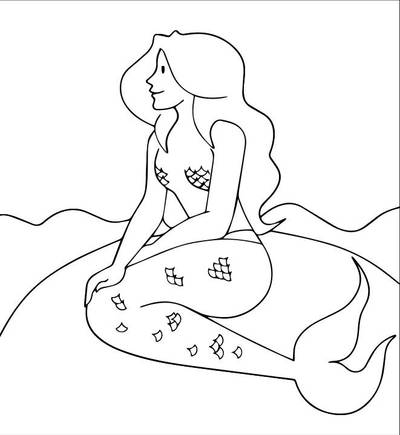
Mermaid on a rock – colored in by the community
-
 0 Likes
-
 0 Likes

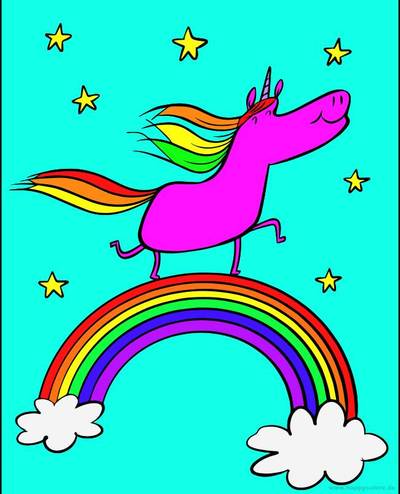
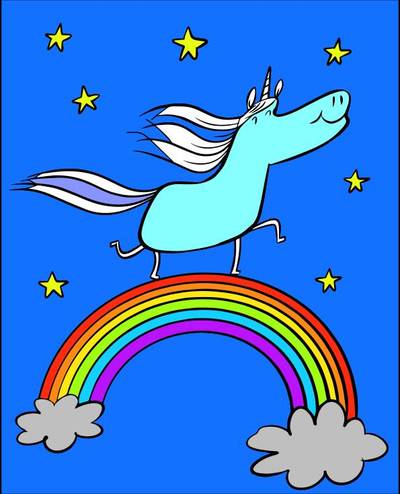
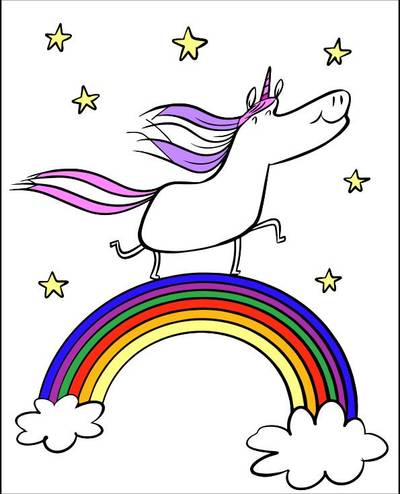
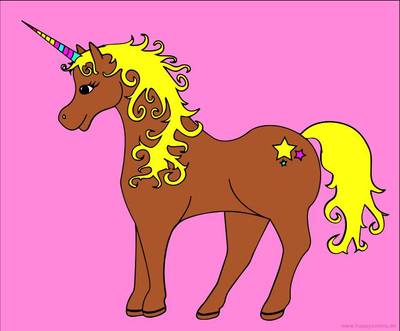
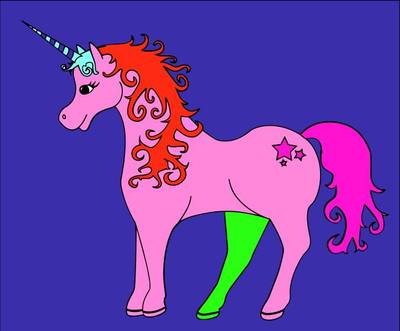
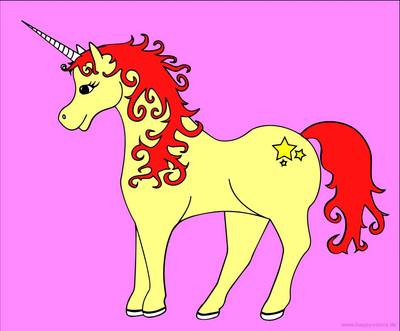
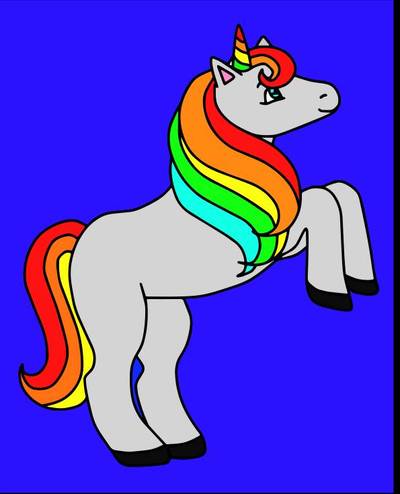
Unicorn with rainbow and stars – colored in by the community
-
by Katze
 6 Likes
-
 5 Likes
-
 5 Likes

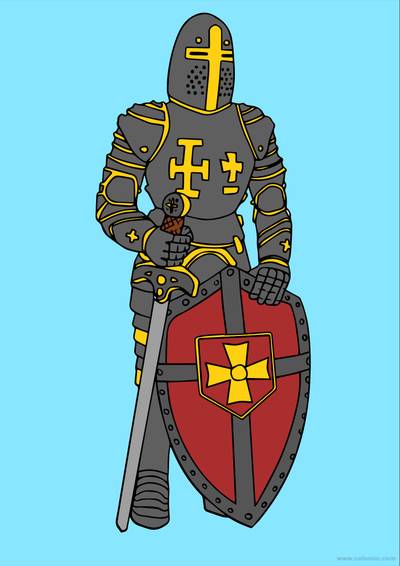

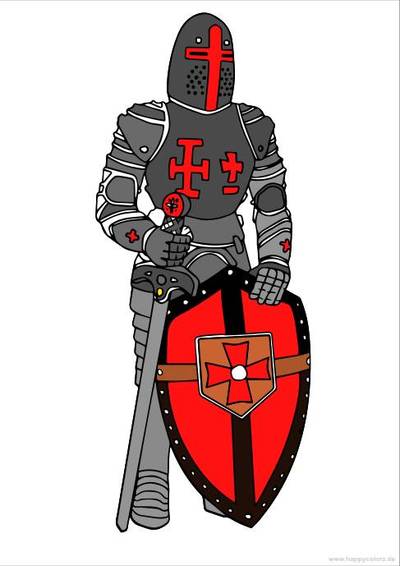

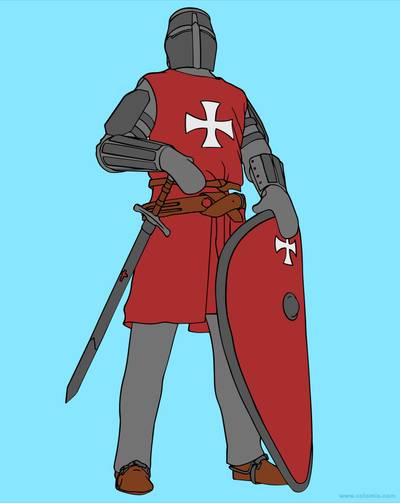
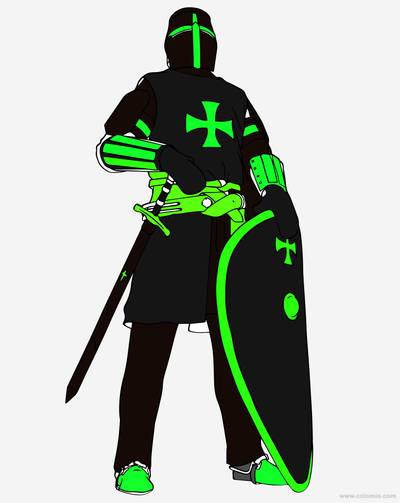
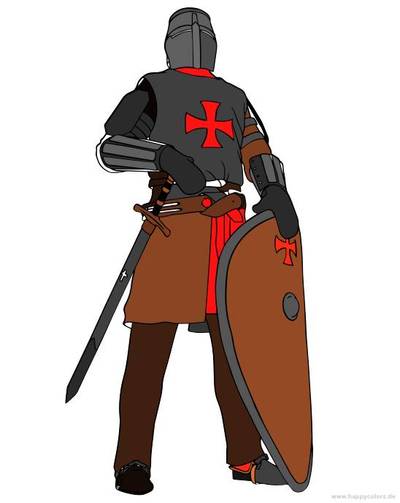

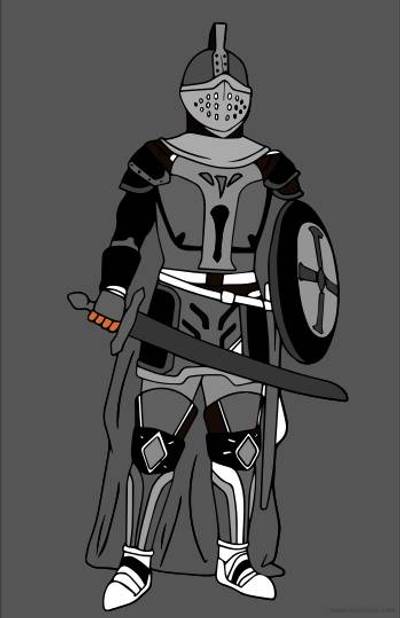
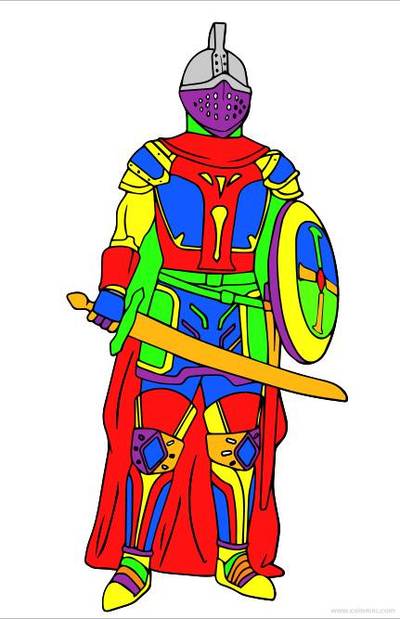
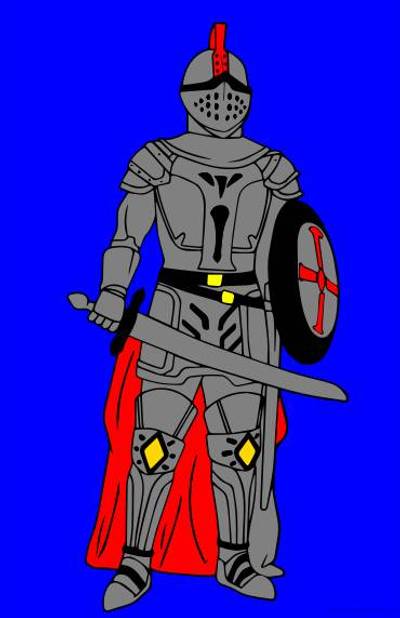






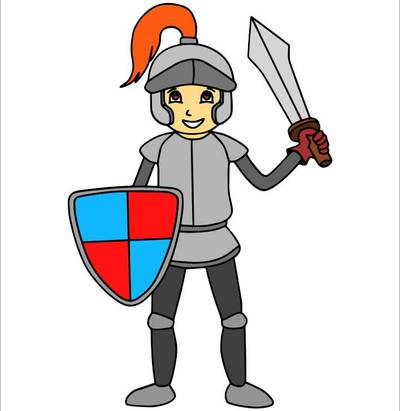
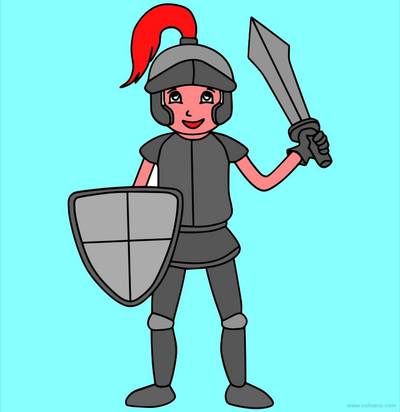
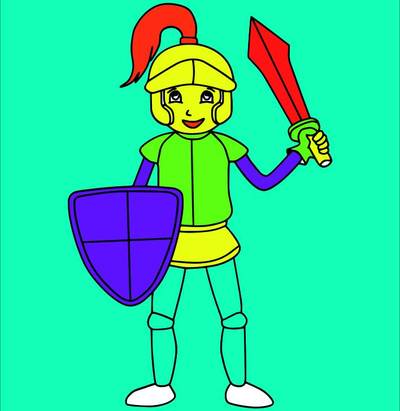
Sweet knight with sword and cape – colored in by the community
-
 4 Likes
-
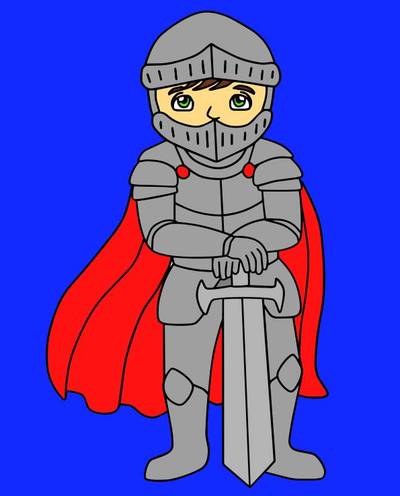 1 Likes
-
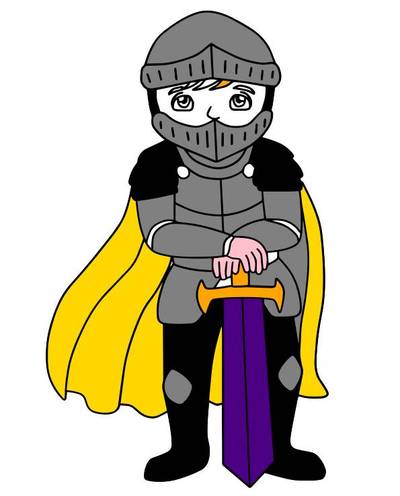 0 Likes

Smiling knight with sword shield and cape – colored in by the community
-
by user-mdligu
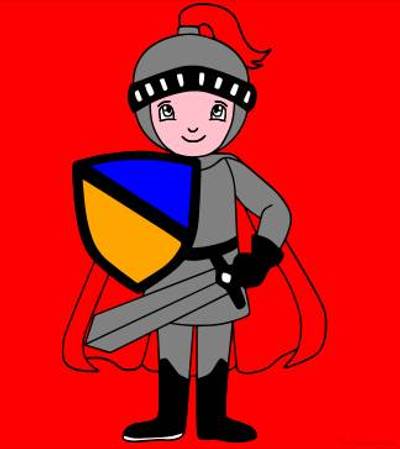 2 Likes






Magician with a rabbit – colored in by the community
-
by zofia
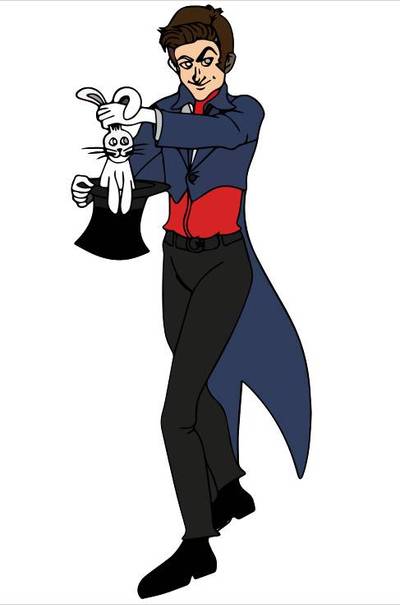 4 Likes




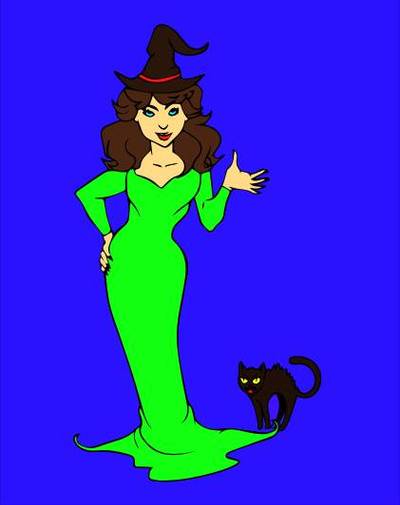
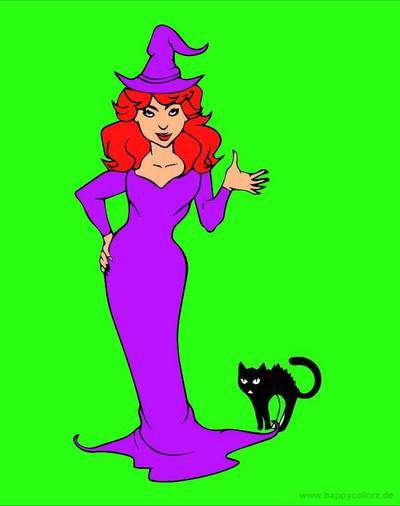
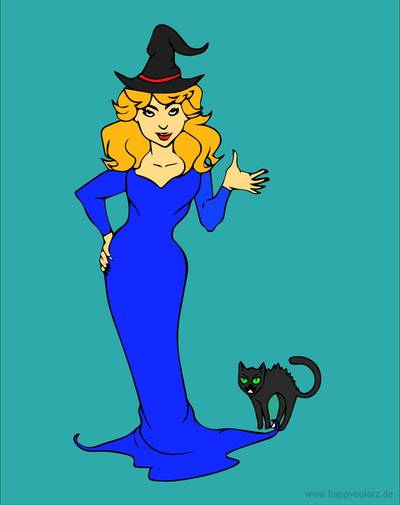





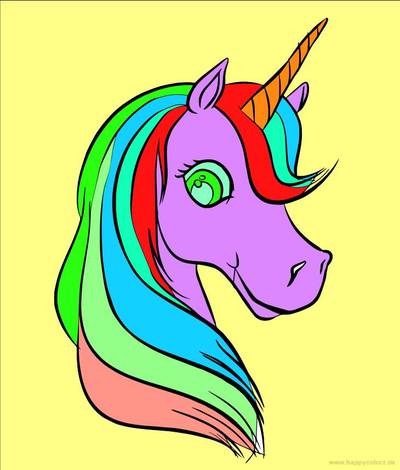
Unicorn on clouds – colored in by the community
-
 2 Likes
-
 1 Likes
-
 1 Likes



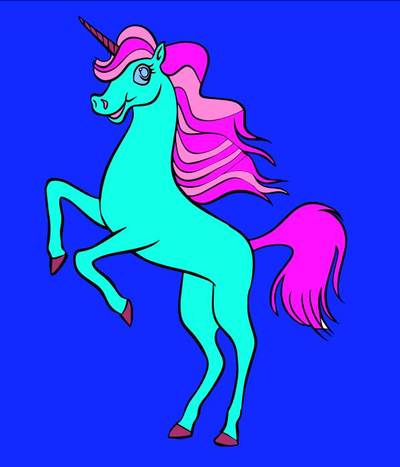
Cute jumping unicorn – colored in by the community
-
 0 Likes

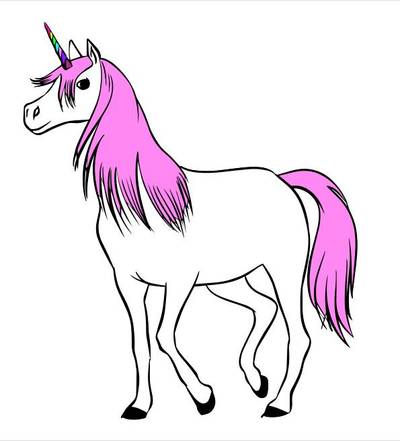
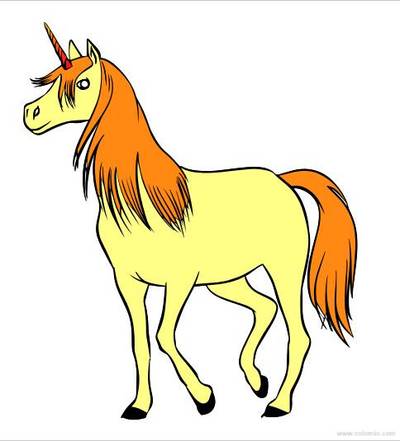
Smiling unicorn – colored in by the community
-
 2 Likes
-
by user-6aha42
 1 Likes
-
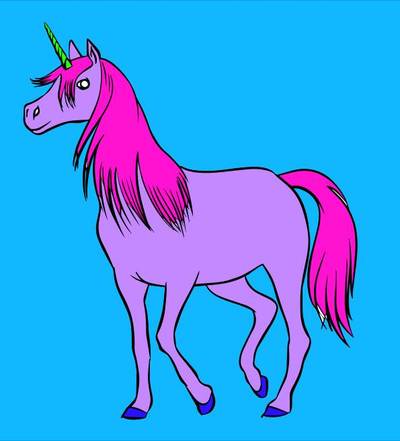 0 Likes

Smiling unicorn with stars – colored in by the community
-
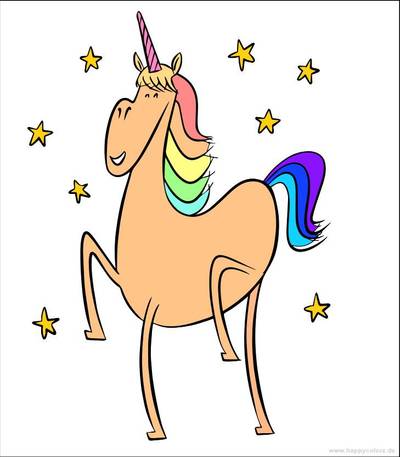 1 Likes

Witch in a hurry – colored in by the community
-
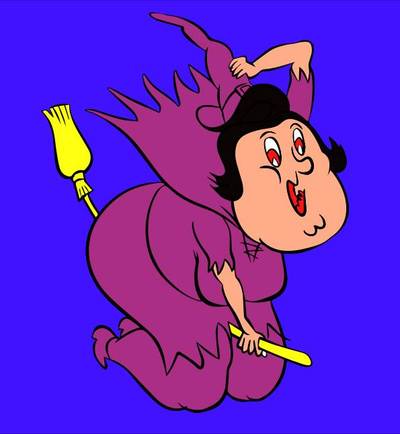 2 Likes
-
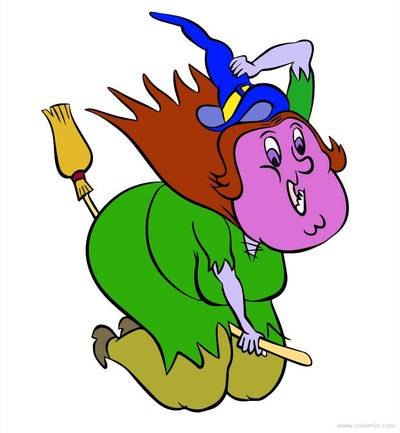 1 Likes
-
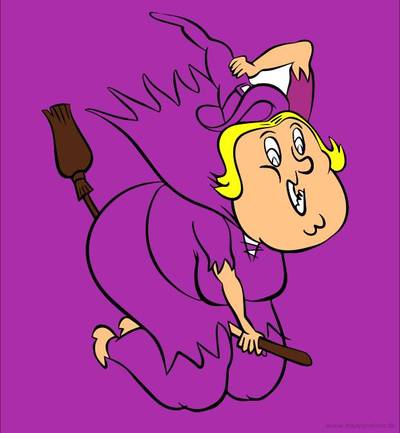 0 Likes

Nice witch with broom and tomcat – colored in by the community
-
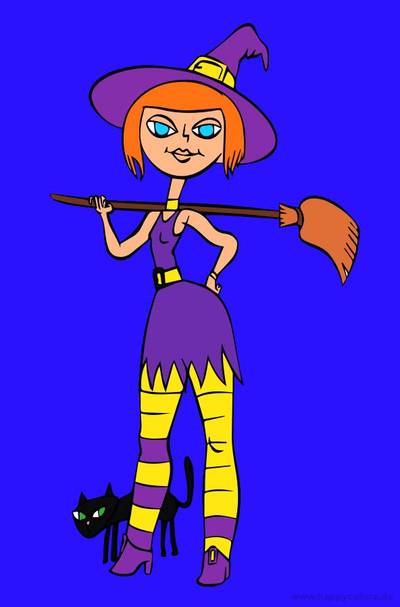 2 Likes
-
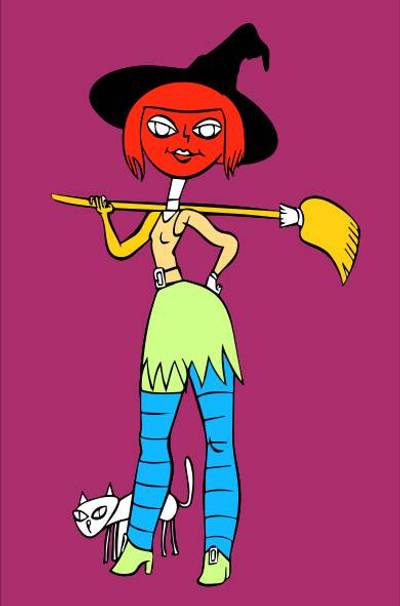 1 Likes


🎨 New coloring pages by email
Regularly get new free coloring pages straight to your inbox – no spam, unsubscribe anytime.
You’ll first get a confirmation email (double opt-in). Unsubscribe anytime with one click. Privacy Policy
Why Kids Love These Fairy Tales and Fables Coloring Pages
- Coloring these fairy tales and fables strengthens fine motor control and hand-eye coordination as children learn to stay inside lines and choose colors.
- They help build early literacy and storytelling skills by giving kids familiar characters and scenes to talk about and retell.
- Parents and teachers can use the ready-to-print pages as low-prep lesson supplements, quiet-time activities, or rewards during classroom transitions.
- As a screen-free activity, coloring sparks imagination and focused calm time with simple materials like crayons, pencils, and scissors.
Creative Ideas & Activities
- Turn colored pages into story sequence cards by having children color, cut, and arrange scenes from a fairy tale or fable to practice narrative order and retelling.
- Make stick puppets by coloring characters, gluing them to popsicle sticks, and performing short plays to boost speaking skills and creative dramatics.
- Create a class storybook: each child colors a page, writes a sentence about the scene, and the teacher staples the pages into a shared book for group reading.
- Use the pages for a vocabulary scavenger hunt where kids color items on the page and then name or write down new words they find to expand language skills.
- Combine coloring with simple crafts by cutting out characters to make masks with elastic bands, encouraging role-play and empathy through character voices.
- Adapt a page into a math activity by counting objects in the illustration, graphing favorite characters, or practicing addition with stickers and colored pencils.
- Organize a “compare and contrast” station where children color two different story characters and discuss the moral or lesson of each fairy tale and fable.
- Use a colored page as a calming collage base—kids add tissue paper, glued yarn, and crayon highlights to create a mixed-media scene for sensory focus time.
Frequently Asked Questions
Are the coloring pages free to download and print?
Yes, all coloring pages on this page are free to download and print. They can be used for free at school and in kindergarten, so classroom use is allowed.
In what file formats are the coloring pages available for printing?
The coloring pages are typically available as PDF and JPG files for easy printing. PDFs are ideal for full-page prints and consistent layout, while JPGs work well for image editing or single-page printing.
What ages are these fairy tale and fable coloring pages suitable for?
These pages suit a wide age range: preschoolers enjoy simple, bold designs while early elementary kids benefit from more detailed scenes. Teachers and parents can adapt complexity by pairing pages with age-appropriate prompts or cutting details for younger children.
Can I use these coloring pages in my classroom or kindergarten?
Yes, you may use the coloring pages in classrooms and kindergartens at no cost; classroom use is explicitly allowed. They work well for group activities, centers, crafts, and lesson extensions.
How do I get the best coloring results with these pages?
For best results, print on heavier paper or light cardstock if you plan to use markers, and use standard printer paper for crayons or colored pencils. Choose crayons for young children, colored pencils for fine detail, and washable markers for bold color, and put a scrap sheet under the page to prevent bleed-through.