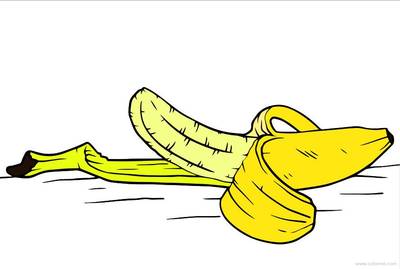
Yum, fruit! Free fruity banana coloring picture to print out
 Author Mathias
 If you love simple, hands-on activities, this banana coloring page is a cheerful, approachable way to invite creativity. These coloring pages show smiling bananas and related fruit scenes drawn with bold, easy-to-follow lines so young artists can succeed and feel proud. A single banana image can spark discussion about healthy eating, where bananas grow, and even counting slices, and the familiar shape makes it easy for children to choose colors and practice staying inside the lines.
These printable coloring pages are designed for toddlers, preschoolers, and older kids alike: toddlers enjoy scribbling and color exploration, preschoolers build fine motor skills and color recognition, and older kids can experiment with shading, patterns, or simple storytelling. Use them at home, in the classroom, for homeschool days, on travel to pass time, or during quiet time to calm and focus a child. Beyond the fun of coloring, these sheets support hand-eye coordination, concentration, vocabulary development, and early math when you count bananas or label parts. They’re an inviting, low-prep activity that encourages creativity, conversation, and gentle skill-building while feeling relaxed and playful rather than instructional.

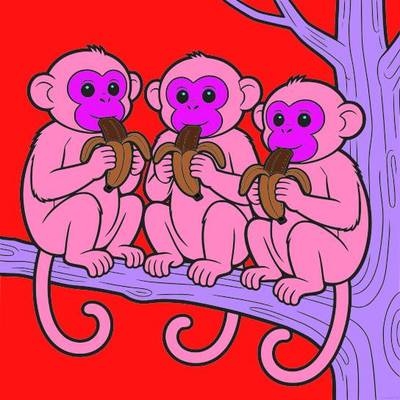
Cute monkeys eating bananas in a tree – colored in by the community
-
 3 Likes

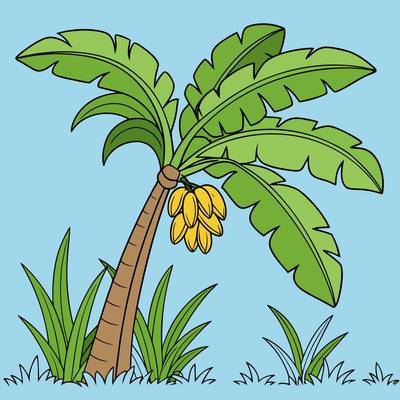
Simple leaning banana tree in jungle – colored in by the community
-
by manfred
 2 Likes

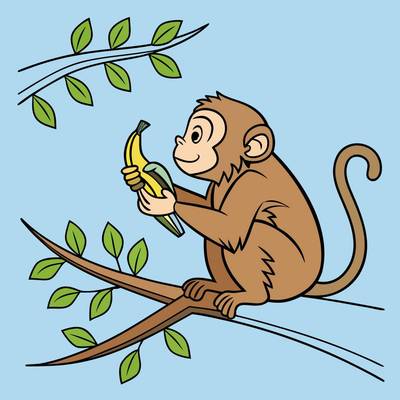
Simple monkey with banana on branch – colored in by the community
-
by Venla
 6 Likes

Detailed banana tree with jungle animals – colored in by the community
-
by Aada
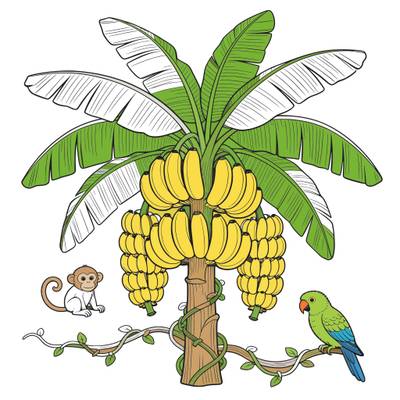 2 Likes

Banana tree with hanging bananas – colored in by the community
-
by ines
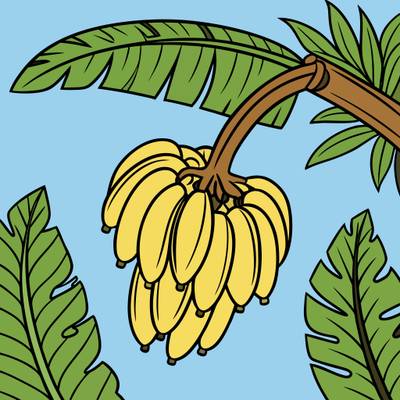 3 Likes

Cartoon telephone coloring page – colored in by the community
-
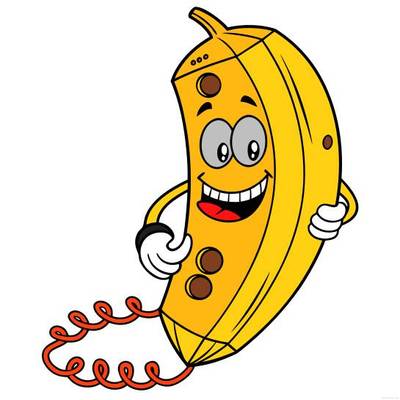 5 Likes
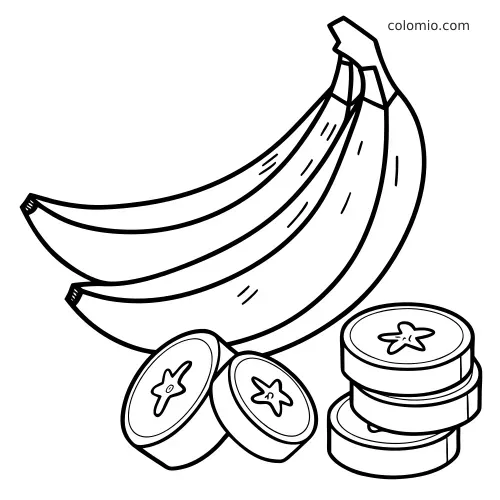
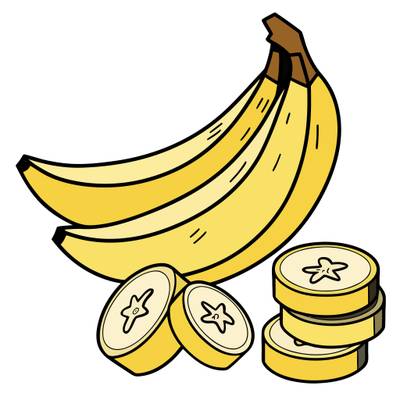
Banana with sliced pieces – colored in by the community
-
by marco
 4 Likes

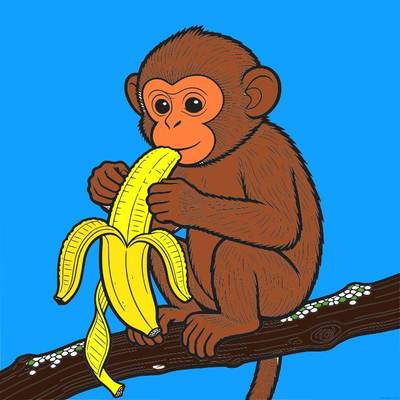
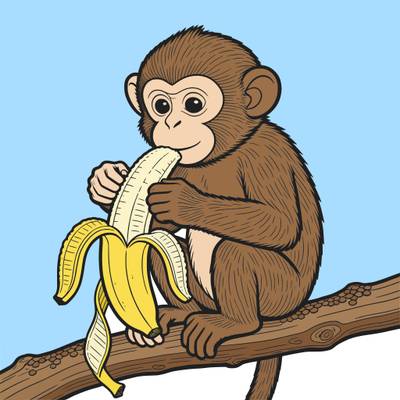
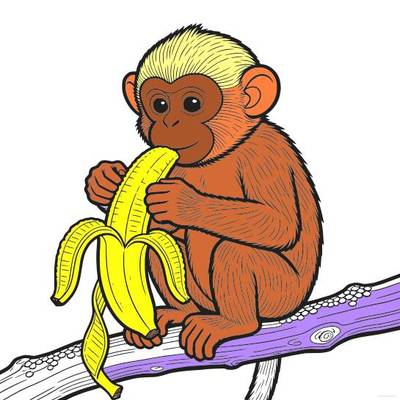
Detailed monkey peeling a banana – colored in by the community
-
 7 Likes
-
by paula
 5 Likes
-
 0 Likes

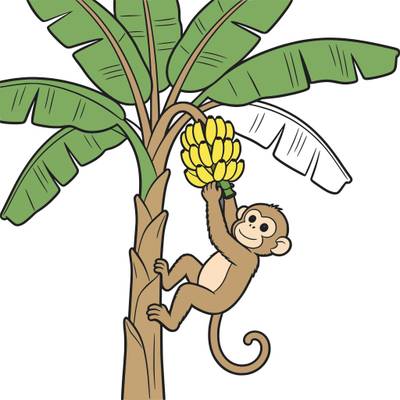
Cute monkey on a banana tree – colored in by the community
-
by Ingrid
 3 Likes

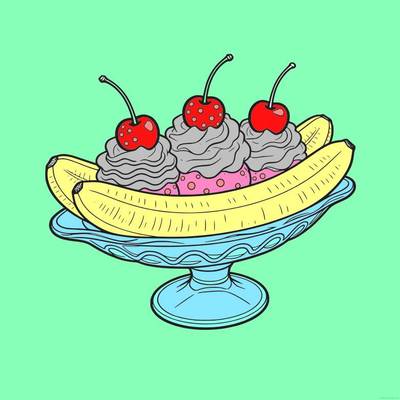
Simple banana split sundae – colored in by the community
-
 6 Likes

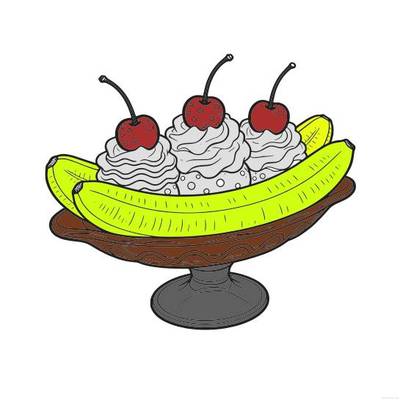
Detailed banana split sundae – colored in by the community
-
by lily
 10 Likes
-
 3 Likes
-
by Ania
 3 Likes

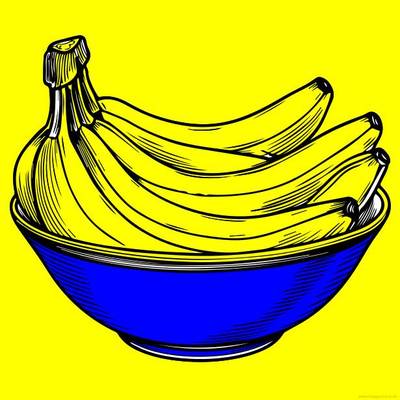
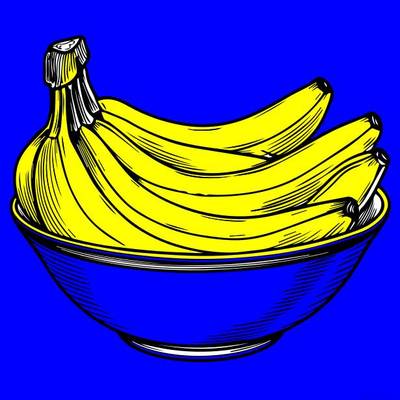
Make Your Banana Look Real: Simple Coloring Tips That Pop
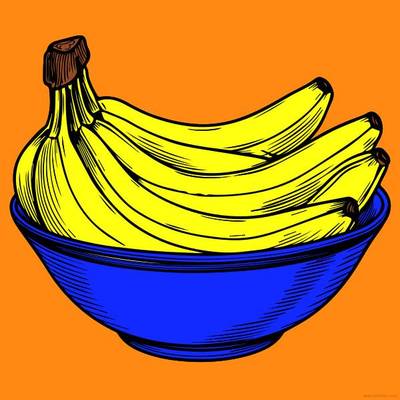
A banana looks simple at first, but it has lots of small details that make it look fresh and real. With a few careful choices, the peel can look smooth, shiny, and perfectly curved.
What to Notice Before You Start Coloring
- Curved shape: Bananas are not straight. Keep your coloring lines following the curve to help it look round.
- Peel texture: The peel is mostly smooth, but it often has gentle lines running from top to bottom. Light strokes can show this.
- Ends of the banana: The stem end and the tip are usually darker and a bit rougher-looking than the rest.
- Spots and speckles: Many bananas have tiny brown dots or a few bigger spots, especially when they are ripe.
- Shading for “3D”: One side is often slightly darker. Leaving a thin lighter strip can look like a shiny highlight.
Helpful hint: Color the lightest yellow first, then add darker yellow along one side for shadow. Finish with small brown details at the ends and a few speckles for a natural look.
Realistic Banana Colors (With Easy Visual Swatches)
| Banana Part | Color Suggestion | Color Swatch |
|---|---|---|
| Main peel (bright, ripe) | Banana Yellow | #F7D74A |
| Peel shadow areas | Golden Yellow | #E6B422 |
| Light highlight strip | Pale Yellow | #FFF4B0 |
| Stem end (top) | Yellow-Green | #B7C44A |
| Stem and tip (darker, dry parts) | Warm Brown | #8B5A2B |
| Small speckles (ripe spots) | Medium Brown | #A97142 |
| Very ripe spots (bigger marks) | Dark Brown | #4E342E |
Easy Steps for Neat, Realistic Coloring
- Fill the peel with a smooth layer of Banana Yellow.
- Add Golden Yellow along one side and near the curves to create shadow.
- Leave (or gently color) a thin Pale Yellow strip for a shiny highlight.
- Color the stem end with Yellow-Green, then darken the very top with Warm Brown.
- Dot on a few Medium Brown speckles; add a couple of Dark Brown spots if the banana looks extra ripe.

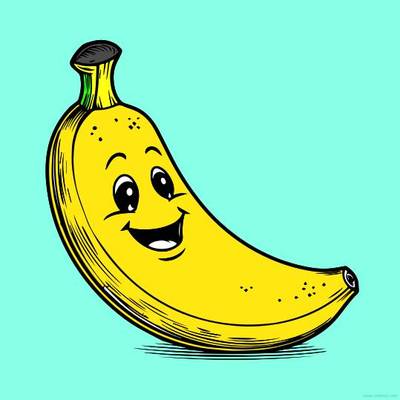
Smiling banana – colored in by the community
-
 0 Likes


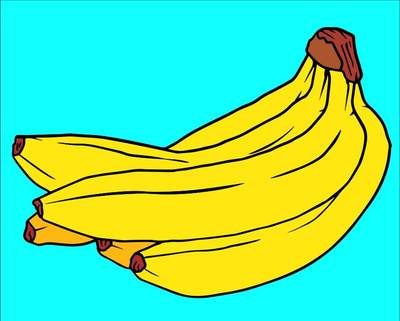
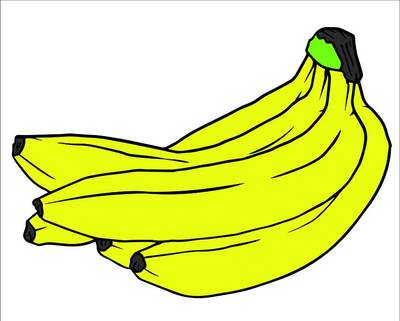

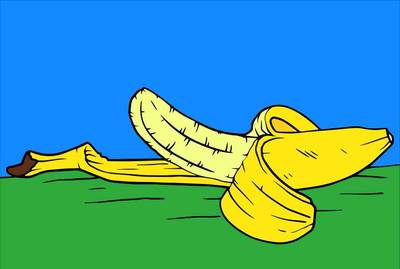
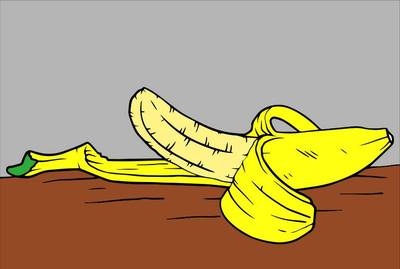
Scissors, Glue, Go! Banana Craft Fun
Make a 3D Curvy Banana!
✂️ You need: banana coloring page, yellow paper or cardstock, scissors, glue stick, marker or crayon
- Color and cut out the banana.
- Cut two long yellow paper strips and curl them with your fingers.
- Glue the curled strips behind the banana to make it pop out.
💡 Supports: fine motor skills, spatial thinking, creativity
Banana Peel Puppet Snack Show
✂️ You need: banana coloring page, craft stick or straw, scissors, tape or glue, crayons, optional googly eyes
- Color the banana and cut it out.
- Cut a small slit where the peel would open.
- Tape the banana to a stick and bend the peel parts to “open” and “close.”
💡 Supports: storytelling, hand control, imaginative play
Classroom Banana Bunch Wall Art
✂️ You need: several banana coloring pages, crayons or markers, scissors, glue, large paper (poster size), green paper, marker
- Color and cut out lots of bananas.
- Glue the bananas together on a big poster to form a bunch.
- Add a green leaf top and write a fun title on the poster.
💡 Supports: teamwork, planning, creativity


🎨 New coloring pages by email
Regularly get new free coloring pages straight to your inbox – no spam, unsubscribe anytime.
You’ll first get a confirmation email (double opt-in). Unsubscribe anytime with one click. Privacy Policy
Did You Know? 5 Banana Secrets That Will Make You Smile
A Banana Plant Is Giant Grass
Even though it looks like a tree, a banana “tree” is actually a huge herb (a plant with no woody trunk). That’s why its “trunk” feels more like stacked leaves than bark. Encyclopedia Britannica
Bananas Start Out Green
Bananas change color as they ripen—green to yellow, and then they can get brown spots when they’re very ripe and sweet. It’s like the peel is a little ripeness “calendar.” Wikipedia
One Bunch Can Be Super Heavy
A big bunch of bananas can weigh as much as a grown-up dog! Farmers often cut the bunch and carry it carefully so the fruit doesn’t get bruised. HowStuffWorks
America Loves Bananas Most
In the United States, bananas are one of the most popular fruits people buy at the store—showing up in lunchboxes from California to New York. National Wildlife Federation
The “Seeds” Are Tiny Dots
When you look at a banana slice, those little dark specks are tiny seed leftovers. Wild bananas have big, hard seeds, but the bananas we eat are bred to be soft and easy to munch. Smithsonian Magazine
Why Kids Love These Banana Coloring Pages
- Coloring banana images helps children develop fine motor skills and pencil control as they fill small curved sections and peel details.
- Teachers and parents find these pages useful for quick thematic activities, lesson supplements, or quiet center work with minimal prep.
- The simple, recognizable shape of a banana encourages early color recognition and vocabulary building through discussion and labeling.
- All coloring pages on this page are free to download and print, and they can be used for free at school and in kindergarten as a screen-free hands-on activity.
Creative Ideas & Activities
- Make a banana puppet by coloring a banana page, cutting it out, laminating or gluing to cardboard, and attaching a popsicle stick handle for storytelling and role play.
- Create a counting game by printing multiple banana images, numbering them, and asking children to place the correct number of stickers or pom-poms on each banana.
- Turn banana pages into a collage by having kids color several bananas in different patterns, cut them out, and arrange them into a fruit bowl scene on construction paper.
- Use banana shapes for a matching game: color pairs with different patterns or colors, mix them up, and have children find and match the pairs to boost memory skills.
- Incorporate science by coloring a ripe and an unripe banana, then discussing differences and drawing stages of ripening to teach observation and sequencing.
- Host a creative-writing prompt where each child colors a banana character, names it, and writes or dictates a short adventure story to share with the class.
- Make banana-shaped reward charts by having children color a banana and add a sticker each time they complete a task until the banana is “filled.”
- Use banana pages for tracing and cut-and-paste art: children trace the outline onto textured paper, cut it out, and decorate with tissue, yarn, or magazine scraps to explore mixed media.
Frequently Asked Questions
Are these banana coloring pages free to download and print?
Yes, all coloring pages on this page are free to download and print. You can save the files to your computer and print as many copies as you need for home or classroom use.
What file formats are the coloring pages available in and how should I print them?
The coloring pages are provided in common formats like PDF and JPG so they work with most printers and devices. For best results, open the PDF in a viewer and print at 100% scale on white paper; JPGs can be printed from any image viewer and adjusted to fit the page.
What ages are the banana coloring pages suitable for?
The pages are suitable for a wide age range, from preschoolers who enjoy simple coloring to early elementary students who can add detailed patterns. You can adapt complexity by offering thicker crayons for younger kids and fine-tip markers or colored pencils for older children.
Can I use these coloring pages in my classroom or kindergarten?
Yes, the coloring pages can be used for free at school and in kindergarten; classroom use is allowed. They are ideal for centers, thematic units, and take-home activities without additional cost.
How do I get the best coloring results with these pages?
Use heavyweight white paper (around 24 lb or higher) for less bleed-through and cleaner colors, and choose crayons for broad coverage, colored pencils for detail, or washable markers for vibrant results. Encourage layering and light pressure to blend colors, and consider placing a scrap sheet underneath when using markers to protect surfaces.