
Cute coloring picture of a mouse: learning through fun and encouraging creativity
 Author Mathias
 This mouse coloring page collection is a friendly set of simple, black-and-white illustrations featuring a variety of mice—cute cartoon mice, sleepy mice, and playful mice—designed for children to fill with color. These coloring pages are easy to print or use on a tablet, and each mouse image has clear lines and open spaces to make coloring satisfying for little hands. Whether you’re looking for a single coloring page for a short activity or a stack of coloring pages to keep kids engaged, these designs make a gentle, familiar subject that children enjoy.
They are suitable for toddlers, preschoolers, and older kids: the youngest children can practice staying inside the lines and choosing colors, while older children can add patterns, backgrounds, or stories about the mice. Use them at home for quiet playtime, in the classroom as an art or literacy prompt, during homeschool sessions to reinforce vocabulary and fine motor skills, or on travel days to keep kids calmly occupied. Beyond fun, these coloring pages support creativity, hand-eye coordination, color recognition, early writing skills, and imaginative storytelling—helping children grow while they relax and express themselves.

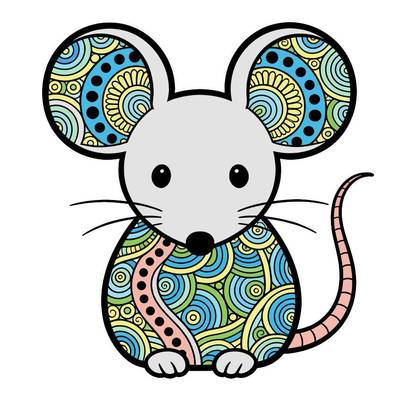
Cute front view zentangle mouse – colored in by the community
-
by Ida
 3 Likes
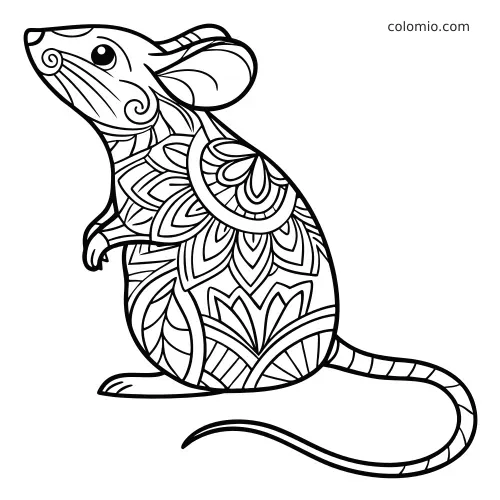
Detailed side view zentangle mouse – colored in by the community
-
by Ania
 16 Likes
-
by NIETOPEREK
 6 Likes
-
by Leny
 5 Likes

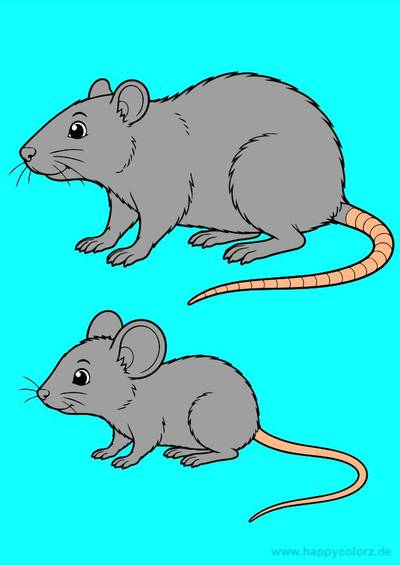
Rat and mouse anatomy comparison – colored in by the community
-
by Ania
 4 Likes

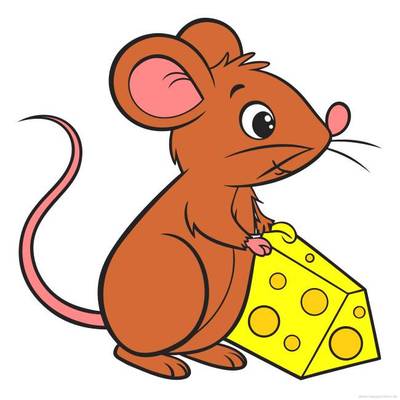
Side view mouse with cheese block – colored in by the community
-
by Katze
 4 Likes
-
by Ania
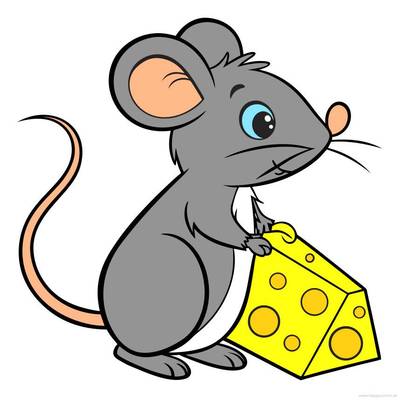 3 Likes
-
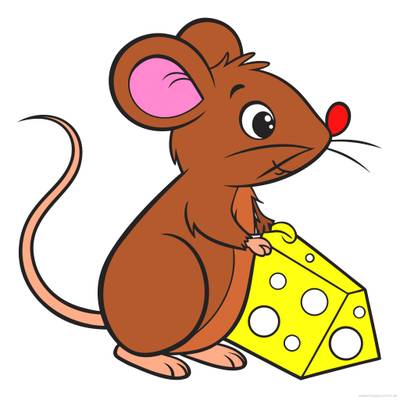 2 Likes

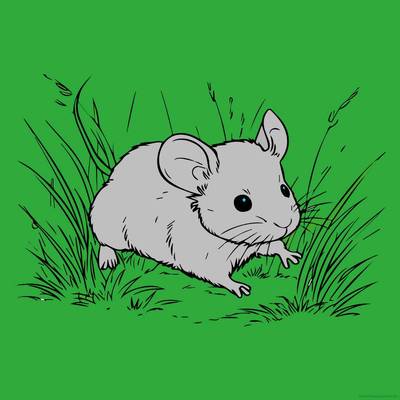
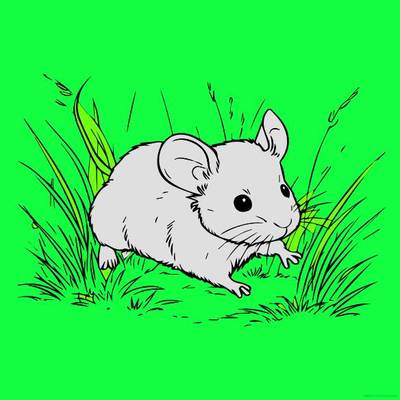
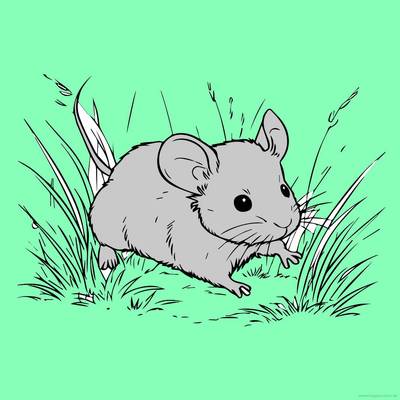

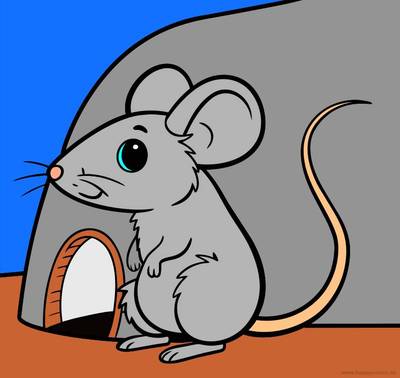
Close-up mouse at mouse hole – colored in by the community
-
 0 Likes

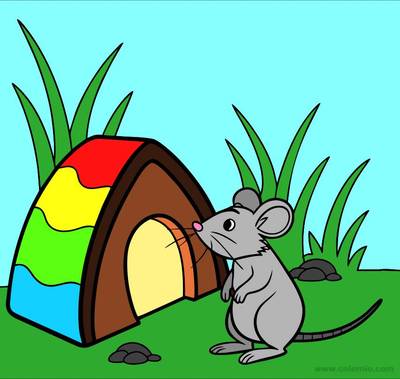
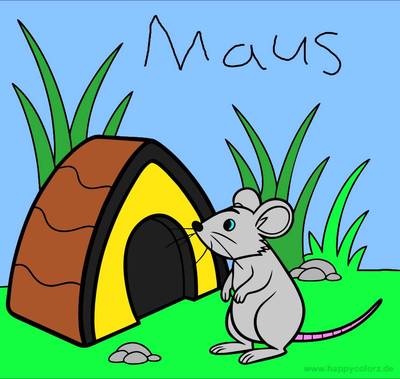
Simple mouse by a mouse hole – colored in by the community
-
by Isabelle_Leite
 4 Likes
-
 1 Likes
-
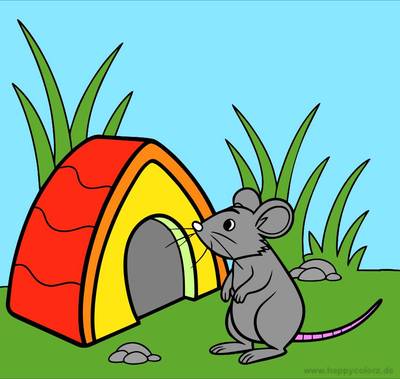 1 Likes

Cute mouse beside a cheese wedge – colored in by the community
-
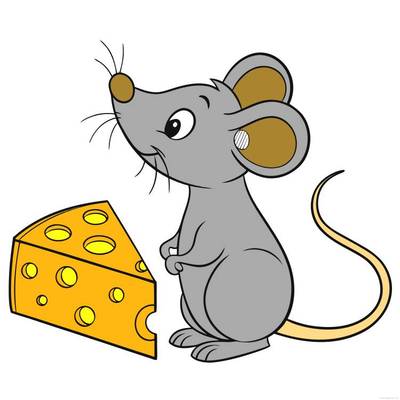 1 Likes


Cute mouse and elephant close-up – colored in by the community
-
 0 Likes


Cute mouse and cat facing each other – colored in by the community
-
 3 Likes
-
 2 Likes
Make a Tiny Mouse Look Real: Simple Coloring Tips That Work
A mouse may be small, but it has lots of fun details. While coloring, children can slow down and notice the soft fur, the round ears, and the long, thin tail. Careful coloring makes the mouse look gentle and lifelike.
Quick Hint: Mice usually look best with light coloring and a few darker shadows. This helps the body look round instead of flat.
What to Pay Special Attention To
- Fur direction: Color in short, tiny strokes that follow the body (from head to back). This creates a fuzzy look.
- Shading for shape: Add a slightly darker tone under the chin, belly, and where the legs meet the body to show depth.
- Ears: The outside is usually like the fur, but the inside is often lighter and pinkish. Keep the inner ear soft, not too dark.
- Eyes and nose: Leave a tiny white spot (a “shine”) to make them look bright and alive.
- Whiskers: If they’re drawn as lines, keep them clean by coloring around them carefully. If they’re not drawn, avoid heavy coloring near the snout so the face stays clear.
- Tail texture: Tails are not fluffy like fur. Use smoother strokes and gentle shading along the sides.
Realistic Mouse Colors (With Easy Visual Swatches)
These colors match common house mice and field mice. Using a light base color first and then adding darker shading helps the mouse look natural.
| Mouse Part | Realistic Color | Color Swatch |
|---|---|---|
| Fur (light gray) | Soft Gray | |
| Fur (warm brown) | Taupe Brown | |
| Fur (shadows) | Charcoal Gray | |
| Belly (lighter area) | Cream | |
| Inner ears | Soft Pink | |
| Nose | Dusty Pink | |
| Tail | Pinkish Beige | |
| Eyes | Black | |
| Whiskers (if coloring them) | Light Gray |
Helpful Hints for Neat, Realistic Coloring
- Start with the lightest fur color, then add darker gray or brown only in shadow areas.
- Use gentle pressure for the belly and inner ears so those parts stay lighter.
- Outline the eyes and nose carefully, then fill them in so they look crisp and clear.
- Keep the tail slightly darker on the sides and lighter in the middle for a rounded look.
Parent & Teacher Note: Encourage children to look for “light spots” and “shadow spots” on the mouse. This builds observation skills while keeping the activity calm and fun.

Side-view mouse with heart – colored in by the community
-
 2 Likes
-
 0 Likes

Cute mouse holding a heart – colored in by the community
-
 0 Likes

Simple mouse on an open book – colored in by the community
-
by paula
 16 Likes
-
by Katze
 1 Likes
-
by Katze
 0 Likes

Detailed cat hunting a mouse – colored in by the community
-
 0 Likes
Scissors, Glue, Squeak! Mouse Crafts Kids Can Make
Fold-and-Stand 3D Paper Mouse
✂️ You need: printed mouse coloring page, crayons or markers, child-safe scissors, glue stick, cardstock (optional)
- Color the mouse and cut it out carefully.
- Cut a long paper strip and fold it like an accordion.
- Glue one end to the back of the mouse and the other end to a small cardstock base so it stands.
💡 Supports: fine motor skills, spatial thinking, careful cutting
Cotton-Ball Mouse Mask
✂️ You need: paper plate or cardstock, cotton balls, glue, gray paint or crayon, scissors, elastic string or craft stick
- Color the plate or cardstock gray and let it dry if you used paint.
- Glue cotton balls around the edges to make fluffy mouse fur.
- Cut out eye holes and add elastic or tape on a craft stick for holding.
💡 Supports: creativity, hand strength, pretend play
Classroom Mouse House Wall Collage
✂️ You need: mouse coloring pages, large poster paper, glue sticks, crayons or markers, scrap paper, yarn or paper strips, safety scissors
- Color and cut out several mice and place them on the big poster.
- Add rooms, doors, and cheese shapes using scrap paper.
- Glue yarn or paper strips as “tunnels” connecting the mice to their mouse house.
💡 Supports: teamwork, planning, storytelling

Cute kawaii mouse with cheese – colored in by the community
-
by Ania
 4 Likes










Did You Know? 5 Tiny Mouse Facts With Big Wow!
Whiskers Work Like Feelers!
A mouse uses its whiskers to “touch” the world, helping it sense spaces and objects even in the dark. Smithsonian Magazine
Super-Jumper, Super-Climber!
Mice can climb and jump really well, which helps them explore and escape danger in the wild. National Geographic
They “Talk” With Tiny Squeaks
Mice make lots of sounds to communicate, and some are so high-pitched that humans can’t hear them. Science News for Students
A Mouse’s Teeth Never Quit!
A mouse’s front teeth keep growing, so it gnaws on things to wear them down and keep them the right length. Wikipedia
Mice Live All Across the U.S.
From barns in the Midwest to deserts in the Southwest, different kinds of mice live in many habitats across the United States. U.S. Fish & Wildlife Service




🎨 New coloring pages by email
Regularly get new free coloring pages straight to your inbox – no spam, unsubscribe anytime.
You’ll first get a confirmation email (double opt-in). Unsubscribe anytime with one click. Privacy Policy
Why Kids Love These Mouse Coloring Pages
- Coloring simple and detailed mouse designs helps children improve fine motor skills and hand-eye coordination by practicing controlled strokes and staying inside lines.
- Parents and teachers can quickly print pages for themed lessons, quiet centers, or take-home activities, saving prep time while supporting learning goals.
- These mouse pages encourage vocabulary and storytelling as kids name parts, invent characters, and describe scenes without screens.
- They make an easy screen-free group activity for circle time or small groups, promoting social skills through shared coloring and discussion.
Creative Ideas & Activities
- Make mouse masks by coloring, cutting out the face, and attaching a popsicle stick or elastic band so kids can act out stories and practice role play.
- Create a counting game by coloring multiple mouse images, numbering them, and having children match the correct number of cheese stickers to each mouse for basic math practice.
- Turn a colored mouse page into a story prompt: glue the picture to a blank page and have children write or dictate a short story about the mouse’s adventure.
- Use the mouse designs for a collage craft—kids tear colored paper or fabric scraps to fill the mouse body, building fine motor control and texture awareness.
- Set up a habitat lesson by coloring a mouse, then drawing or gluing natural elements around it to teach about food, shelter, and where mice live.
- Organize a color-by-number activity using the mouse outlines and simple keys to reinforce number recognition and following directions in a classroom center.
- Create a puppet show by laminating colored mouse pages, attaching craft sticks, and writing short dialogue so children can practice storytelling and public speaking.
- Use mouse coloring pages for a classroom bulletin board: each student decorates a mouse to represent themselves, then adds facts like favorite foods or colors to build community.
Frequently Asked Questions
Are these coloring pages free to download and print?
Yes. All coloring pages on this page are free to download and print, and they can be used for free at school and in kindergarten. You can print them for home use or classroom activities without cost.
What file formats are the mouse coloring pages available in and can I print them at home?
Pages are available in common formats like PDF and JPG for easy printing and compatibility. PDFs are ideal for full-page printing while JPGs are useful for cropping or resizing before printing on a standard home or school printer.
What ages are the mouse coloring pages suitable for?
These pages are suitable for a wide range of ages, from preschool and kindergarten children to early elementary students. Simpler outlines work well for toddlers and preschoolers, while more detailed designs engage older children.
Can I use the mouse coloring pages in my classroom or at my daycare?
Yes. All coloring pages on this page can be used free at school, in kindergarten, daycare, or other educational settings. They are perfect for classroom centers, craft time, and group projects.
How can I get the best coloring results with these pages?
For the best results, print on heavier paper or light cardstock if you plan to use markers, otherwise standard printer paper works fine for crayons and colored pencils. Use crayons or colored pencils for blending and control, markers for bold color on thicker paper, and consider a scrap sheet underneath to prevent bleed-through and protect surfaces.