Free printable coloring pictures featuring dinosaurs: Journey back in time!
 Author Mathias
 A dinosaur coloring page can be a simple doorway into big imaginations: a single sheet that invites a child to choose colors, explore shapes, and invent stories about prehistoric friends. These dinosaur pictures range from chunky, easy-to-color silhouettes for toddlers to more detailed scenes for older kids, so each coloring page lets children practice hand control at their own level while having fun. Whether a child prefers a roaring T. rex or a gentle brontosaurus, a coloring page is an approachable, low-pressure activity that celebrates curiosity and creativity.
These coloring pages are great for toddlers, preschoolers, and older kids alike, and they work wonderfully at home, in the classroom, for homeschool lessons, during travel, or as quiet time activities. Beyond being entertaining, dinosaur coloring pages support fine motor development, color recognition, attention span, and early writing readiness; they also encourage storytelling, vocabulary building (names like triceratops and stegosaurus), and an interest in science. Use them as a calm transition between activities, as part of a lesson about fossils and habitats, or simply to share a peaceful moment together—either way, these dinosaur drawings offer gentle learning wrapped in hands-on play.

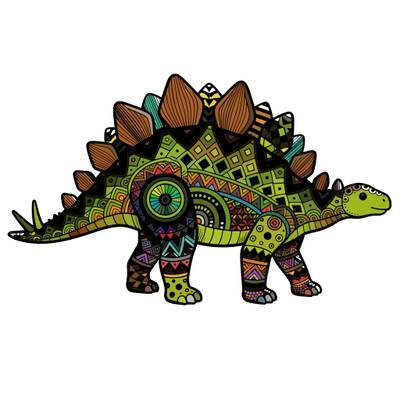
Zentangle stegosaurus with patterns – colored in by the community
-
by Emily
 10 Likes

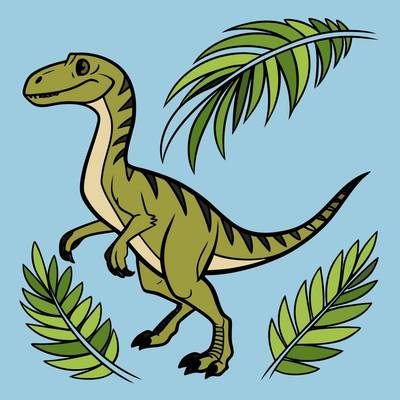
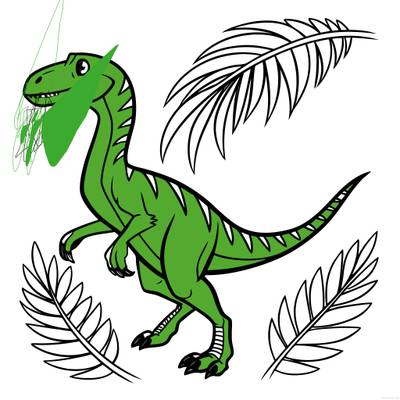
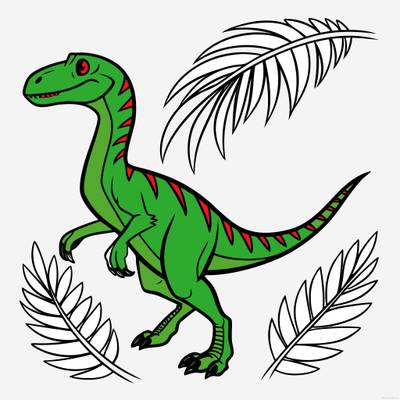
Cute feathered velociraptor – colored in by the community
-
by max
 10 Likes
-
 2 Likes
-
 1 Likes


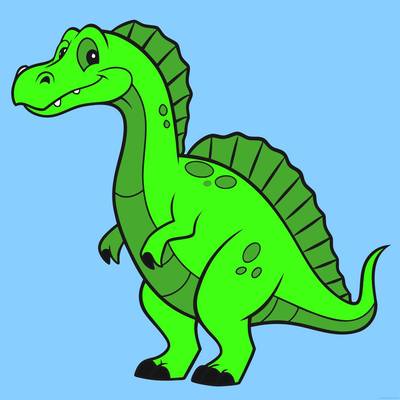
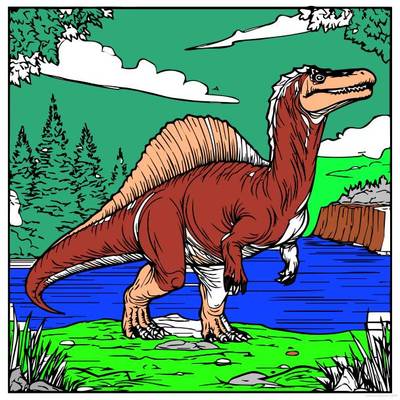
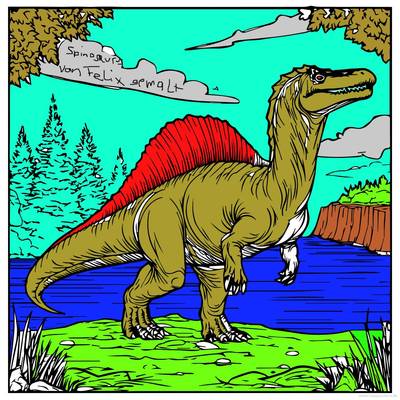
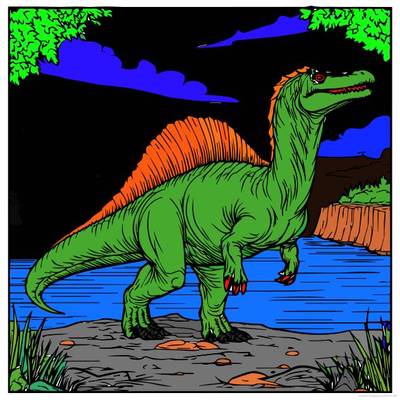
Cute Spinosaurus dinosaur – colored in by the community
-
 2 Likes


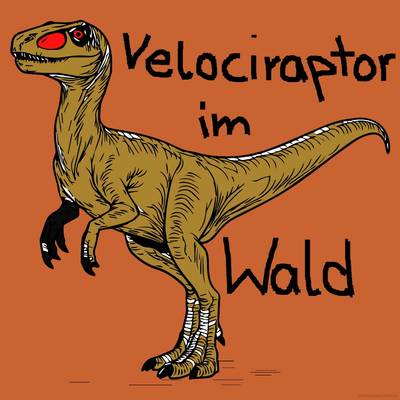
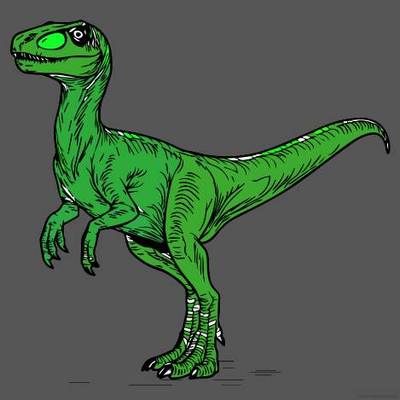
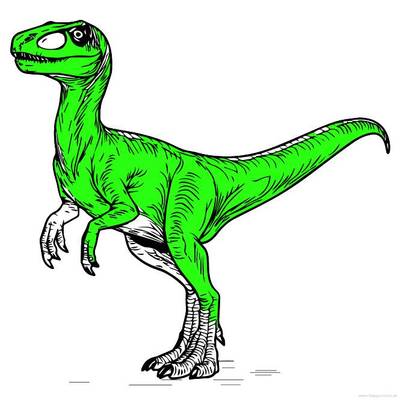

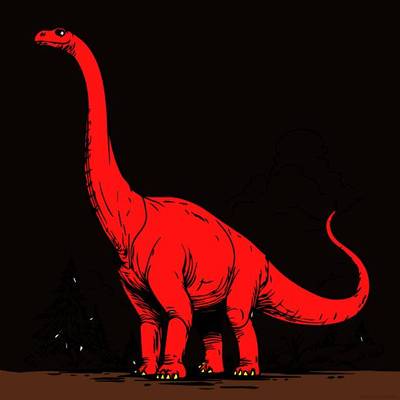
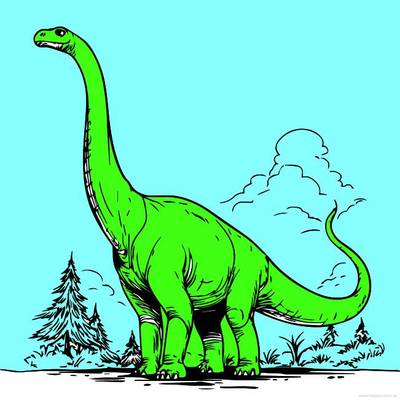
Sauropod in a natural setting – colored in by the community
-
 2 Likes
-
 1 Likes


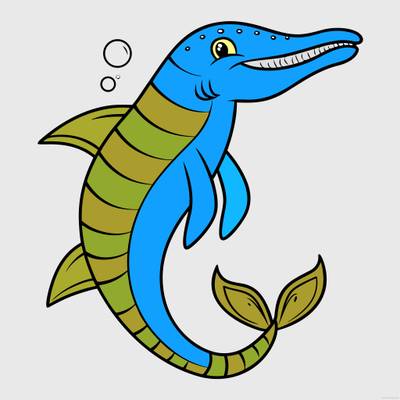
Cute curled mosasaurus underwater – colored in by the community
-
 5 Likes
-
 0 Likes

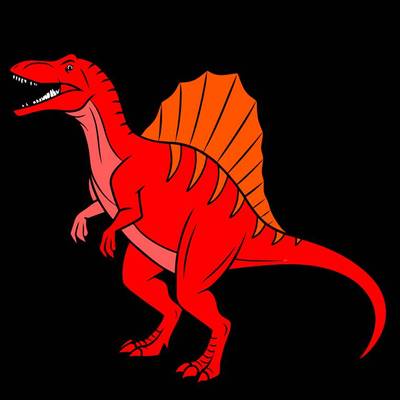
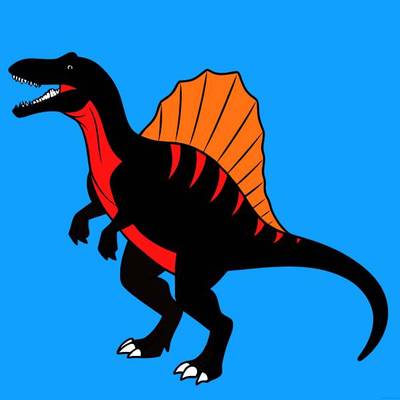
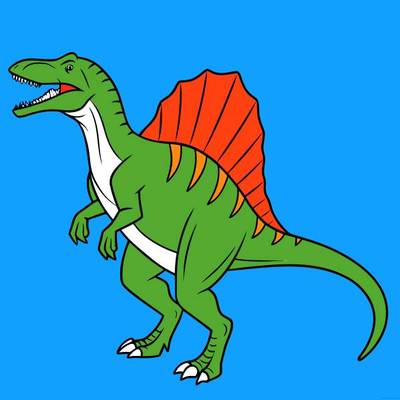
Detailed Spinosaurus dinosaur – colored in by the community
-
by Leny
 4 Likes
-
 4 Likes
-
 4 Likes

Simple mosasaurus and plesiosaurus – colored in by the community
-
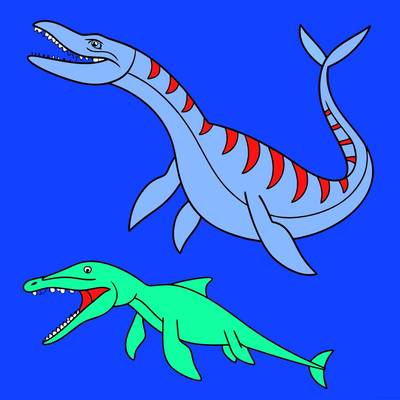 0 Likes
-
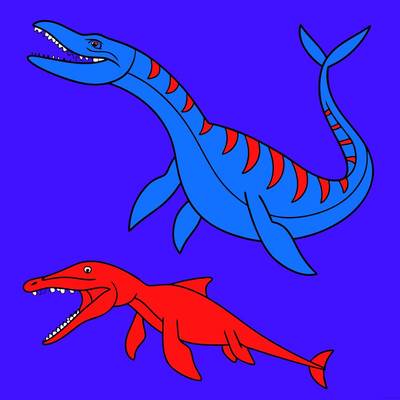 0 Likes

Long-neck kawaii dinosaur – colored in by the community
-
by jack
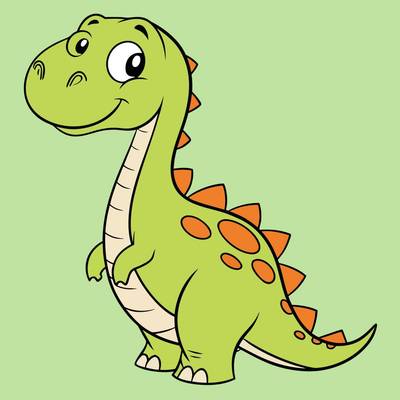 4 Likes
-
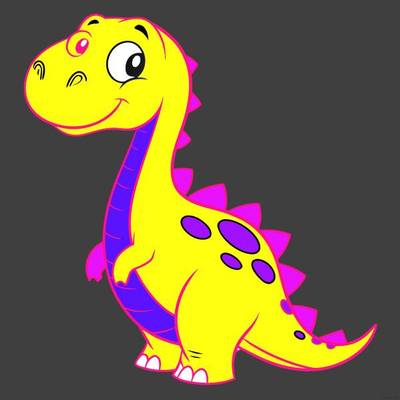 2 Likes
Bring Your Dinosaur to Life: Simple Coloring Tips for a Realistic Look
Dinosaurs can look strong and calm at the same time. To make your picture feel “real,” focus on the dinosaur’s skin texture, the shapes of its body parts, and where light and shadow might fall.
Quick goal: Color in smooth, even layers first, then add a slightly darker shade along edges and under the belly to help the dinosaur look 3D.
What to Notice While Coloring Your Dinosaur
- Skin texture: Many dinosaur drawings show bumpy or scaly skin. Use short, gentle strokes to follow the bumps instead of coloring in one flat direction.
- Big shapes first: Color the body, legs, tail, and head as large areas before doing small parts like claws, eyes, and spots.
- Belly and back: Dinosaurs are often darker on top and lighter underneath. Keep the belly a lighter shade to make the body stand out.
- Plates, spikes, or horns: If your dinosaur has these, outline them carefully and color them neatly so they look like special features, not mixed into the body.
- Claws and teeth: These look best when left lighter, with a tiny bit of gray shading near the base for depth.
- Eyes: Leave a small white dot (a “shine spot”) so the eye looks bright and alive.
Helpful Hints for Neat, Confident Coloring
- Start with a light layer, then go over it again to make the color richer without tearing the paper.
- Color in the same direction on each body part (for example, along the tail) to keep it looking tidy.
- Add shadow in places that are “under” something: under the chin, under the belly, behind the legs, and where the tail meets the body.
- Keep outlines clean by slowing down near the edges, then filling the middle faster.
Realistic Dinosaur Color Ideas (With Color Swatches)
These colors match natural, earthy tones that work well for a realistic dinosaur look.
| Body Area | Realistic Color | Shade Tip |
|---|---|---|
| Main body (skin) | Olive Green | Use a darker green along the back and joints. |
| Main body (alternate) | Warm Taupe | Great for a dry, rocky habitat look. |
| Belly (underside) | Sand Beige | Keep it lighter to show the dinosaur’s round shape. |
| Back shading | Deep Moss Green | Blend softly into the main body color. |
| Spikes/plates/horns | Stone Gray | Add a thin darker line at the base for depth. |
| Claws and teeth | Bone Ivory | Shade lightly with gray near the gums or toes. |
| Eye (iris) | Chestnut Brown | Leave a tiny white spot for a shiny look. |
| Eye (pupil) | Near Black | Keep the pupil crisp and centered. |
| Spots or stripes (if shown) | Dark Brown | Make patterns softer by pressing lightly. |
Parent/teacher note: For younger children, picking just two body colors (main body + belly) helps them finish proudly, while older kids can add shadows, patterns, and careful details.

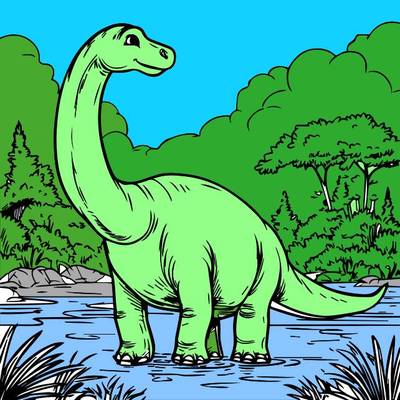
Cartoon Brachiosaurus standing in a river – colored in by the community
-
 1 Likes

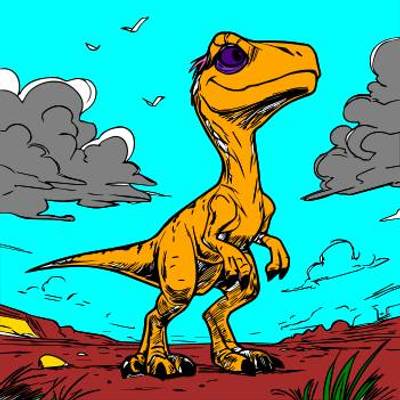
Raptor in a scenic setting – colored in by the community
-
 2 Likes

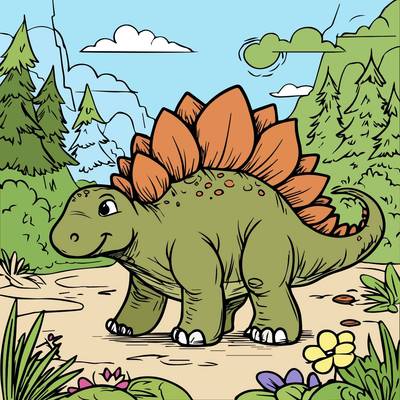
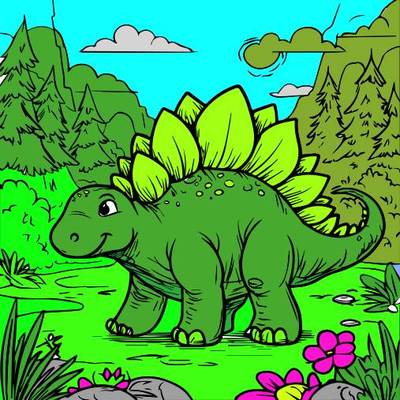
Stegosaurus in a forest scene – colored in by the community
-
by max
 13 Likes
-
 1 Likes

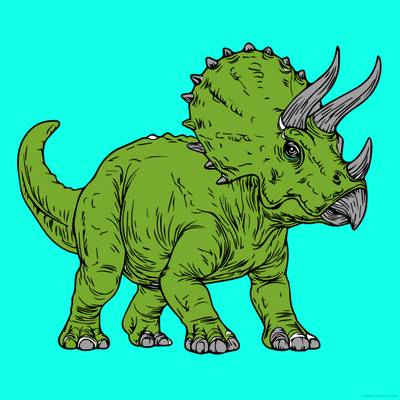
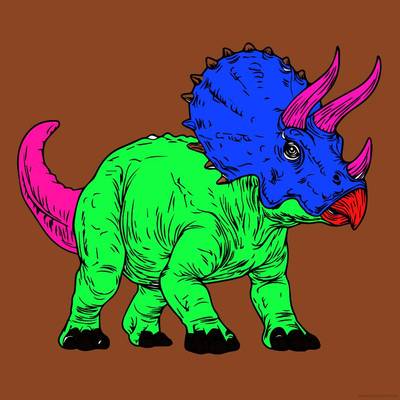
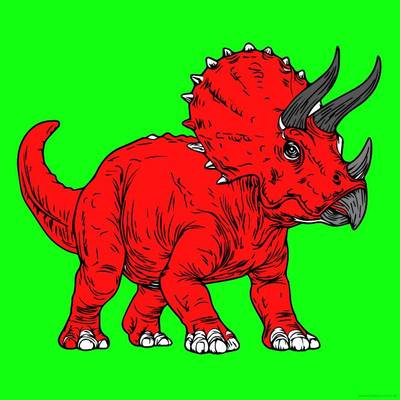
Triceratops in a scenic setting – colored in by the community
-
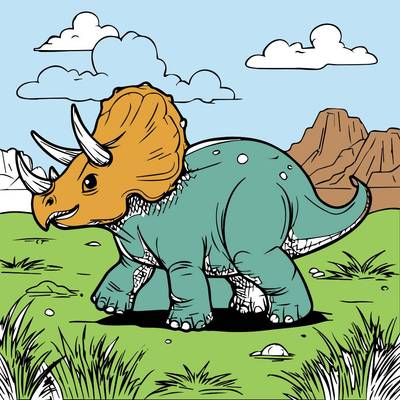 1 Likes
Roar, Snip, Create! Dinosaur Crafts After Coloring
Pop-Up Dinosaur Mouth Surprise
✂️ You need: colored dinosaur page, cardstock, scissors, glue stick, marker or crayons
- Color the dinosaur and cut it out with help.
- Fold a piece of cardstock in half and draw a big smile on the fold.
- Glue the dinosaur so its mouth sits on the fold, then open and close to make it “chomp.”
💡 Supports: fine motor skills, creativity, cause-and-effect thinking
Dinosaur Footprint Trail Wall Art
✂️ You need: colored dinosaur page, long strip of paper (or taped sheets), washable paint or stamp pad, sponge or potato stamp, marker, tape
- Make a simple three-toe footprint stamp using a sponge or a cut potato.
- Stamp a trail of footprints across the paper strip and let it dry.
- Glue or tape the dinosaur at the end of the trail and add a title like “Dino Tracks!”
💡 Supports: pattern making, creativity, hand-eye coordination
Classroom Dino Habitat Mural
✂️ You need: several colored dinosaur pages, large paper (or poster board), glue, crayons or markers, green paper scraps, cotton balls, child-safe scissors
- Color and cut out multiple dinosaurs, with grown-up help for tricky parts.
- Draw a big habitat background like trees, rocks, and a river on the large paper.
- Glue the dinosaurs on the mural and add details with scraps and cotton “clouds.”
💡 Supports: teamwork, spatial thinking, storytelling

Cute spotted kawaii dinosaur – colored in by the community
-
by femke
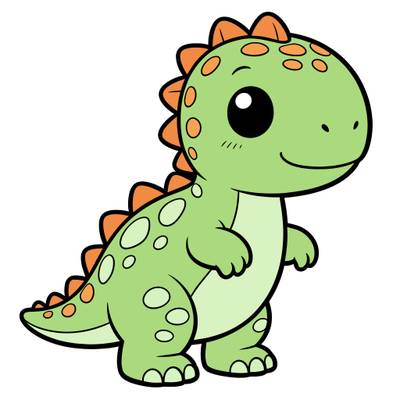 8 Likes

Cute walking diplodocus – colored in by the community
-
by Maja
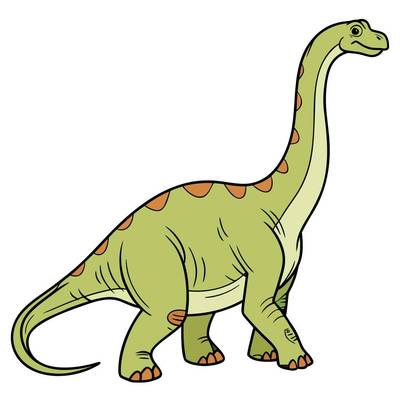 4 Likes

Simple side-view diplodocus – colored in by the community
-
by Katze
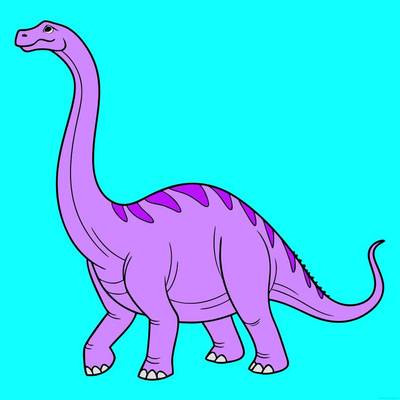 4 Likes

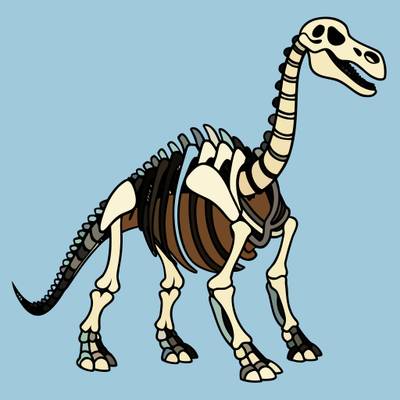
Long-neck dinosaur skeleton fossil – colored in by the community
-
by tiago
 10 Likes
Did You Know? 5 Dino Facts That Roar!
Not All Dinos Were Giants!
Some dinosaurs were about the size of a chicken, while others were longer than a school bus—dinosaurs came in many shapes and sizes. National Geographic Kids
Fossils Hide in U.S. Parks
You can see real dinosaur bones and footprints in places like Dinosaur National Monument in Utah and Colorado—an amazing spot for dino discoveries in the United States. National Park Service
Many Had Feathers, Not Scales
Scientists have found evidence that some dinosaurs had feathers, which makes them look a bit like super-sized, super-cool birds. Smithsonian Magazine
Birds Are Dino Relatives
Robins, hawks, and even backyard pigeons are connected to dinosaurs—birds are living relatives of certain dinosaur groups. American Museum of Natural History
A Space Rock Changed Everything
Most dinosaurs disappeared after a huge asteroid hit Earth long ago, changing the planet’s life in a big way. NASA

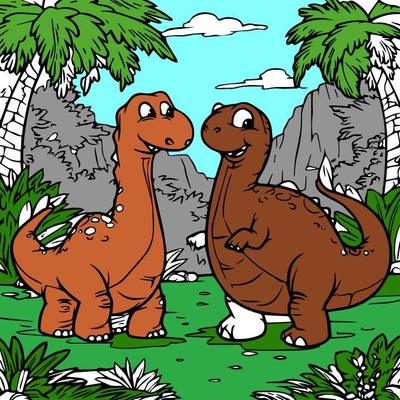
Dinosaurs in a jungle – colored in by the community
-
by benni
 11 Likes

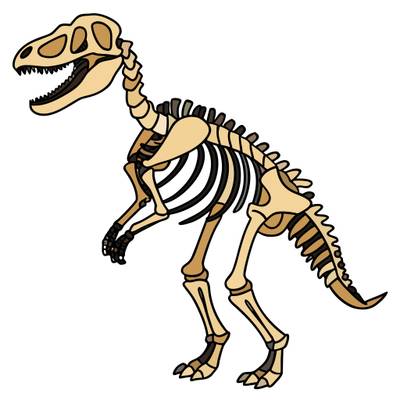
Simple dinosaur skeleton fossil – colored in by the community
-
by wolfgang
 14 Likes

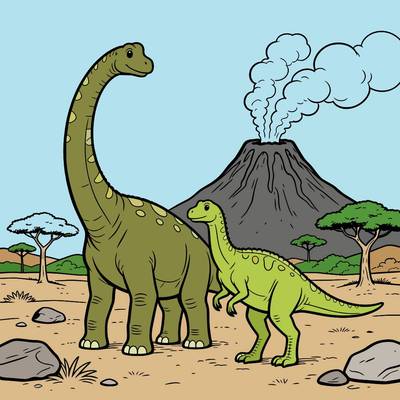
Sauropods in a volcano landscape – colored in by the community
-
by Emily
 5 Likes

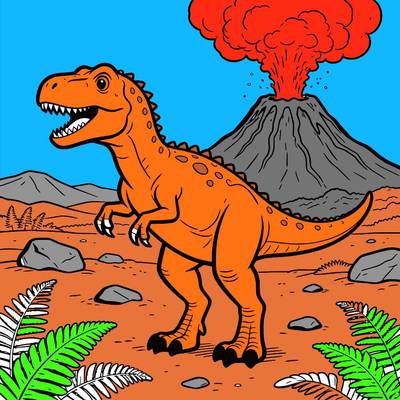
Predator dinosaur near erupting volcano – colored in by the community
-
 0 Likes

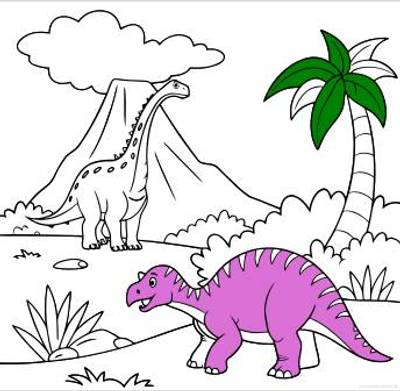
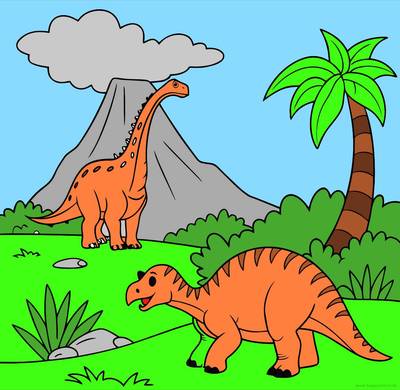
Simple dinosaur scene by a volcano – colored in by the community
-
 0 Likes
-
 0 Likes

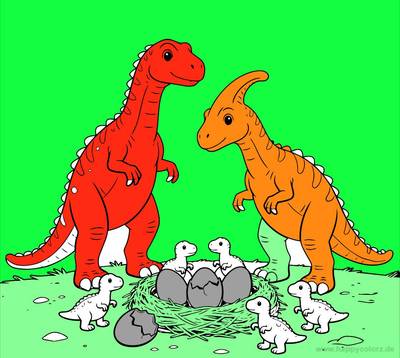
Detailed dinosaur family nest scene – colored in by the community
-
 0 Likes

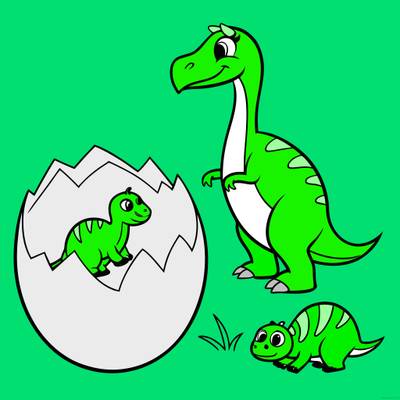
Simple dinosaur hatchling scene – colored in by the community
-
 1 Likes
-
 0 Likes

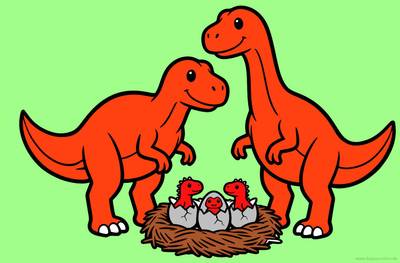
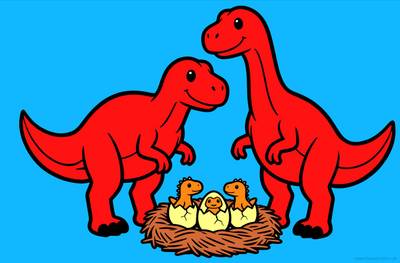
Cute dinosaur family with hatchlings – colored in by the community
-
 0 Likes
-
 0 Likes

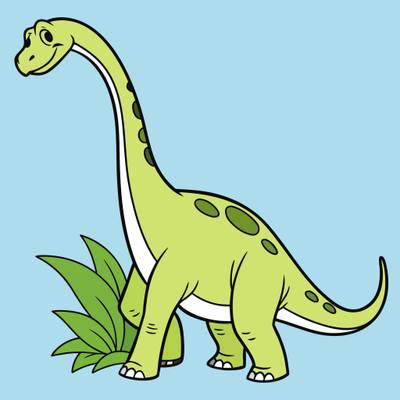
Long-neck brachiosaurus with plants – colored in by the community
-
by Clara
 3 Likes

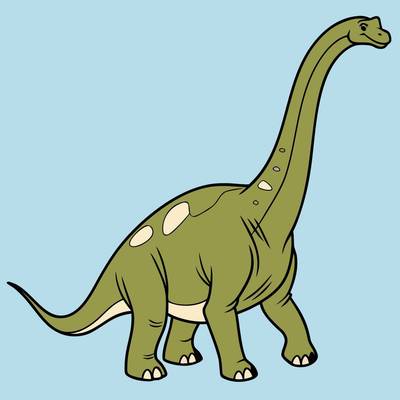
Simple long-neck brachiosaurus – colored in by the community
-
by Alva
 3 Likes

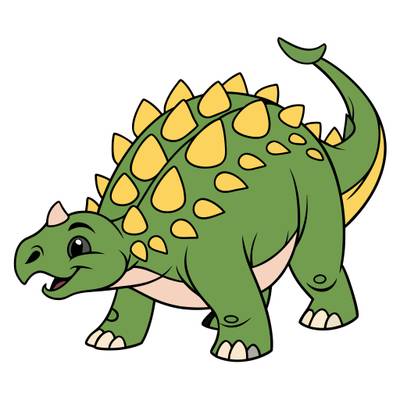
Cute cartoon ankylosaurus – colored in by the community
-
by lucie
 5 Likes

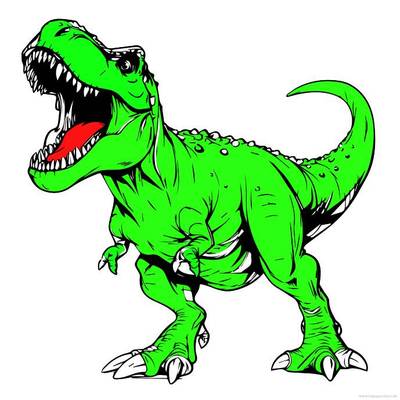

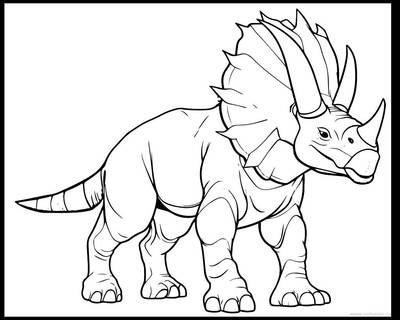
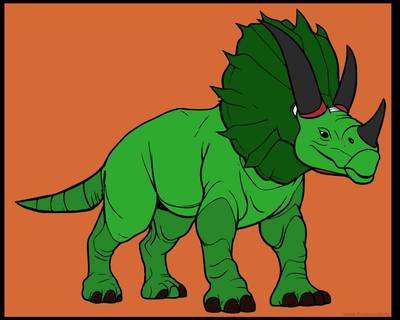
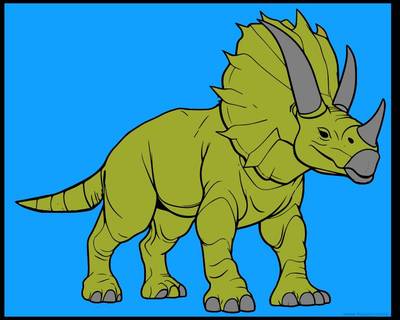

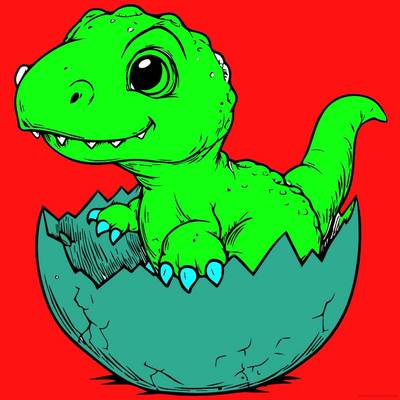
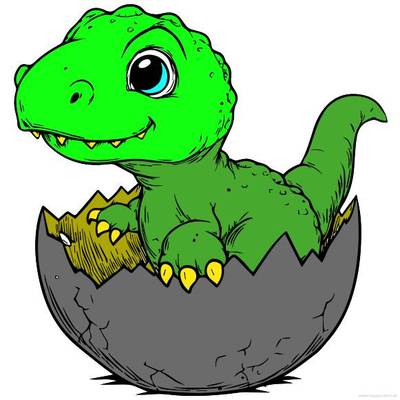
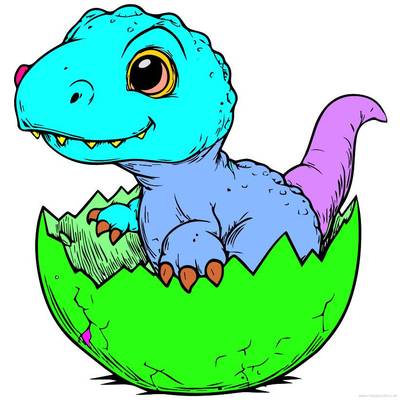

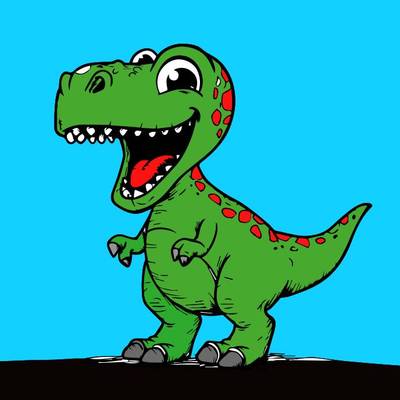
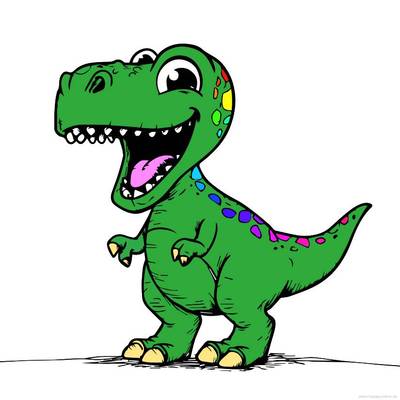
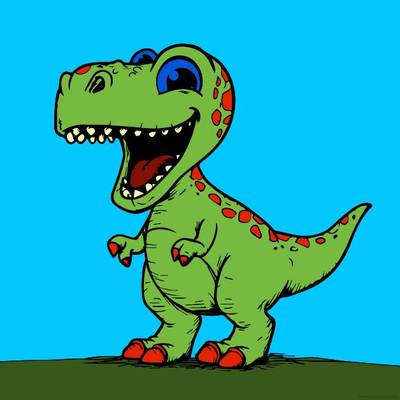

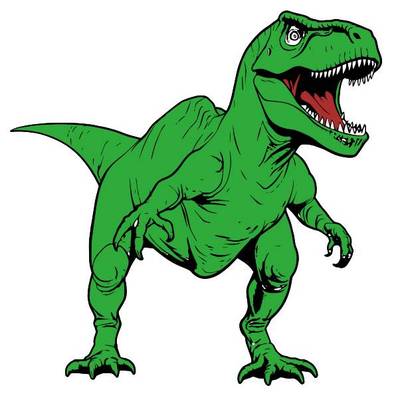
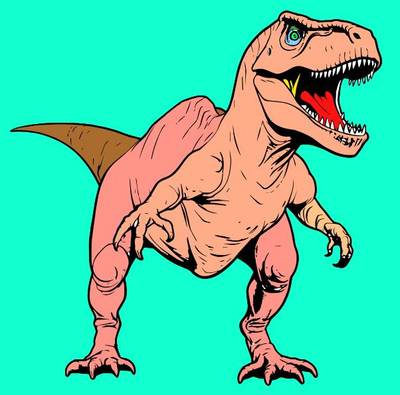
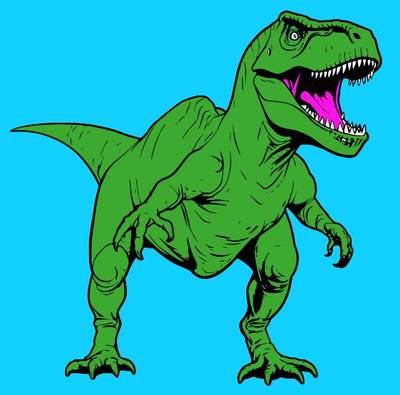

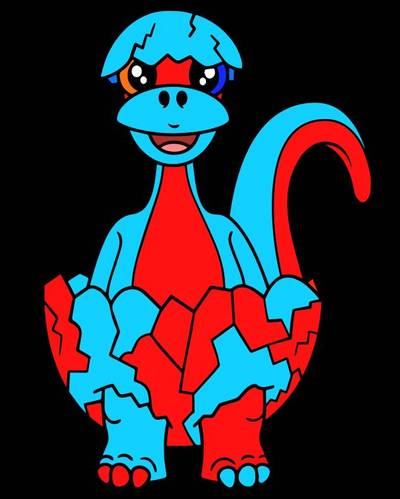
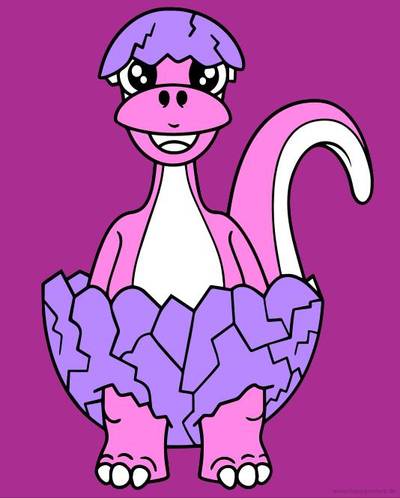
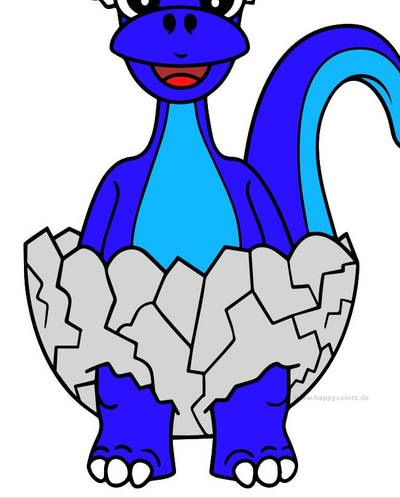


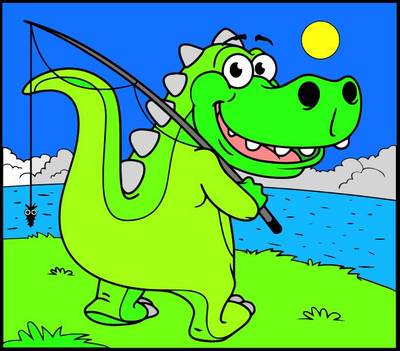
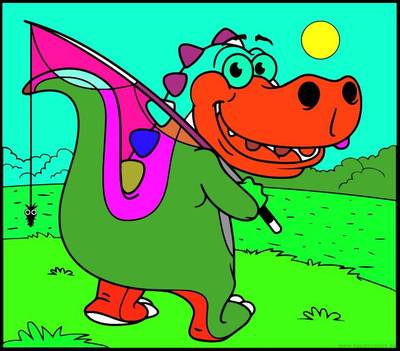



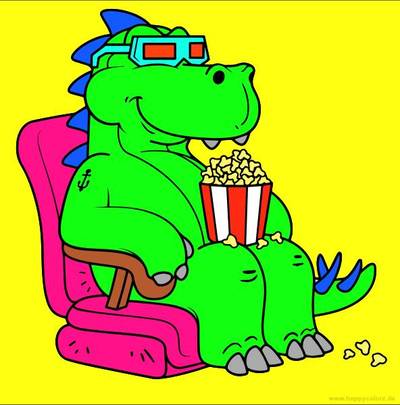

Dino with bow tie – colored in by the community
-
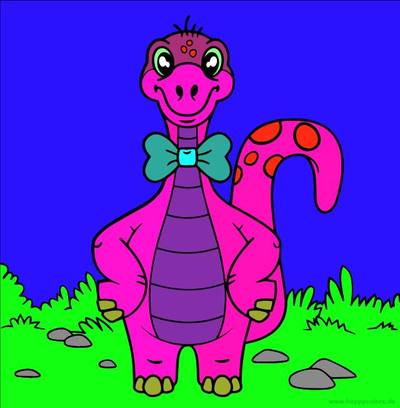 1 Likes
-
 0 Likes

Dino with big eyes – colored in by the community
-
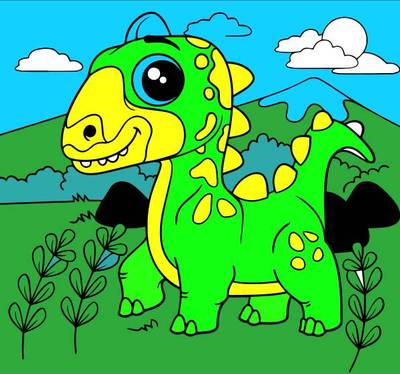 3 Likes
-
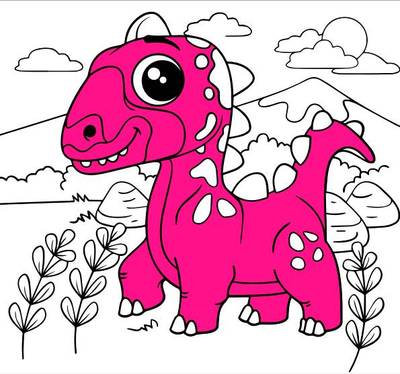 1 Likes
-
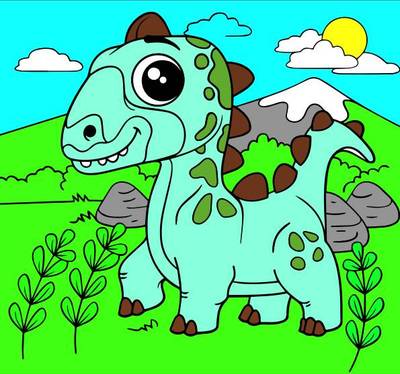 1 Likes

Dino plays gitarre – colored in by the community
-
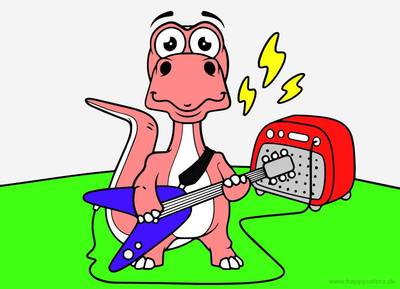 2 Likes
-
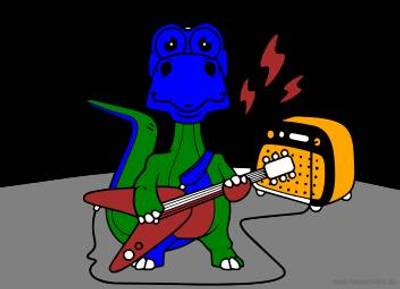 0 Likes


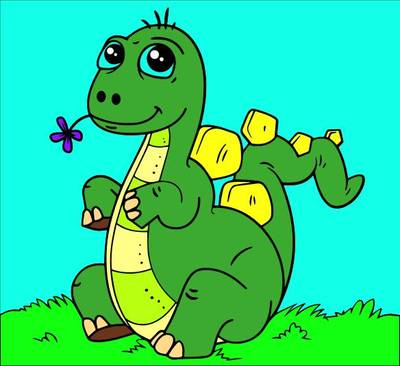
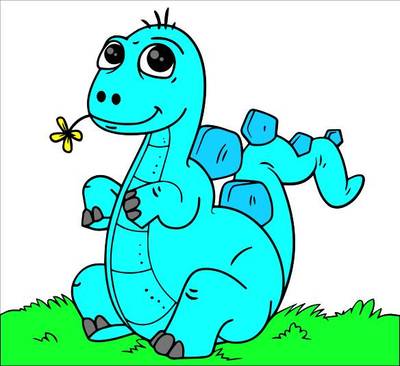
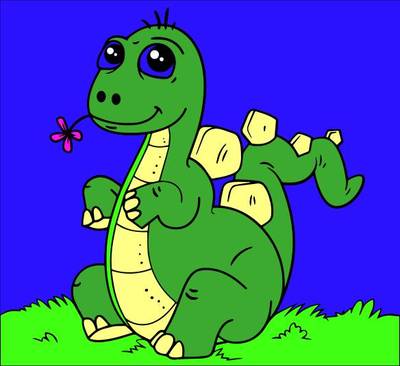
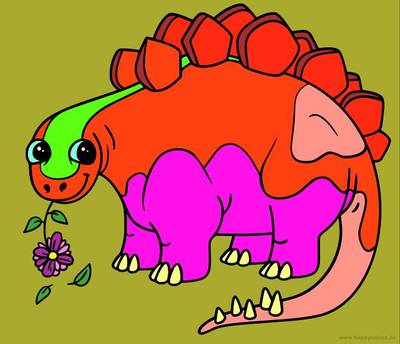
Stegosaurus with flower – colored in by the community
-
 1 Likes


Dino with pens – colored in by the community
-
 1 Likes
-
 0 Likes
-
 0 Likes

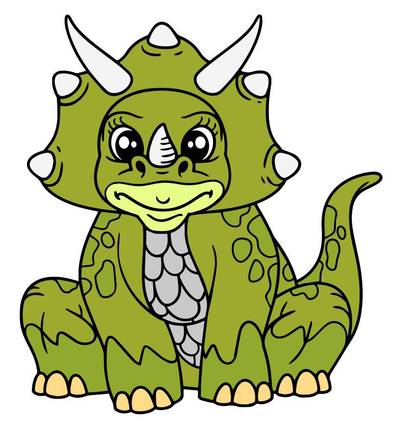
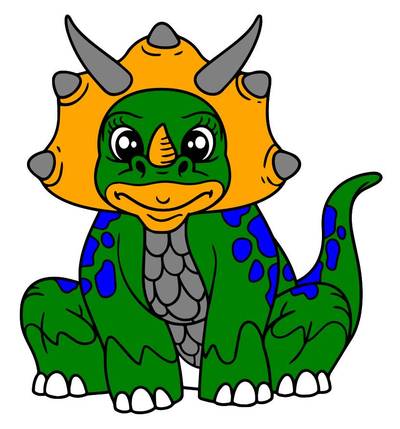
Triceratops relaxing – colored in by the community
-
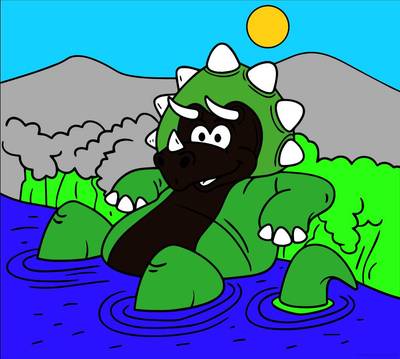 5 Likes
-
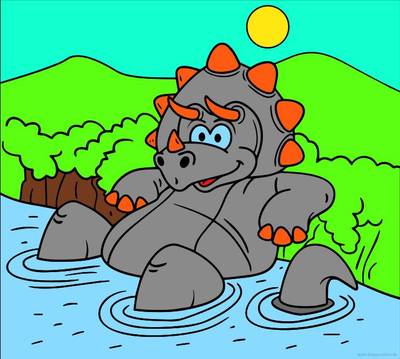 1 Likes
-
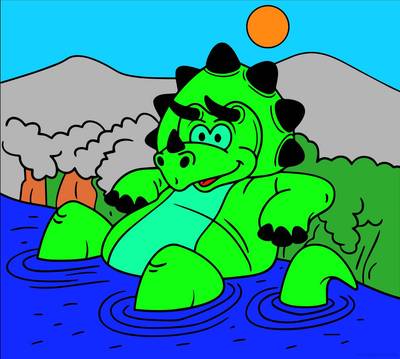 0 Likes

Small cute dinosaur – colored in by the community
-
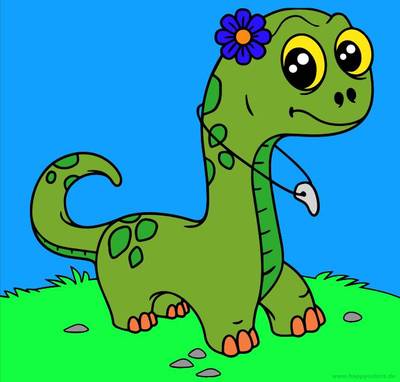 1 Likes
-
 0 Likes

Funny stegosaurus – colored in by the community
-
 7 Likes

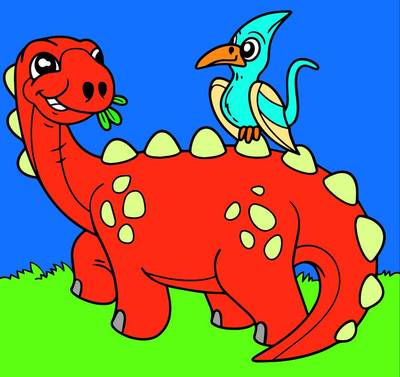
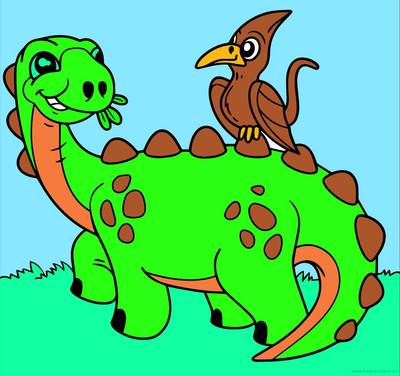
Funny dinosaur with bird – colored in by the community
-
 1 Likes
-
 0 Likes

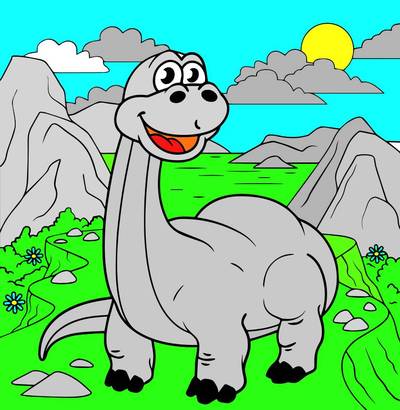
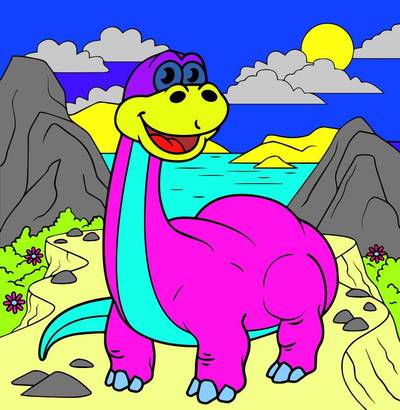
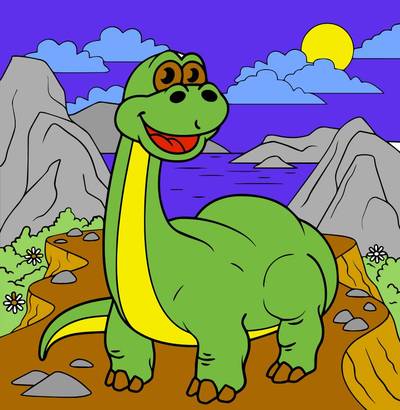

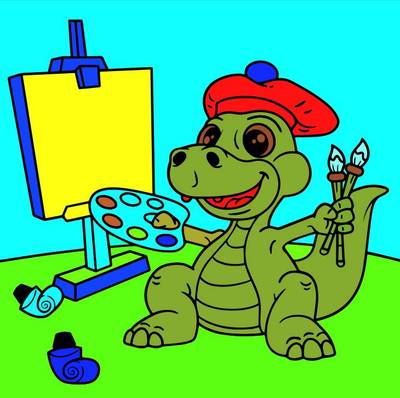
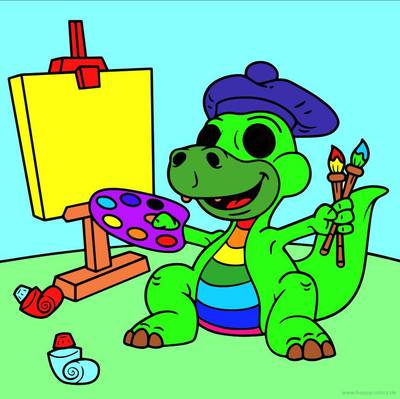
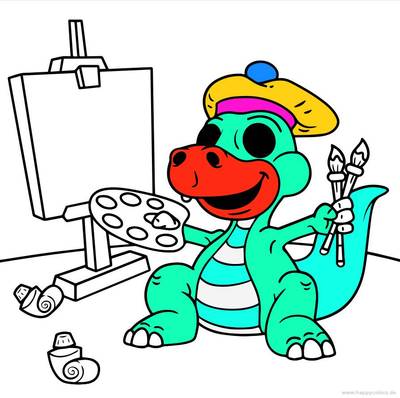

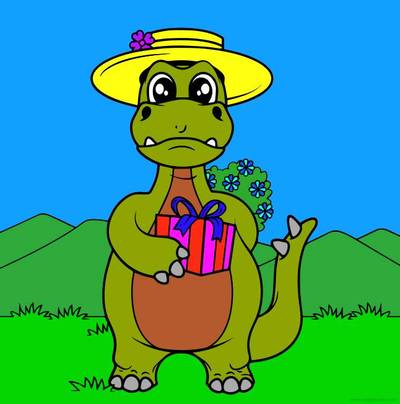
Dino with present and flowers – colored in by the community
-
 1 Likes

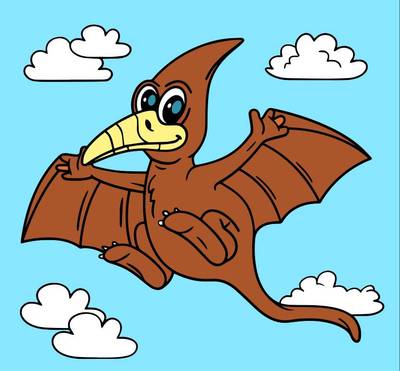
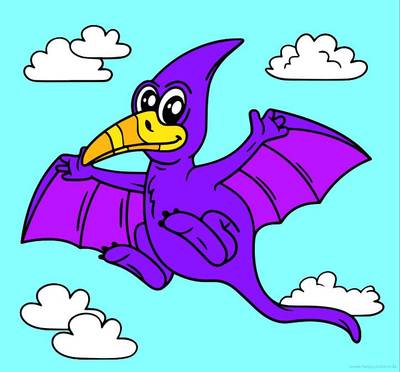
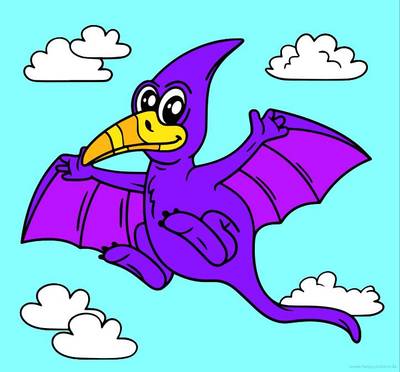

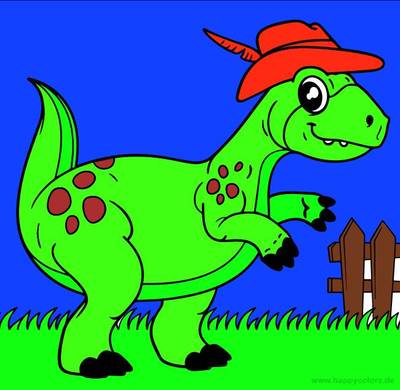
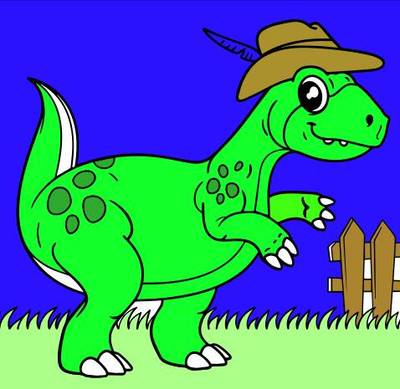
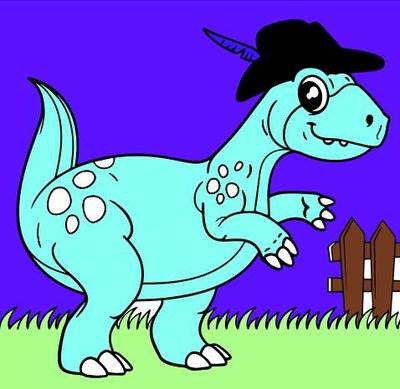
Dino with cap – colored in by the community
-
 0 Likes
-
 0 Likes
-
 0 Likes
🎨 New coloring pages by email
Regularly get new free coloring pages straight to your inbox – no spam, unsubscribe anytime.
You’ll first get a confirmation email (double opt-in). Unsubscribe anytime with one click. Privacy Policy
Why Kids Love These Dinosaur Coloring Pages
- Dinosaur coloring pages help children develop fine motor control and color recognition as they practice staying inside the lines and choosing palettes.
- They support early learning by turning simple sheets into counting, letter-trace, or vocabulary activities that reinforce classroom lessons.
- Parents and teachers find them useful because they require minimal prep, work as quick transition tasks, and fit themed units or rewards easily.
- As a screen-free activity, coloring offers a tactile, calming outlet that encourages focus, creativity, and imaginative play with prehistoric characters.
Creative Ideas & Activities
- Make a prehistoric diorama by coloring and cutting out a dinosaur, then gluing it onto a shoebox scene with torn paper trees and crayon-sky backgrounds.
- Create a matching memory game by printing two copies of smaller dinosaur cards, coloring them, cutting them out, and playing concentration to boost memory and focus.
- Use a finished dinosaur as a story starter: children color a dinosaur and write or tell a short adventure that practices sequencing and vocabulary.
- Turn pages into a measurement activity by printing the same dinosaur at different sizes and having kids order them by length and measure with a ruler.
- Build simple dinosaur puppets with colored pages glued to craft sticks or straws for a puppet show that encourages speaking and cooperative play.
- Label the dinosaur’s body parts for a mini science lesson, asking children to color the head, tail, and limbs while learning new words.
- Convert a page into a color-by-number worksheet by assigning color keys to numbers, reinforcing number recognition and following directions.
- Set up a classroom coloring center with crayons, stickers, and stamps so students can rotate through a calm, creative activity during indoor recess or free time.
Frequently Asked Questions
Are the dinosaur coloring pages free to download and print?
Yes, all coloring pages on this page are free to download and print. You can save and print them instantly for home or school activities.
In which file formats are the dinosaur coloring pages available for printing?
The coloring pages are available as high-quality PDF and JPG files to suit different printers and devices. PDFs are ideal for single-page printing and consistent sizing, while JPGs work well for quick image printing or editing.
What ages are the dinosaur coloring pages suitable for?
The pages range from simple to detailed designs, making them suitable for toddlers through early elementary ages. Younger children benefit from simpler outlines while older kids enjoy more intricate dinosaurs and added activities.
Can I use these dinosaur coloring pages in my classroom or kindergarten?
Yes, you may use the coloring pages for free at school and in kindergarten; classroom use is allowed. They’re designed to be printed and used as handouts, center activities, or lesson supplements.
How can I get the best coloring results for the dinosaur pages?
For best results, print on heavier paper or light cardstock if you plan to use markers, and use standard printer paper for crayons or colored pencils. Choose wax crayons or colored pencils for fine detail, and use washable markers with a backing sheet to prevent bleed-through; also select your printer’s best-quality setting for crisp outlines.