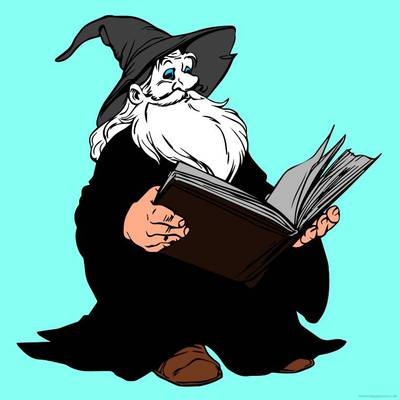
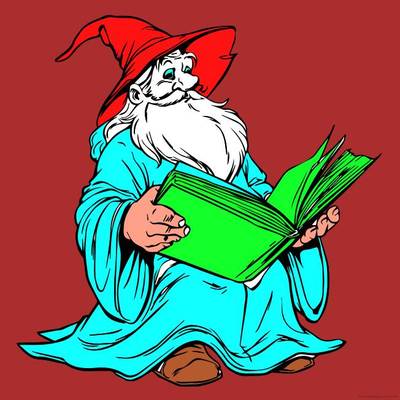
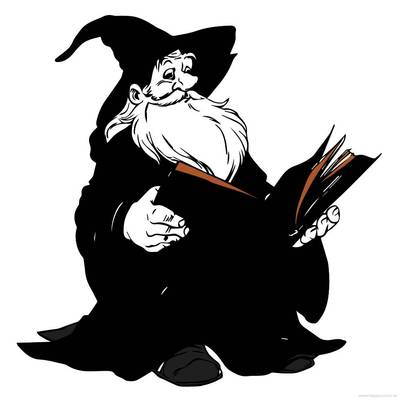
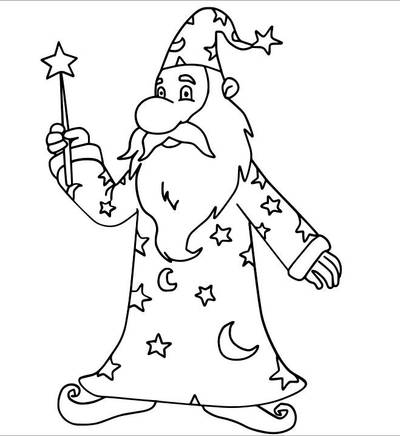
Wands high: Fabulous coloring picture of a mighty magician
 Author Mathias
 A friendly wizard greets curious minds on this magical coloring page, inviting children to add color to robes, hats, wands, and swirling spells. These wizard coloring pages are simple to understand: each illustration is designed for young artists to fill in lines, choose palettes, and invent stories. A single wizard image can spark imaginative play, and a whole set of coloring pages lets kids create scenes, name characters, and sequence adventures. Whether a toddler cautiously grasps a crayon or an older child experiments with shading, these pages welcome every level.
Suitable for toddlers, preschoolers, and older kids, the wizard pages work equally well at home, in the classroom, during homeschool sessions, or tucked into a travel bag for quiet time. Coloring helps develop fine motor skills, color recognition, and hand-eye coordination while also encouraging creativity, narrative thinking, and focused attention. Teachers and parents can use a wizard coloring page to prompt storytelling, practice letters by labeling parts of a robe, or explore patterns and symmetry. Warm and encouraging rather than prescriptive, these coloring pages are tools for learning and play that let each child shape their own little enchanted world.


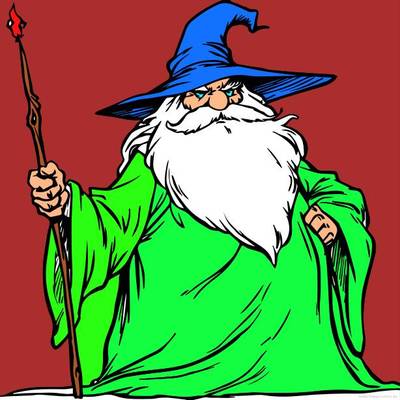
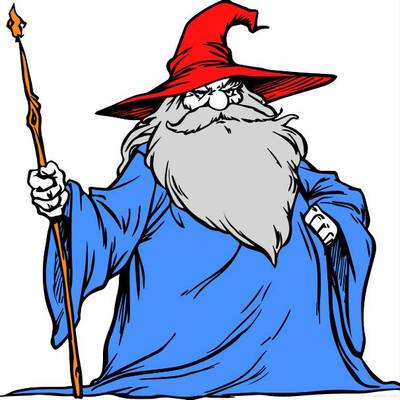
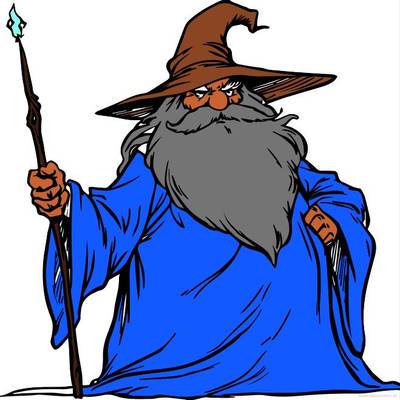



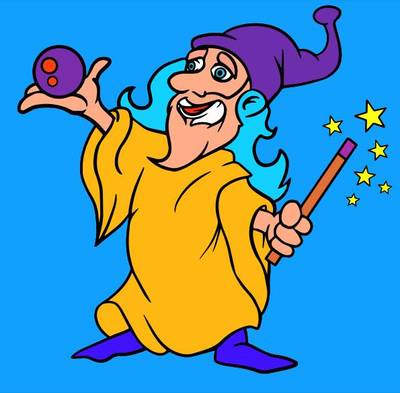
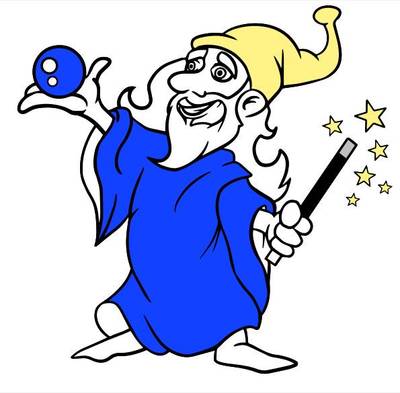
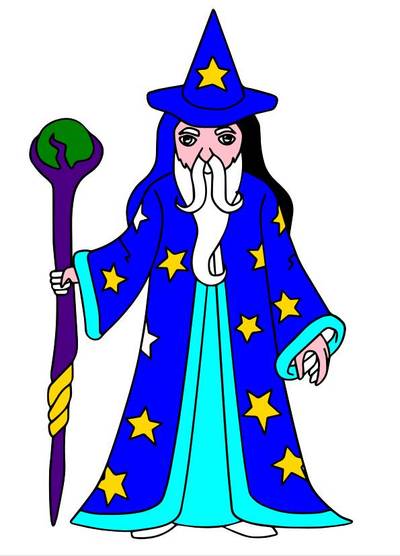
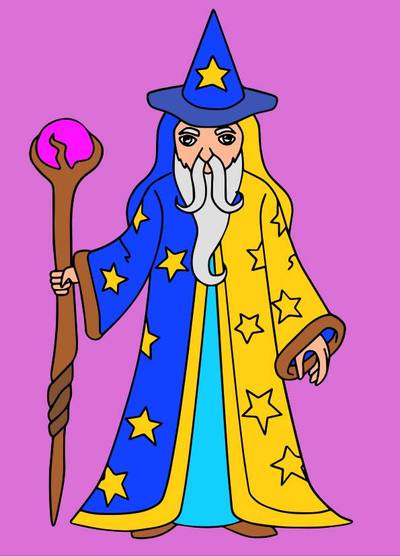
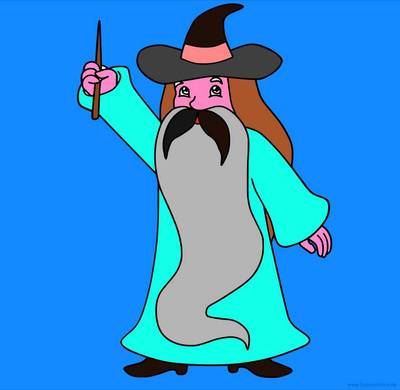
Wizard with orb and magic wand – colored in by the community
-
 11 Likes
-
 0 Likes
-
 0 Likes

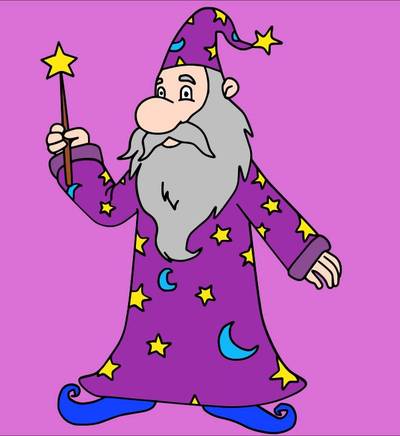
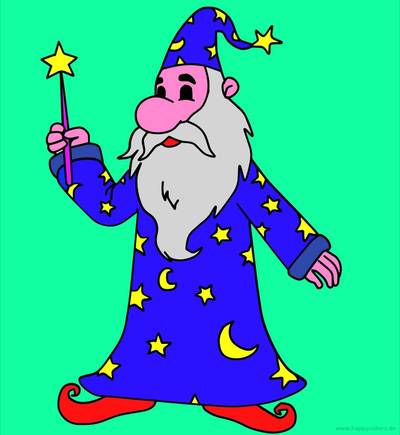
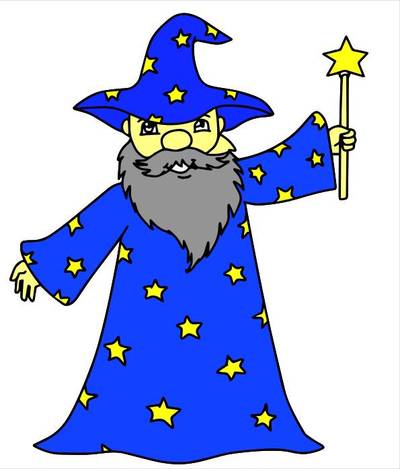
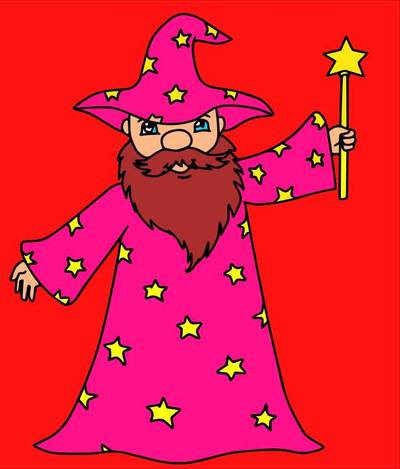
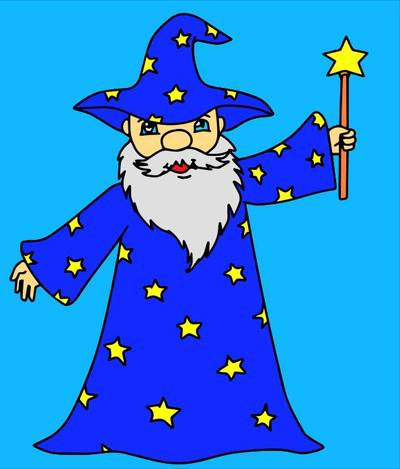
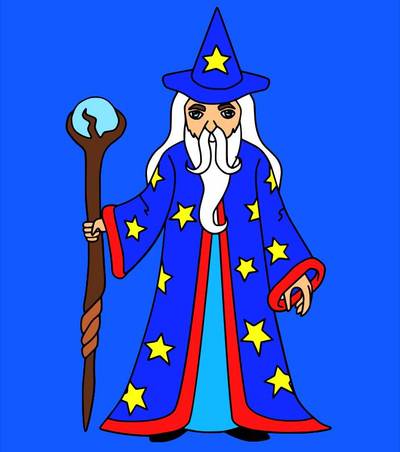
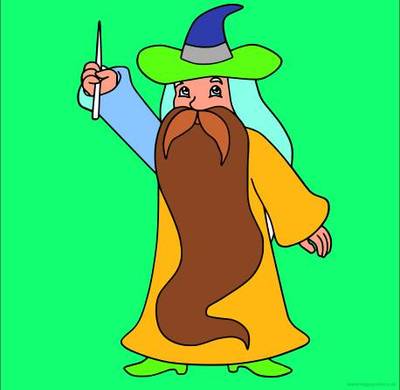
Wizard with wand and star dress – colored in by the community
-
 7 Likes
-
 0 Likes
-
 0 Likes




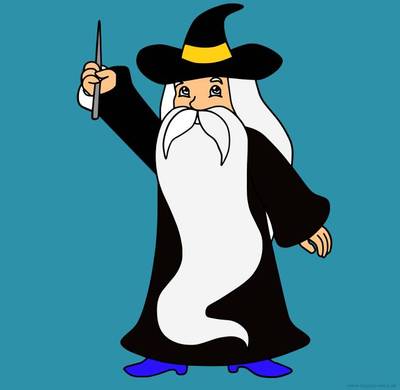

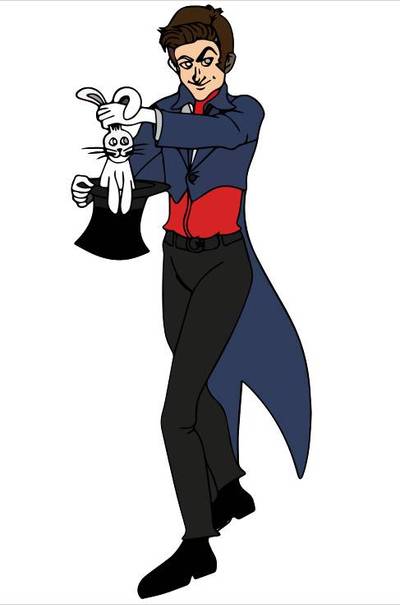
Magician with a rabbit – colored in by the community
-
by zofia
 4 Likes

Bring Your Wizard to Life: Simple Coloring Tips for Magical Details
A wizard coloring page is full of fun shapes and tiny details. Careful coloring helps the picture look neat and “real,” especially in the wizard’s robe folds, the hat shape, and small items like a belt, wand, or book.
What to Watch for While Coloring Your Wizard
- Robe folds and wrinkles: Color in the same direction as the folds. Leave a few lighter spaces on the raised parts so the robe looks like soft fabric.
- Pointy hat curves: The hat often bends or tilts. Make the edges clean, and shade a little darker on one side to show the round shape.
- Beard and hair texture: Use short, gentle strokes that follow the hair direction. This makes the beard look fluffy instead of flat.
- Small patterns (stars, moons, stitches): Slow down for tiny shapes. Coloring them evenly makes the wizard’s outfit look tidy and special.
- Accessories and tools: Wands, staffs, buckles, and buttons look best with clear outlines and careful filling—these little parts help the wizard feel “real.”
- Face details: Keep skin color smooth. For eyes and eyebrows, use light pressure so the face stays friendly and bright.
Helpful hint: Start with the biggest areas (like the robe and hat), then finish with smaller details (like belt, wand, and patterns). This keeps the page clean and organized.
Realistic Color Ideas for a Classic Wizard
These colors match a traditional storybook wizard. Use them to make the outfit, hair, and accessories look natural and balanced.
| Wizard Part | Realistic Color Suggestion |
|---|---|
| Robe (main) | Deep Blue |
| Robe (shadow areas) | Navy Shadow |
| Hat (main) | Charcoal Gray |
| Hat band / trim | Warm Brown |
| Belt / boots | Dark Leather Brown |
| Buckle / buttons | Gold |
| Wand / staff (wood) | Medium Wood Brown |
| Beard / hair | Silvery White |
| Eyebrows (older wizard look) | Soft Gray |
| Skin | Light Peach |
| Cheeks / nose (tiny touch) | Gentle Pink |
| Book cover (if shown) | Dark Red |
| Book pages (if shown) | Aged Paper Cream |
| Stars / moon details (if shown) | Soft Yellow-Gold |
Neat Finishing Touches That Make the Wizard Look Real
- Use lighter pressure in big areas to avoid streaks, then add a darker layer for shadows in folds.
- Keep pattern shapes (like stars) the same color family so the outfit looks organized.
- Outline tiny details last with a darker shade of the same color to keep edges crisp without looking harsh.
🎨 New coloring pages by email
Regularly get new free coloring pages straight to your inbox – no spam, unsubscribe anytime.
You’ll first get a confirmation email (double opt-in). Unsubscribe anytime with one click. Privacy Policy
Scissors, Glue, Magic! Wizard Crafts Kids Can Make
Pop-Up Wizard Hat Surprise
✂️ You need: colored wizard page, cardstock, scissors, glue stick, crayons/markers
- Color the wizard and cut out the hat shape.
- Fold a piece of cardstock in half to make a card.
- Glue the hat so it sticks out over the fold for a pop-up look.
💡 Supports: fine motor skills, creativity, following steps
Toilet Roll Wizard Puppet
✂️ You need: toilet paper roll, colored paper, glue, scissors, yarn or paper strips, marker
- Wrap the roll with paper to make the wizard’s robe.
- Cut a triangle hat and glue it on top.
- Add a face and beard using marker and yarn or paper strips.
💡 Supports: imagination play, hand strength, design skills
Classroom Wizard Wand Wall Display
✂️ You need: paper straws or sticks, scrap paper, tape or glue, stickers or foil, string, hole punch (optional)
- Decorate a straw or stick with stickers, foil, or paper bands.
- Cut a star or lightning shape and attach it to the top.
- Hang everyone’s wands in a row with string for a group display.
💡 Supports: teamwork, creativity, planning and arranging
Did You Know? 5 Magical Facts About Wizards
Wizards Started in Very Old Stories
Long ago, people told tales about wise magic helpers called “wizards,” and the word has been used in English for hundreds of years. Encyclopedia Britannica
Pointy Hats Have a Real History
The tall, pointy “wizard hat” look grew from old European clothing styles and later became a popular way to show someone is magical in art and stories. Smithsonian Magazine
Stars and Moons Mean “Sky Magic”
Wizard robes often have moons and stars because people have watched the night sky for thousands of years and imagined it was full of secrets to learn. NASA
A “Wizard” Can Be a Genius
In the United States, people sometimes say someone is a “wizard” at something—like a computer wizard or math wizard—meaning they’re super skilled, not truly magical. Smithsonian Institution
Salem Has Famous “Magic” History
Massachusetts is known for the Salem witch trials from 1692, a real event in American history that is often mentioned when people talk about old-time magic stories. Library of Congress
Why Kids Love These Wizard Coloring Pages
- Coloring wizard robes and tiny details helps children build fine motor skills and hand-eye coordination through focused practice.
- They spark storytelling and vocabulary when kids describe a wizard’s hat, wand, or magical pets, boosting language development.
- Parents and teachers get ready-to-print activities that require no prep, perfect for transitions, early finisher work, or themed lessons.
- As a screen-free activity, these pages encourage calm concentration and imaginative play while keeping materials simple and portable.
Creative Ideas & Activities
- Make a wand craft by coloring a wizard or wand image, cutting it out, and attaching it to a popsicle stick for storytelling props or puppet shows.
- Create a story circle where each child colors a different wizard and contributes one sentence about that wizard’s adventure to build a shared narrative.
- Turn a wizard page into a math activity by drawing potion bottles and using counters to practice counting, addition, or subtraction problems.
- Use a colored wizard as a writing prompt: ask kids to write the wizard’s name, three adjectives, and a short sentence about their powers to practice handwriting and description.
- Assemble a magical mural by coloring multiple wizards and background elements, then cutting and gluing them onto a large poster board to create a classroom scene.
- Make role-play props by coloring and laminating a wizard hat or badge from the pages, then use them in dramatic play or a short class play.
- Link art and science by coloring a wizard “chemist” and then doing a simple, safe potion experiment (like baking soda and vinegar) to observe reactions and record results.
- Teach art techniques by having kids color the same wizard with crayons, colored pencils, markers, or watercolor to compare texture, blending, and color intensity.
Frequently Asked Questions
Are these wizard coloring pages free to download and print?
Yes, all coloring pages on this page are free to download and print. You can use them at home, in school, or in kindergarten without cost.
What file formats are the coloring pages available in and how do I print them?
The coloring pages are provided as common file formats such as PDF and JPG for easy printing. For best results, open the PDF and select “fit to page” or choose the page size you want, and print on standard letter paper or cardstock depending on your project.
What ages are the wizard coloring pages suitable for?
These wizard pages are suitable for a wide range of ages, from preschool and kindergarten through early elementary, with simpler designs for younger children and more detailed scenes for older kids. Teachers and parents can choose pages that match fine motor ability and attention span.
Can I use these coloring pages for classroom activities and kindergarten lessons?
Yes, the pages can be used for classroom activities and in kindergarten; classroom use is allowed and free. They work well for group projects, centers, thematic units, and rewards without extra licensing needed.
How do I get the best coloring results with crayons, markers, or colored pencils?
Use heavier paper like cardstock or 24–32 lb printer paper for markers to prevent bleed-through, and standard printer paper works fine for crayons and colored pencils. Encourage layering and light strokes for colored pencils, and place a scrap sheet under the page when using markers to protect surfaces.