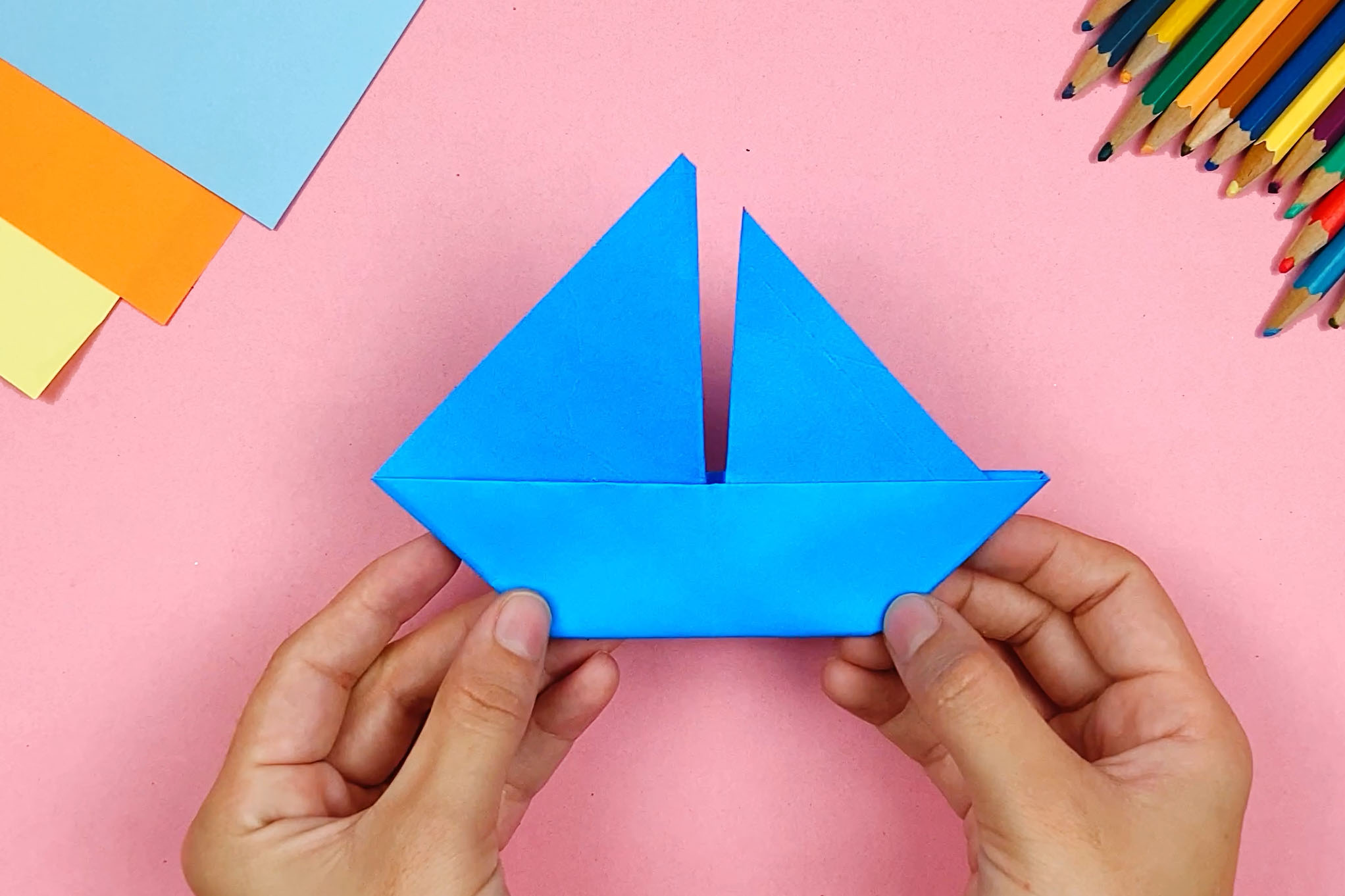


A ship, or more precisely a sailing ship, embodies the dream of tranquility and luxury on the sea. For drawing such a ship you need a loose stroke, because although it is a clearly structured object, the soft and somewhat curved lines of a sailing ship are captivating.
With this tutorial you can draw a dreamlike ship step by step and set sails in your mind. Use the template for example for a beautiful drawing for a birthday or as a cool wall tattoo.
For this tutorial we recommend a pencil, an eraser, an eraser-proof drawing pencil and good crayons.
Welcome to our step-by-step guide on how to draw a boat! This tutorial is perfect for children and beginners who are eager to learn the basics of drawing. By the end of this guide, you’ll have a beautiful boat illustration crafted with your own hands, using straightforward techniques.
This guide is designed for budding artists aged 8 and up, focusing on easy-to-follow steps that build on each other. We’ll be using simple pencil strokes and basic shapes to bring your drawing to life. Let’s set sail on this artistic journey and create a masterpiece!
What You Will Need
- HB pencil for initial sketches
- 2B pencil for adding details and contours
- Eraser for cleaning up guidelines
- Colored pencils in shades of blue, white, and brown to give your boat a realistic touch
- A4 drawing paper with a smooth texture for easy sketching
- Fine-tip black pen for outlining the final drawing

Step 1: The deck
Begin by drawing a delicate, slightly curved line that will serve as the boundary for the deck of your boat. It’s important to keep the line light so adjustments can be made easily. Tip: Start from the left and gently curve upwards towards the right to mimic a natural deck line.

Step 2: The masts
Place two vertical lines on the deck which will later form the sail masts. Ensure that there is a small gap between these lines and the deck line to give your masts a clear starting point. Tip: Keep these lines parallel and evenly spaced for a balanced look.

Step 3: The waterline
Next, sketch the waterline to define the body of your sailboat. Leave an overhang at the front, which will be transformed into the jib boom. This step is crucial for setting the boat in its watery environment and for determining the overall shape of your drawing.

Step 4: The sails
It’s time to add the sails! Use your pencil to draw the front sail, ensuring it runs directly to the tip of the jib boom. Add a larger rear sail connected to the masts. Tip: Draw the sails billowing to suggest the movement and direction of the wind.

Step 5: The upper deck and the control room
Now, focus on the upper deck and the control room. Sketch the upper deck and add small rectangles for the windows of the wheelhouse. Don’t forget to include the boom for attaching the rear sail. Tip: Keep the lines light and refined to capture the intricate details.

Step 6: First permanent contours
With your pencil, draw over your initial sketches to create the first permanent contours of your boat. Add details like the texture of the sails and any additional elements like ropes or flags. Ensure that the front sail appears to billow in the wind, giving your boat a dynamic feel.

Step 7: Removing the guides
Carefully erase the pencil guidelines, leaving only the bold outlines and details. Add final touches such as additional windows, rigging, and any other small features that enhance the realism of your drawing. Tip: Use a fine-tip pen to emphasize the final lines.

Step 8: Coloring
Finally, bring your boat to life with color. Use shades of blue for the water, white for the sails, and brown for the boat’s body. This step allows you to personalize your drawing and make it vibrant. Tip: Layer colors to create depth and highlights.
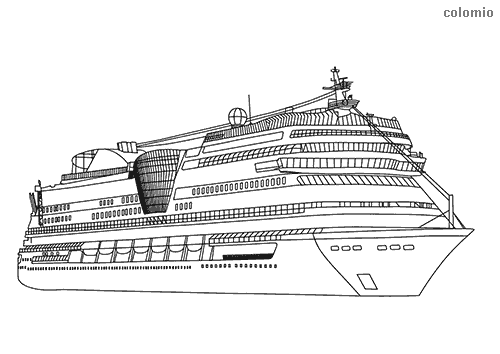
More Template Ideas


Your Boat Drawing Is Complete!
Congratulations on completing your boat drawing! You’ve learned the essential steps to create a beautiful maritime scene using basic drawing techniques. Keep practicing to refine your skills and explore new artistic horizons.
If you enjoyed this tutorial, check out our other drawing guides on colomio.com. You might be interested in learning how to draw a lighthouse or a seascape next. Happy drawing!
Tips for an Even Better Boat Drawing
The two things that determine whether your boat looks like it’s actually floating are the shape of the hull and the waterline. Many beginners draw a hull as a flat trapezoid and add water as horizontal lines underneath – the result looks like a boat sitting on a shelf, not on the sea.
A real hull is curved, not straight. The bottom should be a smooth U-shape (or V-shape for sailing yachts), with the bow rising slightly forward and the stern (back) cut more vertically. The hull should sit partly submerged – about a third of the hull below the water line, with small ripples touching the side of the boat.
For sails, the wind direction matters. The sail should bulge in one direction (the leeward side), and the boat should lean slightly the opposite way. A perfectly upright sail with a perfectly vertical mast looks parked, not sailing.
The mast should be tall – at least twice the height of the hull – and slightly tilted backward (this is called rake and looks much more natural than a perfectly vertical mast).
Boat Types: Pick Your Style
The same basic boat template adapts to a huge variety of vessels:
- Classic sailboat: Single mast, white triangular sail, sleek pointed hull. The most universal boat shape.
- Pirate ship: Tall wooden hull with multiple decks, three masts with square sails, a black skull-and-crossbones flag, side cannons. Adventurous.
- Viking longship (Drakkar): Long, low hull with curved dragon-head bow, a single square red-and-white striped sail, rows of round shields along the side, oars sticking out.
- Yacht (luxury): Sleek modern lines, multiple decks, large windows, sometimes a small helicopter pad on top. Mostly white with chrome accents.
- Rowboat: Small wooden boat with two oars sticking out the sides, a single seat, often a fishing rod inside. Peaceful and simple.
- Canoe: Long, narrow, pointed at both ends, no sail, a single person paddling.
- Container ship: Massive flat hull with stacked rectangular containers in red, blue, green. Industrial and powerful.
- Steamboat: Wooden hull with a tall thin smokestack belching black smoke, a paddle wheel on the side. Mississippi-style.
- Submarine: Cigar-shaped body, small periscope on top, round porthole windows along the side. Half-submerged works best.
Add Movement with Water Effects
The water is half the drawing. Without good water, even a perfect boat looks lifeless:
- Bow wave: A small white foam wave breaking against the front of the boat as it cuts through the water.
- Wake: A V-shaped trail of disturbed water spreading behind the boat, often with white foam edges.
- Wind ripples: Short horizontal lines across the water surface, denser where the wind is stronger.
- Reflection: A faint mirror-image of the boat below the waterline, distorted by ripples. Use lighter colors and broken lines.
- Splashing waves: Curved white shapes with droplets when the boat hits a swell. Adds drama.
- Calm water: Just two or three thin horizontal lines per area – less is more.
Background & Scene Ideas
- Sunset on the ocean: Warm orange-pink sky, sun touching the horizon, a single seagull silhouette. Boat in dark silhouette.
- Tropical island: Boat anchored near a small palm-tree island with white sand and turquoise water.
- Stormy sea: Dark gray sky, jagged waves, rain at an angle, boat tilted dramatically. High drama.
- Harbor scene: Multiple boats of different sizes docked at a wooden pier, with a lighthouse in the distance.
- Children fishing: Small rowboat on a calm pond, a child holding a fishing rod, lily pads around. Peaceful.
- Pirate adventure: Pirate ship, treasure island in the distance, a giant kraken tentacle rising from the water in the foreground.
Color Palettes for Different Moods
- Classic sailing: White hull, navy-blue sail trim, deep blue water, soft white clouds, golden sun.
- Vintage maritime: Cream-and-brown wooden hull, faded red sail with stripes, sage-green water, weathered look.
- Pirate adventure: Deep brown wood, black flag, blood-red sail accents, dark teal stormy water.
- Tropical paradise: Bright white boat, turquoise water, pastel sky, golden sand. Vacation-perfect.
- Storybook cute: Pastel pink boat, baby-blue sail, soft mint water, smiling clouds.
Common Mistakes to Avoid
1. The hull is a flat rectangle. Real boat hulls always have curves. Even the simplest tugboat has a curving bottom and a slightly raised bow.
2. The mast is perfectly vertical. Slight backward tilt (or forward tilt for some racing boats) looks much more natural.
3. The sail is rigid. Sails should bulge with the wind – never hang flat unless the boat is parked. A bulging sail tells the eye the boat is moving.
4. The waterline is too high. If the boat sits with most of the hull above water, it looks beached. Submerge at least 25–30% of the hull.
5. No interaction between boat and water. The water around the hull should ripple, splash, or wake. A boat “sitting” on smooth water without disturbance looks photoshopped.
6. The horizon line slants. The horizon must be perfectly horizontal – even a slight tilt makes the whole picture feel wrong.
Frequently Asked Questions About Drawing a Boat
What type of paper is best for drawing a boat?
A4 drawing paper with a smooth texture is recommended as it allows for easy pencil strokes and clean erasing.
Can I use a pen instead of a pencil for drawing?
It’s best to start with a pencil for sketching as it allows for adjustments. You can use a pen for the final outlines.
How do I make my sails look realistic?
To make your sails look realistic, draw them slightly billowing and add shading to suggest wind movement.
What colors should I use for my boat?
Common colors for boats include shades of blue for water, white for sails, and brown for the boat’s structure. These colors help create a realistic appearance.
How can I add more details to my boat drawing?
You can add details like ropes, flags, and additional windows to enhance the realism of your drawing.
Take a picture and send it to [email protected] – we publish it on www.colomio.com!
All tutorials and images are copyrighted by happycolorz GmbH. Interested in using it? Please send a mail to [email protected].
More ideas for drawing
-

Airplane drawing -

Plane drawing easy -

Apple drawing -

Bicycle drawing -

Ship drawing -

Car drawing -

Car drawing easy -

Cat drawing -

Cow drawing -

Dinosaur drawing -

Dog drawing -

Puppy drawing -

Dragon drawing -

Digger drawing -

Fairy drawing -

Giraffe drawing -

Lion drawing -

Mermaid drawing -

Moon drawing -

Motorcycle drawing -

Penguin drawing -

Pig zeichnen (einfach) -

Princess drawing -

Reindeer drawing -

Rooster drawing -

Santa Claus drawing -

Shark drawing -

Sheep drawing -

Strawberry drawing -

Sunflower drawing -

Tiger drawing -

Tractor drawing -

Train drawing -

Tree drawing -

Tree drawing easy -

Tulip drawing -

Turtle drawing -

Unicorn drawing -

Unicorn drawing easy -

Witch drawing
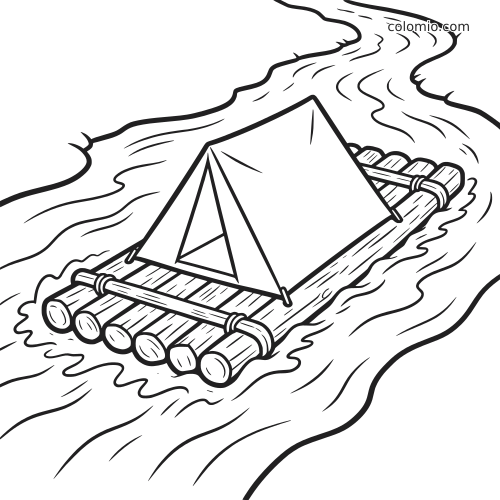
Print our free printable boat coloring pages — ready-to-print line art, no signup.