
Free coloring picture of a Tiger for wild painting adventures
 Author Mathias
 A tiger coloring page can be a warm, inviting way to bring the wild into a child’s hands. These printable tiger illustrations range from very simple outlines to more detailed scenes, so each coloring page offers an accessible starting point for different ages and skill levels. Whether a toddler is scribbling bright stripes or an older child is shading fur and background foliage, the single-sheet format is easy to use, share, and display. The pages are designed to spark curiosity about animals while being straightforward for parents and teachers to print and use immediately.
These tiger coloring pages are suitable for toddlers, preschoolers, and older kids because they come in varying complexity: big shapes for little hands, step-by-step versions for emerging fine-motor control, and intricate patterns for more practiced artists. At home, in the classroom, for homeschool lessons, or tucked into a travel kit, they work well for quiet time, group activities, or one-on-one skill building. Beyond the fun of choosing colors, children develop fine motor skills, color recognition, focus, and vocabulary as they learn about habitats and behavior. Coloring also encourages creativity, storytelling, and a calm, focused mindset—benefits that make these tiger pages both playful and purposeful.

Front-facing zentangle tiger – colored in by the community
-
by Ida
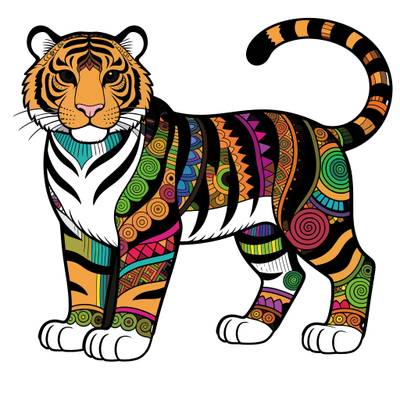 10 Likes
-
by Ania
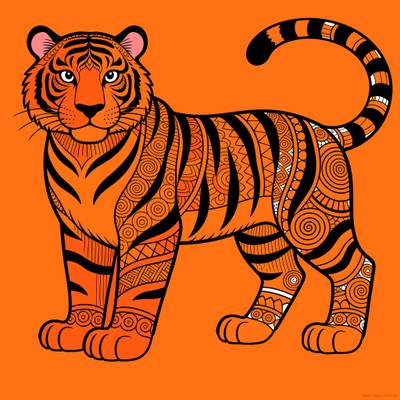 6 Likes

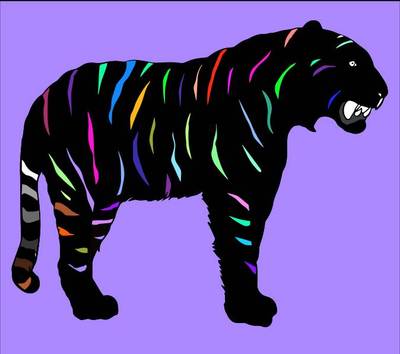
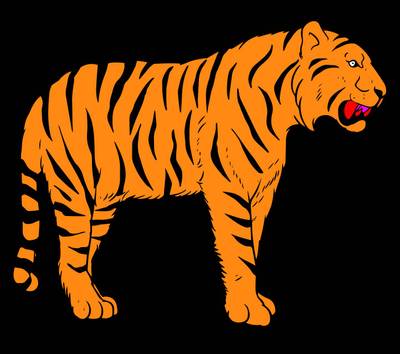
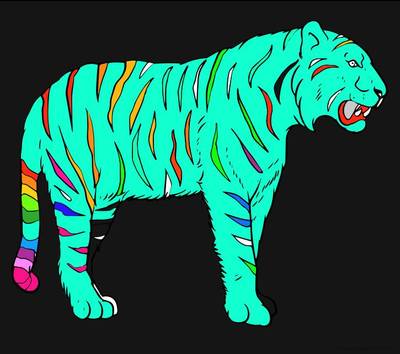
Side view zentangle tiger – colored in by the community
-
by manfred
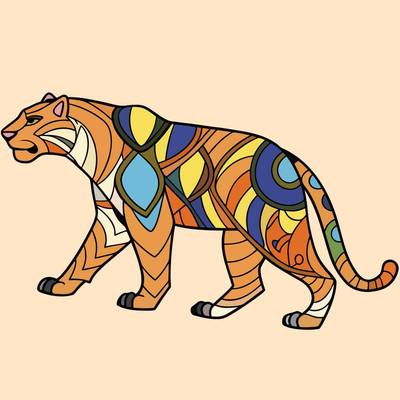 7 Likes
-
by Leny
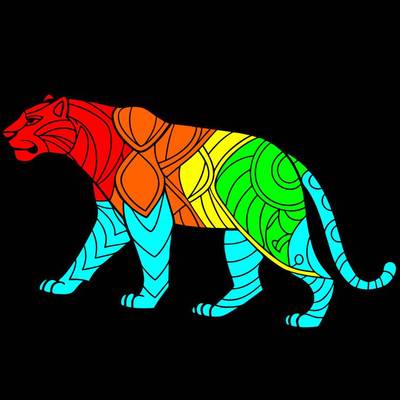 6 Likes

Cartoon white tiger with stripes – colored in by the community
-
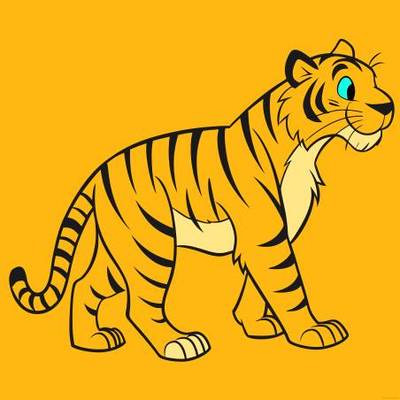 5 Likes
-
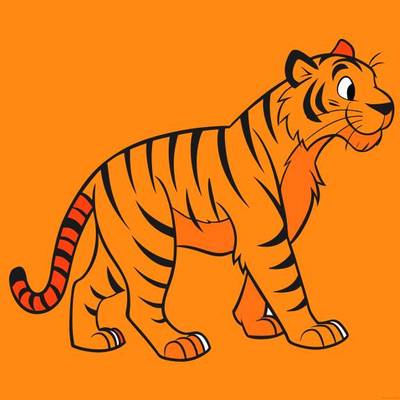 1 Likes

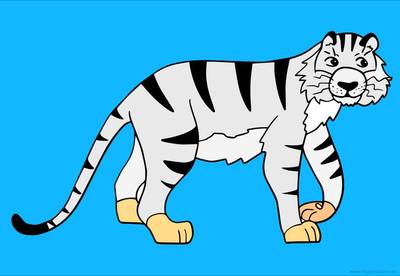
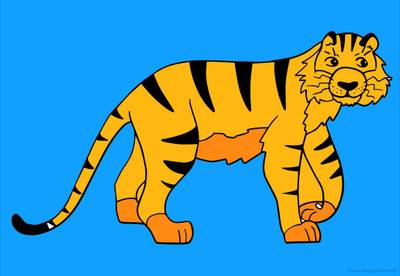
Simple white tiger side view – colored in by the community
-
by Matilde
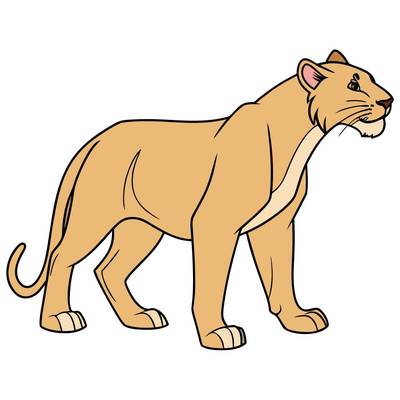 5 Likes

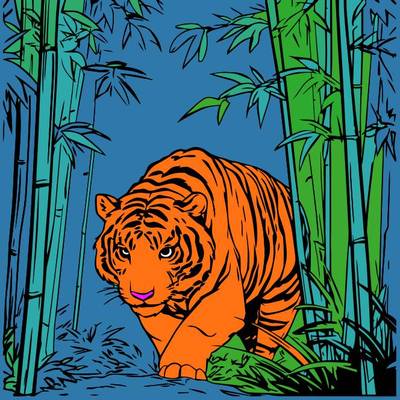
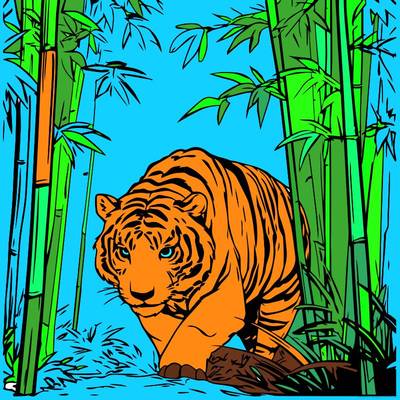
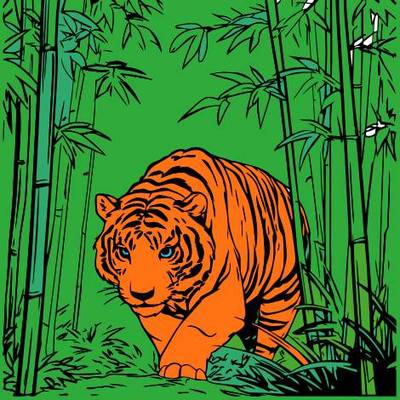

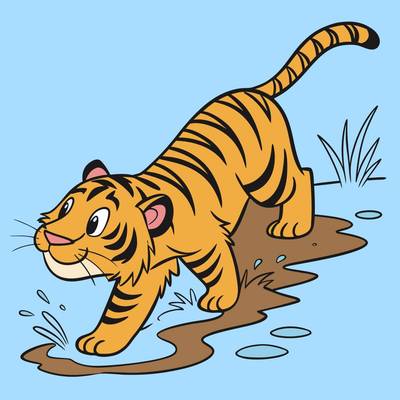
Cute tiger splashing through water – colored in by the community
-
by paula
 9 Likes

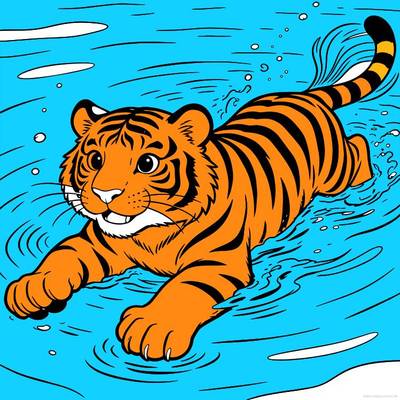
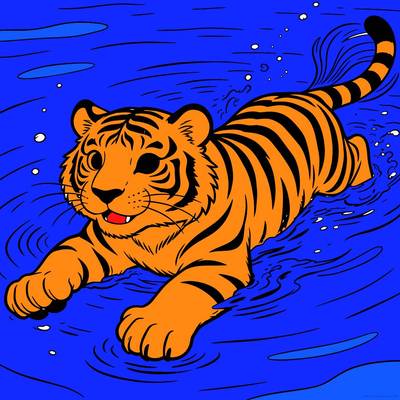
Detailed close-up tiger swimming – colored in by the community
-
 4 Likes
-
 0 Likes

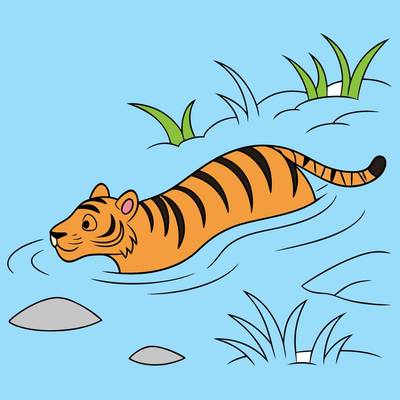
Simple tiger swimming in a river – colored in by the community
-
by femke
 11 Likes

Detailed roaring tiger front view – colored in by the community
-
 0 Likes

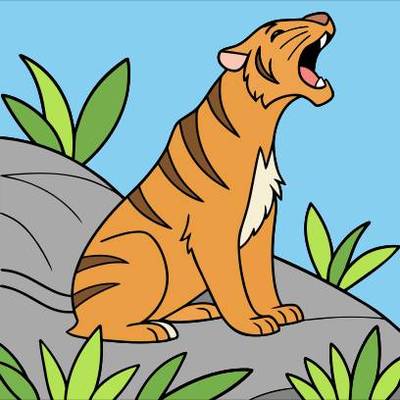
Simple roaring tiger with leaves – colored in by the community
-
by Maja
 8 Likes

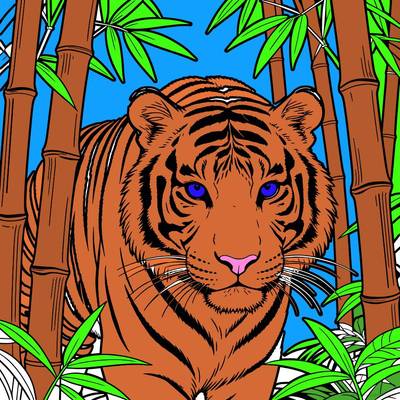
Realistic tiger among jungle bamboo – colored in by the community
-
 4 Likes
-
 1 Likes

Tiger walking in a bamboo jungle – colored in by the community
-
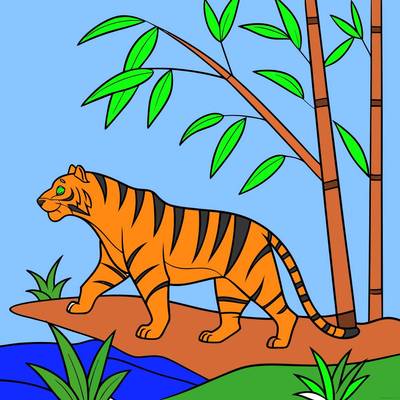 1 Likes
Bring Your Tiger to Life: Simple Coloring Tips for Stripes, Fur, and Face
Tiger tip: Tigers look most realistic when the stripes follow the body’s curves and the fur is shaded a little darker in shadowy spots (like under the chin and belly).
What to Pay Special Attention to While Coloring
- Stripes direction: Color stripes so they “wrap” around the tiger’s body. On legs and tail, stripes usually look more like rings or short bands.
- Fur texture: Use small, gentle strokes that go in the same direction as the fur (often from head toward tail). This helps the tiger look soft instead of flat.
- Face details: Keep the eyes, nose, and whisker area neat. The muzzle (around the mouth) is usually lighter than the rest of the face.
- Light and shadow: Add a slightly darker orange or brown under the belly, inside legs, under the head, and where the tail overlaps the body.
- Edges of stripes: Stripes can have slightly soft edges. Press lightly at the stripe edge, then press a bit more in the middle of the stripe.
- White areas: Many tigers have pale fur on the cheeks, chin, and belly. Leave these areas lighter so the orange and black stand out clearly.
Realistic Tiger Colors (With Easy Visual Swatches)
| Part of the Tiger | Color Suggestion | Color Hint |
|---|---|---|
| Main fur (body) | Golden Orange | #E08A1E |
| Shadows in fur | Warm Brown | #8A5A2B |
| Stripes | Deep Black | #111111 |
| Light fur (cheeks, chin, belly) | Creamy White | #F3E9D2 |
| Inner ears | Soft Pink | #D9A0A6 |
| Nose | Dusty Pink | #C98286 |
| Eyes (common look) | Amber | #C58A1A |
| Pupils | Black | #000000 |
| Whiskers | White | #FFFFFF |
Helpful Hints for a Neat, Realistic Finish
- Color the orange fur first, then add the black stripes on top so the stripes stay bold and clean.
- Leave the light areas (chin and belly) for last, using a very light cream so they still look furry, not empty.
- For smooth fur, use gentle layers: a light orange first, then a second layer where you want darker shading.
- Keep the eyes bright by coloring around them carefully; a clean eye shape makes the tiger look awake and friendly.

Tiger head side portrait – colored in by the community
-
 3 Likes

Realistic tiger family with two cubs – colored in by the community
-
by Katze
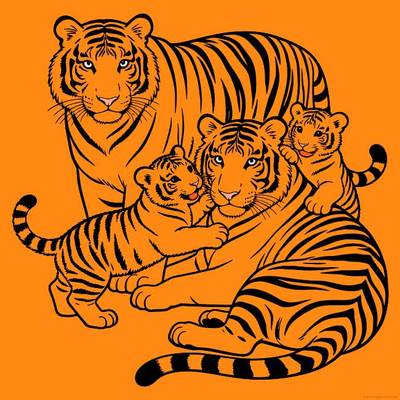 0 Likes

Tiger family close-up with two cubs – colored in by the community
-
by femke
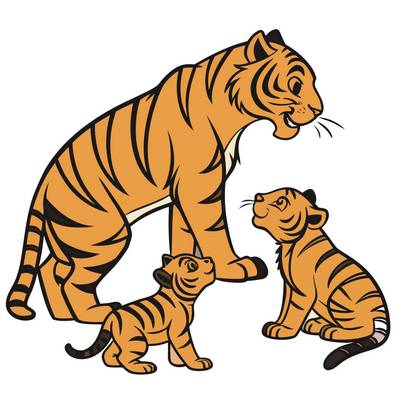 3 Likes

Tiger mother with two cubs outdoors – colored in by the community
-
by Nora
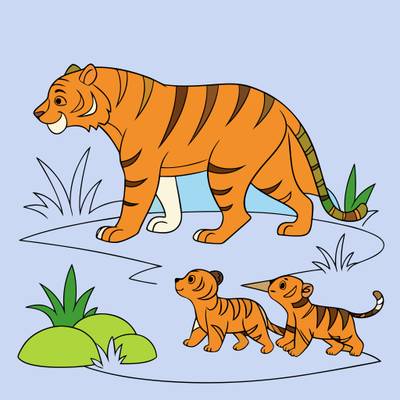 4 Likes
Scissors, Glue, Roar! Tiger Crafts Kids Can Make
Make a Tiger Face Mask
✂️ You need: printed tiger coloring page, crayons or markers, cardstock or a paper plate, child-safe scissors, glue stick, hole punch, string or elastic, optional craft stick
- Color the tiger face bright and bold.
- Cut out the face and glue it onto cardstock for strength.
- Punch holes on both sides and tie on string, or glue on a craft stick handle.
💡 Supports: fine motor skills, imaginative play, confidence
3D Toilet Roll Tiger Buddy
✂️ You need: toilet paper roll, orange paper or paint, black marker or paper strips, white paper, glue, child-safe scissors, optional googly eyes
- Wrap the roll with orange paper or paint it orange.
- Add black stripes with marker or glue on thin paper strips.
- Cut and glue on ears, a tail, and a small white snout.
💡 Supports: creativity, hand-eye coordination, spatial thinking
Classroom Tiger Jungle Wall Mural
✂️ You need: several tiger coloring pages, crayons or markers, large paper or poster board, glue sticks, green paper scraps, tissue paper, leaf cutouts, optional cotton balls
- Color and cut out the tigers as a team.
- Glue the tigers onto a big poster to make a jungle scene.
- Add leaves and grass with green scraps, tissue paper, or cotton “clouds.”
💡 Supports: teamwork, planning, creativity


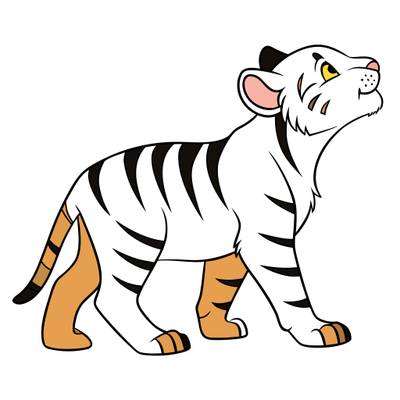
Simple tiger cub walking alone – colored in by the community
-
by Wiktoria
 3 Likes

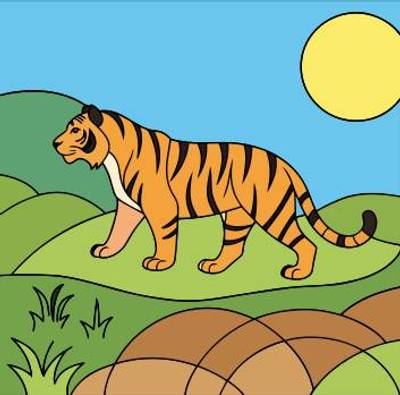
Simple tiger under the moon – colored in by the community
-
by Ellie
 4 Likes

Roaring saber-toothed tiger – colored in by the community
-
 0 Likes
-
 0 Likes
Did You Know? 5 Stripe-tastic Facts About Tigers
Stripes Like Fingerprints!
Every tiger’s stripes are different, so no two tigers wear the exact same “stripy pajamas.” Smithsonian Magazine
They’re Great Swimmers
Many cats avoid water, but tigers can swim well and may cool off in rivers or lakes when it’s hot. National Geographic Kids
A Tiger’s Roar Travels Far
A tiger can roar so loudly it may be heard from miles away, helping it “talk” across big areas. San Diego Zoo
Tigers Once Lived in Alaska?!
Long ago, a kind of tiger called the Beringian tiger lived in parts of Alaska and nearby land during the Ice Age. Smithsonian Magazine
Stripe Art That Hides Them
Those bold stripes help tigers blend into tall grass and shadows, making them harder to spot than you’d think. National Geographic Kids

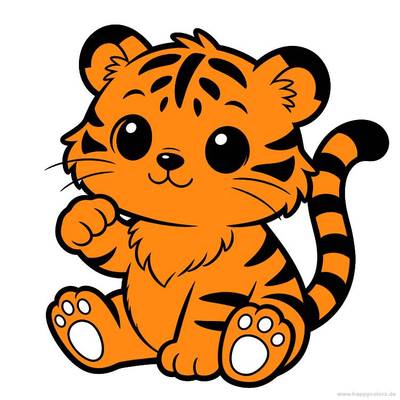
Chibi kawaii tiger sitting – colored in by the community
-
 0 Likes

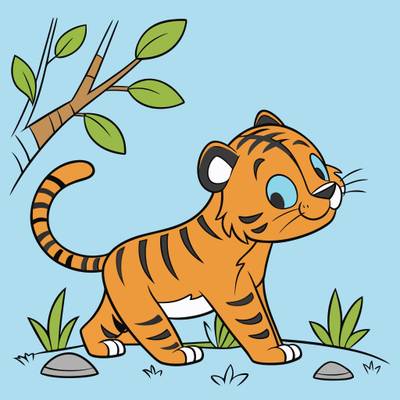
Cute kawaii tiger by a tree – colored in by the community
-
by live
 4 Likes

Cartoon tiger head in side profile – colored in by the community
-
by Manon
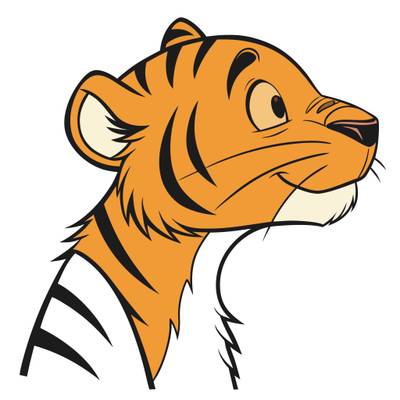 2 Likes

Cute cartoon tiger sitting – colored in by the community
-
by magnus
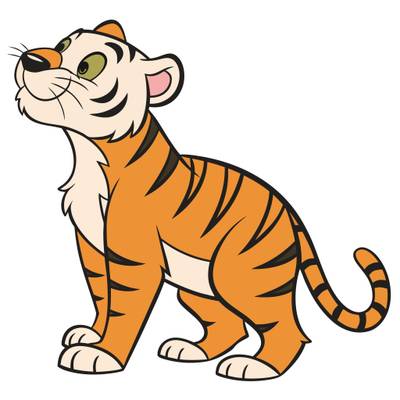 3 Likes

Cute Bengal tiger close-up – colored in by the community
-
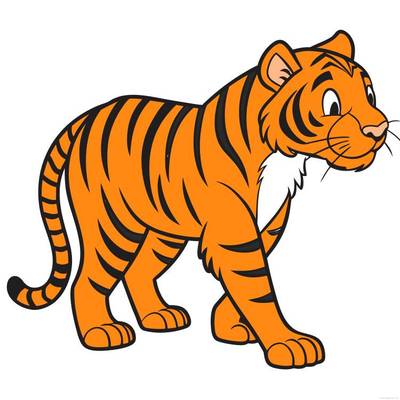 1 Likes

Bengal tiger in a jungle scene – colored in by the community
-
by Ida
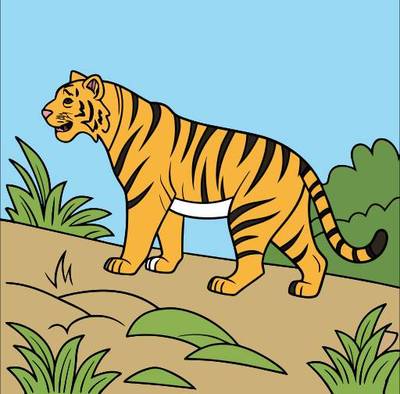 4 Likes

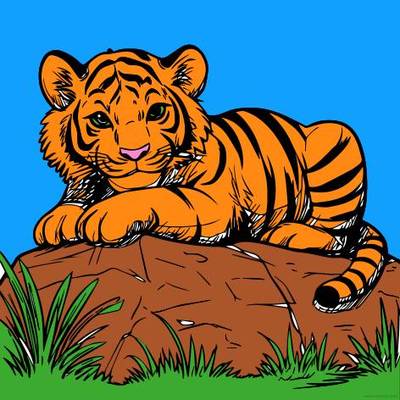
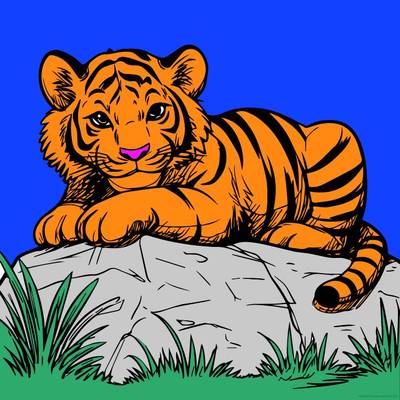
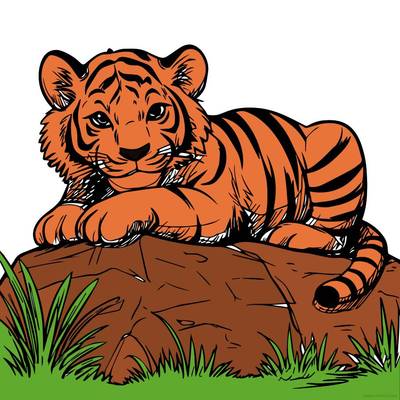

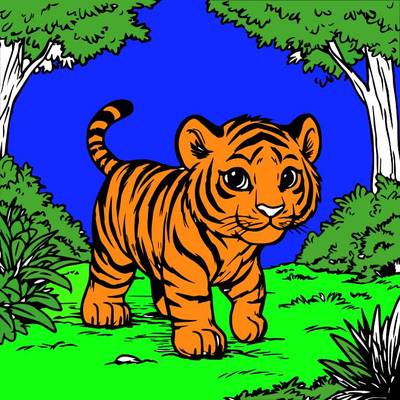
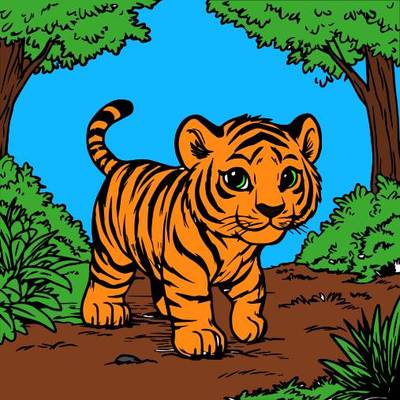
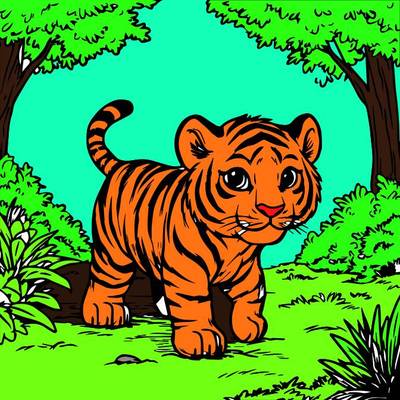


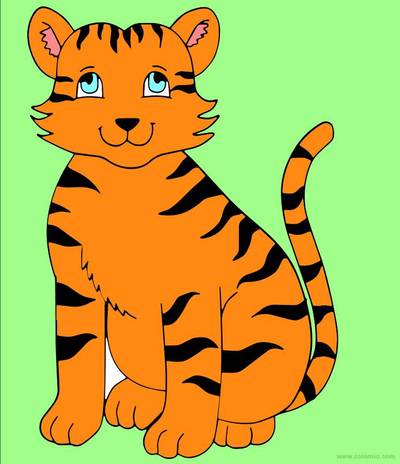
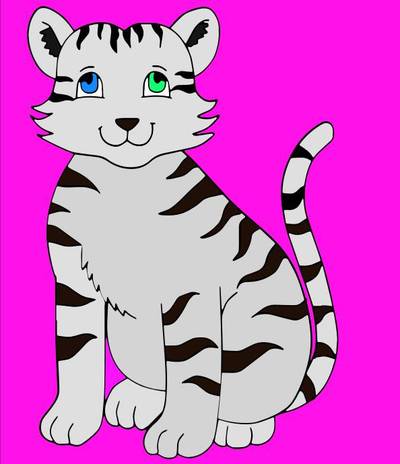
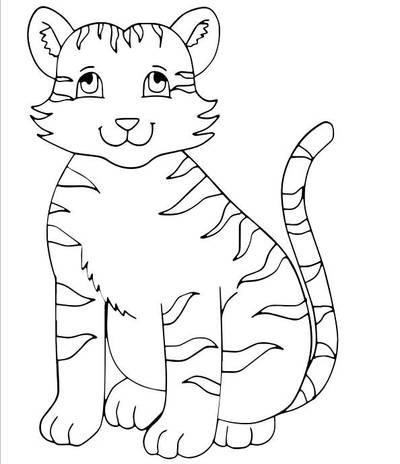
Little smiling tiger – colored in by the community
-
 1 Likes
-
 1 Likes
-
 0 Likes



🎨 New coloring pages by email
Regularly get new free coloring pages straight to your inbox – no spam, unsubscribe anytime.
You’ll first get a confirmation email (double opt-in). Unsubscribe anytime with one click. Privacy Policy
Why Kids Love These Tiger Coloring Pages
- Tiger coloring pages help develop fine motor skills and hand-eye coordination as children practice controlling crayons and staying inside lines.
- Simple and detailed tiger designs introduce pattern recognition and observation skills useful for early science and art lessons.
- Teachers and parents can use tiger coloring sheets as quick, no-prep activities for centers, homework, or calming transition times.
- They make a great screen-free activity that sparks imagination and pairs easily with storytelling, games, or music for extended play.
Creative Ideas & Activities
- Staple several tiger pages together, have children color each scene, and add captions to create a personalized storybook they can read aloud.
- Cut out a colored tiger, glue it to a popsicle stick, and use the puppet for simple shadow-puppet shows or dramatic play.
- Use a shoebox, natural materials, and a colored tiger printout to build a mini habitat diorama while discussing where tigers live.
- Turn stripe coloring into a pattern game by assigning color sequences and asking kids to repeat or extend the pattern across several tiger drawings.
- Print the same tiger at different scales and have children sort them by size, trace outlines, or measure lengths to practice basic math concepts.
- Create a vocabulary activity by labeling tiger body parts on the page, then turning labels into a matching game or quiz for the class.
- Assemble a collaborative classroom mural by combining many colored tiger pages into one large jungle scene and adding student-made trees and plants.
- Cut and decorate a tiger face to make simple masks, attach elastic or string, and use them for role-play, songs, or a tiger-themed parade.
Frequently Asked Questions
Are these tiger coloring pages free to download and print?
Yes, all coloring pages are free to download and print. You can save and print as many tiger pages as you need for home, school, or kindergarten activities.
What file formats are the coloring pages available in and how should I print them?
The coloring pages are available in common formats such as PDF and JPG to suit different devices and printers. For best results print PDFs at actual size with your printer set to high quality, and use the JPGs if you want to edit or resize the image first.
What ages are these tiger coloring pages suitable for?
Pages range from simple designs for toddlers to more detailed illustrations for older children, so they suit ages roughly 3 through 10 and up depending on skill level. You can adapt difficulty by choosing simpler or more complex tiger images and by varying the materials used.
Can I use these coloring pages in my classroom or kindergarten?
Yes, you can use the coloring pages for free in classrooms and kindergarten settings. They are suitable for group activities, centers, worksheets, and take-home projects.
How can I get the best coloring results with crayons, markers, or colored pencils?
Use heavier paper (around 65–90 lb or 120–200 gsm) for markers to prevent bleed-through, and place scrap paper underneath when using markers. Crayons are great for toddlers and textured effects, while colored pencils work well for fine details and shading; consider laminating finished pages for reuse with dry-erase markers.