Turtle coloring pages: Hard shell, soft core
 Author Mathias
 A turtle coloring page is a simple, printable drawing of a friendly turtle designed for kids to fill with color. These pages range from very simple outlines perfect for tiny hands to more detailed scenes that challenge older children. A turtle image can introduce young artists to shapes and patterns while providing a recognizable, calming subject. Whether a single turtle silhouette or a scene with turtles swimming, each coloring page invites creativity without pressure, letting children choose crayons, markers, or watercolors and experiment with color, texture, and storytelling.
These turtle coloring pages are suitable for toddlers, preschoolers, and older kids alike: younger children enjoy bold shapes and large spaces, while older children can practice shading and fine detail. They work well at home, in the classroom, for homeschool lessons, during travel, or as quiet-time activities. Beyond fun, these pages support fine motor development, color recognition, concentration, and early planning skills, and they can spark conversations about nature and habitats. Overall, a turtle coloring page is a gentle, educational activity that welcomes children of many ages to explore art and learning at their own pace.

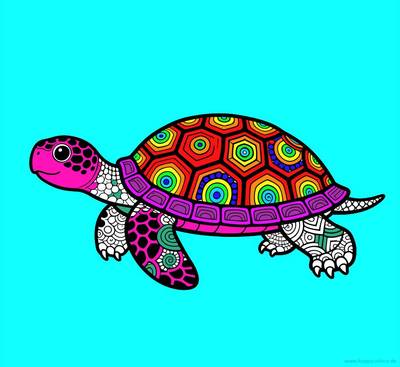
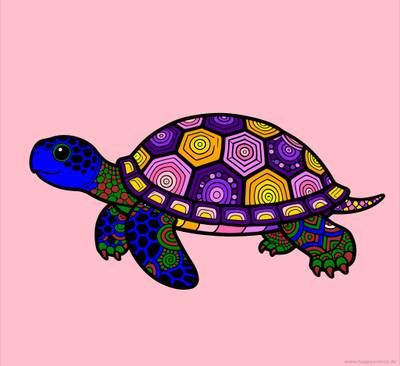
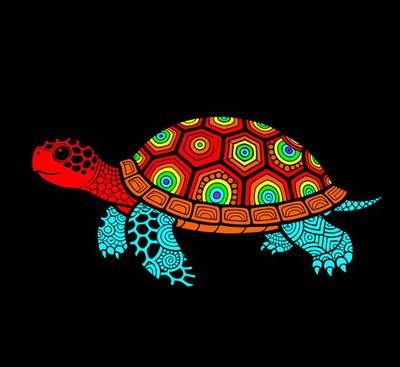
Zentangle turtle in side view – colored in by the community
-
by Ania
 28 Likes
-
 7 Likes
-
by Leny
 3 Likes

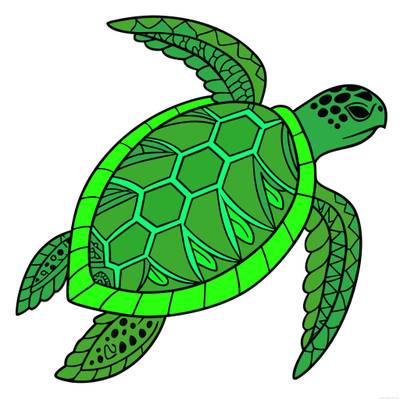
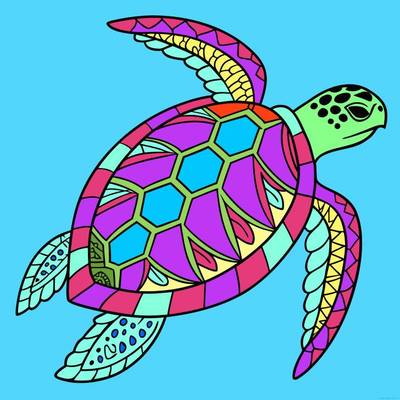
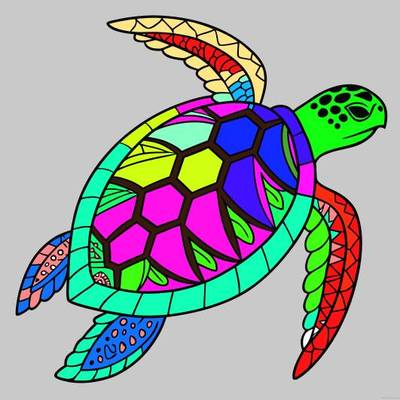
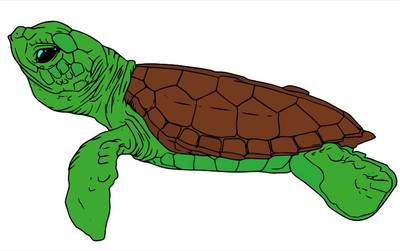
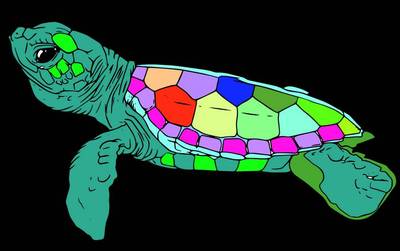
Zentangle sea turtle from above – colored in by the community
-
by Finn0503
 15 Likes
-
 5 Likes
-
 4 Likes

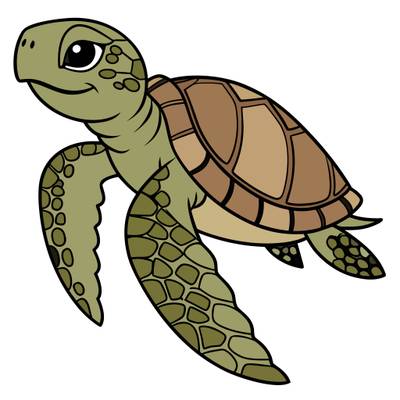
Cute sea turtle with seashell shell – colored in by the community
-
by kacper
 4 Likes

Cute sea turtle swimming in the ocean – colored in by the community
-
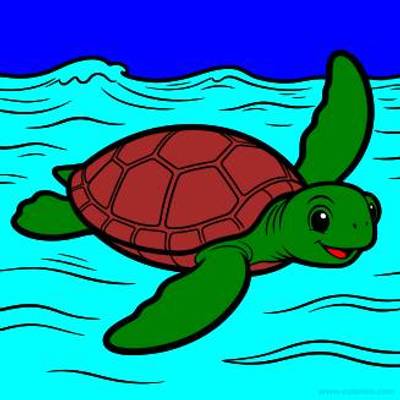 3 Likes

Cheerful turtle on a rock – colored in by the community
-
by Finn0503
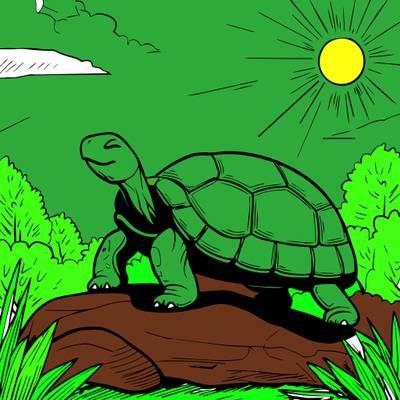 9 Likes
-
by Isabelle_Leite
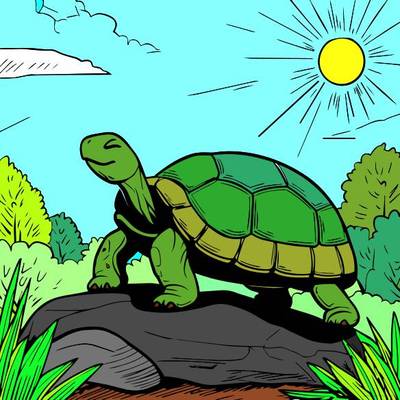 8 Likes
-
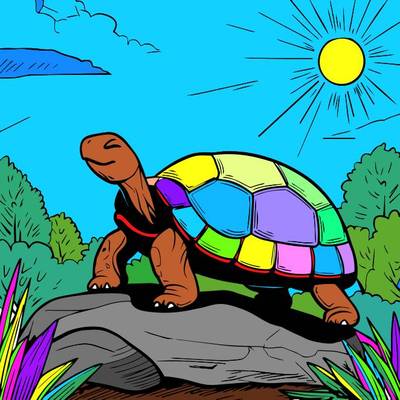 4 Likes

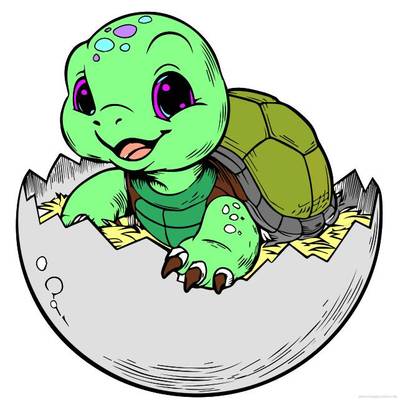


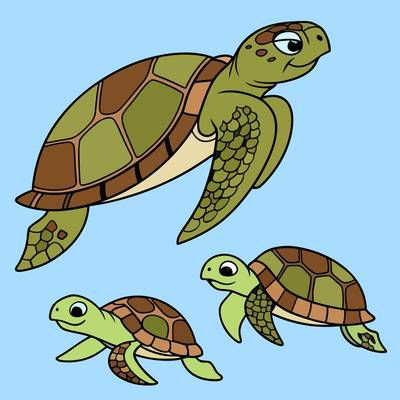
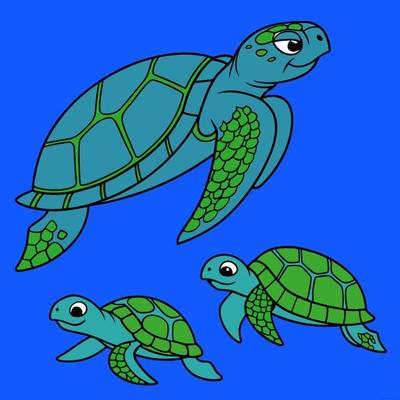
Detailed sea turtle family – colored in by the community
-
by paula
 27 Likes
-
 4 Likes
-
by Katze
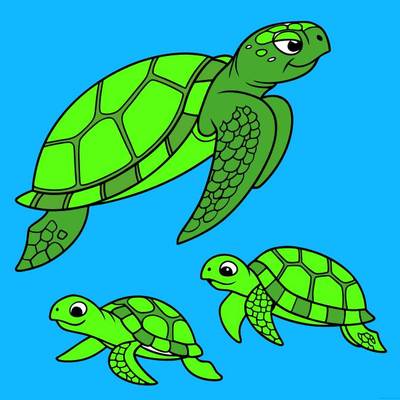 2 Likes

Close-up tortoise on land – colored in by the community
-
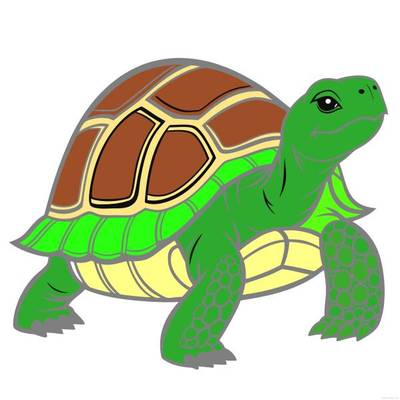 1 Likes

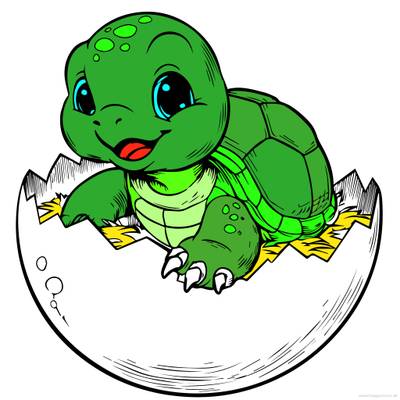
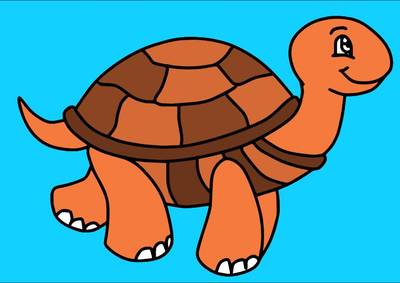
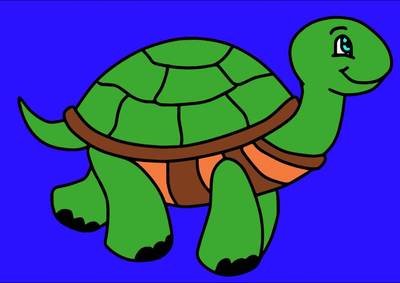
Cute cartoon turtle family – colored in by the community
-
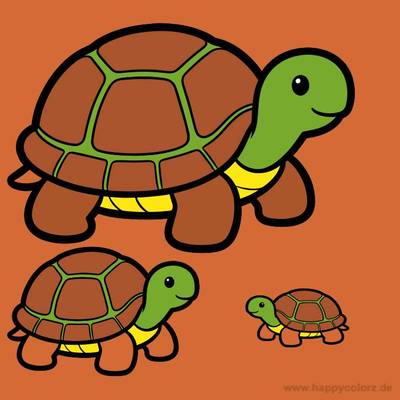 9 Likes
-
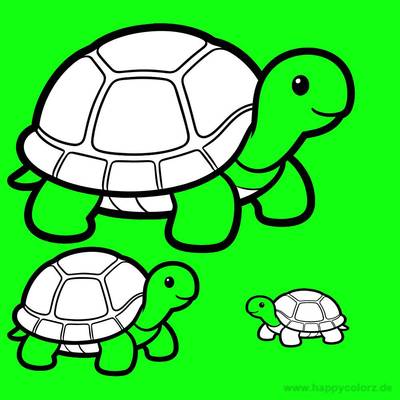 1 Likes

Simple tortoise on land scene – colored in by the community
-
by freja
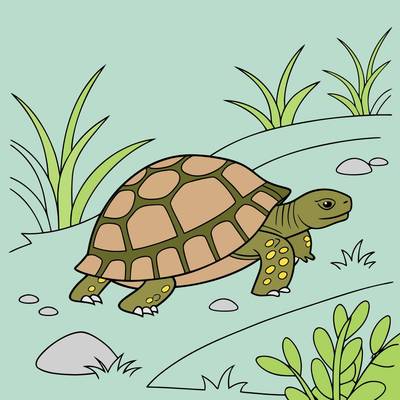 2 Likes

Tortoise and hare on a forest path – colored in by the community
-
by henrik
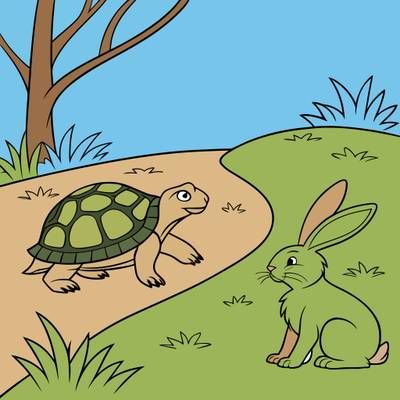 9 Likes

Detailed sea turtle in coral reef – colored in by the community
-
by freja
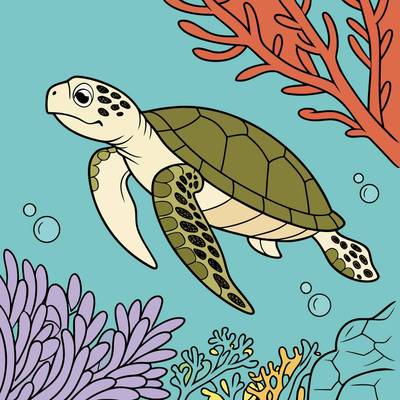 26 Likes
Bring Your Turtle to Life: Simple Coloring Tips for a Realistic Look
A turtle is fun to color because it has clear shapes and cool details. To make the picture look real, focus on the shell patterns, the scaly skin, and the gentle shadows where the turtle’s body tucks under the shell.
What to Notice While Coloring Your Turtle
- Shell plates (scutes): Many turtle shells are made of plate-like shapes. Color each plate carefully so the pattern stands out.
- Shell texture: The shell is usually smoother than the skin. Keep your strokes more even on the shell and a little more textured on the legs and head.
- Skin scales: Turtles often have small, bumpy scales. Light, short strokes can help the skin look rougher than the shell.
- Edges and shadows: The darkest areas are often under the shell rim, under the neck, and where the legs meet the body.
- Face details: Leave a tiny white dot in the eye for a shiny “alive” look, and keep the mouth line soft and neat.
- Claws and tail: These small parts are easy to miss. Color them a bit darker than the skin so they don’t disappear.
Quick hint: Use lighter pressure first. It’s easier to add darker color later than to erase a heavy scribble.
Realistic Turtle Colors (With Easy Color Hints)
| Where on the Turtle? | Color Suggestion | What It Looks Like |
|---|---|---|
| Shell (main color) | Dark Brown | Good for many land turtles and deeper shell areas |
| Shell (lighter areas) | Tan | Great for highlights and sunlit shell plates |
| Shell (olive tone) | Olive Green | Common for turtles that look more greenish-brown |
| Shell pattern lines | Deep Umber | Helps the shell plate pattern stand out |
| Skin (head, legs) | Moss Green | A natural turtle-skin green that still looks earthy |
| Skin (shadow parts) | Dark Olive | Use under the shell and between toes for depth |
| Underside (plastron) | Sandy Beige | Many turtles have a lighter belly than the top shell |
| Claws | Gray-Brown | Looks natural and not too bright |
| Eyes (pupil) | Black | Keep a tiny white spot uncolored for shine |
Helpful Hints for Neat, Realistic Coloring
- Color the shell first, then the skin, and finish with small details like claws and eye.
- Make the shell look rounded by keeping the middle a bit lighter and the edges a bit darker.
- If your turtle has lines on the shell plates, trace those lines gently with a darker shade after the main color is done.
- For a clean look, color slowly around the shell edge where it meets the body.

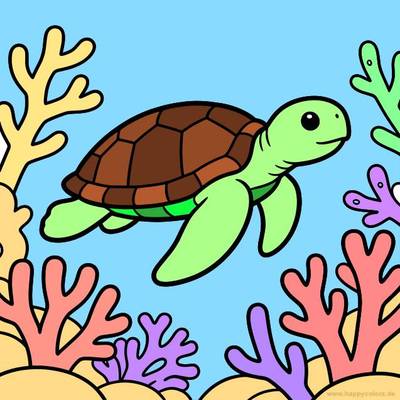
Cute sea turtle in a coral reef – colored in by the community
-
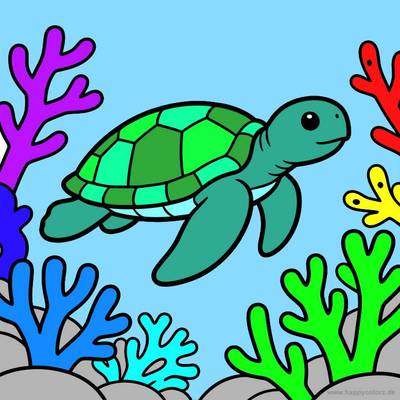 12 Likes
-
 9 Likes

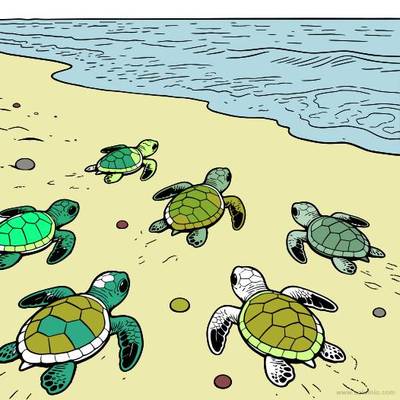
Sea turtle hatchlings heading to the sea – colored in by the community
-
 5 Likes

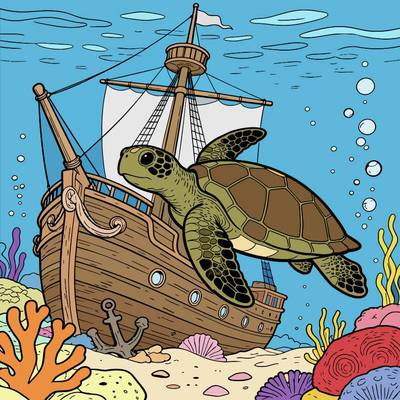
Sea turtle swimming by a shipwreck – colored in by the community
-
by Nora
 4 Likes

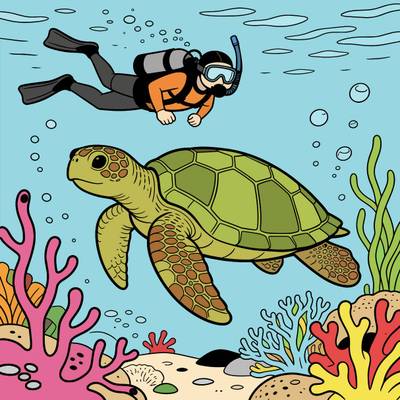
Sea turtle and diver underwater – colored in by the community
-
by Nora
 4 Likes
Scissors, Glue, Go! Turtle Craft Time
Pop-Up Turtle Shell Surprise
✂️ You need: colored turtle page, scissors, glue stick, small strip of paper (or cardstock), crayons or markers
- Color the turtle and cut it out with help.
- Fold a small paper strip into a zigzag to make a spring.
- Glue one end of the spring to the turtle’s back and the other end to a blank sheet.
💡 Supports: fine motor skills, creativity, cause-and-effect thinking
Paper Plate Turtle Mask
✂️ You need: paper plate, green paint or crayons, scissors, glue, the colored turtle page (for shell pieces), yarn or elastic, hole punch (optional)
- Color the paper plate green and let it dry if you used paint.
- Cut two eye holes and a small smile shape with help.
- Cut shell shapes from the turtle page and glue them on the plate.
- Punch holes on the sides and tie yarn or elastic to wear it.
💡 Supports: pretend play, hand-eye coordination, confidence in creating
Classroom Turtle Pond Wall Mural
✂️ You need: several turtle coloring pages, large paper (or bulletin board paper), blue and green paper scraps, glue, scissors, crayons or markers
- Color and cut out several turtles as a group.
- Glue blue paper scraps onto the large paper to make a pond.
- Add green scraps for lily pads and reeds.
- Place the turtles around the pond and glue them down.
💡 Supports: teamwork, planning and layout skills, creativity

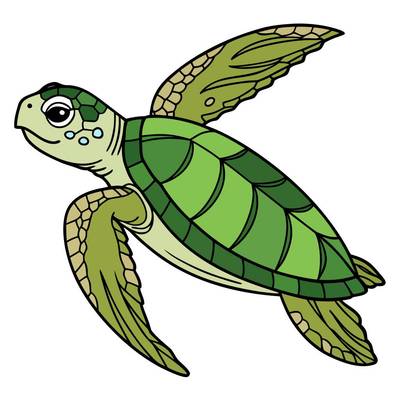
Cute leatherback turtle swimming – colored in by the community
-
by aino
 8 Likes

Cute kawaii turtle with heart shell – colored in by the community
-
 1 Likes

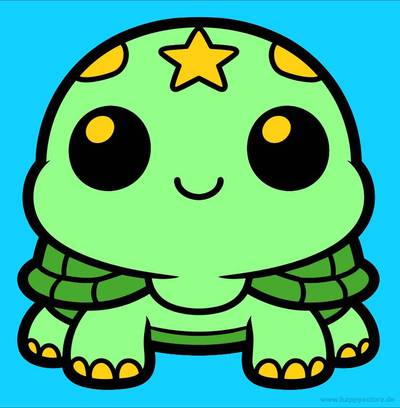
Cute kawaii turtle front view – colored in by the community
-
by Ania
 2 Likes

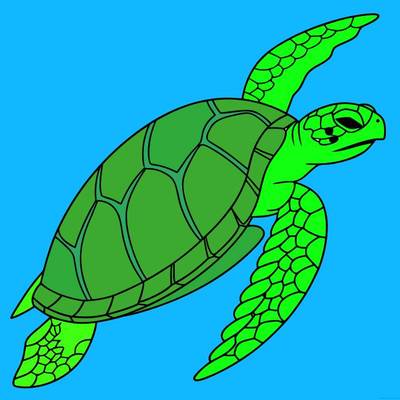
Hawksbill sea turtle swimming – colored in by the community
-
by Katze
 0 Likes
Did You Know? 5 Shell-tastic Turtle Facts
Their shell is part of them!
A turtle’s shell isn’t like a backpack it can take off. The shell is connected to its bones, so it grows with the turtle and helps protect it. Smithsonian Magazine
Sea turtles use Earth’s “map”
Some sea turtles can find their way across the ocean by sensing Earth’s magnetic field—like having a built-in compass to help them travel. NOAA
Temperature picks boy or girl
For many turtles, the warmth of the sand or nest helps decide if hatchlings become boys or girls. Warmer nests often make more girls, and cooler nests often make more boys. National Park Service
They can breathe through their butt!
It sounds silly, but it’s real: some turtles can take in oxygen through a special body part near their tail, which can help them stay underwater longer. National Geographic
U.S. beaches become turtle nurseries
Along the coasts of Florida and other southeastern states, mother sea turtles crawl onto sandy beaches to lay eggs, and tiny hatchlings race to the ocean when they emerge. U.S. Fish & Wildlife Service

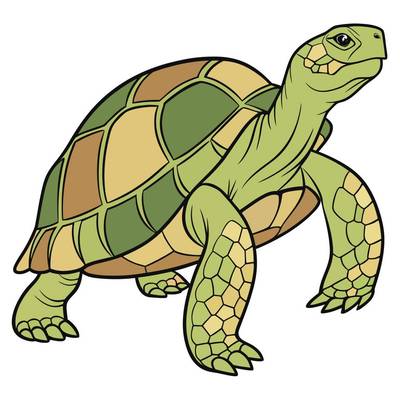
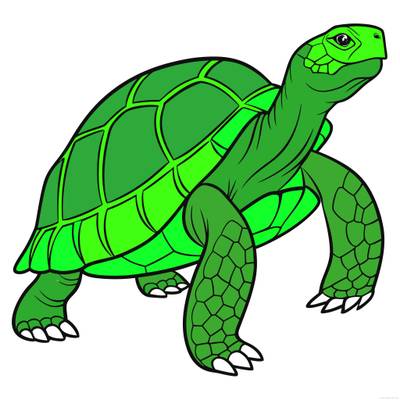
Close-up Galapagos giant tortoise – colored in by the community
-
by aino
 8 Likes
-
by Finn0503
 5 Likes

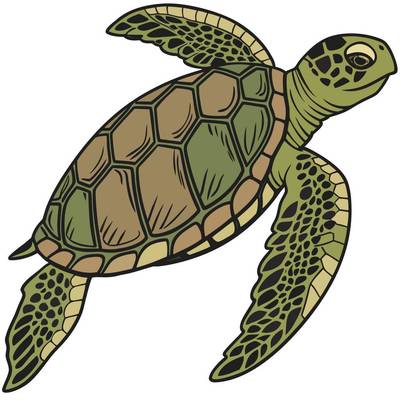
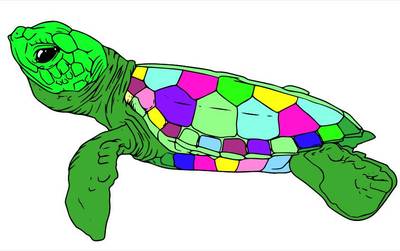
Sea turtle with detailed shell patterns – colored in by the community
-
by aino
 3 Likes


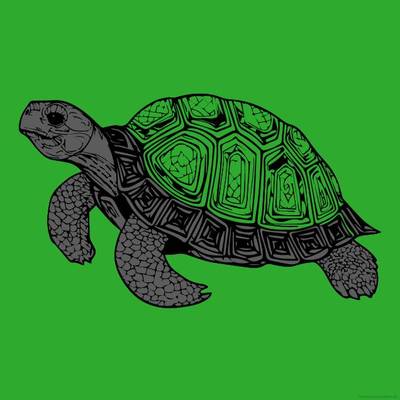
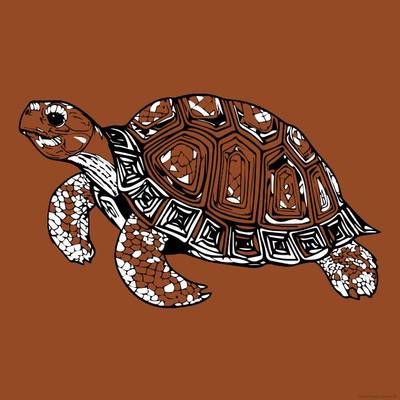
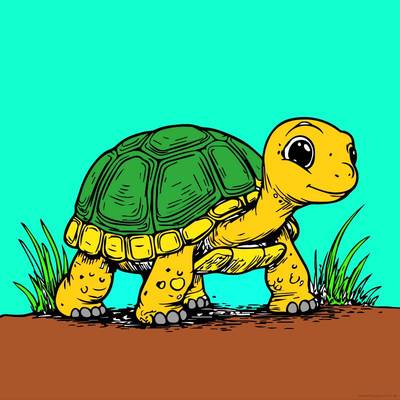
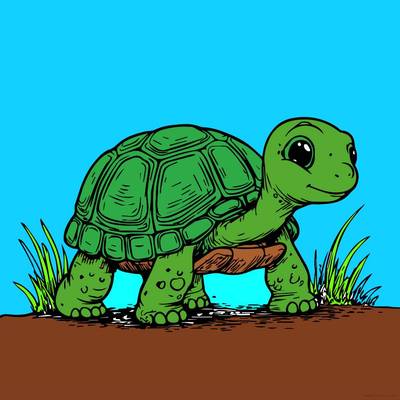
Big old turtle – colored in by the community
-
 2 Likes
-
 1 Likes

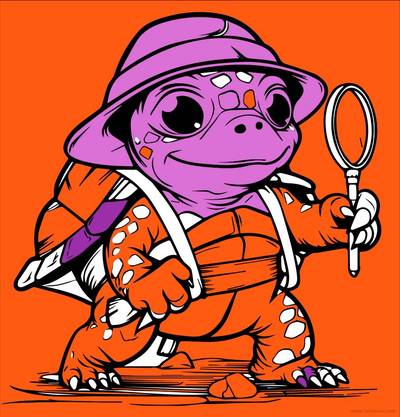
Turtle explorer coloring page – colored in by the community
-
 2 Likes






🎨 New coloring pages by email
Regularly get new free coloring pages straight to your inbox – no spam, unsubscribe anytime.
You’ll first get a confirmation email (double opt-in). Unsubscribe anytime with one click. Privacy Policy
Why Kids Love These Turtle Coloring Pages
- Coloring turtle shells and small details helps children develop fine motor skills and hand-eye coordination through controlled strokes.
- Parents and teachers can quickly print themed turtle pages for lesson starters, quiet time, or art centers without extra prep work.
- These pages teach basic concepts like colors, counting spots, and vocabulary in a relaxed, low-pressure activity.
- As a screen-free option, printing turtles offers a tactile, calming activity perfect for travel, waiting rooms, or classroom transitions.
Creative Ideas & Activities
- Turn a colored turtle into a textured collage by gluing tissue paper, felt scraps, or sequins to the shell for a sensory craft that only needs scissors and glue.
- Create a counting game by printing several turtles with different spot counts and having children sort them or add sticker spots to practice number recognition.
- Use a colored turtle as a story character: have each child name their turtle and write or dictate a short adventure to build storytelling and literacy skills.
- Combine art and science by labeling parts of the turtle on the page (shell, flippers, head) to teach basic anatomy while coloring.
- Make a memory matching game by printing pairs of turtle outlines, coloring them in distinct patterns, cutting them out, and playing a flip-and-match game.
- Assemble a simple puppet by mounting a colored turtle on cardboard and attaching a craft stick for hands-on role play during circle time.
- Use turtle pictures for math practice by asking children to draw food items for a turtle and solve simple addition or subtraction problems using the drawings.
- Create a classroom ocean mural where each child colors a turtle and adds sea plants or labels, then arranges all the turtles into a large collaborative display.
Frequently Asked Questions
Are these turtle coloring pages really free?
Yes, all coloring pages on this page are free to download and print. You can use them at home or in school without cost.
In what file formats are the coloring pages available and how should I print them?
The pages are available as PDF and JPG files, both of which are easy to print from most devices. For best results choose high-quality or “best” print settings and select “fit to page” if the image is larger than your paper size.
What ages are the turtle coloring pages suitable for?
These turtle pages suit a wide age range, from preschoolers practicing grip to early elementary students working on fine detail and creativity. Simple outlines work well for younger children while more detailed shells appeal to older kids.
Can I use the turtle coloring pages in my classroom or kindergarten?
Yes, classroom and kindergarten use is allowed and encouraged, so teachers may print and distribute the turtles for lessons, centers, or craft activities. They are also fine for personal use at home.
How do I get the best coloring results with these turtle pages?
Use heavier paper such as 90–110 lb cardstock or standard 24 lb printer paper for smoother coloring and less bleed-through, especially with markers. Crayons and colored pencils are great for blending and fine detail, while washable markers give bright, bold color—place a scrap sheet underneath to protect surfaces.