
Spring fever with this enchanting tulip coloring picture
 Author Mathias
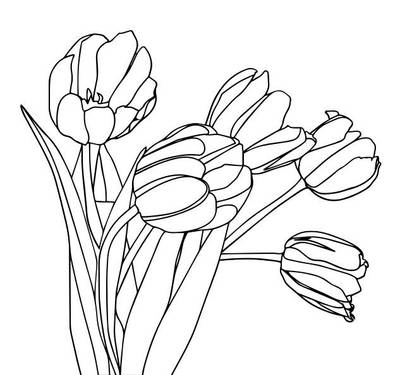
 If you love the simple elegance of a tulip, this tulip coloring page is a gentle way to bring that beauty into a child’s world. The design presents clear lines and open spaces so young artists can focus on choosing colors and practicing hand control without feeling overwhelmed. Each tulip coloring page is drawn to be approachable, whether a child wants to stick to realistic reds and yellows or invent a rainbow garden.
These tulip coloring pages are suitable for toddlers, preschoolers, and older kids alike: toddlers will enjoy large shapes and bold strokes, preschoolers can work on staying within the lines and naming colors, and older kids can experiment with shading and patterning. Use them at home for quiet time, in the classroom as a calming activity, for homeschool lessons about plants and seasons, or tucked into a travel pack to keep little hands busy on the go. Beyond fun, coloring supports fine motor development, color recognition, focus, and creativity; it also opens opportunities for conversation about nature and science. Warm and welcoming, these pages invite children to explore, relax, and learn while celebrating the cheerful tulip.

Simple tulip field and windmill – colored in by the community
-
by ines
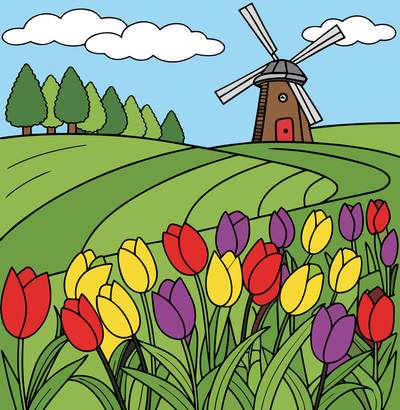 2 Likes

Detailed tulip field with windmill – colored in by the community
-
by greta
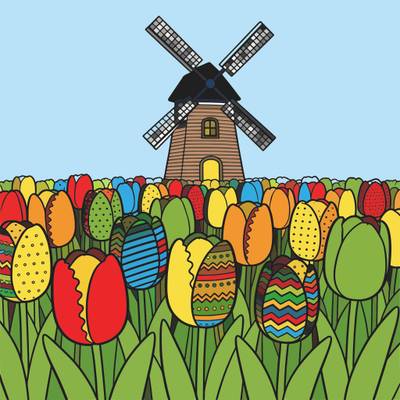 6 Likes

Cyclists passing a windmill tulip field – colored in by the community
-
by Sanne
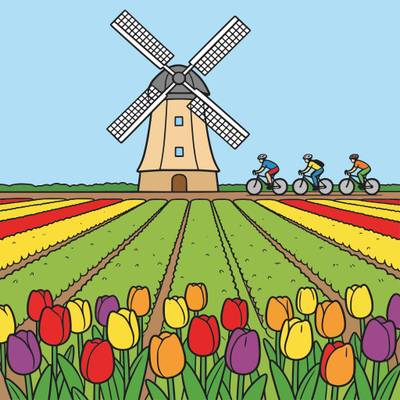 3 Likes

Simple tulip wreath with small flowers – colored in by the community
-
by Jasmin
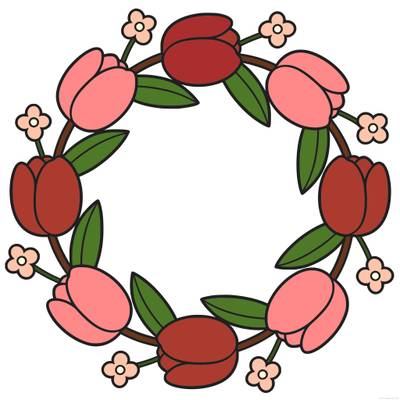 3 Likes
-
by henrik
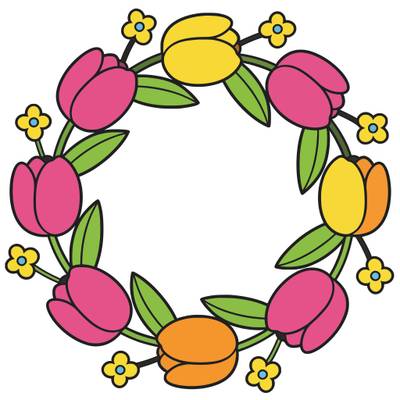 3 Likes
-
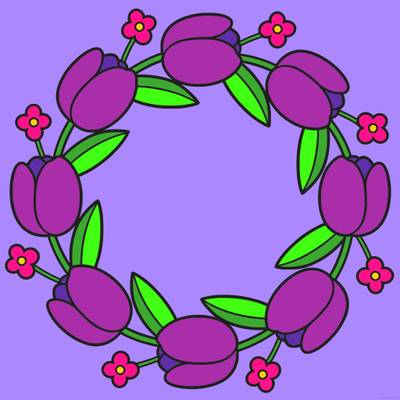 0 Likes

Simple side tulip with ladybug – colored in by the community
-
by Ostseewind
 2 Likes
-
by femke
 2 Likes
-
by Katze
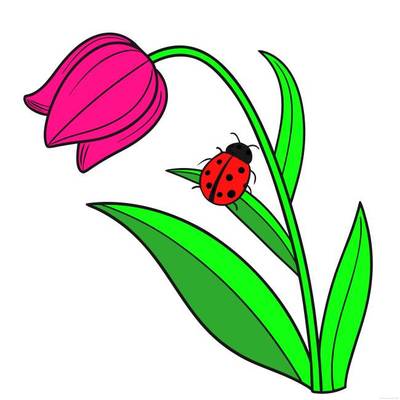 0 Likes

Simple tulip mandala circle – colored in by the community
-
by oma_renate
 2 Likes

Detailed tulip with ladybug on leaf – colored in by the community
-
by femke
 7 Likes

Detailed tulip mandala wheel – colored in by the community
-
by kat
 9 Likes

Tulip in a Dutch clog with ribbon – colored in by the community
-
by femke
 9 Likes
-
by Joline
 3 Likes
-
by Laura
 2 Likes

Tulip blooming in three stages – colored in by the community
-
by femke
 0 Likes

Simple pair of closed tulip buds – colored in by the community
-
 1 Likes

Detailed close-up of a tulip bud – colored in by the community
-
by marco
 5 Likes
Make Your Tulip Bloom on Paper: Simple Coloring Tips That Look Real
A tulip looks simple at first, but it has beautiful details that make it look fresh and real when colored carefully. With a few small tricks, the flower can look smooth, bright, and ready for spring.
What to Pay Special Attention to When Coloring a Tulip
- Petal shape: Tulip petals are often like a cup. Color a little darker near the bottom of the flower and lighter toward the top to show the curve.
- Petal edges: Many tulips have slightly darker edges or gentle shadows where petals overlap. Keep those lines clear so the flower doesn’t look flat.
- Overlapping parts: If one petal sits in front of another, make the back petal a tiny bit darker to help it “sit behind.”
- Stem smoothness: The stem is usually even and smooth. Use long strokes in the same direction to make it look straight and strong.
- Leaf veins: Tulip leaves can have a center line and soft side veins. Leave a thin lighter line or use a slightly darker green to show the veins.
- Shadows at the base: Where the flower meets the stem, add a small darker area to make the bloom look connected and sturdy.
Helpful hint: Press lightly first, then add a second layer for darker parts. This keeps the tulip looking smooth instead of patchy.
Realistic Tulip Colors (With Easy Visual Swatches)
These are common, realistic colors for tulips and their parts. Use the table as a quick guide while coloring.
| Part of the Tulip | Realistic Color | Color Hint |
|---|---|---|
| Petals (classic red) | Red | #D32F2F |
| Petals (soft pink) | Pink | #F48FB1 |
| Petals (bright yellow) | Yellow | #FBC02D |
| Petals (deep purple) | Purple | #6A1B9A |
| Petals (white tulip) | Warm White | #F5F5F5 |
| Petal shadows | Dark Red (shadow tone) | #8E1B1B |
| Stem | Medium Green | #43A047 |
| Leaves | Leaf Green | #2E7D32 |
| Leaf veins / deeper areas | Dark Green | #1B5E20 |
Quick Steps for a Neat, Realistic Finish
- Color the petals lightly first, staying inside the lines.
- Add a second layer near the petal bottoms and under overlaps for gentle shadows.
- Fill the stem with long, smooth strokes.
- Color the leaves and add slightly darker green along the center line for simple veins.
Parent/teacher tip: Encourage slow coloring around the petal edges first. Clean edges make the tulip look crisp and polished.


Tulips garden scene – colored in by the community
-
 7 Likes
-
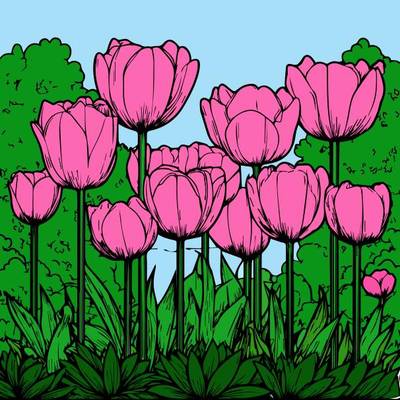 6 Likes

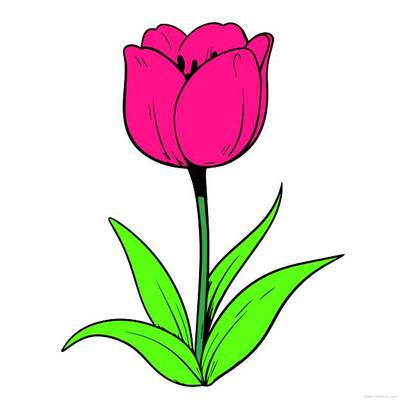
Tulip flower coloring page – colored in by the community
-
 0 Likes

Scissors, Glue, Bloom! Tulip Crafts Kids Can Make
Pop-Up Tulip Card Surprise
✂️ You need: colored tulip coloring page, cardstock, scissors, glue stick, crayons or markers
- Color the tulip and cut it out.
- Fold a piece of cardstock in half to make a card.
- Fold the tulip gently down the middle and glue only one side inside the card.
- Close the card, press, and open it to see the tulip pop up.
💡 Supports: fine motor skills, creativity, hand-eye coordination
3D Tulip on a Stick
✂️ You need: tulip coloring page, green paper, straw or craft stick, tape or glue, scissors, crayons or markers
- Color the tulip and cut it out.
- Cut a long green strip for the stem and two leaves.
- Tape or glue the stem to a straw or craft stick.
- Glue the tulip on top and bend the leaves a little to make them pop.
💡 Supports: spatial thinking, scissor control, imaginative play
Classroom Tulip Garden Wall Mural
✂️ You need: several tulip coloring pages, large paper or poster board, glue, crayons or markers, green paper scraps, optional cotton balls
- Color lots of tulips and cut them out.
- Glue the tulips onto a big paper to make a garden.
- Add stems and leaves with green paper scraps.
- Stick on cotton balls for fluffy clouds if you want.
💡 Supports: teamwork, planning, creativity

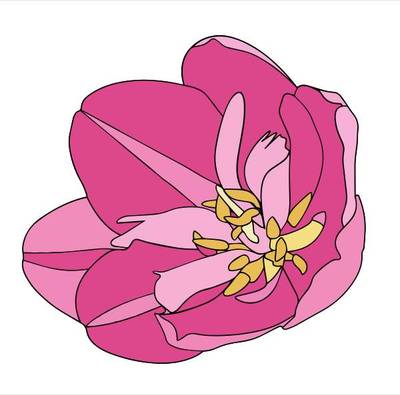
Tulip in full bloom – colored in by the community
-
by Venla
 6 Likes



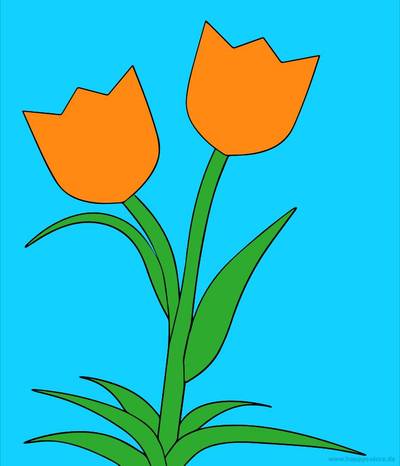


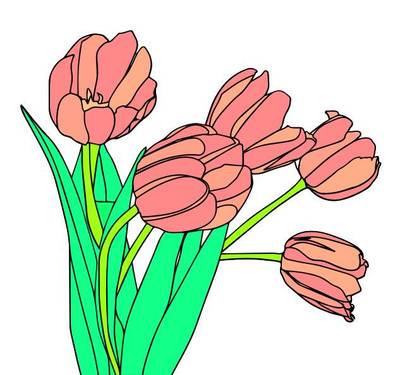
Tulips with stem – colored in by the community
-
 1 Likes
-
 0 Likes
Did You Know? 5 Colorful Facts About Tulips
Tulips Can Be Almost Any Color!
Tulips come in bright reds, sunny yellows, pinks, purple, and even super-dark “almost black” shades—but true blue tulips don’t grow naturally. Encyclopedia Britannica
A Tulip Is a Hidden Bulb
When you plant a tulip bulb, it’s like tucking a tiny lunchbox underground—packed with stored food that helps the plant pop up in spring. Arbor Day Foundation
They Follow the Sun a Little
On warm, sunny days, many tulip flowers open wider, and when it’s cooler or darker they can close up again—like a flower doing a gentle “good night” move. National Geographic
Michigan Loves Tulips Big-Time
In Holland, Michigan, people celebrate spring with a famous tulip festival and huge gardens full of blooms—turning the town into a rainbow of petals. PBS
One Bulb Can Make More Bulbs
After a tulip grows, the main bulb can create “baby” bulbs (called offsets). Later, those babies can grow into new tulip plants, too! National Geographic

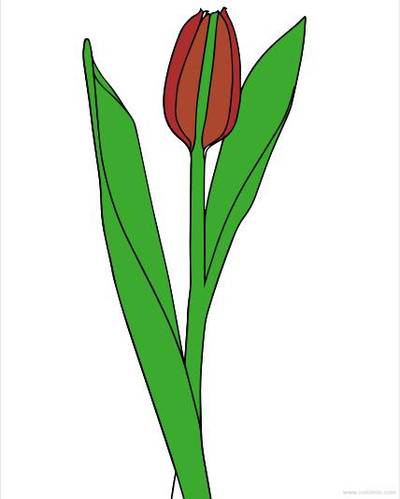
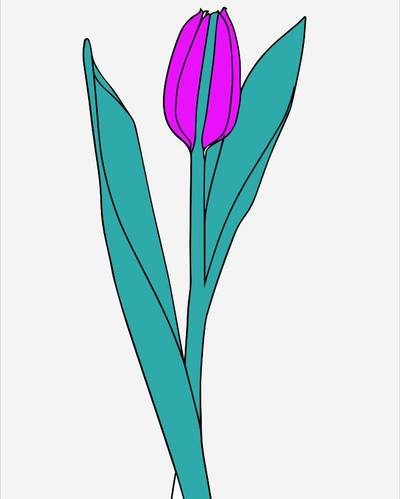
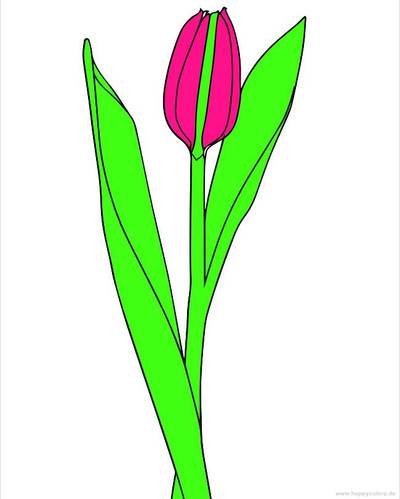
Tulip with stem – colored in by the community
-
by user-6aha42
 5 Likes
-
 2 Likes
-
by Katze
 0 Likes
🎨 New coloring pages by email
Regularly get new free coloring pages straight to your inbox – no spam, unsubscribe anytime.
You’ll first get a confirmation email (double opt-in). Unsubscribe anytime with one click. Privacy Policy
Why Kids Love These Tulip Coloring Pages
- Coloring tulip shapes helps children develop fine motor control and practice color recognition as they fill petals and stems.
- Teachers and parents can use printable tulip pages for low-prep lessons, quiet-time activities, or quick assessment of cutting and coloring skills.
- All coloring pages on this page are free to download and print and can be used for free at school and in kindergarten, making them budget-friendly for classroom use.
- As a screen-free activity, tulip coloring encourages focus, creativity, and calm independent play without devices.
Creative Ideas & Activities
- Make tulip greeting cards by folding cardstock in half, coloring a tulip on the front, and writing a short note inside for holidays or teacher appreciation.
- Create a tulip collage by cutting colored construction paper into petal shapes and gluing them onto a printed outline for a textured art piece.
- Use tulip pages for a simple science lesson: label parts of the flower, color each part, and discuss how plants grow from bulbs to blooms.
- Turn tulip cutouts into a matching game by printing pairs, coloring them differently, and having children find the matching designs.
- Run a color-by-number tulip activity to practice number recognition and following directions, using crayons or colored pencils for precision.
- Set up a storytelling prompt: each child colors a tulip and then invents a short story about where that tulip lives and who takes care of it.
- Build a classroom tulip garden mural by having each student color a tulip, laminate or mount them, and arrange the flowers on a bulletin board.
- Make tulip puppets by attaching colored tulip cutouts to craft sticks and using them for role-play or counting songs during circle time.
Frequently Asked Questions
Are these tulip coloring pages free to download and print?
Yes, all coloring pages on this page are free to download and print. You can print as many copies as you need for home, school, or kindergarten use.
What file formats are available for printing the tulip pages?
The coloring pages are available in common formats like PDF and JPG for easy printing on home or school printers. PDFs are ideal for multi-page printouts and consistent layout, while JPGs work well for single images and quick prints.
What ages are these tulip coloring pages suitable for?
These tulip pages are suitable for preschoolers through early elementary students, with simpler designs for younger children and more detailed tulips for older kids. Teachers can easily adapt the same sheet for different ages by adding tracing or labeling tasks.
Can I use these tulip coloring pages in my classroom or kindergarten?
Yes, you may use these coloring pages for classroom activities, centers, or take-home sheets; classroom use is allowed and free. They work well for group projects, rewards, and lesson extensions.
How can I get the best coloring results for tulips (paper, crayons, markers, etc.)?
For best results, print on slightly heavier paper (24 lb or light cardstock) to reduce marker bleed and make colors pop. Use crayons or colored pencils for fine detail and markers for bold color, and place a scrap sheet underneath to protect surfaces while children color.