
Vibrant green or shiny gold: the painting template with a tree for every season
 Author Mathias
Simple tree with squirrel and birdhouse – colored in by the community
-
by Venla
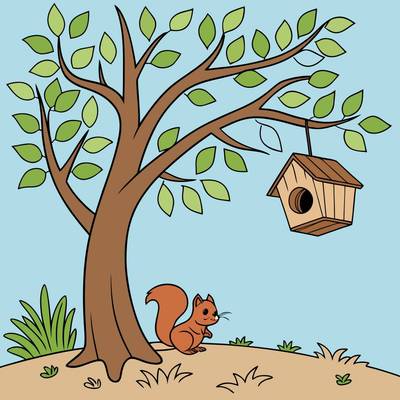 4 Likes

Close-up tree with squirrel and birdhouse – colored in by the community
-
by Venla
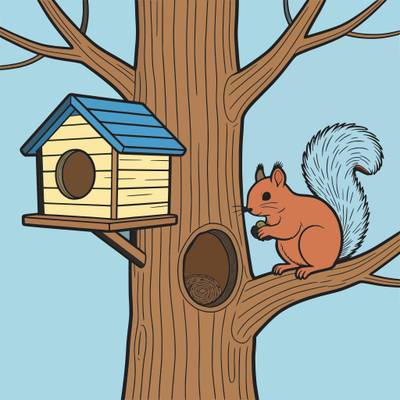 5 Likes

Simple treehouse with rope ladder – colored in by the community
-
by Venla
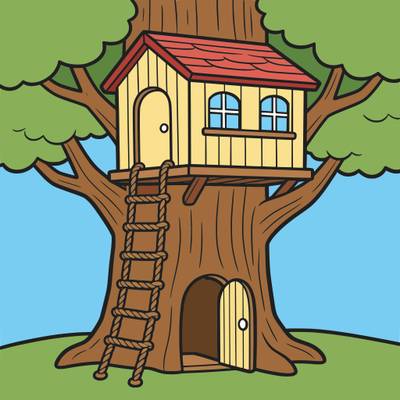 2 Likes

Snowy Christmas tree with presents – colored in by the community
-
by astrid
 3 Likes

Tree with playful animals – colored in by the community
-
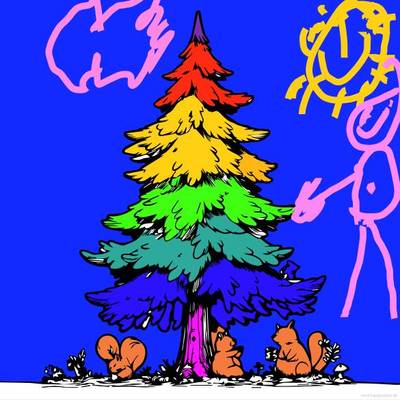 1 Likes

Simple snowy pine tree in winter forest – colored in by the community
-
by Finn0503
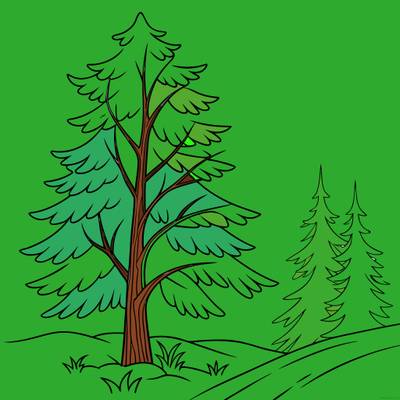 6 Likes
-
by chloe
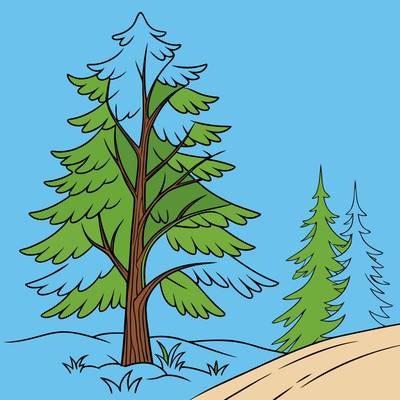 1 Likes

Simple beach hammock between palm trees – colored in by the community
-
by chloe
 1 Likes

Palm tree and treasure chest on island – colored in by the community
-
by jack
 0 Likes

Cute oak tree with squirrels and acorns – colored in by the community
-
by oldtimer_klaus
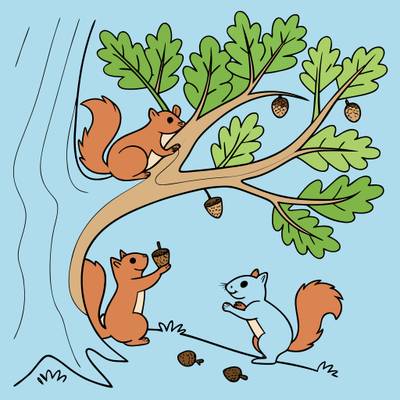 5 Likes

Leafy family tree with photo frames – colored in by the community
-
by Ingrid
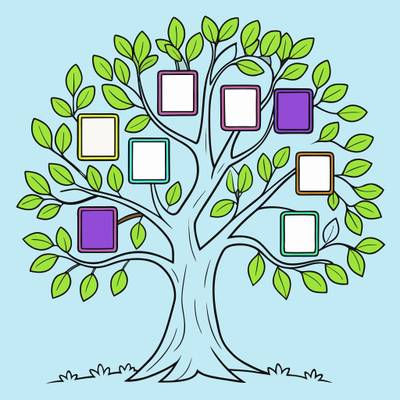 4 Likes

Oak tree with tire swing and kids – colored in by the community
-
by Ingrid
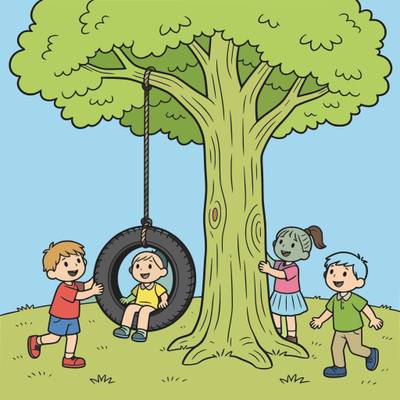 2 Likes

Decorative family tree with photo frames – colored in by the community
-
by ines
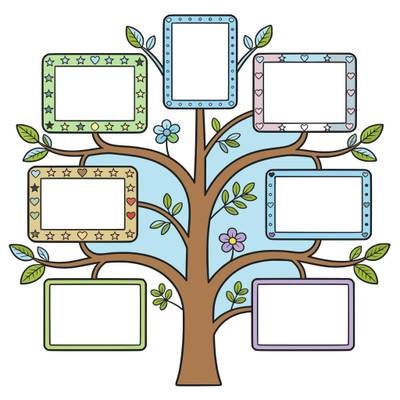 2 Likes
Bring Your Tree to Life: Simple Coloring Tips for Bark, Leaves, and Branches
A tree may look simple at first, but it has lots of parts that make it interesting. When coloring, take it step by step: start with the trunk and branches, then add the leafy top, and finally any little details like knots, lines, or roots.
Quick Hint: Press lightly for the first layer of color. You can always make it darker later, but it’s harder to fix a color that is too heavy.
What to Notice While Coloring a Tree
- Bark texture: Many tree trunks have lines, cracks, or bumpy patterns. Follow the outline shapes and keep the lines visible by coloring gently around them.
- Branch shapes: Branches usually get thinner near the tips. Try making the color a little lighter as the branch gets thinner.
- Leaf groups: Leaves often look like “cloudy” clumps. Color in small, soft patches so the treetop doesn’t become one flat block of color.
- Light and shadow: Pick one side to be slightly darker (like the side away from the sun). This makes the tree look more real.
- Small details: If your page shows knots, holes, or roots, color them a bit darker than the trunk so they stand out.
Realistic Colors That Work Well for a Tree
These colors match many common trees. Use the table as a guide for a natural-looking result.
| Tree Part | Color Suggestion | Color Block |
|---|---|---|
| Trunk (base) | Dark Brown | #5D4037 |
| Bark (lighter areas) | Medium Brown | #8D6E63 |
| Bark highlights | Warm Tan | #C8A165 |
| Branches | Brown | #6D4C41 |
| Leaves (sunny areas) | Light Green | #8BC34A |
| Leaves (deeper areas) | Leaf Green | #4CAF50 |
| Leaf shadows | Dark Green | #2E7D32 |
| Roots (if shown) | Deep Brown | #4E342E |
Helpful Hints for a Neat, Natural Tree
- Color the trunk in the direction the bark lines go (usually up and down) to make it look more like real wood.
- Use two greens in the treetop: one lighter and one darker. This helps the leaves look full instead of flat.
- If you see tiny spaces between leaf shapes, leave a few little gaps so the treetop looks airy and not too heavy.
- Keep outlines clean by coloring slowly near the edges first, then filling in the middle.
Parent/Teacher Note: This page is great for practicing careful hand movements. Coloring bark lines and small leaf areas helps build steady control for writing.

Close-up cherry blossom branch – colored in by the community
-
by Sanne
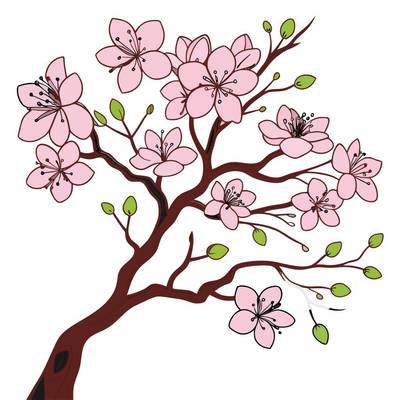 7 Likes

Cute kimono girl under cherry blossoms – colored in by the community
-
by Isabelle_Leite
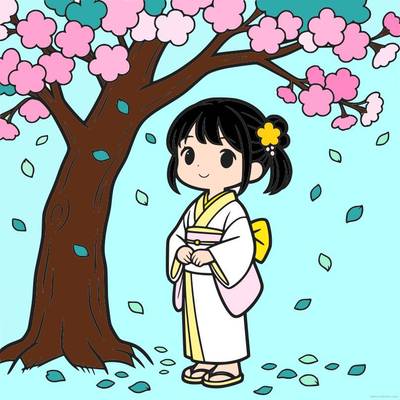 3 Likes
-
by manfred
 3 Likes

Cherry blossom tree in a Japanese garden – colored in by the community
-
by Ingrid
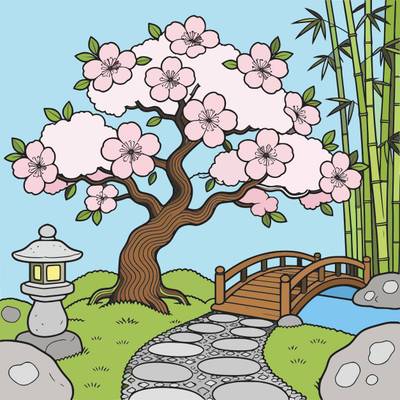 2 Likes

Scissors, Glue, Grow! Tree Crafts That Pop
Make a Puffy Cotton Tree!
✂️ You need: printed tree coloring page, cotton balls, glue stick or white glue, crayons or markers
- Color the tree trunk and branches.
- Pull cotton balls into small fluffy pieces.
- Glue the cotton onto the treetop area to make soft leaves.
💡 Supports: fine motor skills, sensory play, creativity
Stand-Up 3D Tree Display
✂️ You need: tree coloring page, cardstock or a cereal box piece, scissors, glue, pencil
- Color the tree and cut it out carefully.
- Trace the tree onto cardstock and cut out the backing.
- Glue the colored tree on top and add a folded paper stand to the back.
💡 Supports: scissor practice, spatial thinking, patience
Classroom Forest Wall Collage
✂️ You need: several tree coloring pages, crayons or markers, large paper (poster size), glue, scrap paper for grass and sky
- Color and cut out each tree.
- Glue blue and green scrap paper onto the big poster for sky and grass.
- Arrange the trees and glue them down to make a forest.
💡 Supports: teamwork, planning, creativity

Simple winter tree with cardinal – colored in by the community
-
by oma_renate
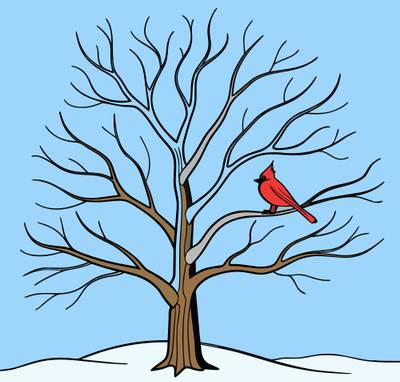 2 Likes

Detailed cardinal on a snowy tree – colored in by the community
-
by Venla
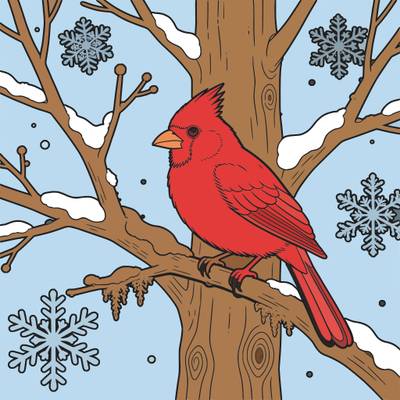 2 Likes

Autumn tree house with kids climbing – colored in by the community
-
by Isabelle_Leite
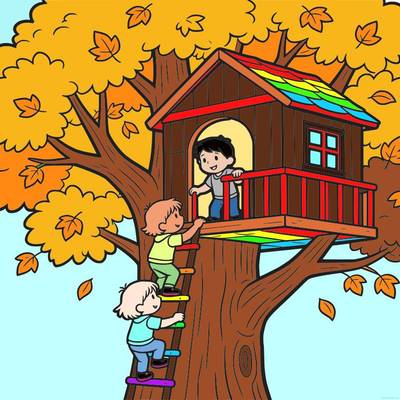 1 Likes

Cute child picking apples from a tree – colored in by the community
-
by Aada
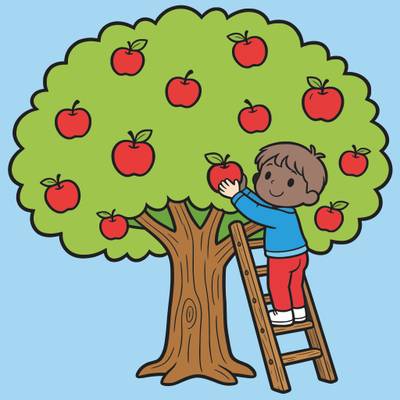 4 Likes
Did You Know? 5 Leafy Secrets About Trees
Trees Drink Through Tiny Straws!
Inside a tree trunk are tiny tubes that pull water up from the roots to the leaves—almost like a bunch of teeny straws working together. U.S. Forest Service
Leaves Make “Tree Food”
When sunlight shines on leaves, they can use light, air, and water to make sugar for the tree—this is how many trees power their growth. NASA
Some U.S. Trees Are Giants
In places like California’s national parks, giant sequoias can grow unbelievably huge, with trunks so wide it can take many kids holding hands to circle one. National Park Service
Trees Can Be Animal Apartments
Hollows, branches, and bark can become homes for birds, squirrels, and insects—one tree can be like a busy neighborhood in North America. National Wildlife Federation
Planting Trees Has Its Own Day
In the United States, Arbor Day is a special time when people plant and celebrate trees, helping make communities greener and shadier. Arbor Day Foundation


Swing under a tree – colored in by the community
-
by manfred
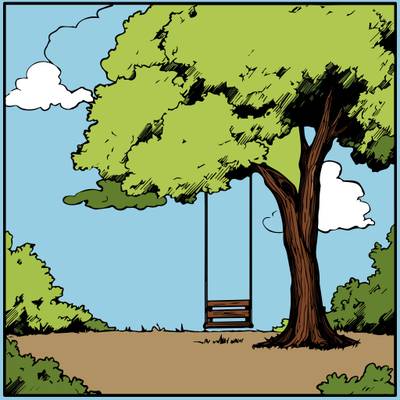 2 Likes

Tree with falling leaves – colored in by the community
-
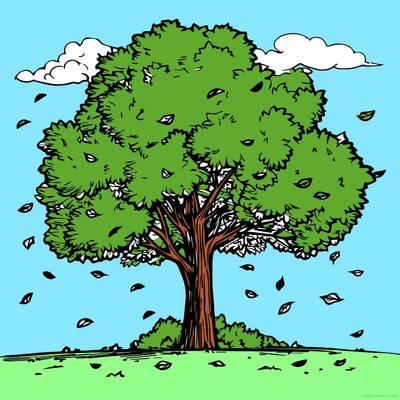 0 Likes


A vibrant apple tree. – colored in by the community
-
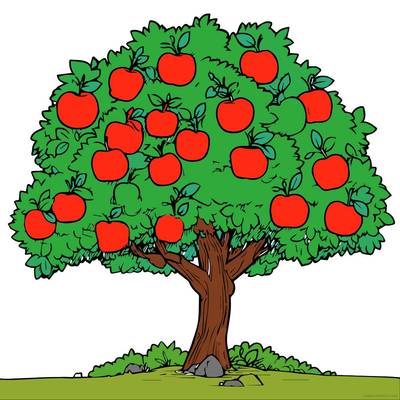 2 Likes


Tree with thin trunk – colored in by the community
-
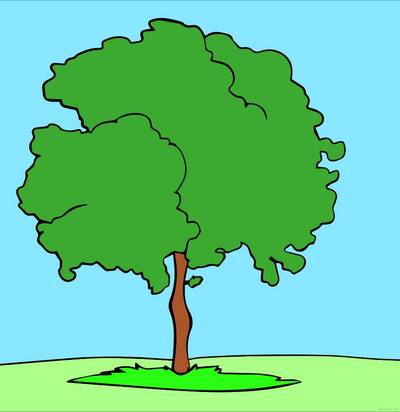 0 Likes

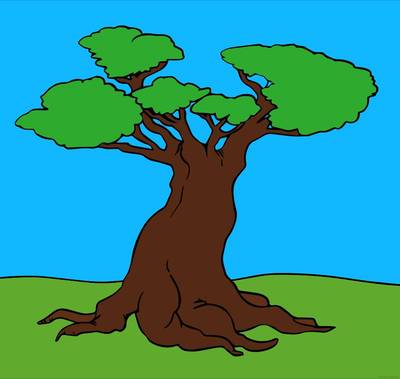
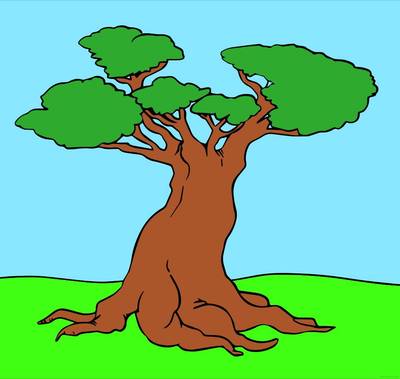
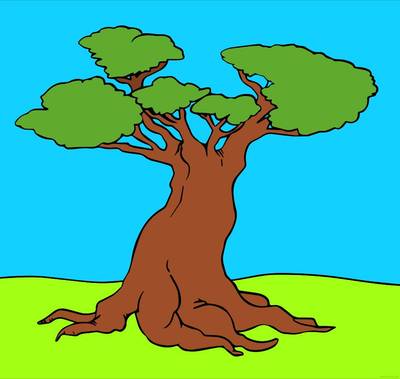

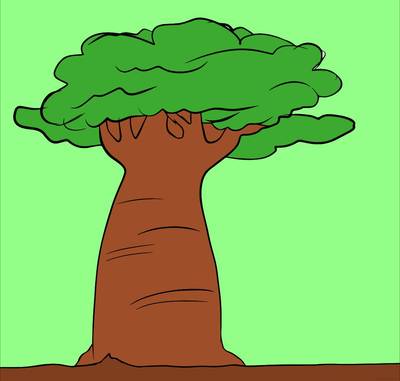
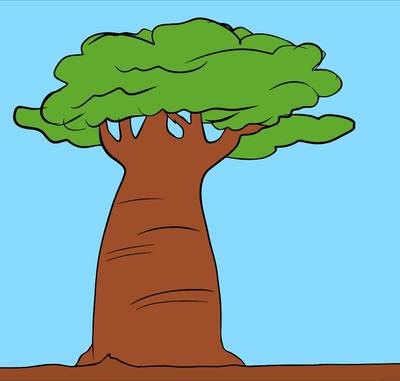
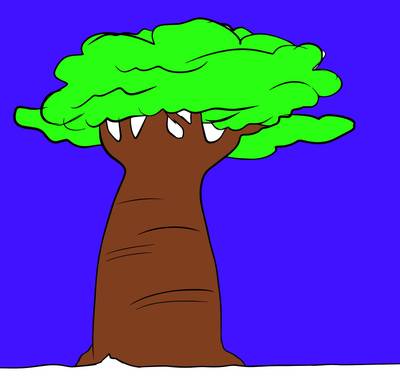
Tree with strong trunk – colored in by the community
-
 0 Likes
-
 0 Likes
-
 0 Likes

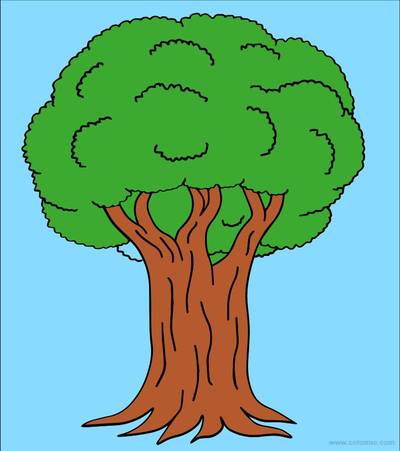
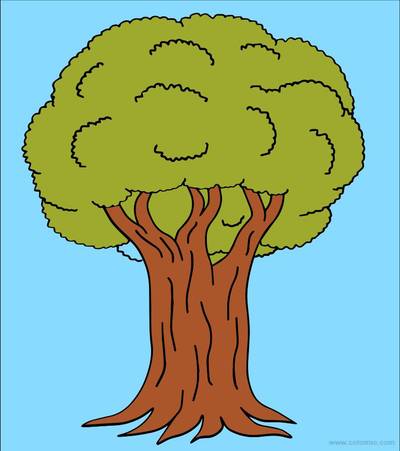
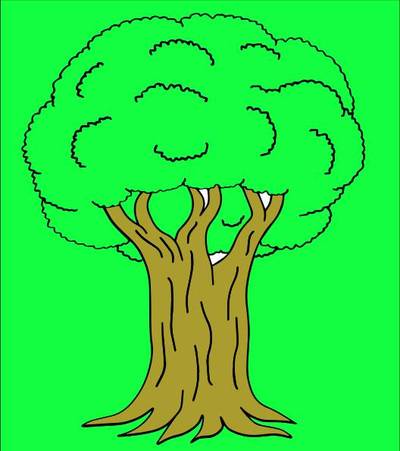

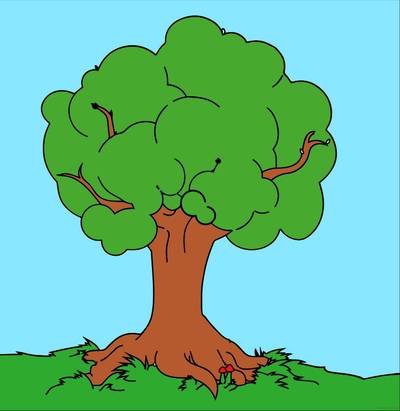
Tree with big treetop – colored in by the community
-
 1 Likes
-
 0 Likes

Multi-stemmed tree – colored in by the community
-
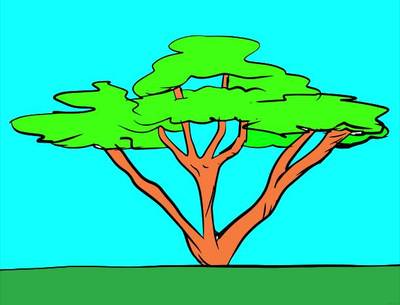 1 Likes
-
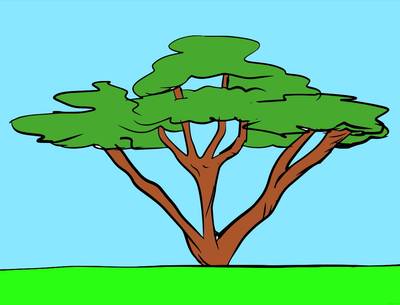 0 Likes
-
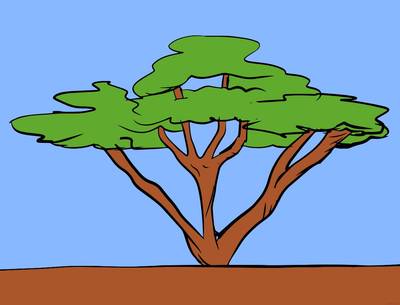 0 Likes

Tree with shrubbery – colored in by the community
-
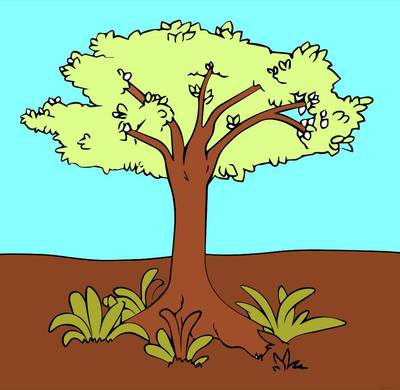 1 Likes
-
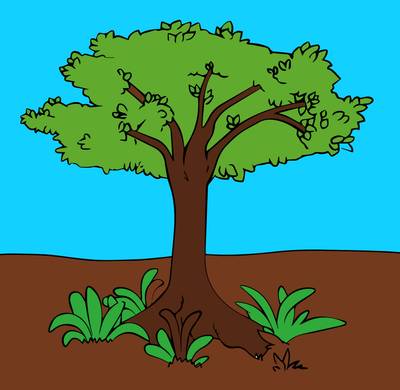 1 Likes
-
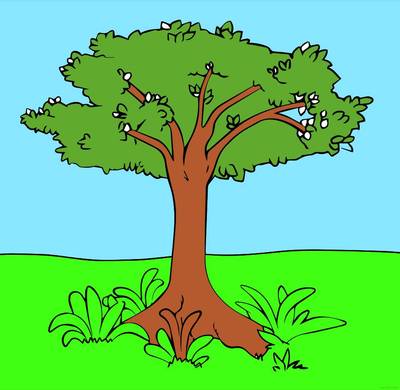 0 Likes
🎨 New coloring pages by email
Regularly get new free coloring pages straight to your inbox – no spam, unsubscribe anytime.
You’ll first get a confirmation email (double opt-in). Unsubscribe anytime with one click. Privacy Policy