
Here are dots for painting: Ladybug coloring picture to print out
 Author Mathias
 A cheerful ladybug coloring page can be a simple, joyful way for children to explore color, shape, and fine motor skills. These ladybug coloring pages are printable or drawn sheets that show one or more friendly beetles—some with big spots, some on leaves, and some paired with flowers or numbers—ready for crayons, markers, or watercolor pencils. Designed with clear lines and appealing shapes, each coloring page gives kids a chance to practice staying inside the lines, learn about symmetry, and express their creativity at their own pace.
Suitable for toddlers, preschoolers, and older kids alike, a ladybug coloring page can be adapted by age: babies and toddlers enjoy bold, chunky shapes; preschoolers can try matching colors and counting spots; older children can add patterns or backgrounds. Use them at home, in the classroom, for homeschool lessons, on a tablet during travel, or as quiet-time activities after school. Beyond pure fun, these pages support hand-eye coordination, concentration, vocabulary (like “antenna” and “thorax”), and even early math when counting spots. Whether you’re encouraging art exploration or easing into a nature-themed lesson, ladybug coloring pages offer a warm, low-pressure way for children to learn and create.

Detailed zentangle ladybug design – colored in by the community
-
by Isabelle_Leite
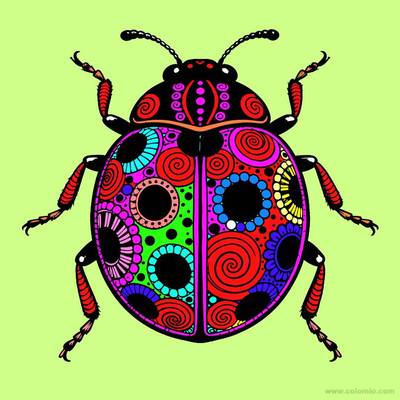 14 Likes
-
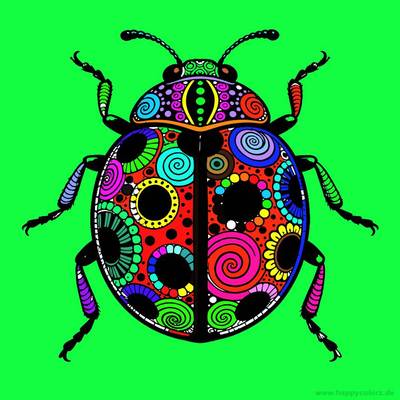 9 Likes

Close-up ladybug and butterfly – colored in by the community
-
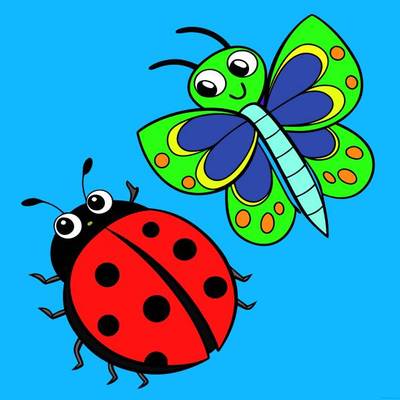 7 Likes

Ladybug in grass with butterfly – colored in by the community
-
by tiago
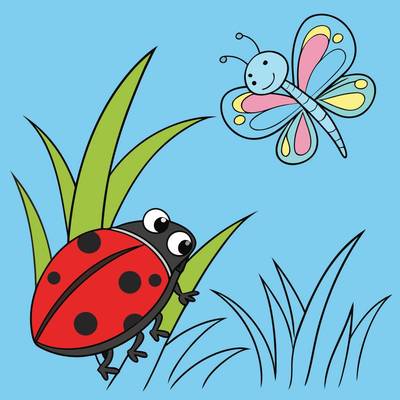 4 Likes







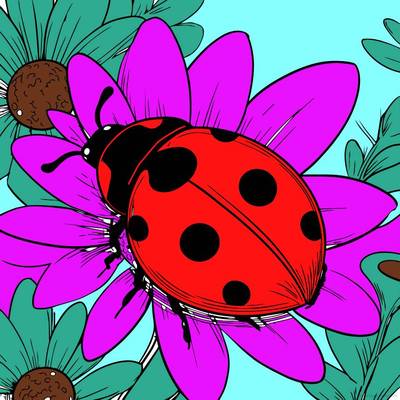
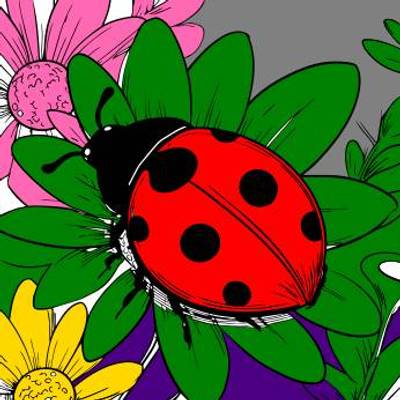



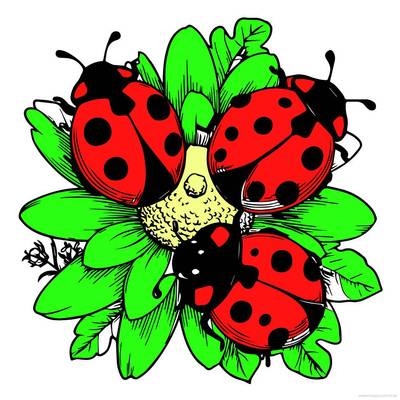





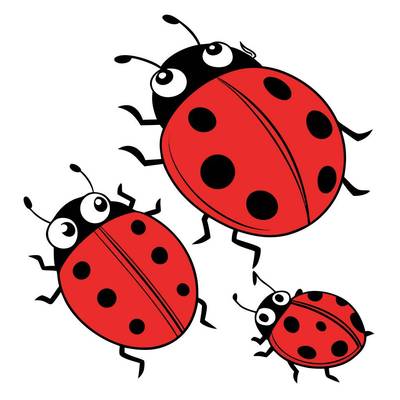
Cute cartoon ladybug family – colored in by the community
-
by sasi
 6 Likes
-
by Katze
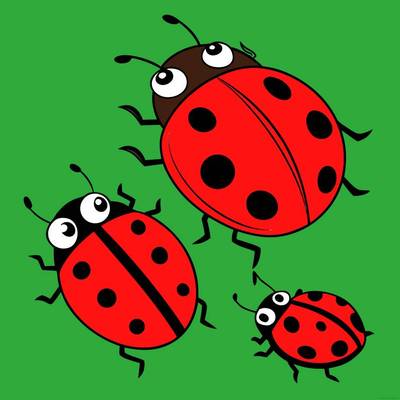 1 Likes

Cute ladybug in a flower garden – colored in by the community
-
by Manon
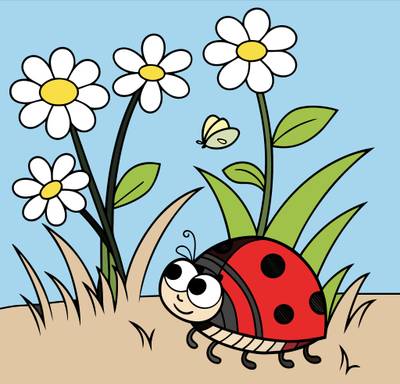 3 Likes

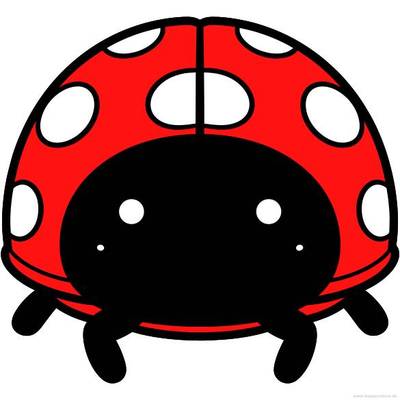
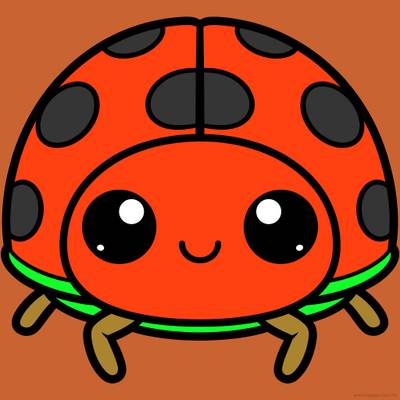




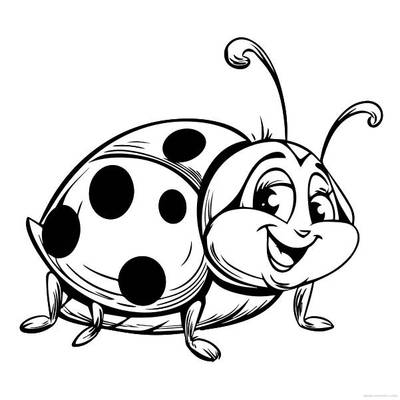

Make Your Ladybug Spots Pop! Simple Coloring Tips for a Realistic Little Beetle
A ladybug may look small, but it has lots of fun details. With a steady hand and a little patience, children can make the round spots, smooth wings, and tiny face look neat and lifelike.
What to Notice While Coloring a Ladybug
- Spots and symmetry: Many ladybugs have spots that look balanced on both sides. Coloring the left and right spots evenly helps the picture look tidy.
- Wing covers (elytra): The hard red (or orange) wing covers are usually smooth and shiny. Using even pressure makes the color look smooth instead of streaky.
- Center line: Ladybugs have a line down the middle where the wing covers meet. Keeping that line clean makes the wings look like they can open.
- Head and pronotum: The head is small, and the “shield” behind it is often black with light patches. Careful coloring here helps the face stand out.
- Legs and antennae: These are thin and easy to color outside the lines. Short, gentle strokes work best for these tiny parts.
- Edges and curves: Ladybugs are round. Following the curve with your coloring strokes can make the body look more 3D.
Helpful hint: Color the large body areas first, then finish with the small details (spots, legs, antennae). This keeps the picture looking clean and organized.
Realistic Ladybug Colors (With Easy Visual Swatches)
| Ladybug Part | Realistic Color | Color Hint |
|---|---|---|
| Wing covers (main body) | Ladybug Red | #D32F2F |
| Wing covers (common variation) | Orange-Red | #F4511E |
| Spots | Black | #1A1A1A |
| Head | Black | #1A1A1A |
| Shield behind head (pronotum) | Black | #1A1A1A |
| Light patches on pronotum (if shown) | Cream / Pale Yellow | #F3E5AB |
| Legs | Dark Gray-Black | #2F2F2F |
| Antennae | Dark Gray-Black | #2F2F2F |
| Body underside (if visible) | Very Dark Brown | #2B1B14 |
Neat Finishing Touches
- Keep the spots solid and dark so they stand out clearly against the red wings.
- Leave a tiny uncolored edge along the center line to help the wings look separated.
- If the page shows highlights (small white shapes), leaving them white can make the ladybug look shiny and real.

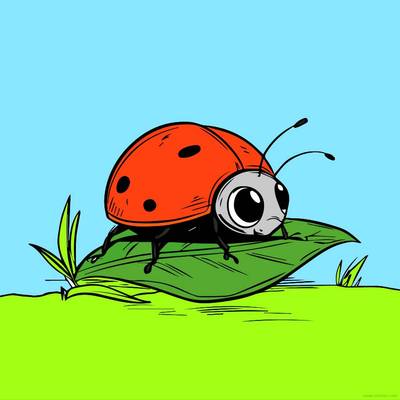
Ladybug on a leaf – colored in by the community
-
 0 Likes

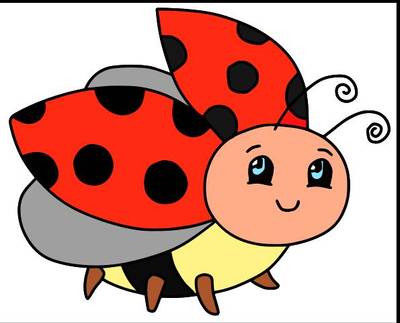
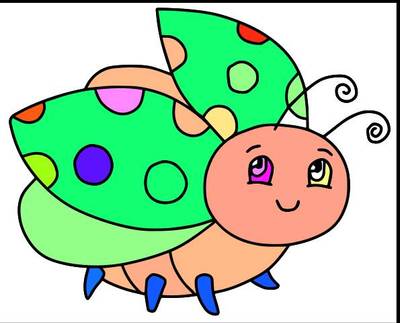
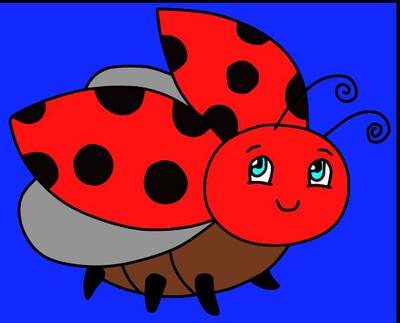


Scissors, Glue, Go! Ladybug Craft Fun
Fold-and-Flip Ladybug Puppet
✂️ You need: ladybug coloring page, crayons or markers, scissors, glue stick, craft stick (or a strip of cardstock), googly eyes (optional)
- Color the ladybug and cut it out.
- Fold the wings slightly upward so they can “open.”
- Glue a craft stick to the back and add eyes.
💡 Supports: fine motor skills, creativity, storytelling
3D Ladybug Paper Dome
✂️ You need: red paper or cardstock, black paper, scissors, glue, pencil, small paper circle (optional)
- Cut a red circle and fold it in half twice.
- Unfold and gently push the center up to make a dome.
- Glue on a black head and add paper dots.
💡 Supports: spatial thinking, hand control, planning
Classroom Ladybug Wall Garden
✂️ You need: several ladybug coloring pages, crayons or markers, scissors, tape or glue, green paper, brown paper, optional leaves or twigs
- Color and cut out many ladybugs.
- Cut a big green “garden” background and add stems.
- Tape the ladybugs onto the garden to make a wall display.
💡 Supports: teamwork, creativity, scissor practice


Did You Know? 5 Spot-On Facts About Ladybugs
Not All Ladybugs Are Red!
Some ladybugs are yellow, orange, brown, or even black—and their spots can change from species to species, like tiny “paint jobs” in nature. National Geographic Kids
Aphid Snack Machines at Work
Ladybugs help gardens by eating soft, plant-sucking bugs called aphids, which can protect flowers and crops without any superhero cape. U.S. Forest Service
They Wear “Warning Colors”
Those bright colors are a clue to other animals: “Don’t eat me!” Ladybugs can ooze a smelly, yucky-tasting liquid from their legs to help stay safe. Wikipedia
Winter Sleep in Big Groups
When it gets cold, many ladybugs tuck themselves into sheltered spots and may gather in groups to overwinter—like a cozy bug “sleepover.” National Park Service
A Ladybug Loved in the U.S.
The seven-spotted ladybug is the official state insect of Delaware, a small U.S. state that picked this helpful beetle as a proud symbol. National Park Service
🎨 New coloring pages by email
Regularly get new free coloring pages straight to your inbox – no spam, unsubscribe anytime.
You’ll first get a confirmation email (double opt-in). Unsubscribe anytime with one click. Privacy Policy
Why Kids Love These Ladybug Coloring Pages
- Coloring ladybug pages helps develop fine motor skills and hand-eye coordination as children practice staying within the spots and outlines.
- Teachers and parents can use the printable ladybug sheets for quick lesson supplements, counting exercises, and themed classroom centers with minimal prep.
- These printable activities are a great screen-free option because they spark imagination, encourage focused play, and require only basic supplies like crayons or markers.
- Varied levels of detail in the ladybug designs let children progress from simple shapes to more intricate patterns, building confidence and patience.
Creative Ideas & Activities
- Turn a ladybug coloring page into a 3D paper craft by printing two copies, coloring them, cutting out the body and wings, and gluing the wings slightly raised for a pop-up effect.
- Create a counting game by assigning each ladybug a number and having kids add or remove paper “spots” to match the number, reinforcing basic math skills with hands-on play.
- Use a colored ladybug as a story starter: ask children to name their ladybug, draw its habitat, and write or tell a short adventure about where it travels.
- Teach a simple science lesson by labeling parts of the ladybug on the page and discussing life stages, then have children color each stage in different hues.
- Make a matching or memory game by coloring pairs of ladybugs with matching spot patterns or colors, cutting them out, and playing face-down memory flip cards.
- Create personalized name badges or desk tags by having students color a ladybug, write their name on the wings, and laminate the page for classroom use.
- Practice letters and phonics by writing a letter on each spot and asking kids to find items or words that start with the letter on their ladybug.
- Assemble a collaborative classroom mural by having each child color a ladybug, cut it out, and arrange all the ladybugs on a bulletin board to form a giant garden scene.
Frequently Asked Questions
Are these ladybug coloring pages free to download and print?
Yes, all coloring pages on this page are free to download and print. You can use them at home or in educational settings without cost.
In what file formats can I download the coloring pages and how should I print them?
The coloring pages are available as PDF and JPG files for easy downloading and printing. For best results print at actual size on standard letter paper or cardstock, and choose a heavier paper if you plan to use markers or to display the finished work.
What ages are these ladybug coloring pages suitable for?
These pages are suitable for a wide range of ages, from toddlers and preschoolers to early elementary students, with designs ranging from simple to detailed. Younger children may benefit from supervision and simpler pages, while older kids can enjoy intricate patterns and related activities.
Can I use these coloring pages in my classroom or kindergarten?
Yes, you can use these ladybug coloring pages for free at school and in kindergarten; classroom use is allowed. They are ideal for centers, lessons, crafts, and take-home activities.
How can I get the best coloring results with crayons, markers, or colored pencils?
Use heavier paper or light cardstock for markers to prevent bleed-through, and choose colored pencils for fine detail or crayons for younger children’s grip and control. Test markers on a scrap sheet first, layer colors lightly for richer tones, and consider outlining with a darker color to make the ladybug design pop.