More color in spring: Coloring pictures with flowers and blossoms
 Author Mathias
 A simple flower coloring page can open a tiny door to big imagination. These printable flower outlines range from very basic blooms for little hands to more detailed garden scenes for older kids, and each coloring page is designed to encourage exploration of color, shape, and pattern. Whether a child chooses a single daisy or a bouquet of wildflowers, the act of coloring a flower helps them notice petals, stems, and symmetry while enjoying a calm, hands-on activity. The pages are easy to print or display on a tablet, and they invite children to experiment with crayons, markers, or watercolors.
These flower coloring pages are suitable for toddlers, preschoolers, and older kids alike: simple pages build fine motor skills and color recognition for toddlers, while more intricate designs challenge older children’s focus and creativity. Use them at home, in the classroom, for homeschool lessons, on long car trips, or as quiet-time activities after school. Beyond being fun, coloring supports hand-eye coordination, patience, and early math concepts like counting petals and recognizing patterns. Best of all, each completed flower becomes a small work of art that boosts confidence and invites conversation about nature, color, and design.

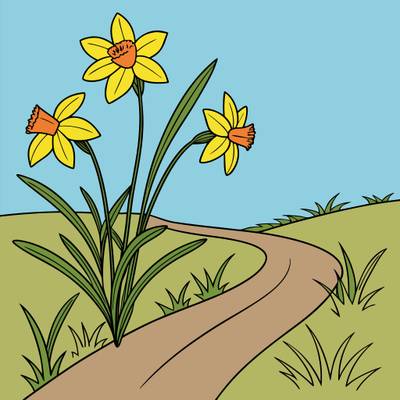
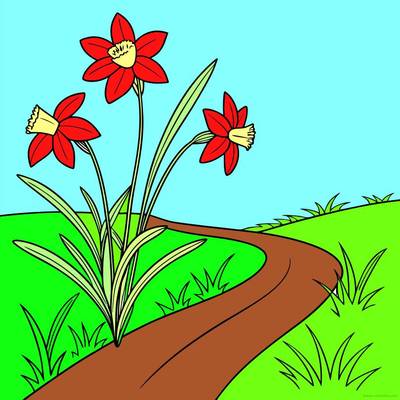
Simple daffodils beside a path – colored in by the community
-
by Sanne
 7 Likes
-
 2 Likes

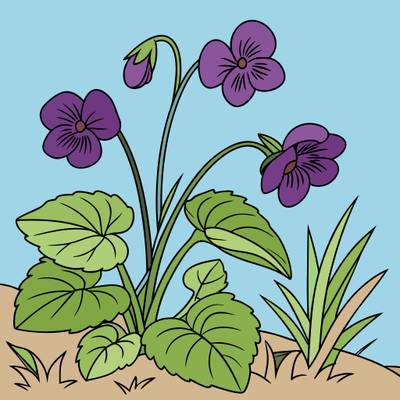
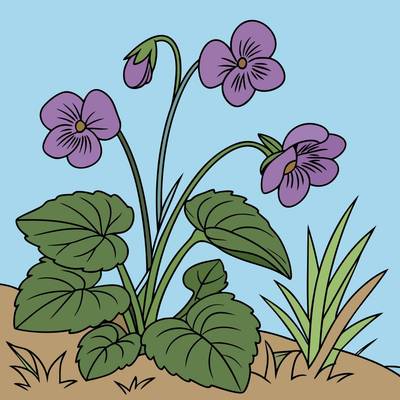
Simple violets in a forest clearing – colored in by the community
-
by henrik
 4 Likes
-
by henrik
 2 Likes

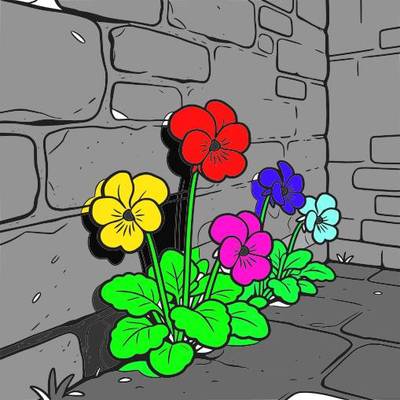
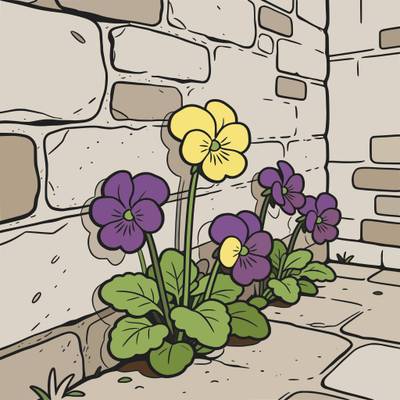
Violets by an old stone wall – colored in by the community
-
 7 Likes
-
by henrik
 4 Likes

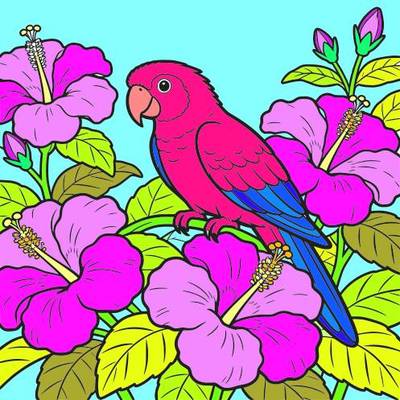
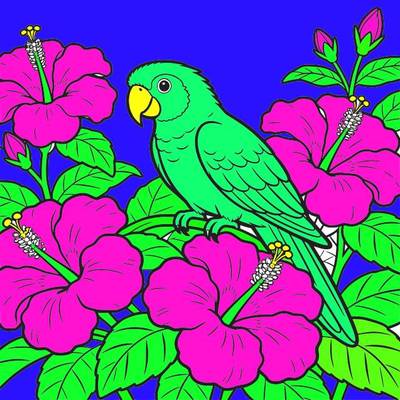
Parrot among tropical hibiscus blooms – colored in by the community
-
by Ostseewind
 6 Likes
-
 2 Likes

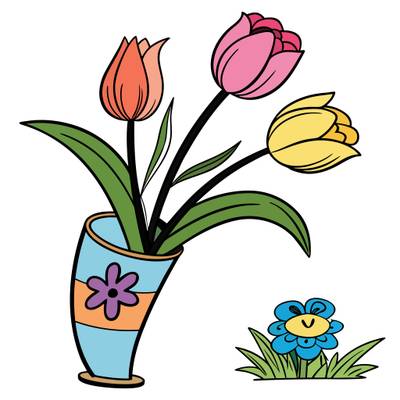
Tulips in a vase coloring page – colored in by the community
-
by astrid
 2 Likes

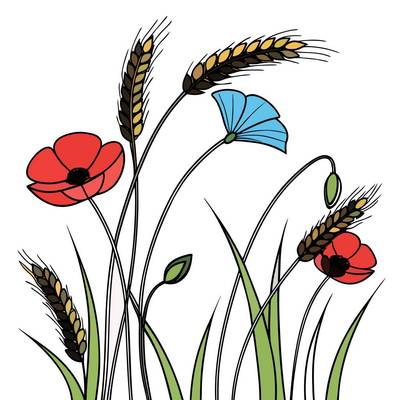
Simple poppies in a wheat field – colored in by the community
-
by henrik
 5 Likes

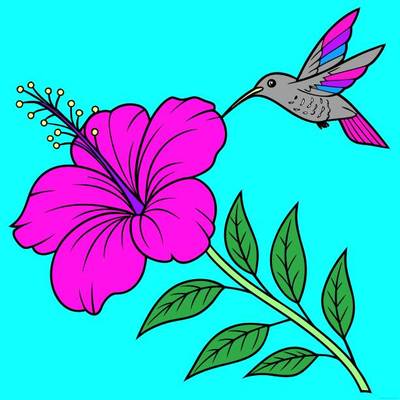
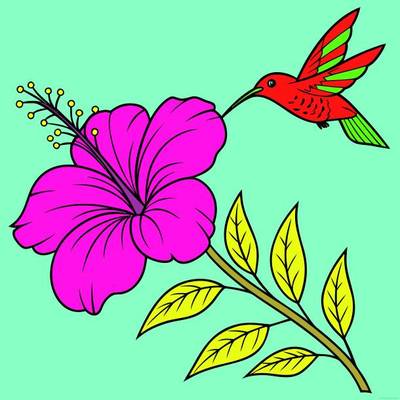
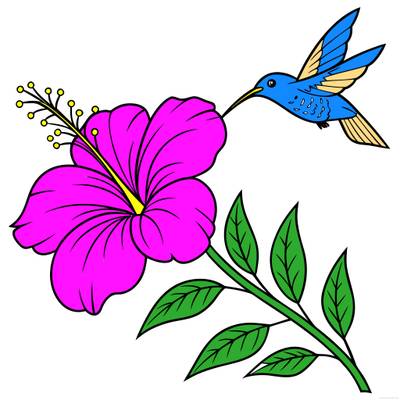

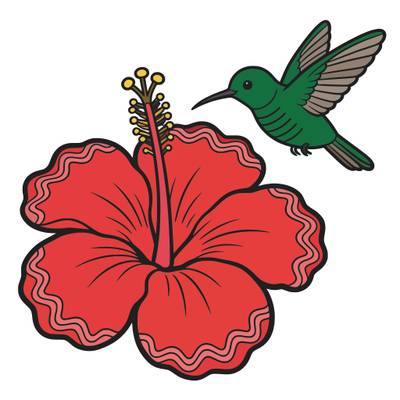
Simple hibiscus with hummingbird – colored in by the community
-
by manfred
 0 Likes

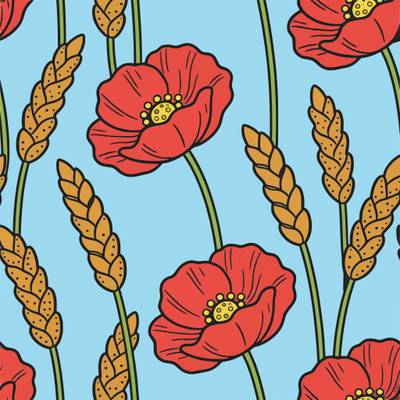
Detailed poppies and wheat pattern – colored in by the community
-
by astrid
 7 Likes

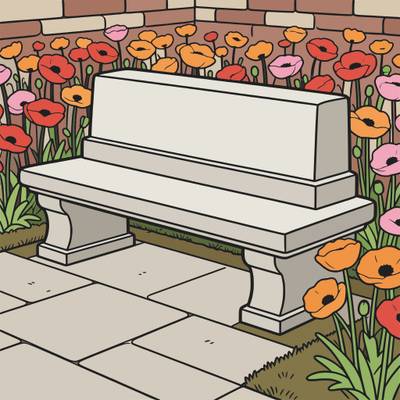
Stone bench among memorial poppies – colored in by the community
-
by henrik
 6 Likes

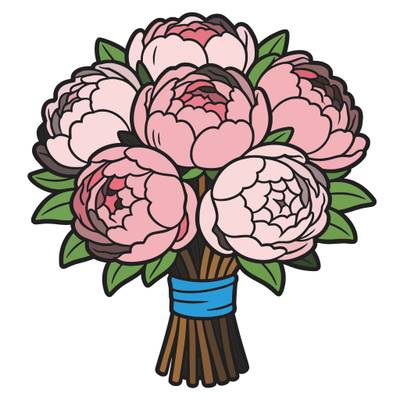
Simple peony wedding bouquet – colored in by the community
-
by kat
 1 Likes

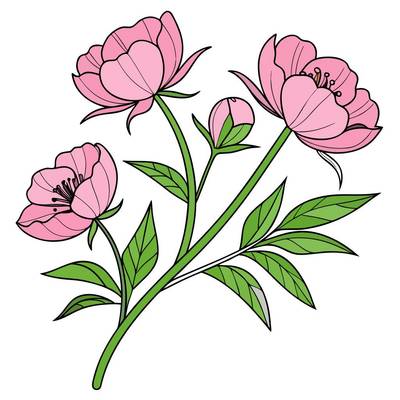
Peony branch with blooms and bud – colored in by the community
-
by greta
 0 Likes
Bring Your Flower to Life: Simple Coloring Tips for Petals, Leaves, and Stem
A flower looks brightest when its parts are easy to tell apart: soft petals, a clear center, and fresh green leaves. Coloring slowly and staying inside the lines helps the flower look neat, while gentle shading makes it look more real.
Quick goal: Make each part of the flower look different by using light and dark shades of the same color (for example, light pink petals with a slightly darker pink near the center).
What to Pay Special Attention to While Coloring
- Petal shapes: Many petals are rounded or pointed at the tip. Keep the edges clean so the flower looks crisp and tidy.
- Petal texture: Petals can look smooth. Use even coloring, then add a little darker color near the base of each petal for depth.
- Flower center: The middle often has tiny dots or a bumpy look. Small, careful dots or short strokes can make it stand out.
- Leaf veins: Leaves often show lines (veins). Color the leaf a lighter green first, then trace veins gently with a slightly darker green.
- Stem: Stems are usually darker on one side. Shade one edge a bit more to make the stem look round.
- Patterns: If the flower has stripes or spots, keep the pattern spaced out and consistent so it looks natural.
Realistic Color Guide for a Flower
These colors match common real-life flower parts. Choose one petal color set and one green set to keep the picture looking natural and balanced.
| Flower Part | Realistic Color | Color Hint |
|---|---|---|
| Petals (light) | Soft Pink | #F7A1C4 |
| Petals (deeper shade) | Rose Pink | #D96A9A |
| Petals (alternate realistic choice) | Lavender | #B79AE6 |
| Petals (alternate realistic choice) | Sunny Yellow | #F4D03F |
| Flower center | Golden Yellow | #F2C14E |
| Center details / pollen | Warm Brown | #A97142 |
| Leaves (main color) | Leaf Green | #4CAF50 |
| Leaves (shade/veins) | Deep Green | #2E7D32 |
| Stem | Stem Green | #3E8E41 |
Helpful Hints for a Neat, Realistic Finish
- Color the petals first, then the center, then the leaves and stem to keep edges clean.
- Use light pressure at the start; add darker color slowly where shadows would be (near the petal base and under overlapping petals).
- Leave tiny white highlights on petal tips or along one edge to make the flower look shiny and fresh.
- If the picture shows overlapping petals, shade the petal underneath a little darker to help it look “behind.”
Parent/Teacher tip: Encourage children to pick one petal color and use two shades of it (light + darker). This keeps the flower realistic while still looking bright and detailed.

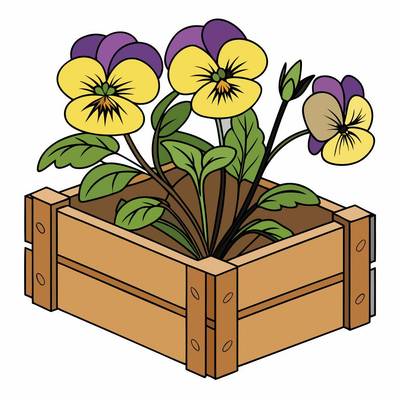
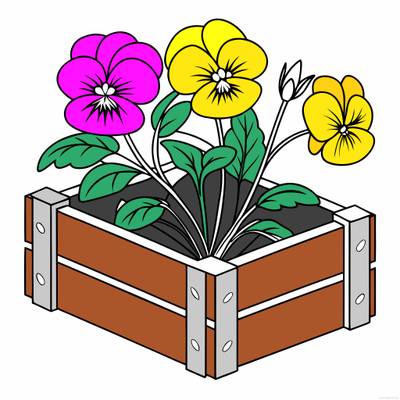
Simple pansies in a wooden box – colored in by the community
-
by henrik
 7 Likes
-
by kat
 0 Likes

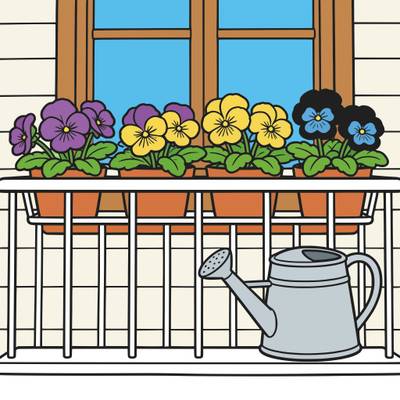
Pansies on a balcony with watering can – colored in by the community
-
by zofia
 2 Likes

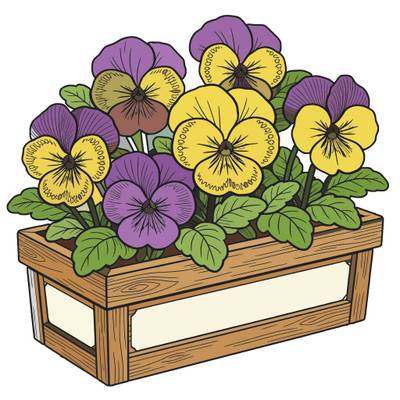
Detailed pansies in a wooden box – colored in by the community
-
by live
 3 Likes

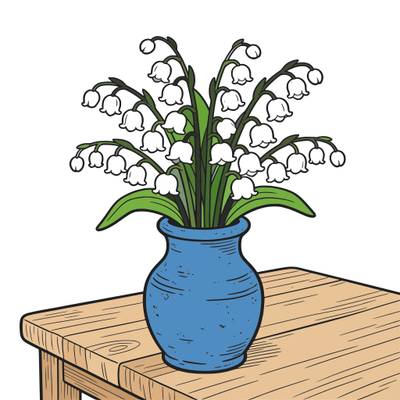
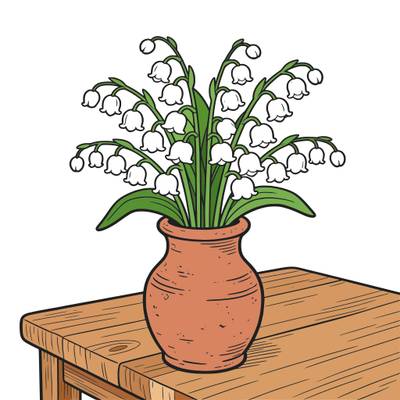
Lilies of the valley in a rustic vase – colored in by the community
-
by Sanne
 3 Likes
-
by Sanne
 3 Likes
Snip, Stick, Bloom! Easy Flower Crafts Kids Love
Pop-Up 3D Flower Surprise
✂️ You need: colored Flower coloring page, scissors, glue stick, cardstock (folded), crayons or markers
- Color the flower bright and bold.
- Cut out the flower carefully.
- Fold the flower gently in half.
- Glue only the folded line onto the card.
- Open the card to see the flower pop up.
💡 Supports: fine motor skills, creativity, careful cutting
Cupcake Liner Flower Bouquet
✂️ You need: cupcake liners, glue, green paper, scissors, crayons or markers, straws or craft sticks
- Flatten a cupcake liner for the petals.
- Color dots or stripes on the liner.
- Cut a small circle for the flower center.
- Glue the center onto the liner.
- Glue the flower onto a straw or stick.
- Cut leaves from green paper and glue them on.
💡 Supports: hand strength, creativity, shape recognition
Classroom Flower Wall Garden
✂️ You need: Flower coloring pages, crayons or markers, scissors, tape or glue, large paper (poster or bulletin board), green paper strips
- Each child colors one flower page.
- Cut out the flowers with help if needed.
- Tape green paper strips as stems on the poster.
- Add the flowers to the top of the stems.
- Hang the garden on a wall or door.
💡 Supports: teamwork, creativity, planning a shared display

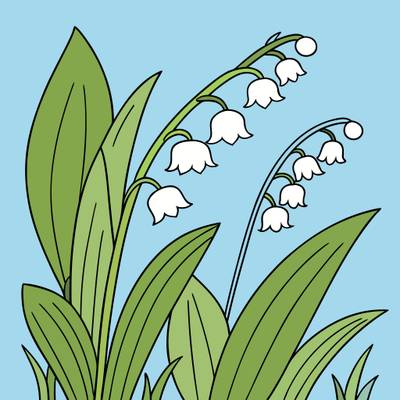
Close-up lilies of the valley – colored in by the community
-
by Wiktoria
 4 Likes

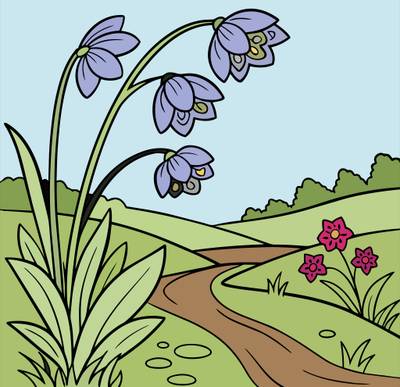
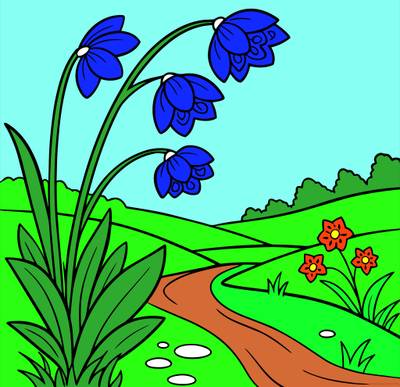
Riverbank flowers in a landscape – colored in by the community
-
by Sander
 3 Likes
-
 2 Likes

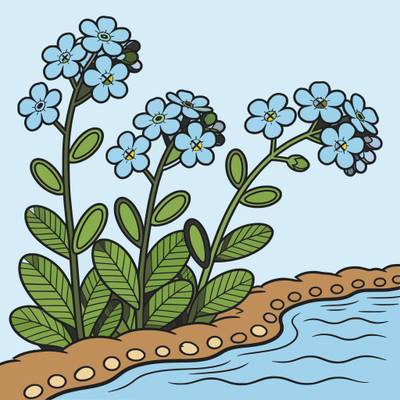
Simple forget-me-nots by the river – colored in by the community
-
by Marlene
 2 Likes

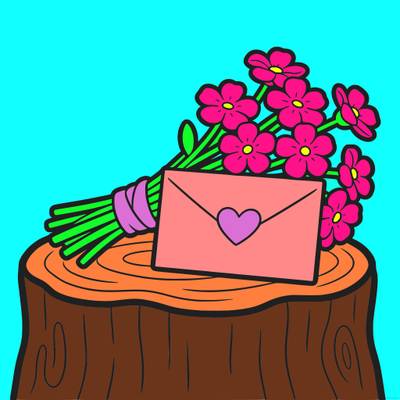
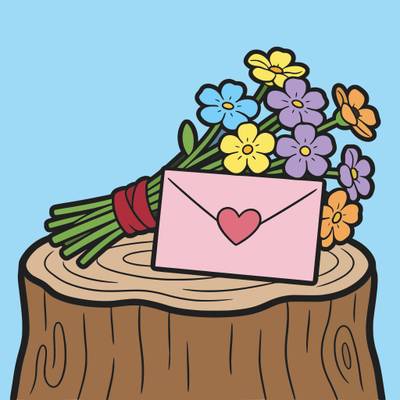
Forget-me-nots and love note on stump – colored in by the community
-
 3 Likes
-
by henrik
 2 Likes
Did You Know? 5 Blooming Surprises About Flowers
Flowers Have Secret Body Parts!
A flower isn’t just pretty petals—inside are parts that help it make seeds, like tiny pollen makers and a seed-growing center. National Geographic
Bees Follow a Pollen Map
Many flowers show insects where to land using bright patterns (sometimes even ones humans can’t see easily), helping bees find nectar and spread pollen. Science News for Students
Some Blooms Open at Night
Certain flowers open when it’s dark to welcome nighttime pollinators like moths and bats—like setting out a midnight snack bar. Smithsonian Magazine
Every State Has a Flower
In the United States, each state picked an official flower—like the California poppy in California and the dogwood in Virginia. Library of Congress
A Sunflower Can Be a Giant!
Sunflowers can grow taller than many kids, and their big “face” is actually made of lots of tiny flowers packed together. Wikipedia

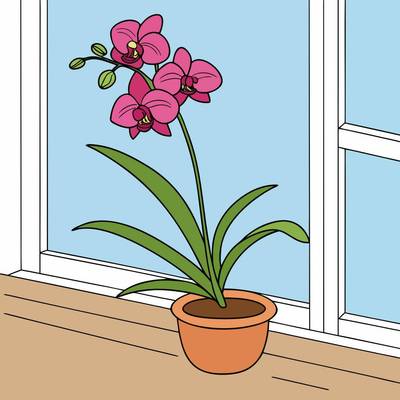
Exotic orchid plant on a windowsill – colored in by the community
-
by astrid
 6 Likes

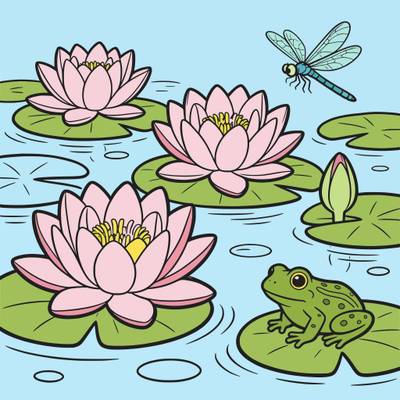
Frog, dragonfly, and lilies on a pond – colored in by the community
-
by kat
 6 Likes

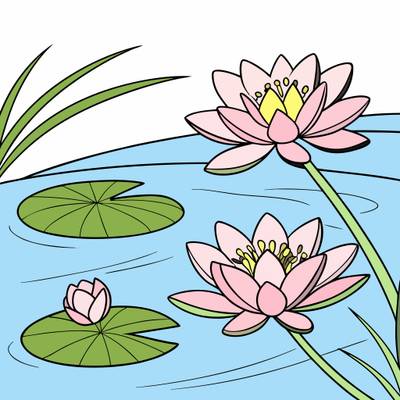
Elegant lilies with lily pads – colored in by the community
-
by Duarte
 4 Likes

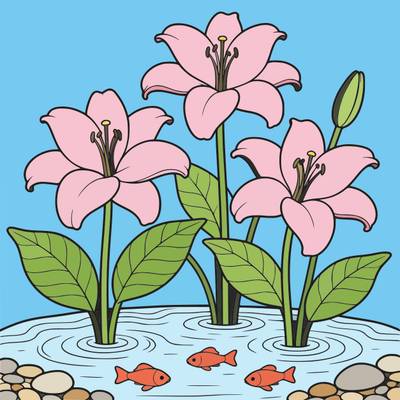
Elegant lilies in a fish pond – colored in by the community
-
by oma_renate
 4 Likes

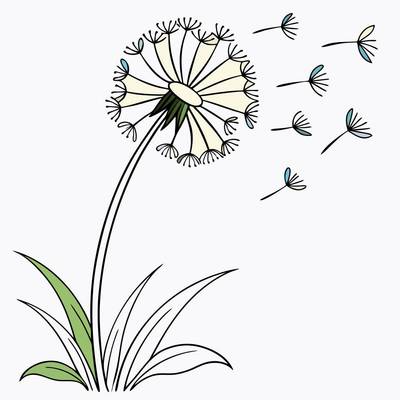
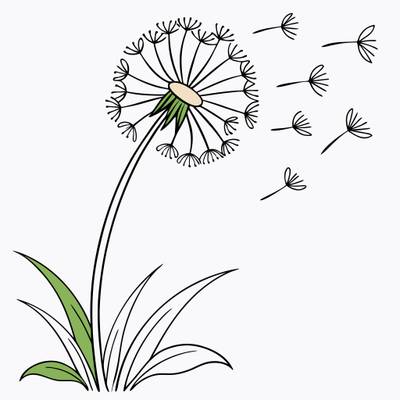
Simple dandelion with blowing seeds – colored in by the community
-
by ines
 7 Likes
-
by ines
 0 Likes

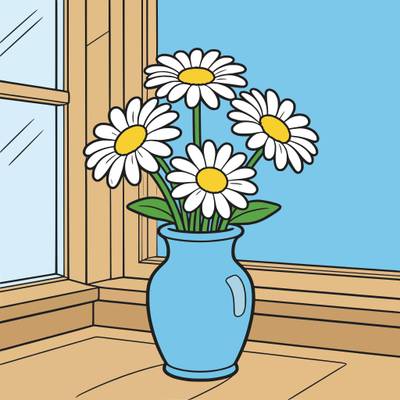
Daisies in a vase by the kitchen window – colored in by the community
-
by oma_renate
 5 Likes

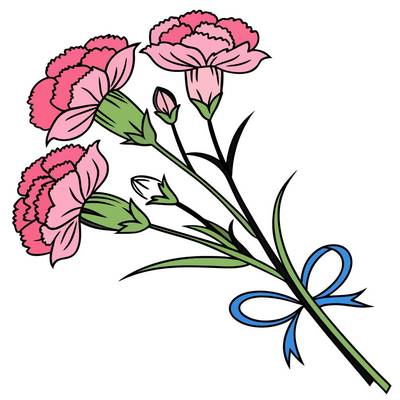
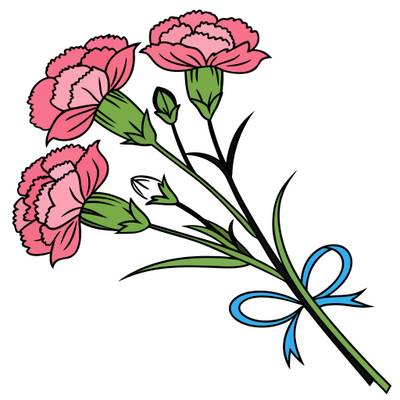
Simple bouquet of carnation stems – colored in by the community
-
by Venla
 5 Likes
-
by Venla
 2 Likes

Daisies and butterflies in a meadow – colored in by the community
-
by Venla
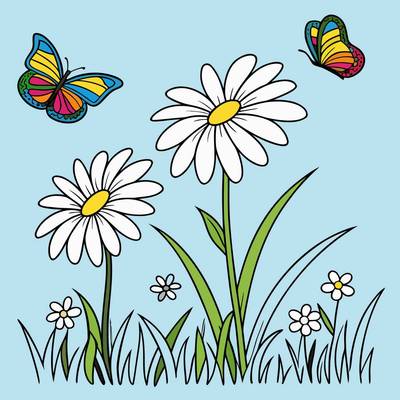 4 Likes

Carnation bouquet in a flower shop – colored in by the community
-
by kat
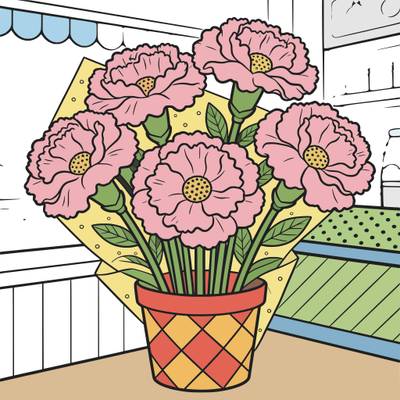 5 Likes

Florist arranging carnations at a stall – colored in by the community
-
by ines
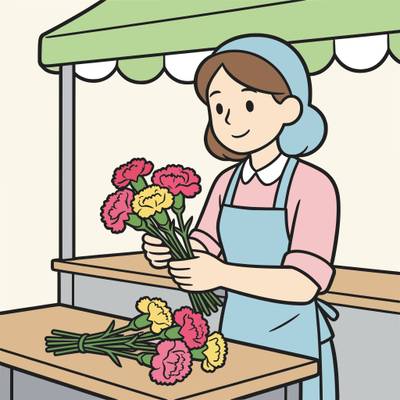 6 Likes

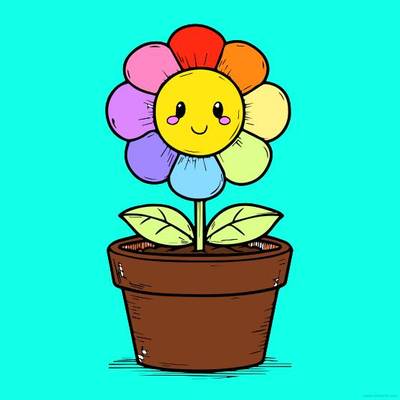
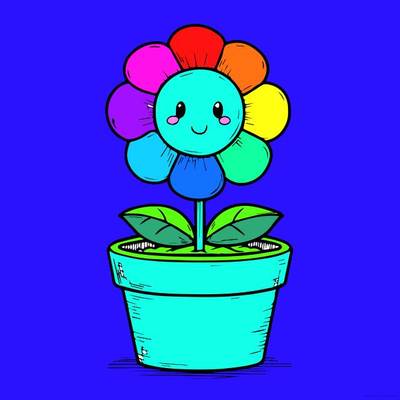
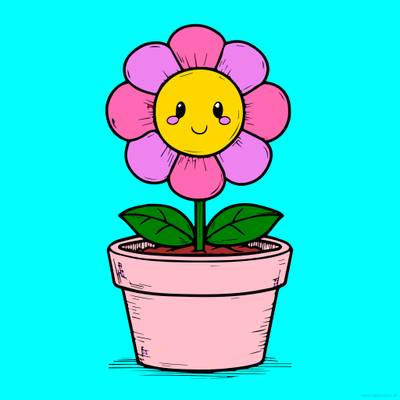

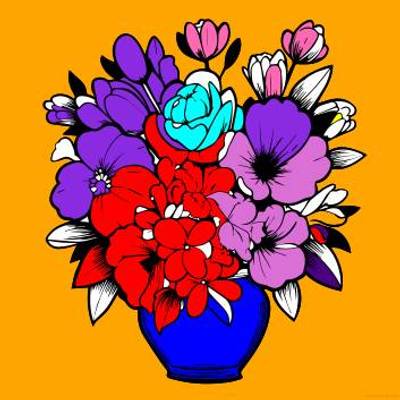
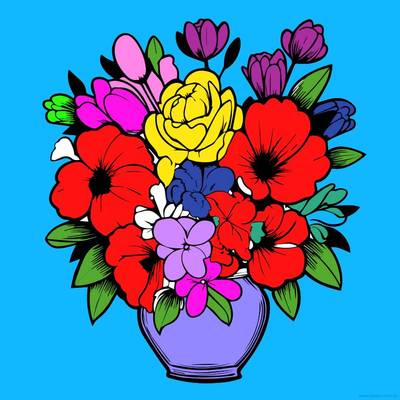

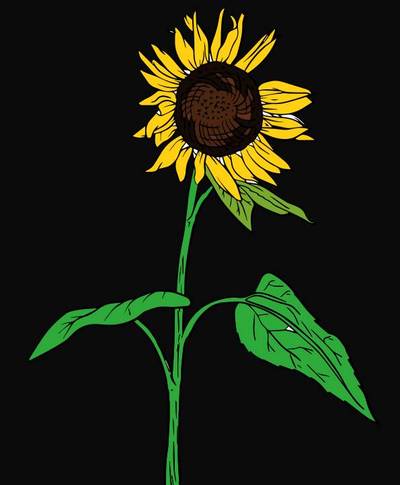
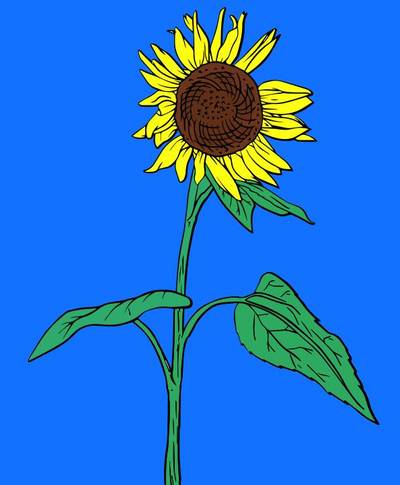
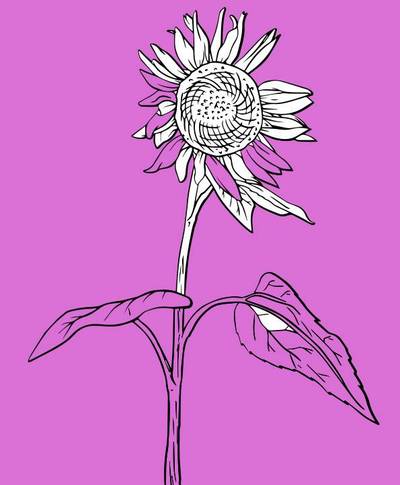

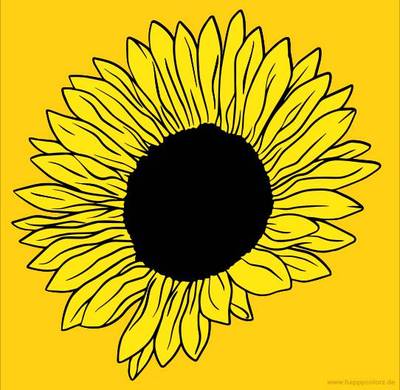
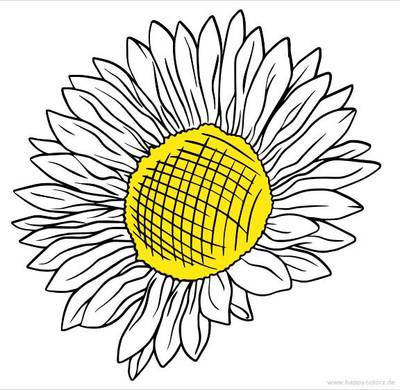
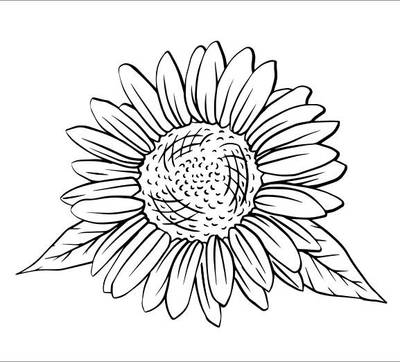
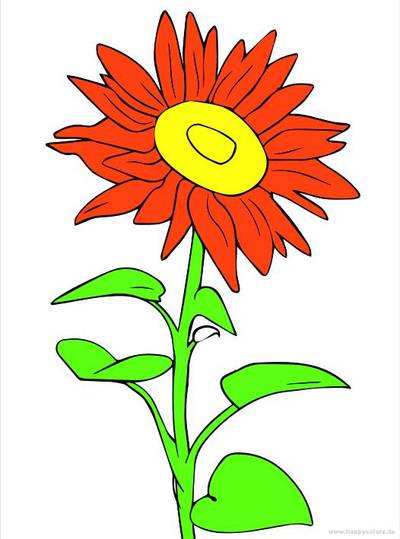
Sunflower head – colored in by the community
-
 0 Likes
-
 0 Likes

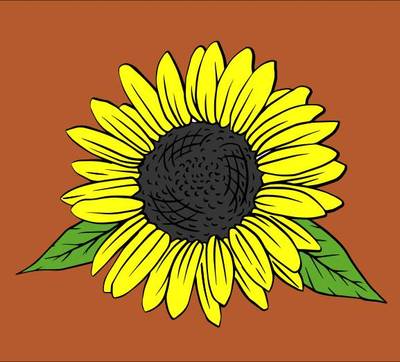
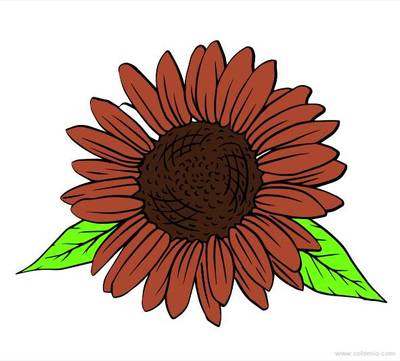
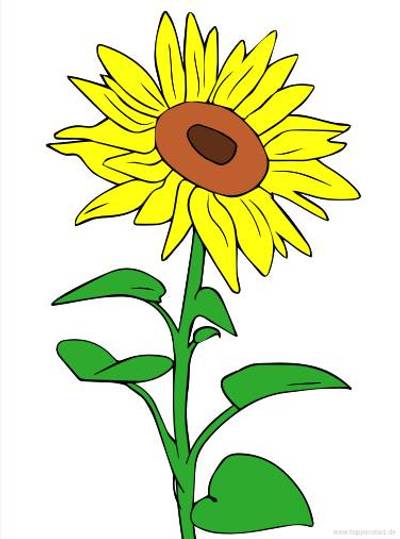
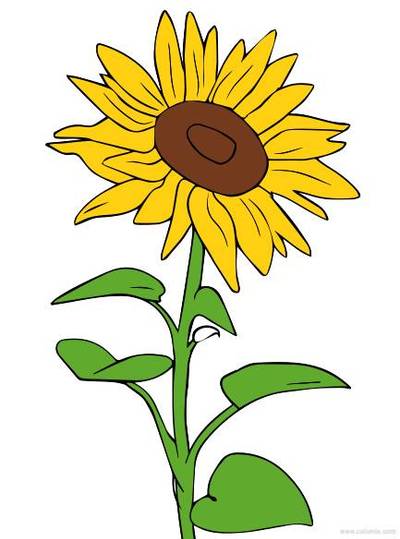
Sunflower with leaves – colored in by the community
-
 2 Likes
-
by user-6aha42
 1 Likes
-
 0 Likes

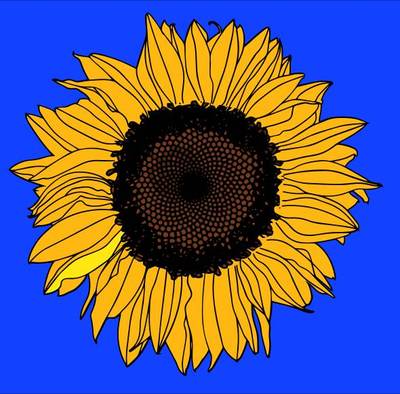
Head of sunflower – colored in by the community
-
 1 Likes



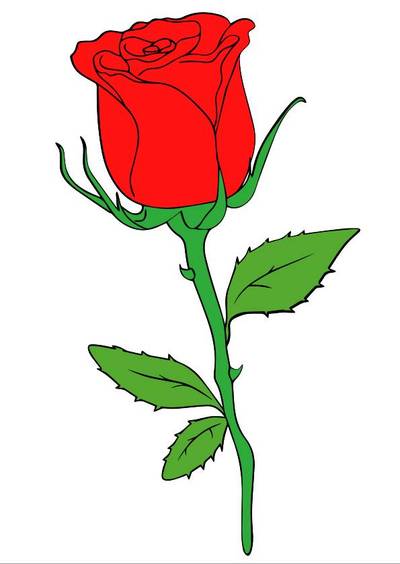


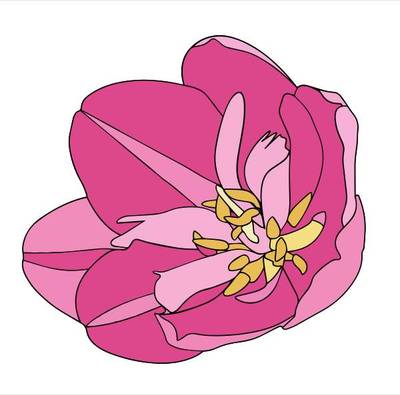
Tulip in full bloom – colored in by the community
-
by Venla
 6 Likes

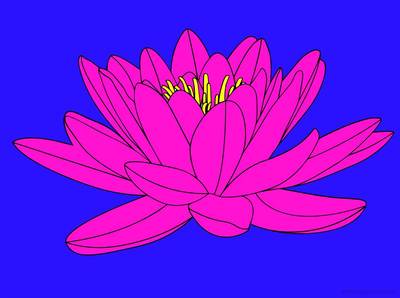
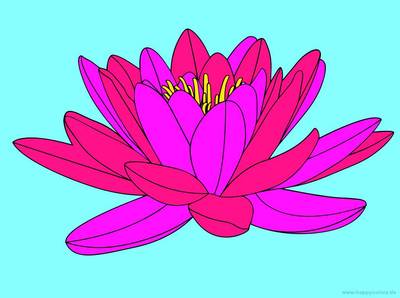
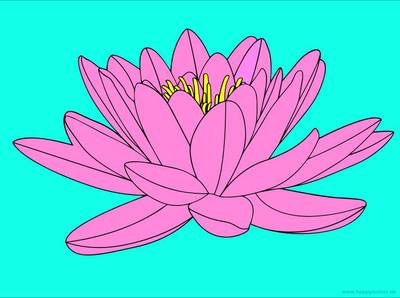

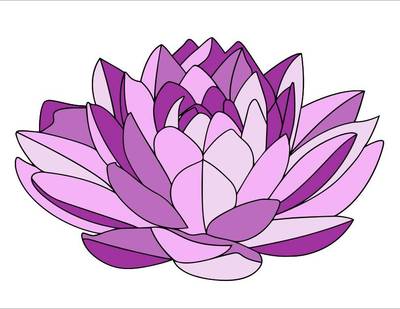
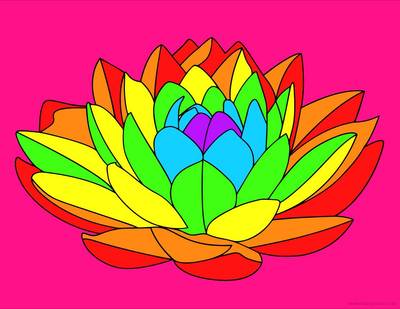

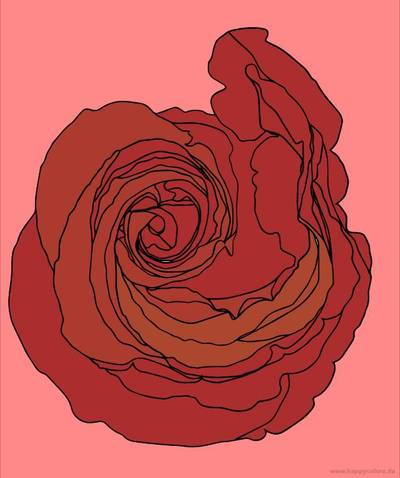
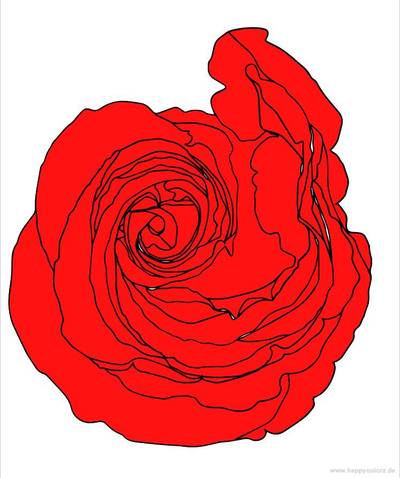
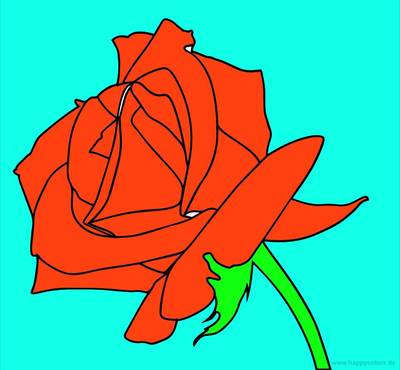
Rose top view – colored in by the community
-
 2 Likes
-
 1 Likes
-
 1 Likes



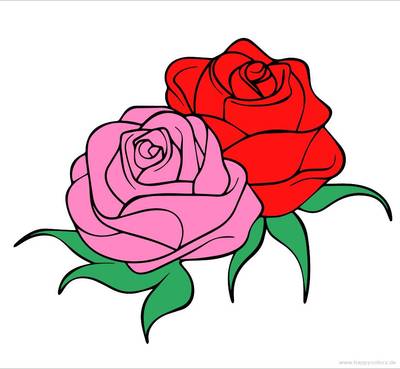
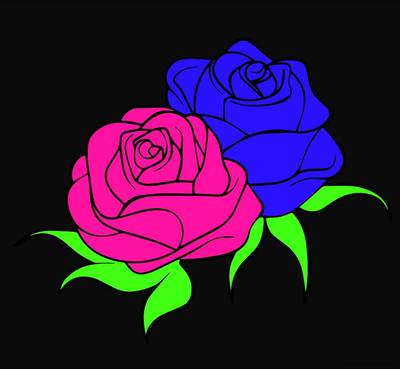
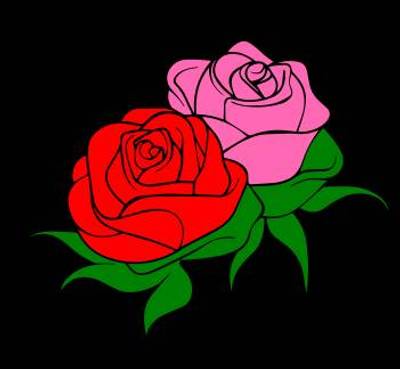
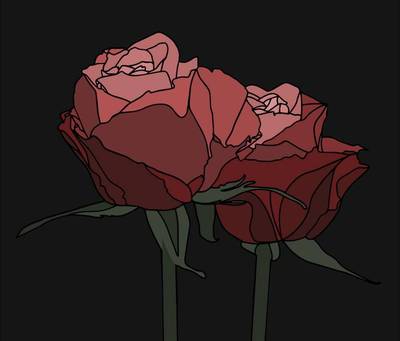
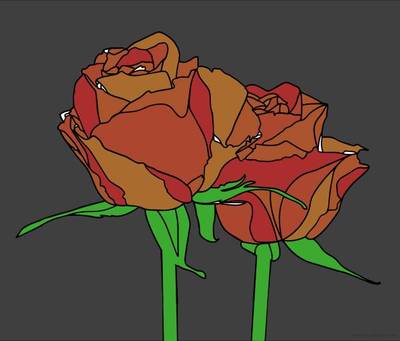
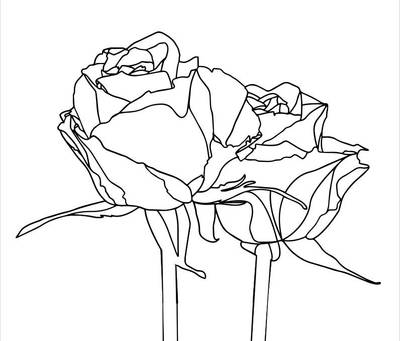
Pair of roses – colored in by the community
-
 50 Likes
-
by user-6aha42
 1 Likes
-
 0 Likes


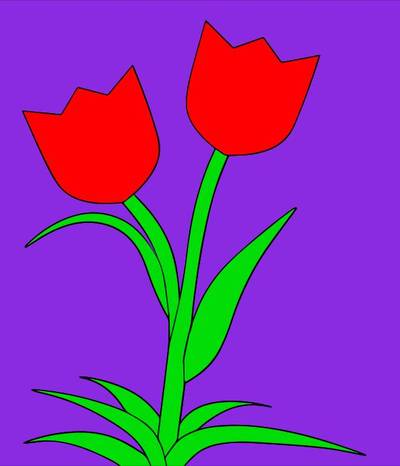
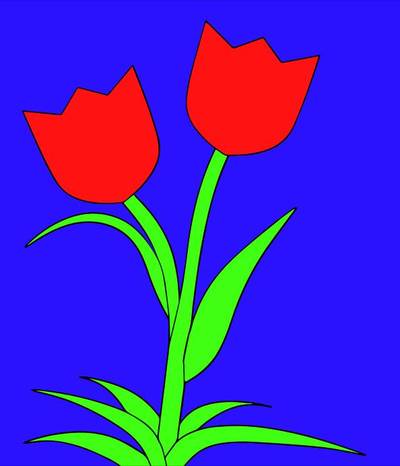
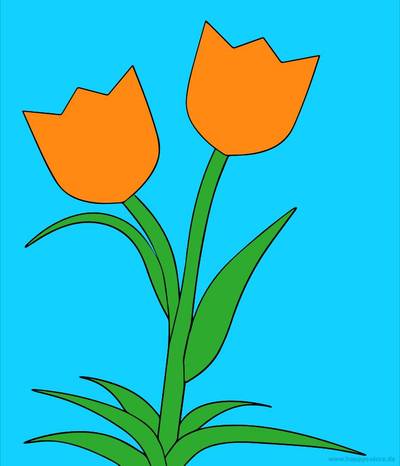
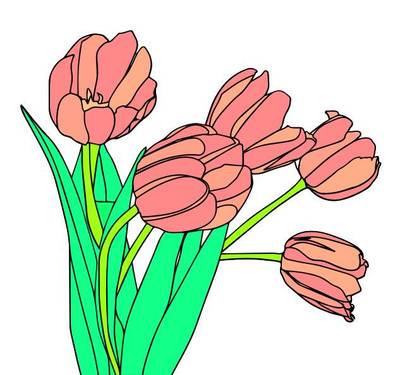
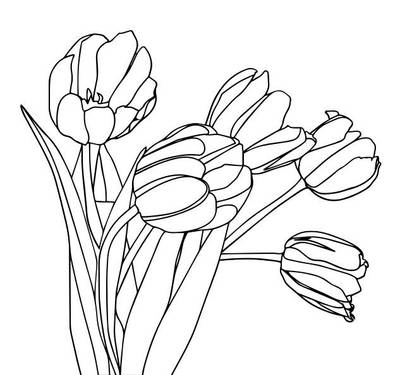
Tulips with stem – colored in by the community
-
 1 Likes
-
 0 Likes

Tulip with stem – colored in by the community
-
by user-6aha42
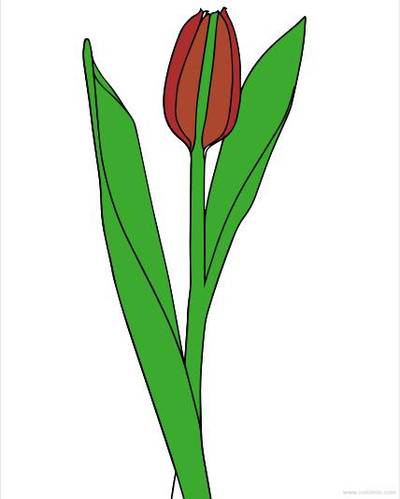 5 Likes
-
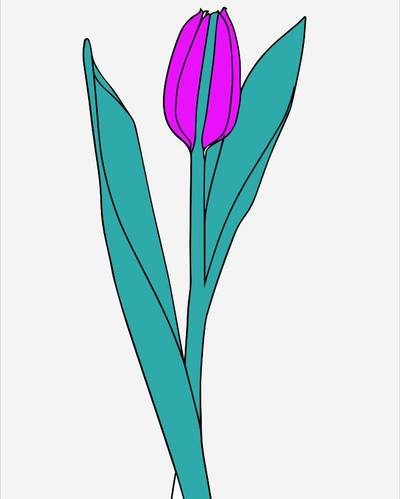 2 Likes
-
by Katze
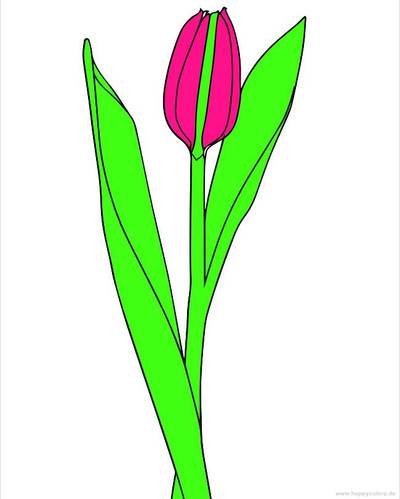 0 Likes
🎨 New coloring pages by email
Regularly get new free coloring pages straight to your inbox – no spam, unsubscribe anytime.
You’ll first get a confirmation email (double opt-in). Unsubscribe anytime with one click. Privacy Policy
Why Kids Love These Flower Coloring Pages
- Flower coloring pages help children develop fine motor skills, color recognition, and pencil control as they trace petals and stay within small shapes.
- Parents and teachers can quickly print flower pages for themed lessons, quiet corner activities, or to reinforce vocabulary and plant-life concepts, and all pages are free to download and print for classroom use.
- These printable flowers make a calming screen-free activity that promotes focus, independent creativity, and cooperative play in kindergarten or at home.
- Sheets adapt easily to cutting, collage, or tracing exercises, so teachers can scale activities for different ages and skill levels.
Creative Ideas & Activities
- Turn colored flower pages into a memory matching game by printing two copies, coloring matching pairs differently, cutting them into cards, and taking turns flipping for matches.
- Create a classroom garden mural by having each child color a flower, add their name or a sentence, then arrange the flowers on a bulletin board to build a collaborative scene.
- Use a single flower picture as a storytelling prompt: have children name the flower, invent a character, and write or tell a short story about where it lives.
- Practice symmetry and patterns by folding a flower page in half, coloring one side, then trying to recreate the same design on the other side.
- Make simple greeting cards by coloring a flower, cutting it out, and gluing it to folded cardstock for gifts, thank-you notes, or classroom exchanges.
- Turn a flower page into a color-by-number or color-by-word worksheet to reinforce number recognition, color words, or simple math facts.
- Combine art and science by having children color parts of the flower and then label petal, stem, leaf, and pistil on the same page for a mini botany lesson.
- Use colored flower templates for a pretend seed-packet craft: color the flower, write planting tips on the back, fold and staple to create role-play packets for a classroom market.
Frequently Asked Questions
Are the flower coloring pages free to download and print?
Yes. All flower coloring pages on this page are free to download and print. They can be used for free at school and in kindergarten, and classroom use is allowed.
What file formats are the coloring pages available in for printing?
Files are provided in common formats such as PDF and JPG. Use PDFs for multi-page sets and high-quality printing, while JPGs are handy for single images or quick printing.
What ages are these flower coloring pages suitable for?
Flower pages range from simple outlines for toddlers and preschoolers to more detailed designs for older children, so they suit ages roughly 3–10. Teachers can select simpler sheets for kindergarten and more intricate flowers for elementary art practice.
Can I use these flower coloring pages in my classroom or kindergarten?
Yes. You may print and use the flower pages for classroom activities, art centers, and handouts. Classroom use is allowed and free.
How can I get the best coloring results with crayons, markers, or colored pencils?
For the best results, print on heavier paper (90–120 gsm) to prevent marker bleed and to give crayons and colored pencils better texture. Use crayons for young children, colored pencils for detailed work, and washable markers for bold color, and always test one page if you’re unsure.