
Now that’s wild! Monkey coloring picture for free printing
 Author Mathias
 This friendly monkey coloring page collection invites children to explore, imagine, and practice new skills with a lovable jungle friend. Each coloring page shows a clear, simple monkey design—some are bold and easy for toddlers, while others include more details for preschoolers and older kids who enjoy a challenge. The images are meant to be printed or used on a tablet, and they give children a focused, low-pressure activity that’s perfect for rainy afternoons or a quiet break between lessons.
These monkey coloring pages are great for home, classroom, homeschool settings, or travel—tuck a few sheets and crayons into a bag for a calm car ride, or use them during circle time to encourage sharing and conversation. Coloring supports fine motor development, hand-eye coordination, color recognition, and early writing readiness, and it can spark storytelling and creative thinking as kids imagine where the monkey is going or what it might be doing. Parents and teachers will find that a simple monkey coloring page can turn into a learning moment about habitats, emotions, or counting, while also giving children a satisfying way to focus and relax.

Zentangle monkey in side view – colored in by the community
-
by Leny
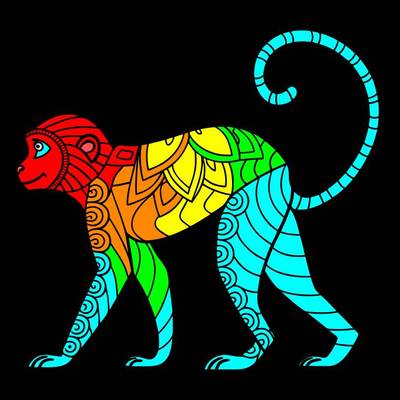 5 Likes
-
by Ania
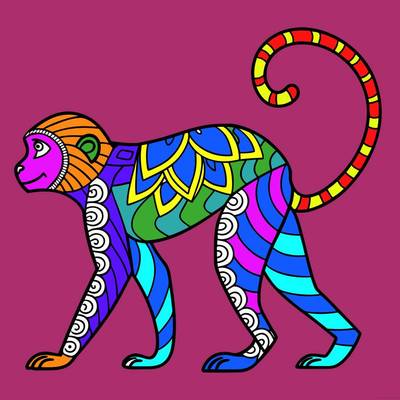 5 Likes
-
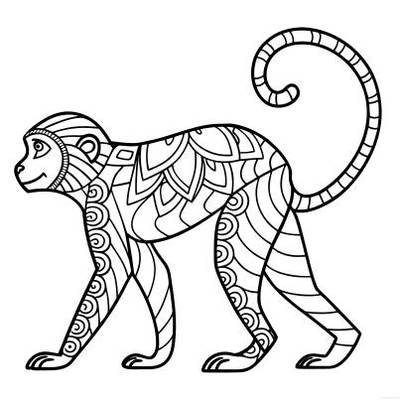 0 Likes

Gorilla with zentangle spiral patterns – colored in by the community
-
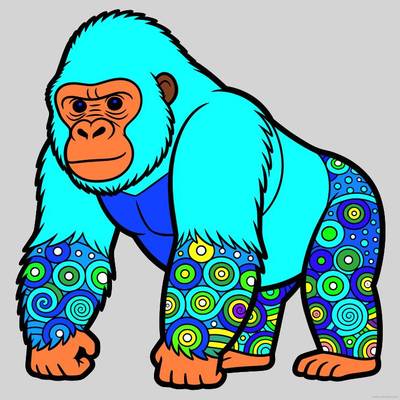 4 Likes
-
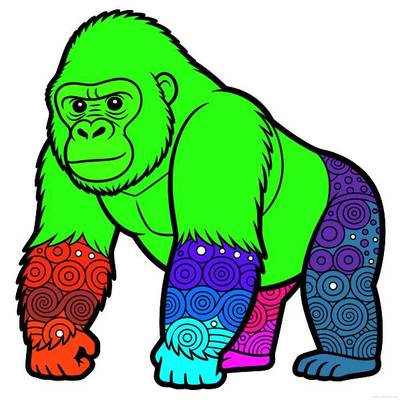 3 Likes
-
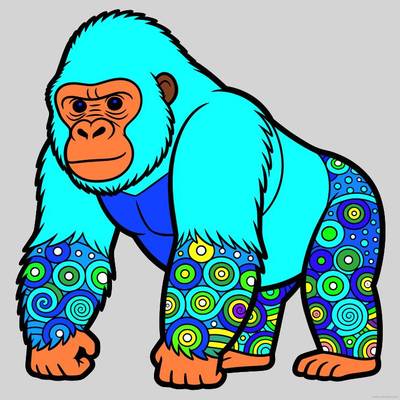 1 Likes

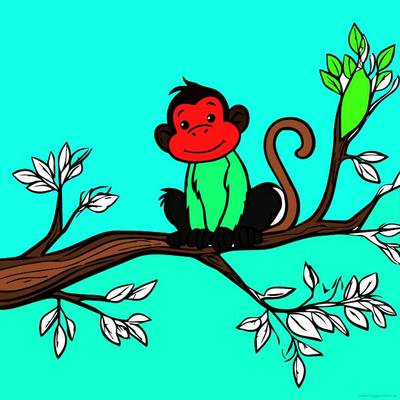
Cute spider monkey on branch – colored in by the community
-
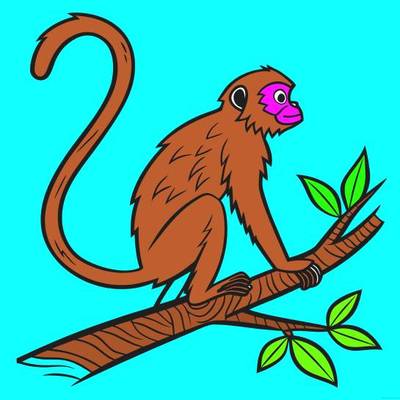 6 Likes
-
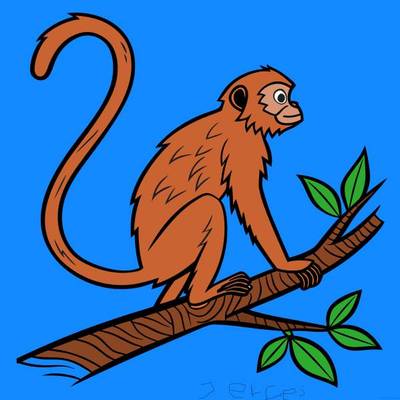 1 Likes

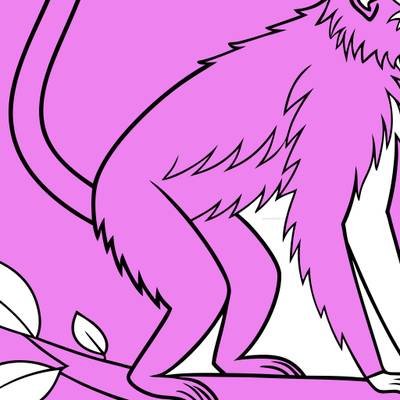
Simple spider monkey on a branch – colored in by the community
-
 1 Likes
-
 0 Likes

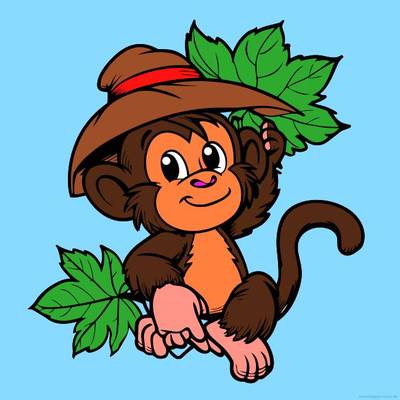
Little monkey with leaves – colored in by the community
-
 2 Likes




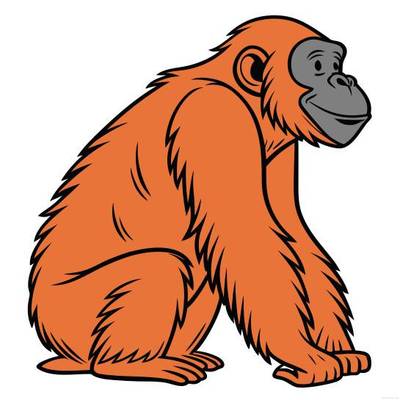
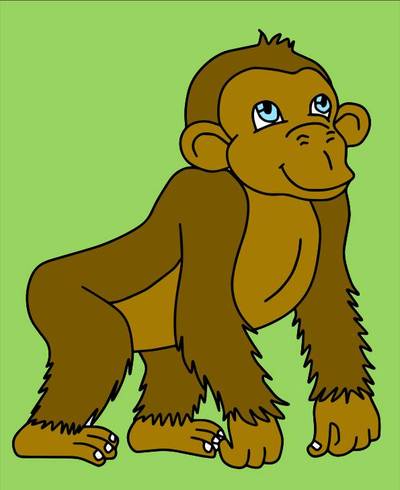
Cute sitting orangutan cartoon – colored in by the community
-
 9 Likes

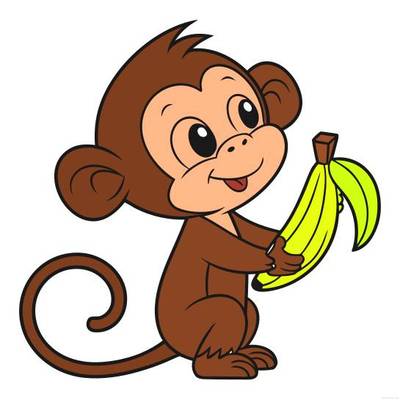
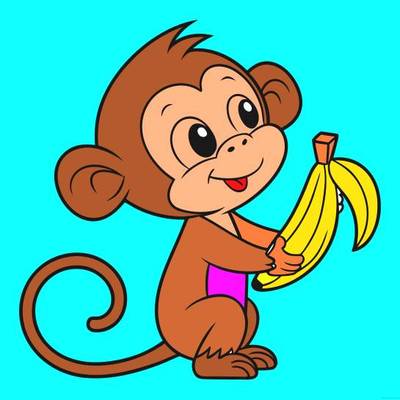
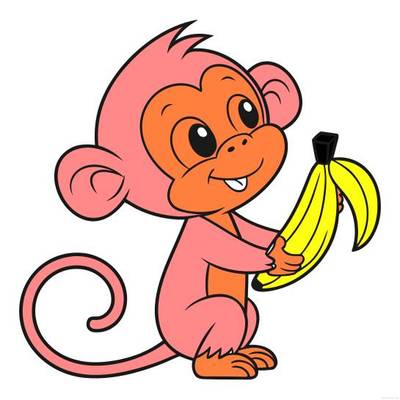

Cute monkey hugging a banana – colored in by the community
-
by femke
 7 Likes

Cute monkey swinging on a vine – colored in by the community
-
by live
 6 Likes

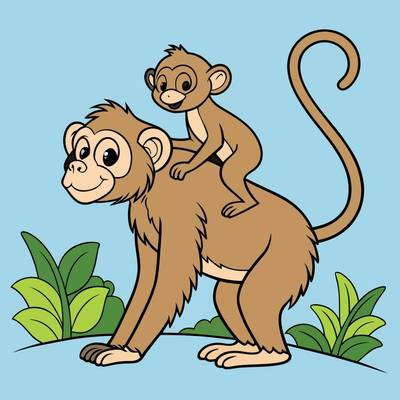
Cartoon monkey mother with baby – colored in by the community
-
by paula
 6 Likes

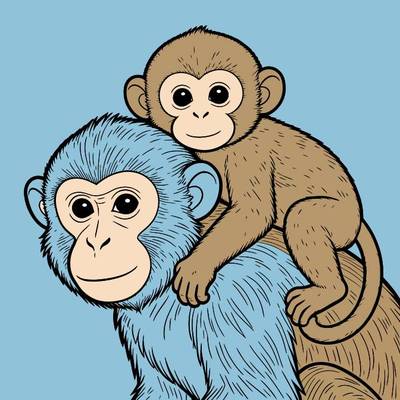
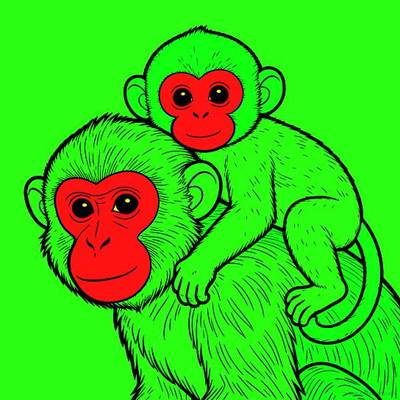
Detailed monkey mother and baby – colored in by the community
-
by Lena
 6 Likes
-
 3 Likes
Swing Into Coloring Fun: Make Your Monkey Look Real!
A monkey coloring page is full of exciting details—soft fur, a curly tail, and a friendly face. Coloring slowly and carefully helps the monkey look more lifelike and neat.
What to Watch for While Coloring Your Monkey
- Fur direction: Color in short, light strokes that follow the body shape (down the arms, around the belly, and along the tail).
- Face details: Keep the muzzle area (around the nose and mouth) a little lighter than the fur so the smile stands out.
- Hands, feet, and ears: These areas often have less fur. Use smoother coloring and softer shading.
- Eyes and eyebrows: Leave tiny white spots in the eyes for a bright, shiny look. Outline gently so the expression stays friendly.
- Shadows and shape: Add slightly darker color under the chin, under the arms, and on the lower belly to help the monkey look round instead of flat.
- Tail curves: Follow the swirl of the tail with your strokes so it looks like it’s really curling.
Helpful hint: Start with light coloring first. It is easier to make areas darker later than to erase a dark spot.
Realistic Monkey Colors (With Easy Color Swatches)
| Body Part | Color Suggestion | Swatch |
|---|---|---|
| Fur (main coat) | Warm Brown | #8D6E63 |
| Fur (darker shadows) | Dark Brown | #5D4037 |
| Fur (lighter highlights) | Light Tan | #D7B899 |
| Face & muzzle (less furry skin area) | Beige | #E6C9A8 |
| Ears (inner) & hands/feet skin | Soft Pinkish Beige | #D9AFA7 |
| Nose | Deep Brown | #3E2723 |
| Eyes (pupil) | Black | #000000 |
| Eyes (white area) | Off-White | #F5F5F5 |
Simple Steps for a Neat, Realistic Finish
- Color the main fur lightly first, staying inside the lines.
- Add darker brown in shadow areas (under the chin, arms, and belly).
- Color the face and muzzle with beige so the features are easy to see.
- Finish with the eyes and nose last for a clean, sharp look.
Parent & teacher note: Encourage children to practice “light-to-dark” shading. It builds control and makes the monkey’s fur look soft and natural.

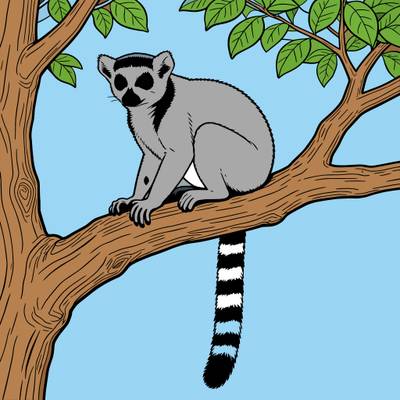
Ring-tailed lemur on a tree branch – colored in by the community
-
by hugo
 3 Likes

Simple side view lemur – colored in by the community
-
by Ida
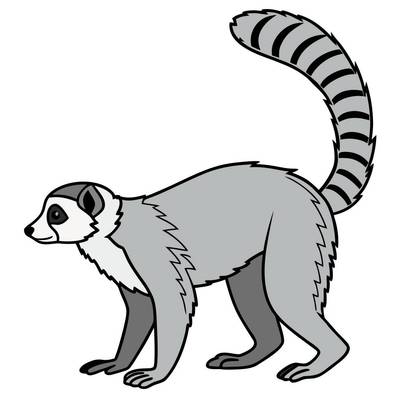 3 Likes

Cute standing lemur – colored in by the community
-
by luca
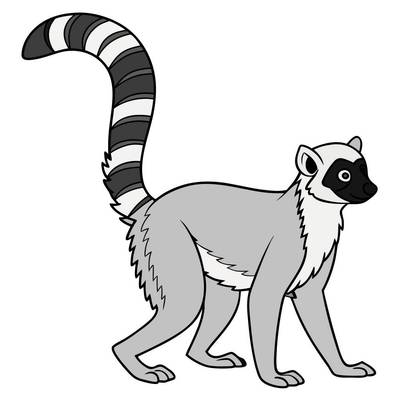 4 Likes

Cute monkey holding a heart – colored in by the community
-
by Ania
 4 Likes
-
by Katze
 3 Likes
-
 2 Likes
Scissors, Glue, Go! Monkey Crafts for Little Hands
Swinging Monkey on a Vine
✂️ You need: colored monkey page, scissors, glue stick, green paper (or streamer), string, tape, crayons
- Color the monkey and cut it out.
- Cut a long vine shape from green paper and curl it with your fingers.
- Tape a string to the back of the monkey and glue the other end to the vine.
- Hang the vine on a wall or doorway so the monkey can “swing.”
💡 Supports: fine motor skills, creativity, cause-and-effect thinking
Toilet Roll Monkey Puppet
✂️ You need: toilet paper roll, brown paper (or paint), colored monkey page, scissors, glue, marker, yarn (optional)
- Cover the toilet roll with brown paper or color it in.
- Cut out the monkey face from the coloring page and glue it on.
- Add ears from paper circles and draw a smile and nose.
- Glue on yarn for hair or a tail if you want.
💡 Supports: imaginative play, hand strength, storytelling
Classroom Monkey Jungle Garland
✂️ You need: several monkey pages, crayons, scissors, hole punch, string or ribbon, green paper leaves (optional), tape
- Color and cut out several monkeys.
- Punch one hole at the top of each monkey.
- Thread the monkeys onto a long string and space them out.
- Tape the garland across a wall and add paper leaves if you like.
💡 Supports: teamwork, planning, scissor control

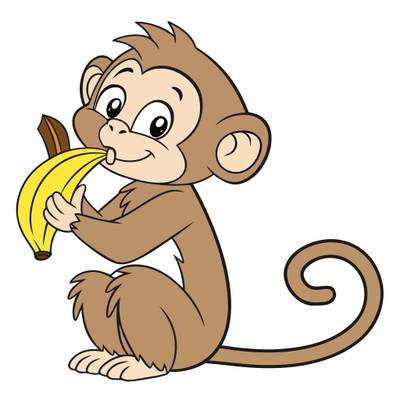
Kawaii monkey eating a banana – colored in by the community
-
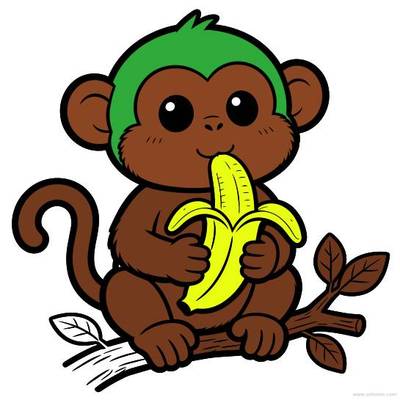 9 Likes
-
by Ania
 7 Likes
-
 3 Likes

Cute little monkey on a branch – colored in by the community
-
by Matilde
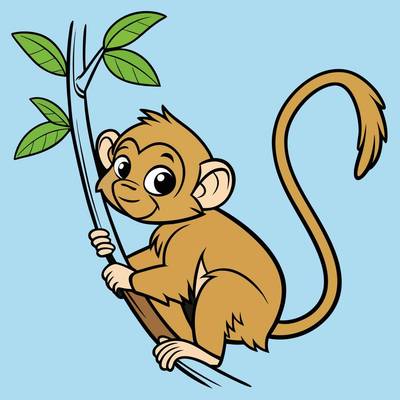 6 Likes

Cute little monkey sitting upright – colored in by the community
-
by Manon
 6 Likes

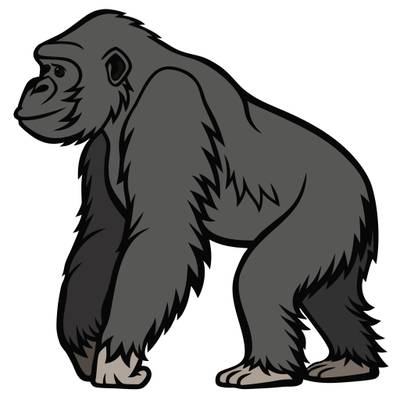
Cartoon gorilla looking back – colored in by the community
-
by Maja
 2 Likes
Did You Know? 5 Monkey Facts That Sound Like Magic
Monkeys Have Real Handprints!
Most monkeys have nails (not claws) and clever, finger-like hands that help them grip branches and pick up snacks. Wikipedia
Tails Can Be Like Extra Hands
Some monkeys in the Americas, like spider monkeys, can wrap their prehensile tails around branches to hang on while they climb. Smithsonian Magazine
Howler Monkeys Are Super Loud
Howler monkeys can roar across the forest using a special throat bone, so their calls can travel really far. National Geographic Kids
Monkeys Live in the U.S. Too!
A small group of rhesus macaques has lived in Florida for many years, making them one of the only free-roaming monkey groups in the United States. Wikipedia
Some Monkeys Use Simple Tools
Certain monkeys can use objects like stones to help them get food, showing they can solve problems in smart ways. Scientific American

Simple side view gorilla – colored in by the community
-
by Signe
 2 Likes

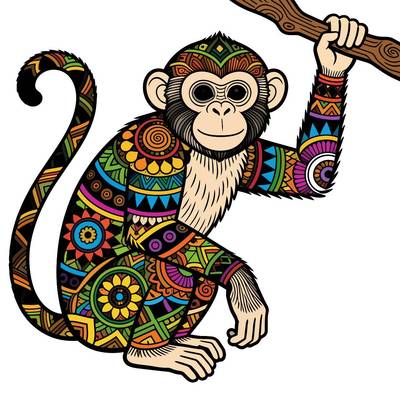
Complex zentangle monkey on branch – colored in by the community
-
by Ida
 1 Likes

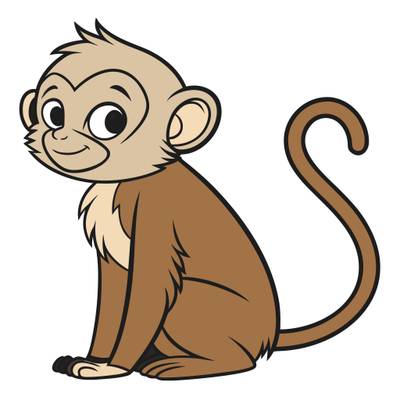
Cute big-eyed monkey – colored in by the community
-
by marco
 2 Likes

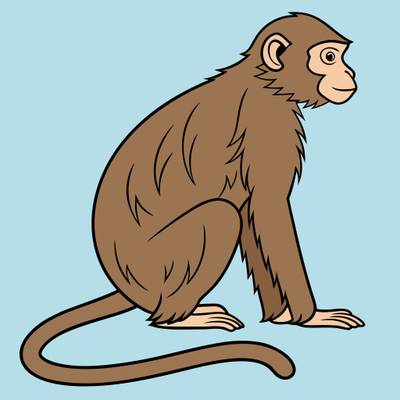
Simple sitting monkey outline – colored in by the community
-
by Fenna
 0 Likes

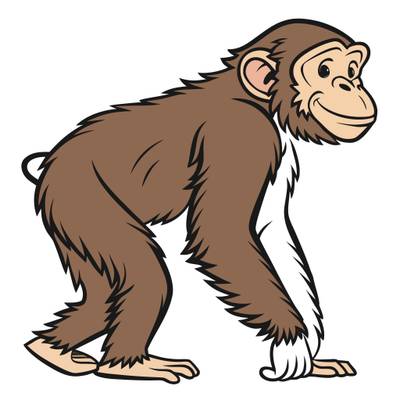
Cute smiling chimpanzee – colored in by the community
-
by max
 4 Likes


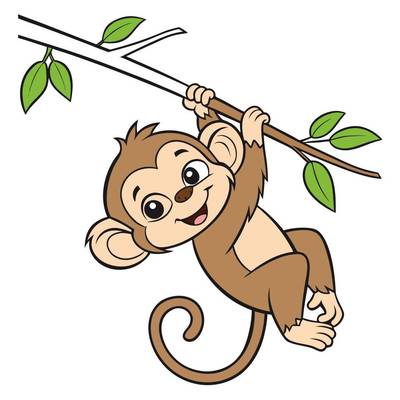
Cute baby monkey on a vine – colored in by the community
-
by Maja
 9 Likes

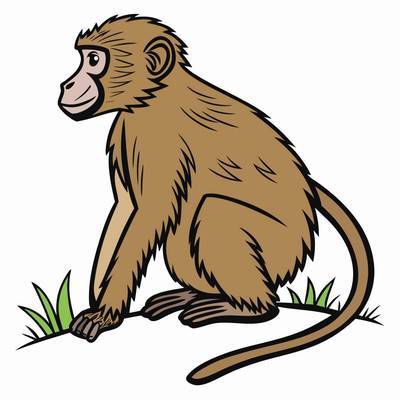
Cute sitting baboon on grass – colored in by the community
-
by Manon
 7 Likes

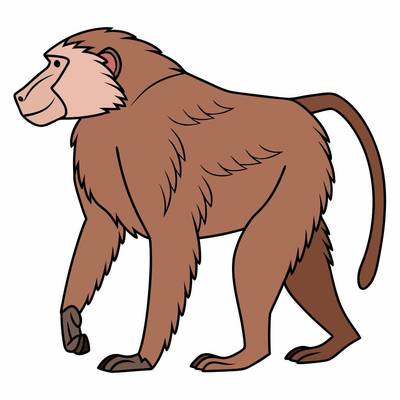
Simple walking baboon outline – colored in by the community
-
by luca
 3 Likes





🎨 New coloring pages by email
Regularly get new free coloring pages straight to your inbox – no spam, unsubscribe anytime.
You’ll first get a confirmation email (double opt-in). Unsubscribe anytime with one click. Privacy Policy
Why Kids Love These Monkey Coloring Pages
- They develop fine motor skills and hand-eye coordination as children color monkeys’ faces, tails, and jungle details with focused strokes.
- Teachers and parents can use the pages for themed lessons, rewards, or quiet-time activities that reinforce vocabulary and animal facts.
- These printable monkey activities provide a tactile, hands-on alternative to screens that boosts creativity and concentration.
- Simple and varied designs let preschoolers practice color recognition while older kids add patterns and storytelling elements to each monkey.
Creative Ideas & Activities
- Turn a monkey coloring page into a puppet by coloring, cutting it out, and attaching it to a paper bag or popsicle stick for simple role-play and storytelling.
- Create a matching game by printing two copies of several monkey poses, coloring them differently, and playing memory with the cards to build focus.
- Combine crayons and watercolor washes by coloring the monkey first, then lightly brushing the background for a layered art effect that teaches mixed media.
- Make a classroom mural by having each child color a monkey, trim the edges, and arrange the monkeys on a bulletin board to celebrate teamwork and diversity.
- Use monkey pages to practice math by asking children to color a specific number of bananas or leaves and then solve simple addition or subtraction problems with their colored items.
- Host a “design your monkey” activity where kids invent patterns, clothes, or accessories and present their monkey’s personality to develop speaking and creative skills.
- Create a short storybook by printing several monkey scenes, having kids color each page to represent a story sequence, and stapling them together as a class book.
- Turn a monkey picture into a sensory collage by gluing yarn for fur, tissue paper for leaves, or sand for texture, exploring different materials in a safe, supervised way.
Frequently Asked Questions
Are these monkey coloring pages free to download and print?
Yes, all coloring pages on this page are free to download and print. You can save the files to your computer and print as many copies as you need for home or school activities.
In what file formats are the coloring pages available and how do I print them?
The pages are available in common formats like PDF and JPG for easy downloading and printing. Open the file on your device, select print, and choose standard white printer paper or heavier cardstock for a sturdier result.
What ages are these monkey pages suitable for?
These monkey coloring pages are suitable for a wide range of ages, from toddlers practicing basic coloring to early elementary students working on details and storytelling. Choose simpler line art for younger children and more detailed scenes for older kids.
Can I use these coloring pages in my classroom or kindergarten?
Yes, you can use the coloring pages for free in school and kindergarten settings; classroom use is allowed. They work well for centers, art lessons, quiet activities, and thematic units about animals.
How can I get the best coloring results with crayons, markers, or paper?
For bold, vibrant color use quality crayons or washable markers and heavier paper or cardstock to prevent bleeding through. Encourage layering with colored pencils for detail, and place a scrap sheet under the page when using markers to protect surfaces.