
Fire at will! Dreamlike drawings of magical dragons
 Author Mathias
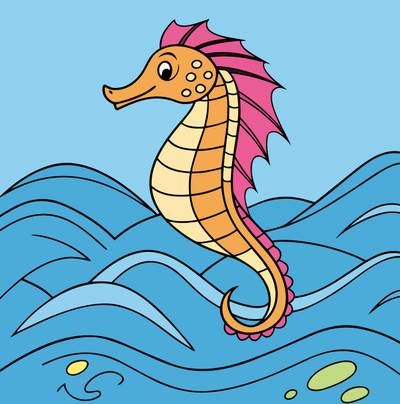
Simple water dragon in waves – colored in by the community
-
by sofie
 3 Likes

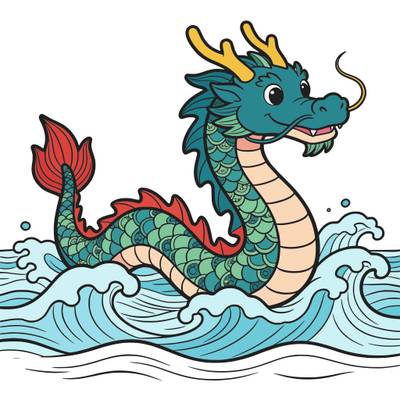
Detailed water dragon in waves – colored in by the community
-
by zofia
 6 Likes

Sleeping child with curled dragon – colored in by the community
-
by lily
 7 Likes
-
by Katze
 3 Likes

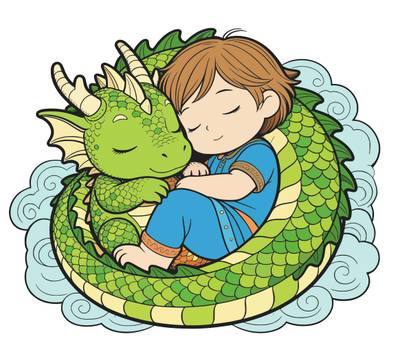
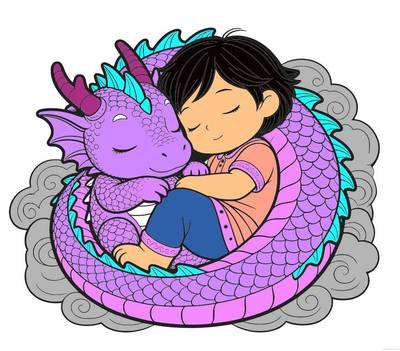
Child cuddles a curled baby dragon – colored in by the community
-
by lucie
 8 Likes
-
 4 Likes






Cute water dragon with watching mermaids – colored in by the community
-
by zofia
 5 Likes

Intricate dragon in Celtic knot style – colored in by the community
-
by lucie
 8 Likes

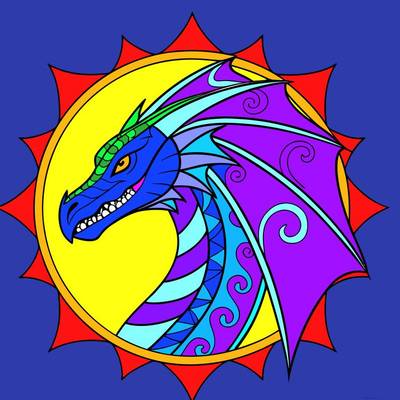
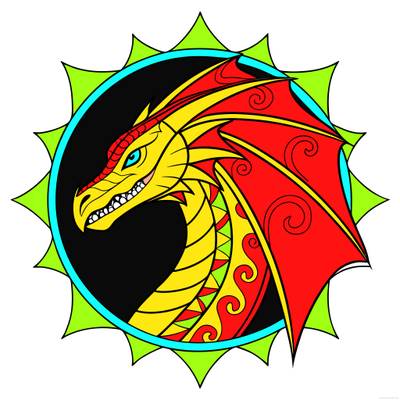
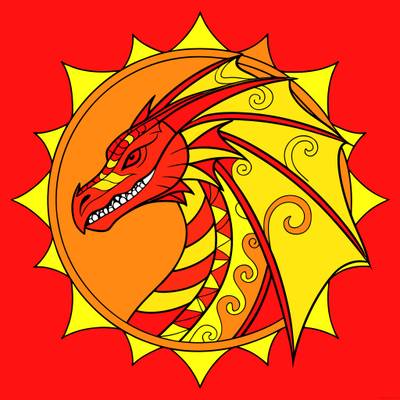
Winged dragon mandala portrait – colored in by the community
-
by Katze
 10 Likes
-
 8 Likes
-
by Finn0503
 7 Likes


Cute ice dragon on a snowy peak – colored in by the community
-
by lucie
 9 Likes

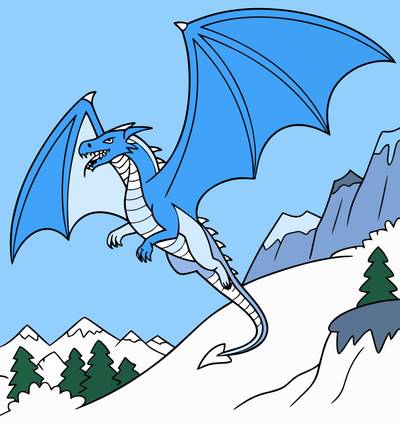
Ice dragon over frozen mountains – colored in by the community
-
by kat
 20 Likes
Make Your Dragon Look Real: Simple Coloring Tips for Scales, Wings & Spikes
A dragon is full of exciting details, and careful coloring makes it look strong and believable. Focus on tiny textures (like scales) and big shapes (like wings and tail) so the whole dragon feels balanced and neat.
What to Pay Special Attention To
- Scales: Color in small sections. Keeping each scale tidy helps the dragon look textured instead of “flat.”
- Belly plates: These are often larger, smoother shapes than the scales on the back. Use an even color so the belly looks sturdy.
- Horns, claws, and spikes: These details stand out best when colored a little darker or lighter than the body.
- Wings: Pay attention to the wing “fingers” (the long bones) and the thin wing skin between them. Coloring the bones slightly darker makes the wings look more real.
- Face features: Keep the eye area clean and clear. A small highlight (leaving a tiny white spot) can make the eye look shiny.
- Shadows and edges: Add gentle shading where parts overlap—under the chin, behind the arms, and where the wings meet the body.
Helpful hint: Color in one direction (top to bottom or side to side). This keeps the dragon’s body looking smooth and helps patterns stay easy to follow.
Realistic Dragon Color Ideas (With Color Swatches)
Many storybooks show dragons with natural, earthy colors—like reptiles or lizards. These shades help your dragon look realistic and “alive.”
| Dragon Part | Realistic Color | Swatch |
|---|---|---|
| Body scales (main) | Forest Green | #2E7D32 |
| Body scales (dark shading) | Deep Olive | #3D4F1E |
| Belly plates | Sand Beige | #D8C59A |
| Wing skin (membrane) | Warm Brown | #8D6E63 |
| Wing bones / fingers | Dark Brown | #5D4037 |
| Horns | Bone Ivory | #E8E0C8 |
| Claws | Charcoal Gray | #424242 |
| Spikes / ridges | Slate Gray | #607D8B |
| Eye (iris) | Amber Gold | #F9A825 |
| Pupil | Black | #000000 |
Neat Coloring Habits That Make a Big Difference
- Start with the biggest areas (body and wings), then finish with tiny details (teeth, claws, eye).
- Keep outlines clean by coloring slowly near the edges first, then filling in the middle.
- Use a lighter touch for the first layer and press a bit more only where you want darker shadows.

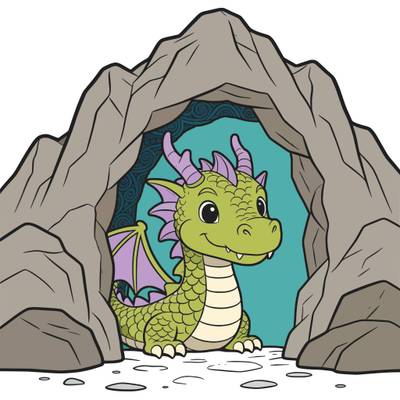
Cute dragon at a mountain cave entrance – colored in by the community
-
by live
 5 Likes

Winged dragon beside cave treasure – colored in by the community
-
by live
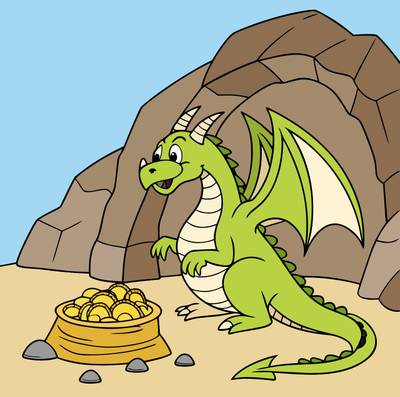 4 Likes

Cute dragon and knight handshake – colored in by the community
-
by sofie
 9 Likes

Cute baby dragon with treasure – colored in by the community
-
by lily
 4 Likes
Scissors, Glue, Roar! Easy Dragon Crafts
Make a Pop-Up Dragon Mouth!
✂️ You need: colored dragon page, scissors, glue stick, cardstock, crayons or markers
- Color the dragon and cut it out.
- Fold a piece of cardstock in half to make a card.
- Fold a small paper strip into a “V” and glue it inside the card.
- Glue the dragon’s head onto the “V” so it pops forward.
💡 Supports: fine motor skills, creativity, understanding simple folds
Toilet Roll Dragon Puppet Time
✂️ You need: toilet paper roll, colored paper, glue, scissors, markers, yarn or paper strips
- Wrap the toilet roll with colored paper and glue it down.
- Cut out a dragon head, wings, and a tail from paper.
- Glue the head to the top and the wings to the sides.
- Add yarn or paper strips for a fiery mane and draw eyes.
💡 Supports: hand control, imaginative play, sequencing steps
Classroom Dragon Garland Parade
✂️ You need: several dragon printouts, crayons or markers, scissors, string or ribbon, tape or hole punch
- Each child colors one dragon and cuts it out.
- Punch a hole at the top of each dragon or add a small tape loop behind it.
- Thread the dragons onto a string and space them out.
- Hang the garland across a wall, window, or reading corner.
💡 Supports: teamwork, creativity, planning and spacing

Cute dragon counts coins with helper – colored in by the community
-
by lucie
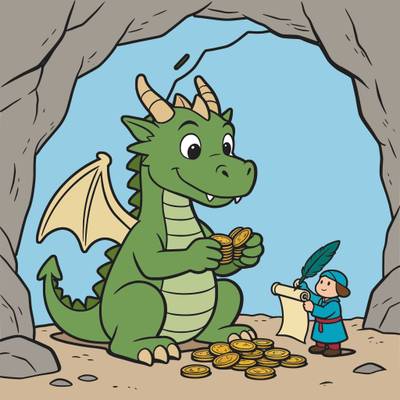 3 Likes

Cartoon dragon battles knight by tower – colored in by the community
-
by live
 6 Likes

Long-neck baby dragon hatching – colored in by the community
-
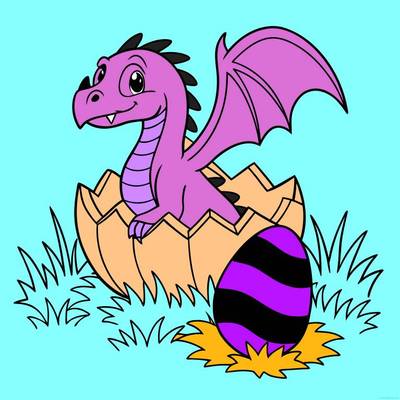 6 Likes
-
by Katze
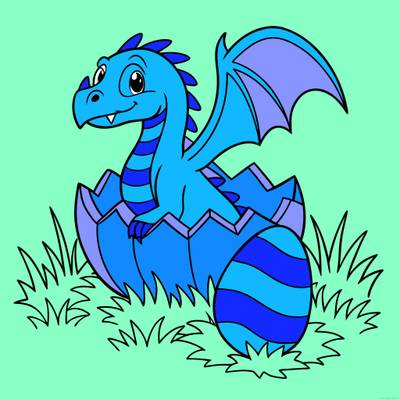 1 Likes

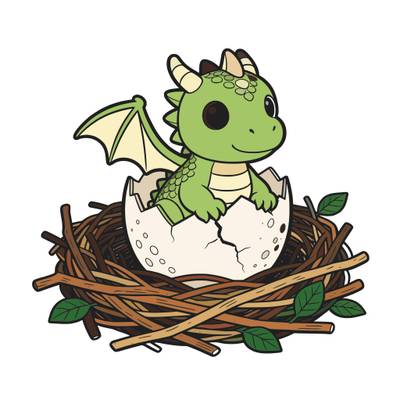
Cute baby dragon hatching in a nest – colored in by the community
-
by sofie
 6 Likes
Did You Know? 5 Magical Facts About Dragons
Dragons Fly in Stories Worldwide
People from many places have told dragon tales for a very long time—some dragons are friendly helpers, and some are tricky guardians, depending on the culture. Encyclopedia Britannica
Not All Dragons Breathe Fire!
In lots of legends, dragons can have different powers—some breathe fire, others breathe mist, control water, or even bring good luck. National Geographic
“Dragon” Names Real Animals Too
Even though dragons are pretend, the word “dragon” is used for real creatures like the Komodo dragon and tiny “dragonfly” insects—because they look fierce or speedy. Smithsonian Magazine
A U.S. River Has Dragon Legends
In Washington State, stories about a creature called the “Columbia River Dragon” became part of local folklore—proof that dragon-style tales can pop up in the United States, too. History Channel
Dragon Colors Can Show Personality
Artists often use color to tell a dragon’s “mood”—gold can feel royal, green can feel foresty, and blue can feel icy or sky-like, even in kids’ books and art lessons. PBS

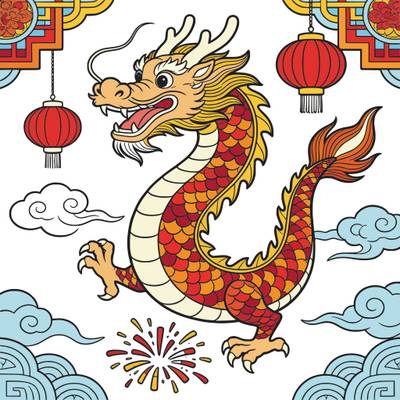
Chinese dragon with festival lanterns – colored in by the community
-
by lily
 5 Likes



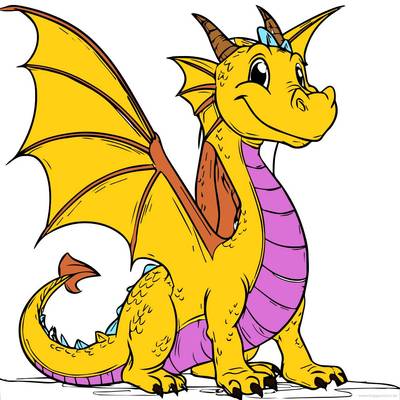


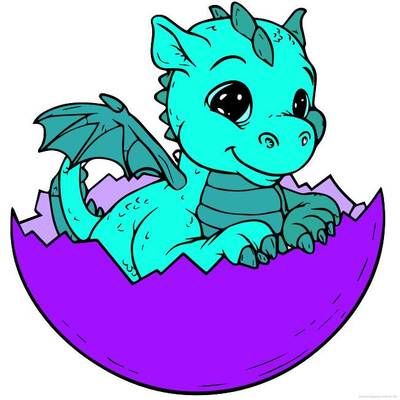


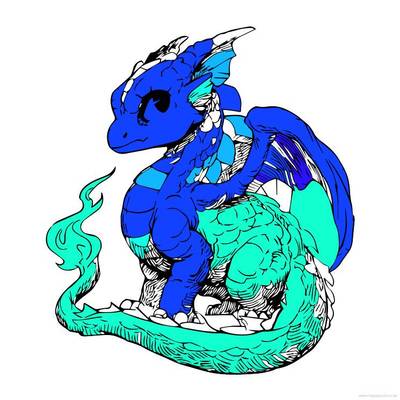
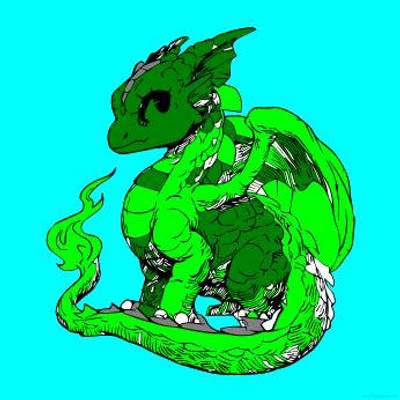

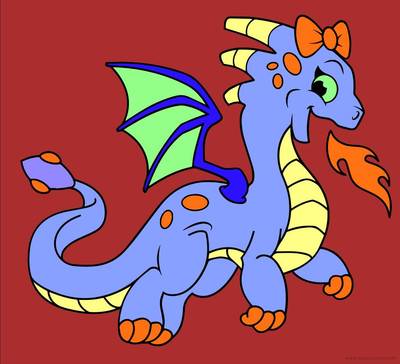
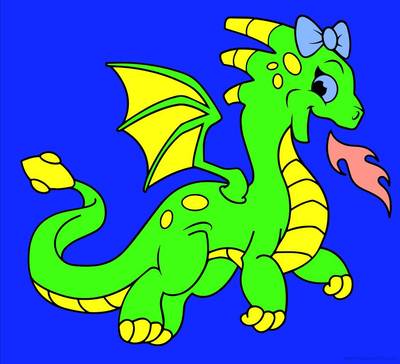
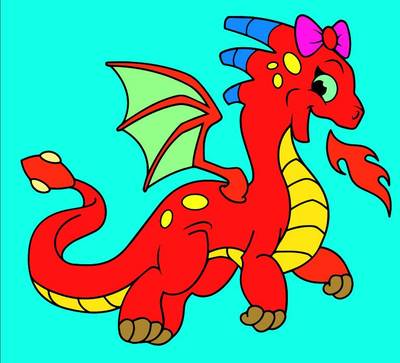

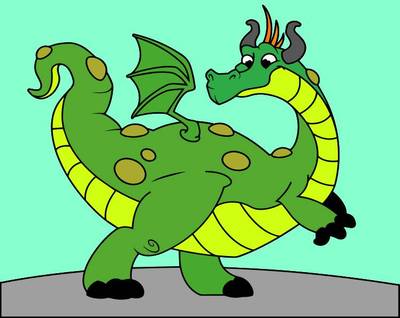

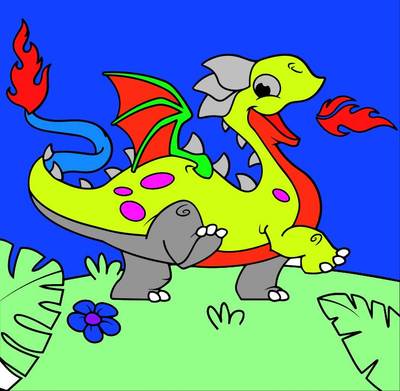
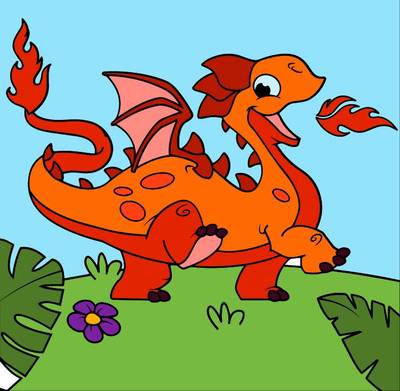
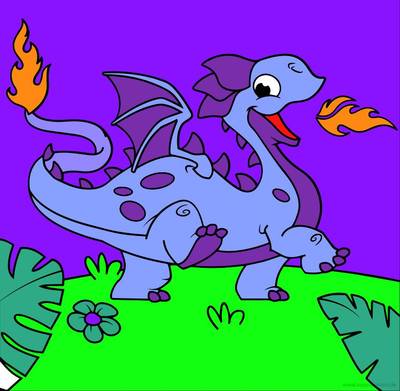

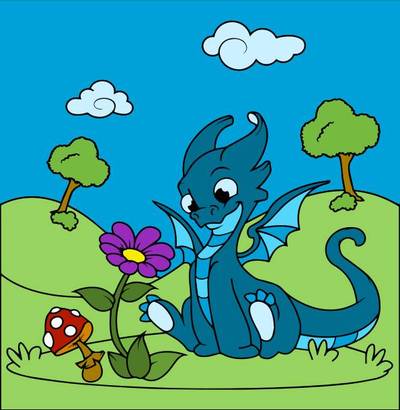
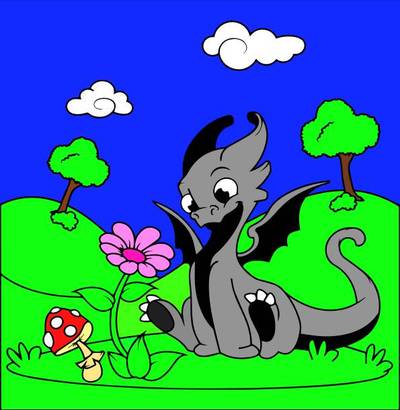
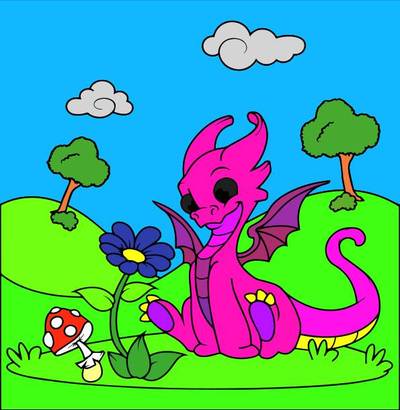

Dragon makes fire – colored in by the community
-
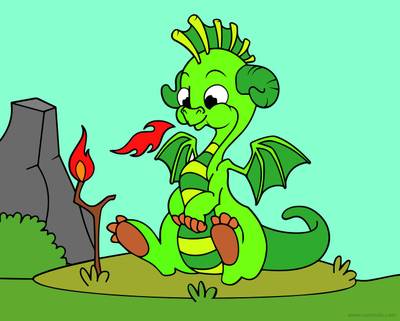 3 Likes
-
 0 Likes

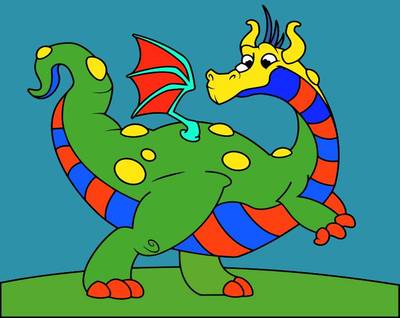
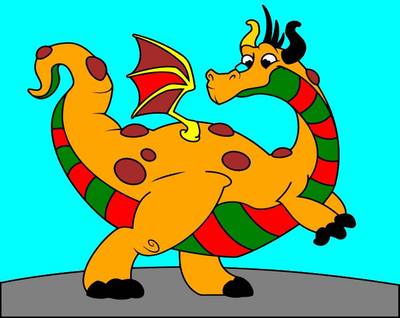
Old dragon with hat – colored in by the community
-
by user-mdligu
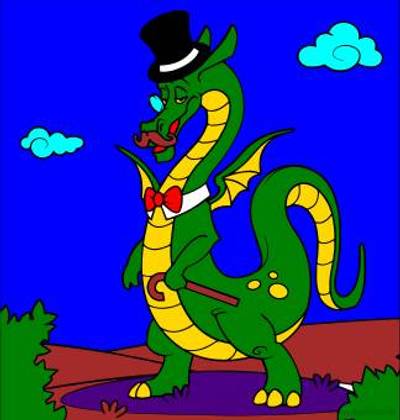 3 Likes
-
by user-7mido5
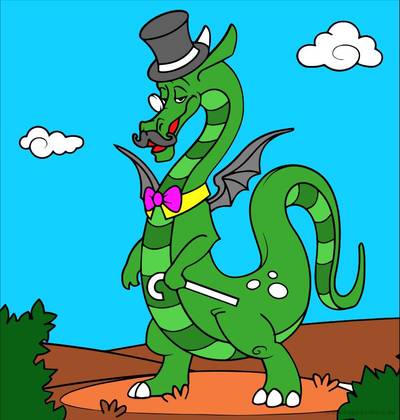 1 Likes

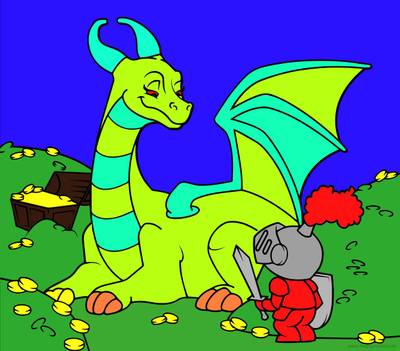
Dragon with knight – colored in by the community
-
by Katze
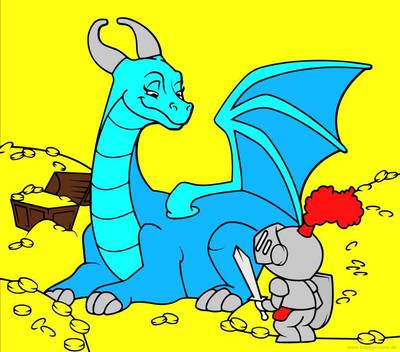 3 Likes
-
by user-mdligu
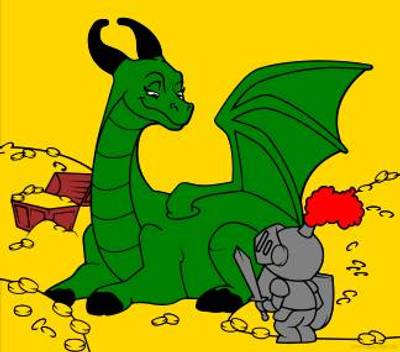 2 Likes
-
 2 Likes

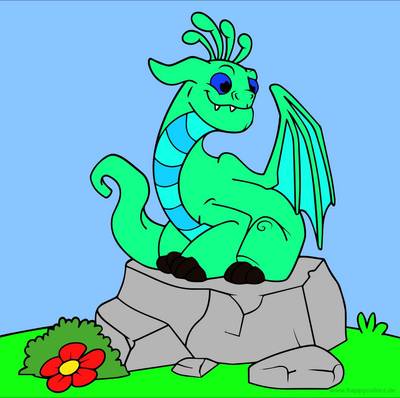
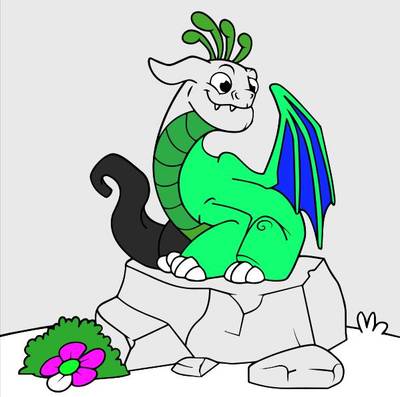
Dragon on a stone – colored in by the community
-
 0 Likes
-
 0 Likes

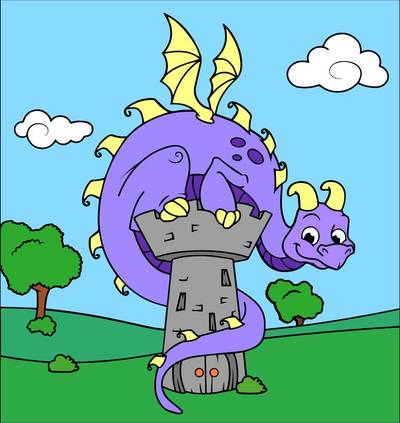
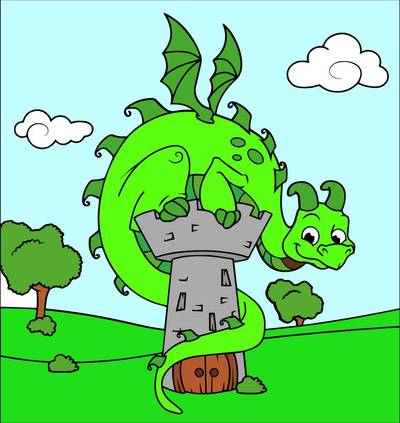
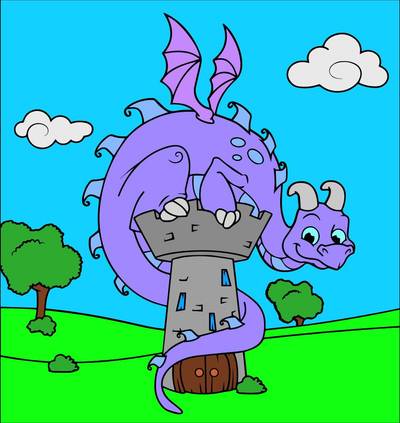

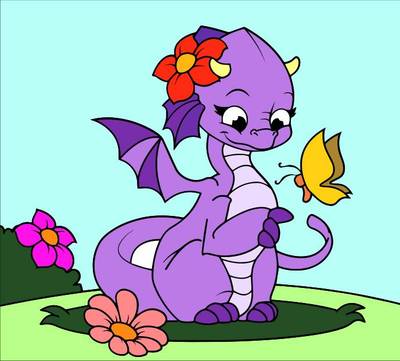

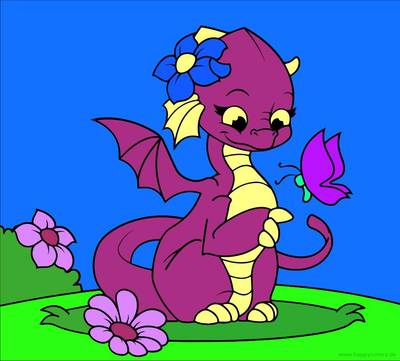


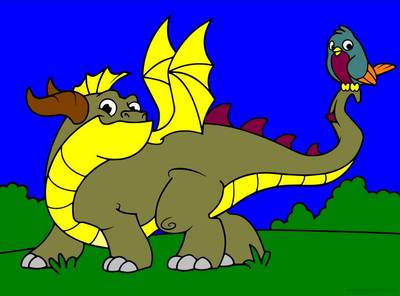
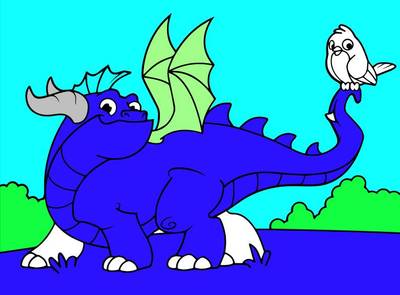
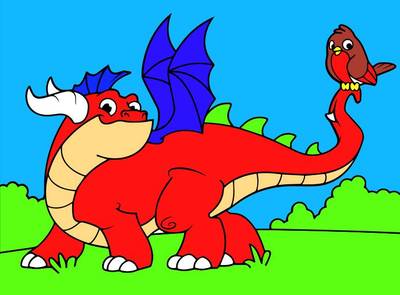
Dragon with bird and clouds – colored in by the community
-
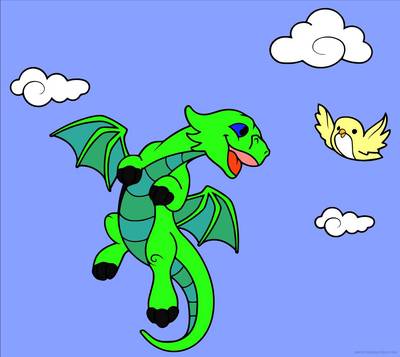 0 Likes
-
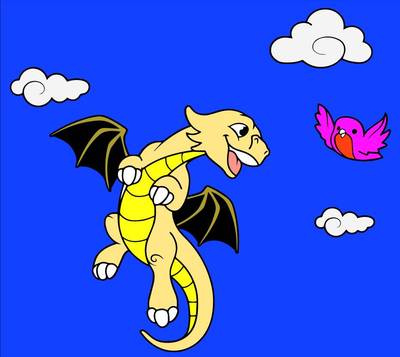 0 Likes

Dragon with balloons and clouds – colored in by the community
-
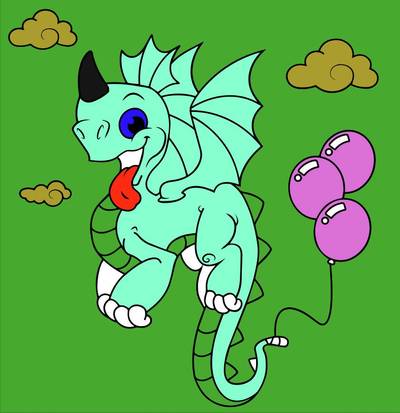 1 Likes

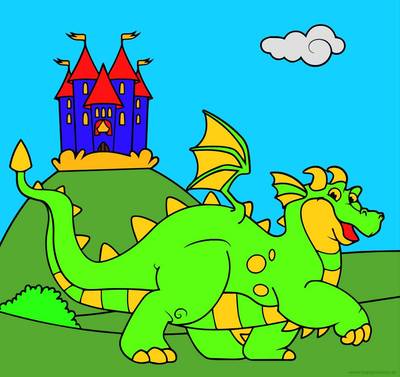
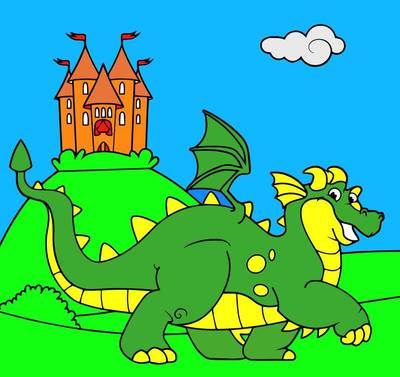
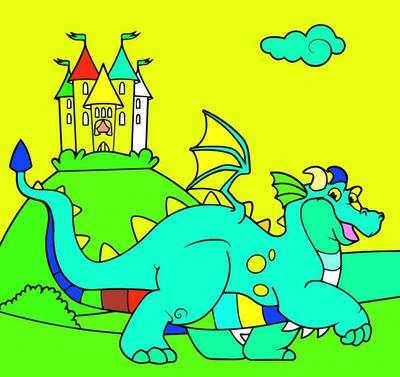

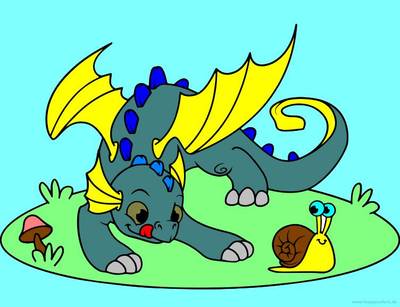
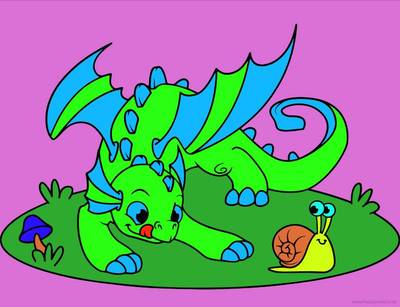
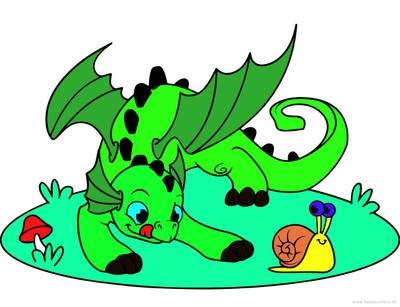

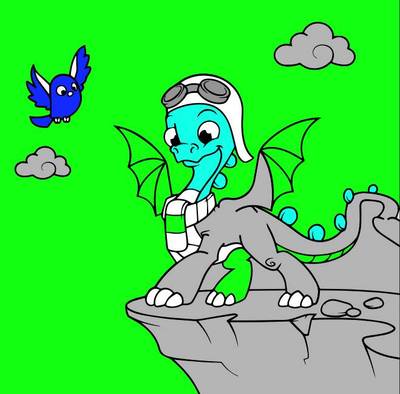
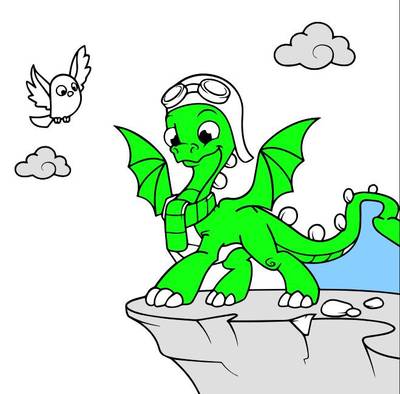
Dragon on a cliff – colored in by the community
-
 2 Likes
-
 1 Likes
-
 0 Likes

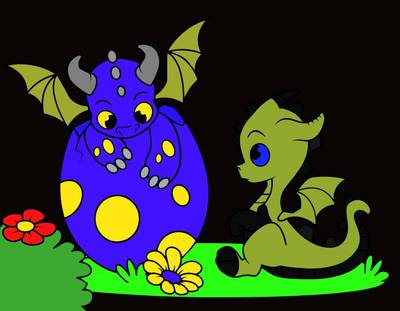
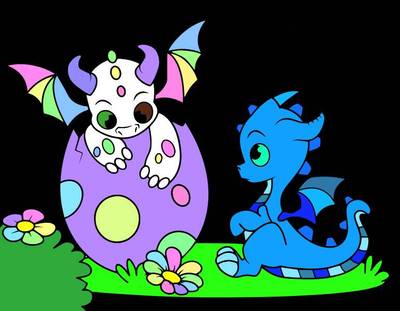
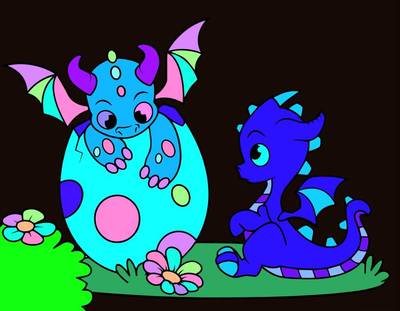

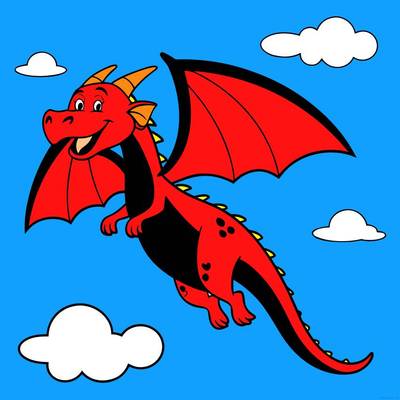
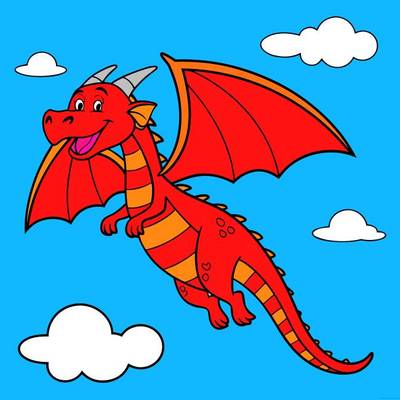
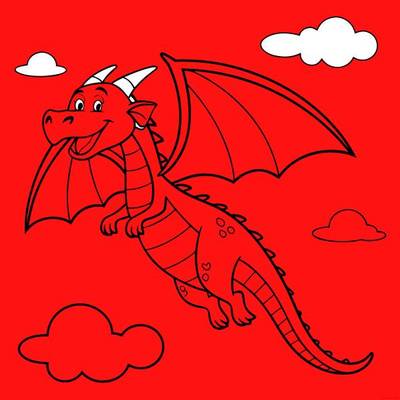
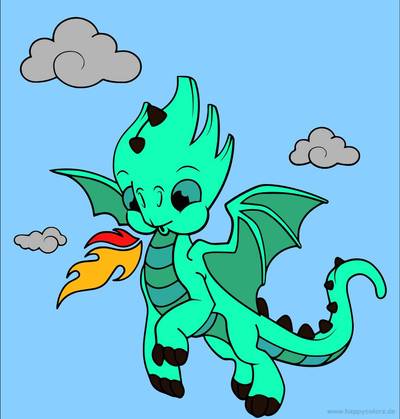
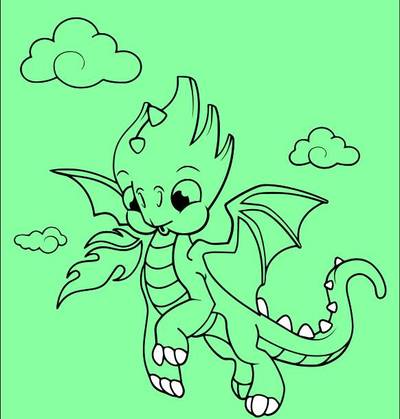
Cute flying dragon – colored in by the community
-
 0 Likes
-
 0 Likes


🎨 New coloring pages by email
Regularly get new free coloring pages straight to your inbox – no spam, unsubscribe anytime.
You’ll first get a confirmation email (double opt-in). Unsubscribe anytime with one click. Privacy Policy