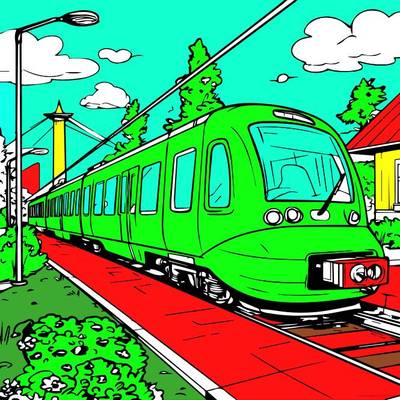
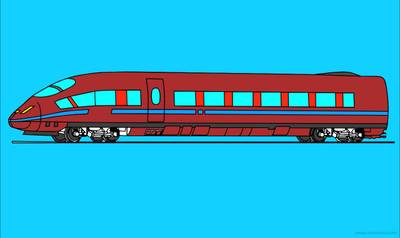
All aboard! Cool coloring picture with a lightning-fast train
 Author Mathias
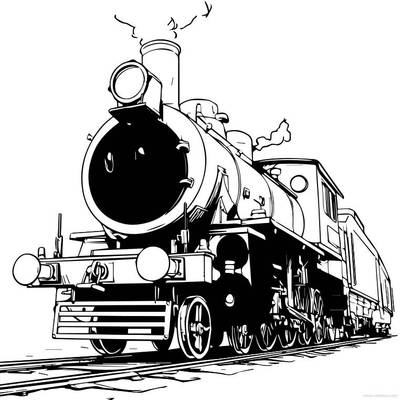
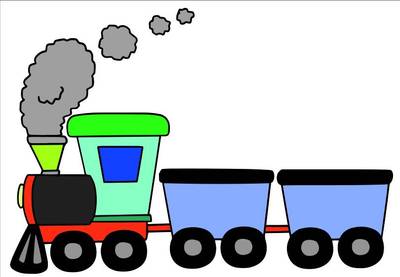
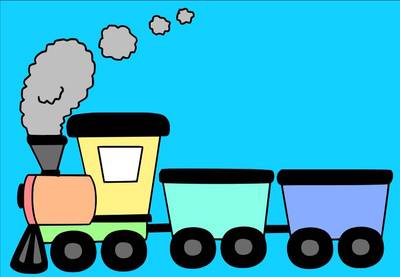
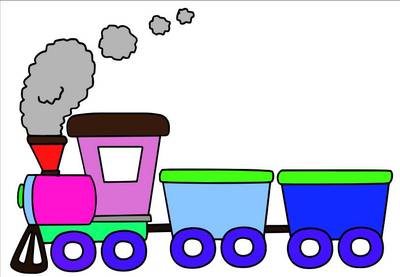
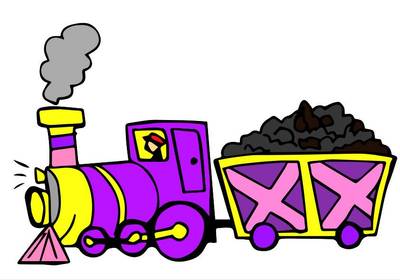
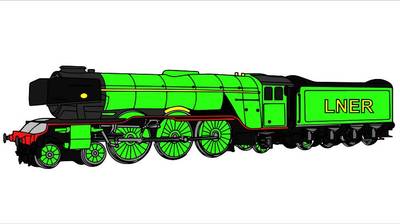
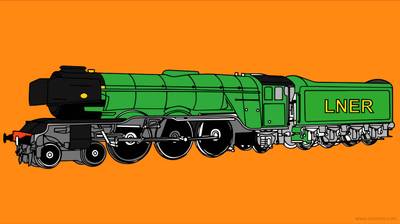
 A train coloring page is a simple, inviting drawing of an engine, cars, tracks, or a full locomotive scene designed for kids to color. These printable or digital illustrations show trains in a range of styles—from chunky, easy shapes for little hands to more detailed engines and landscapes for older kids. Each coloring page offers clear lines and open spaces that make it easy for toddlers to practice grip and for preschoolers to explore color choices, while more intricate train pictures challenge fine motor skills and concentration in older children.
These train coloring pages work well at home, in the classroom, for homeschool lessons, or tucked into a travel bag for quiet time on the go. Parents and teachers can use them to introduce vocabulary (engine, caboose, track), simple counting when adding cars, or storytelling by having children invent routes and passengers. Beyond being calming and fun, coloring supports creativity, hand-eye coordination, focus, and early literacy and math concepts. Whether kids color a single train for a moment of calm or assemble a set of coloring pages into a themed activity, they offer a warm, low-pressure way to learn and create together.

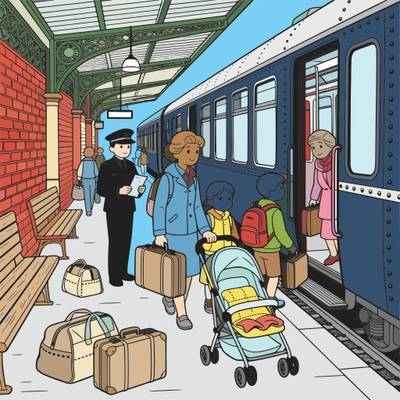
Detailed train station with passengers – colored in by the community
-
by oskar
 5 Likes

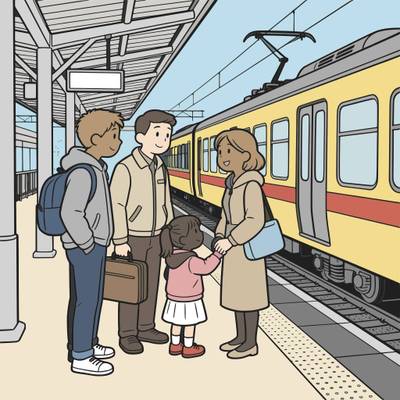
Family goodbye at the train platform – colored in by the community
-
by hugo
 3 Likes

Subway train with city views in windows – colored in by the community
-
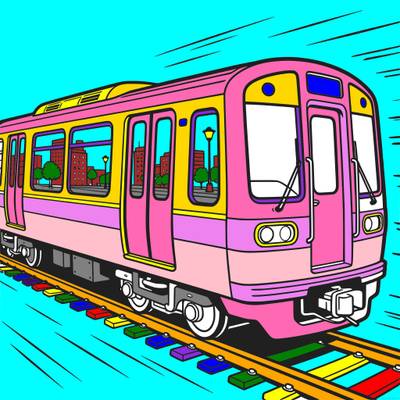 0 Likes
-
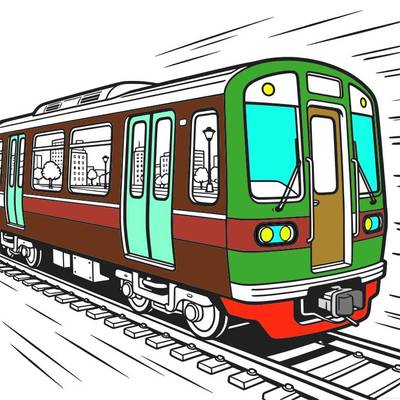 0 Likes

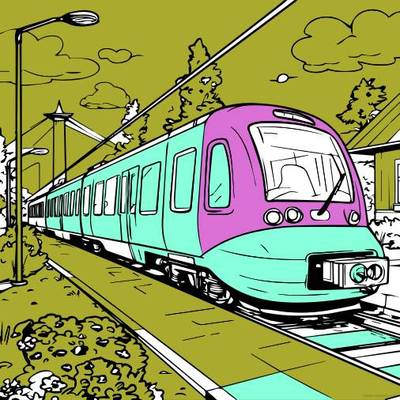
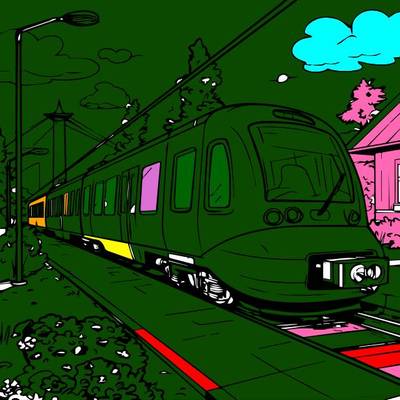
Subway train arriving at a platform – colored in by the community
-
by karl
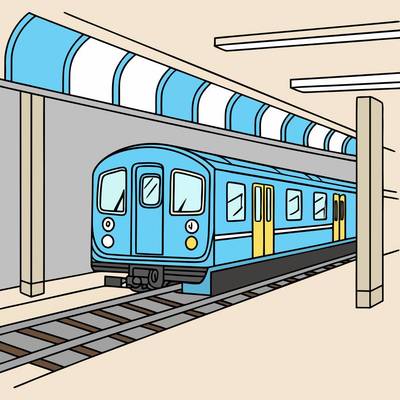 5 Likes

Train on railroad through hills – colored in by the community
-
by hugo
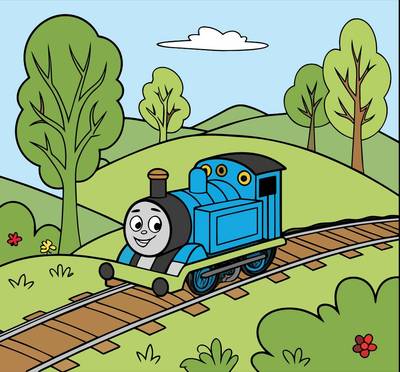 4 Likes

Steam train with bear driver – colored in by the community
-
by tom
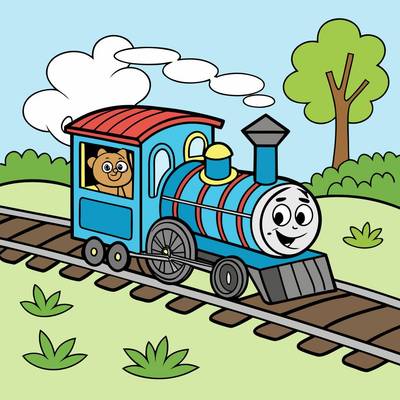 21 Likes

Train at the station platform – colored in by the community
-
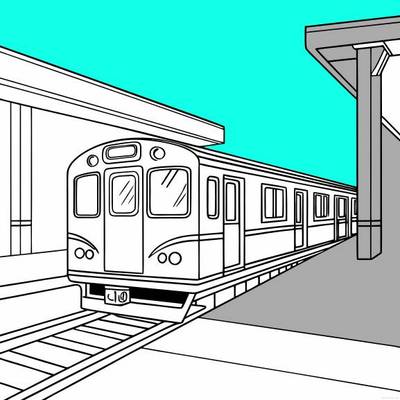 1 Likes

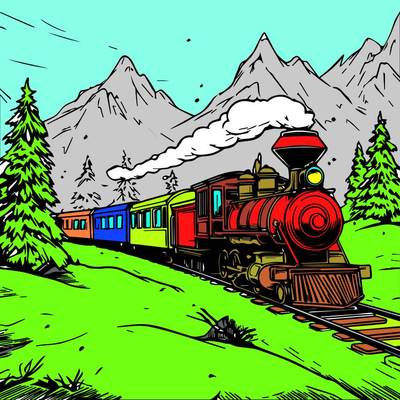
Train in the mountains – colored in by the community
-
by user-b71vhd
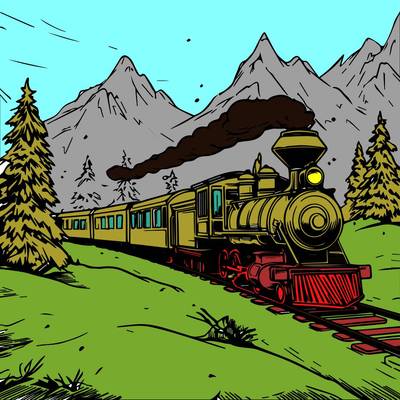 14 Likes
-
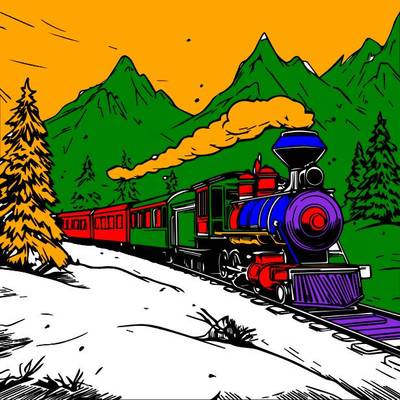 3 Likes
-
 1 Likes

Long freight train on a bridge – colored in by the community
-
by hugo
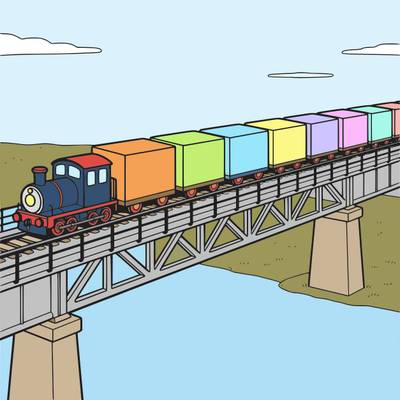 7 Likes

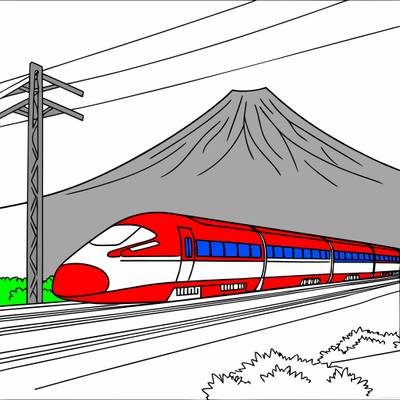
Side-view bullet train by Mount Fuji – colored in by the community
-
by hugo
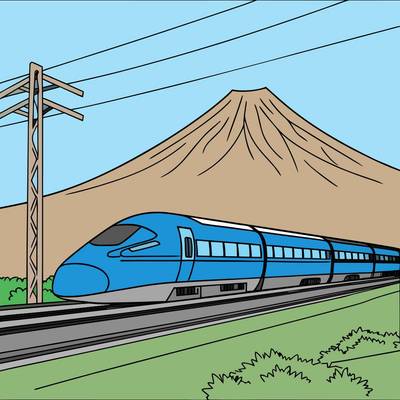 9 Likes
-
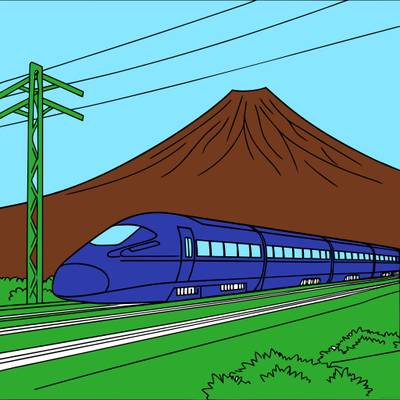 4 Likes
-
by Leny
 1 Likes


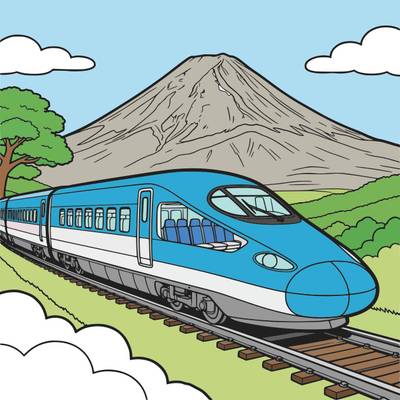
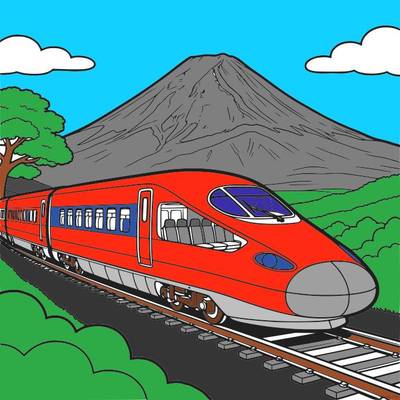
Detailed bullet train near Mount Fuji – colored in by the community
-
by magnus
 4 Likes
-
 0 Likes
All Aboard the Color Express: Smart Tips for Your Train Coloring Page
A train has lots of fun parts to color, and each one can look extra neat when children take it one section at a time. Slow, careful coloring helps the train look strong and shiny, like it’s ready to roll down the tracks.
What to Notice Before Coloring the Train
- Big shapes first: Color the main body of the train (engine and cars) before tiny details. This keeps the picture looking tidy.
- Windows and doors: These are usually smaller shapes inside bigger shapes. Try to keep the edges clean so they look like real windows.
- Wheels and circles: Wheels often have round rims and centers. Coloring in a smooth circle makes the train look like it can really move.
- Metal parts: Many trains have metal sections (like the engine front or connectors). Using gray shades and leaving a small white spot can make them look shiny.
- Tracks (if included): Rails are long lines, and the wooden ties repeat. Coloring them evenly helps the whole scene look steady and straight.
- Smoke or steam (if included): Use very light gray and keep it soft so it looks airy, not heavy.
Helpful hint: For a clean look, color in the same direction (left to right or top to bottom). This makes large train sides look smoother and more even.
Realistic Train Colors (With Easy Color Hints)
These colors match common real-life train parts like metal, glass, rubber, and painted panels. Use the table as a simple guide while coloring.
| Train Part | Realistic Color Suggestion |
|---|---|
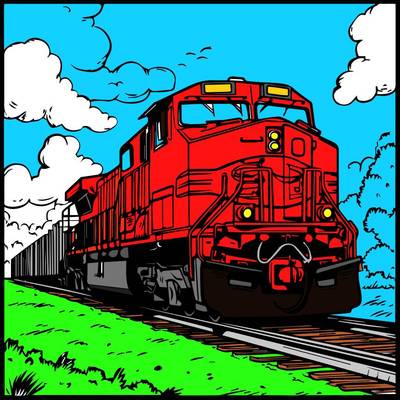
| Main body (painted panels) | Deep Red |
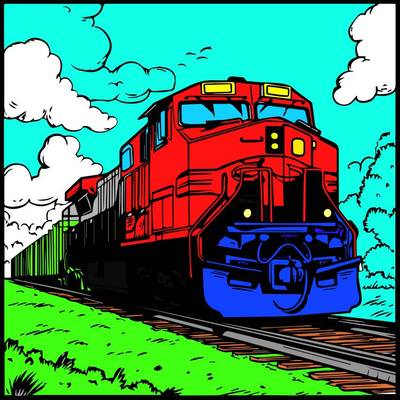
| Alternate common body color | Royal Blue |
| Alternate common body color | Train Green |
| Roof | Dark Gray |
| Metal parts (engine front, connectors) | Steel Gray |
| Wheels | Near Black |
| Window glass | Light Sky Blue |
| Headlight (if included) | Soft Yellow |
| Stripes or trim (common accent) | Golden Yellow |
| Tracks (rails) | Medium Gray |
| Track ties (wood) | Brown |
| Smoke/steam (if included) | Very Light Gray |
Neat-Coloring Tricks That Work Great on Trains
- Outline first: Trace around edges with the same color, then fill in the middle. This helps children stay inside the lines.
- Keep patterns steady: If the train has stripes, dots, or panels, repeat the same colors in the same order so it looks organized.
- Add simple shine: Leave a tiny uncolored strip on metal areas or windows to make them look glossy.

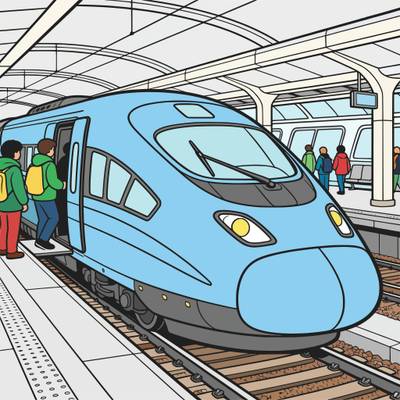
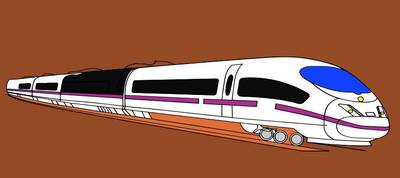
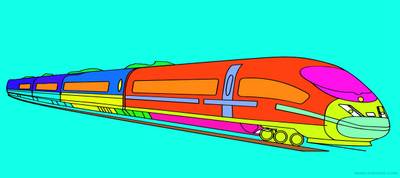
Close-up bullet train boarding scene – colored in by the community
-
by Sander
 6 Likes

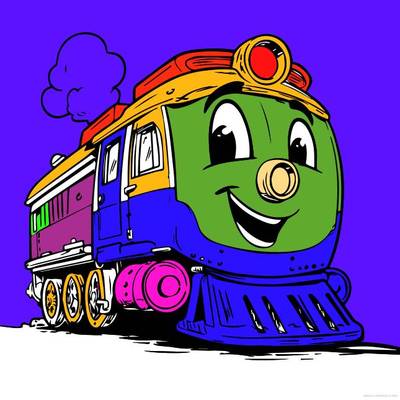
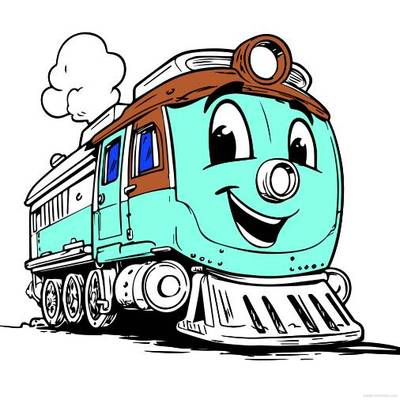
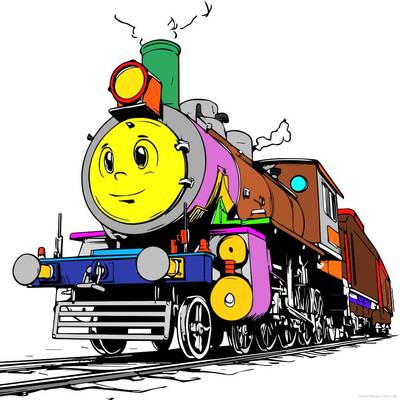
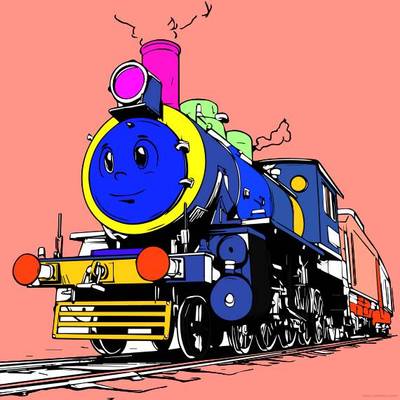
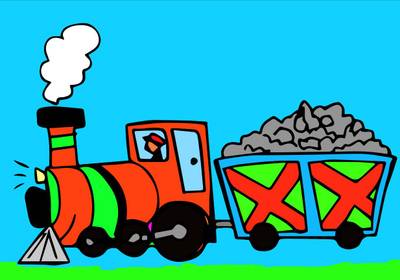
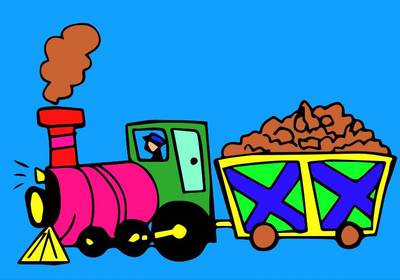
Simple smiling locomotive on tracks – colored in by the community
-
by Oliver
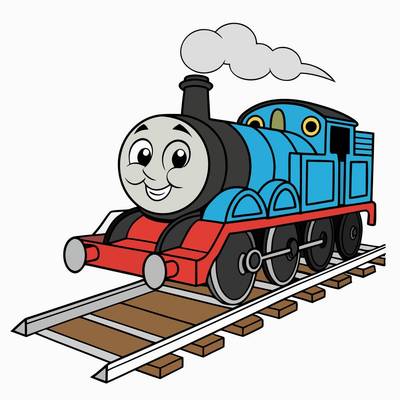 3 Likes

Detailed smiling locomotive on tracks – colored in by the community
-
by Duarte
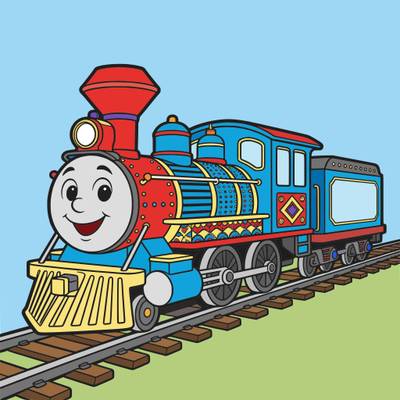 4 Likes
-
 0 Likes

Cute train circling a Christmas tree – colored in by the community
-
by hugo
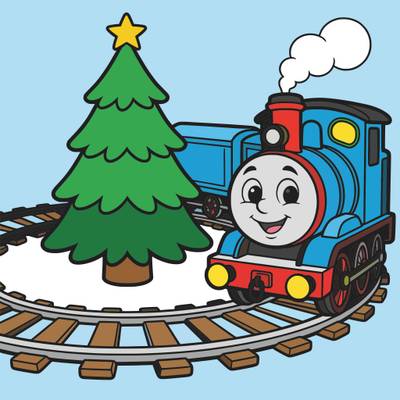 4 Likes
All Aboard the Craft Station: Train Fun!
Pop-Up Train on a Track
✂️ You need: finished train coloring page, scissors, glue stick, cardstock or thick paper, black marker or crayon
- Color the train and cut it out carefully.
- Fold a strip of cardstock like an accordion to make a stand.
- Glue the accordion stand behind the train so it stands up.
- Draw two long track lines on the base paper and add short “sleepers.”
💡 Supports: fine motor skills, creativity, careful cutting, spatial thinking
Toilet Roll Train Engine
✂️ You need: toilet paper roll, colored paper, glue, scissors, marker, bottle caps or paper circles (wheels)
- Wrap the toilet roll with colored paper and glue it down.
- Cut a small paper rectangle and glue it on top as the driver cabin.
- Glue on bottle caps or paper circles as wheels.
- Draw windows, doors, and a headlight with a marker.
💡 Supports: hand strength, imagination, shape building, planning steps
Classroom Train Name Banner
✂️ You need: paper or cardstock, crayons or markers, scissors, glue or tape, string or ribbon, hole punch (optional)
- Draw one engine and several train cars on separate papers.
- Write one letter of a name on each car.
- Color and cut out all the pieces.
- Tape or glue the cars in a line and attach them to a string.
💡 Supports: teamwork, letter recognition, creativity, sequencing

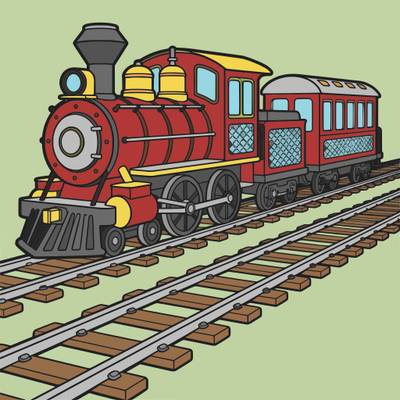
Detailed train set on railway tracks – colored in by the community
-
by Oliver
 5 Likes

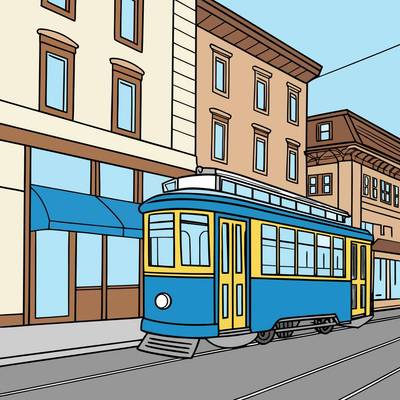
Simple city tram by the shops – colored in by the community
-
by kacper
 7 Likes

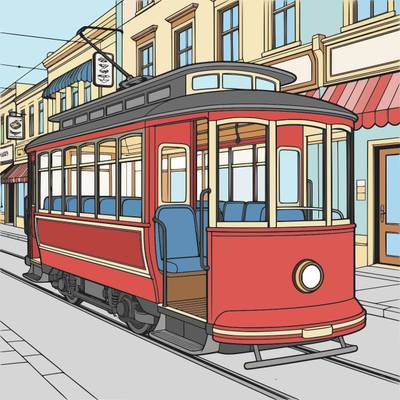
Detailed city tram on a shop street – colored in by the community
-
by max
 8 Likes

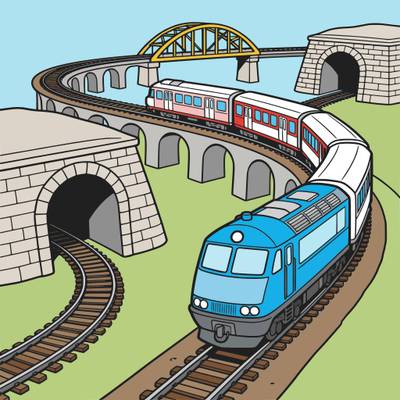
Model train set with tunnels and bridges – colored in by the community
-
by hugo
 8 Likes
All Aboard! 5 Surprising Facts About Trains
Some Trains Are Electric!
Not every train needs a smoky engine—some use electricity from wires above the track or a special rail, helping them move smoothly through busy places like the Northeast U.S. corridor. National Geographic
Steel Wheels Roll Super Easily
Train wheels are steel, and the tracks are steel too—this strong, smooth match helps trains carry heavy loads while using less energy than many trucks. HowStuffWorks
The “Golden Spike” Joined America
In 1869, a famous final spike was tapped in Utah to connect railroad tracks from east and west—making it much faster to travel across the United States. Library of Congress
A Train Is Like Linked Building Blocks
Each car is connected by a coupler, so a train can be made longer or shorter—passenger cars, mail cars, or freight cars can be mixed like a giant rolling set. Wikipedia
Whistles Are Safety Signals
That loud “toot!” isn’t just for fun—train horns and whistles warn people and cars near crossings, helping everyone share the tracks safely. PBS

City tram on a bridge above boats – colored in by the community
-
by Oliver
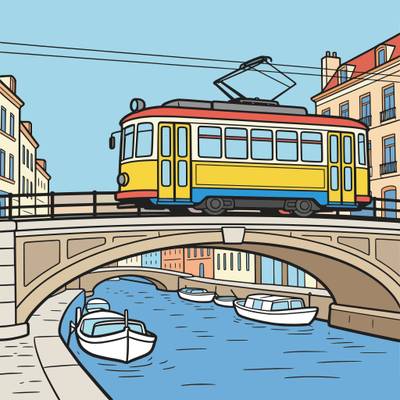 2 Likes









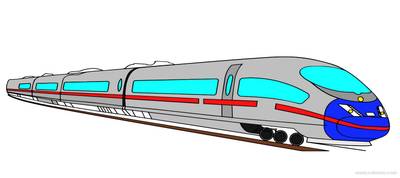

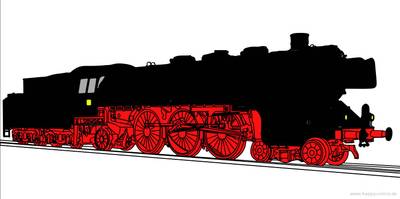
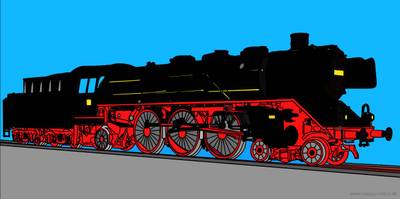
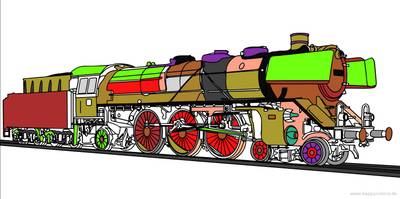





🎨 New coloring pages by email
Regularly get new free coloring pages straight to your inbox – no spam, unsubscribe anytime.
You’ll first get a confirmation email (double opt-in). Unsubscribe anytime with one click. Privacy Policy
Why Kids Love These Train Coloring Pages
- They build fine motor skills and hand‑eye coordination as children color wheels, windows, and small train details.
- Parents and teachers can use the pages for quick themed activities, art centers, or learning stations with almost no prep.
- Coloring trains supports early literacy and vocabulary when kids label engines, cars, and destinations during play.
- As a screen‑free activity, printable train pages keep children focused and calm during travel, quiet time, or rainy-day indoor play.
Creative Ideas & Activities
- Make a paper train mural by coloring multiple engine and car pages, cutting them out, and gluing them to a long strip of butcher paper to create a classroom or hallway display.
- Create a math game by numbering each train car and having children add, subtract, or order the cars to reach a destination, practicing basic arithmetic and sequencing.
- Turn a train page into a storytelling prompt: children pick a printed engine, name the conductor, and take turns adding sentences to build a group story.
- Mount colored train pages on craft sticks to make puppets, then act out routes and dialogues to practice social skills and oral language.
- Teach patterns and color theory by asking kids to design repeating color schemes on train cars and explain why they chose certain combinations.
- Use printed trains for a simple geography lesson by labeling stations on a classroom map and moving paper trains between cities while discussing directions and distance.
- Build a 3D model train by wrapping colored pages around folded cardstock to form engines and cars, then link them with yarn or paper clips for imaginative play.
- Host a “decorate your dream train” activity where children add stickers, textured paper, and safe embellishments, then display their trains for a mini art show.
Frequently Asked Questions
Are these coloring pages free to download and print?
Yes, all coloring pages on this page are free to download and print. You can use them at home or in school without charge.
What file formats are available and how do I print them?
The pages are available as PDF and JPG files for easy downloading. Open the file, select fit-to-page or actual size in your print dialog, and print on standard letter paper or heavier stock as desired.
What ages are the train coloring pages suitable for?
These train pages are suitable for toddlers through early elementary children, roughly ages 2–8, with simpler designs for younger kids and more detailed trains for older children. You can adapt each page by assigning larger coloring areas or adding cutting and pasting tasks to increase complexity.
Can I use the coloring pages in my classroom or kindergarten?
Yes, classroom and kindergarten use is allowed; you may download and print the pages for activities, centers, or take-home projects. The pages are free to use in school settings.
How can I get the best coloring results with these pages?
For the best results, print on heavier paper or light cardstock and use crayons, colored pencils, or water-based markers; heavier paper reduces bleed-through and makes colors more vibrant. If you plan to use wet markers, place a scrap sheet underneath and avoid alcohol-based markers unless you have very thick paper.