
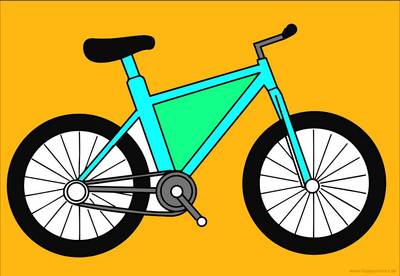
Coloring picture of a bicycle for rapid drawing on two wheels
 Author Mathias
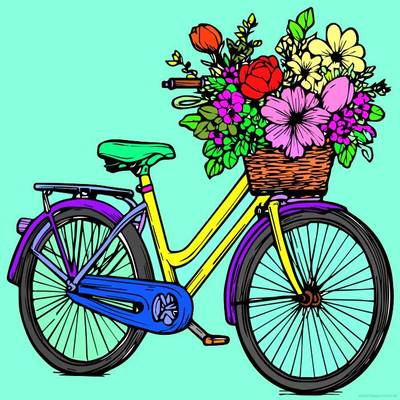
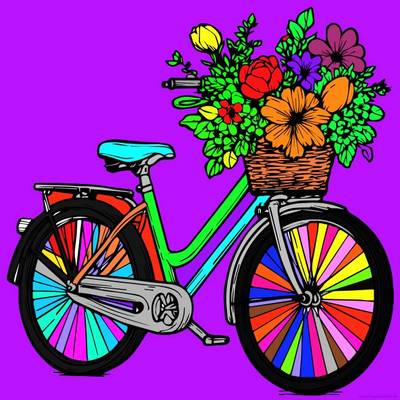
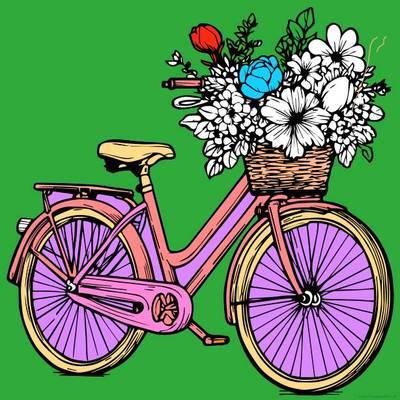
 A simple bicycle coloring page can be a small, joyful invitation to creativity. This coloring page features clear outlines of a friendly bike—wheels, handlebars, a basket—and offers a satisfying space for little hands to explore colors and patterns. Whether a child spends five minutes or half an hour on it, the image of a bicycle becomes a playful focus that encourages concentration and imaginative storytelling.
These bicycle coloring pages are designed for a wide range of ages: toddlers who enjoy bold shapes, preschoolers developing fine motor skills, and older kids who like to add details, shading, or backgrounds. They work well at home for quiet time, in the classroom during art centers, for homeschool lessons that mix literacy or counting, and on travel days to keep restless hands busy. Beyond being fun, a bicycle coloring page supports developmental goals—hand-eye coordination, color recognition, pencil control, and patience—while also opening opportunities for learning vocabulary (parts of a bike), simple math (counting spokes), and creative expression. Friendly and nonjudgmental, these pages invite kids to experiment, learn, and relax, making the humble bicycle a memorable subject for both play and progress.

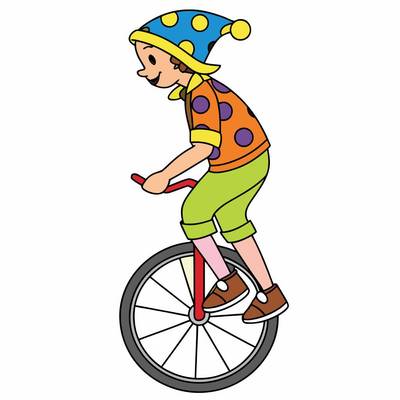
Simple side-view clown on a unicycle – colored in by the community
-
by magnus
 2 Likes


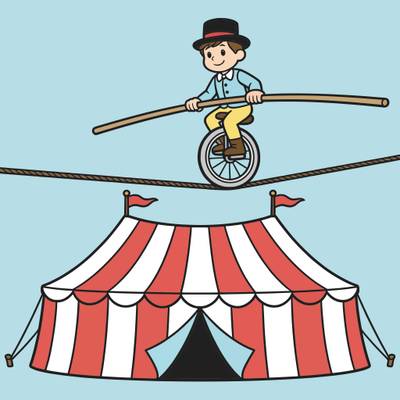
Cartoon unicyclist above a circus tent – colored in by the community
-
by kacper
 4 Likes

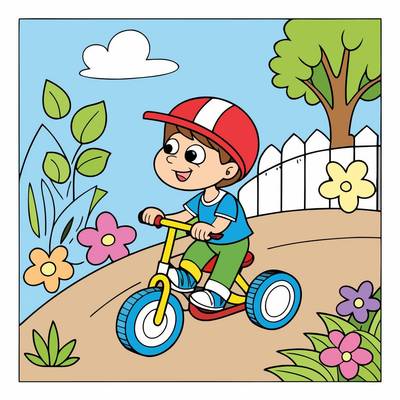
Cute toddler riding a tricycle in a garden – colored in by the community
-
by marco
 11 Likes

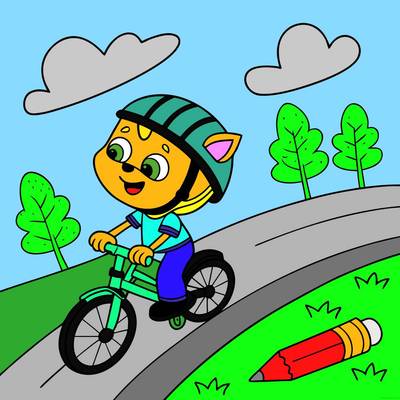
Cat riding a bicycle – colored in by the community
-
 0 Likes

Bicycle with Ribbons – colored in by the community
-
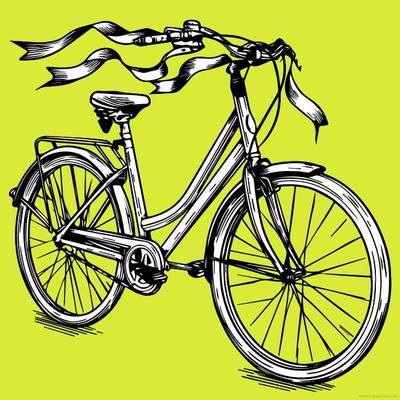 0 Likes
-
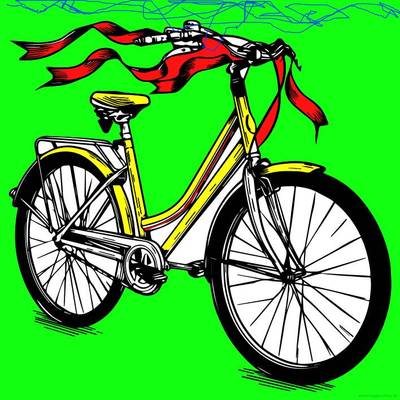 0 Likes

Cute toddler tricycle parade in the yard – colored in by the community
-
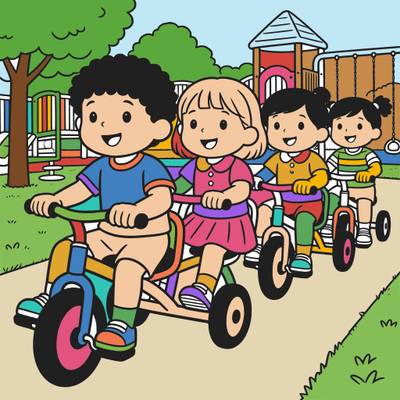 1 Likes

Three riders on a beach tandem bike – colored in by the community
-
by sasi
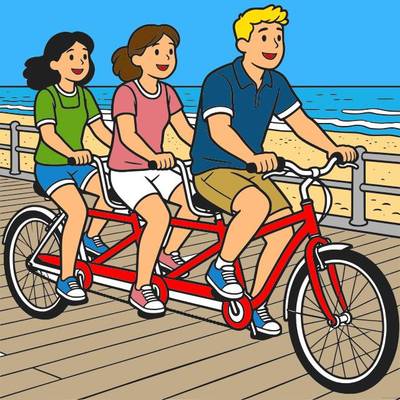 9 Likes

Cyclist on a racing bike country road – colored in by the community
-
by sofie
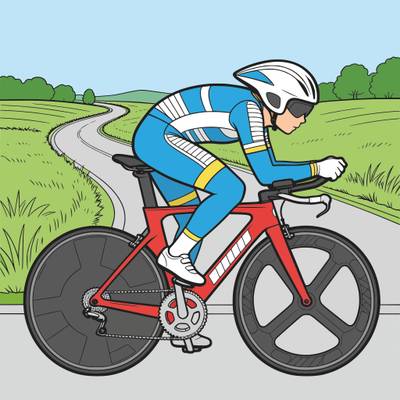 17 Likes

Simple mountain bike on forest trail – colored in by the community
-
by eero
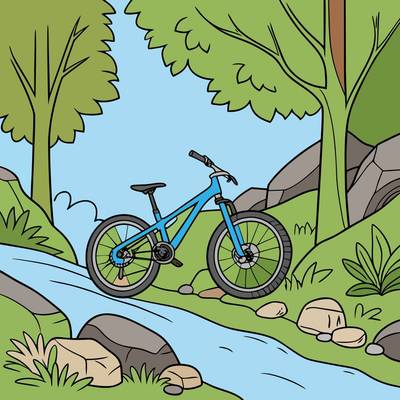 7 Likes
-
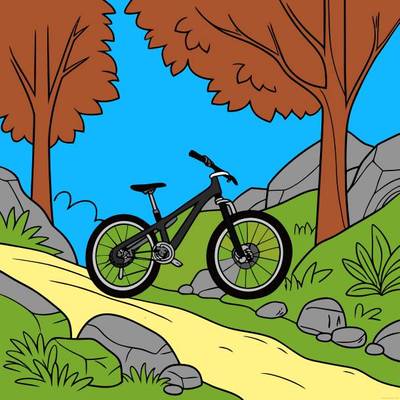 3 Likes

Close-up mountain bike on forest trail – colored in by the community
-
by max
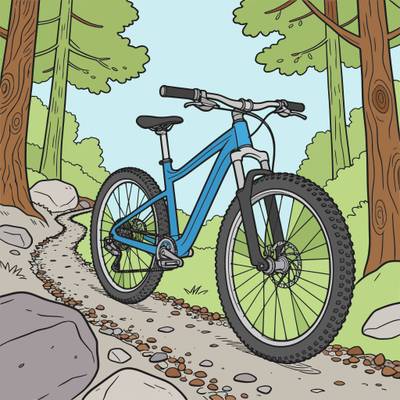 2 Likes

Downhill mountain bike race with crowd – colored in by the community
-
by giulia
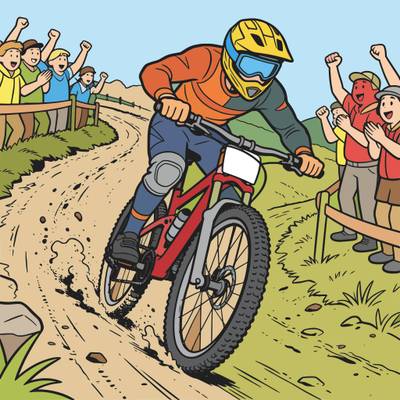 2 Likes
Make Your Bicycle Look Ready to Ride – Smart Coloring Tips
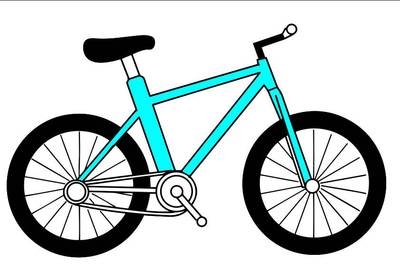
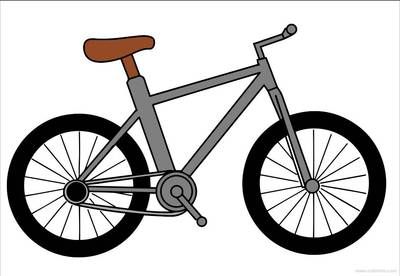
Goal: Color the bicycle so it looks real, sturdy, and ready for the road. Focus on smooth metal parts, rubber tires, and shiny details.
What to Pay Special Attention to While Coloring
- Wheels and rims: Keep the circles neat. Color the rim (metal) differently from the tire (rubber) so the wheel looks clear and round.
- Tires: Tires are usually dark and matte. Leave tiny lighter spots (or color a bit softer) to show a gentle “rubber” look.
- Spokes: Spokes are thin lines. A light gray pencil or a gentle silver/gray crayon works best so they don’t look too heavy.
- Frame tubes: The frame is smooth and often shiny. Try to color in the same direction along each tube for an even, clean finish.
- Chain and gears: These parts are metal. Use gray tones and add a slightly darker edge to make the teeth and links stand out.
- Seat and handle grips: These are often soft materials (like leather or rubber). Use darker shading underneath to show a little curve and comfort.
- Lights and reflectors: Keep these bright and clear. Leave small white highlights to make them look like they’re catching light.
Realistic Bicycle Color Guide (With Color Swatches)
| Part of the Bicycle | Realistic Color | Color Hint |
|---|---|---|
| Frame (common options) | Red | #D32F2F |
| Frame (common options) | Blue | #1976D2 |
| Frame (common options) | Black | #212121 |
| Frame (common options) | White | #F5F5F5 |
| Tires | Rubber Black | #1B1B1B |
| Rims & spokes | Silver / Light Gray | #B0BEC5 |
| Chain & gears | Steel Gray | #8D99A6 |
| Handlebar | Dark Gray | #424242 |
| Handle grips | Black | #2A2A2A |
| Seat | Dark Brown | #4E342E |
| Reflectors | Orange (side/pedals) | #FB8C00 |
| Rear reflector | Red | #E53935 |
| Front light | Pale Yellow-White | #FFF9C4 |
Helpful Hints for a Neat, Real-Looking Bicycle
- Color big parts first: Frame, tires, and rims. Then add smaller details like spokes, chain, and reflectors.
- Use gentle shading: Add a slightly darker line under the frame tubes, under the seat, and behind the gears to make the bike look 3D.
- Keep metal lighter than rubber: Silver/gray for metal parts, deep black for tires and grips helps everything look correct.
- Save tiny white highlights: A small uncolored spot on the frame or light makes it look shiny and smooth.
Quick check: Tires = darkest, metal parts = light gray/silver, reflectors = bright and clear. This simple contrast makes the bicycle look realistic.

Kids bike on a sunny path – colored in by the community
-
by eero
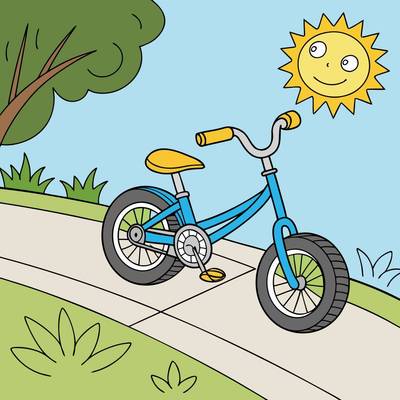 5 Likes

Kids bike by tree and picnic basket – colored in by the community
-
by Oliver
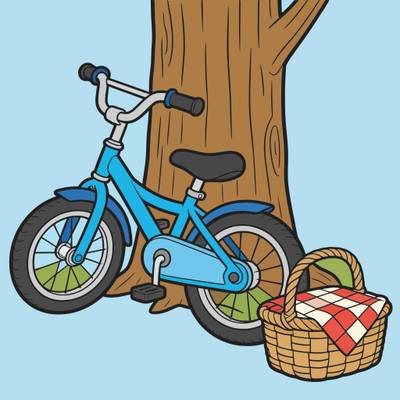 6 Likes

Racing cyclists sprint to the finish – colored in by the community
-
by Clara
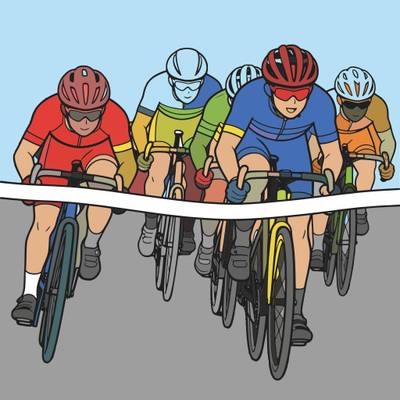 5 Likes

Commuter with folding bike at station – colored in by the community
-
by Sander
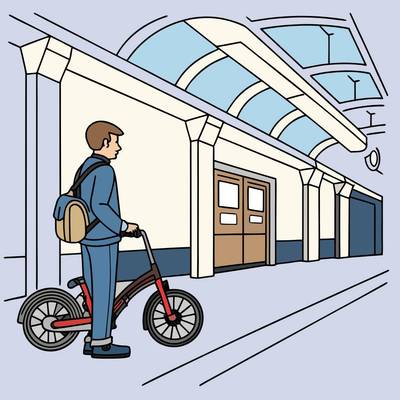 8 Likes
Scissors, Glue, Pedal! Bicycle Crafts Kids Can Make
Spin-Wheel Bicycle Puppet Stick
✂️ You need: bicycle coloring page, crayons or markers, child-safe scissors, glue stick, cardstock or cereal box cardboard, paper fastener (brad), craft stick or ruler strip, hole punch (optional)
- Color the bicycle and cut it out with help.
- Glue it onto cardstock and cut around it again.
- Cut out the wheels and punch a small hole in each wheel center.
- Punch matching holes where the wheels go and attach with paper fasteners.
- Glue a craft stick to the back to hold and “ride” your bicycle.
💡 Supports: fine motor skills, hand-eye coordination, cause-and-effect learning
Paper Plate Bicycle Wheel Wreath
✂️ You need: 1–2 paper plates, child-safe scissors, crayons or paint, glue, yarn or string, scrap paper strips, hole punch (optional), tape
- Cut the center out of a paper plate to make a ring.
- Color the ring like a bicycle tire and add dots for tread.
- Glue or tape yarn across the ring to make “spokes.”
- Add paper strips as streamers like handlebar tassels.
- Punch a hole and tie string so it can hang on a wall.
💡 Supports: creativity, scissor practice, spatial thinking
Classroom “Bike Lane” Wall Mural
✂️ You need: bicycle coloring pages (one per child), crayons or markers, large paper roll or taped-together papers, glue or tape, black marker, colored paper scraps
- Each child colors and cuts out a bicycle.
- Tape large papers together to make a long “street.”
- Draw a bike lane line and simple road signs with a marker.
- Glue the bicycles onto the lane like they are riding together.
- Add trees, clouds, and houses using paper scraps.
💡 Supports: teamwork, planning, storytelling, creativity

Folded bike beside commuter at station – colored in by the community
-
by magnus
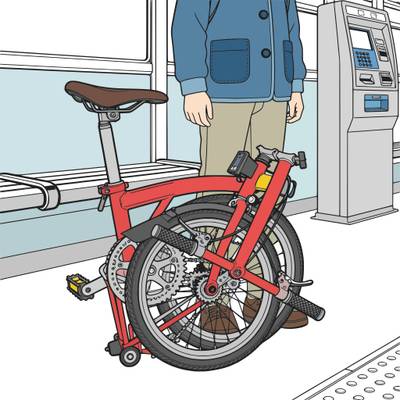 7 Likes

Electric bike in a neon city street – colored in by the community
-
by Sander
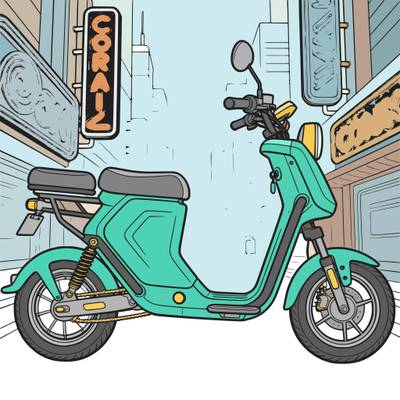 6 Likes

Simple e-bike charging scene – colored in by the community
-
by eero
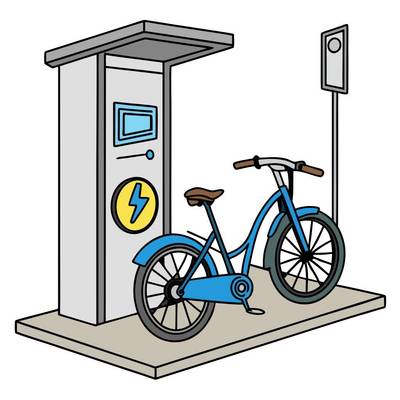 4 Likes

Simple cargo bike with grocery box – colored in by the community
-
by karl
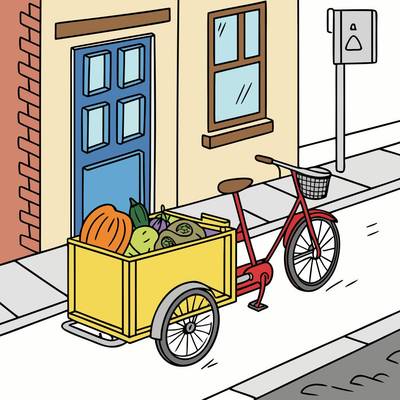 4 Likes
Did You Know? 5 Wheel-Spinny Facts About Bicycles
Two Wheels Help You Balance
When a bicycle rolls forward, it’s easier to stay upright because the spinning wheels help the bike keep its balance—kind of like a top that doesn’t want to tip over. Scientific American
The First Bikes Had No Pedals
Some of the earliest bicycles were “push bikes”—riders scooted along with their feet on the ground, then lifted their feet to glide. Pedals came later! Wikipedia
America’s Bike Boom Was Huge
In the 1890s, the United States had a big bicycle craze—people rode for fun, for travel, and even to help shape better roads in many towns and cities. Library of Congress
Gears Feel Like Magic Helpers
Bike gears change how hard you push: an easier gear helps you climb hills, and a harder gear helps you go faster on flat paths—like choosing the best “power setting.” HowStuffWorks
Some National Parks Love Bikes
In several U.S. national parks, bicycles are a fun way to explore certain roads and paths—perfect for spotting big views while riding at your own pace. National Park Service

Detailed e-bike at charging station – colored in by the community
-
by Sander
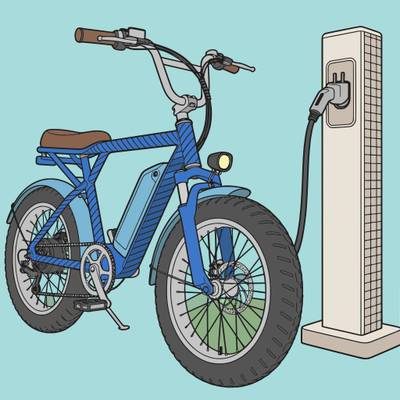 5 Likes


Cargo bike delivering pizza boxes – colored in by the community
-
by aino
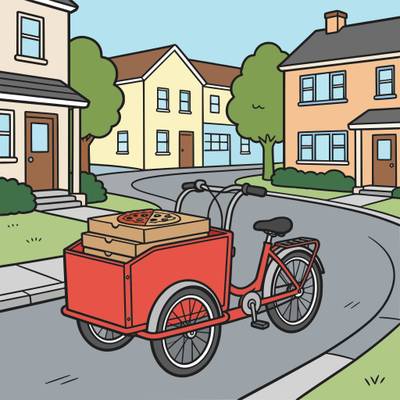 3 Likes

Simple BMX rider on dirt ramp – colored in by the community
-
by magnus
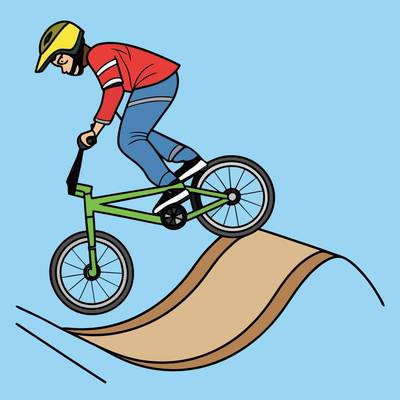 4 Likes

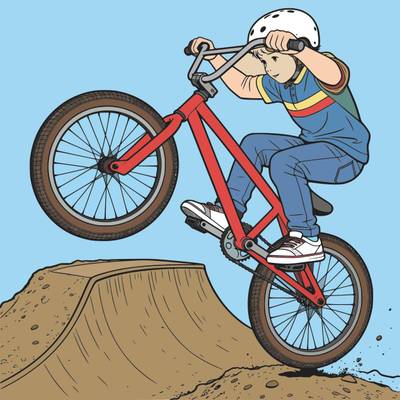
Detailed BMX jump over dirt ramp – colored in by the community
-
by live
 1 Likes

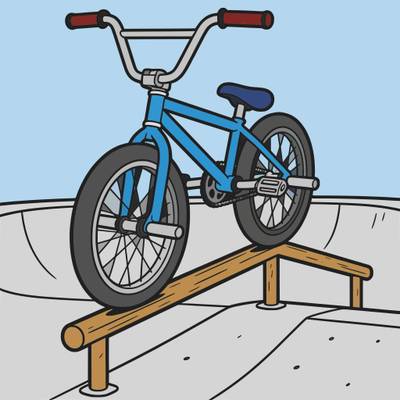
Close-up BMX bike grinding a rail – colored in by the community
-
by eero
 7 Likes

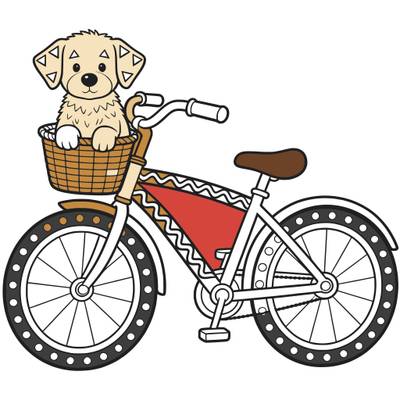
Cute dog riding in a bicycle basket – colored in by the community
-
 1 Likes

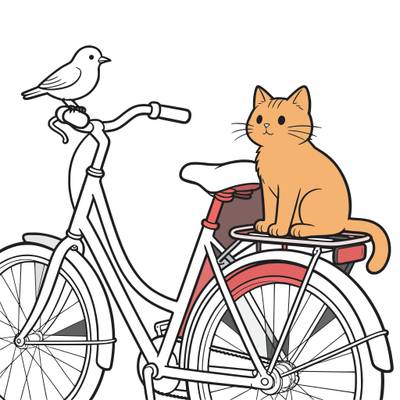
Cute bicycle with cat and bird – colored in by the community
-
by Sander
 0 Likes

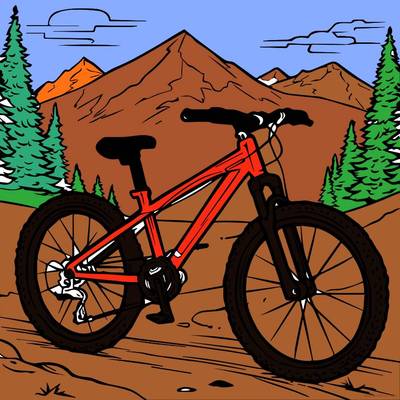
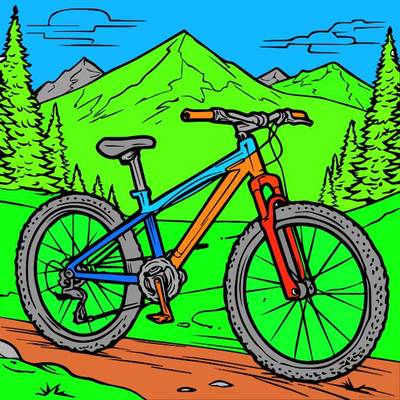
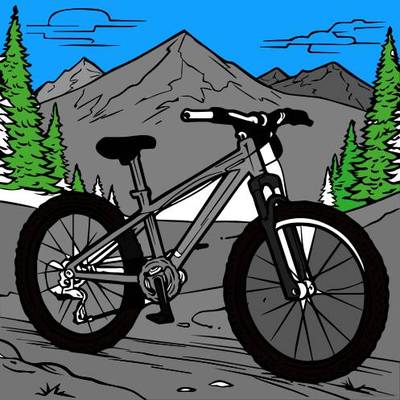
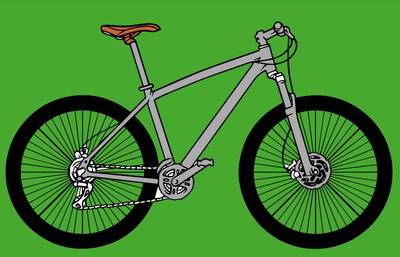
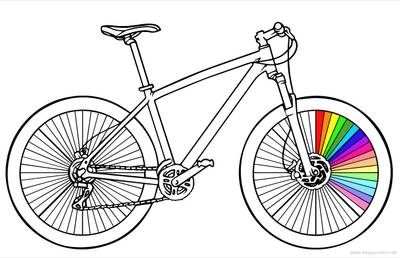
Mountain bike in nature – colored in by the community
-
by user-1njyoh
 5 Likes
-
 5 Likes
-
 3 Likes






🎨 New coloring pages by email
Regularly get new free coloring pages straight to your inbox – no spam, unsubscribe anytime.
You’ll first get a confirmation email (double opt-in). Unsubscribe anytime with one click. Privacy Policy
Why Kids Love These Bicycle Coloring Pages
- They help children practice fine motor skills and color recognition as they stay inside the bicycle outlines.
- Teachers and parents can use them quickly for seatwork, morning tubs, or an art corner with no preparation required.
- Coloring bicycles encourages focus and calm screen-free time that still feels playful and creative.
- Simple bicycle designs allow kids to experiment with patterns, color mixing, and personal storytelling about rides and adventures.
Creative Ideas & Activities
- Turn a colored bicycle page into a cut-and-paste collage by adding magazine scraps for clothing and background scenery to practice scissor skills.
- Create a story prompt: have each child color a bicycle and then write or tell a short tale about where the bike is going and who is riding it to encourage literacy and imagination.
- Use bicycle pages for a matching game by printing pairs, having kids color them differently, then turning them face down to play memory and develop concentration.
- Make a simple math activity by asking kids to count wheels, spokes, or baskets on different bicycle pages and record totals to reinforce basic arithmetic.
- Decorate a bicycle and attach it to a paper straw or stick to make puppets for a classroom parade or storytelling session that promotes cooperative play.
- Use bicycle outlines for a color-by-number activity: assign numbers to colors and let students follow the code to practice number recognition and following directions.
- Create classroom name tags by coloring a bicycle, writing each child’s name on the seat, and laminating them for cubbies or coat hooks to build ownership of space.
- Combine colored bicycle pages into a collaborative mural where each child contributes a scene, teaching sharing, composition, and classroom community.
Frequently Asked Questions
Are these bicycle coloring pages free to download and print?
Yes, all coloring pages on this page are free to download and print. You can save them to your device and print as many copies as you need.
In what file formats are the coloring pages available and how should I print them?
The pages are available in common formats such as PDF and JPG for easy printing. For best results, open PDFs in a reader and choose “Actual Size” or “Fit to Page”; JPGs can be printed from any image viewer or inserted into a document before printing.
What ages are these bicycle coloring pages suitable for?
These pages are suitable for preschool, kindergarten, and early elementary children, with simpler outlines for younger kids and more detailed designs for older children. You can adjust difficulty by choosing larger or more intricate bicycle images.
Can I use these bicycle coloring pages in my classroom or kindergarten?
Yes, they can be used for free at school and in kindergarten, and classroom use is allowed. Feel free to print multiple copies for lessons, centers, or special activities.
How can I get the best coloring results with these bicycle pages?
Use heavier paper or light cardstock if you plan to use markers to prevent bleed-through, and choose crayons or colored pencils for fine shading and control. Test a small corner if unsure about pens or paint, and provide a protective mat or scrap paper under the page when children use wet or heavy media.