Beautiful butterfly coloring template for boundless creativity
 Author Mathias
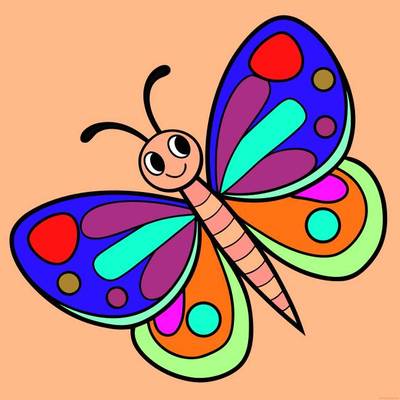
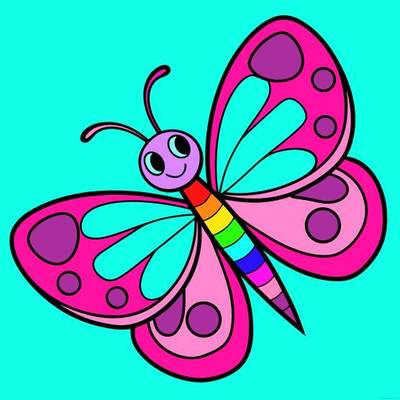
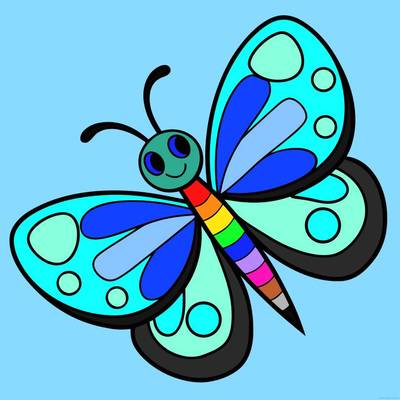


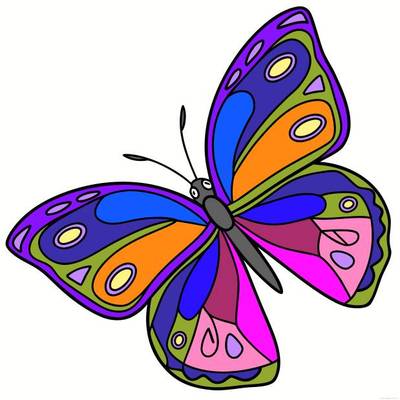
Symmetrical butterfly line art – colored in by the community
-
 2 Likes

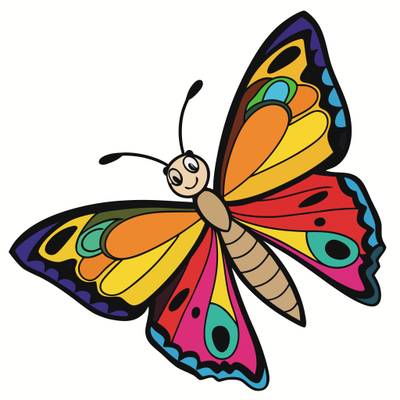
Cute smiling swallowtail butterfly – colored in by the community
-
by Sander
 8 Likes

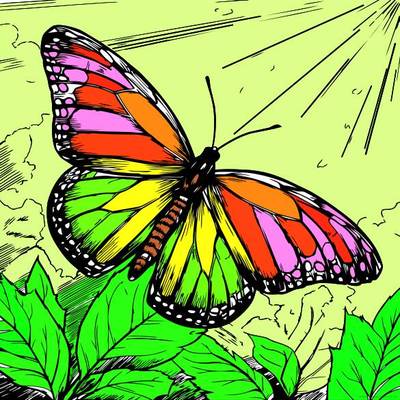
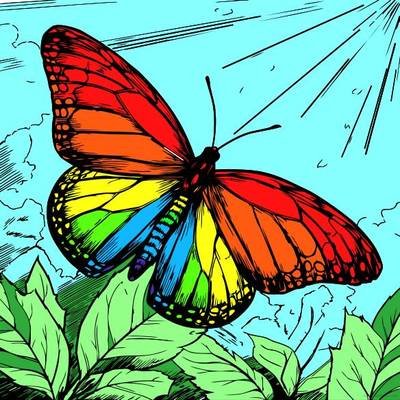
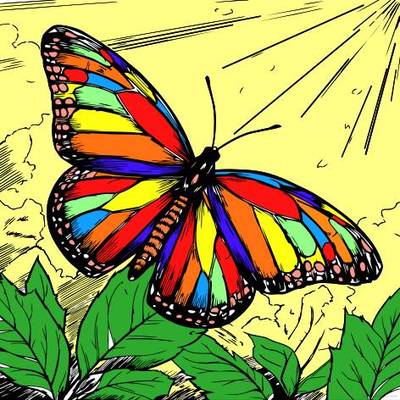

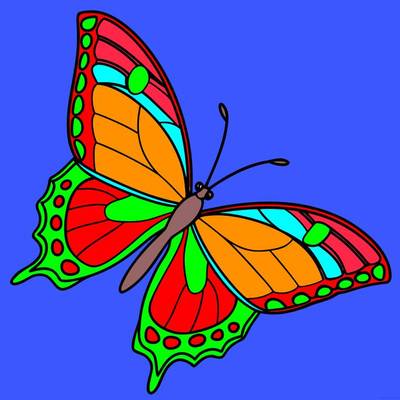
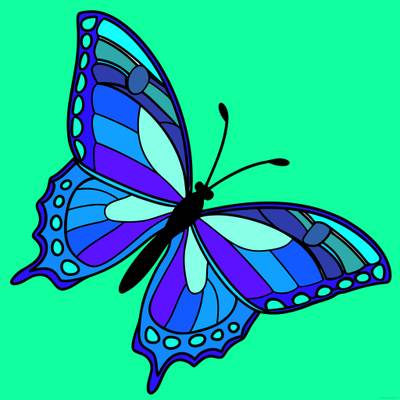
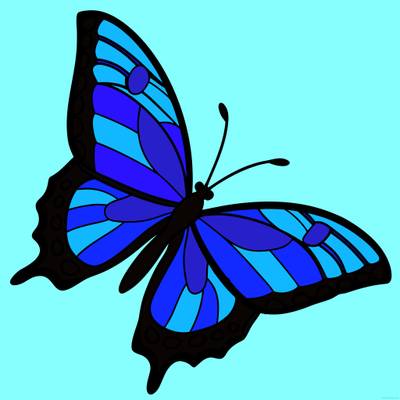
Simple side view swallowtail butterfly – colored in by the community
-
by Leny
 14 Likes
-
 6 Likes
-
 2 Likes

Simple outline garden butterflies – colored in by the community
-
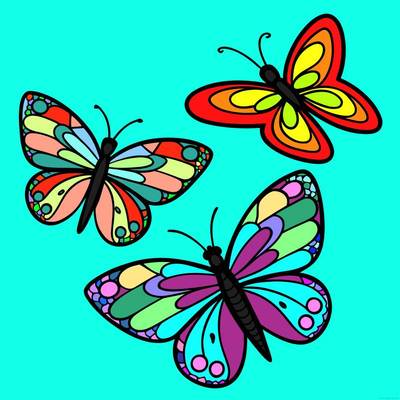 1 Likes
-
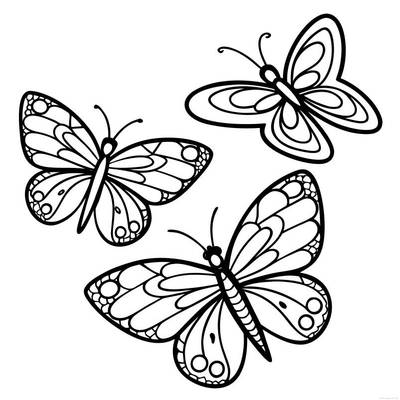 0 Likes

Butterflies over flowers and grass – colored in by the community
-
by Bifu
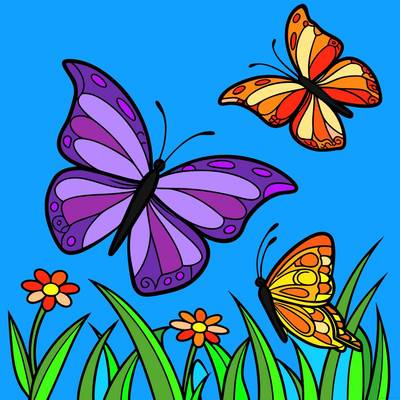 25 Likes

Simple monarch butterfly outline – colored in by the community
-
 0 Likes

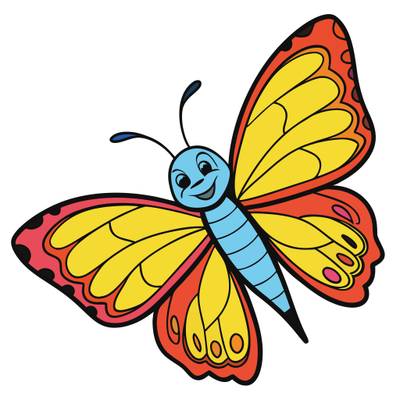
Cute kawaii butterfly with big wings – colored in by the community
-
by kacper
 3 Likes

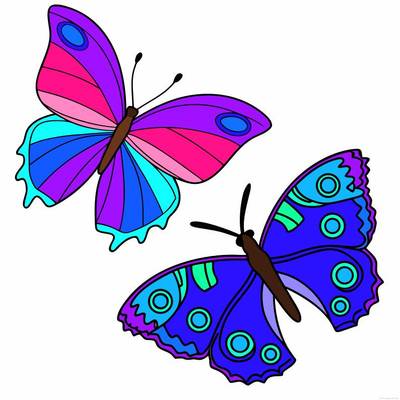
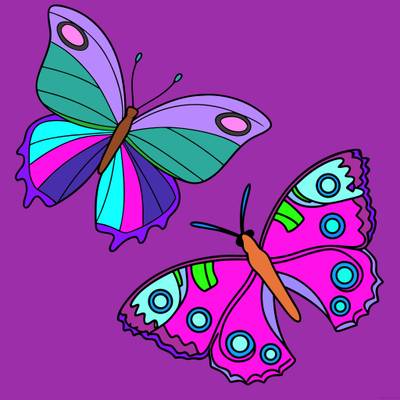
Common blue and peacock butterflies – colored in by the community
-
 4 Likes
-
 3 Likes

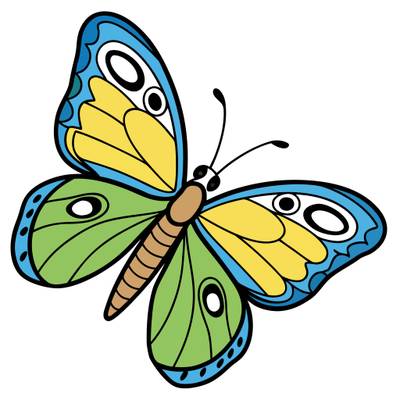
Cartoon front view butterfly – colored in by the community
-
by astrid
 7 Likes
Make Your Butterfly Look Real – Simple Coloring Tips That Work
What to Notice Before Coloring
Butterflies look extra beautiful because their wings often have matching patterns on both sides. Coloring slowly helps the shapes stay neat and makes the butterfly look more real.
- Wing symmetry: Try to use the same colors on the left and right wings so they “match.”
- Patterns and spots: Many butterflies have dots, bands, and eye-like circles. Keep these shapes clear by outlining them lightly first.
- Wing edges: The outer edges can be darker than the inside. This makes the wings stand out.
- Body details: The body is usually darker and can look a bit fuzzy. Use short, gentle strokes to show texture.
- Antennae: These are thin and easy to color outside the lines. Use a sharp pencil or a fine tip marker for control.
Helpful hint: Start with light colors first and add darker colors last. This keeps patterns clean and easier to fix.
Realistic Butterfly Colors (With Easy Color Clues)
Many real butterflies are seen in orange, black, yellow, brown, blue, and white. Use the table below to pick realistic shades for wings, borders, and small pattern areas.
| Color | Looks Like | Where It Often Appears |
|---|---|---|
| Orange | Orange | Main wing areas (common on many butterflies) |
| Black | Black | Wing borders, stripes, spots, body, antennae |
| Butter Yellow | Yellow | Wing patches, bands, small highlights |
| Warm Brown | Brown | Body shading, wing underside look, soft patterns |
| Sky Blue | Blue | Wing sections on blue butterflies, small bright areas |
| Deep Blue | Deep Blue | Darker wing edges or shadowed blue wing parts |
| White | White | Dots, small patches, bright pattern areas |
| Light Gray | Light Gray | Soft shading on white areas and wing highlights |
Neat Coloring Tricks for Butterfly Wings
- Color the biggest wing shapes first, then fill in the small spots and stripes.
- For smooth wings, use even strokes in the same direction.
- To make patterns pop, keep a thin white space between two dark colors when possible.
- Shade gently near the wing base (close to the body) to make the butterfly look more 3D.
Parent/teacher note: If the page has tiny patterns, offer colored pencils for control and crayons for large wing sections.

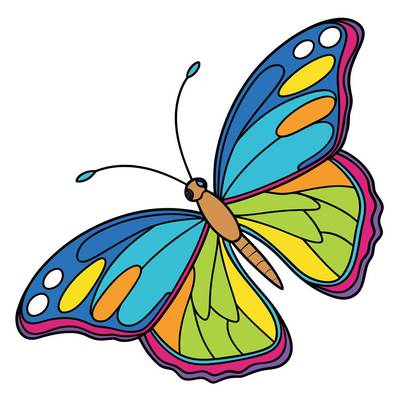
Simple side view butterfly – colored in by the community
-
by Emily
 6 Likes

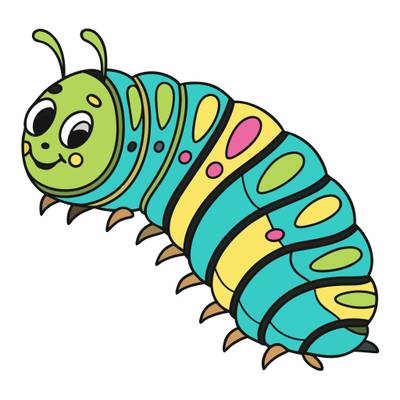
Cute spotted caterpillar close-up – colored in by the community
-
by sasi
 7 Likes

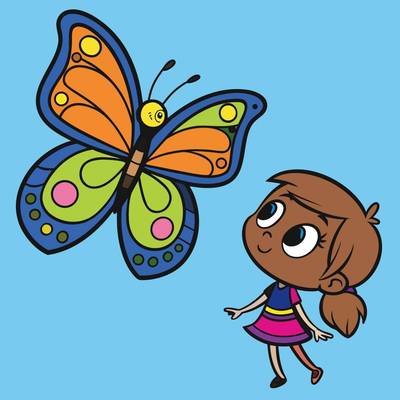
Cute cartoon girl with butterfly – colored in by the community
-
by sasi
 7 Likes

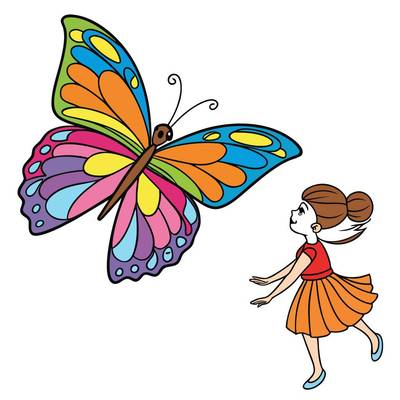
Cartoon fairy girl with butterfly – colored in by the community
-
by aino
 12 Likes
Scissors, Glue, Go! Butterfly Craft Time
Make a Fluttering Butterfly Mobile
✂️ You need: colored butterfly page, crayons or markers, scissors, string or yarn, a stick (or hanger), tape or glue, hole punch (optional)
- Color the butterfly and cut it out carefully.
- Punch a hole at the top or tape a string to the back.
- Tie the string to a stick and hang it up to spin.
💡 Supports: fine motor skills, focus, creativity
3D Butterfly Wings on a Stick
✂️ You need: butterfly page, crayons or markers, scissors, craft stick (or straw), glue, tape
- Color the butterfly and cut it out.
- Fold the butterfly gently down the middle.
- Glue the body onto the stick so the wings pop up.
💡 Supports: hand strength, spatial thinking, imaginative play
Classroom Butterfly Garden Wall Collage
✂️ You need: several butterfly pages, crayons or markers, scissors, a big sheet of paper (or poster board), glue, green paper scraps (optional), cotton balls (optional)
- Let everyone color and cut out their own butterfly.
- Glue all butterflies onto the big paper like a garden.
- Add leaves, flowers, or clouds with scraps and cotton balls.
💡 Supports: teamwork, creativity, planning and arranging

Cute butterfly near a flower – colored in by the community
-
by Venla
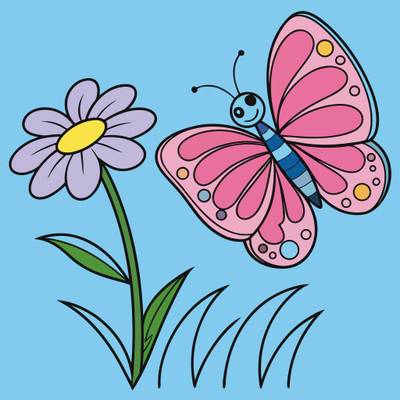 8 Likes

Detailed butterfly by a flower – colored in by the community
-
by Nora
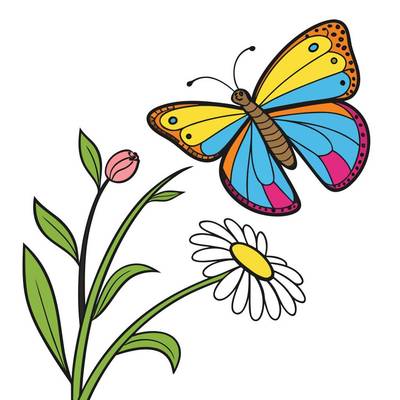 7 Likes

Cute butterfly life cycle – colored in by the community
-
by Manon
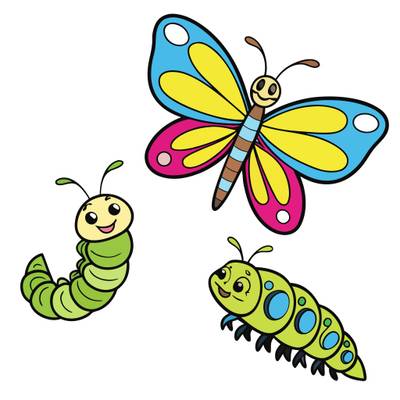 3 Likes

Detailed butterfly life cycle – colored in by the community
-
by Nora
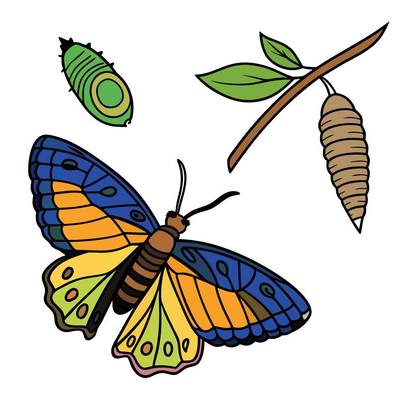 5 Likes
Did You Know? 5 Wing-Flutter Facts About Butterflies
Wings Made of Tiny Scales!
A butterfly’s wings look smooth, but they’re covered with teeny-tiny scales like colorful roof shingles. Those scales make the beautiful patterns you can copy in your coloring page. National Geographic
They Taste With Their Feet
Butterflies have special sensors on their feet, so when they land on a leaf or flower, they can “taste” it to see if it’s a good place to sip nectar or lay eggs. Smithsonian Magazine
A Super-Long Road Trip
Monarch butterflies are famous for migrating long distances, traveling between the United States, Canada, and Mexico. Some even pass through U.S. national parks and wildlife refuges along the way. U.S. Fish & Wildlife Service
A Straw That Rolls Up
Instead of a mouth like ours, many butterflies drink with a long tube called a proboscis. It works like a straw and can curl up like a little spring when it’s not being used. Wikipedia
Warm-Up Before Takeoff
Butterflies need warmth to fly, so they may sit in the sun with wings open like tiny solar panels. On cooler mornings, you might spot them doing this in parks and backyards across the U.S. National Wildlife Federation

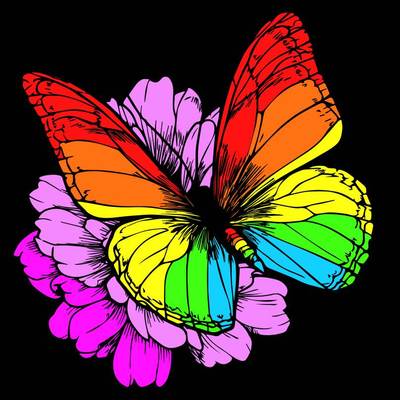
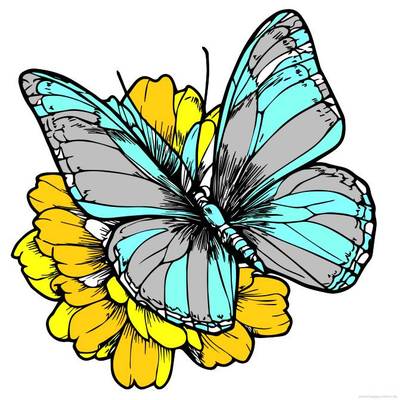
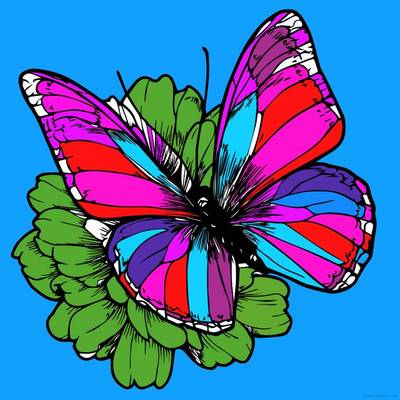
Butterfly and flower design – colored in by the community
-
by Isabelle_Leite
 5 Likes
-
 4 Likes
-
 3 Likes

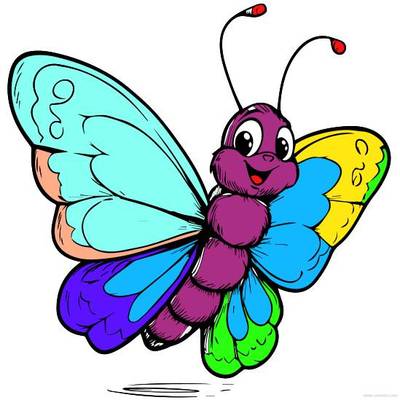
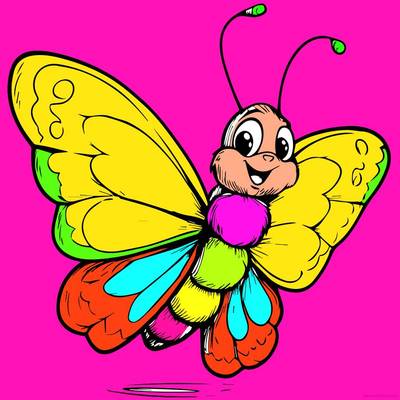

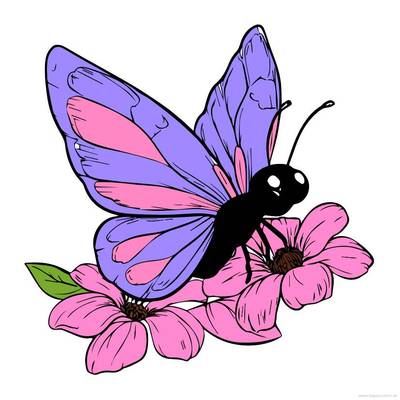
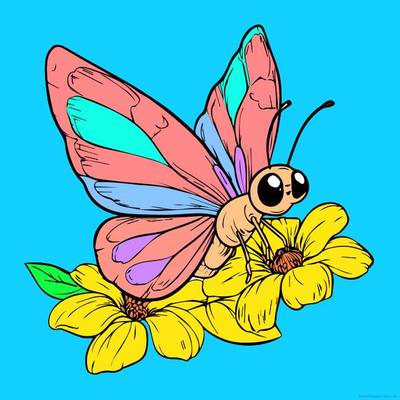
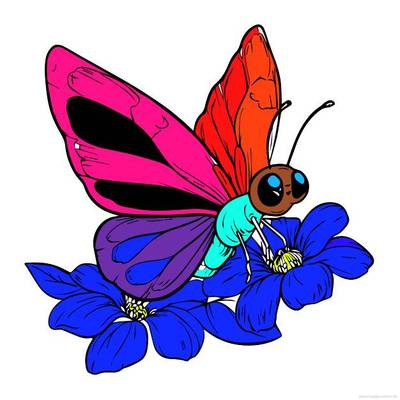
Butterfly on flowers – colored in by the community
-
 2 Likes
-
 1 Likes
-
 1 Likes

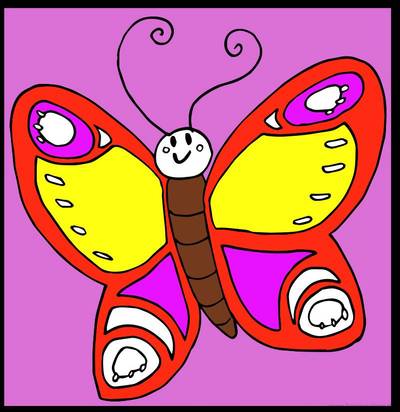
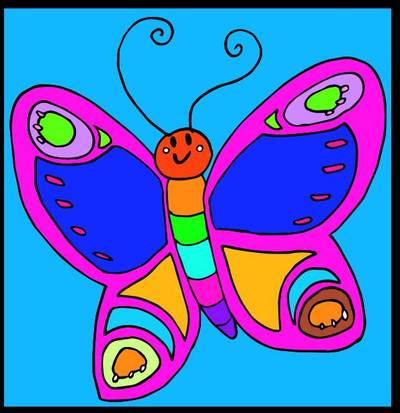
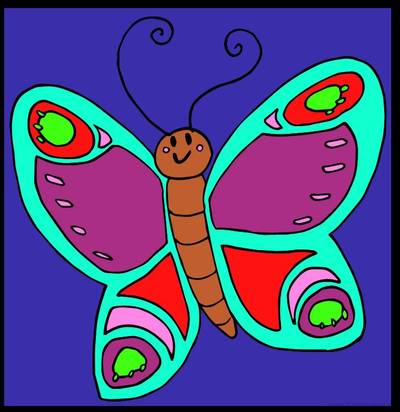

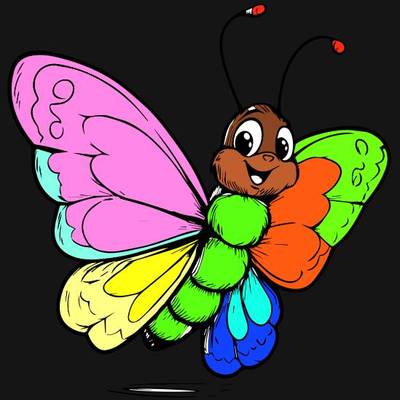
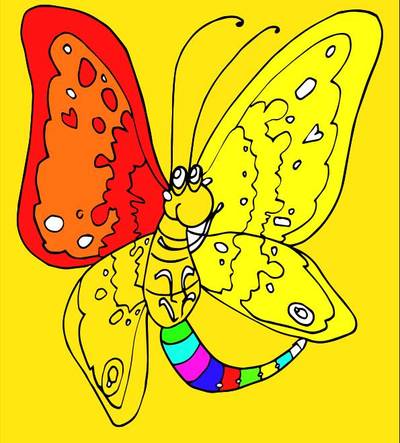
Funny butterfly – colored in by the community
-
 0 Likes


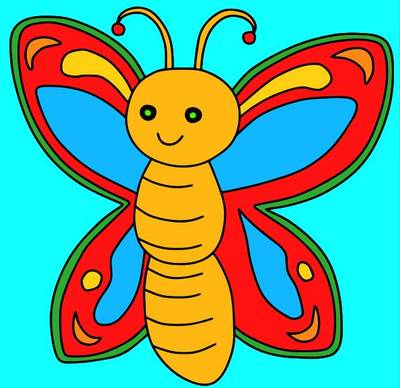
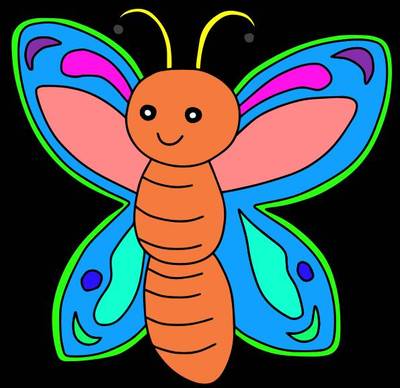
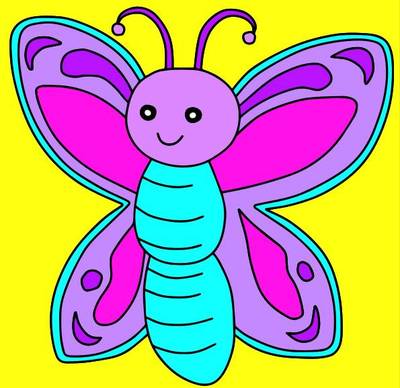

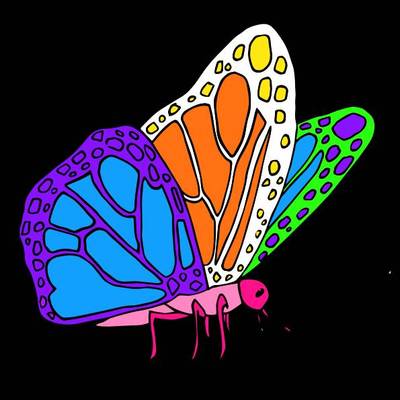
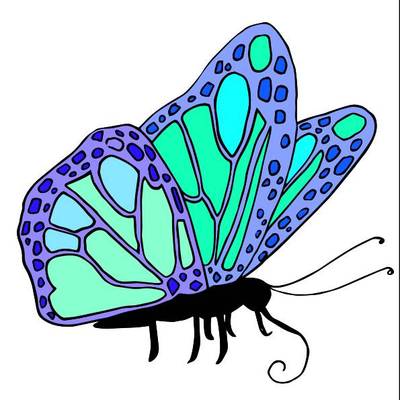
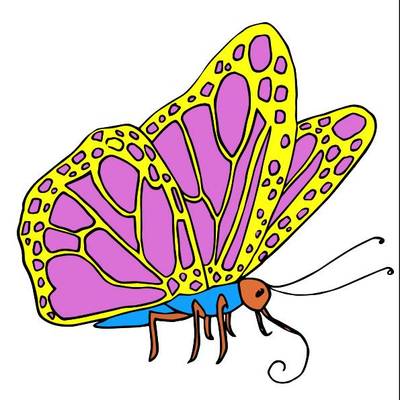

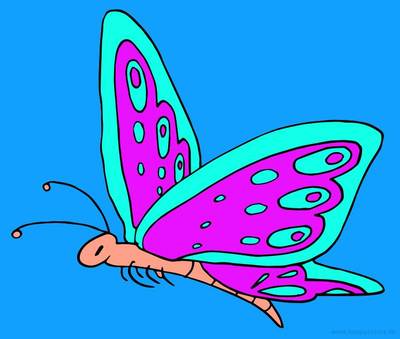
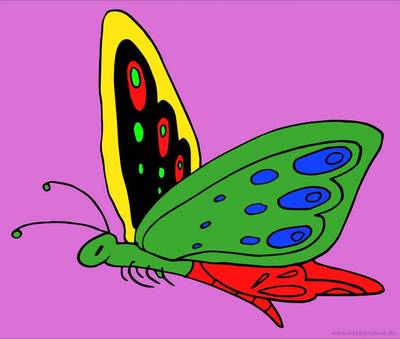
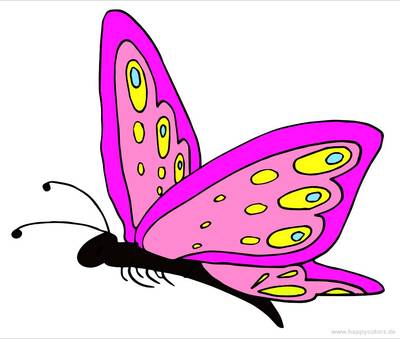

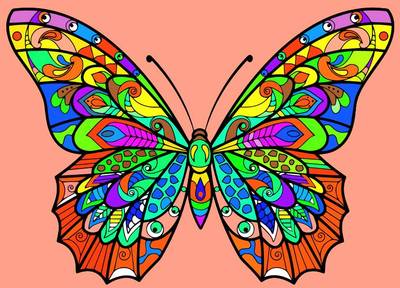
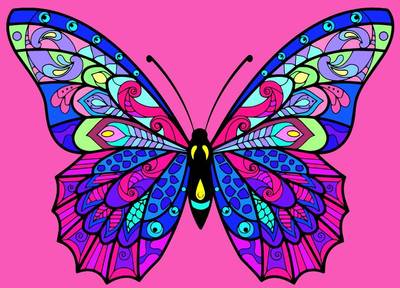
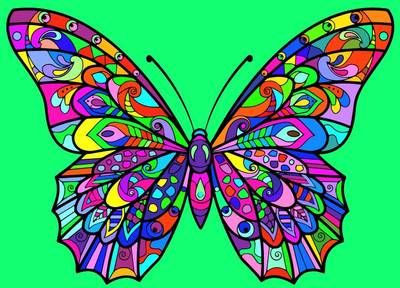


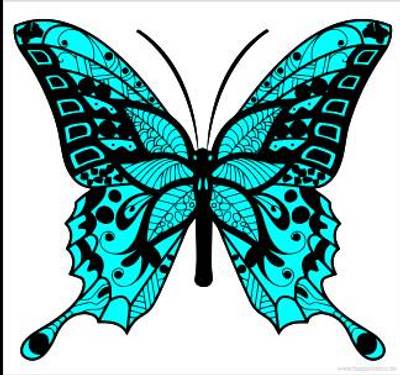
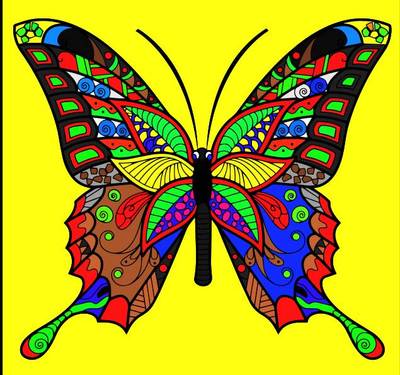
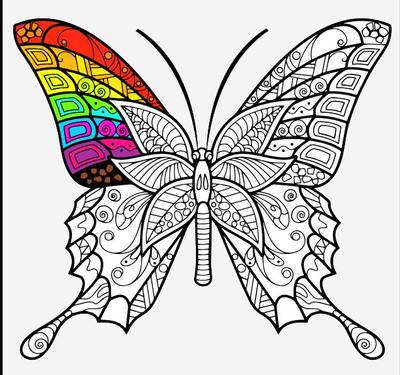

Butterfly – colored in by the community
-
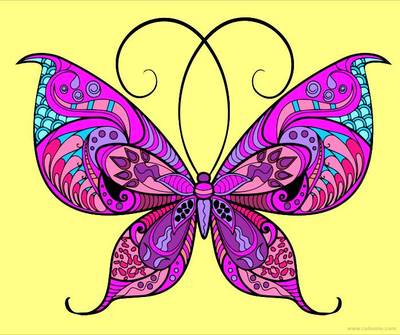 3 Likes


Butterfly – colored in by the community
-
 2 Likes


Butterfly – colored in by the community
-
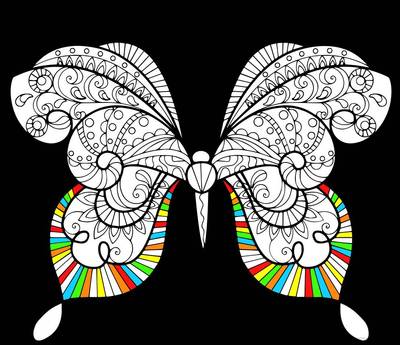 2 Likes


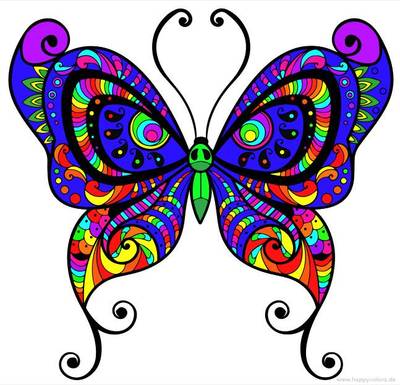
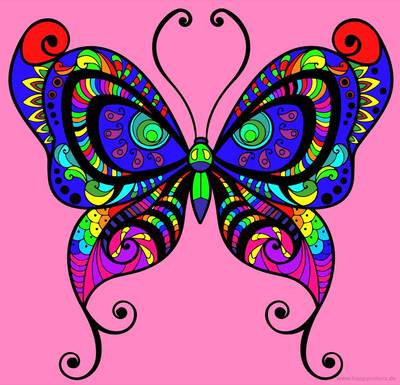
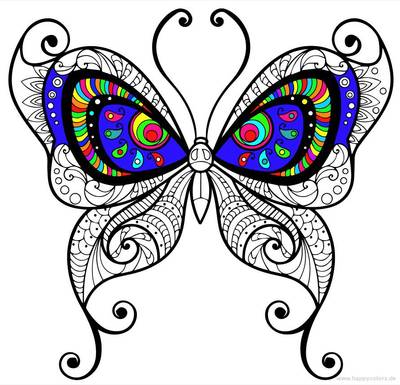

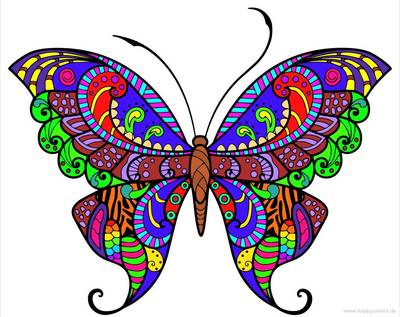
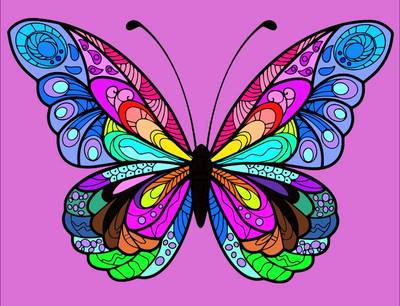
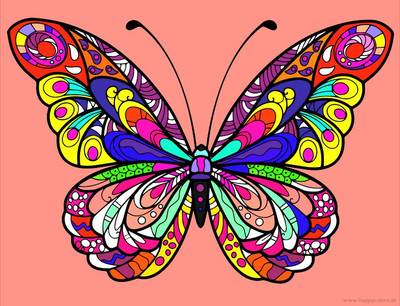
Butterfly – colored in by the community
-
 3 Likes



🎨 New coloring pages by email
Regularly get new free coloring pages straight to your inbox – no spam, unsubscribe anytime.
You’ll first get a confirmation email (double opt-in). Unsubscribe anytime with one click. Privacy Policy