Get all your crayons out: Coloring picture of a rainbow for little artists
 Author Mathias
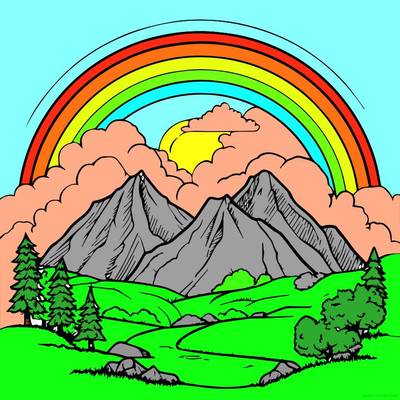
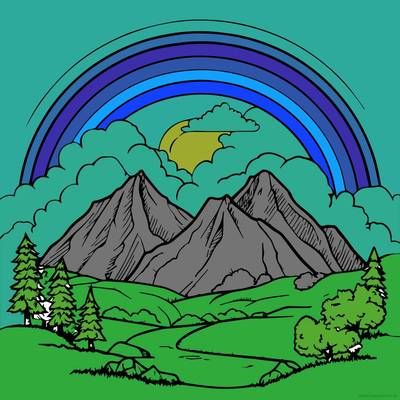
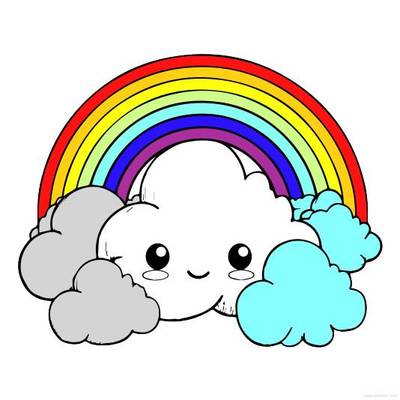
 A rainbow coloring page is a simple, joyful printable or drawn sheet that invites children to fill in arcs, clouds, and playful details with crayons, markers, or paints. This rainbow coloring page collection ranges from bold, chunky shapes perfect for toddlers to more detailed, patterned rainbows for older kids, so everyone can find a level that feels satisfying and achievable. These pages are designed to be approachable and open-ended, encouraging experimentation with color while providing a clear structure that helps young artists focus.
Families, daycare providers, teachers, and homeschoolers can use these coloring pages at home, in the classroom, on road trips, or as a calm quiet-time activity. For toddlers and preschoolers, simple rainbows build fine motor skills and early color recognition; for school-age children, more intricate designs promote concentration, pattern practice, and creative decision-making. Beyond art skills, coloring rainbows supports emotional regulation, language development (talking about colors and weather), and even early math concepts like counting stripes. These cheerful pages are a gentle way to combine play and learning, giving kids of different ages many chances to explore, personalize, and celebrate the bright world of rainbows.

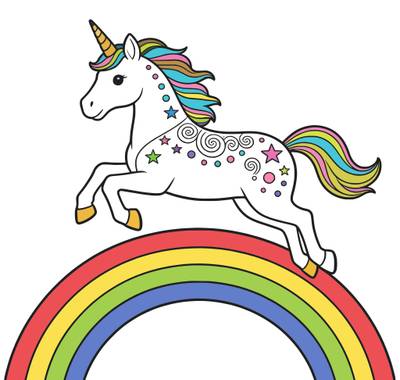
Unicorn jumping under a rainbow with clouds – colored in by the community
-
 1 Likes

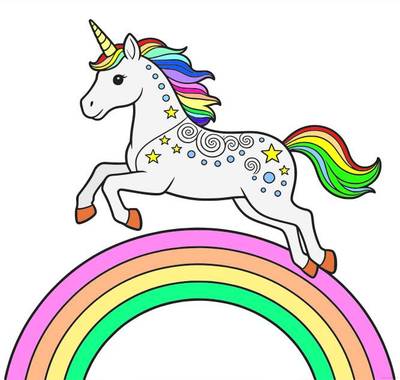
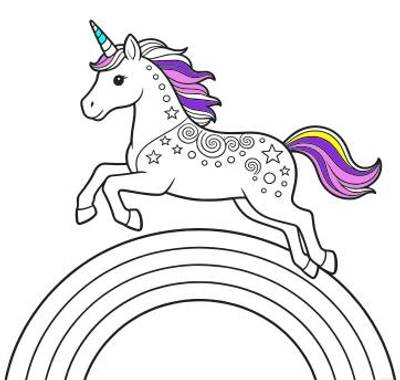
Decorated unicorn leaping over a rainbow – colored in by the community
-
by Sanne
 8 Likes
-
 3 Likes
-
 0 Likes


Walking leprechaun under rainbow – colored in by the community
-
by Sanne
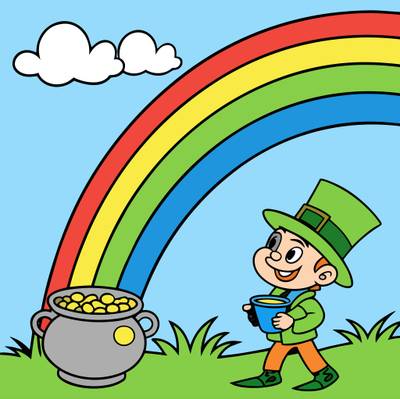 3 Likes



Cute leprechaun with rainbow and gold – colored in by the community
-
by ines
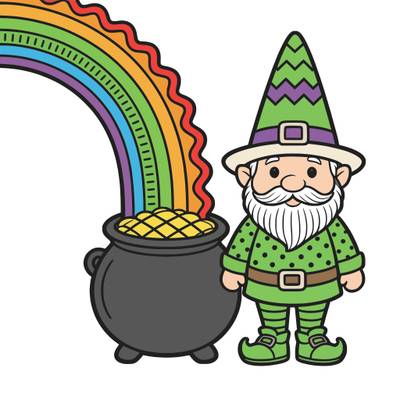 6 Likes

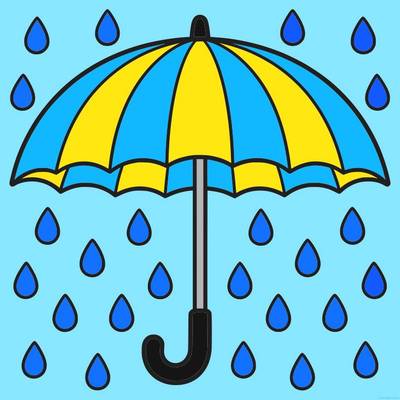
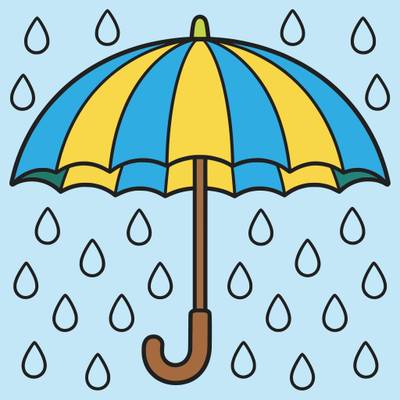
Simple umbrella with raindrops – colored in by the community
-
 1 Likes
-
by lily
 1 Likes

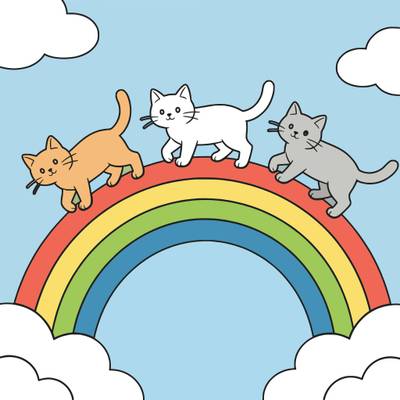
Three cats crossing a rainbow bridge – colored in by the community
-
by luca
 1 Likes

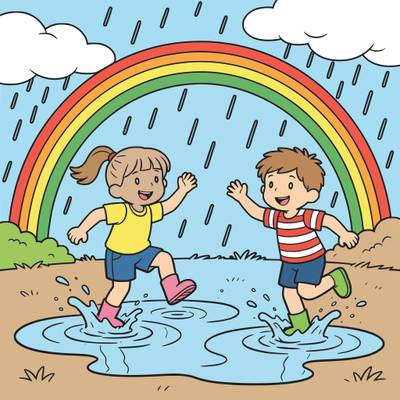
Kids splashing in puddles under a rainbow – colored in by the community
-
by jack
 16 Likes

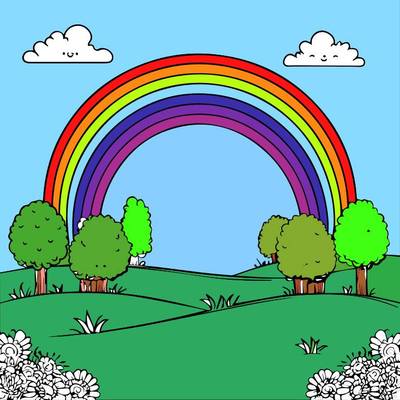
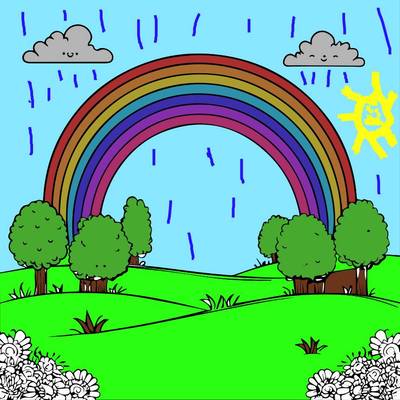
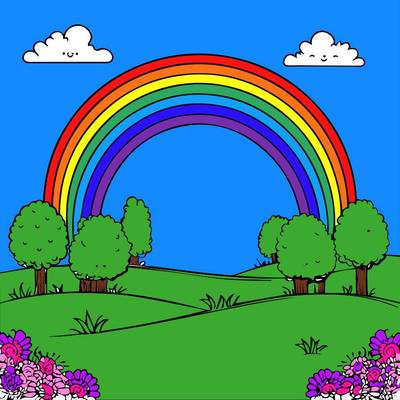
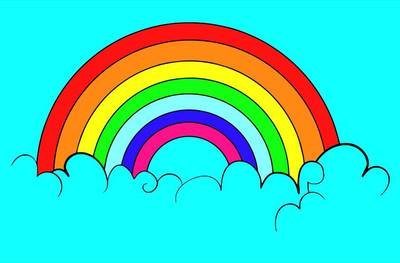
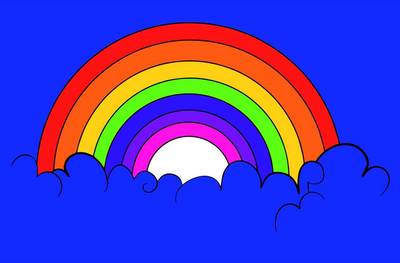
Double rainbow over valley with tree – colored in by the community
-
by freja
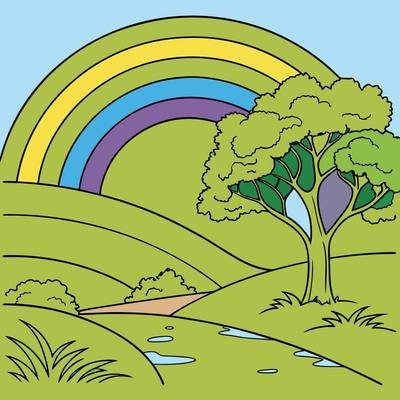 0 Likes

Patterned double rainbow over hills – colored in by the community
-
by Venla
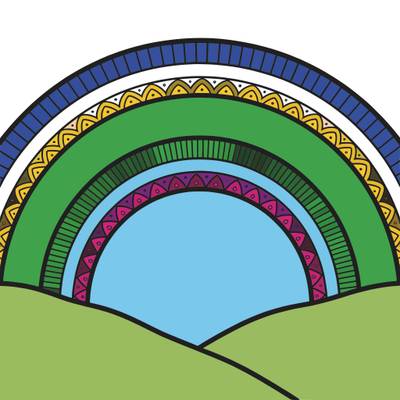 2 Likes


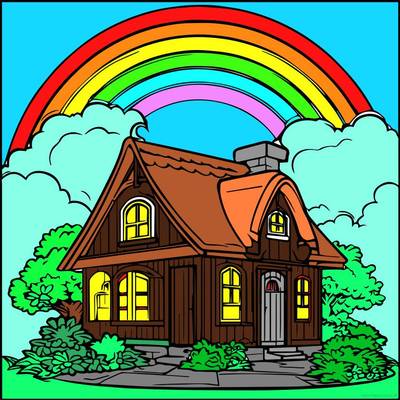

Make Your Rainbow Glow: Simple Coloring Tips for Bright, Smooth Bands
Quick helper: A rainbow looks best when the color bands stay in the same order and the edges look neat and smooth.
What to Pay Special Attention To
- Band order: Keep the colors in a steady rainbow order from one side to the other. This helps your rainbow look “real.”
- Even stripes: Try to color each band the same width all the way across. If a band gets skinny or wide, the rainbow can look wobbly.
- Clean edges: Color slowly near the outlines so the bands don’t mix together. A sharp edge makes the rainbow pop.
- Smooth coloring: Use gentle, even strokes in one direction. Pressing too hard can leave scratchy lines.
- Light to dark: Start with a lighter touch, then add a second layer if you want the color to look stronger.
- Background space: If your page has clouds or sky around the rainbow, keep those areas separate so the rainbow stays the star.
Realistic Rainbow Colors (With Visual Color Blocks)
| Rainbow Band | Color Suggestion | Where It Usually Goes |
|---|---|---|
| 1 | Red | Outer/top band |
| 2 | Orange | Just under red |
| 3 | Yellow | Middle-bright band |
| 4 | Green | Below yellow |
| 5 | Blue | Below green |
| 6 | Indigo | Near the bottom |
| 7 | Violet | Inner/bottom band |
Helpful Hints for a Neat, Realistic Finish
- Keep white gaps away: If small white spots show, gently fill them in with a lighter layer.
- Prevent smudges: If using markers, color one band, let it dry a moment, then move to the next band.
- Stay consistent: Use the same red (and the same blue, etc.) across the whole rainbow so it looks tidy and true.
Parent/teacher note: For younger children, lightly tracing the band edges first (with a crayon or colored pencil) can help keep the stripes clean and separate.

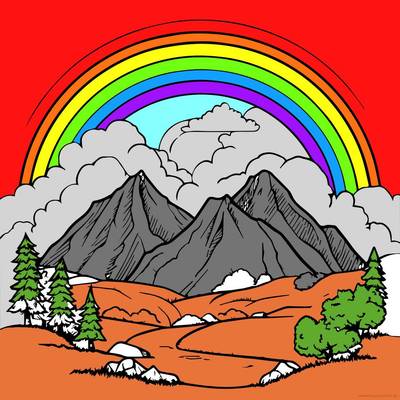





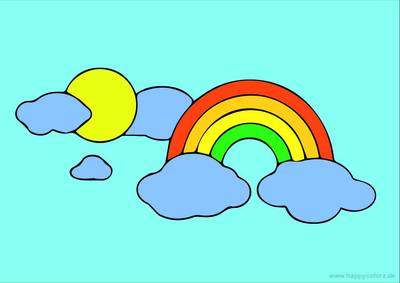
Scissors, Glue, Go! Rainbow Craft Fun
Pop-Up Rainbow for Your Window
✂️ You need: colored paper, white paper, scissors, glue stick, crayons or markers, tape
- Cut 6–7 paper strips in rainbow colors.
- Glue the strip ends onto a white paper “cloud” so the strips curve like an arch.
- Add another cloud on top, then tape your rainbow to a window.
💡 Supports: fine motor skills, color recognition, creativity
Cotton-Cloud Rainbow Collage
✂️ You need: paper plate or cardstock, cotton balls, glue, watercolor paint or markers, scissors (optional)
- Paint or color rainbow stripes across the plate or cardstock.
- Pull cotton balls gently to make them fluffy.
- Glue the cotton onto both ends to make soft clouds.
💡 Supports: sensory play, hand strength, creativity
Classroom Rainbow Garland Chain
✂️ You need: colored paper, scissors, glue or tape, string or yarn, hole punch (optional)
- Cut paper strips in rainbow colors for everyone to share.
- Loop each strip into a ring and glue it closed, then link the next ring through it.
- Attach the finished chain to string and hang it as a rainbow decoration.
💡 Supports: teamwork, pattern thinking, fine motor skills

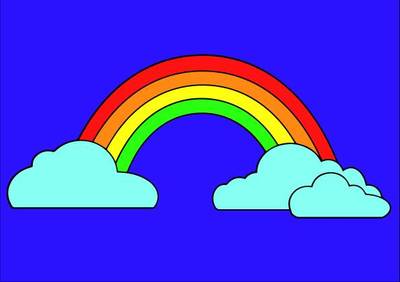
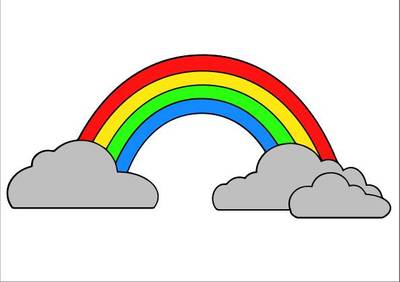
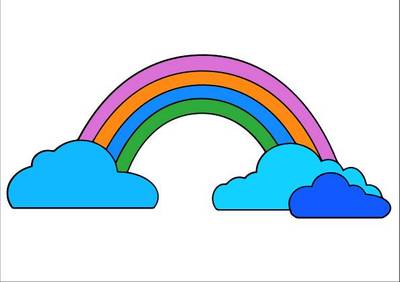

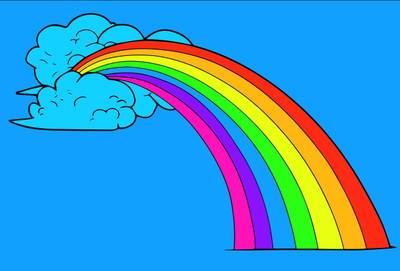
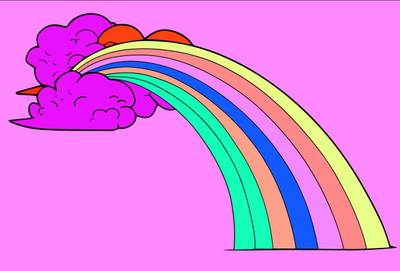
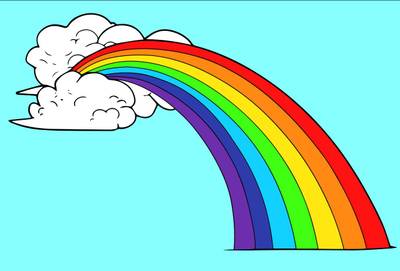

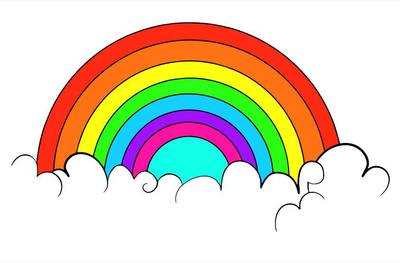

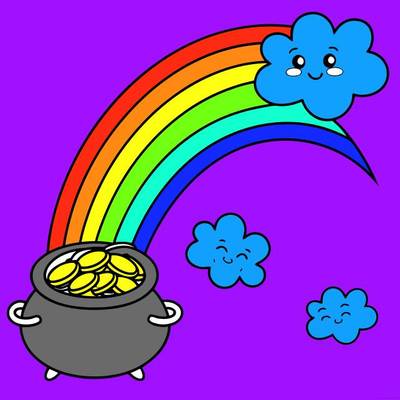
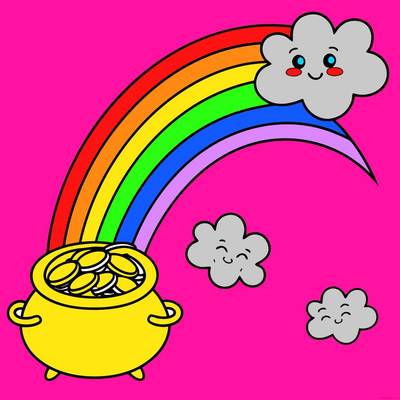
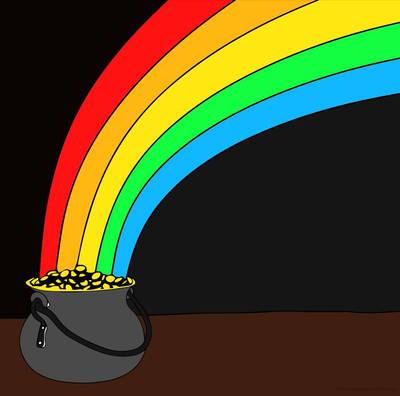
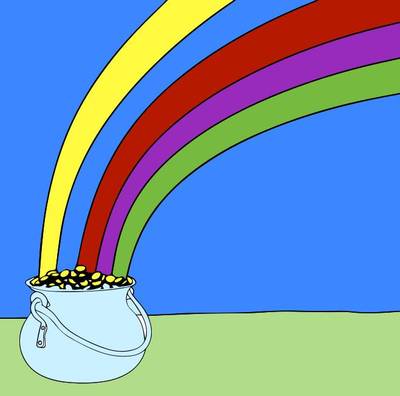
Gold pot with rainbow – colored in by the community
-
 3 Likes
-
 1 Likes
-
 1 Likes
Did You Know? 5 Colorful Facts About Rainbows
Rainbows Aren’t Real “Things”
A rainbow is more like a picture made by light. You can’t touch it or walk up to it, because it depends on where you stand and where the sun is shining. NASA
Raindrops Act Like Tiny Prisms
Each little drop of water bends sunlight, bounces it inside, and then spreads it into colors—kind of like a teeny, floating glass prism. National Geographic
Always Opposite the Sun
If the sun is behind you and rain is in front of you, you have a great chance to spot a rainbow. That’s why rainbows often pop up right after a shower. NOAA
Double Rainbows Flip the Colors
Sometimes you can see two rainbows at once! The second one is fainter, bigger, and its colors go in the opposite order because the light bounces inside the raindrops an extra time. Science News for Students
A Hawaiian Rainbow State
Hawaii is famous for rainbows because it often has sunshine and quick rain showers together—perfect rainbow weather near beaches and mountains. National Park Service

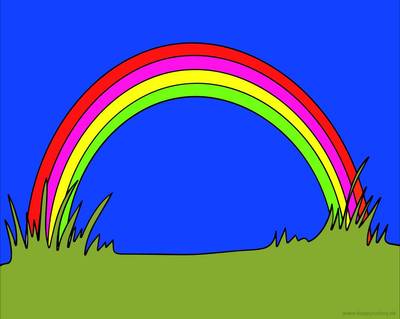
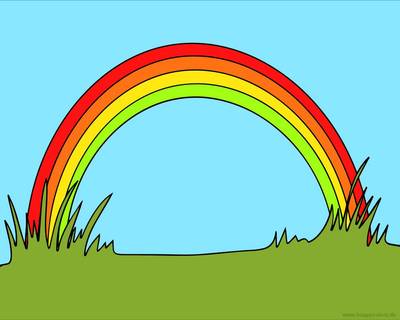
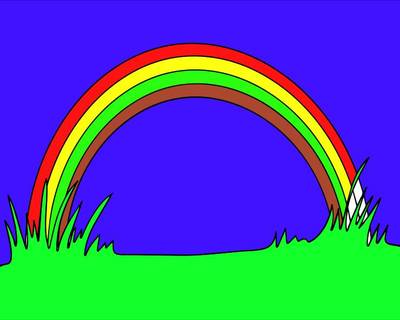
🎨 New coloring pages by email
Regularly get new free coloring pages straight to your inbox – no spam, unsubscribe anytime.
You’ll first get a confirmation email (double opt-in). Unsubscribe anytime with one click. Privacy Policy
Why Kids Love These Rainbow Coloring Pages
- They help children learn color recognition and fine motor skills as they trace and fill each arc of a rainbow.
- Teachers and parents can use the free downloadable rainbow pages for quick lessons, art stations, or calm-down activities without prepping extra materials.
- Coloring pages support language and math when kids label colors, count bands, or create patterns across multiple rainbows.
- As a screen-free activity, these printable rainbow pages keep kids engaged for extended creative play with crayons, markers, or watercolors.
Creative Ideas & Activities
- Rainbow collage: Use a coloring page as a base for gluing torn tissue paper or magazine strips to fill each color band, teaching texture and collage skills.
- Math pattern game: Turn several rainbow pages into a sequencing activity where children draw or paste stickers to continue color patterns and practice counting.
- Story starter: Ask kids to color a rainbow and then write or tell a short story about who lives at each color band, encouraging narrative skills and new vocabulary.
- Weather science chart: Use a rainbow coloring sheet to track weather over a week, adding symbols for sunny, rainy, or cloudy to link art with observation.
- Rainbow mobiles: Cut out colored bands from finished pages, glue them to cardstock, and hang them on string to make a bright classroom display.
- Mixing colors activity: Have children use watercolors on a rainbow page to experiment with blending and learn how primary colors make secondary colors.
- Fine motor practice: Turn a simple rainbow page into a cutting and pasting station where kids snip along lines and reassemble the bands to strengthen scissor skills.
- Group mural: Tape many rainbow pages together and let each child decorate one section, creating a large collaborative rainbow for the classroom wall.
Frequently Asked Questions
Are these rainbow coloring pages free to download and print?
Yes. All coloring pages on this page are free to download and print, and you can use them immediately for home or school activities.
What file formats are available for printing and how do I print them?
The pages are provided as printable PDF and JPG files for easy downloading and printing. Open the PDF or image and choose your printer settings—select “fit to page” for full-page results and print on standard or heavier paper as needed.
What ages are these rainbow coloring pages suitable for?
These pages are suitable for preschoolers through early elementary students; simple pages work well for toddlers while more detailed rainbows suit older children. You can easily adapt each page with tracing, cutting, or labeling tasks to match different developmental levels.
Can I use these rainbow coloring pages in my classroom or kindergarten?
Yes, you may use the coloring pages for free in classrooms, kindergarten, and other educational settings. Teachers may print copies for lessons, centers, or take-home activities without cost.
How can I get the best coloring results with crayons, markers, or paint?
For crisp lines and minimal bleed, use heavier 90–110 lb cardstock or at least standard 80 lb printer paper when using markers or paint. Choose washable markers or crayons for young children, place a scrap sheet underneath when painting, and allow artwork to dry fully before cutting or displaying.