
Sweet dog coloring pages for printing, coloring and falling in love
 Author Mathias
 Dogs bring instant warmth to any art activity, and a simple coloring page featuring a friendly pup can turn a quiet moment into a creative adventure. These dog-themed coloring pages are printable outlines of puppies, adult dogs, and playful scenes that invite children to choose colors, experiment with patterns, and tell stories about each dog they color. A single coloring page might show a sleeping dog, while a set of coloring pages can include scenes for different skill levels and themes, from simple shapes for the youngest artists to more detailed illustrations for older kids.
Designed to be used at home, in the classroom, for homeschool lessons, or on the go during travel, these coloring pages suit toddlers, preschoolers, and older children alike. Toddlers build fine motor skills and hand-eye coordination, preschoolers expand vocabulary as they name breeds and colors, and older kids practice patience and creative composition. Beyond creativity, coloring supports concentration, emotional regulation, and early literacy when children describe the dog or write a short caption. Welcome to a gentle, hands-on way to learn and play: whether a child colors a lively dog chasing a ball or shades a calm dog sleeping under a tree, each coloring page offers a small, meaningful moment of growth and joy.

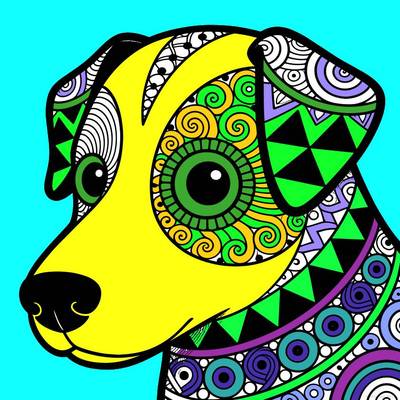
Close-up zentangle dog portrait – colored in by the community
-
 3 Likes

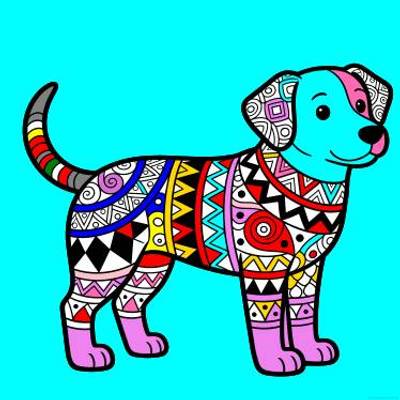
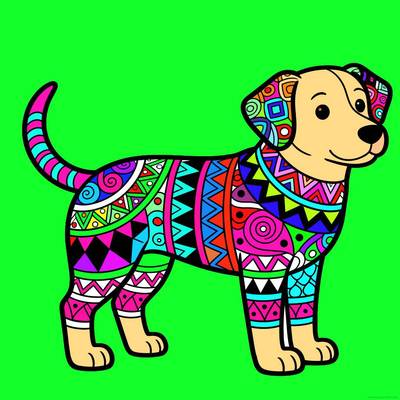
Cute zentangle dog with patterns – colored in by the community
-
 8 Likes
-
 8 Likes

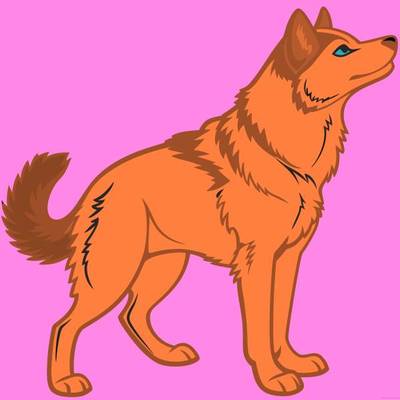
Detailed Siberian husky side view – colored in by the community
-
 1 Likes

Simple standing Siberian husky – colored in by the community
-
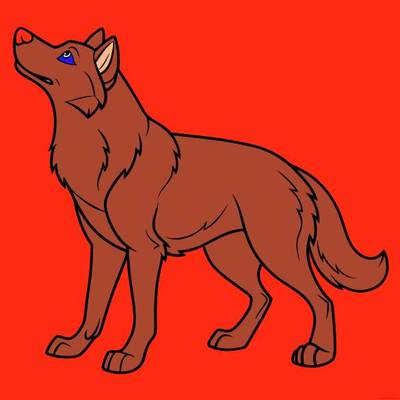 7 Likes

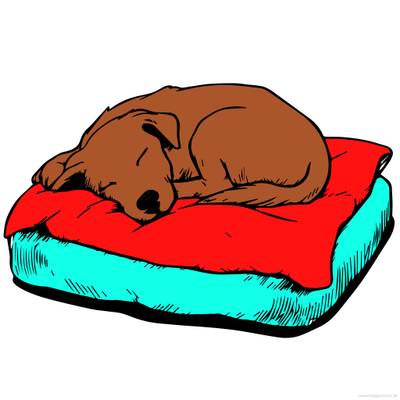
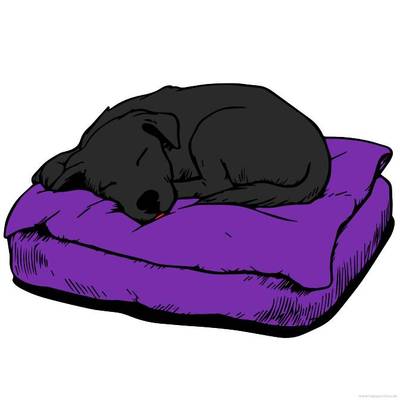
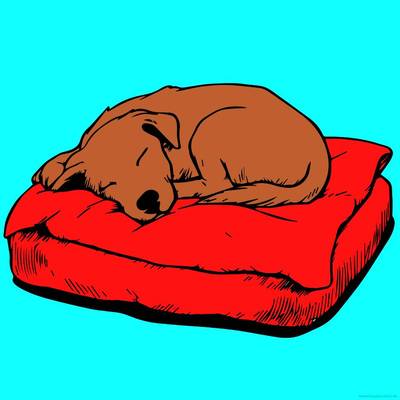

Upward-looking pug in a sweater – colored in by the community
-
by Katze
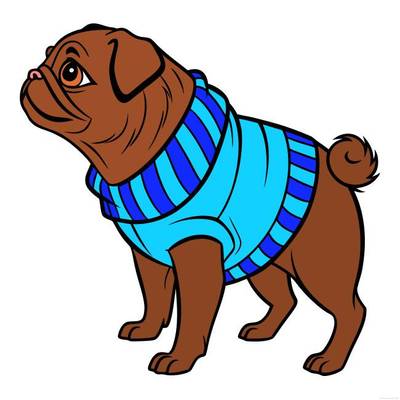 4 Likes
-
 4 Likes
-
 3 Likes

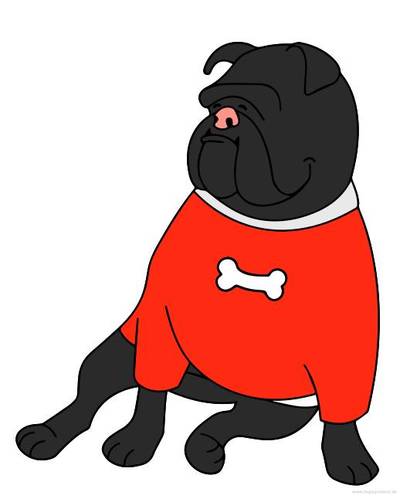
Cute side-view pug in a sweater – colored in by the community
-
by Ida
 6 Likes

Police sniffer dog wearing a hat – colored in by the community
-
by luca
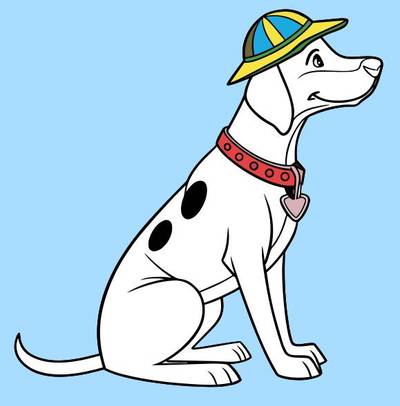 24 Likes

Simple kawaii puppy side view – colored in by the community
-
by tom
 5 Likes
-
by lily
 0 Likes

Cute kawaii puppy full body – colored in by the community
-
 6 Likes
-
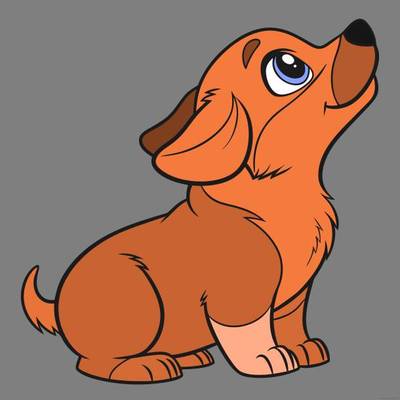 6 Likes
-
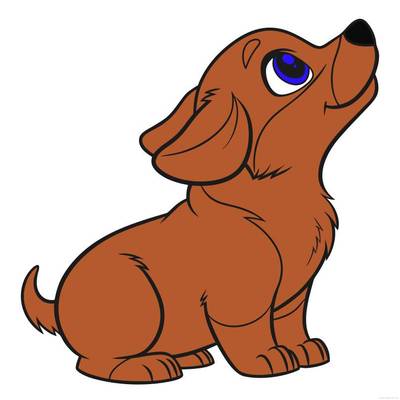 2 Likes

Cute kawaii dog with paw prints – colored in by the community
-
 2 Likes
-
by Katze
 0 Likes

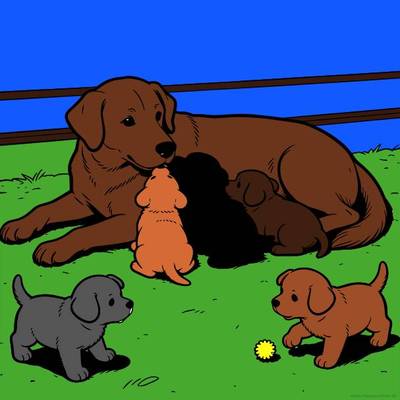
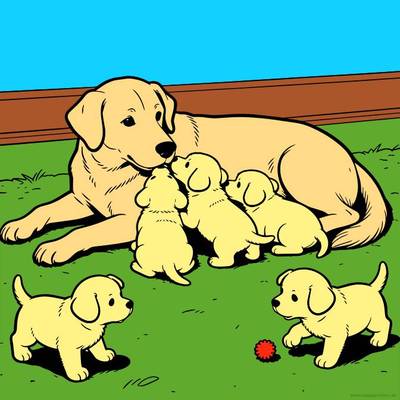
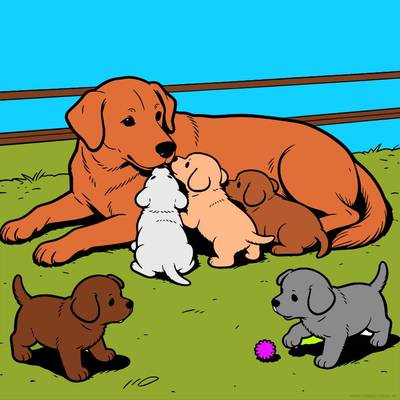
Golden retriever mother with five puppies – colored in by the community
-
 4 Likes
-
 4 Likes
-
 3 Likes
Paws, Fur, and Friendly Faces: Make Your Dog Coloring Page Look Real!
Dogs are full of fun details—soft fur, shiny noses, and bright eyes. Coloring them carefully helps the picture look more lifelike and makes every puppy feel extra special.
What to Notice While Coloring Dogs
- Fur direction: Fur usually grows from the head down the neck and along the back. Use short strokes that follow the body shape.
- Light and shadow: Add a slightly darker shade under the belly, under the ears, and where legs meet the body to show depth.
- Different fur textures: Some dogs look fluffy (use many light strokes), while others look smooth (use even coloring with gentle shading).
- Face features: Keep the eyes clear and bright, and leave a tiny white spot for a “sparkle” highlight.
- Nose and paw pads: These often look a bit shiny or rubbery—darker colors with a small lighter spot can make them pop.
- Spots and patches: If the dog has markings, color the edges neatly so the pattern looks clean and natural.
- Ears and tail: These areas can be a little darker where fur overlaps or folds.
Helpful hint: Start with light pressure first. It’s easier to make colors darker than to fix an area that got too dark too quickly.
Realistic Dog Colors (With Easy Swatches)
| Where on the Dog? | Realistic Color Ideas |
|---|---|
| Light fur (cream/blonde) | Cream Light Tan |
| Golden fur | Golden Tan Warm Brown |
| Brown fur | Medium Brown Dark Chocolate |
| Black fur | Soft Black Charcoal |
| Gray fur | Light Gray Medium Gray |
| White fur highlights | White Very Light Gray |
| Nose | Dark Gray-Black Deep Brown |
| Paw pads | Dark Gray Dusty Brown |
| Eyes | Brown Hazel-Green |
| Tongue (if visible) | Soft Pink Rose Pink |
| Collar (common realistic choices) | Red Blue Green Brown Leather |
Easy Steps for a Neat, Realistic Finish
- Color the biggest fur areas first using light, even strokes.
- Add a second layer in shadow spots (under the chin, belly, and ears).
- Color small details last: eyes, nose, paw pads, and any markings.
- Keep edges tidy around spots and patches so the pattern looks natural.
Quick detail trick: For shiny eyes and noses, leave a tiny uncolored dot for a highlight. This makes the dog look more alive.

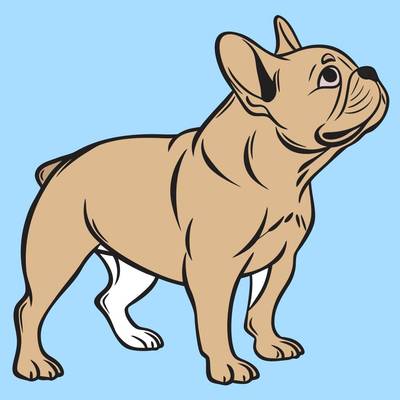
French bulldog looking up – colored in by the community
-
by luca
 0 Likes

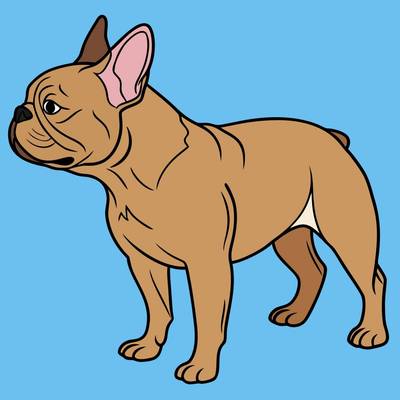
French bulldog in side view – colored in by the community
-
by aino
 5 Likes

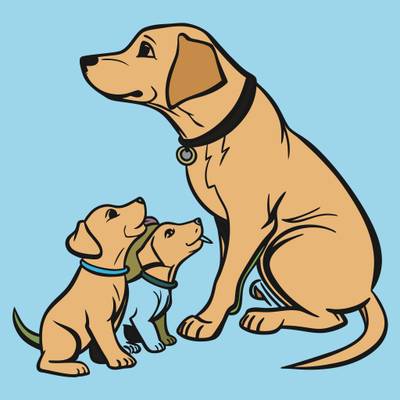
Detailed dog family with puppies – colored in by the community
-
by Nora
 8 Likes

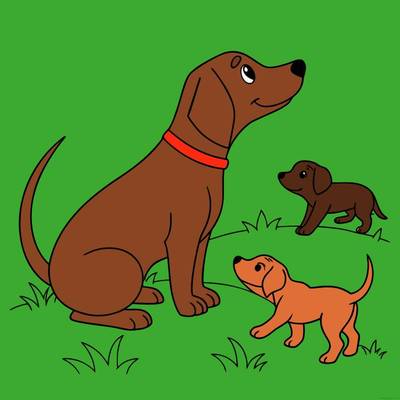
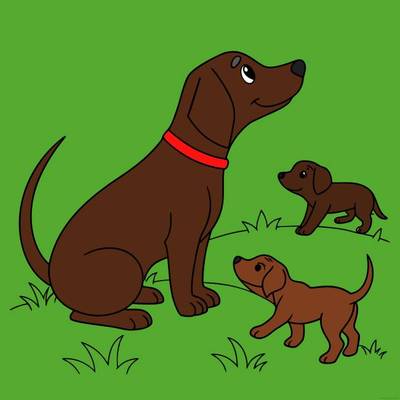
Simple dog family with two puppies – colored in by the community
-
 1 Likes
-
by Katze
 0 Likes
Scissors, Glue, Woof! Easy Dog Crafts to Try
Pop-Up Puppy That Stands!
✂️ You need: colored dog coloring page, cardstock, scissors, glue stick, crayons/markers
- Color the dog and cut it out carefully.
- Fold a small strip of cardstock into a “V” to make a stand.
- Glue one side of the “V” to the back of the dog and the other side to a cardstock base.
💡 Supports: fine motor skills, spatial thinking, creativity
Fluffy Ears and Tail Collage
✂️ You need: dog coloring page, cotton balls, glue, brown/black paper scraps, safety scissors (optional)
- Color the dog’s face and body.
- Pull cotton balls into small fluffy pieces.
- Glue fluff on the ears and tail, then add paper scraps for spots.
💡 Supports: sensory play, hand control, design skills
Classroom Dog Parade Wall Display
✂️ You need: several dog coloring pages, crayons/markers, scissors, tape or glue, long paper strip (or poster paper)
- Each child colors a dog and cuts it out.
- Tape or glue all dogs onto a long paper strip like a parade.
- Add a simple title sign and hang the display on the wall.
💡 Supports: teamwork, confidence, creative expression

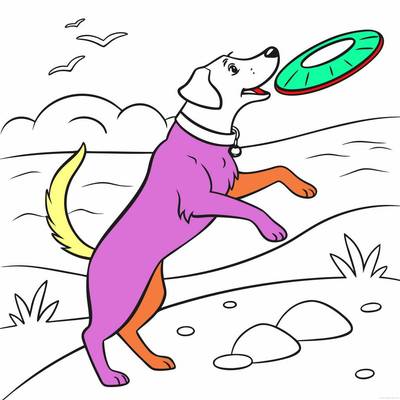
Detailed beach dog with frisbee – colored in by the community
-
by chloe
 32 Likes
-
 0 Likes

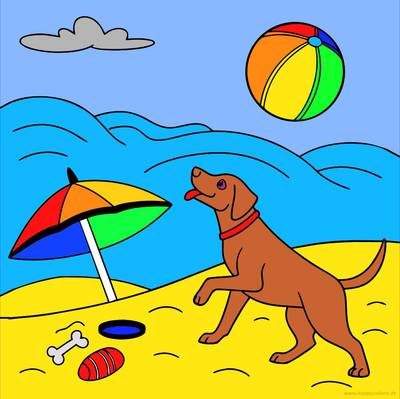
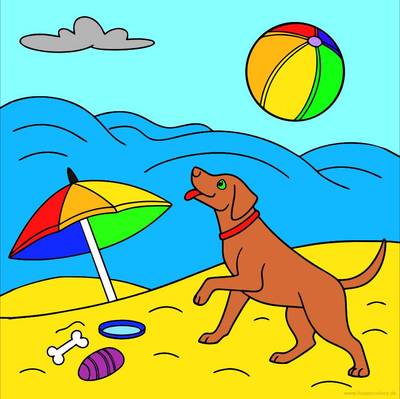
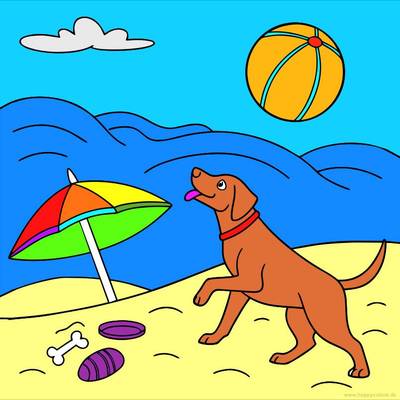
Simple beach dog with ball – colored in by the community
-
 4 Likes
-
 0 Likes
-
 0 Likes

Cute dog under Christmas tree – colored in by the community
-
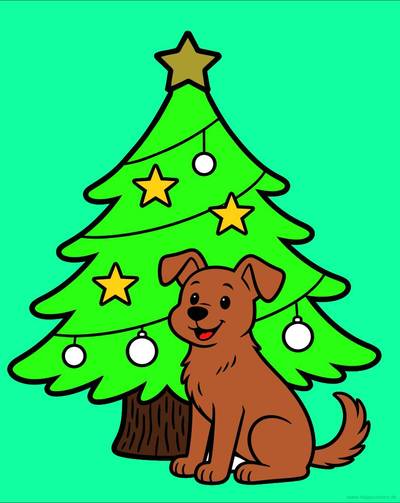 0 Likes

Dog beside a Christmas tree – colored in by the community
-
 1 Likes
Did You Know? 5 Surprising Facts About Dogs
Noses Like Super Sniffers!
A dog’s nose can find scents people can’t even notice, which is why some dogs help search for missing people or find hidden items. National Geographic
Dogs “Talk” With Their Tails
Tail wags can mean different feelings—like excitement, curiosity, or “I’m not sure”—and dogs also use ears, eyes, and body posture to share what they feel. Wikipedia
Paws Have Built-In “Sweat”
Dogs don’t sweat all over like humans do; they mainly cool off by panting, and they also have sweat glands in their paw pads. Wikipedia
A Famous Alaskan Sled Dog
In Alaska, brave sled dogs helped carry medicine to towns long ago, and one well-known dog from that time was named Balto. National Park Service
Puppies Have Tiny “Baby Teeth”
Just like kids, puppies grow baby teeth first, then they lose them and get strong adult teeth as they grow up. Wikipedia

Standing dog in side view – colored in by the community
-
by beatriz
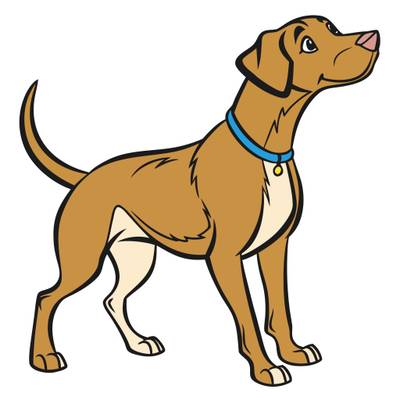 4 Likes

Sitting dog in side view – colored in by the community
-
by Alessia
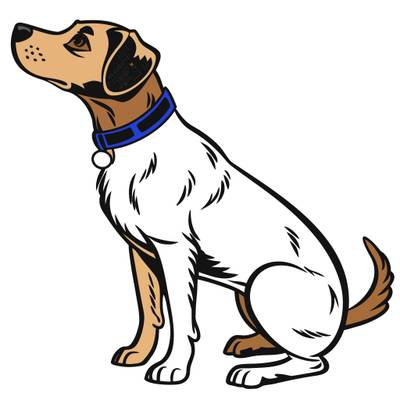 7 Likes
-
 3 Likes
-
 1 Likes

Cute sitting Dalmatian puppy – colored in by the community
-
by Katze
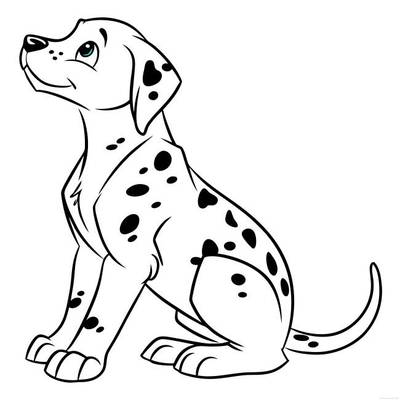 0 Likes

Cute dachshund with curled tail – colored in by the community
-
by Nora
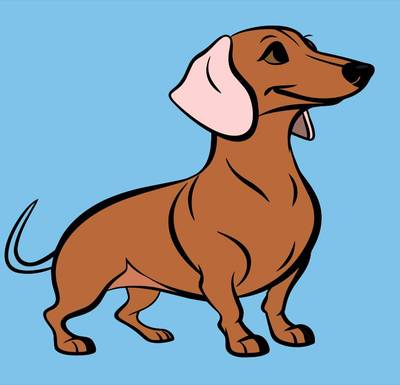 5 Likes

Simple standing dachshund – colored in by the community
-
by Katze
 0 Likes

Standing border collie side view – colored in by the community
-
by Ida
 4 Likes

Sitting Australian cattle dog portrait – colored in by the community
-
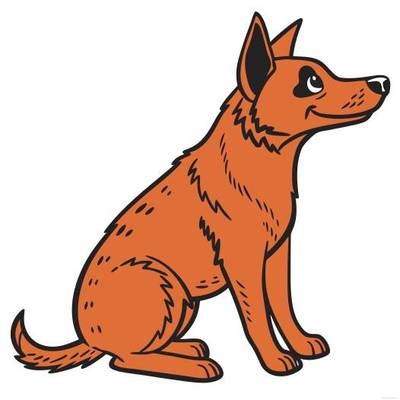 0 Likes

Standing Australian cattle dog outdoors – colored in by the community
-
by Emily
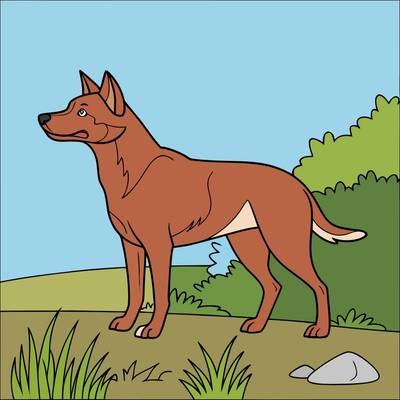 4 Likes

Sitting adult Dalmatian with collar – colored in by the community
-
by Lena
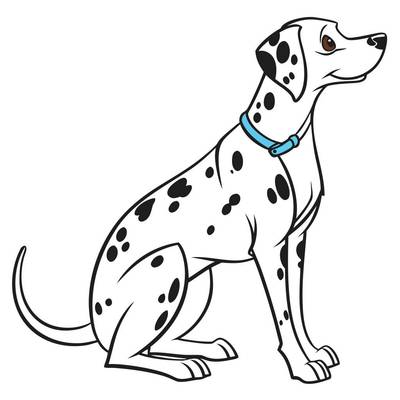 0 Likes

Standing adult Dalmatian dog – colored in by the community
-
by Oscar
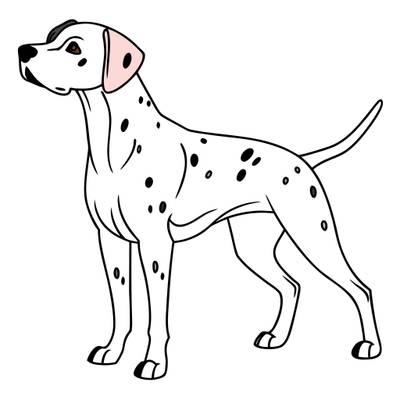 6 Likes

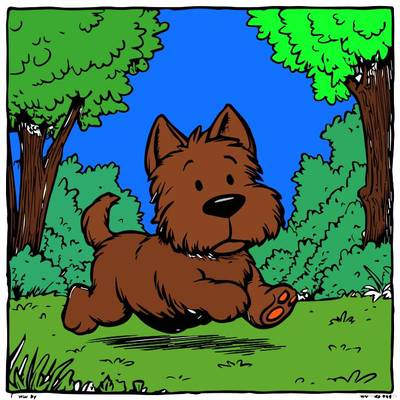
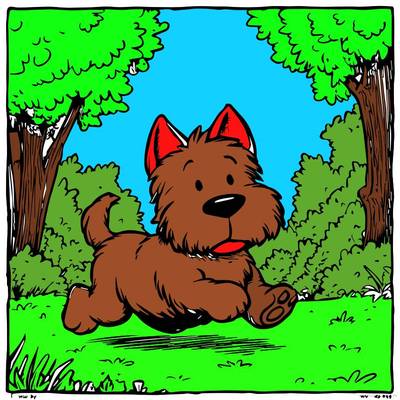
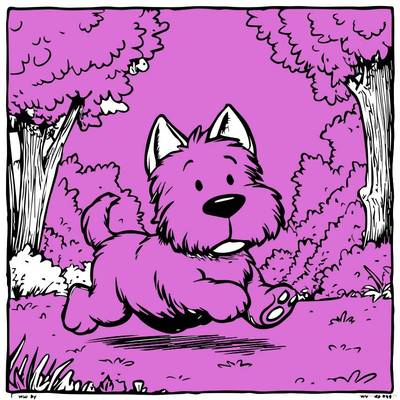



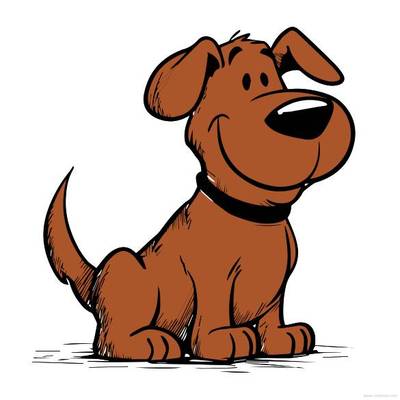

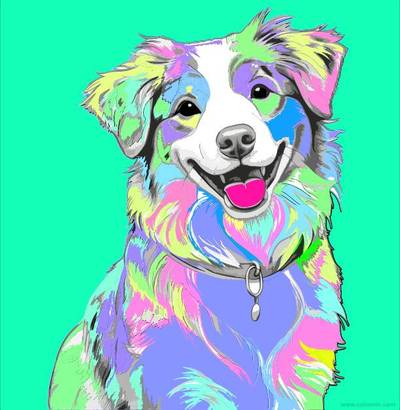
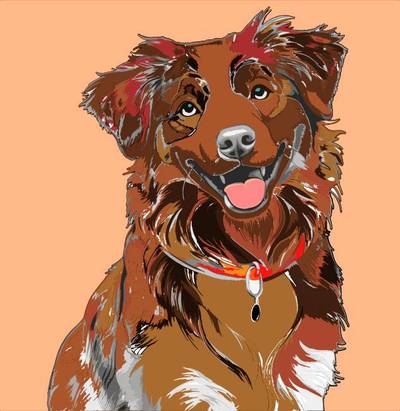
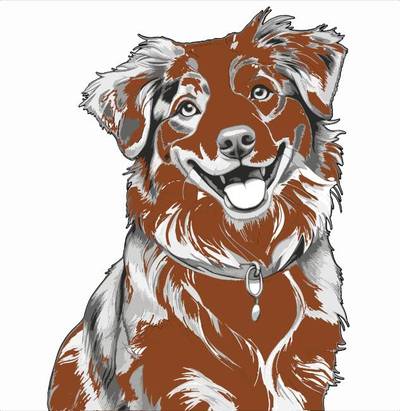

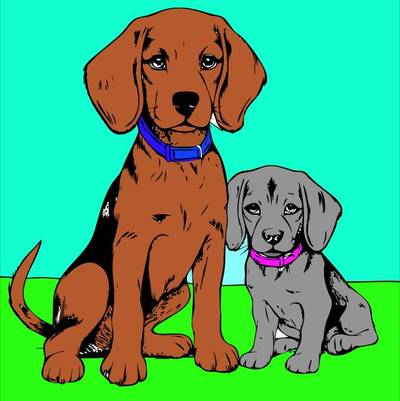

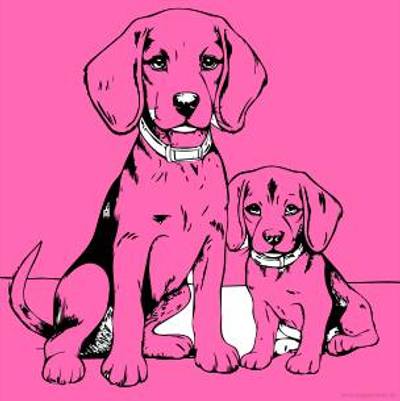

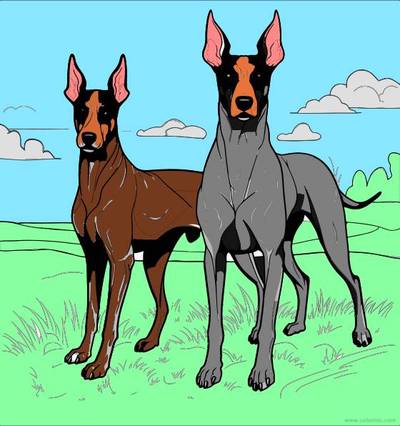
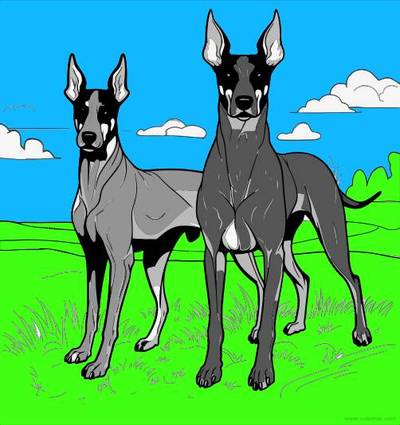
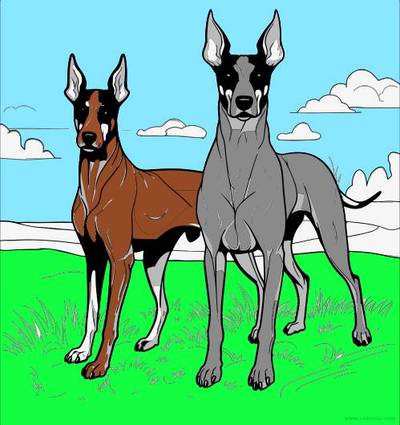
Two dogs in a field – colored in by the community
-
 3 Likes
-
by user-6aha42
 2 Likes
-
 0 Likes

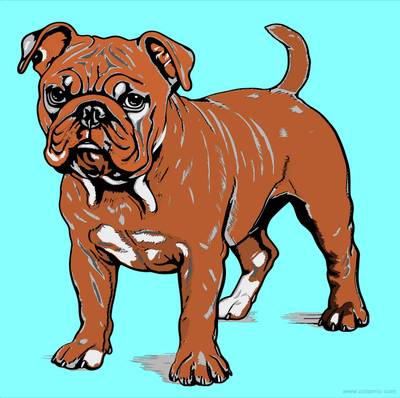
Cute pug dog to color – colored in by the community
-
 0 Likes

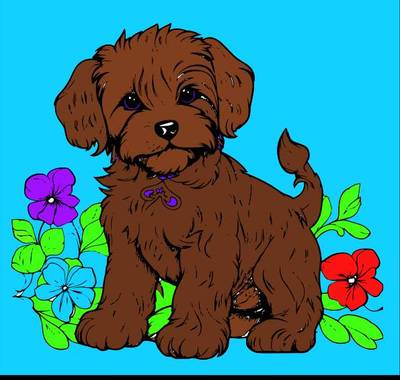
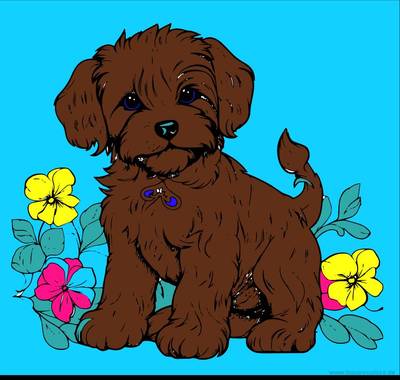
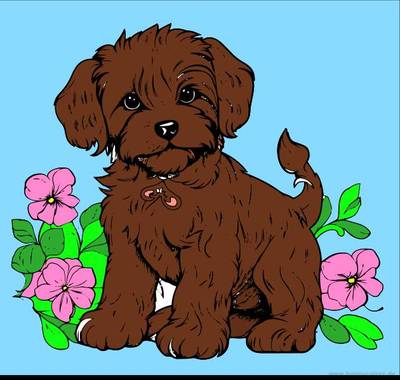

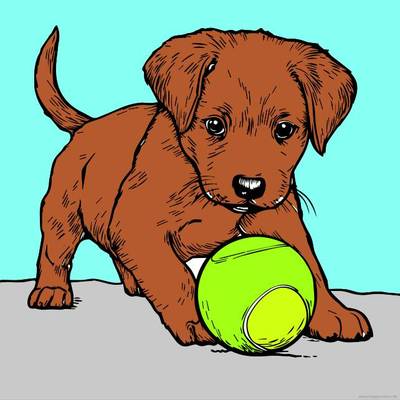


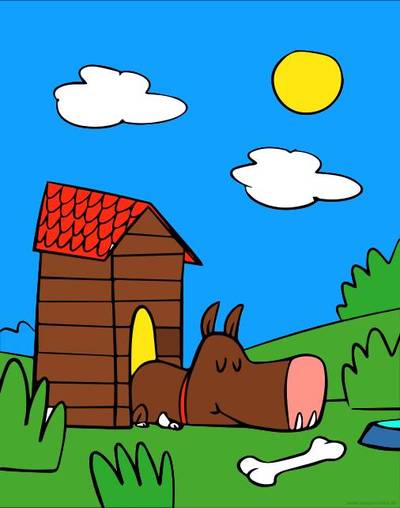

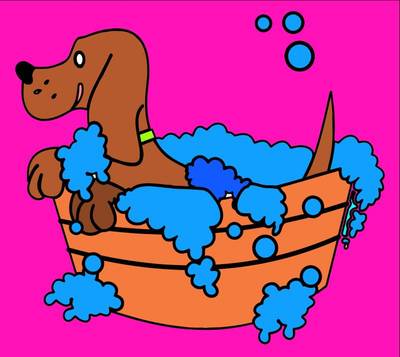

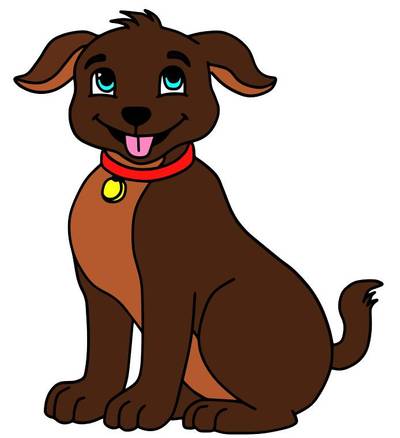
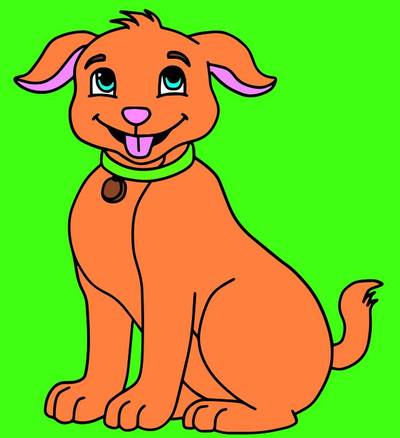
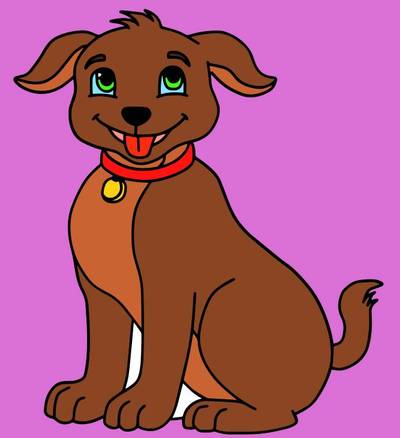

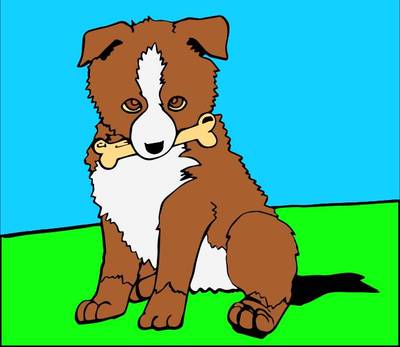
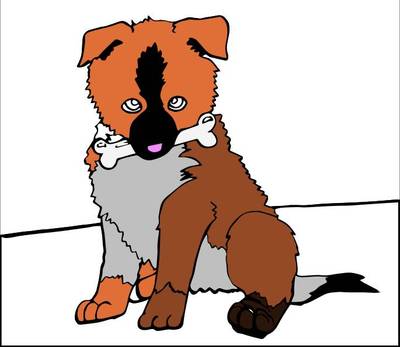
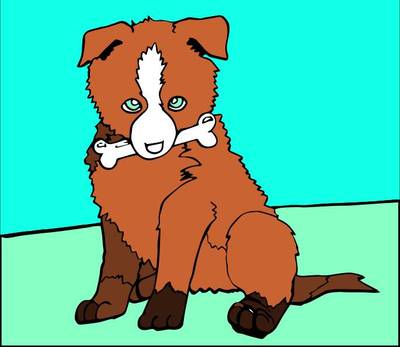

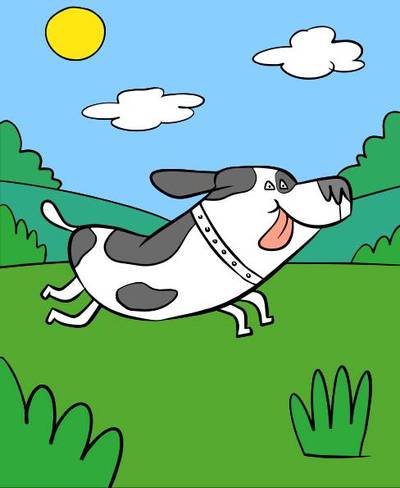
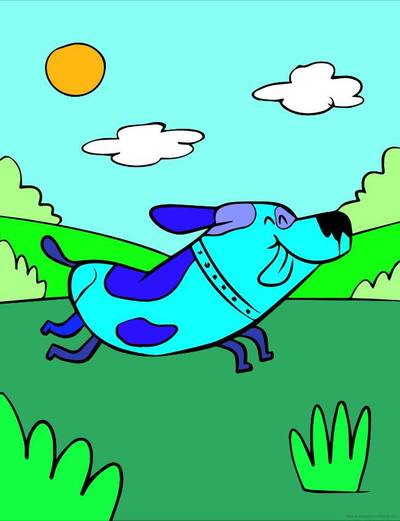
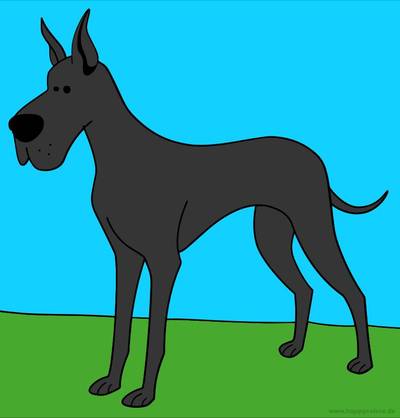

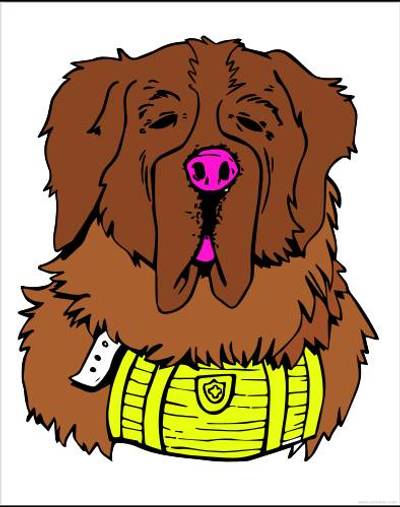
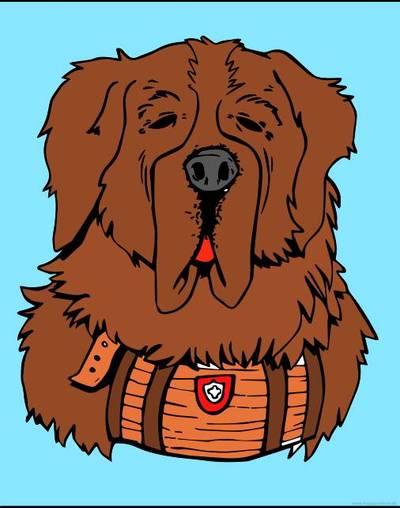
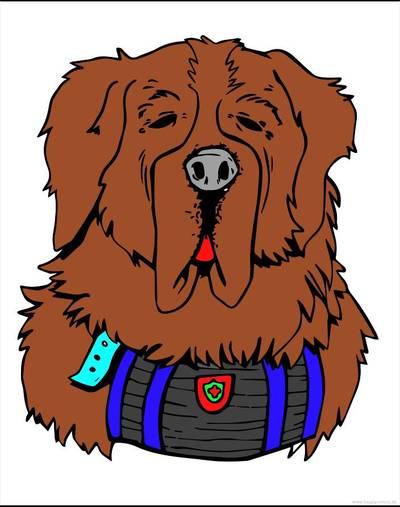

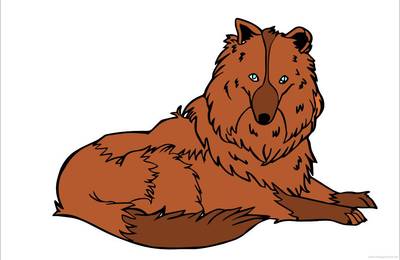
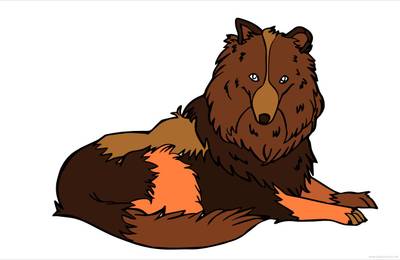
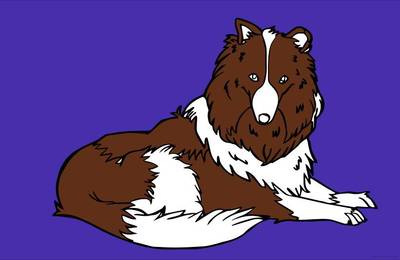

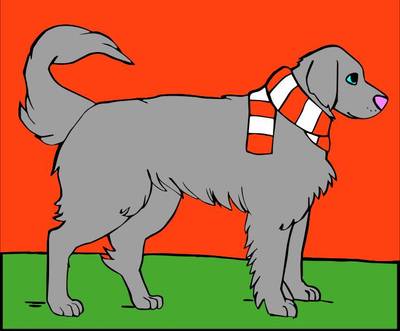
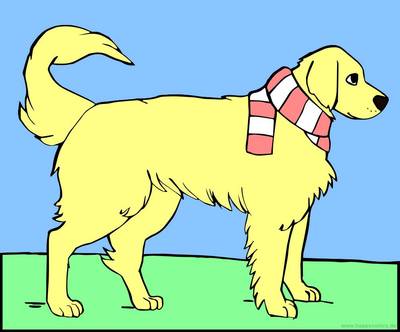
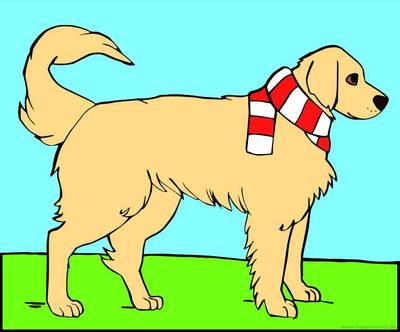

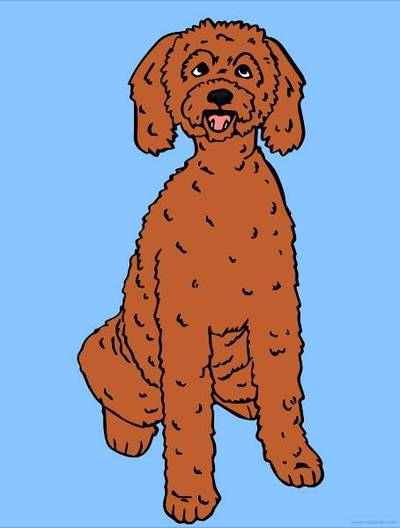
Labradoodle – colored in by the community
-
 1 Likes
-
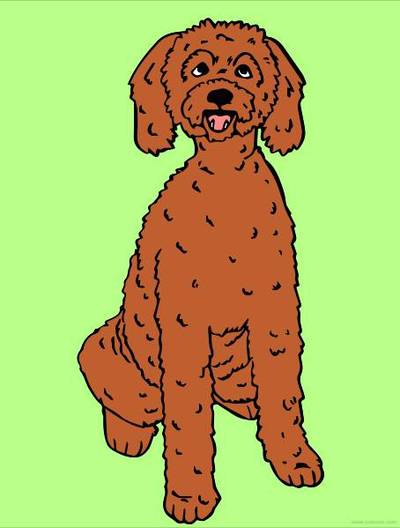 0 Likes
-
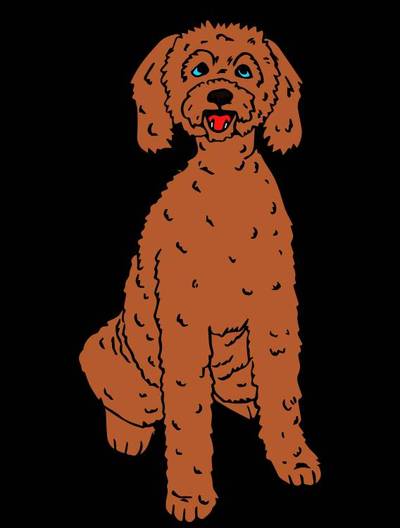 0 Likes

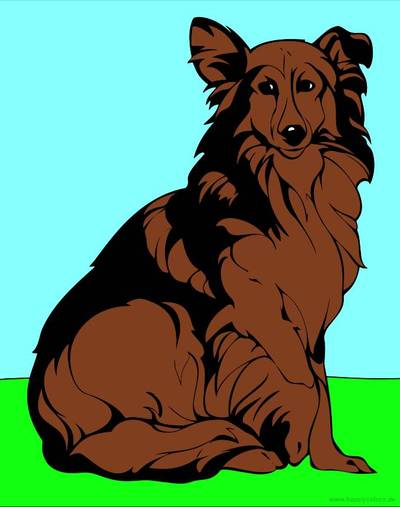
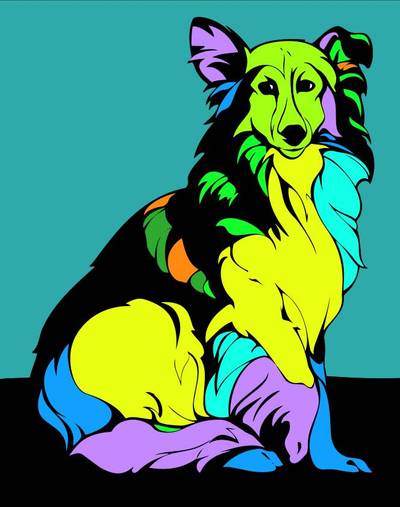
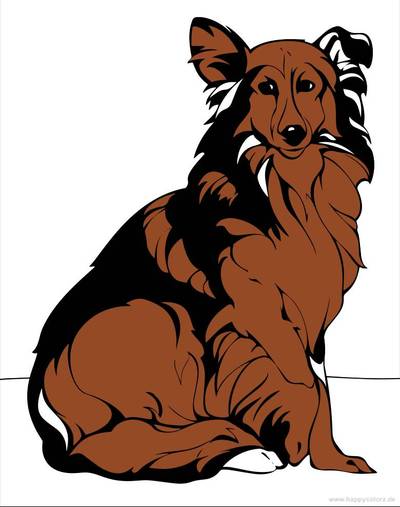


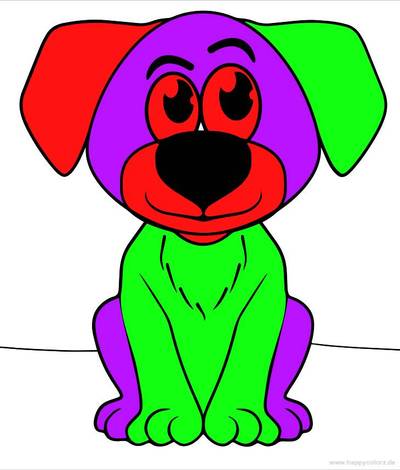
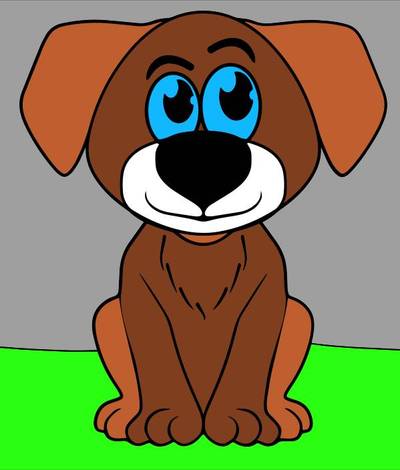
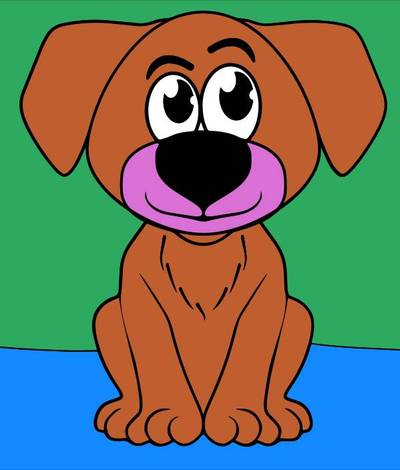
Cute puppy – colored in by the community
-
 2 Likes
-
 1 Likes
-
 0 Likes







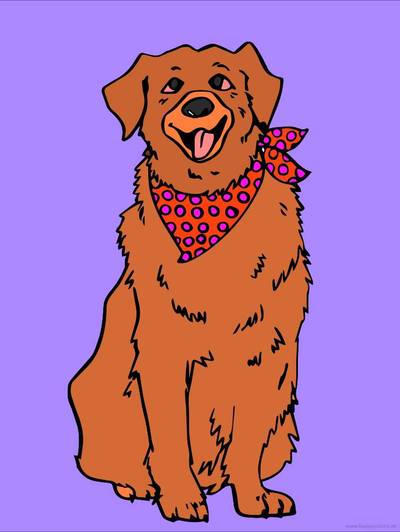
Cute Golden Retriever – colored in by the community
-
 2 Likes

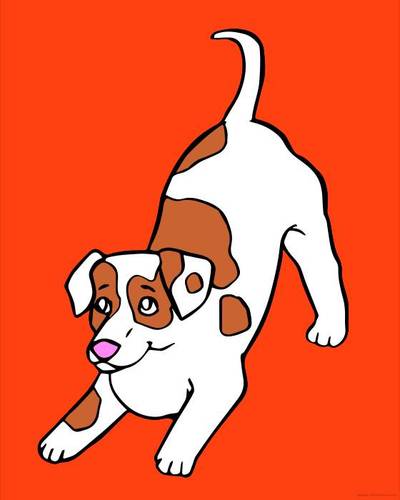
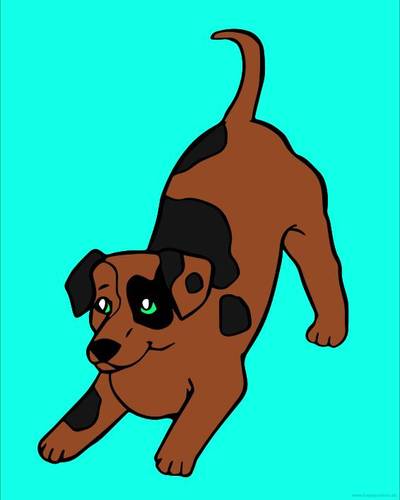
Jack Russel puppy – colored in by the community
-
 2 Likes
-
 1 Likes


🎨 New coloring pages by email
Regularly get new free coloring pages straight to your inbox – no spam, unsubscribe anytime.
You’ll first get a confirmation email (double opt-in). Unsubscribe anytime with one click. Privacy Policy
Why Kids Love These Dogs Coloring Pages
- Coloring dog illustrations helps children develop fine motor skills, pencil control, and color recognition through deliberate strokes and small-area filling.
- Parents and teachers can print dogs pages quickly to create themed lessons, fast indoor activities, or take-home practice without any cost.
- Choosing colors and patterns for each dog encourages planning, decision-making, and creativity in a simple, focused task.
- These printable dogs provide a calm, screen-free activity that works for quiet time, group centers, or rainy-day entertainment with minimal setup.
Creative Ideas & Activities
- Dog mask craft: color a dog face, cut it out, glue to cardstock, and attach a stick or elastic to wear for imaginative play and role‑playing.
- Memory match game: print two copies of simple dog images, cut into cards, and play a matching game to build concentration and visual memory.
- Story starter activity: have each child color a dog and then write or tell a short story about that dog’s name, home, and favorite game to practice writing and oral language skills.
- Spot-counting math: color the spots on a dalmatian or add stickers to a dog picture, then use the sheet for counting, addition, or subtraction practice.
- Classroom mural: assign each student a dog to color, trim the pages, and assemble them into a large “Dogs of Our Class” display to celebrate teamwork and diversity.
- Adoption role-play: children color a dog, create a name tag and simple adoption form, and take turns being the pet owner and the adoption counselor to practice social skills and writing.
- Textured collage: add yarn for fur, tissue paper for color blocks, and googly eyes to a printed dog page to explore textures and fine motor gluing skills.
- Color-by-number or sight-word practice: convert a dog page into a color-by-number or label color areas with sight words to reinforce reading and number recognition while coloring.
Frequently Asked Questions
Are the dogs coloring pages free to download and print?
Yes, all coloring pages on this page are free to download and print. You can use them at home, school, or kindergarten without any cost.
What file formats are available for printing the dog pages?
The dog pages are available in common printable formats such as PDF and high-resolution JPG for easy printing. PDFs are ideal for consistent print layout, while JPGs work well if you need to insert images into documents or presentations.
What ages are these dog coloring pages suitable for?
These pages suit a wide age range from preschoolers to early elementary students, with simpler designs for younger children and more detailed dogs for older kids. Teachers and parents can choose pages based on complexity to match each child’s skill level.
Can I use the coloring pages in my classroom or kindergarten?
Yes, the coloring pages can be used for free at school and in kindergarten, and classroom use is allowed. Feel free to print multiple copies for group activities, centers, or take-home assignments.
How can I get the best coloring results for these dog pages?
Use a slightly heavier paper or standard printer paper for crayons and colored pencils, and choose cardstock if you plan to use glue or add collage elements. Colored pencils give precise detail, crayons are forgiving for young hands, and markers create bold color but may bleed through thin paper—place a scrap sheet underneath when using markers.