Wildly fun bear coloring picture – for courageous children
 Author Mathias
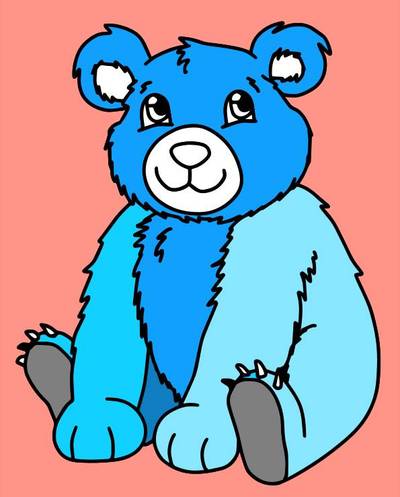
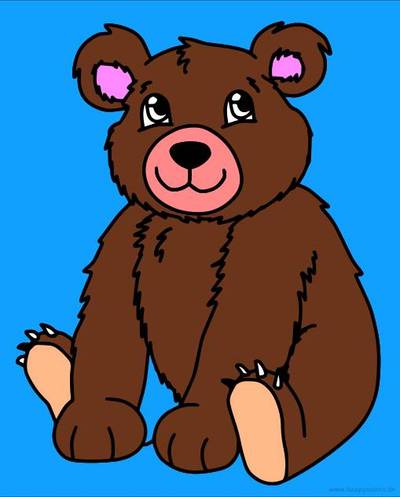
 A bear-themed coloring page can be a gentle, joyful way for children to explore art, storytelling, and concentration. These pages typically feature friendly bear characters in a range of styles—from very simple outlines for the youngest artists to more detailed scenes for older kids. Each coloring page is designed to be printed or colored on a tablet, and the variety means you can pick pages that match a child’s attention span and skill level. Parents and teachers often keep several bear images on hand for quick activities, themed lessons, or rainy-day fun.
These bear coloring pages are suitable for toddlers, preschoolers, and older children alike. Toddlers love the big shapes that build early hand-eye coordination; preschoolers benefit from color recognition and following lines; older kids can practice shading, patterns, and storytelling by adding backgrounds. They’re perfect for home, classroom, homeschool settings, travel, or quiet time at grandma’s house. Beyond pure fun, coloring supports fine motor development, focus, patience, vocabulary (describing the bear and its environment), and emotional expression as kids choose colors to match moods or invent scenes. Use the pages for simple crafts, group activities, or as calming transitions during a busy day—bear drawings invite imagination while helping children develop real skills in a welcoming, low-pressure way.

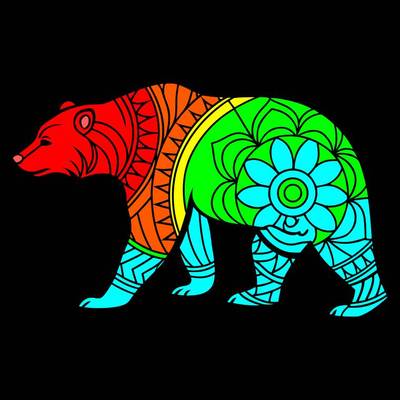
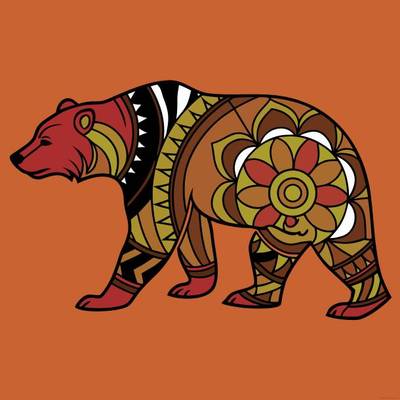
Zentangle bear in side view – colored in by the community
-
by Leny
 4 Likes
-
 4 Likes

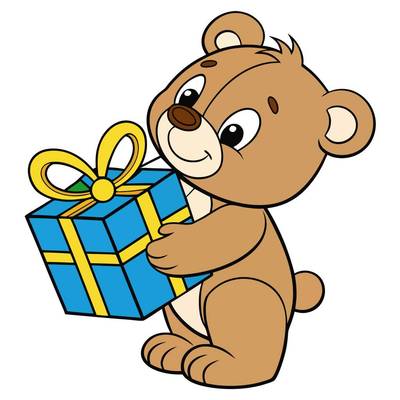
Standing teddy bear with gift – colored in by the community
-
by freja
 9 Likes
-
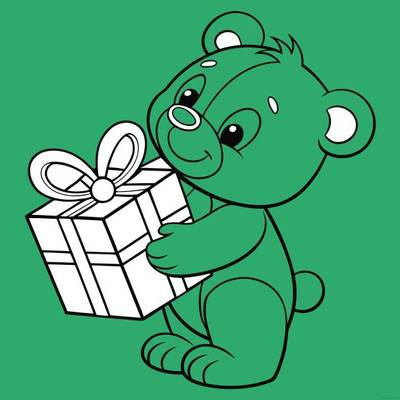 0 Likes

Sitting teddy bear with gift – colored in by the community
-
by henrik
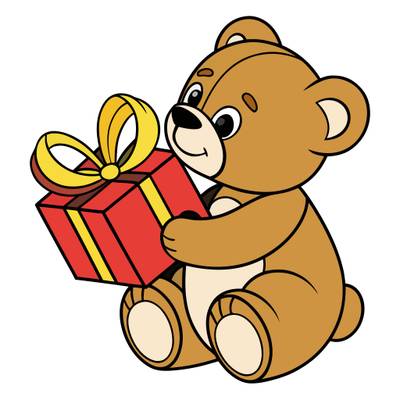 8 Likes

Cute teddy bear with heart balloon – colored in by the community
-
by Katze
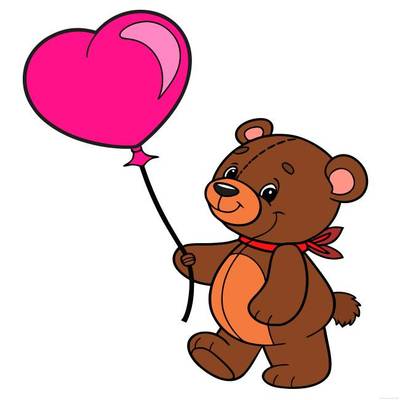 3 Likes

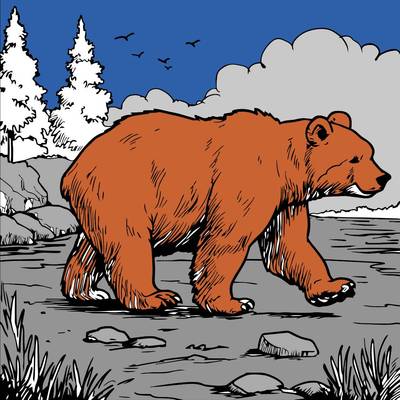
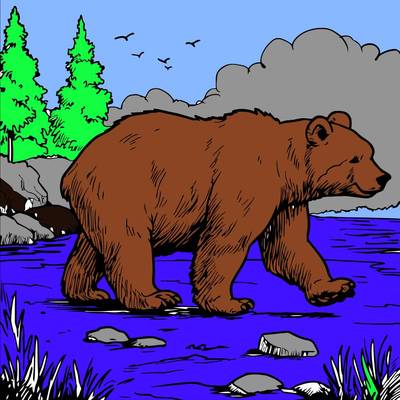
Bear by the river – colored in by the community
-
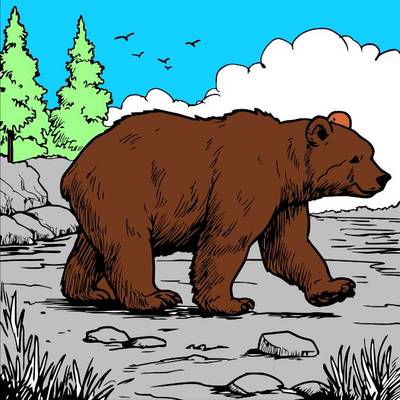 2 Likes
-
 0 Likes
-
 0 Likes

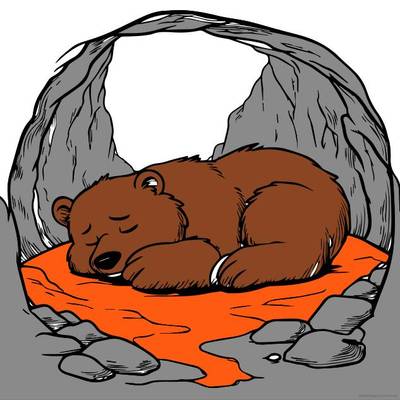

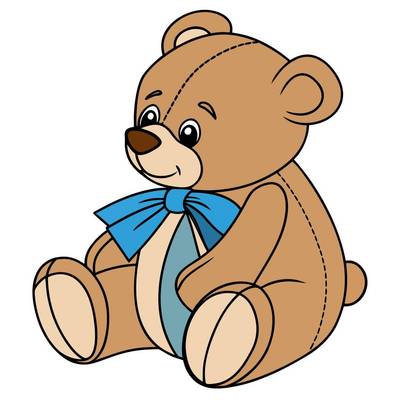
Cute teddy bear with a bow – colored in by the community
-
by femke
 7 Likes

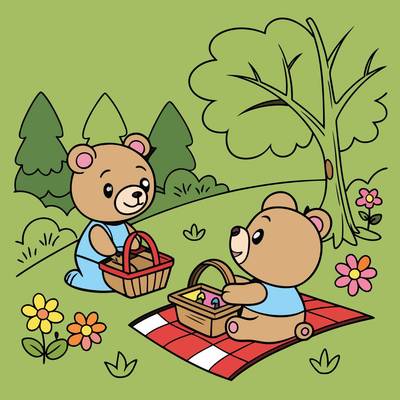
Cute teddy bear picnic scene – colored in by the community
-
by chloe
 0 Likes

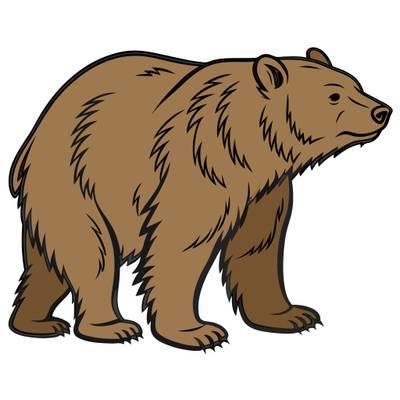
Realistic black bear in side view – colored in by the community
-
by Lorenzo
 3 Likes

Cute kawaii bear by a plant – colored in by the community
-
by lily
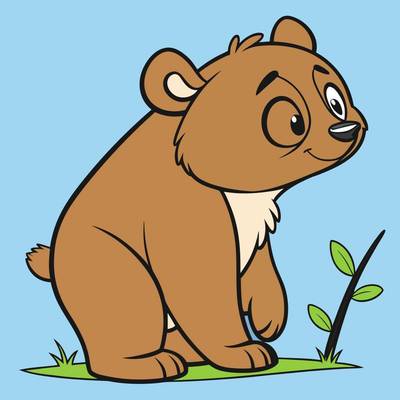 9 Likes

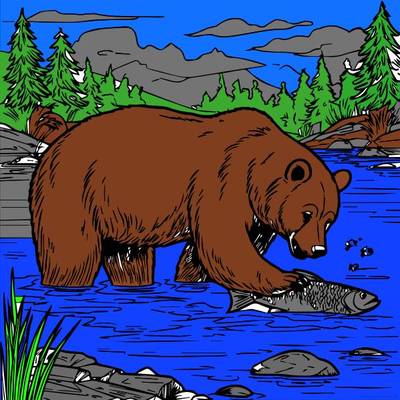
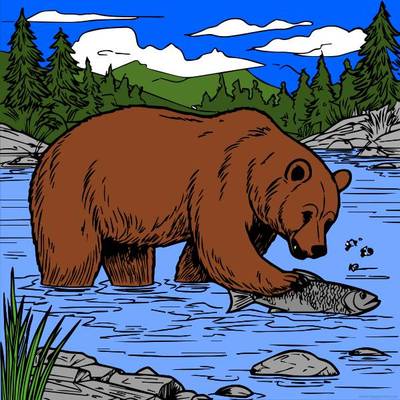
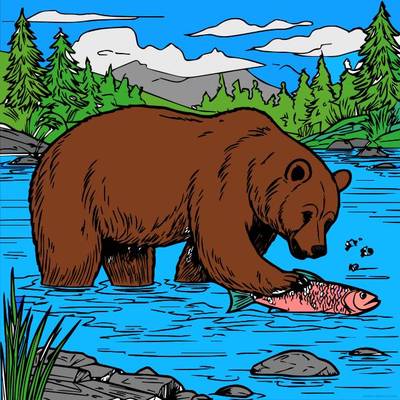
Detailed grizzly catching salmon – colored in by the community
-
by freja
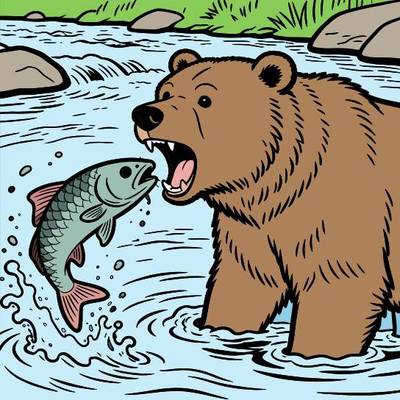 16 Likes
-
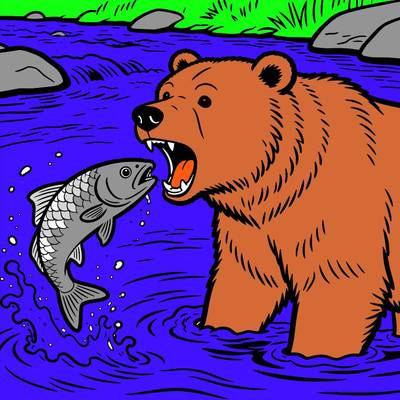 1 Likes
-
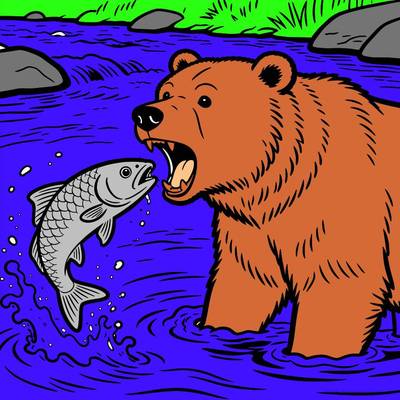 0 Likes

Close-up grizzly with salmon – colored in by the community
-
by Matilde
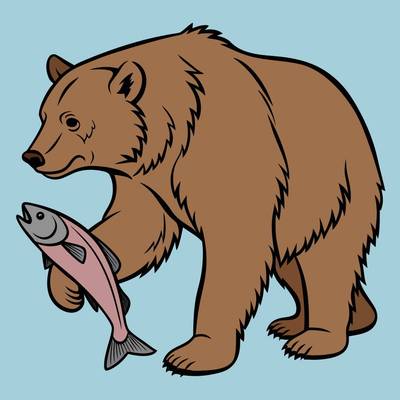 6 Likes
Bring Your Bear to Life: Cozy, Realistic Coloring Tips
A bear looks simple at first, but it becomes extra special when children notice the soft fur texture, the rounded body shapes, and the little details like the nose and paws. With a few careful choices, the bear can look warm, real, and ready for a forest adventure.
What to Notice While Coloring a Bear
- Fur direction: Color in small strokes that follow the bear’s body (down the arms, around the belly, and along the back) to make fur look fluffy.
- Light and shadow: Leave tiny lighter areas on the top of the head, shoulders, and upper back where “sunlight” would hit.
- Face features: Keep the eyes and nose neat and clear. A clean outline helps the bear look friendly and real.
- Muzzle and ears: Many bears have a slightly lighter muzzle. The inner ear can also be a bit lighter than the outer fur.
- Paws and claws: If claws are shown, color them gently so they don’t steal attention from the bear’s face.
- Layering: Start with a light base color, then add darker shading around the belly edges, under the chin, and beneath the arms.
Helpful hint: For realistic fur, press lightly first, then add a second layer in the shadow areas. This keeps the bear looking soft instead of flat.
Realistic Bear Colors (with Easy Visual Swatches)
| Bear Part | Realistic Color | Color Hint |
|---|---|---|
| Main fur (brown bear) | Medium Brown | #8D6E63 |
| Main fur (dark areas) | Dark Brown | #5D4037 |
| Main fur (light highlights) | Warm Tan | #BCAAA4 |
| Muzzle (snout area) | Light Beige | #D7CCC8 |
| Nose | Charcoal Gray | #424242 |
| Eyes (pupil) | Deep Black | #111111 |
| Eye shine (tiny dot) | White | #FFFFFF |
| Claws (if shown) | Gray | #757575 |
| Inner ear | Soft Taupe | #A1887F |
Simple Steps for a Realistic Finish
- Color the whole bear lightly with Medium Brown as the base.
- Add Dark Brown under the chin, along the belly sides, and under the arms for shadow.
- Blend in Warm Tan on the head top, shoulders, and back to show light.
- Color the muzzle with Light Beige, then outline gently so it stays clear.
- Finish the face: Charcoal Gray nose, Deep Black pupils, and a tiny White shine dot.

Simple grizzly bear catching salmon – colored in by the community
-
by Katze
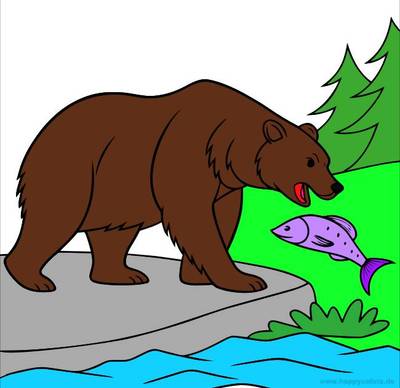 2 Likes
-
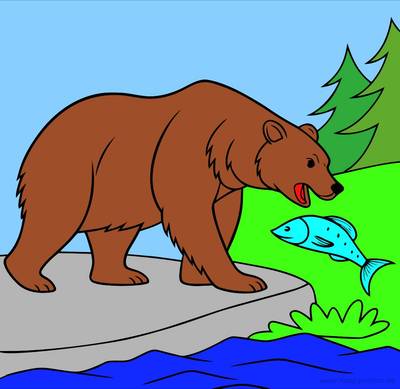 1 Likes

Easy zentangle walking bear – colored in by the community
-
by freja
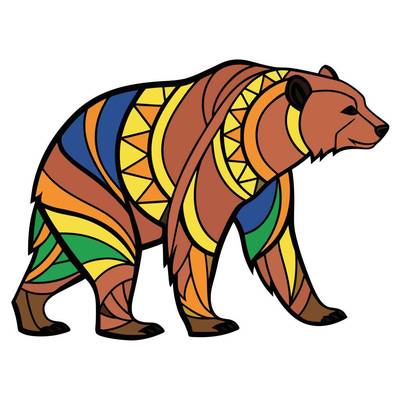 2 Likes

Cute red panda on a bamboo branch – colored in by the community
-
by luca
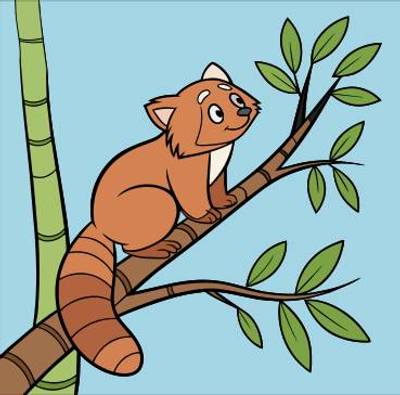 0 Likes

Cute realistic red panda side view – colored in by the community
-
by femke
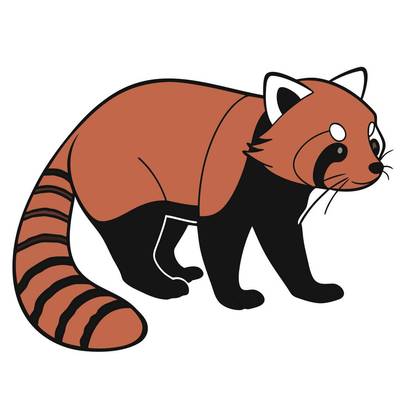 2 Likes
Snip, Stick, and Growl-Gently: Bear Crafts to Try!
Pop-Up Bear Cave Scene
✂️ You need: colored bear page, scissors, glue stick, cardstock, brown paper bag or brown paper, crayons or markers
- Color the bear and cut it out carefully.
- Glue a brown “cave” shape onto cardstock and leave the opening unglued.
- Slide the bear partly into the cave opening and glue only the back edge so it pops out.
💡 Supports: fine motor skills, creativity, storytelling
Fluffy Bear With Cotton Fur
✂️ You need: bear coloring page, cotton balls, white glue, small bowl, paintbrush or cotton swab, crayons or markers
- Color the bear’s face, paws, and nose first.
- Pull cotton balls into small fluffy pieces.
- Brush glue onto the bear’s body and press the cotton on to make fur.
💡 Supports: sensory play, hand strength, patience
Classroom Bear Forest Wall Collage
✂️ You need: several bear pages, large paper or poster board, glue sticks, scissors, green/brown paper scraps, leaves or twigs (optional), markers
- Color and cut out the bears and place them in a big group pile.
- Glue green and brown paper scraps onto the poster to make a forest background.
- Add the bears around the forest and draw extra trees, berries, or a river.
💡 Supports: teamwork, planning, spatial thinking

Complex zentangle bear illustration – colored in by the community
-
by kat
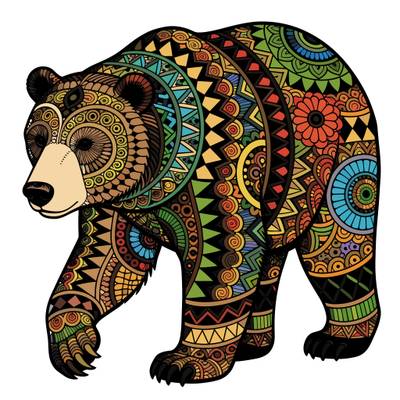 3 Likes

Bear at a cave in the forest – colored in by the community
-
by tiago
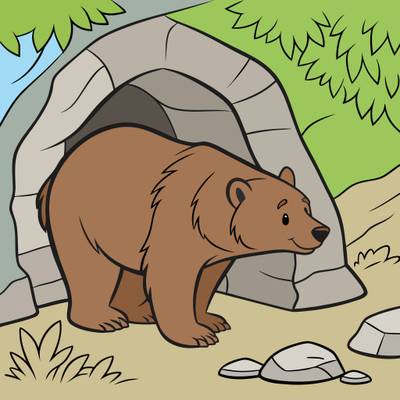 6 Likes

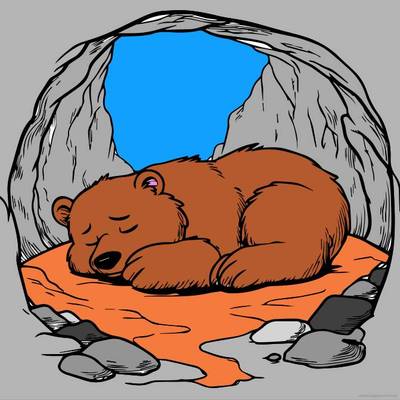
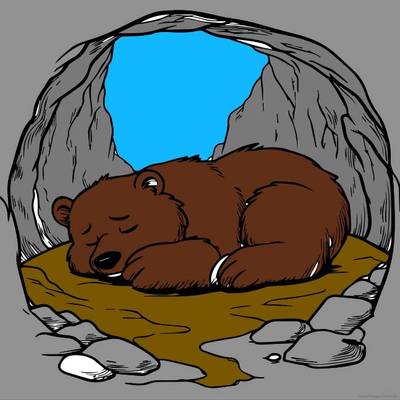
Simple bear by a cave entrance – colored in by the community
-
by Maja
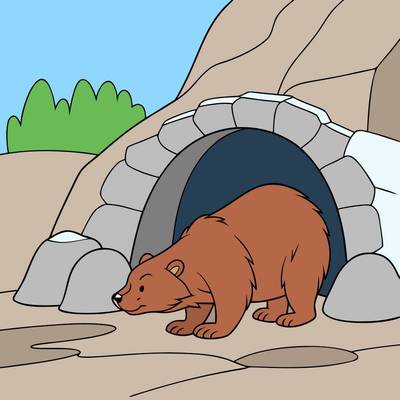 3 Likes

Cute bear mother with three cubs – colored in by the community
-
 2 Likes
-
by karl
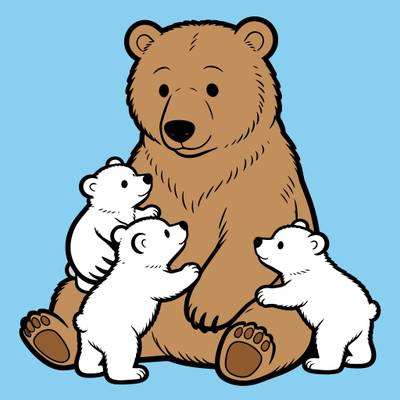 1 Likes
Did You Know? 5 Bear Facts That Feel Like Magic
Not All Bears Like Honey
Different bears eat different foods: many love berries, nuts, insects, and fish, and some (like polar bears) eat mostly meat. National Geographic Kids
Winter Nap Called Hibernation
In many cold places, black bears can sleep for months in a cozy den, living off stored body fat until spring returns. U.S. Fish & Wildlife Service
Super Sniffers in the Woods
Bears have an amazing sense of smell that helps them find food from far away, even when it’s hidden. Smithsonian Magazine
Meet America’s Black Bear
The American black bear lives in many U.S. states and can be seen in wild places like the Great Smoky Mountains and Shenandoah. National Park Service
Teddy Bears Have a Real Story
The “teddy bear” got its name from U.S. President Theodore “Teddy” Roosevelt, and the cuddly toy became famous long ago. Library of Congress

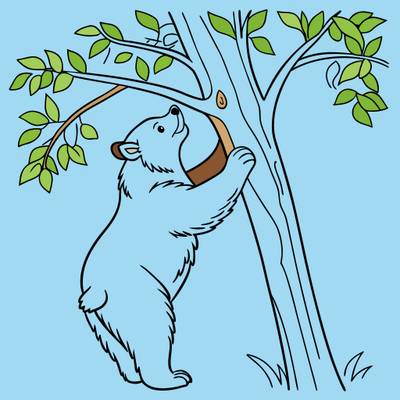
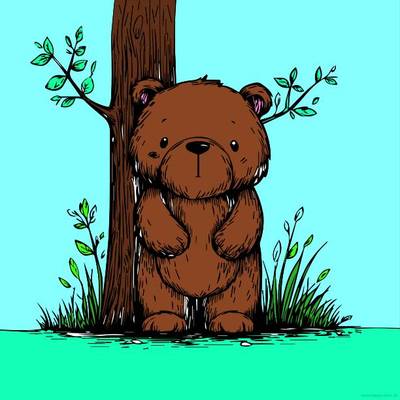
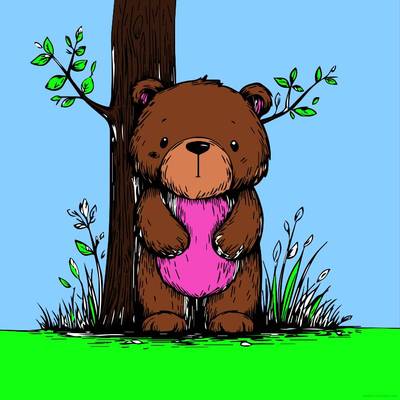
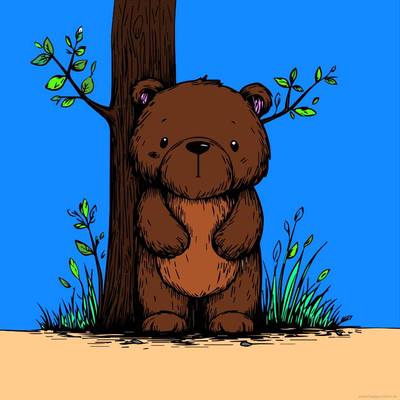
Cartoon bear on a tree trunk – colored in by the community
-
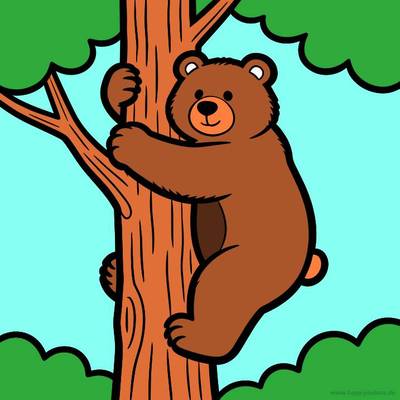 2 Likes

Cute bear climbing a tree – colored in by the community
-
by Alva
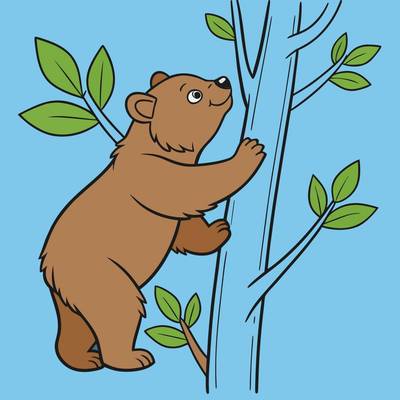 9 Likes
-
by Chiara
 5 Likes

Detailed bear climbing a tree – colored in by the community
-
by wolfgang
 2 Likes





🎨 New coloring pages by email
Regularly get new free coloring pages straight to your inbox – no spam, unsubscribe anytime.
You’ll first get a confirmation email (double opt-in). Unsubscribe anytime with one click. Privacy Policy
Why Kids Love These Bear Coloring Pages
- They build fine motor control and color recognition as children practice staying inside lines and choosing shades for a bear’s fur and accessories.
- Teachers and parents can use the pages as quick lesson starters, rewards, or quiet-center activities with no prep required.
- They support cross-curricular learning by turning each bear into a counting, vocabulary, or science prompt for easy classroom integration.
- These bear coloring pages provide a screen-free activity that sparks storytelling and calm focus during car rides, transitions, or rainy-day play.
Creative Ideas & Activities
- Color a bear, then write a one-paragraph story on the back about where the bear lives and what it likes to do to practice creative writing and sequencing.
- Make a habitat diorama by coloring and cutting out bears to glue into a shoebox with paper trees and cotton-ball clouds for a simple science-and-art project.
- Use multiple colored bears for math games: sort by color, count totals, or create simple addition and subtraction problems with physical bear counters.
- Turn a bear into an emotions lesson by drawing different facial expressions on copies and asking children to name the feeling and a time they felt the same way.
- Create bear masks by enlarging a page, coloring, cutting out eye holes, and attaching a stick or elastic for dramatic play and storytelling performances.
- Teach patterns and design by having kids decorate a series of bears with repeating stripes, spots, or geometric shapes using crayons or stickers.
- Make sequencing cards by printing several small bear poses, coloring them, then mixing and ordering them to invent a short story or comic strip.
- Turn colored bears into gift tags or greeting cards by cutting them out and gluing them onto cardstock for homemade presents and fine-motor practice.
Frequently Asked Questions
Are these bear coloring pages free to download and print?
All coloring pages on this page are free to download and print. They can be used for free at school and in kindergarten (classroom use is allowed).
What file formats are the coloring pages available in and how should I print them?
Pages are available in PDF and high-resolution JPG formats so you can print from most devices; PDFs are ideal for multi-page packs while JPGs work well for single pages. For best results, use your printer’s “fit to page” or actual size setting and select a high-quality print mode.
What ages are these bear coloring pages suitable for?
The pages are suitable for a wide range of ages, roughly preschool through early elementary (about ages 3–8), with simpler designs for younger children and more detailed bears for older kids. Teachers and parents can choose pages by complexity to match fine-motor skills and attention spans.
Can I use these bear coloring pages at home and in my classroom?
Yes, you may use these pages both at home and in classroom settings, including kindergarten and school activities. They are perfect for photocopying for lessons, centers, and take-home sheets.
How can I get the best coloring results for the bear pages?
Use heavier paper (90–120 gsm) for markers or mixed-media projects to reduce bleed-through, and choose colored pencils or crayons for detailed shading and blending. If you use markers, test them on a scrap sheet first and place a backing sheet underneath to protect surfaces; consider laminating finished pages for reuse with dry-erase markers.