
Coloring pictures featuring police: Your friend and helper when you’re in need
 Author Mathias
 A police coloring page offers a simple, friendly way to introduce children to public service themes through art. This single police-themed coloring page shows easy-to-recognize images—cars, badges, officers, and community scenes—so young artists can color and talk about safety, helpers, and neighborhood roles. These coloring pages are drawn with bold lines and varied detail levels so the same set can appeal to toddlers, preschoolers, and older kids who want a bit more complexity.
These printable coloring pages are suitable for quiet time at home, busy days in the classroom, focused homeschool lessons, or travel activities to keep little hands occupied. Parents and teachers can use a police coloring page to spark conversations, practice fine motor skills, or introduce vocabulary like “officer” and “patrol.” For toddlers, simple shapes build grip and color recognition; preschoolers gain narrative language as they describe scenes; older kids can explore pattern, shading, and storytelling.
Beyond fun, these police coloring pages support creativity, concentration, and social-emotional development by letting children express feelings about community helpers. They’re easy to customize—add stickers, prompts, or role-play—and they create gentle learning moments without pressure, making art a welcoming bridge between play and understanding.

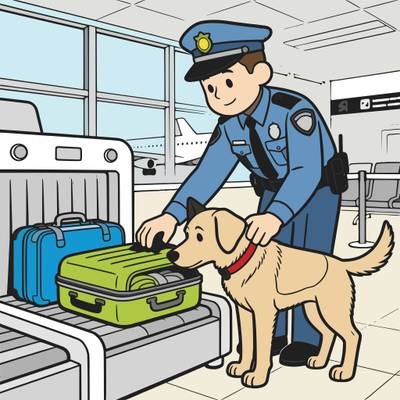
Police K9 searching luggage at airport – colored in by the community
-
by Sander
 6 Likes

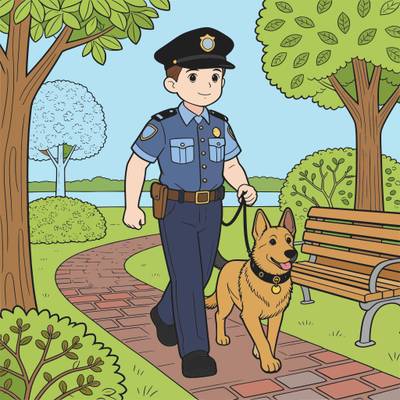
Police officer and K9 patrolling park – colored in by the community
-
by oldtimer_klaus
 4 Likes

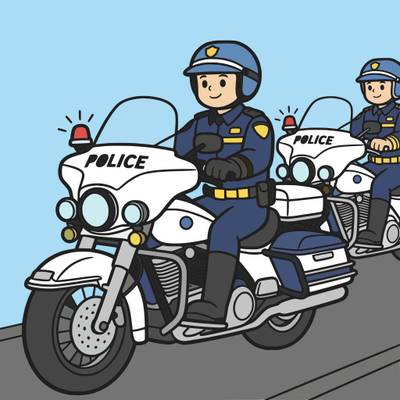
Cartoon police motorcycle escort – colored in by the community
-
by daan
 3 Likes

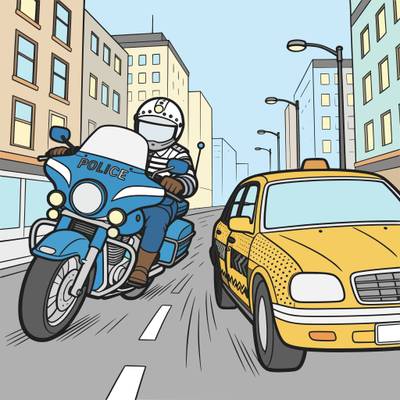
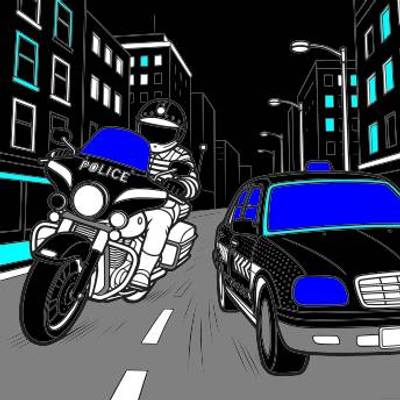
Police motorcycle chasing a car – colored in by the community
-
by benni
 7 Likes
-
 2 Likes

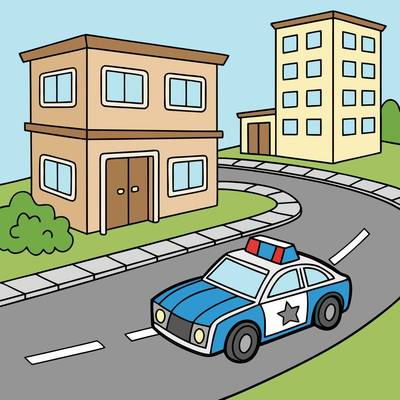
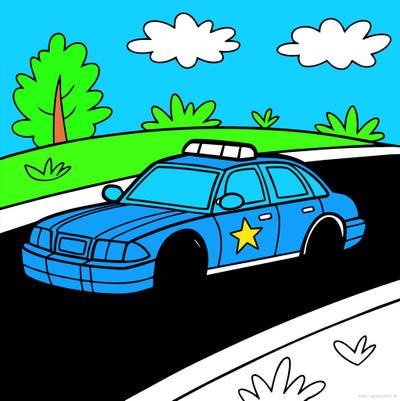
Police car on a city street – colored in by the community
-
by astrid
 0 Likes


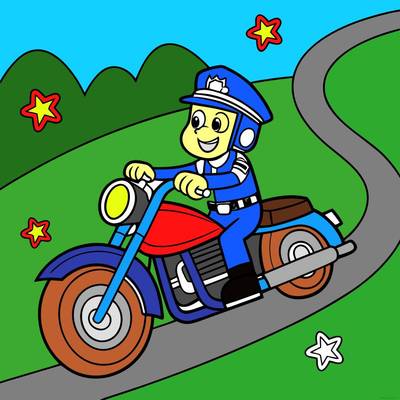
Police officer riding a motorcycle – colored in by the community
-
 1 Likes

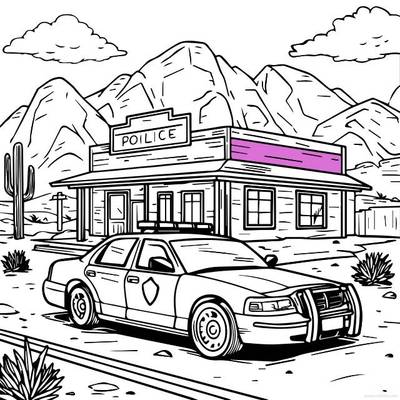

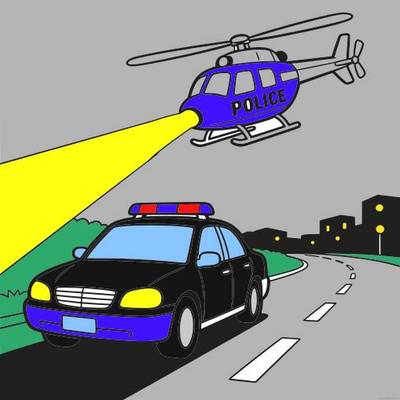
Police helicopter over the city – colored in by the community
-
by ines
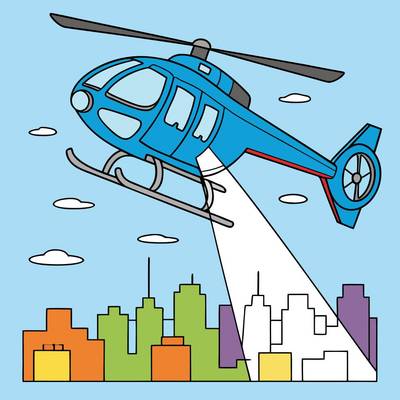 16 Likes
-
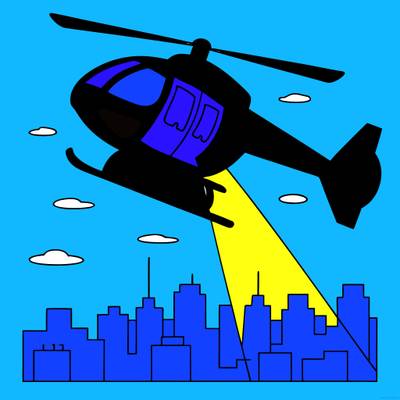 3 Likes

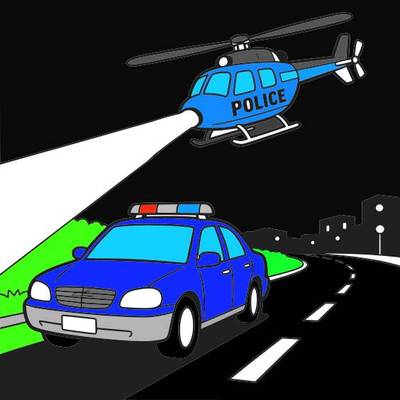
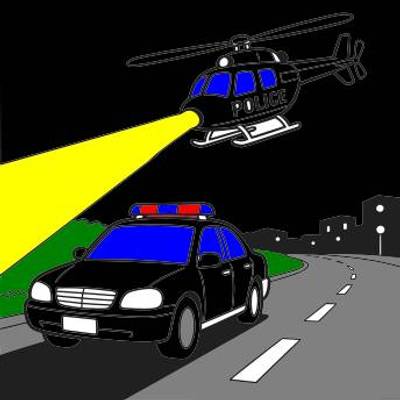

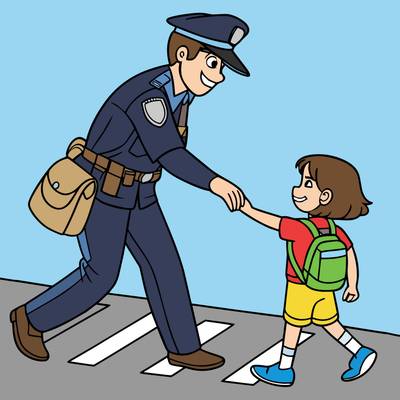
Side view of officer and child – colored in by the community
-
by Duarte
 7 Likes

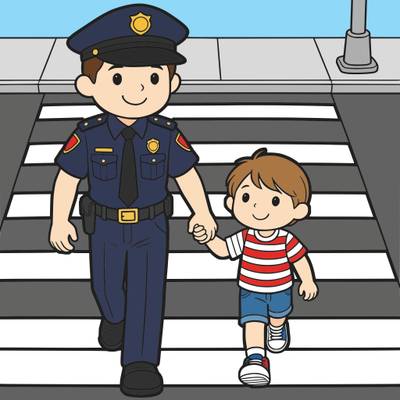
Police officer helping child cross – colored in by the community
-
by femke
 4 Likes
Make Your Police Officer Look Ready for Duty – Smart Coloring Tips
Police coloring pages often have lots of clear shapes and important little details. Careful coloring helps the uniform, the badge, and the gear look neat and easy to recognize.
What to Watch for While Coloring a Police Picture
- Uniform sections: Many police drawings show a shirt, pants, and a vest or jacket. Keep each part in its own color area so the outfit looks tidy.
- Badges and patches: These are usually small. Use short, gentle strokes and stay inside the lines to keep the badge shape clear.
- Belt and equipment: Items like a radio, flashlight, handcuffs, or a baton can be tiny. Color them slowly so each tool still looks like itself.
- Hat details: Police caps often have a band or emblem. Coloring the band a slightly different shade makes the hat stand out.
- Buttons, pockets, and seams: These thin lines can disappear if colored too heavily. Light pressure keeps the details visible.
- Face and hands: Use an even, soft layer for skin so it looks smooth, not streaky. If using crayons, small circles can help.
- Vehicle or background (if included): Police cars may have stripes, doors, windows, and lights. Color one section at a time to avoid mixing up areas.
Helpful hint: Start with the biggest areas (shirt, pants, car body) and finish with the smallest parts (badge, buttons, radio). This makes it easier to keep edges clean.
Realistic Police Colors (with Easy Color Swatches)
| Part of the Picture | Realistic Color Ideas |
|---|---|
| Uniform (common) | Navy Blue Dark Blue |
| Uniform (alternative common) | Black Charcoal Gray |
| Shirt (some styles) | Light Blue Pale Gray |
| Badge / metal details | Gold Silver |
| Belt, boots, gloves | Deep Black Dark Gray |
| Radio / flashlight / handcuffs | Graphite Gray Light Steel Gray |
| Police car body (if included) | White Very Dark Blue |
| Windows (car or building) | Light Sky Blue Very Pale Blue |
| Light bar (if included) | Red Blue Amber (sometimes used) |
| Tires (if included) | Tire Black Wheel Gray |
Neat Coloring Tricks for a Clean Police Look
- Use one direction of strokes on the uniform (all up-and-down or all side-to-side) for a smooth, professional look.
- Leave tiny white spaces on shiny parts (badge, flashlight, car windows) to make them look bright.
- If two dark areas touch (like belt and pants), outline the edge lightly first so the parts don’t blend together.
Quick finish: After coloring, trace the main outline once with a darker pencil or crayon (only if the page allows it). This helps the police officer stand out clearly.


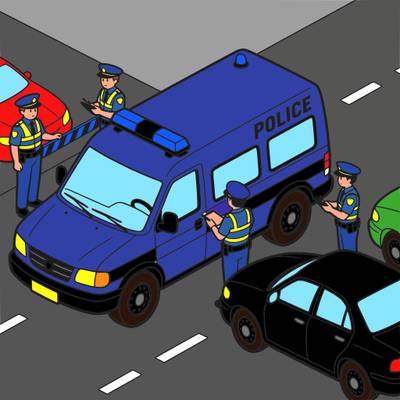
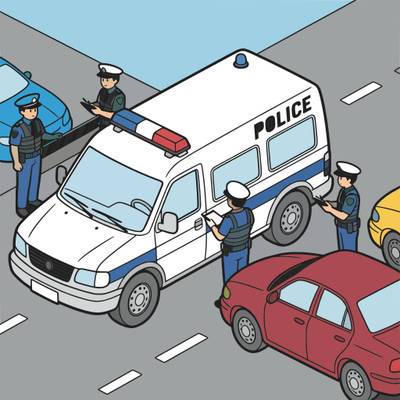
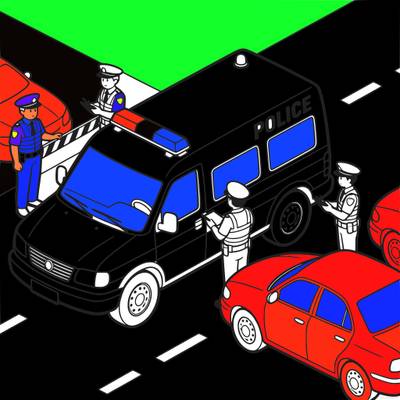
Police van checkpoint on a road – colored in by the community
-
 6 Likes
-
by zofia
 2 Likes
-
 0 Likes

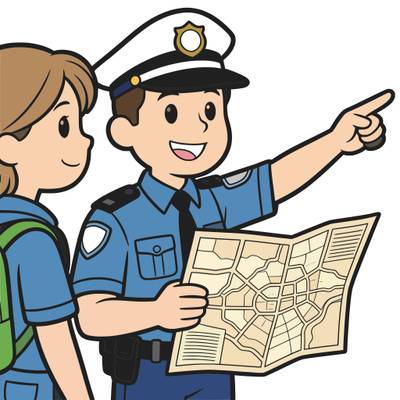
Police officer giving map directions – colored in by the community
-
by eero
 5 Likes

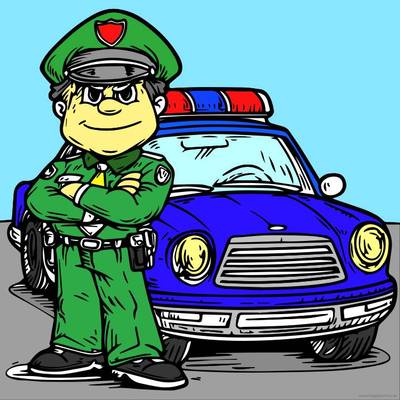
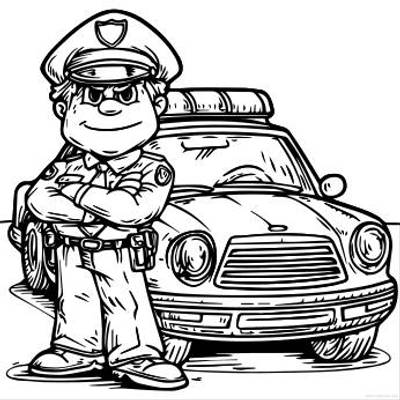
Scissors, Glue, Go! Police Craft Fun
Make a Police Badge
✂️ You need: cardstock or thick paper, scissors, glue stick, crayons/markers, aluminum foil (optional), safety pin or tape
- Cut a big star or shield shape from cardstock.
- Color it and add a number or simple lines.
- Glue on a small foil circle for a “shiny” spot.
- Tape it to a shirt or ask an adult to attach a safety pin.
💡 Supports: fine motor skills, creativity, pretend play
Paper Police Hat in Minutes
✂️ You need: black or blue paper, white paper strip, scissors, tape or glue, crayons/markers
- Wrap a paper strip around the head and tape it to fit.
- Cut a long rectangle and fold it slightly to make the hat top.
- Tape the top piece onto the headband.
- Add a small paper badge to the front.
💡 Supports: measuring, spatial thinking, imaginative play
Classroom Police Helper Poster
✂️ You need: large paper or poster board, glue stick, scissors, crayons/markers, the finished police coloring page, scrap paper
- Glue the colored police page in the center of the poster.
- Cut simple shapes from scrap paper like hearts, stars, and speech bubbles.
- Write short “helper words” in the bubbles like “kind,” “safe,” and “help.”
- Let everyone add one drawing around the police picture.
💡 Supports: teamwork, communication, creativity

Police motorcycle outline – colored in by the community
-
 3 Likes
-
by user-r7cw3e
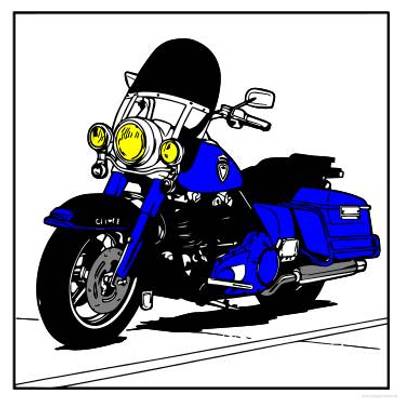 2 Likes
-
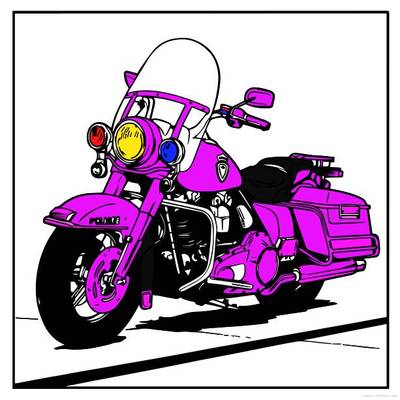 1 Likes

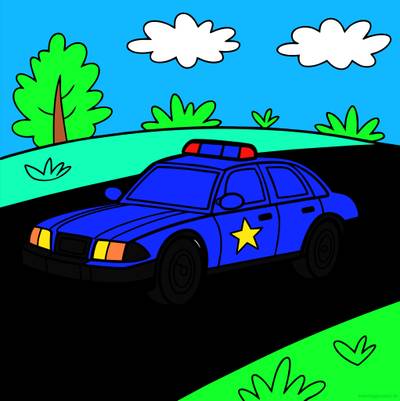
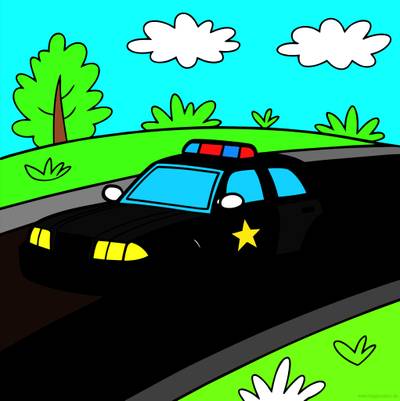
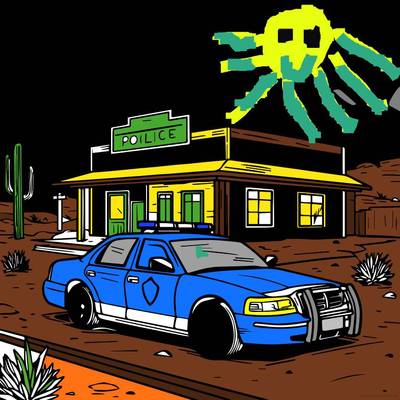
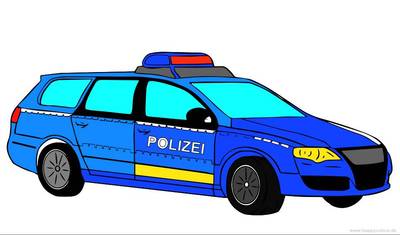
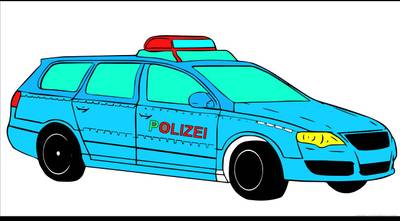
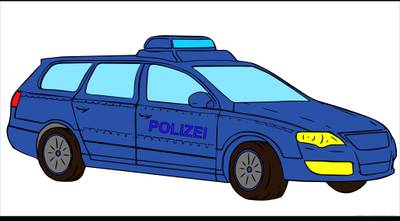
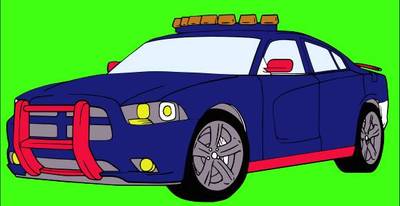
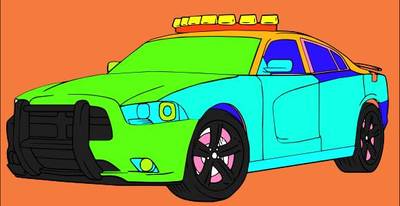
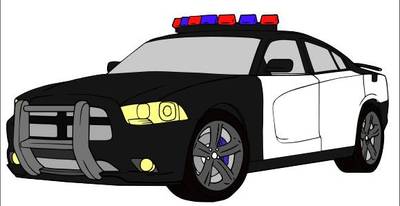
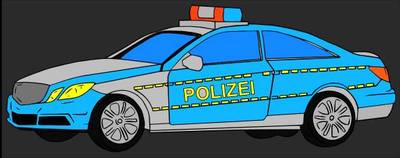
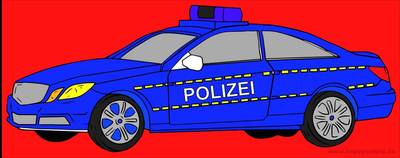
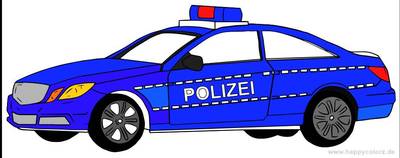
Police car on the street – colored in by the community
-
by user-r7cw3e
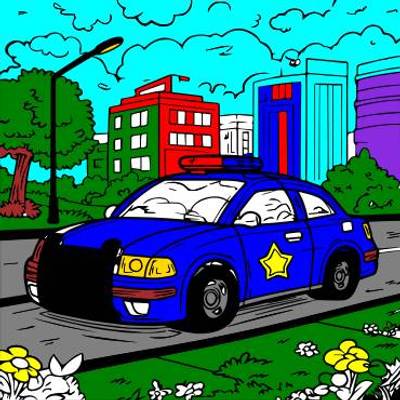 18 Likes
-
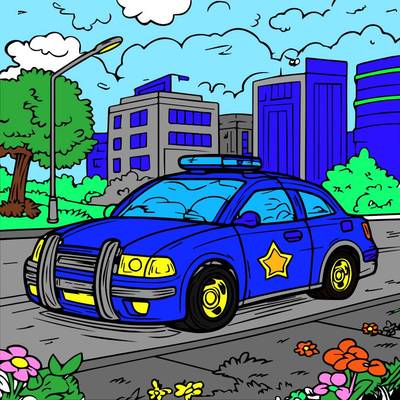 2 Likes
-
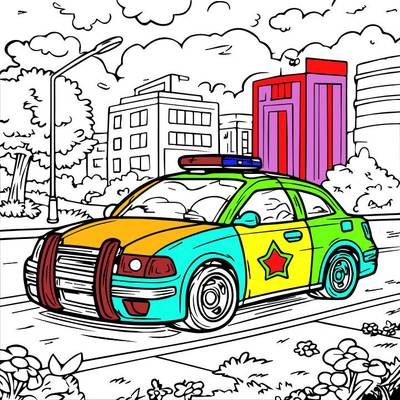 1 Likes

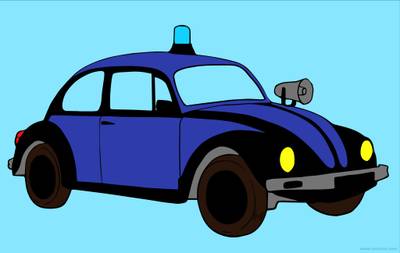
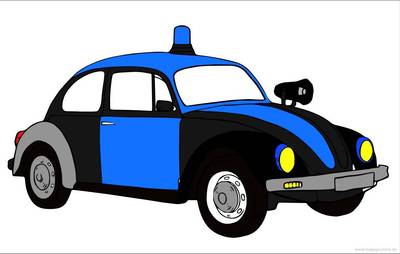
Fun police car illustration – colored in by the community
-
by user-mdligu
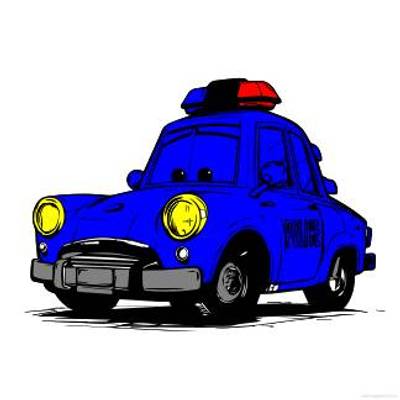 15 Likes
-
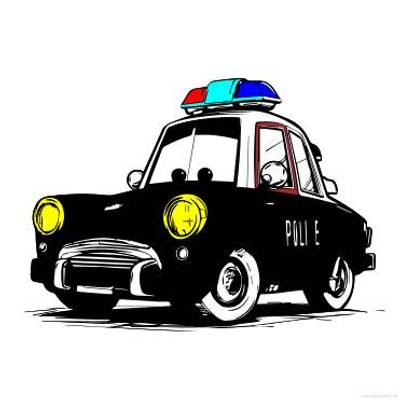 0 Likes

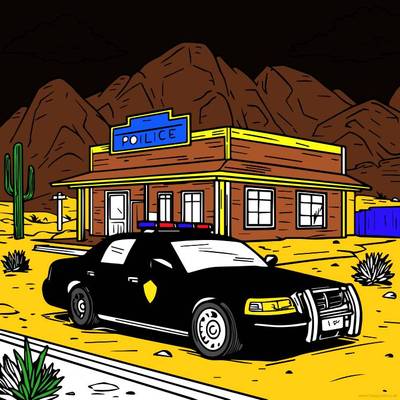
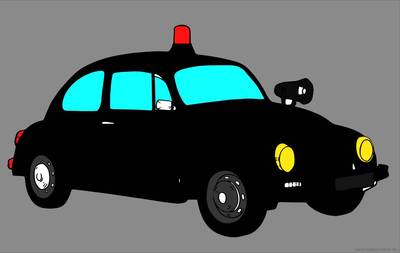
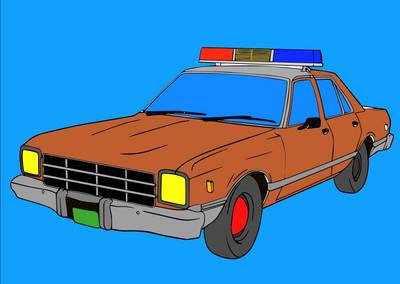
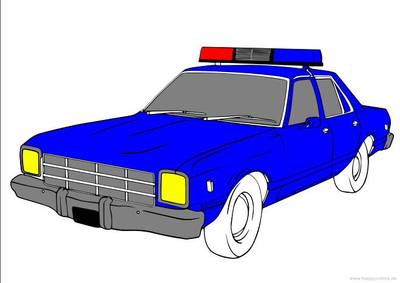
Classic police car 50s highway patrol – colored in by the community
-
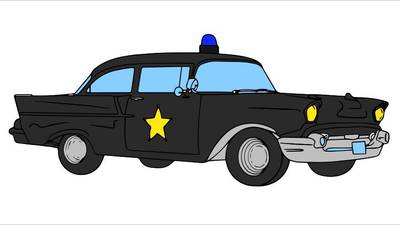 11 Likes
-
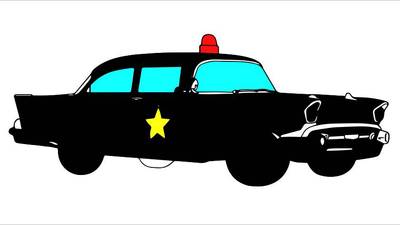 4 Likes
-
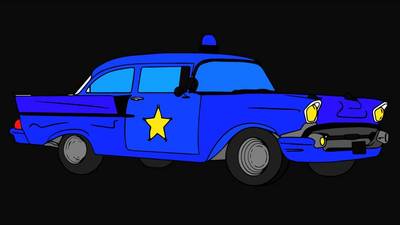 1 Likes
Did You Know? 5 Surprising Facts About Police Officers
Police Work Is Super Old!
Long ago in the United States, towns created “night watch” groups to help keep people safe after dark—an early step toward today’s police departments. Encyclopedia Britannica
K-9 Dogs Have Police Jobs
Some police teams include trained dogs (often called K-9s) that use their powerful noses to help find missing people or locate important clues. National Geographic
Police Cars Talk With Lights
Flashing lights on police vehicles are a special safety signal that helps drivers notice them fast—especially at night or in busy traffic. HowStuffWorks
Every State Has Its Own Patrol
Besides city police, many U.S. states have state police or highway patrol officers who help on big roads and across wide areas. Wikipedia
Police Help in Parades Too
When there’s a parade, marathon, or festival, police often help by guiding crowds and traffic so families can enjoy the event safely. PBS








🎨 New coloring pages by email
Regularly get new free coloring pages straight to your inbox – no spam, unsubscribe anytime.
You’ll first get a confirmation email (double opt-in). Unsubscribe anytime with one click. Privacy Policy
Why Kids Love These Police Coloring Pages
- Coloring police uniforms and vehicles helps children develop fine motor control and learn color names while staying engaged in a focused task.
- Teachers and parents can use these free police coloring pages as ready-made, themed activities for circle time, centers, or calm-down corners.
- Working on police scenes encourages conversations about community helpers and safety, boosting vocabulary and social awareness.
- They provide a simple, low-prep screen-free activity that keeps kids busy during transitions or rainy-day indoor play.
Creative Ideas & Activities
- Make police badges by coloring a badge page, cutting it out, decorating with stickers or foil, and attaching a string to wear during dramatic play.
- Create a memory matching game by printing two copies of small police icons, cutting them into cards, and playing pairs to build attention and visual memory.
- Use a colored police scene as a creative writing prompt—have children tell or write a short story about the officer, where they are going, and why.
- Turn officer and vehicle pages into puppets by gluing them to popsicle sticks for simple role-play dialogues about safety and community helpers.
- Label parts of a police car or uniform to practice vocabulary and handwriting, then quiz students with a matching worksheet for reinforcement.
- Print a sequence of police-themed panels and have kids arrange them to tell a step-by-step story, promoting sequencing and comprehension skills.
- Use police car cutouts as counters for simple math games—add, subtract, or sort by color to make abstract math concrete and tactile.
- Create a classroom community board featuring colored police pages with student-written captions about how police help in the neighborhood.
Frequently Asked Questions
Are the police coloring pages free to download and print?
Yes, all coloring pages on this page are free to download and print. You can use them at home or in group settings without charge, and classroom use is allowed.
What file formats are the coloring pages available in and how should I print them?
The pages are provided in common formats like PDF and JPG so you can choose the best option for your printer. For crisp prints and easy scaling, use the PDF version and set your printer to “fit to page” or actual size depending on the layout.
What ages are the police coloring pages suitable for?
These police pages suit a wide age range, from preschool and kindergarten children to early elementary students. Simpler, bold designs work well for younger kids while more detailed scenes are great for older children who enjoy finer coloring.
Can I use the police coloring pages in my classroom or kindergarten?
Yes, you can use these coloring pages for free at school and in kindergarten; classroom use is allowed. They are ideal for group activities, center work, or community helper lessons.
How can I get the best coloring results with these police pages?
For best results, print on heavier paper or light cardstock if you plan to use markers, and use standard white copy paper for crayons or colored pencils. Encourage crayons for young children, colored pencils for detail, and washable markers for bold color; place a scrap sheet underneath to prevent bleed-through and consider laminating finished pages for reusable activities.