Free coloring pages featuring an elephant for enormous coloring fun!
 Author Mathias
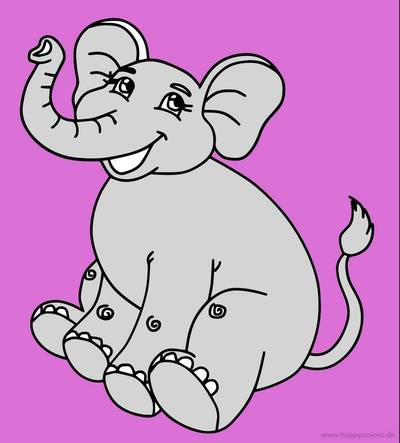
 An elephant coloring page can be a gentle invitation to creativity — a single, friendly outline of an elephant waiting for crayon, marker, or watercolor. These elephant images range from simple, bold shapes perfect for little hands to more detailed scenes that challenge older children. Each coloring page is designed to be approachable and calming, whether it shows a baby elephant splashing in a puddle or a herd of elephants wandering through stylized trees.
These coloring pages are ideal for toddlers, preschoolers, and older kids, offering a variety of complexity so siblings or mixed-age groups can all join in. Use them at home for rainy afternoons, in the classroom as a calm-focus activity, during homeschool lessons about animals, or tucked into a travel kit for quiet time on the go. Beyond fun, coloring an elephant supports fine motor skills, hand-eye coordination, color recognition, concentration, and early writing readiness, while also sparking storytelling and observational language. Parents and teachers will find that elephants on the page naturally encourage imaginative play and gentle learning, making these coloring pages a simple, welcoming tool for creative development.

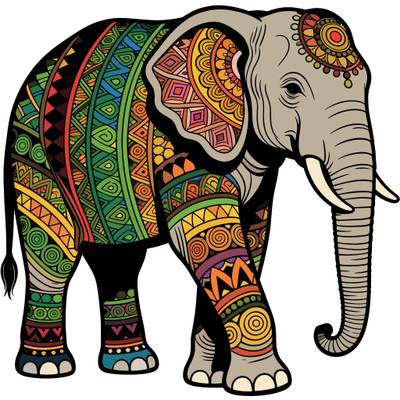
Detailed zentangle elephant – colored in by the community
-
by Ellie
 8 Likes

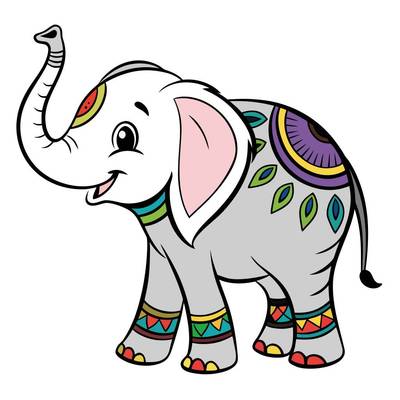
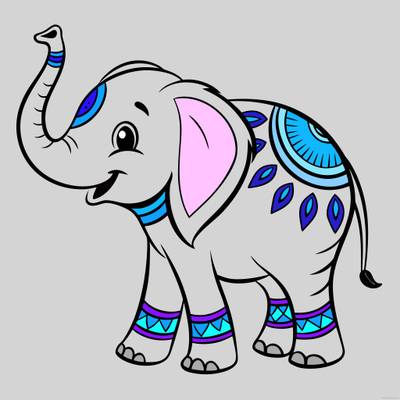
Cute Indian-style baby elephant – colored in by the community
-
by benni
 6 Likes
-
 4 Likes

Two cute cartoon elephants – colored in by the community
-
by aino
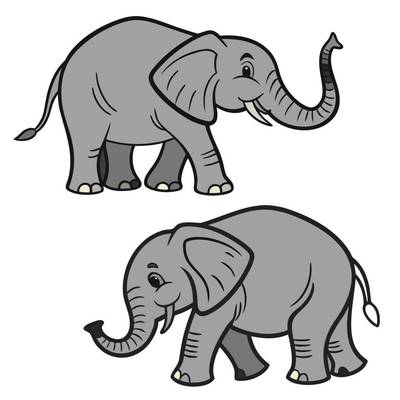 11 Likes

Front-view kawaii elephant with heart – colored in by the community
-
by Ania
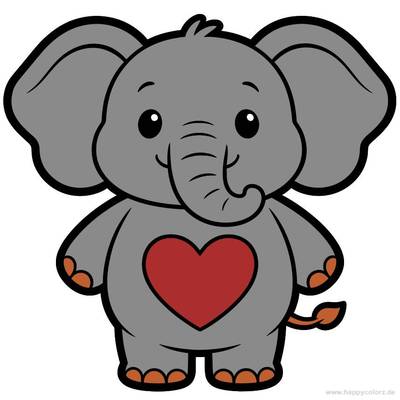 29 Likes
-
 3 Likes
-
by Isabelle_Leite
 2 Likes

Elephant in grass – colored in by the community
-
by FireSong
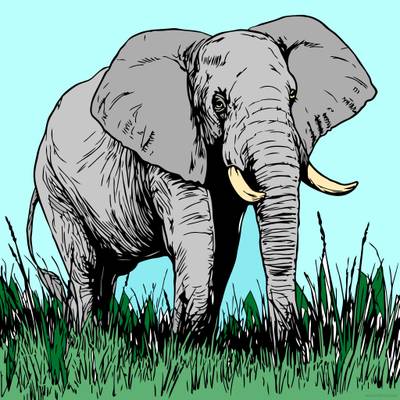 9 Likes

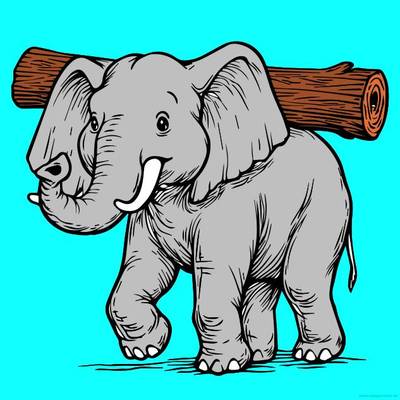
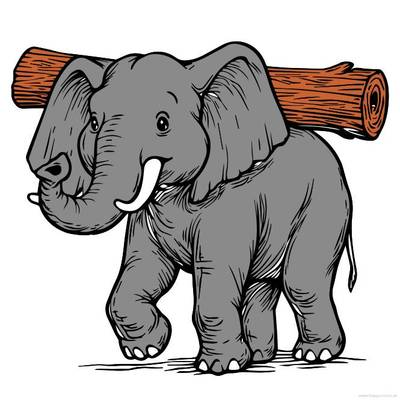
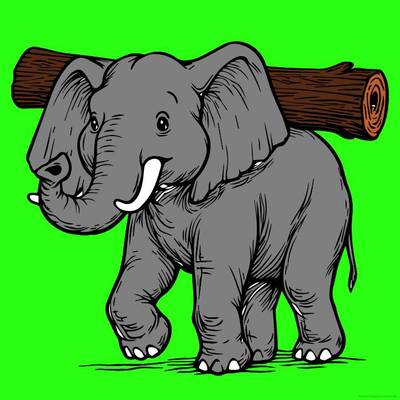

Cute elephant with floating hearts – colored in by the community
-
by Katze
 0 Likes

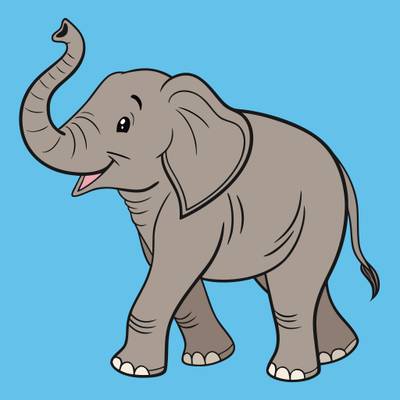
Simple elephant with raised trunk – colored in by the community
-
by femke
 1 Likes

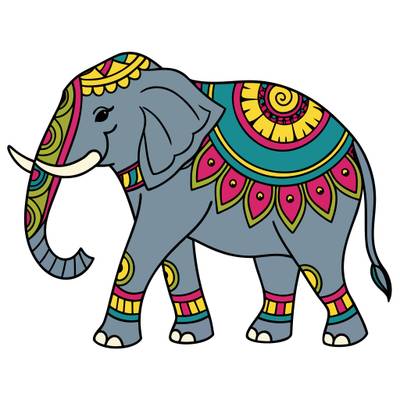
Detailed decorated temple elephant – colored in by the community
-
by Alessia
 6 Likes

Historic circus elephant outline – colored in by the community
-
by Matilde
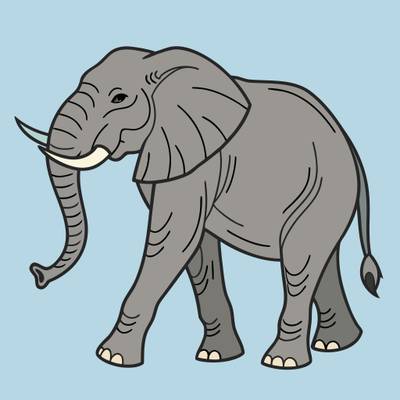 2 Likes

Detailed close-up jungle elephant – colored in by the community
-
by luca
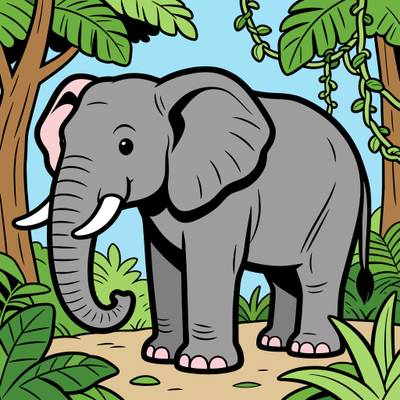 2 Likes

Cute jungle elephant with raised trunk – colored in by the community
-
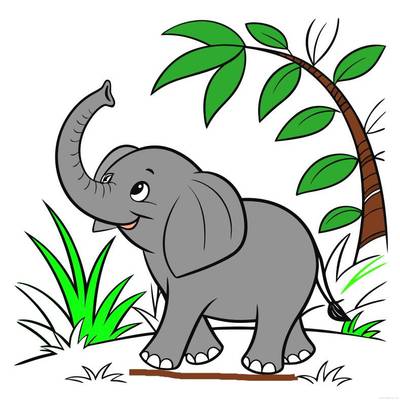 2 Likes
Bring Your Elephant to Life: Simple Coloring Tips for Big Ears & Wrinkly Skin
What to Notice When Coloring an Elephant
Elephants look simple at first, but they have special details that make them feel real. Pay close attention to the wrinkly skin, the curved trunk, and the big shapes of the ears and body.
- Wrinkles and folds: Color in the same direction as the wrinkles. Keep the lines soft so the skin looks natural, not striped.
- Trunk details: The trunk often has ring-like folds. Make the fold lines a little darker and the spaces between them a little lighter.
- Big ears: Ears are thin compared to the body. Add gentle shading near the ear edges and where the ear meets the head.
- Tusks (if shown): Leave small white spaces for shine. A tiny bit of light gray near the base helps them look round.
- Feet and nails: Elephant toenails are usually lighter than the skin. Keep them neat and clearly separated from the toes.
- Light and shadow: Make one side slightly darker (under the belly, behind the legs, under the trunk) to help the elephant look 3D.
Helpful hint: Use gentle pressure for the first layer. Then add a second layer only in the shadow areas (like under the head and along the legs) for a smooth, realistic look.
Realistic Elephant Colors (With Easy Color Swatches)
Most elephants are shades of gray. African elephants often look a bit warmer or dustier, while Asian elephants can look slightly cooler or more brown-gray. The colors below work well for a realistic finish.
| Where to Use It | Color | Hex |
|---|---|---|
| Main body (base color) | Medium Gray | #9E9E9E |
| Shadows (under belly, behind legs, under trunk) | Dark Gray | #616161 |
| Highlights (top of head, back, upper trunk) | Light Gray | #CFCFCF |
| Warm skin tint (dusty areas, sunlit parts) | Warm Gray | #8D8A86 |
| Ear centers (soft shading) | Gray with a Pink Hint | #A9A2A2 |
| Tusks (if shown) | Ivory | #F2F0E6 |
| Tusk shading (near base or underside) | Pale Gray | #BDBDBD |
| Toenails (if visible) | Very Light Gray | #E0E0E0 |
| Eye (small details) | Charcoal | #2B2B2B |
Clean, Realistic Finishing Touches
- Keep the darkest gray only in a few places so the elephant doesn’t look “muddy.”
- Blend by coloring lightly over the edge between light and dark areas.
- If the elephant has wrinkles, let the wrinkle lines stay a bit darker than the skin around them.

Cute elephant spraying water – colored in by the community
-
by femke
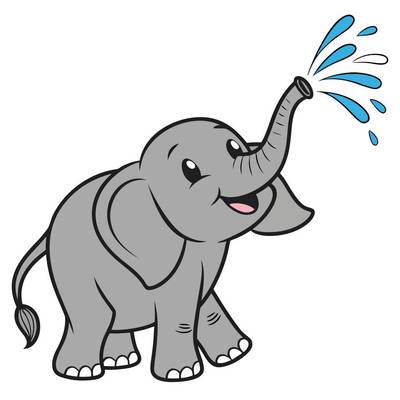 0 Likes

Simple elephant in a jungle scene – colored in by the community
-
by Emily
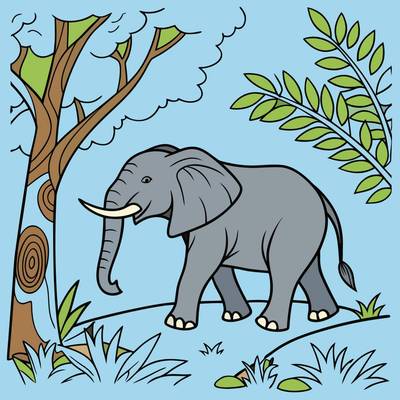 7 Likes

Simple elephant spraying water – colored in by the community
-
by Nora
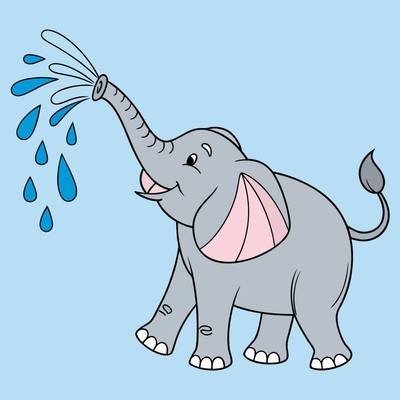 8 Likes

Detailed elephant herd on the savanna – colored in by the community
-
by Nora
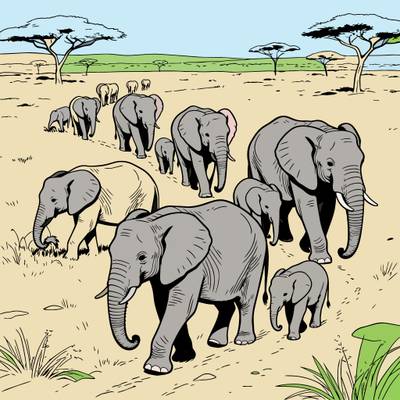 7 Likes
Scissors, Glue, Go! Elephant Crafts for Little Hands
Fold-and-Stand 3D Elephant Buddy
✂️ You need: colored elephant page, scissors, glue stick, cardstock or cardboard, crayons/markers
- Color the elephant and cut it out carefully.
- Cut two thick paper strips and fold each like an accordion.
- Glue the folded strips as legs under the elephant so it can stand.
💡 Supports: fine motor skills, spatial thinking, creativity
Toilet Roll Elephant Trunk Puppet
✂️ You need: toilet paper roll, gray paper or paint, glue, scissors, scrap paper, googly eyes or marker
- Cover the toilet roll with gray paper or paint it gray.
- Roll a paper strip into a trunk and glue it to the front.
- Add big ears and eyes, then slide it on your hand to play.
💡 Supports: imagination, hand strength, storytelling
Classroom Elephant Parade Wall Display
✂️ You need: several elephant coloring pages, crayons/markers, scissors, tape or glue, long paper strip or poster paper, cotton balls or tissue (optional)
- Color several elephants in different patterns and cut them out.
- Tape or glue them in a line on a long paper strip to make a parade.
- Add cotton-ball clouds or tissue “dust” behind the elephants if you like.
💡 Supports: teamwork, planning, creativity

Side view elephant head portrait – colored in by the community
-
by paula
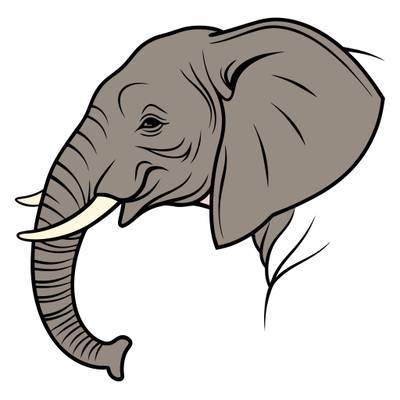 6 Likes

Elephant and calf under a savanna tree – colored in by the community
-
by Sander
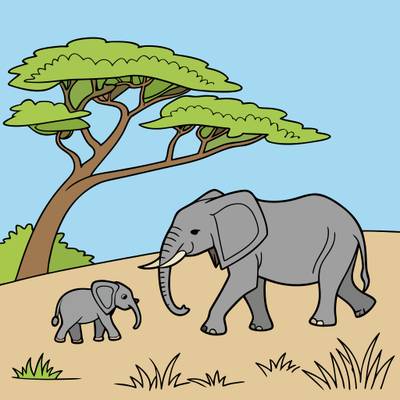 6 Likes

Detailed elephant head portrait – colored in by the community
-
by wolfgang
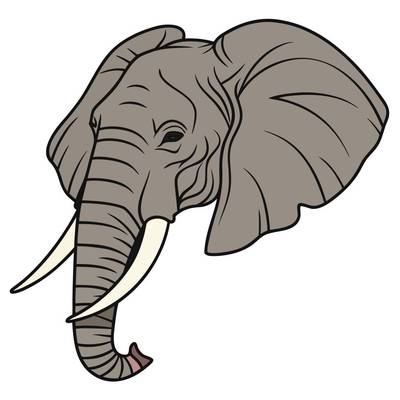 2 Likes

Cute elephant and mouse together – colored in by the community
-
by Matilde
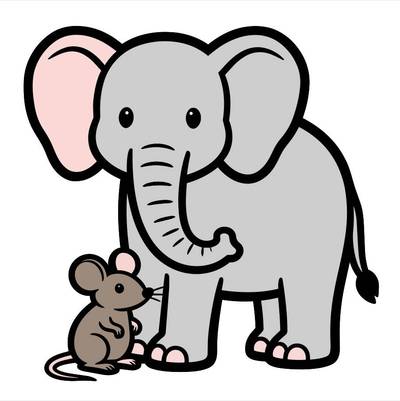 4 Likes
Did You Know? 5 Jumbo Facts About Elephants
A Trunk Is a Super Tool!
An elephant’s trunk can smell, breathe, splash water, pick up food, and even grab tiny things like a single peanut—kind of like a nose, straw, and hand all in one. Smithsonian Magazine
Big Ears, Built-In Fan!
Elephants flap their huge ears to help cool down, like using a giant fan on a hot day, and the ears can also help them “listen” for what’s happening around them. Smithsonian National Zoo
They Talk With Low Rumbles
Elephants can make very low sounds called rumbles that travel far, helping family members find each other—even when they’re not close by. Wikipedia
Mud Baths Are Elephant “Sunscreen”
Rolling in mud isn’t just for fun: dried mud can help protect an elephant’s skin from the hot sun and pesky biting bugs. World Wildlife Fund
America’s Elephant… Is a Mammoth!
Long ago, elephant relatives called mammoths lived in North America, and their fossils have been found in many U.S. states—scientists use them to learn what life was like during the Ice Age. National Park Service

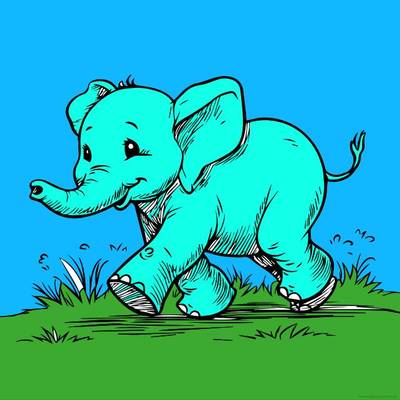
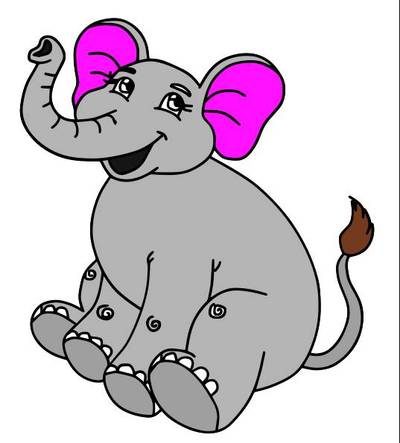
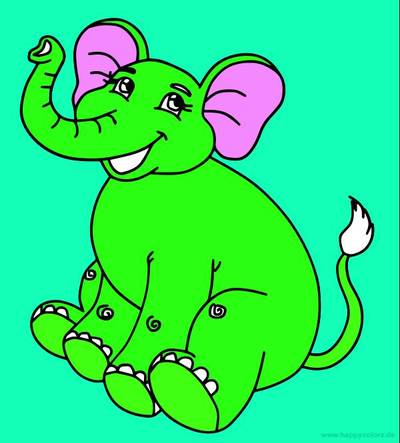
Smiling baby elephant in side view – colored in by the community
-
by Emily
 5 Likes

Cute baby elephant with raised trunk – colored in by the community
-
by Maja
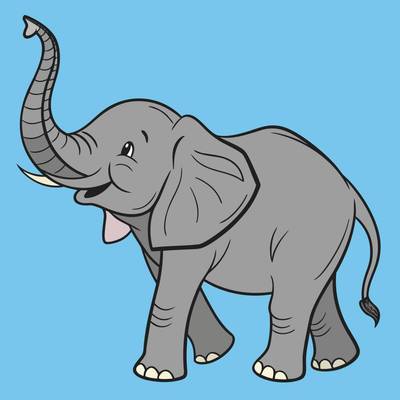 12 Likes

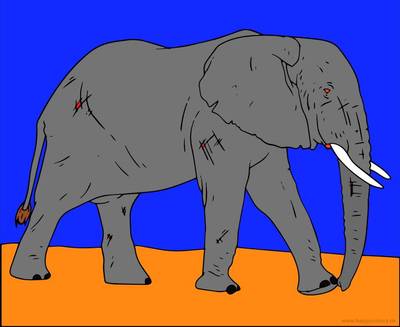
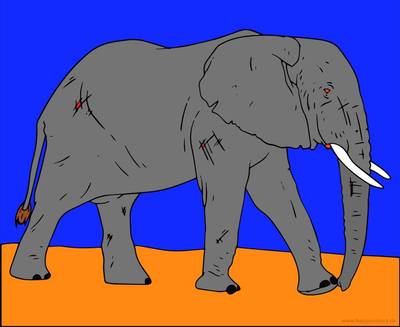
Realistic African and Asian elephants – colored in by the community
-
by aino
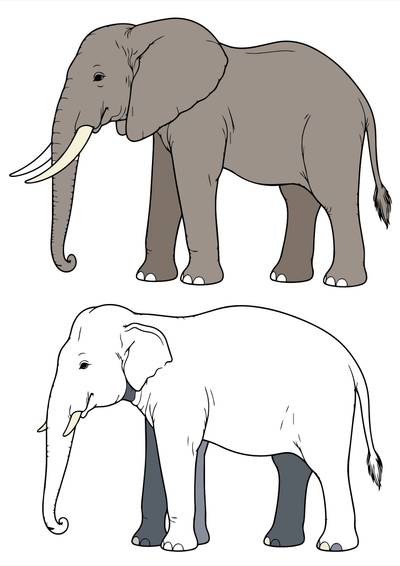 0 Likes

Simple African and Asian elephants – colored in by the community
-
by Matilde
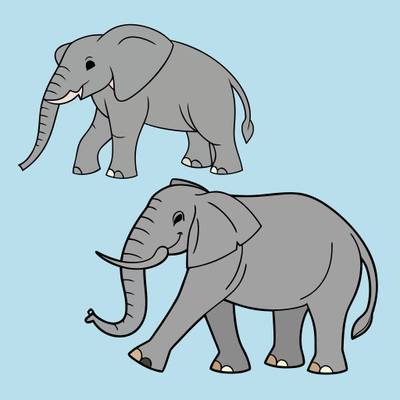 8 Likes


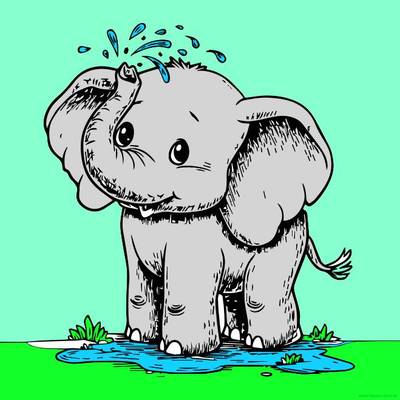
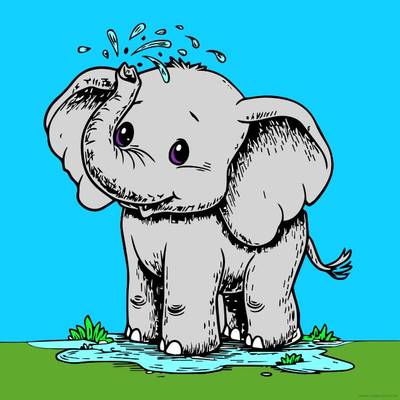
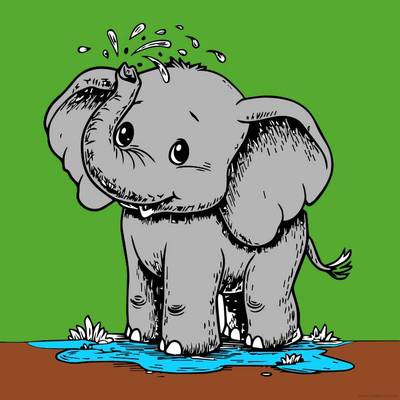
Cute elephant with water spray. – colored in by the community
-
 2 Likes
-
 2 Likes
-
 1 Likes






🎨 New coloring pages by email
Regularly get new free coloring pages straight to your inbox – no spam, unsubscribe anytime.
You’ll first get a confirmation email (double opt-in). Unsubscribe anytime with one click. Privacy Policy
Why Kids Love These Elephant Coloring Pages
- Coloring elephant outlines helps children develop fine motor skills and hand-eye coordination while reinforcing color recognition in a familiar animal setting.
- Printable elephant sheets save time for parents and teachers by providing ready-made activities for lessons, centers, or take-home practice.
- As a screen-free activity, coloring elephants encourages focus and imaginative play without digital devices, making it ideal for quiet time or transition periods.
- Coloring and describing elephants supports vocabulary growth and storytelling, helping kids practice language and observation skills.
Creative Ideas & Activities
- Make an elephant mask by coloring and cutting a template, adding a paper plate trunk and elastic band for a simple dress-up craft that encourages role play.
- Create a counting game by coloring numbered elephants and asking children to place the correct number of stickers or pom-poms on each one to practice basic math.
- Use a finished elephant as a story starter: each child colors an elephant and then writes or narrates a short adventure about where their elephant lives and what it does.
- Turn an elephant page into a texture collage by gluing cotton balls, felt scraps, or sand to different areas to explore tactile contrast and sensory play.
- Organize an elephant parade in the classroom where kids color different elephant templates, attach sticks, and march while presenting a fact or color choice to the group.
- Print elephants in varied sizes and have children sequence them from smallest to largest to practice measurement, comparison, and vocabulary like big, bigger, and biggest.
- Build a shoebox diorama habitat for a colored elephant cutout using construction paper, twigs, and craft paint to combine art with basic science about ecosystems.
- Make labeled elephant diagrams by coloring and then adding labels for trunk, tusks, ears, and tail to reinforce anatomy words and reading skills.
Frequently Asked Questions
Are the elephant coloring pages free to download and print?
Yes, all coloring pages on this page are free to download and print. You can use them at home or bring them to school and kindergarten without charge.
What file formats are available for printing and downloading?
The coloring pages are available in both PDF and JPG formats for easy printing and sharing. Use PDF for multi-page sets and consistent layout, and JPG if you need single images for quick printing or cutting.
What ages are these elephant coloring pages suitable for?
These pages are suitable for a wide age range, from toddlers practicing basic coloring to elementary students working on detailed designs. Complexity varies by page so teachers and parents can choose simpler or more intricate elephants to match each child’s skill level.
Can I use the elephant coloring pages in my classroom or kindergarten?
Yes, you may use the coloring pages for free in classrooms and kindergartens; classroom use is allowed. They’re ideal for lesson plans, art centers, and group activities.
How can I get the best coloring results with crayons, markers, or colored pencils?
For crayons and colored pencils, use standard copy or slightly heavier paper to prevent tearing and allow for layering; for markers, choose heavier paper or card stock to avoid bleed-through. Encourage testing colors on a scrap, using light layers for smooth coverage, and combining materials (e.g., marker outlines with crayon shading) for richer effects.