
Yum! Coloring pictures of fruit for little gourmets
 Author Mathias
 A fruits and vegetables coloring page is a simple, joyful activity that invites children to explore shapes, colors, and healthy foods while they play. These pages feature outlines of apples, carrots, bananas, and broccoli, from very simple images for beginners to more detailed drawings for older kids. Each coloring page encourages creativity and gives little hands a satisfying task they can complete in a short time.
These fruits and vegetables coloring pages are suitable for toddlers, preschoolers, and older kids, with designs that can be adapted to different ages and abilities. Parents can use them at home for quiet time, pack a few for travel, or include them in a homeschool lesson. Teachers and caregivers will find them handy in the classroom as warm-ups, centers, or cross-curricular activities that tie art to nutrition lessons.
Beyond fun, these coloring pages support fine motor development, color recognition, vocabulary building, counting, and early science concepts about where fruit and vegetable come from. They also encourage conversation about healthy eating and storytelling—kids might invent recipes or markets as they color. Warm, approachable, and easy to use, these fruit and vegetable printables welcome children into learning through creativity.

Watermelon slices on a picnic blanket – colored in by the community
-
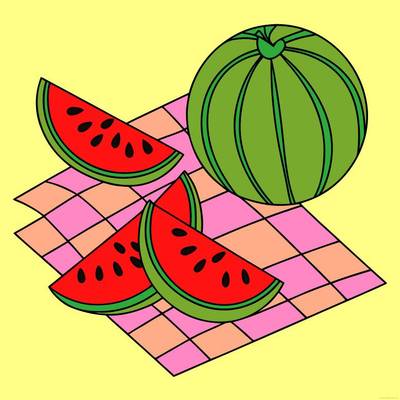 4 Likes
-
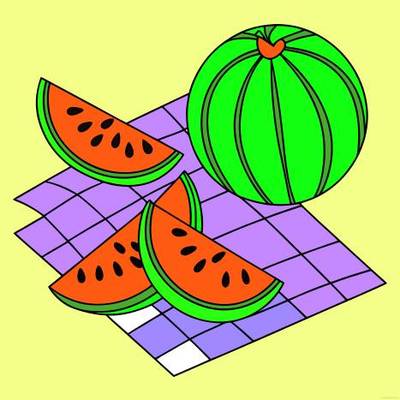 4 Likes
-
by chloe
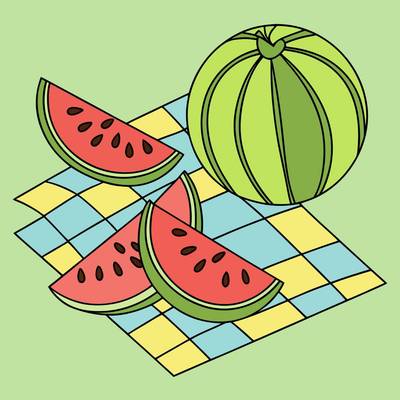 3 Likes

Cute watermelon with a smiling face – colored in by the community
-
by lily
 4 Likes

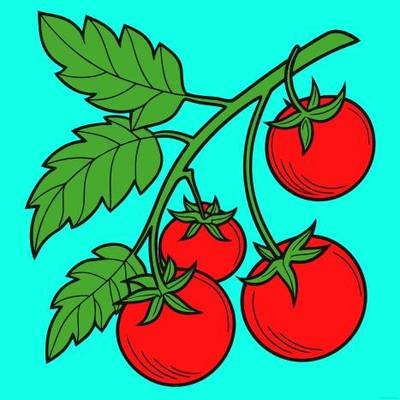
Simple tomatoes ripening on vine – colored in by the community
-
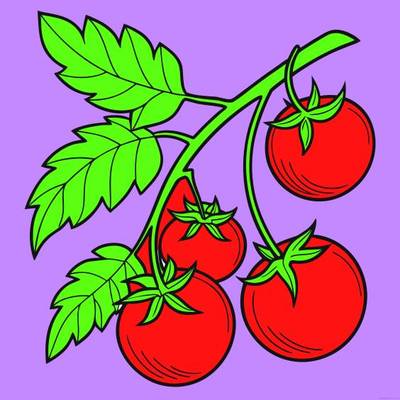 1 Likes
-
 0 Likes

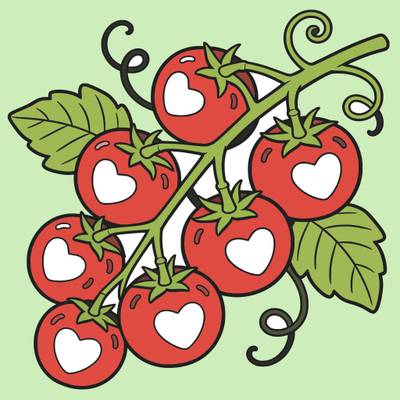
Cute heart tomatoes on a vine – colored in by the community
-
by paula
 5 Likes

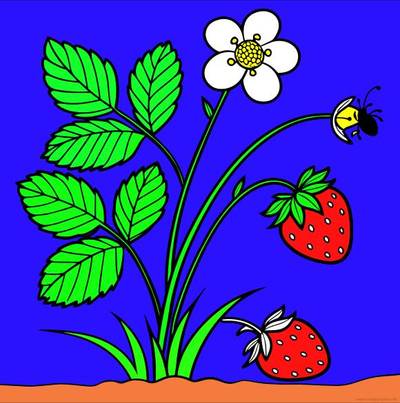
Strawberry plant with fruit and flower – colored in by the community
-
 2 Likes

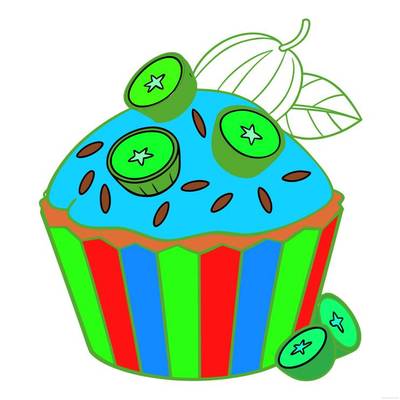
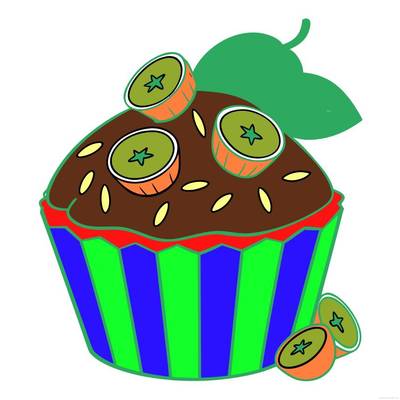
Cupcake with star fruit slices – colored in by the community
-
 3 Likes
-
by Ania
 2 Likes
-
 1 Likes

Palm tree on a small island – colored in by the community
-
 0 Likes

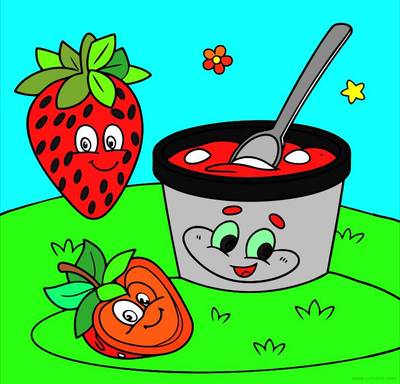
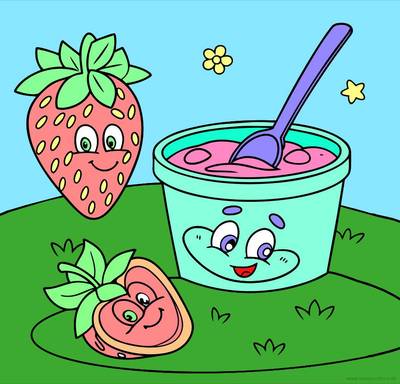
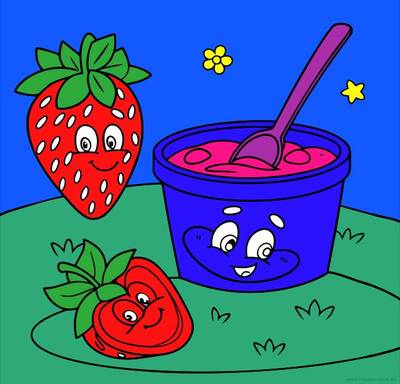
Strawberry yogurt cup and berries – colored in by the community
-
 3 Likes
-
 3 Likes
-
 0 Likes

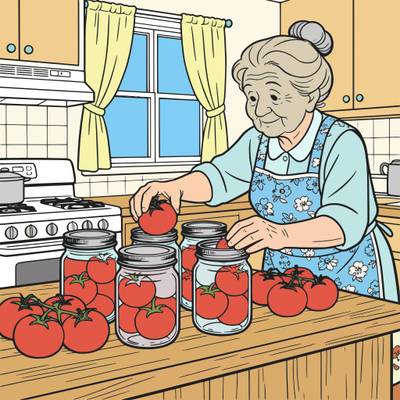
Grandma canning tomatoes in jars – colored in by the community
-
by henrik
 0 Likes

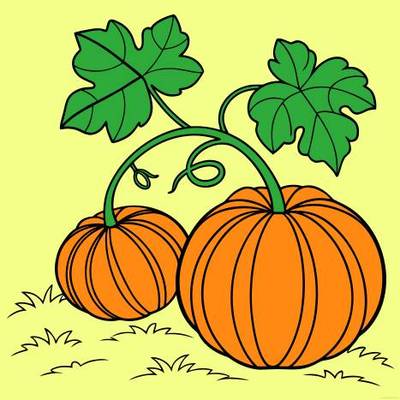
Simple pumpkins growing in a patch – colored in by the community
-
 2 Likes

Jack-o’-lantern pumpkins being carved – colored in by the community
-
 0 Likes

Potatoes baking over a campfire – colored in by the community
-
by Sanne
 7 Likes
Make Your Fruits and Vegetables Look Fresh and Tasty: Simple Coloring Tips
Fruits and vegetables are fun to color because they have clear shapes and lots of different smooth or bumpy surfaces. With a few careful choices, the picture can look just like a real market basket!
Quick goal: Keep colors inside the lines, make the edges a little darker, and leave tiny light spots to show “shine.”
What to Pay Special Attention to While Coloring
- Surface texture: Some foods are glossy (apple, pepper), some are bumpy (orange), and some look a bit dusty or rough (potato). Match your coloring strokes to the texture.
- Shading for round shapes: Most fruits and many veggies are not flat. Color the outside edges slightly darker and the middle a bit lighter to make them look round.
- Stems and leaves: Stems are often darker than the fruit. Leaves usually have a darker green line in the middle (the “leaf vein”).
- Stripes and patterns: Watermelon rind, cucumber skin, and some gourds have stripes. Draw the stripes gently first, then color over them lightly so they stay visible.
- Seeds and inside details (if shown): Seeds are often small and neat. Leave a tiny light edge around them so they stand out clearly.
- Color borders: A thin darker outline along the edge (using the same color) helps each fruit or vegetable pop without needing heavy black lines.
Realistic Color Guide (With Color Swatches)
| Fruit or Vegetable | Realistic Main Color | Good Shade/Detail Color | Stem/Leaf Color |
|---|---|---|---|
| Apple (red) | Red | Dark red | Leaf green |
| Banana | Banana yellow | Golden shade | Brown tip |
| Orange | Orange | Deep orange | Leaf green |
| Strawberry | Strawberry red | Dark red | Green top |
| Grapes (purple) | Purple | Dark purple | Vine green |
| Watermelon (outside) | Dark green | Light green stripe | Deep green edge |
| Watermelon (inside) | Watermelon red | Light pink highlight | Seed black |
| Carrot | Carrot orange | Dark orange | Leafy green |
| Tomato | Tomato red | Deep red shade | Stem green |
| Cucumber | Cucumber green | Dark green bumps | Stem green |
| Bell pepper (red) | Red | Dark red | Stem green |
| Eggplant | Deep purple | Dark purple shade | Green cap |
| Potato | Light brown | Darker brown spots | Brown eyes |
| Corn | Corn yellow | Golden shade | Husk green |
| Broccoli | Broccoli green | Dark green shadows | Stem green |
Small Tricks That Make the Picture Look More Real
- Shiny foods: Leave a tiny white curve uncolored on apples, tomatoes, and peppers to look glossy.
- Bumpy foods: On oranges and cucumbers, use little dots or short taps of color, then softly color around them.
- Neat finishing: Color slowly near the edges first, then fill the middle faster once the “border” is safe.
Helpful hint for grown-ups: Offer two greens (light and dark) and two reds (bright and deep). That’s often enough to help children add easy shading without feeling overwhelmed.

Simple pineapple on a tropical beach – colored in by the community
-
by oma_renate
 3 Likes

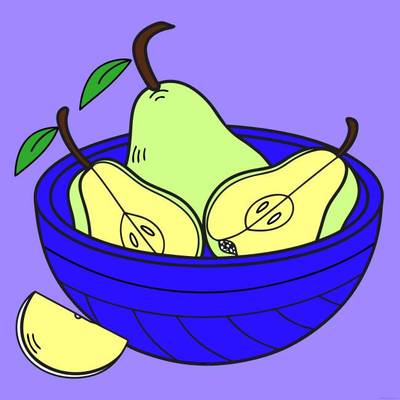
Simple pears in a wooden bowl – colored in by the community
-
 1 Likes

Detailed pears in a wooden bowl – colored in by the community
-
by astrid
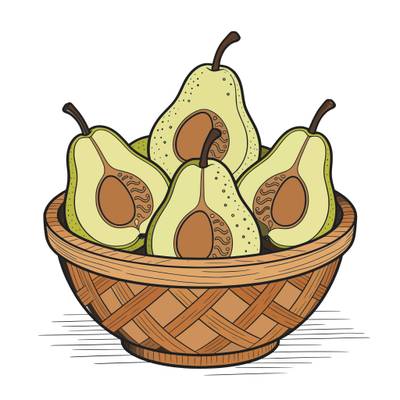 5 Likes

Cute bird stealing a pear on a branch – colored in by the community
-
by Venla
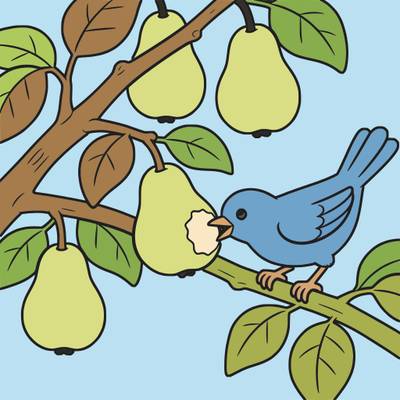 3 Likes
Scissors, Glue, Grow! Fruits and Vegetables Craft Fun
Make a Pop-Up Produce Basket!
✂️ You need: colored Fruits and Vegetables coloring pages, scissors, glue stick, cardstock, crayons or markers
- Color the fruits and vegetables in bright shades.
- Cut them out carefully with help.
- Glue them onto cardstock with folded tabs to make them stand up.
💡 Supports: fine motor skills, creativity, spatial thinking
Create a Rainbow Veggie Collage!
✂️ You need: coloring page printouts, old magazines or tissue paper, glue, scissors, a large sheet of paper
- Pick one fruit or vegetable for each color.
- Tear or cut paper pieces to match each color.
- Glue the pieces inside the shapes to make a rainbow collage.
💡 Supports: color recognition, hand control, patience
Build a Classroom Market Wall!
✂️ You need: several Fruits and Vegetables coloring pages, crayons or markers, scissors, tape or glue, a poster board
- Color and cut out lots of fruits and vegetables together.
- Sort them into groups like fruits, veggies, and leafy greens.
- Tape them onto a poster board to make a pretend market display.
💡 Supports: teamwork, sorting skills, communication

Peach orchard picnic with fruit basket – colored in by the community
-
by Sanne
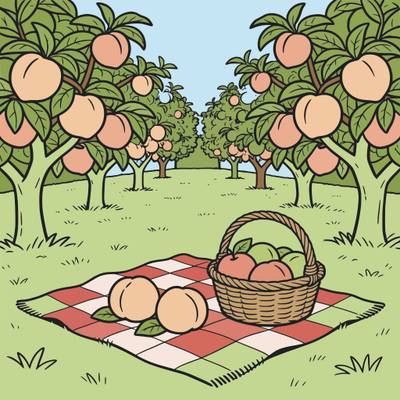 3 Likes

Two peaches on a leafy branch – colored in by the community
-
by Aada
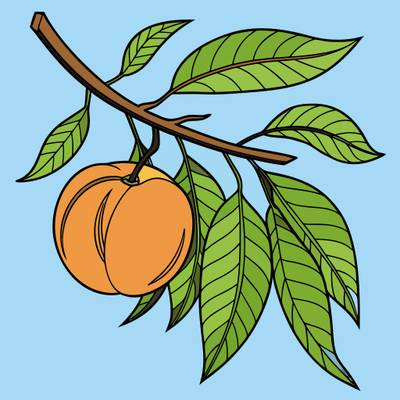 1 Likes

Detailed peach on a leafy branch – colored in by the community
-
by astrid
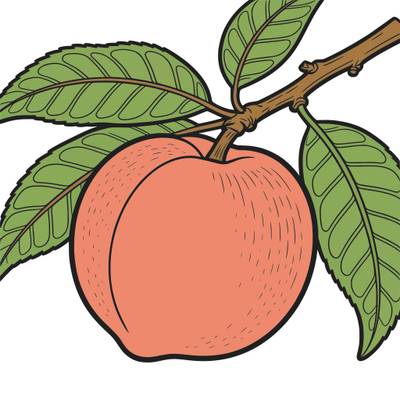 4 Likes

Simple oranges on a leafy branch – colored in by the community
-
by henrik
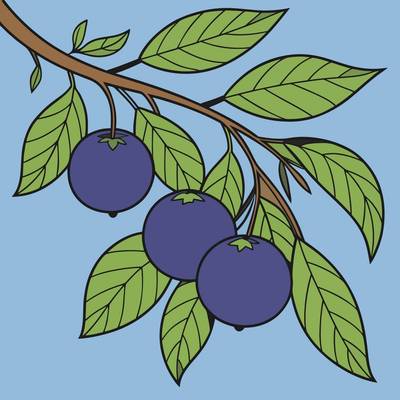 3 Likes
Did You Know? 5 Surprisingly Cool Facts About Fruits and Vegetables
Tomatoes Are Fruits, Not Veggies!
A tomato grows from a flower and has seeds inside, so it’s a fruit—even though many people use it like a vegetable in salads and sauces. Encyclopedia Britannica
Florida Makes Lots of Oranges
In the United States, sunny Florida is famous for growing tons of oranges, which can be turned into juice and yummy snacks. National Geographic
Carrots Weren’t Always Orange
Carrots can come in different colors like purple, yellow, red, and white—not just orange—so a carrot rainbow is totally real. Smithsonian Magazine
Banana “Trees” Are Giant Herbs
Bananas don’t grow on real trees! The banana plant is actually a huge herb with a thick, stalky “trunk.” Wikipedia
Strawberry Seeds Live Outside
Most fruits hide their seeds inside, but strawberries wear them on the outside—those tiny specks are the seeds. Wikipedia

Simple mushrooms growing in grass – colored in by the community
-
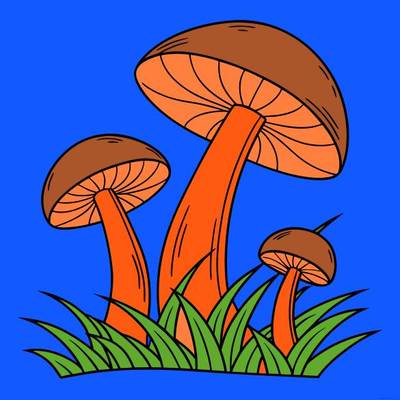 1 Likes

Workers harvesting oranges in a grove – colored in by the community
-
by Marlene
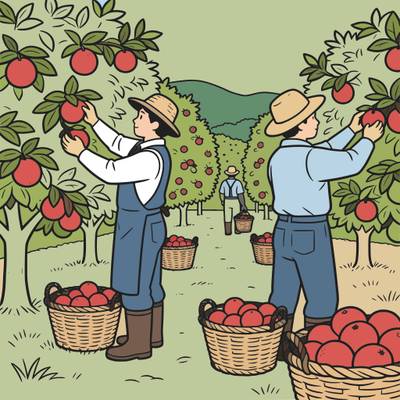 2 Likes

Detailed mushrooms on the forest floor – colored in by the community
-
by Venla
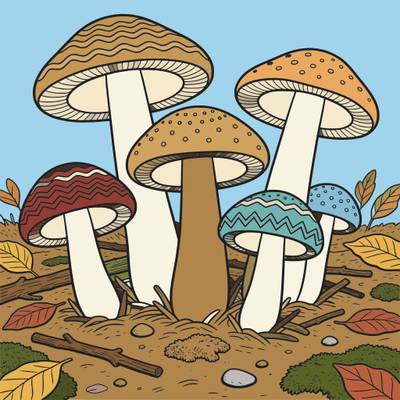 4 Likes

Lemons with leaves in a woven basket – colored in by the community
-
by chloe
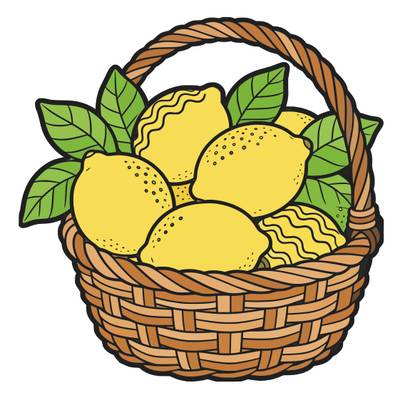 1 Likes

Cute forager picking mushrooms – colored in by the community
-
by chloe
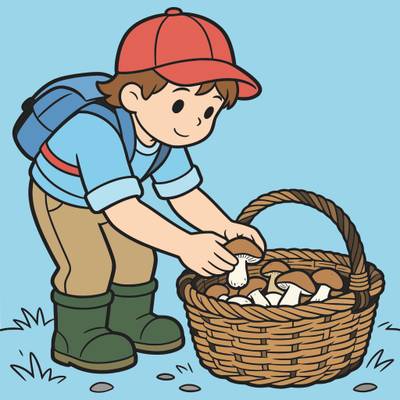 8 Likes

Kids drinking fresh lemonade – colored in by the community
-
by Sanne
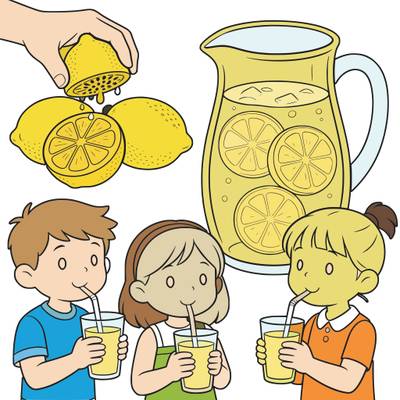 2 Likes

Kiwi vines with birds eating sliced fruit – colored in by the community
-
by ines
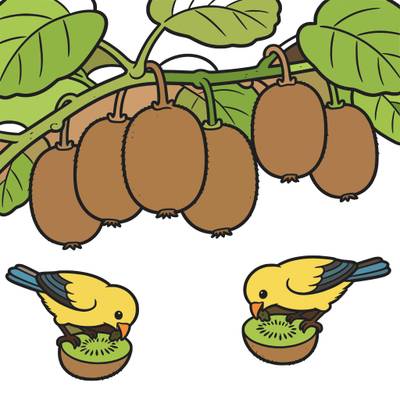 4 Likes

Simple cucumbers on a vine – colored in by the community
-
by greta
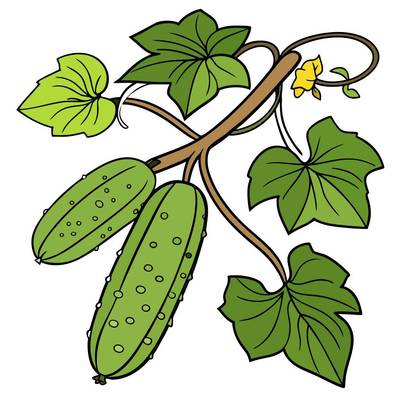 3 Likes
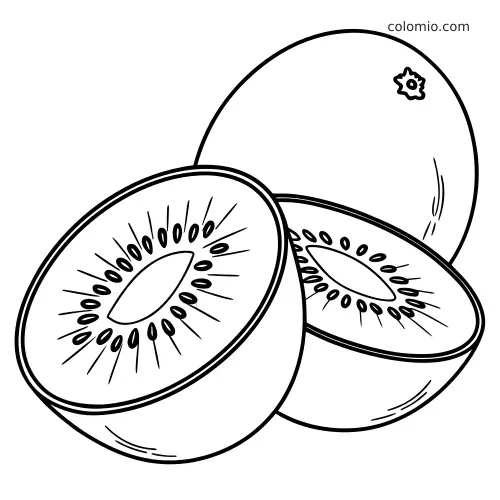
Simple kiwi halves with whole kiwi – colored in by the community
-
by Clara
 6 Likes

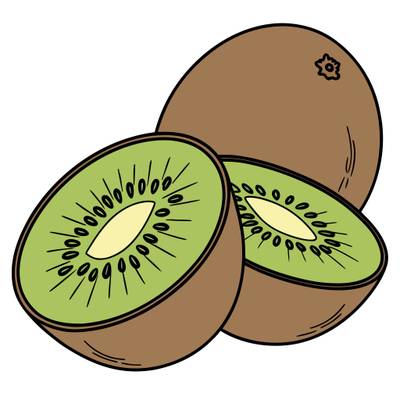
Detailed close-up of kiwi halves – colored in by the community
-
by Venla
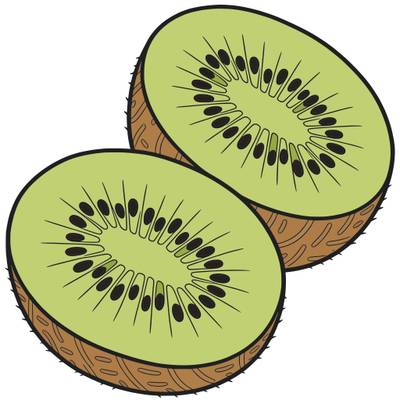 9 Likes
-
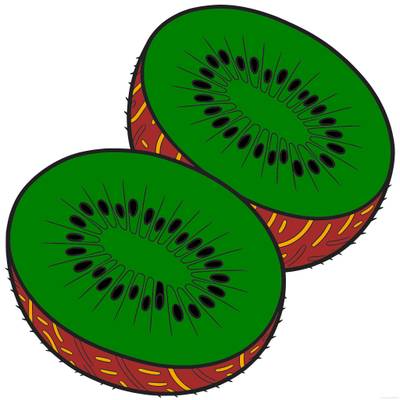 5 Likes

Detailed cucumbers growing on a vine – colored in by the community
-
by Ingrid
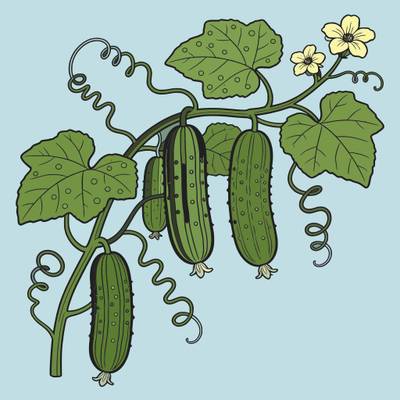 3 Likes

Close-up of pickles in glass jars – colored in by the community
-
by ines
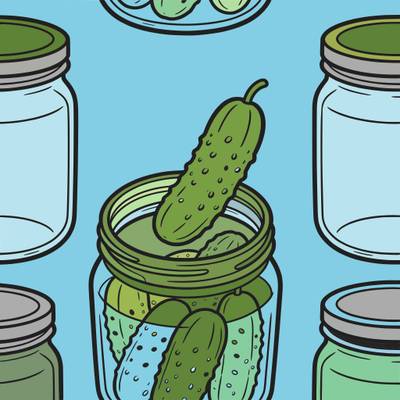 4 Likes

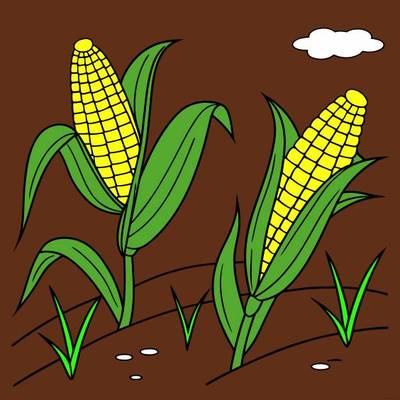
Simple corn cobs in a field – colored in by the community
-
 1 Likes

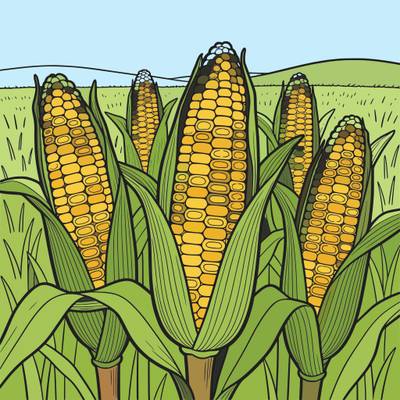
Detailed corn cobs in a farm field – colored in by the community
-
by greta
 0 Likes

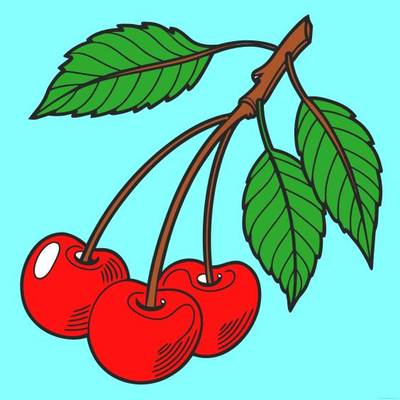
Realistic cherries with leaves – colored in by the community
-
 3 Likes

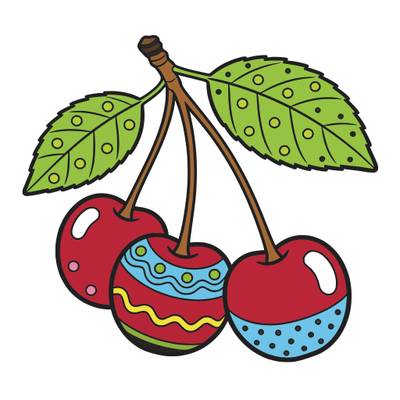
Patterned cherries with leaves – colored in by the community
-
by Aada
 1 Likes

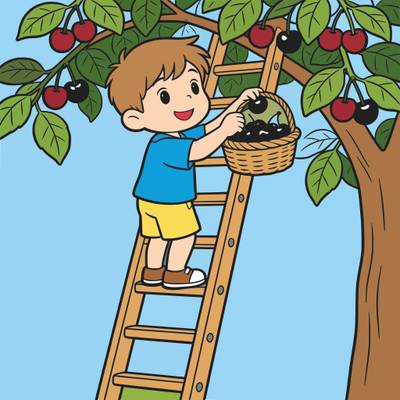
Cute boy picking cherries on a ladder – colored in by the community
-
by greta
 4 Likes

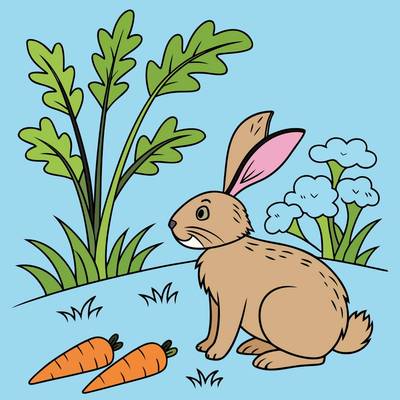
Cute rabbit in a carrot garden – colored in by the community
-
by kat
 1 Likes

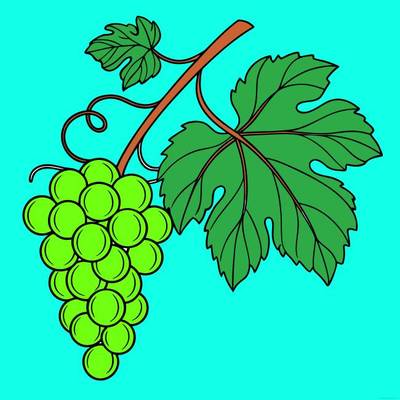
Simple grapes on a vine – colored in by the community
-
 0 Likes

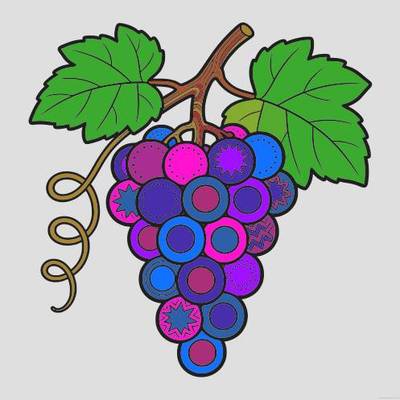
Detailed grapes on a vine – colored in by the community
-
by Ostseewind
 1 Likes

Side view broccoli basket – colored in by the community
-
by giulia
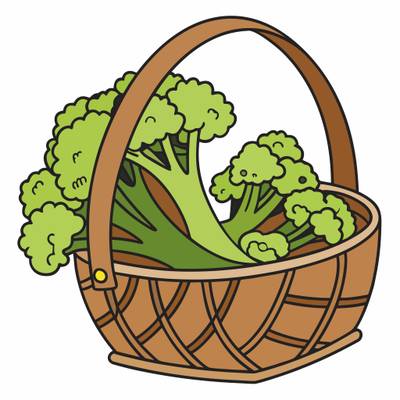 3 Likes

Broccoli rows watered with a can – colored in by the community
-
by lucie
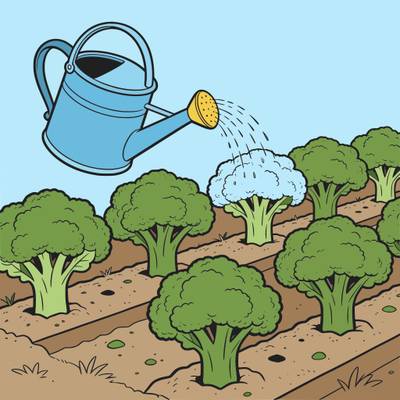 0 Likes

Detailed broccoli in a basket – colored in by the community
-
by Aada
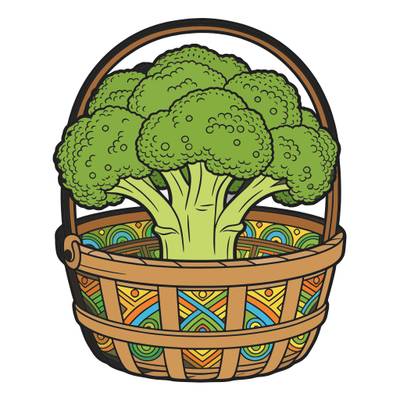 7 Likes

Simple bell peppers arranged together – colored in by the community
-
by oma_renate
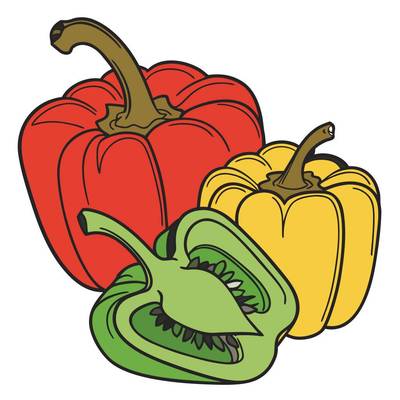 4 Likes

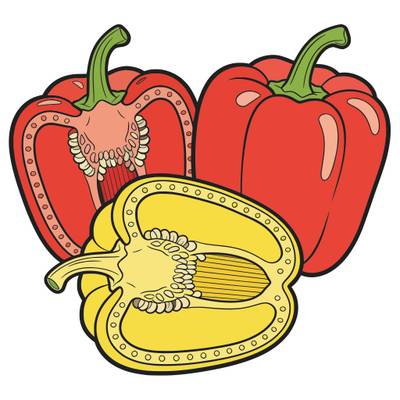
Detailed bell peppers arranged together – colored in by the community
-
by kat
 5 Likes

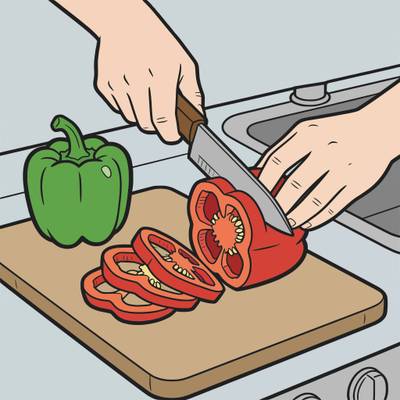
Bell peppers being chopped for a meal – colored in by the community
-
by Ingrid
 2 Likes

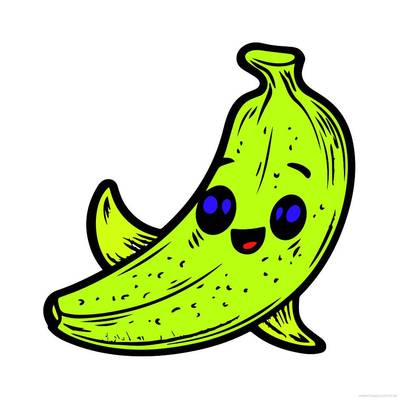
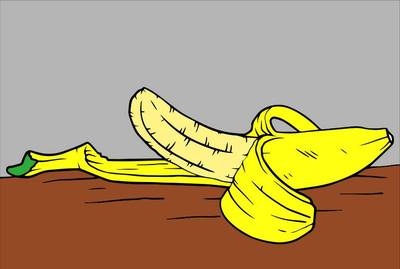
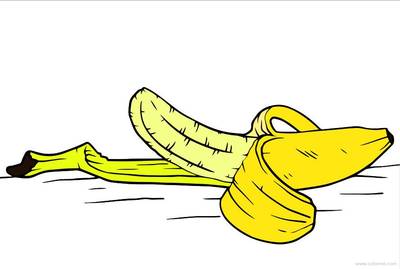
Happy banana coloring page – colored in by the community
-
 2 Likes
-
 1 Likes
-
 0 Likes









🎨 New coloring pages by email
Regularly get new free coloring pages straight to your inbox – no spam, unsubscribe anytime.
You’ll first get a confirmation email (double opt-in). Unsubscribe anytime with one click. Privacy Policy
Why Kids Love These Fruits and Vegetables Coloring Pages
- Coloring fruit and vegetable outlines helps children develop fine motor control and color recognition as they stay within the lines.
- These ready-to-print pages save parents and teachers time by providing quick activity sheets for lessons, snack discussions, or quiet centers.
- As a screen-free activity, coloring encourages concentration and imaginative play while reducing time on devices.
- Simple prompts on the pages encourage vocabulary growth and healthy-eating conversations about different fruits and vegetables.
Creative Ideas & Activities
- Make a vegetable crown by coloring and cutting vegetable pictures, then gluing them to a construction-paper band for role-play during a harvest celebration.
- Create a sorting game by printing several pages and asking children to group images by color, size, or edible part (root, leaf, fruit) to practice classification and counting.
- Build a fruit and vegetable flip book: color a sequence of images, staple them together, and write short action words to create a mini story about shopping or gardening.
- Turn sheets into a memory game by printing two copies, coloring and cutting pictures into cards, then playing matching games to boost visual memory and vocabulary.
- Use the pictures for kitchen role-play where children color ingredients and use them as props to “prepare” simple recipes, practicing sequencing and basic math.
- Make a mixed-media collage by coloring pictures, gluing them to cardstock, and adding torn paper, fabric scraps, or dried leaves for texture that teaches sensory exploration.
- Plan a pretend garden on poster board using colored fruit and vegetable cutouts to discuss sun and water needs, planting seasons, and classroom science concepts.
- Create a story-prompt jar: colored fruit and vegetable pictures are drawn at random to spark short stories, puppet shows, or group storytelling activities.
Frequently Asked Questions
Are the fruits and vegetables coloring pages free to download and print?
Yes, all coloring pages on this page are free to download and print. You can use them right away for home activities or classroom lessons without cost.
In what file formats are the coloring pages available and how should I print them?
The coloring pages are provided in common formats like PDF and JPG for easy printing. For best results choose the PDF when available, print at actual size, and select standard or photo paper depending on the materials you plan to use.
What ages are these coloring pages suitable for?
These pages are ideal for preschool and early elementary children, including kindergarten, but many designs can be simplified for toddlers or made more detailed for older kids. Teachers and parents can adapt prompts and cutting tasks to match skill levels.
Can I use the coloring pages in my classroom or kindergarten?
Yes, the pages can be used for free at school and in kindergarten; classroom use is allowed. They work well as handouts, center activities, or prompts for group projects and lessons.
How do I get the best coloring results with crayons, markers, or colored pencils?
Use heavier paper or light cardstock for markers to avoid bleed-through, and standard printer paper or slightly thicker paper (90–120 gsm) for crayons and colored pencils. Test markers on a scrap first, use washable or dual-tip markers for variety, and layer colors gently to create richer tones without damaging the paper.