The journey into the magic forest begins: unicorn coloring pages
 Author Mathias
 A unicorn coloring page offers a simple, magical outline that invites children to fill broad shapes with color, experiment with patterns, and practice pencil control. These printable coloring pages feature unicorns in a variety of styles—cute and chunky for toddlers, slightly more detailed for preschoolers, and intricate scenes for older kids—so every child can find a page that fits their skill level. Each unicorn image is designed to be used as a low-pressure art activity: kids can color, trace, cut out, or turn their finished picture into a card or story prompt. The familiar creature of unicorns gives a comforting, imaginative theme that keeps children engaged while they learn.
Parents and teachers will find these coloring pages flexible for home, classroom, homeschool, travel, or quiet-time routines. Beyond being fun, coloring supports fine motor development, early handwriting skills, color recognition, and focus, and it encourages creative decision-making and storytelling as children name their unicorns and invent scenes. Suitable for toddlers through older kids, the pages can be adapted—use crayons for little hands, markers for bolder strokes, or watercolor pencils for a more advanced effect. Overall, unicorn coloring pages are a warm, low-cost way to blend art, learning, and restful play.


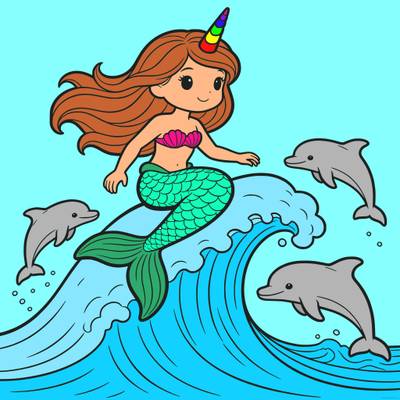
Cute mermicorn with dolphins – colored in by the community
-
 8 Likes
-
 7 Likes
-
by Isabelle_Leite
 7 Likes

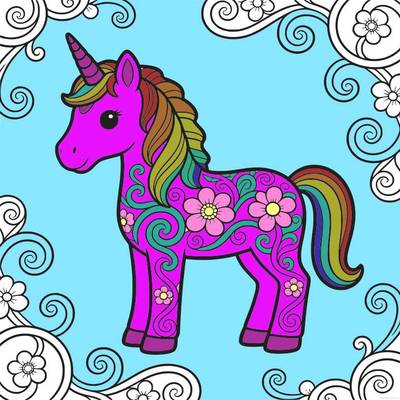
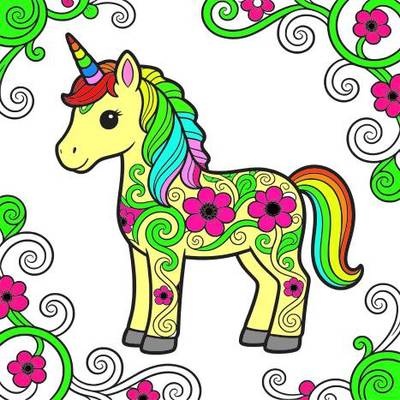
Cute floral unicorn with swirling vines – colored in by the community
-
by Ania
 4 Likes
-
 2 Likes

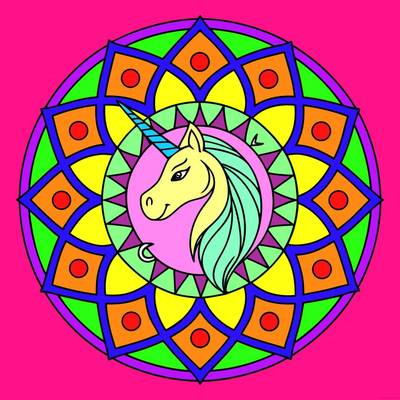
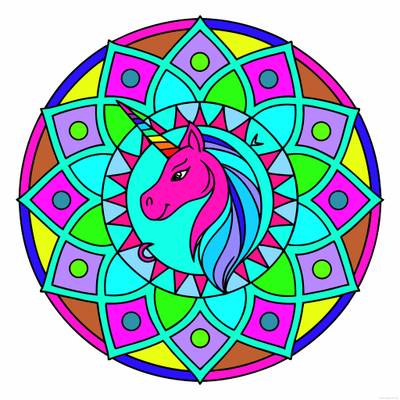
Geometric unicorn mandala design – colored in by the community
-
by Ania
 14 Likes
-
 5 Likes

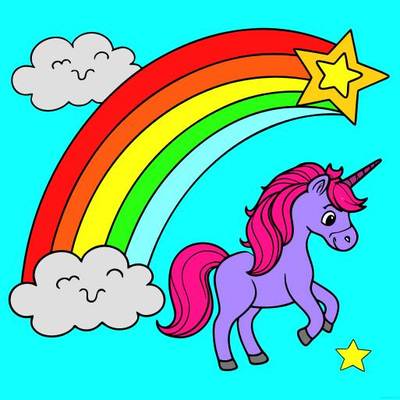
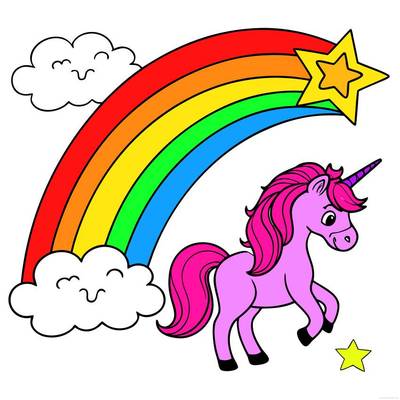
Unicorn under a rainbow – colored in by the community
-
 2 Likes
-
 1 Likes

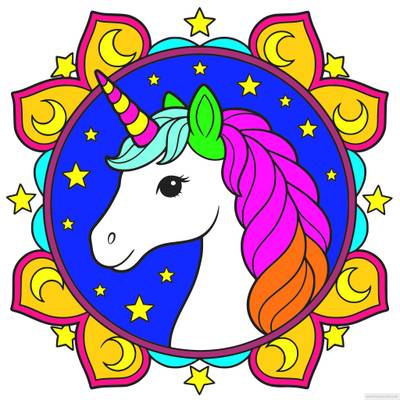
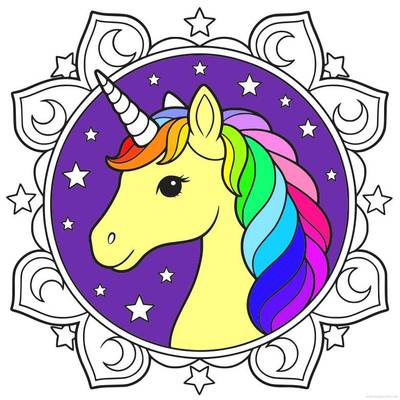
Cute unicorn mandala with moons – colored in by the community
-
by user-clwnf8
 6 Likes
-
by Ania
 2 Likes

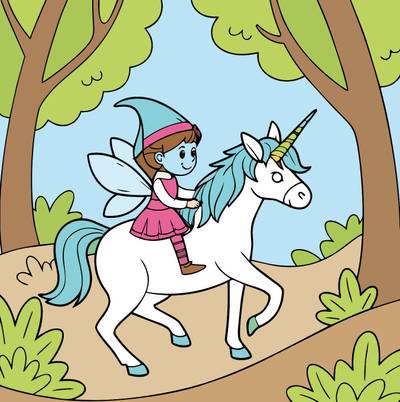
Cute elf fairy on a unicorn – colored in by the community
-
by beatriz
 10 Likes

Detailed fairy riding a unicorn – colored in by the community
-
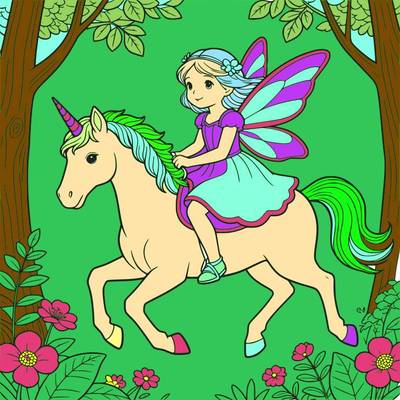 4 Likes

Chibi unicorn beside cupcakes and stars – colored in by the community
-
by Katze
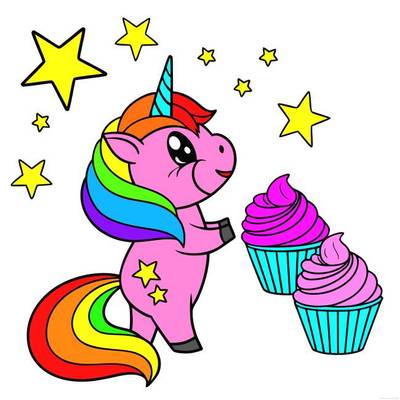 7 Likes

Fairy and unicorn at castle gate – colored in by the community
-
by mia
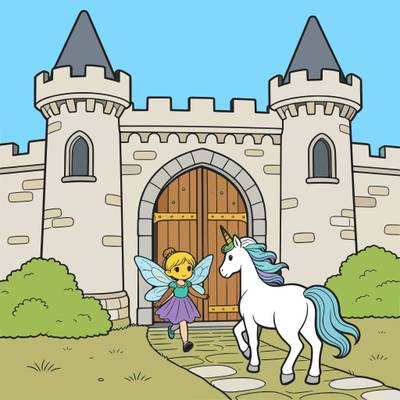 4 Likes

Patterned unicorn with cupcakes and stars – colored in by the community
-
by beatriz
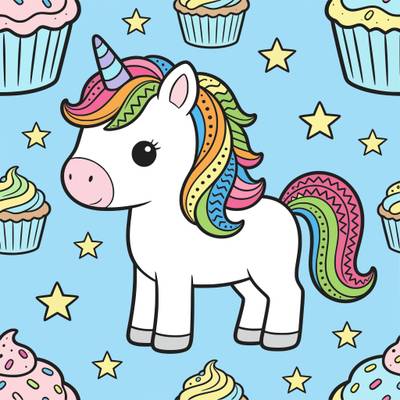 10 Likes

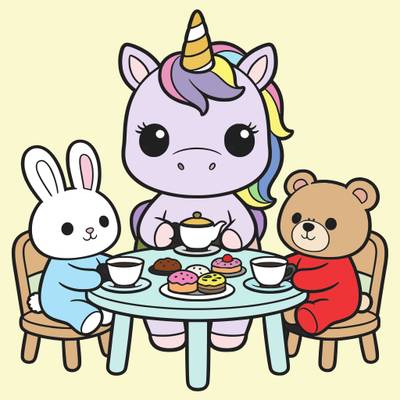
Cute unicorn tea party with friends – colored in by the community
-
by live
 3 Likes
Make Your Unicorn Glow: Simple Coloring Tips for a Magical Look
What to Notice While Coloring Your Unicorn
A unicorn drawing often has lots of pretty details. Taking a little time with these parts helps the picture look neat and “real” in a storybook way.
- Coat (fur): Use smooth, even strokes so the body looks soft. Try coloring in the same direction (like brushing a pony).
- Mane and tail: Follow the hair lines. Leave a few skinny white spaces to look like shiny hair.
- Horn: Color in gentle bands or light-to-dark shading so it looks rounded, not flat.
- Hooves: Keep the edges clean where the hoof meets the leg. This makes the legs look strong and tidy.
- Face details: Go slowly around the eye and nose. Small areas look best with light pressure and careful outlines.
- Patterns (stars, hearts, swirls): Pick one main color for the pattern so it looks organized and easy to see.
Helpful hint: Start with light colors first, then add darker shades last. This keeps the unicorn looking clean and bright.
Realistic Color Ideas (Soft, Storybook-Style)
These colors fit a gentle, believable unicorn style: light coat, natural hair shades, and calm details.
| Unicorn Part | Color Suggestion | How It Looks |
|---|---|---|
| Coat (body) | Cream White | Warm white, soft and cozy |
| Coat (light shadow) | Light Beige | Gentle shading for legs and belly |
| Mane & Tail (main) | Pale Golden Blonde | Natural, sunny hair color |
| Mane & Tail (deeper strands) | Warm Honey Brown | Adds depth between hair sections |
| Horn (main) | Soft Gold | Classic horn color with a gentle shine |
| Horn (shadow) | Antique Gold | Makes the horn look rounded |
| Hooves | Soft Gray | Neat, realistic hoof tone |
| Eye (iris) | Chestnut Brown | Warm, friendly eye color |
| Eye (pupil) | Deep Black | Sharp center for a lively look |
| Nose/Muzzle shading | Dusty Pink | Soft blush for the snout area |
Neat-Finish Tips (Easy for Kids)
- Color the big body areas first, then do the small details last.
- Keep a tiny white dot in the eye to make it look shiny and alive.
- Use lighter pressure near the edges, then fill the middle to avoid dark “outline bumps.”
- If the unicorn has wings or a saddle, match the shading style: light base first, then a darker edge.
Quick check: When the body is smooth, the hair follows the lines, and the horn has light-to-dark shading, the unicorn will look polished and magical.

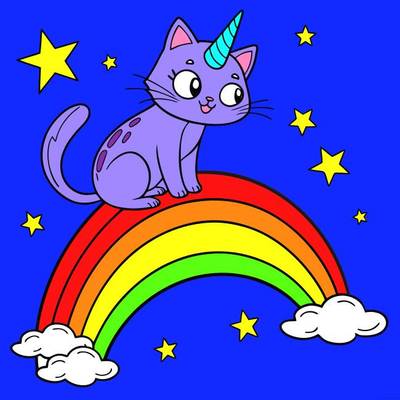
Cartoon caticorn on rainbow clouds – colored in by the community
-
by Katze
 2 Likes

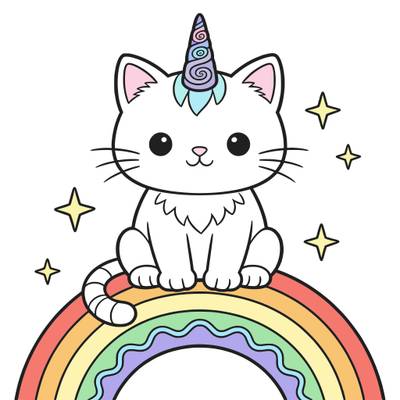
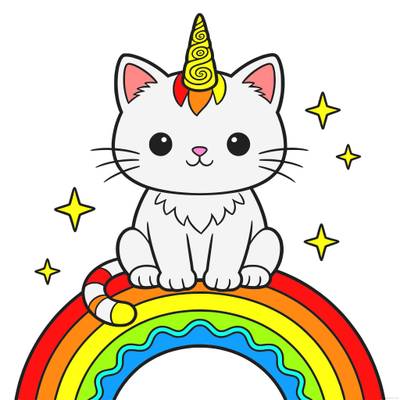
Cute caticorn on a sparkly rainbow – colored in by the community
-
by giulia
 9 Likes
-
by Chrisei
 3 Likes
-
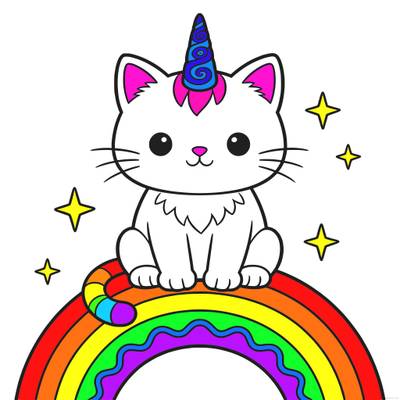 1 Likes

Playful unicorn mother and baby on hills – colored in by the community
-
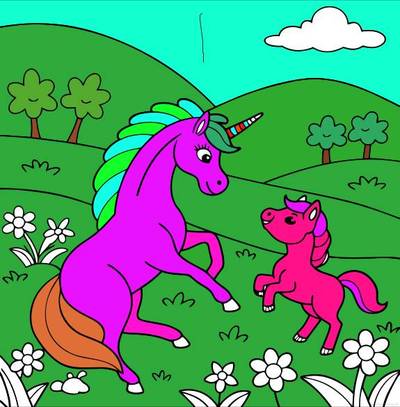 3 Likes
-
by sasi
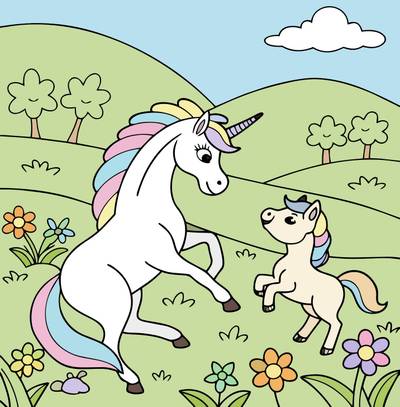 3 Likes

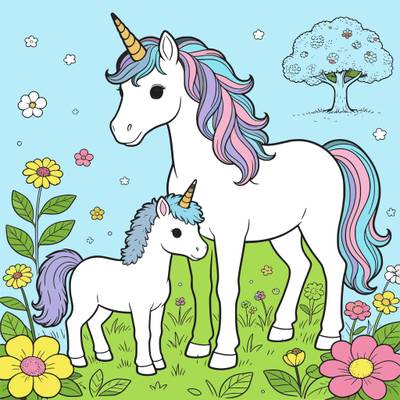
Mother and baby unicorn among flowers – colored in by the community
-
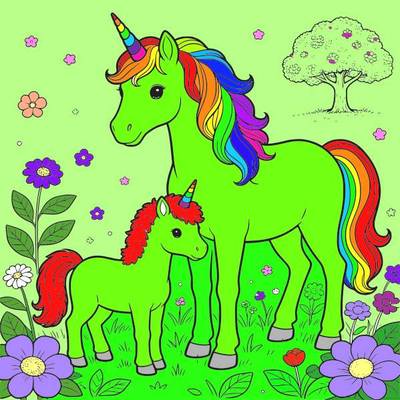 5 Likes
-
by lucie
 3 Likes
Scissors, Glue, Sparkle! Unicorn Crafts Kids Can Make
Pop-Up Unicorn Horn and Mane
✂️ You need: colored unicorn coloring page, scissors, glue stick, scrap paper or cardstock, crayons/markers, optional glitter or stickers
- Color the unicorn and cut it out with help.
- Cut a long strip of paper and fold it like an accordion.
- Glue the folded strip behind the head as a pop-up mane.
- Cut a small triangle, roll it into a cone, and glue it on as a horn.
- Add glitter or stickers to make it extra magical.
💡 Supports: fine motor skills, creativity, following steps
Rainbow Tail Yarn Tassel
✂️ You need: unicorn coloring page, yarn or string (several colors), tape, scissors, glue, hole punch (optional)
- Color the unicorn and cut it out with help.
- Cut 8–12 yarn pieces to the same length.
- Tie the yarn pieces together at one end to make a tassel.
- Tape or glue the tied end to the unicorn’s tail area.
- Trim the yarn so the tail looks neat and fluffy.
💡 Supports: hand strength, color matching, patience
Classroom Unicorn Garland Wall Decor
✂️ You need: several printed unicorn coloring pages, crayons/markers, scissors, string or ribbon, tape or glue, hole punch (optional)
- Color the unicorns and write a name on each one.
- Cut out each unicorn with help.
- Punch a hole at the top or tape the unicorn to the string.
- Space them out along the ribbon and secure them.
- Hang the garland on a wall or across a doorway.
💡 Supports: teamwork, scissor practice, pride in finished work

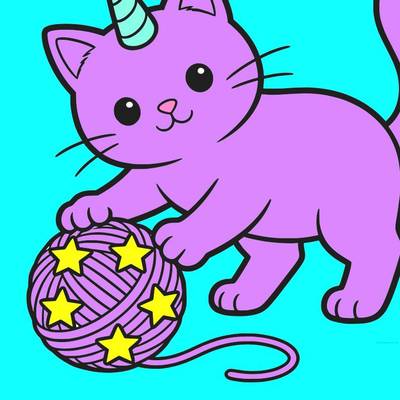
Cute caticorn with a starry yarn ball – colored in by the community
-
by Katze
 3 Likes

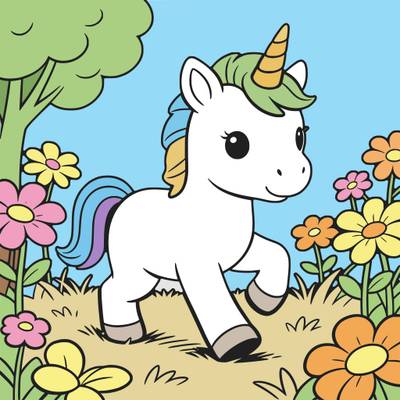
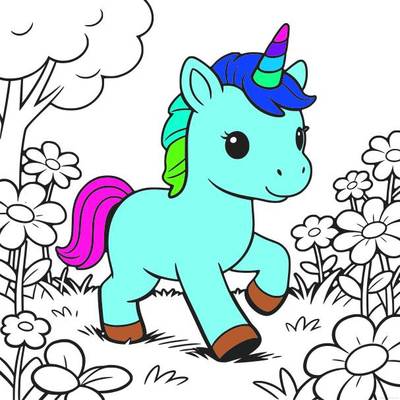
Cute baby unicorn in a flower garden – colored in by the community
-
by zofia
 10 Likes
-
 0 Likes

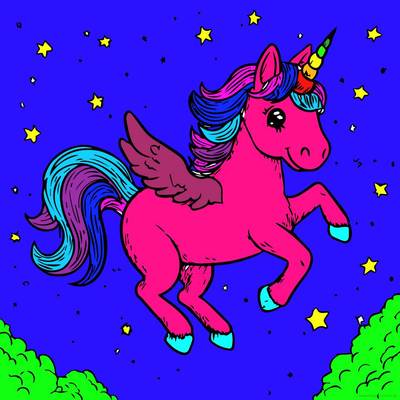
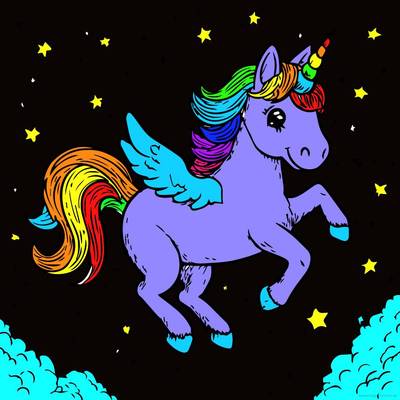
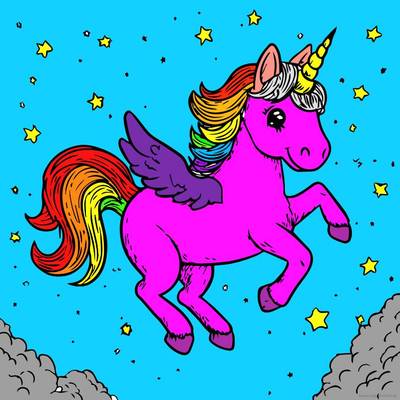

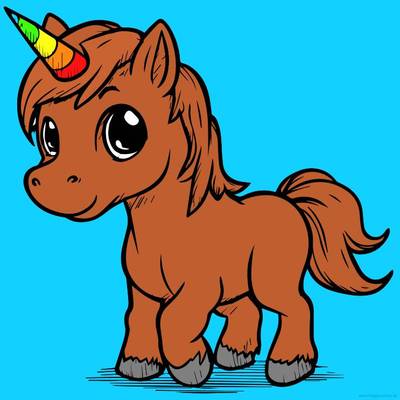
Did You Know? 5 Sparkly Facts About Unicorns
Unicorns Started in Very Old Stories
Long ago, people wrote about unicorn-like animals in ancient books and art, so the idea is older than castles and knights in movies. Encyclopedia Britannica
That “Horn” Had a Real Mix-Up
In the past, some “unicorn horns” sold in Europe were actually narwhal tusks from the Arctic—narwhals are real whales with a long tooth! National Geographic
Scotland Picked a Unicorn Symbol
A unicorn is the national animal of Scotland, and you can spot unicorns on royal symbols and old designs—like a magical mascot from history. National Geographic Kids
America Has a “Unicorn” Too!
In the United States, people also use the word “unicorn” for a super-rare new company worth over one billion dollars—because it’s hard to find, just like the creature. PBS
One Horn, Lots of Cool Shapes
In drawings, unicorn horns are often shown as a twisty spiral, which makes them look extra magical and easy to recognize from far away. Smithsonian Magazine



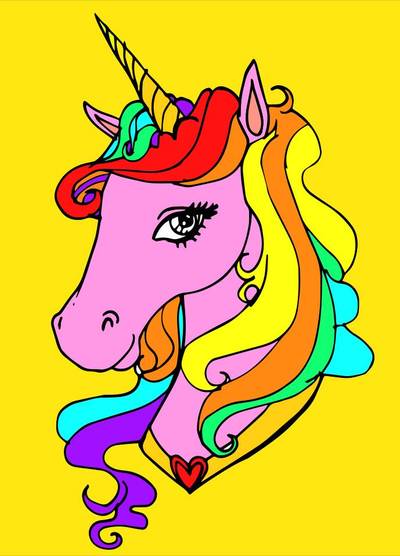
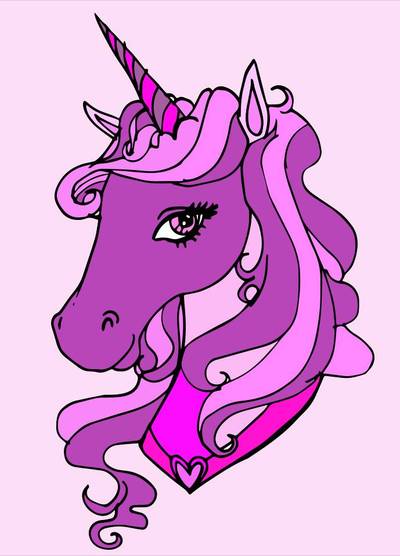
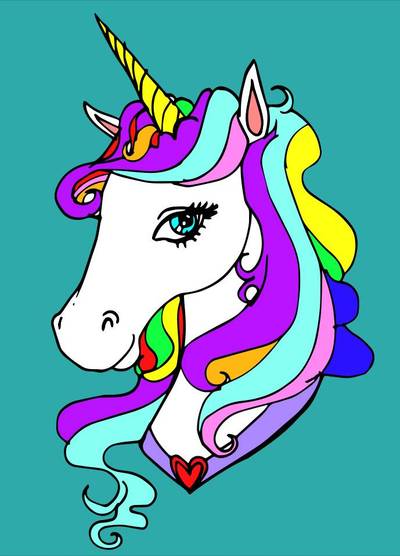

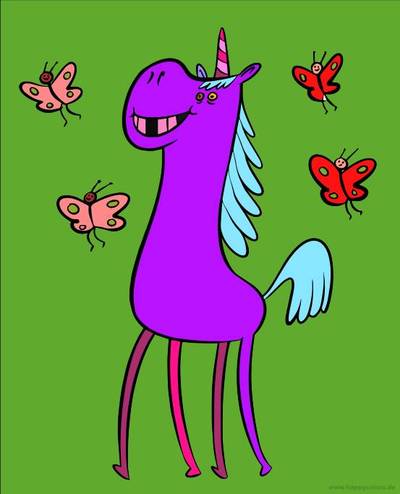


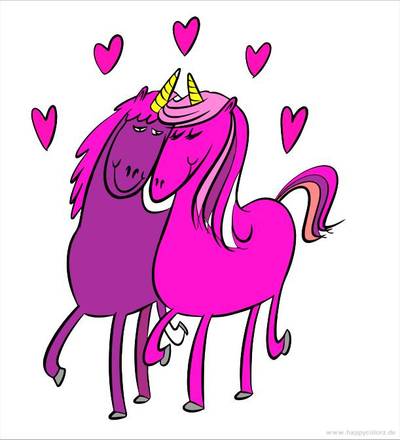
Unicorns in love – colored in by the community
-
 1 Likes

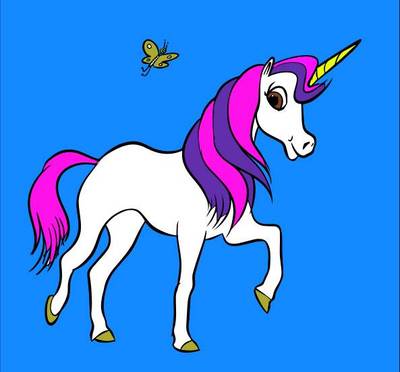
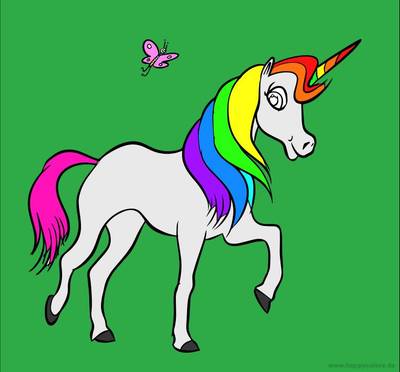
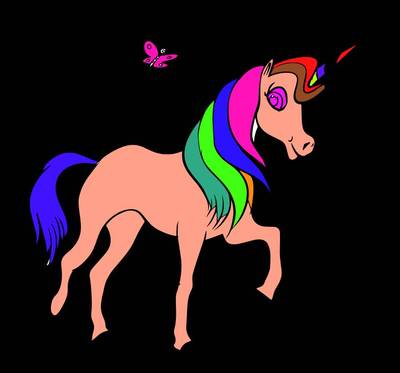

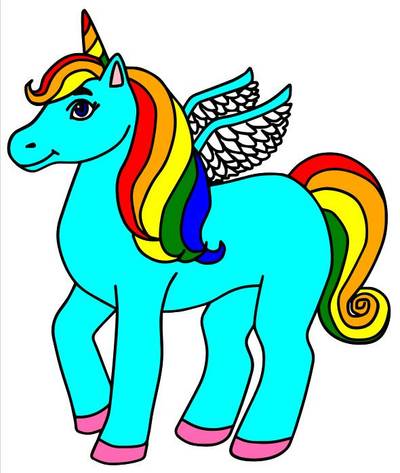
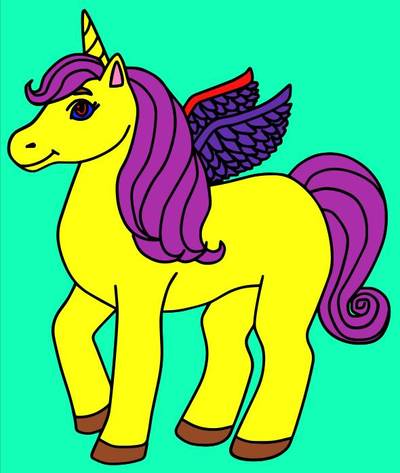
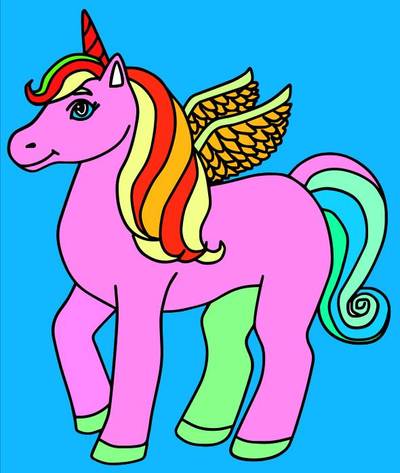

Unicorn with rainbow and stars – colored in by the community
-
by Katze
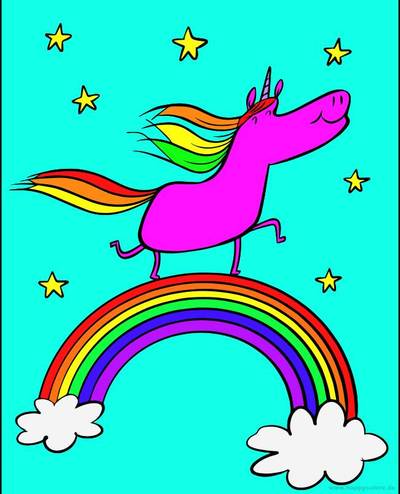 6 Likes
-
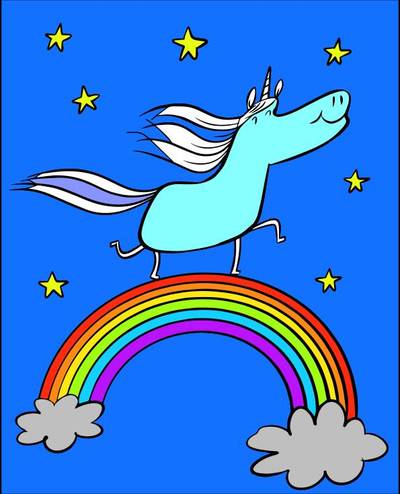 5 Likes
-
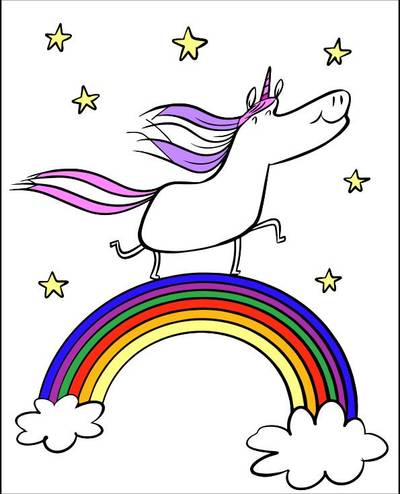 5 Likes

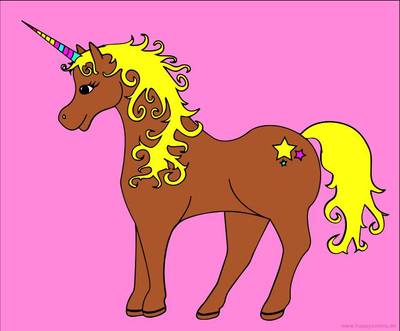
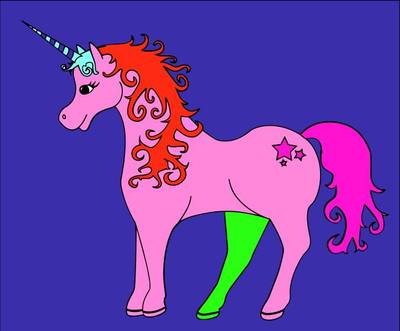
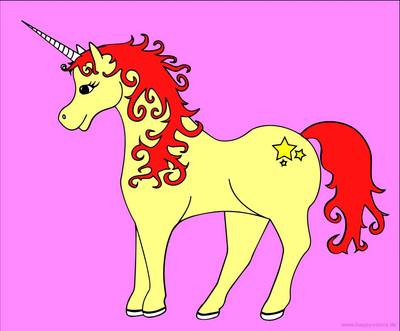

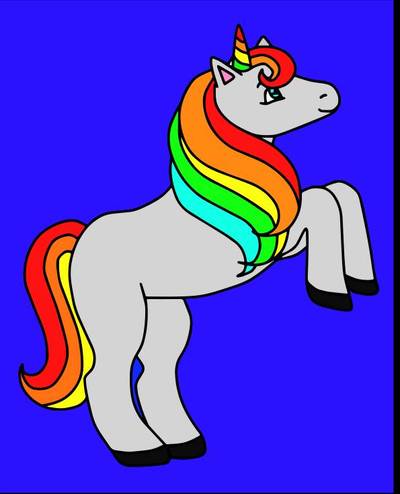

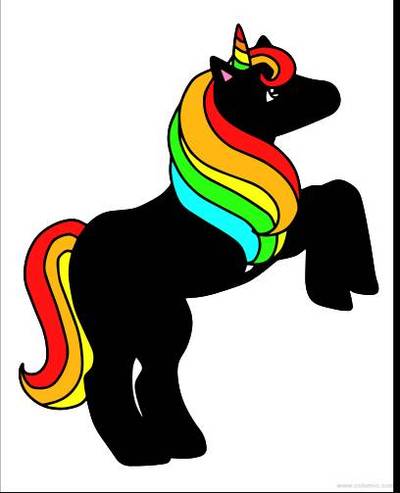

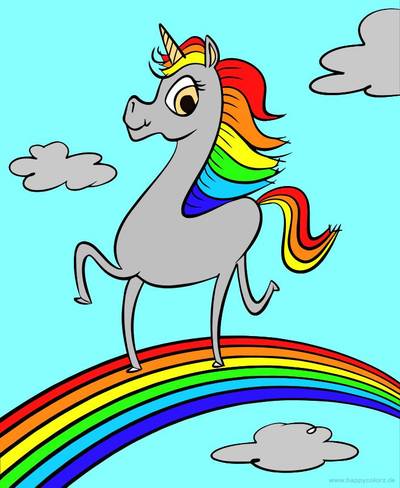
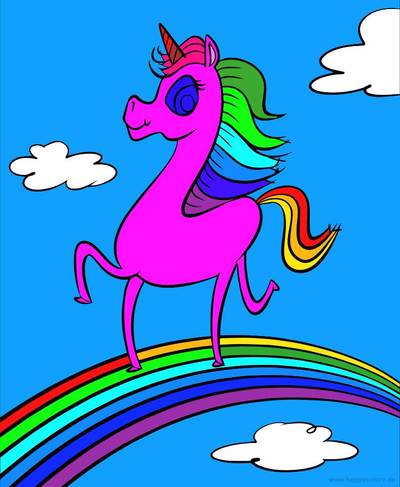
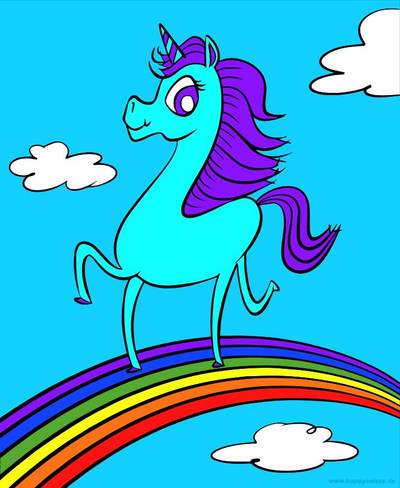

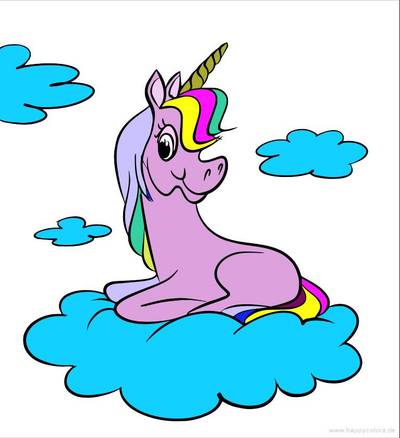
Unicorn on clouds – colored in by the community
-
 2 Likes
-
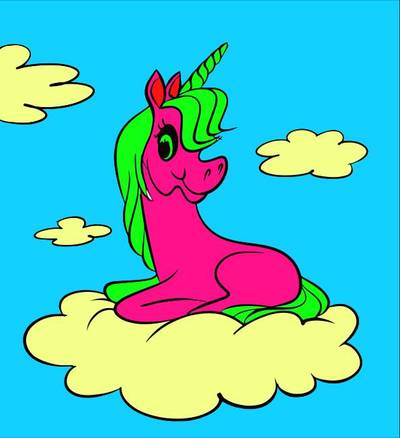 1 Likes
-
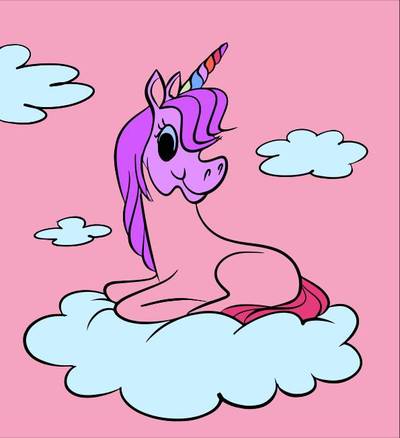 1 Likes

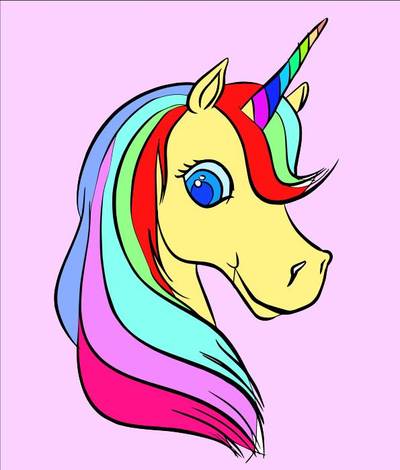
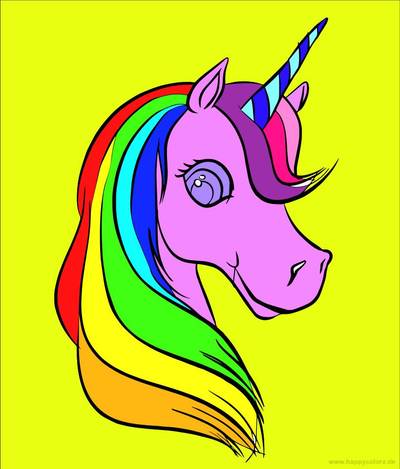
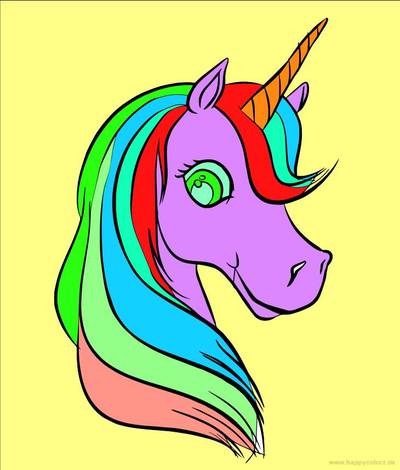

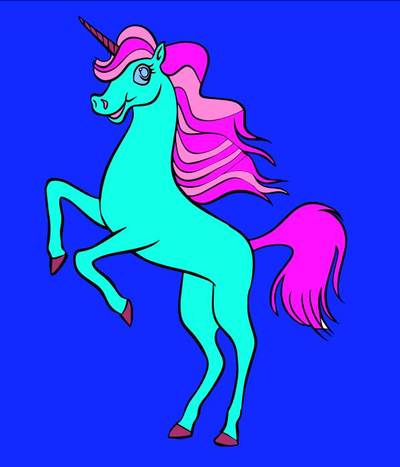
Cute jumping unicorn – colored in by the community
-
 0 Likes

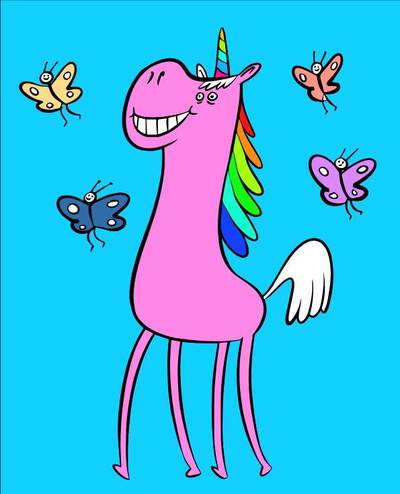
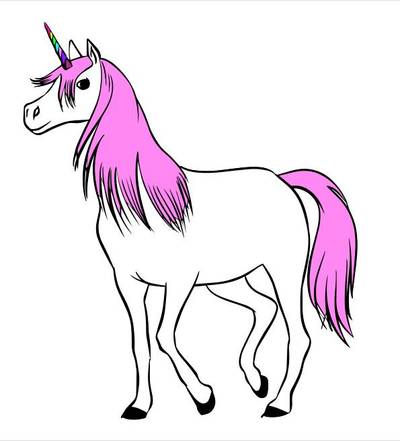
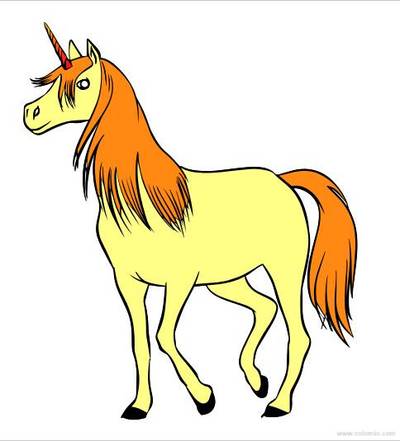
Smiling unicorn – colored in by the community
-
 2 Likes
-
by user-6aha42
 1 Likes
-
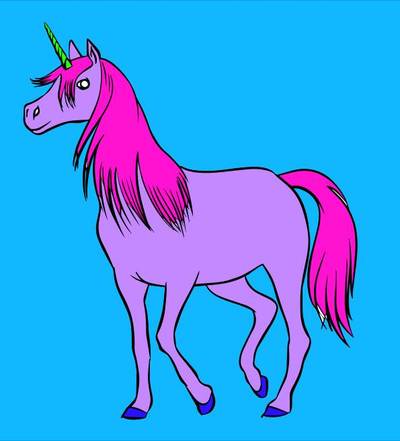 0 Likes

Smiling unicorn with stars – colored in by the community
-
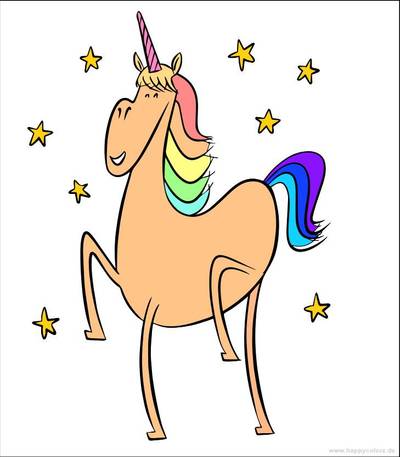 1 Likes

🎨 New coloring pages by email
Regularly get new free coloring pages straight to your inbox – no spam, unsubscribe anytime.
You’ll first get a confirmation email (double opt-in). Unsubscribe anytime with one click. Privacy Policy
Why Kids Love These Unicorn Coloring Pages
- Coloring unicorns helps children develop fine motor skills and hand-eye coordination as they stay inside the lines and practice controlled strokes.
- These printables teach color recognition and decision-making by letting kids choose palettes for manes, horns, and backgrounds.
- Teachers and parents can use the pages as quick activity sheets for centers, calm-down time, or themed lessons with minimal prep.
- As a screen-free activity, coloring encourages focus, imagination, and conversation without requiring any devices.
Creative Ideas & Activities
- Make unicorn masks by printing a page on cardstock, cutting out the eye holes, and attaching a popsicle stick or elastic—kids can decorate with glitter, stickers, or yarn for manes.
- Create a color-by-number unicorn to practice number recognition; assign each number a crayon color and use the finished pages for a classroom display.
- Turn a unicorn coloring page into a story prompt: after coloring, have each child write or dictate a short story about their unicorn’s adventure and share it with the group.
- Use unicorn outlines for a collage activity—children glue tissue paper, sequins, and fabric scraps onto the printed design to explore textures and patterns.
- Teach simple math by adding counting or shape challenges to a unicorn scene, such as “count the stars” or “color all the triangles green.”
- Organize a decorating station where kids color unicorns, then laminate and punch holes to create a flipbook or small booklet for a portable storybook.
- Set up a collaborative mural: tape multiple unicorn pages together and let the class color different sections to practice teamwork and large-scale composition.
- Use unicorn pages for sensory writing practice by having children trace the lines with glue and sprinkle colored sand or salt for a tactile art piece.
Frequently Asked Questions
Are these unicorn coloring pages free to download and print?
Yes, all coloring pages on this page are free to download and print. You may print them at home or at school for personal or classroom use.
What file formats are the coloring pages available in and how should I print them?
The pages are provided in common formats such as PDF and JPG for easy printing. For best results choose “Actual Size” or “Fit to Page” in your printer settings and use standard letter (8.5 x 11 in) paper unless you prefer larger formats.
What ages are these unicorn coloring pages suitable for?
These coloring pages are suitable for preschoolers through early elementary students, with designs ranging from simple to more detailed. Younger children enjoy bold, simple shapes while older kids can use finer details to practice precision.
Can I use these coloring pages at home and in my classroom?
Yes, the coloring pages can be used for both personal home activities and in classroom or kindergarten settings. They are free to use in schools and are great for group activities, centers, and lesson plans.
How can I get the best coloring results with crayons, markers, or paper?
For markers or heavy coverage, print on thicker paper or light cardstock to prevent bleed-through, and for fine detail use standard printer paper with colored pencils or crayons. Washable markers, a light hand, and testing on a scrap sheet will help you choose the right tools for each child and project.