


Three howling wolves in outline – colored in by the community
-
2 Likes

-
1 Likes

-
by Katze
0 Likes


Howling wolf in a snowy scene – colored in by the community
-
1 Likes
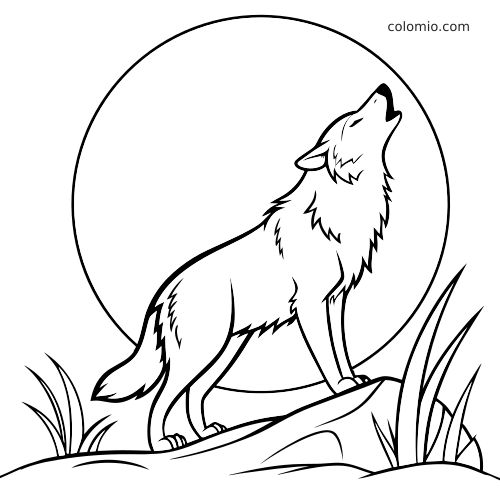
Simple wolf howling at the full moon – colored in by the community
-
by Katze
2 Likes
-
0 Likes


Simple wolf head with blue eyes – colored in by the community
-
1 Likes
-
by Katze
1 Likes


Simple wolf and dog anatomy comparison – colored in by the community
-
by Katze
1 Likes
-
1 Likes

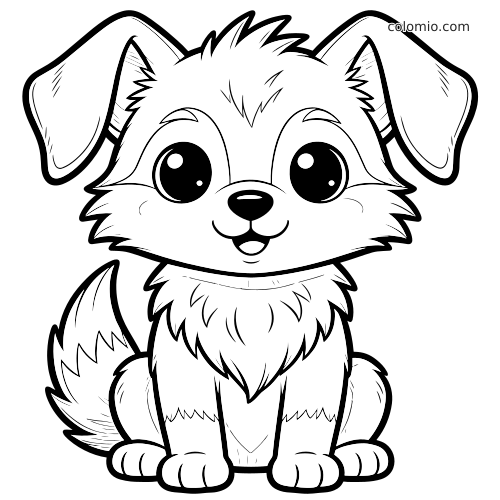
Fluffy kawaii wolf front view – colored in by the community
-
by lily
12 Likes
-
3 Likes
Bring Your Wolf to Life: Fur-Friendly Coloring Tips
A wolf looks most realistic when its fur texture and natural color changes are colored with care. Wolves are not usually just one flat color—many have lighter and darker areas that make them look soft, strong, and real.
Quick hint: Color in the same direction the fur grows (often down the body and outward on the cheeks). This small trick makes the wolf look fluffy instead of flat.
What to Pay Attention to While Coloring a Wolf
- Fur direction: Use short strokes that follow the body shape—around the neck ruff, cheeks, and tail, the fur often looks extra thick.
- Light and shadow: Keep the belly, muzzle, and the inside of the legs lighter; add darker shading along the back, shoulders, and tail tip.
- Face details: The eyes, nose, and mouth lines are small but important—color slowly here to keep the expression clear and friendly.
- Ear edges: Many wolves have darker ear tips and slightly darker outer ears, with softer, lighter fur inside.
- Paws and legs: Legs can look more real with gentle shading behind the front legs and under the body where shadows naturally fall.
- Tail texture: The tail often has a darker top and a lighter underside—use light layering so it looks full and soft.
Realistic Wolf Colors (With Easy Visual Swatches)
| Where to Color | Realistic Color Suggestion |
|---|---|
| Main fur (back and sides) | Wolf Gray |
| Darker fur (along the spine, tail top) | Charcoal Gray |
| Warm fur tones (some areas of coat) | Brown-Gray (Taupe) |
| Light fur (belly, chest, inner legs) | Pale Cream |
| Muzzle and cheeks (often lighter) | Light Beige |
| Ear edges and shadow areas | Deep Gray |
| Nose | Near-Black |
| Eyes (common natural shades) | Amber Brown |
| Eye pupils and outline | Black |
Helpful Hints for Neat, Realistic Coloring
- Start with the lightest fur colors first, then add darker shading on top for a smooth, natural look.
- Use gentle layers instead of pressing hard; this helps the fur look soft and keeps the paper clean.
- Leave tiny light areas on the nose and eyes to look like a shiny highlight.
- Keep outlines clear around the eyes and mouth so the wolf’s face stays easy to recognize.

Cute kawaii wolf in side view – colored in by the community
-
2 Likes

Detailed standing husky wolf hybrid – colored in by the community
-
by sasi
3 Likes


Scissors, Glue, Go! Wolf Craft Adventures
Make a Fluffy Cotton Wolf
✂️ You need: wolf coloring page, cotton balls, glue stick or white glue, crayons or markers, scissors, black paper scraps (optional)
- Color the wolf face and legs first.
- Pull cotton balls into small fluffy pieces.
- Glue the cotton onto the wolf’s body to make fur.
- Add eyes and a nose with marker or small paper shapes.
💡 Supports: fine motor skills, sensory play, creativity
Turn It Into a Wolf Mask
✂️ You need: wolf coloring page, cardstock or paper plate, crayons or markers, scissors, glue, hole punch (optional), string or elastic
- Color the wolf and glue it onto cardstock.
- Cut out the wolf face carefully.
- Cut out the eye holes with help from an adult.
- Punch holes on the sides and tie on string or elastic.
💡 Supports: imagination play, hand control, confidence in storytelling
Classroom Wolf Pack Wall Mural
✂️ You need: several wolf coloring pages, crayons or markers, scissors, large paper roll or poster paper, glue or tape, blue paper (optional), white paint or chalk (optional)
- Color and cut out a wolf for each child.
- Tape a big sheet of paper on the wall or table.
- Draw a moon and trees on the background.
- Glue all the wolves on to make a pack scene.
💡 Supports: teamwork, planning a scene, creative expression

Two simple howling wolves – colored in by the community
-
by Chiara
5 Likes


Zentangle wolf in a mountain landscape – colored in by the community
-
by luca
14 Likes
-
1 Likes

Did You Know? 5 Wild Facts About Wolves
A Family Pack, Not a Crowd
Most wolves live in a pack that works like a family, helping to care for pups and travel together to find food. National Geographic Kids
Howls Are Long-Distance Messages
A wolf’s howl can travel far through forests and valleys, helping pack members find each other and letting other wolves know, “This area is taken.” U.S. Fish & Wildlife Service
Yellowstone’s Wolves Helped Nature
When gray wolves returned to Yellowstone National Park, they helped balance the ecosystem in many ways, affecting animals and even plant growth. National Park Service
Big Paws = Snow Shoes
Wolves have large paws that spread their weight out, which helps them move across snow—useful in chilly places like Alaska and the northern Rocky Mountains. Smithsonian Magazine
Dogs Have Wolf Cousins
Pet dogs and gray wolves are closely related, which is why they can share some similar behaviors—like using body language and sounds to communicate. Encyclopedia Britannica