

 |
||||
|---|---|---|---|---|
| Free Download | ||||
 |
 |
Image file | ||
Welcome to our exciting airplane drawing tutorial! This guide is designed for children and beginners, offering both a simple version for younger artists and a more advanced version for those looking to challenge themselves. You will learn how to draw a stunning airplane using basic shapes and lines, enhancing your skills as you progress through each step.
Our tutorial is perfect for ages 8 and up, introducing foundational drawing techniques that build confidence and creativity. Whether you’re a budding artist or just looking for a fun activity, you’ll enjoy bringing your airplane to life. Grab your pencils and let’s get started!
What You Will Need
- 2H and HB pencils for sketching and outlines
- Colored pencils in blue, white, yellow, and red for coloring
- An eraser for correcting any mistakes
- A ruler to help with drawing straight lines
- Quality drawing paper, preferably A4 size
- A fine-tip drawing pen for final outlines

Step 1: Auxiliary line
Begin by drawing a straight, slightly upward-slanting line with your pencil. This line serves as the main guide for your airplane’s body. If you want precision, feel free to use a ruler. Tip: A light hand will make erasing easier later.

Step 2: Girth of the torso
Draw two circles along the auxiliary line to define the airplane’s body width. The front circle should be larger than the back circle. Refer to the template for exact placement, ensuring your circles are centered on the line.

Step 3: Permanent contours
Connect the top and bottom of the circles with smooth lines to create the airplane’s fuselage. These lines will remain as part of your final drawing, so take your time to make them neat. Tip: Use your HB pencil for sharper lines.

Step 4: Bow, windows and tail fin
Sketch the airplane’s nose in front of the left circle, adding cockpit windows. At the back, draw the tail fin and position passenger windows along the center line. Once satisfied, trace the outer contours with a drawing pen.

Step 5: More guides for the wings
Add two parallel guide lines at the rear of the plane. These should slant from bottom right to top left, providing a framework for the wings. Keep the lines light as they’ll be erased later.

Step 6: Wings
Draw the horizontal tailplane just beneath the upright fin. Then, sketch the main wings, aligning them with the guide lines from the previous step. These elements are crucial for your airplane’s structure.

Step 7: Removing the guides
Use your drawing pen to outline the airplane’s contours, adding additional details like panel lines or rivets. Once your outlines are complete, carefully erase all guide lines, leaving only your clean, final drawing.

Step 8: Coloring
It’s time to bring your airplane to life with color! In our example, the plane is blue and white, but feel free to use your favorite colors. Tip: Layer colors for a richer effect.


Simple airplane for kids paint

 |
||||
|---|---|---|---|---|
| Free Download | ||||
|
|
Image file | ||

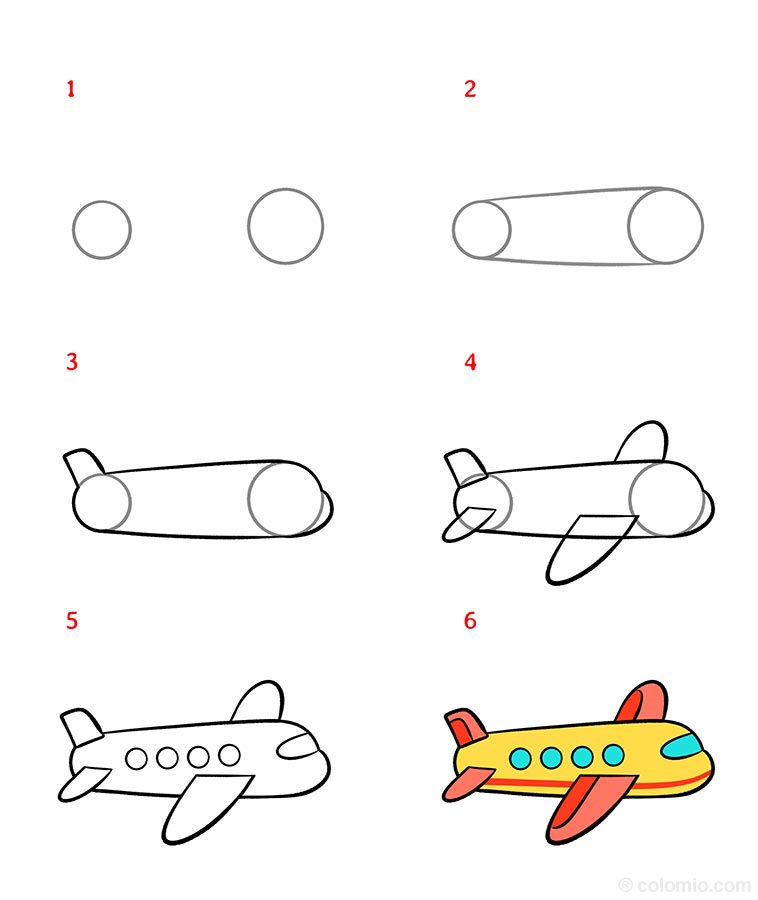
Step 1: Paint circles
Start by drawing a small circle on the left side of your paper and a slightly larger one on the right. These circles will form the basic shape of your airplane. Use the template to gauge the proper distance between them.

Step 2: Fuselage of the aircraft
Connect the circles with lines above and below to create a solid body. This will serve as the framework for your airplane’s fuselage.

Step 3: Tail fin, bow and remaining
Add details to your airplane by drawing the tail fin rising from the left circle. Extend the front circle with a ‘snout’ to form the nose of the plane. Use your pencil for these initial sketches.

Step 4: Wings and elevator
Draw the transverse elevator beneath the tail fin. Add wings to your airplane using the template for accurate positioning. Wings are essential for achieving the right balance in your drawing.

Step 5: Windows and guides
Outline all remaining contours with your pencil. Add windows to the cockpit and along the side of the plane. Once you’re satisfied with the shapes, erase any remaining guide lines.

Step 6: Coloring
Choose vibrant colors to complete your airplane. The example uses yellow and red with blue windows, but let your imagination soar with your color choices. Tip: Color evenly for a polished look.
Your Airplane Drawing Is Complete!
Congratulations on completing your airplane drawing! You’ve learned valuable skills in sketching and coloring, bringing your creativity to life. Don’t stop here—explore our other tutorials to continue developing your artistic talents.
We hope you enjoyed this tutorial and look forward to seeing you back for more drawing adventures. Happy sketching!
Airplane Types: Beyond the Standard Jet
The same drawing approach adapts to almost any aircraft with just a few silhouette changes:
- Commercial passenger jet: Long cigar-shaped fuselage, swept-back wings positioned in the lower-middle of the body, two engines mounted under the wings, T-shaped tail. The Boeing 737 / Airbus A320 silhouette.
- Wide-body jumbo (Boeing 747): Massive long fuselage with a distinctive raised “hump” near the front (upper deck), four engines under the wings. King of the skies.
- Biplane (vintage): Two stacked wings with vertical struts and crisscrossing wires between them, single propeller at the front, open or canopy cockpit. World War I or barnstormer style.
- Fighter jet: Sleek pointed nose, swept delta wings, single or twin engines at the back, bubble canopy. F-16, F-22, or modern military.
- Stealth bomber (B-2): Pure flying wing shape with no visible fuselage, jet-black, almost like a manta ray in the sky. Eerie and futuristic.
- Private jet: Sleek body with rear-mounted engines (mounted on the fuselage near the tail, not under the wings), small wings, T-tail. Gulfstream-style luxury.
- Cessna prop plane: Small single-engine plane with a propeller at the front, high-mounted wings (above the fuselage), tricycle landing gear visible. The classic flight-school airplane.
- Seaplane: Plane with pontoons (long floats) instead of wheels, typically with high wings for visibility. Lake or coastal scenes.
- Helicopter: Round body, large overhead rotor blades, smaller tail rotor at the back, skids or wheels underneath. Add motion lines for the spinning rotors.
- Hot-air balloon: Large striped balloon with a small wicker basket hanging below. Add ropes connecting them. Scenic and peaceful.
- Cartoon airplane: Round friendly face on the front, oversized eyes in the cockpit windows, short stubby wings, big smile. Pure children’s book joy.
- Concorde (supersonic): Distinctive long pointed nose, narrow delta wings, slim fuselage. Iconic 1970s elegance.
- Drone / quadcopter: Small body with four arms extending outward, each ending in a propeller. Modern and tech-savvy.
The Anatomy That Makes a Plane Look Right
Three details separate a recognizable airplane from a flying torpedo:
- The cockpit windows: A series of angular windows wrapping around the front of the fuselage. Pilot view should look like a wraparound visor, not a flat front window.
- The passenger windows: A row of evenly spaced small ovals or rectangles along the side of the fuselage. Don’t draw too many – about 15–25 is enough for a commercial jet.
- The engines: Cylindrical pods mounted under (or on) the wings. Each engine has a visible round opening at the front (the intake) and a smaller round nozzle at the back.
- The tail: Two parts – the vertical stabilizer (tall fin pointing up) and the horizontal stabilizers (smaller wings at the back). Both should be visible from a side view.
- The wing flaps and ailerons: Subtle horizontal lines along the trailing edge of the wings, hinting at the moving control surfaces.
- The landing gear: If on the ground, three sets of wheels (one under the nose, two under the wings). If in flight, the gear should be retracted and invisible.
- The airline logo: A small tail design or fuselage stripe instantly tells the eye which airline. Pure recognition.
Sky Scenes & Flight Compositions
- Plane through the clouds: Airplane partially hidden behind big puffy white clouds, leaving a clear path of motion. Classic sky drama.
- Vapor trails: Two parallel white lines streaming from the engines, fading as they trail backward. Instantly says “jet at altitude.”
- Sunset flight: Plane silhouetted against an orange-pink sunset sky, with golden highlights on the wings. Travel-poster perfect.
- Take-off from runway: Plane just lifting off, wheels still extended, runway lines below, terminal in the distance.
- Through a passenger’s window: View from inside the plane looking out the small oval window, wing visible, clouds below. POV shot.
- Plane and rainbow: Plane flying through or alongside a rainbow with a stormy sky on one side and clear sky on the other. Magical and uplifting.
- Plane at the airport: Plane parked at a gate with passenger jet bridge connected, baggage cart and ground crew nearby. Detailed scene.
- World map flight path: Plane mid-flight with a curved dotted line behind it tracing a route across a stylized globe. Adventure travel.
- Vintage biplane stunt: Old biplane mid-loop or barrel roll with a banner trailing behind. Retro charm.
- Children’s book scene: Friendly cartoon plane flying past smiling clouds, sun, and balloons. Pure storybook joy.
Color Palettes for Different Airplanes
- Classic commercial white: Pure white fuselage, blue and red horizontal stripes, dark blue tail with a logo. The universal airline look.
- Vintage prop plane: Cream-and-brown body, dark green accents, metallic silver propeller, leather-look cockpit. Pre-war elegance.
- Military camouflage: Dark green and brown patches over a sand-colored base, dull silver or matte black accents. No bright colors.
- Stealth black: Pure matte black fuselage with deep grey panel lines, no visible markings. Mysterious and modern.
- Hot-air balloon stripes: Vibrant red, yellow, and orange vertical stripes on the balloon, brown wicker basket. Festival-bright.
- Concorde elegance: Pure white body, blue and red British Airways or Air France markings, slim and proud.
- Storybook bright: Pure cartoon red body, yellow wings, blue propeller, big smiling cockpit windows. Children’s book gold.
- Cargo plane utilitarian: Olive green or grey body, large rear cargo door visible, rugged and practical.
- Sunset golden: Plane in pure black silhouette, glowing edges where the sunset hits, no internal detail visible. Dramatic minimalism.
Adding Realism & Movement
Tiny details that make any airplane drawing feel alive:
- Wing flex: Real airplane wings bend slightly upward in flight under the load. Even a small upward curve adds realism.
- Engine glow: A faint orange glow at the back of each engine if the plane is mid-flight. Subtle but powerful.
- Speed lines: Three or four short horizontal lines trailing behind the plane in a stylized drawing. Instantly suggests speed.
- Propeller blur: For prop planes, draw the propeller as a transparent oval circle rather than three blades – this is how propellers look when spinning fast.
- Birds nearby: A few small “V” shapes for distant birds. Adds scale and atmosphere.
- Sun reflection: A bright highlight on the side of the fuselage where the sun hits. Makes the plane shine.
- Passenger silhouettes: Tiny figures visible in the windows, adding life and human scale.
- Anti-collision lights: Small red and green dots on the wingtips with tiny rays for “blinking.” Detail that pros add.
Common Mistakes to Avoid
1. The wings are in the wrong position. On most commercial jets, the wings sit roughly in the middle of the fuselage. Wings too far forward or back ruin the silhouette.
2. Forgetting the tail. Both vertical and horizontal stabilizers are essential. A plane without a tail looks like a missile.
3. The engines are missing. Even cartoon planes need at least a hint of engines. A wing without engines suggests a glider.
4. The cockpit windows are too small. The pilot needs visibility – cockpit windows wrap around the front. Tiny dot windows look unrealistic.
5. Too many or too few passenger windows. A regional jet has about 15 windows; a wide-body has many more. Match the count to the plane size.
6. The fuselage is too short. Real commercial jets are surprisingly long – the fuselage should be at least 4–5 times longer than its width.
7. The wings stick straight out. Most modern jet wings are swept back at an angle. Wings perpendicular to the body look like a 1940s prop plane (which is fine for that era, but wrong for a 737).
8. Landing gear visible at cruising altitude. If the plane is shown high in the sky, the wheels should be retracted (invisible). Wheels down in flight is a take-off or landing scene only.
Frequently Asked Questions About Drawing a Airplane
What kind of paper is best for drawing an airplane?
Using a high-quality drawing paper, such as A4 size, will help your drawing look clean and professional.
Can I use markers instead of colored pencils?
Yes, markers can be used for vibrant colors, but be sure to use a thicker paper to prevent bleed-through.
How can I make my airplane drawing look more realistic?
Adding details like shading, panel lines, and rivets will enhance the realism of your airplane drawing.
What if I make a mistake while drawing?
Mistakes are part of the learning process. Use a good eraser to correct errors and don’t be afraid to try again.
How do I draw straight lines without a ruler?
Practice steadying your hand and drawing lightly at first. Over time, your ability to draw straight lines will improve.
More ideas for drawing
-
Airplane drawing -
Plane drawing easy -

Apple drawing -

Bicycle drawing -

Ship drawing -

Car drawing -

Car drawing easy -

Cat drawing -

Cow drawing -

Dinosaur drawing -

Dog drawing -

Puppy drawing -

Dragon drawing -

Digger drawing -

Fairy drawing -

Giraffe drawing -

Lion drawing -

Mermaid drawing -

Moon drawing -

Motorcyle drawing -

Penguin drawing -

Pig zeichnen (einfach) -

Princess drawing -

Reindeer drawing -

Rooster drawing -

Santa Claus drawing -

Shark drawing -

Sheep drawing -

Strawberry drawing -

Sunflower drawing -

Tiger drawing -

Tractor drawing -

Train drawing -

Tree drawing -

Tree drawing easy -

Tulip drawing -

Turtle drawing -

Unicorn drawing -

Unicorn drawing easy -

Witch drawing
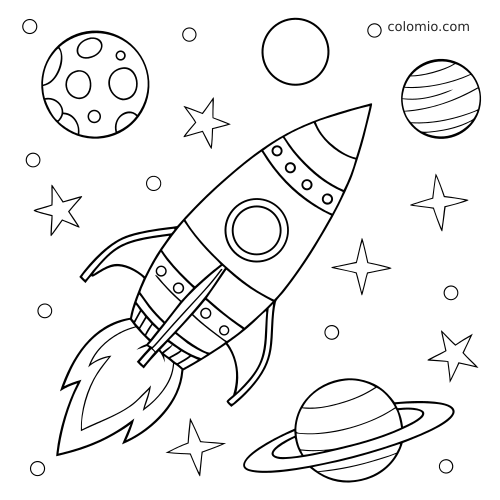
Print our free printable airplane coloring pages — ready-to-print line art, no signup.
More Crafting Ideas
-

Bee craft -

How to Make a Paper Boat -

How to make an envelope -

Ladybug Craft -
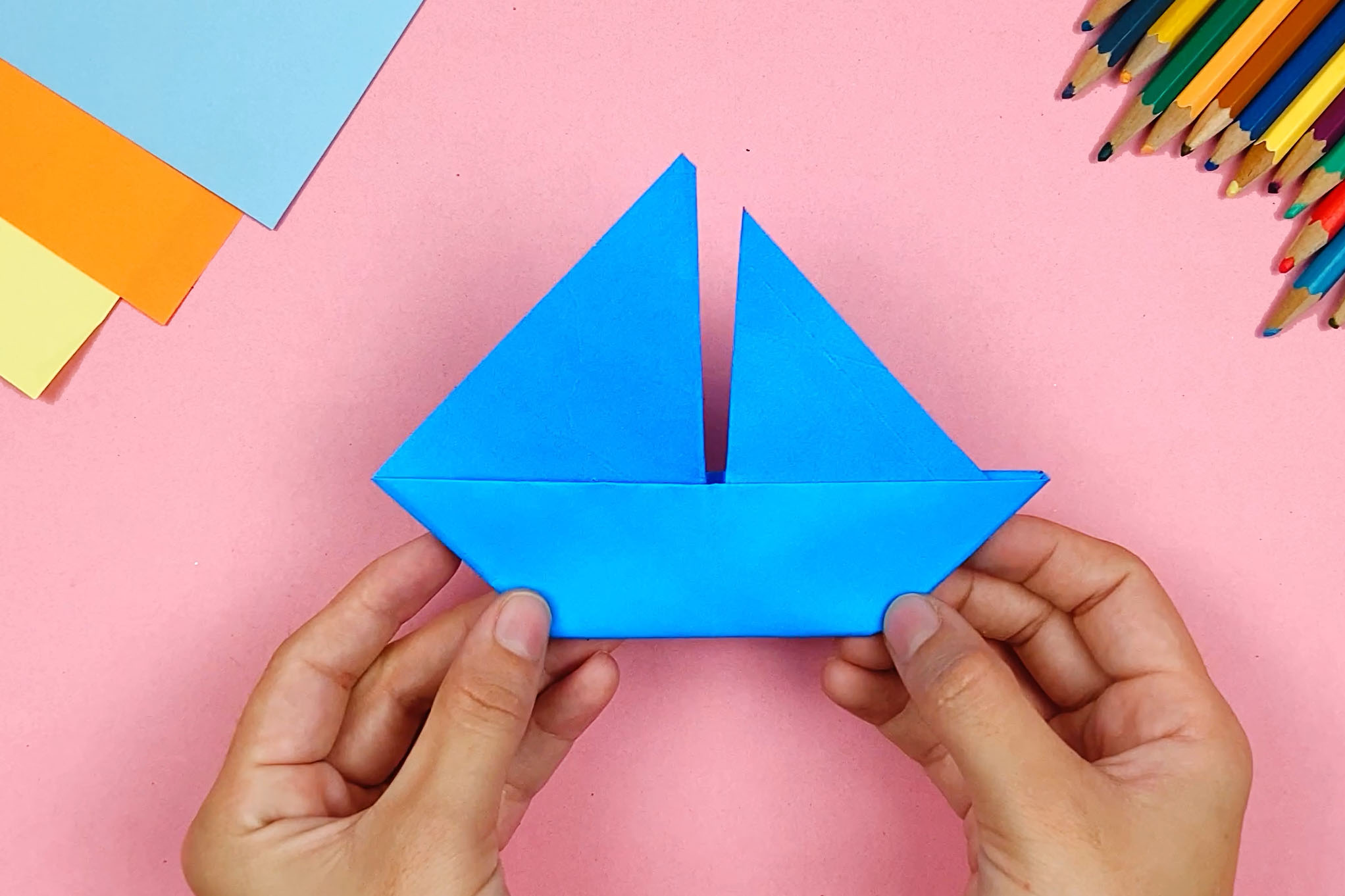
Origami Boat -

Butterfly Craft