
A deer coloring page can be a gentle way to invite kids into nature, and these printable designs show simple to slightly detailed outlines of deer for little hands and growing artists. Each coloring page features clear lines and open spaces so toddlers can practice holding crayons, while preschoolers and older kids can experiment with shading or patterns. Seeing a deer on the page helps children connect the image to stories, seasons, and outdoor observations, making the activity feel familiar and friendly.
These deer coloring pages are suitable for toddlers, preschoolers, and older kids alike: very young children enjoy broad shapes and bold lines, while school-age children can add backgrounds, textures, and creative color choices. Use them at home for cozy afternoons, in the classroom as a seasonal or science-related activity, in a homeschool lesson about habitats, or tucked into a travel folder for quiet time on the go. A single deer coloring page can become a quick calming exercise or part of a longer craft session.
Beyond fun, coloring builds fine motor skills, hand-eye coordination, focus, and decision-making as children choose colors and plan their work. Creative expression grows when kids personalize each deer, and educators can tie the pages to vocabulary, counting spots, or a short nature lesson—offering both play and learning in one welcoming sheet.


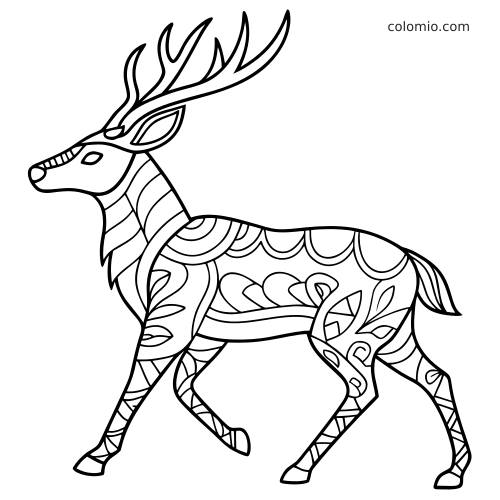
Simple zentangle deer in profile – colored in by the community
-
by manfred
20 Likes


Simple stag with large antlers – colored in by the community
-
1 Likes
-
0 Likes

-
0 Likes


Detailed roaring red deer stag – colored in by the community
-
by paula
1 Likes

Simple roaring red deer stag – colored in by the community
-
0 Likes
-
by Katze
0 Likes
-
0 Likes


Simple deer in falling winter snow – colored in by the community
-
0 Likes
-
by Katze
0 Likes
Bring Your Deer to Life: Simple, Realistic Coloring Tips
A deer looks gentle and calm, and the best coloring comes from noticing its soft fur, its slim legs, and the way light makes some areas look lighter than others. Slow, careful coloring helps the deer look natural and real.
Quick goal: Make the deer look soft and smooth by using light strokes and leaving a few tiny white spaces as “shine” on the fur.
What to Notice While Coloring a Deer
- Fur direction: Color with short strokes that follow the body (down the neck, along the back, and down the legs). This makes the coat look fluffy instead of flat.
- Light and shadow: Keep the top of the back and shoulders a bit lighter, and shade under the belly, inside the legs, and under the chin a bit darker.
- Face details: The muzzle is often lighter than the rest of the face. Leave a small highlight in the eye to make it look shiny.
- Ears: The outer ear usually matches the fur, while the inner ear can be a softer pinkish-brown.
- Hooves: These are darker and look best with solid, even coloring so they stand out from the legs.
- Spots (if your deer is a fawn): Keep spots small and neat. They look best when they are clearly spaced and not too large.
- Antlers (if included): Antlers often have a smooth, woody look. Gentle shading near the base can make them look rounded.
Realistic Deer Colors (With Easy Visual Swatches)
| Deer Part | Color Suggestion | Swatch |
|---|---|---|
| Body fur (main coat) | Warm Brown | #8B5A2B |
| Body fur (lighter areas) | Tan | #D2B48C |
| Belly & underside | Cream | #F3E6C6 |
| Muzzle (nose area) | Light Beige | #E6D1B3 |
| Nose | Dark Gray | #444444 |
| Eyes (pupil) | Near Black | #1A1A1A |
| Inner ear | Soft Pink-Brown | #CFA3A0 |
| Hooves | Charcoal | #2F2F2F |
| Tail underside (often lighter) | Off-White | #F7F4EA |
| Antlers (if shown) | Grayish Tan | #B9A27E |
| Fawn spots (if shown) | Soft Cream | #F2E8CF |
Helpful Hints for Neat, Natural Coloring
- Start with the lightest fur color first, then add darker shading on top for a smooth, realistic look.
- Use gentle pressure for fur and stronger pressure for hooves and the nose so those features look firm and clear.
- Keep edges clean around the legs and face—sharp outlines help the deer look elegant and steady.
- For a soft coat, layer the same brown twice instead of pressing hard one time.
Parent/teacher note: Encourage children to look for “light on top, shadow underneath.” This simple idea helps them practice careful observation while keeping the coloring fun and calm.
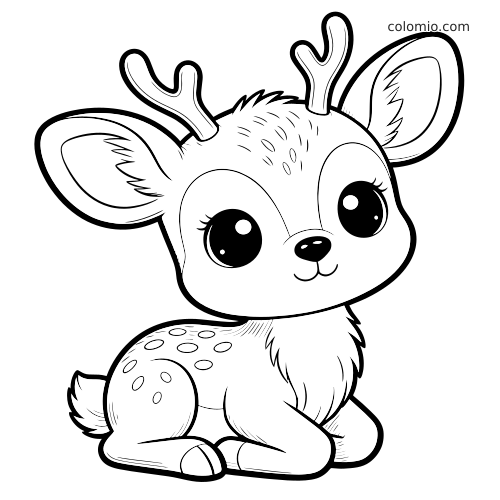
Cute kawaii deer with big eyes – colored in by the community
-
4 Likes

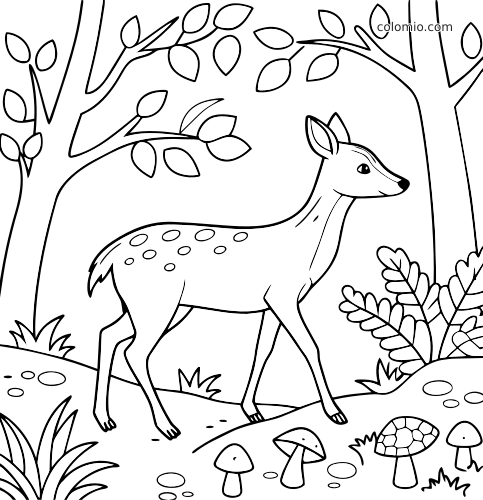
Cute deer in a simple forest scene – colored in by the community
-
by freja
16 Likes

Front-view deer pair standing – colored in by the community
-
0 Likes
Scissors, Glue, Go! Deer Craft Fun
Pop-Up Deer Forest Scene
✂️ You need: colored deer page, cardstock, glue stick, scissors, crayons or markers
- Color the deer and cut it out.
- Fold a piece of cardstock in half to make a standing card.
- Glue the deer inside so it stands up when opened.
- Draw trees, grass, and a sun around it.
💡 Supports: fine motor skills, creativity, storytelling
Handprint Antlers Deer Portrait
✂️ You need: deer coloring page, brown paint (or marker), paper plate or scrap paper, glue, scissors
- Color the deer’s face and cut it out.
- Paint one hand brown and stamp it twice for antlers.
- Let the handprints dry on a clean paper.
- Glue the deer face under the handprint antlers.
💡 Supports: sensory play, hand control, confidence in creating
Classroom Deer Garland Parade
✂️ You need: several deer coloring pages, crayons or markers, scissors, string or yarn, hole punch (optional), tape
- Let everyone color a deer in their own style.
- Cut out the deer shapes with help.
- Tape each deer onto a long string, spaced apart.
- Hang the garland across a wall or window.
💡 Supports: teamwork, patience, creative choices


Did You Know? 5 Surprising Facts About Deer
Antlers Drop Off Every Year!
Many male deer grow new antlers, use them during the fall, and then shed them like nature’s “hat rack” that falls off and regrows again. U.S. Fish & Wildlife Service
Big Ears, Super Hearing
Deer can swivel their ears to catch tiny sounds from different directions, helping them notice what’s happening nearby in the woods or fields. National Park Service
White-Tails Are U.S. Neighbors
White-tailed deer live in many parts of the United States—so you might spot tracks, droppings, or a quick tail-flash in parks and forests from coast to coast. U.S. Fish & Wildlife Service
Fawns Wear Spotty “Camo”
Baby deer (called fawns) often have white spots that help them blend into sunny, leafy shadows—like a natural hiding costume. National Wildlife Federation
They Talk With Tails!
Deer use body signals—like lifting and flashing a bright tail—to warn other deer that something feels unsafe, almost like sending a quick “watch out!” message. National Park Service


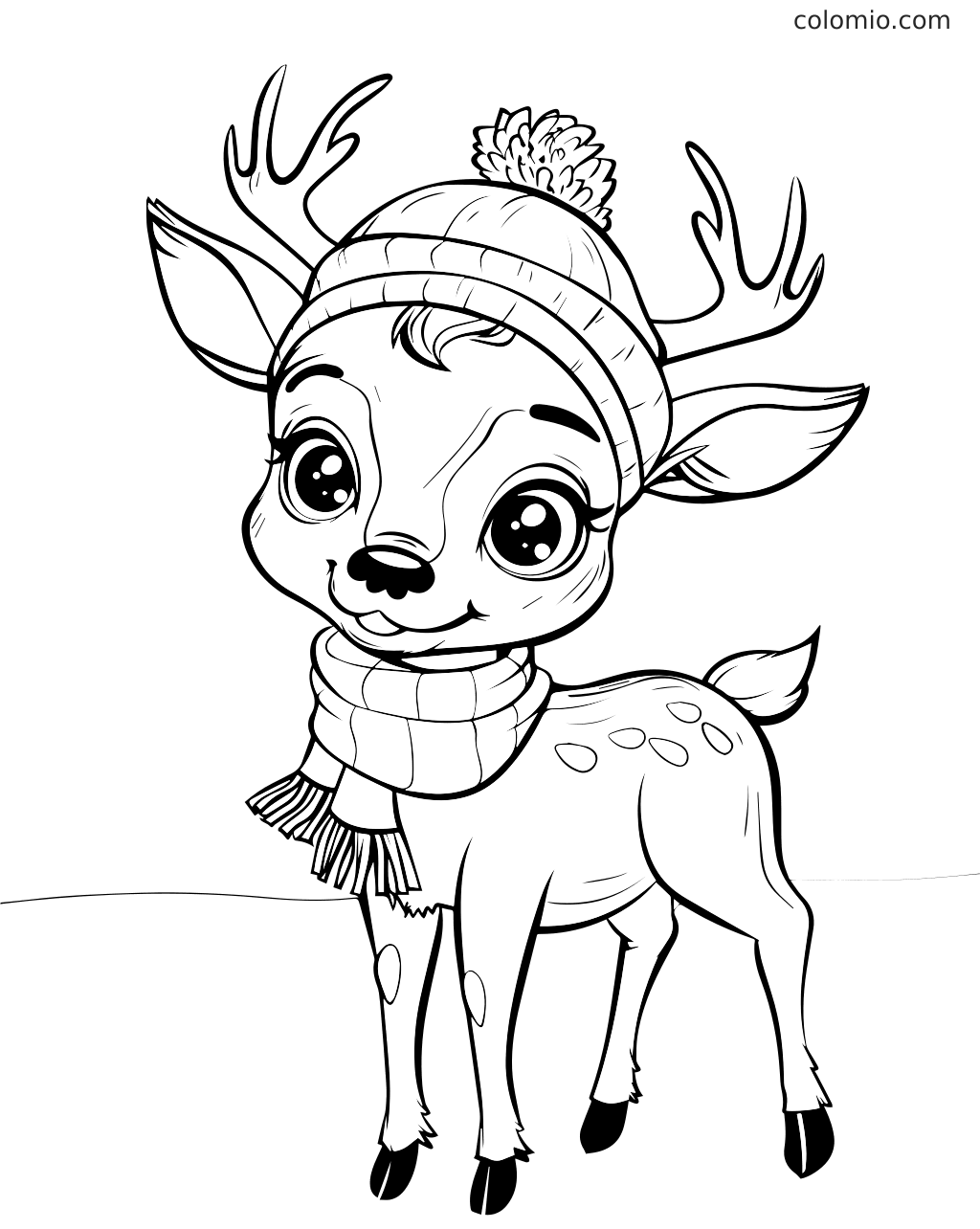


Fawn – colored in by the community
-
2 Likes


Funny deer with rabbit – colored in by the community
-
3 Likes
-
1 Likes
-
0 Likes

Fawn with butterfly – colored in by the community
-
18 Likes
-
by Ania
2 Likes
-
0 Likes


Funny deer – colored in by the community
-
3 Likes

Funny jumping deer – colored in by the community
-
2 Likes

Why Kids Love These Deer Coloring Pages
- They build fine motor skills and color recognition as children carefully fill in antlers, fur, and woodland details on each deer page.
- Parents and teachers can quickly print deer templates for lesson extensions, art centers, or calm-down activities with no prep required.
- Coloring a deer is a focused, screen-free activity that promotes patience and concentration during quiet time or transitions.
- Simple outlines and varied designs let kids experiment with patterns, storytelling, and imaginative play after they finish coloring.
Creative Ideas & Activities
- Make a storybook by coloring a series of deer pages, stapling them together, and having children write a short sentence about each scene to practice sequencing and writing.
- Create antler collage crowns by coloring a deer head, cutting out antlers, and gluing on yarn, leaves, or construction paper for a dress-up game.
- Design habitat collages by coloring deer and glueing them onto hand-painted or magazine-cut forest backgrounds to discuss ecosystems and animal homes.
- Use multiple deer cutouts for a counting and matching game: add number stickers or dots and have children pair quantities to numerals.
- Build a seasonal display by coloring the same deer in spring, summer, fall, and winter palettes and arranging them on a classroom bulletin board.
- Turn a deer outline into a shadow-matching activity: cut one colored deer into a silhouette and have kids match shapes and sizes to the originals.
- Make deer masks by coloring and cutting out faces, attaching a craft stick or elastic, and using them for puppet shows or role-playing scenes about forest animals.
- Teach basic anatomy and vocabulary by labeling parts of a deer on the printed page, then asking children to color each labeled area in a different color.
Frequently Asked Questions
Are the coloring pages free to download and print?
Yes. All coloring pages on this page are free to download and print. They can be used for free at school and in kindergarten (classroom use is allowed).
What file formats are available for printing the deer pages?
Most deer coloring pages are available as PDF and JPG files ready for printing. PDFs are ideal for crisp, scalable prints while JPGs are convenient for quick home printing at standard sizes.
What ages are these deer coloring pages suitable for?
These pages suit a wide range of ages from preschoolers to elementary students; simpler, bold designs work well for toddlers while more detailed deer pages challenge older children. You can choose pages with larger shapes for young kids and finer details for older children to practice precision.
Can I use these deer coloring pages in a classroom or kindergarten?
Yes. They can be used for free at school and in kindergarten (classroom use is allowed). Teachers may print copies for lessons, centers, or art projects without charge.
How can I get the best coloring results with crayons, markers, or pencils?
For best results, print on heavier paper or light cardstock to prevent marker bleed and to give crayons and colored pencils better tooth. Use crayons or colored pencils for blending and shading, and use washable markers for bold, vibrant color while placing a scrap sheet underneath to protect surfaces.