

Simple apple pie on a windowsill – colored in by the community
-
0 Likes


Apple half with tiny peeking worm – colored in by the community
-
4 Likes


Detailed apple tree with ladder – colored in by the community
-
by Venla
3 Likes

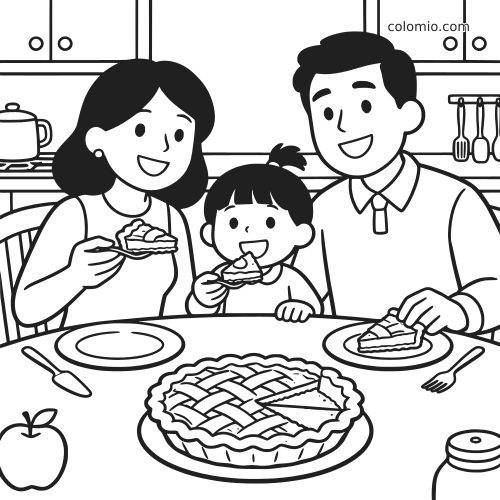
Cute family sharing apple pie – colored in by the community
-
by oma_renate
12 Likes
-
by Isabelle_Leite
5 Likes

-
2 Likes

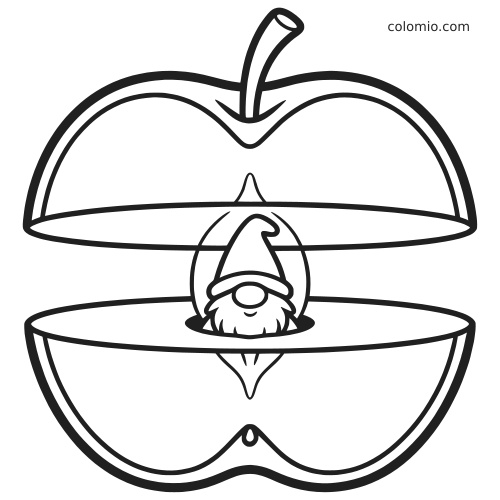
Apple half with a tiny hidden gnome – colored in by the community
-
by lily
8 Likes
-
0 Likes
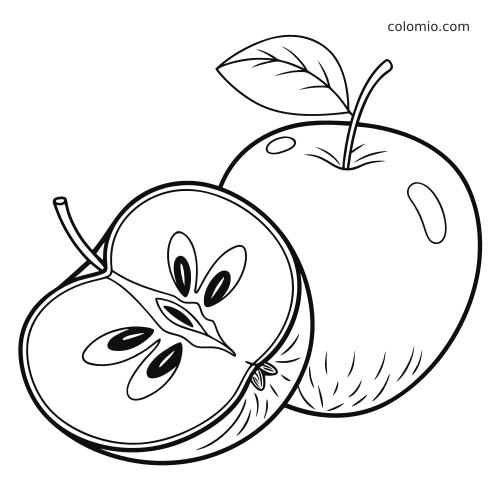
Detailed apple cross section and whole apple – colored in by the community
-
by sasi
7 Likes

Make Your Apple Look Juicy and Bright – Simple Coloring Tips
An apple may look simple at first, but it has lots of little details that make it look real and yummy when colored carefully. Use smooth strokes, keep the edges neat, and watch how the round shape curves.
What to Notice While Coloring an Apple
- Round shape: Apples are not flat circles. Color a little darker near the sides and lighter in the middle to help it look round.
- Shiny skin: Many apples have a gentle shine. Leave a small white spot (or color it very lightly) to look like a reflection.
- Stem and top dip: The stem sits in a small “dent” at the top. Make that area slightly darker to show the dip.
- Color changes: Real apples often have soft color shifts, not just one solid color. Blend gently where colors meet.
- Skin texture: Keep your coloring smooth. If you want texture, add tiny, light dots or short strokes—very softly—so it still looks like apple skin.
- Leaf details (if included): Follow the leaf veins with lighter lines and shade a bit darker near the stem of the leaf.
Helpful hint: Start with a light layer of color first. Then add a second layer to make the edges and the top dip a bit darker. This keeps the apple looking smooth instead of patchy.
Realistic Apple Colors (With Easy Color Hints)
| Apple Part | Realistic Color | Color Hint |
|---|---|---|
| Red apple skin | Apple Red | #D32F2F |
| Red apple shading | Deep Red | #8E1B1B |
| Green apple skin | Fresh Green | #7CB342 |
| Green apple shading | Olive Green | #558B2F |
| Yellow apple skin | Golden Yellow | #FBC02D |
| Yellow apple shading | Warm Amber | #F9A825 |
| Stem | Medium Brown | #8D6E63 |
| Stem shadow | Dark Brown | #5D4037 |
| Leaf | Leaf Green | #43A047 |
| Leaf veins / highlights | Light Green | #A5D6A7 |
| Small shine spot | White | #FFFFFF |
Neat Coloring Tricks That Keep It Real
- Color the outline area first, then fill in the middle to keep the edges clean.
- Press lightly for the first layer, then press a bit more for shadows.
- Keep the brightest area near the middle front of the apple, and darken the sides for a rounded look.
- If there is a shadow under the apple in the picture, use a soft gray to ground it.
Quick check: A realistic apple usually has three things—smooth skin, a darker top dip, and a tiny shine. Getting these right makes the picture pop.
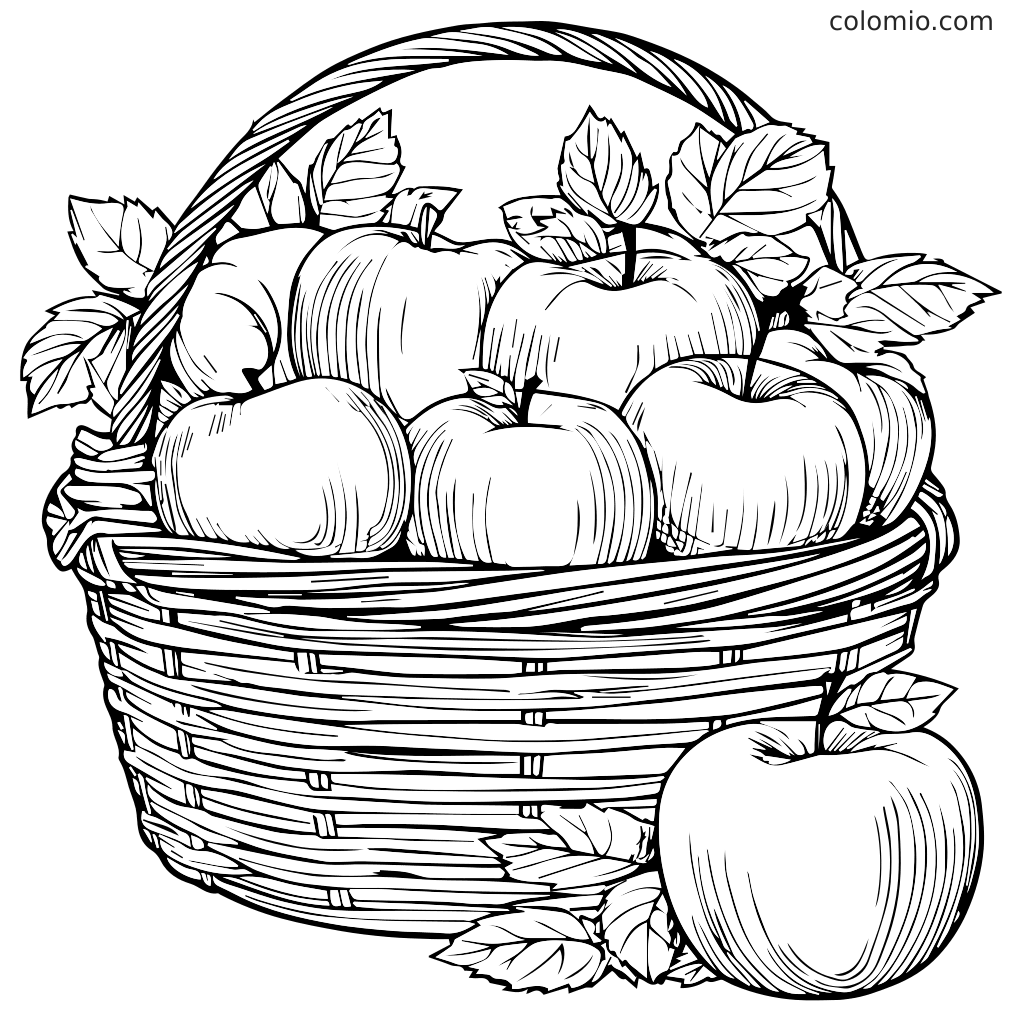
Basket of apples to color – colored in by the community
-
5 Likes

Smiling banana – colored in by the community
-
5 Likes

Happy cartoon apple – colored in by the community
-
2 Likes

Scissors, Glue, Go! Apple Craft Fun
Make a 3D Pop-Up Apple
✂️ You need: apple coloring page, crayons or markers, scissors, glue stick, red (or green) paper, brown paper scrap, green paper scrap
- Color the apple and cut it out.
- Fold the apple in half and unfold it.
- Glue the fold onto a sheet of paper so the apple “pops” up.
- Cut a stem and leaf from paper and glue them on top.
💡 Supports: fine motor skills, creativity, careful cutting
Apple Core Lacing Practice
✂️ You need: apple coloring page, cardstock (optional), scissors, hole punch (or pencil tip with adult help), yarn or shoelace, tape
- Color the apple and cut it out.
- Glue it onto cardstock and cut it out again.
- Punch holes around the edge of the apple.
- Tape one end of the yarn and lace in and out of the holes.
💡 Supports: hand strength, coordination, focus
Classroom Apple Garland Party
✂️ You need: several apple coloring pages, crayons or markers, scissors, string or yarn, glue or tape, hole punch (optional)
- Everyone colors and cuts out their own apple.
- Punch a hole at the top of each apple or add a small tape loop.
- Tie or tape the apples onto a long string.
- Hang the garland on a wall, door, or bulletin board.
💡 Supports: teamwork, creativity, classroom pride


Did You Know? 5 Crunchy Surprises About Apples
Apples Float Like Little Boats!
Drop an apple in water and it often bobs on top because it has lots of tiny air spaces inside—almost like a built-in life jacket. HowStuffWorks
Seeds Hold a Tiny Star
Cut an apple sideways (across the middle) and you can see a star shape in the center where the seeds sit—nature’s secret pattern! Encyclopedia Britannica
Bees Help Make Apples
Apple trees need pollinators—especially bees—to move pollen from flower to flower so apples can grow. No bee visit, no apple! U.S. Forest Service
Johnny Appleseed Was Real
A long time ago in early American history, a man nicknamed Johnny Appleseed traveled and planted apple trees, helping new towns grow orchards. Library of Congress
Washington Loves Apple Trees
In the United States, Washington State is famous for growing huge numbers of apples—so many that it’s often called America’s apple powerhouse. Wikipedia