
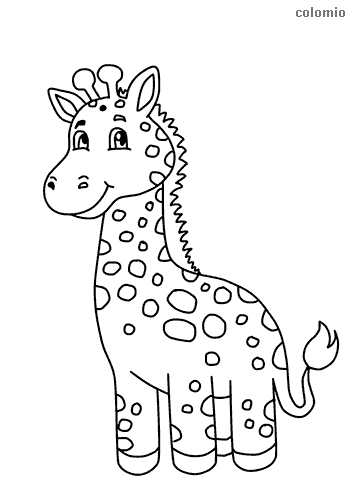
This collection of zoo animals is a sweet, friendly set of illustrations meant to spark curiosity and calm hands: each sheet is a simple coloring page showing a lion, elephant, giraffe, monkey, and other favorites. The zoo animals designs range from bold, chunky shapes for little fingers to more detailed outlines for a budding artist, so every child can find a favorite. Each coloring page is printable and easy to use, with clear lines that make staying inside the lines satisfying and achievable.
These zoo animals coloring pages are ideal for toddlers, preschoolers, and older kids who enjoy a mix of easy and slightly more challenging pictures. Use them at home for quiet time, in the classroom for an easy art center, in a homeschool schedule to reinforce science vocabulary, or tucked into a travel bag to keep little ones entertained on the go. Beyond being fun, these pages support creativity, fine motor development, color recognition, and early literacy as children name each zoo animal and describe its features. They also encourage focus, patience, and imaginative play when kids invent habitats or stories around a single zoo animal. Friendly and approachable, these coloring pages invite families and teachers to enjoy simple, meaningful moments together.

Elephant, lion cub and rabbit – colored in by the community
-
2 Likes


Hippo in water scene – colored in by the community
-
3 Likes

Animals by the pond – colored in by the community
-
2 Likes
-
1 Likes


Colorful animal friends – colored in by the community
-
3 Likes
-
0 Likes



Bring the Zoo to Life: Simple Coloring Tips for Zoo Animals
Little artist tip: Zoo animals often look best when their bodies have gentle color changes—darker in shadows and lighter on raised areas like cheeks, bellies, and shoulders.
What to Pay Special Attention to While Coloring
- Fur direction: Color in short strokes that follow the animal’s body shape (down the neck, along the back, around the legs). This makes fur look soft instead of flat.
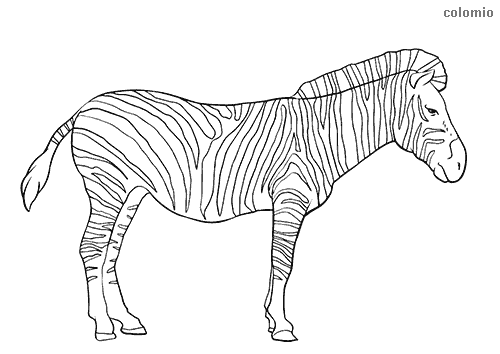
- Patterns and spots: Keep stripes (zebra, tiger) and spots (leopard, giraffe) clear and tidy. Leave the light parts clean so the pattern stands out.
- Skin texture: For elephants, rhinos, and hippos, use smooth, even coloring with a little darker shading in wrinkles and folds.
- Special features:
- Noses and paw pads are often darker than the fur.
- Eyes look lively with a darker ring and a tiny white highlight left uncolored.
- Horns, hooves, and beaks usually look best in earthy browns, grays, or ivory tones.
- Shape and shading: Add a slightly darker edge under the chin, under the belly, and behind legs to help the animal “pop” off the page.
- Clean borders: Go slowly around the outline first, then fill the middle. This helps keep whiskers, ears, and tails neat.
Realistic Zoo Animal Colors (Quick Guide)
These colors match many common zoo animals and their natural features. Use them for fur, skin, manes, stripes, spots, beaks, horns, and hooves.
| Color | Swatch | Looks Great For |
|---|---|---|
| Golden Tan | Lion body, giraffe base, some antelopes | |
| Warm Brown | Giraffe patches, monkey fur, hooves | |
| Dark Brown | Shadows in fur, noses, mane shading | |
| Sand Beige | Bellies, lighter fur areas, lion muzzle area | |
| Elephant Gray | Elephants, rhinos, some hippos (base) | |
| Deep Gray | Wrinkles, folds, shaded areas on gray animals | |
| Charcoal Black | Zebra stripes, pupils, dark noses | |
| Clean White | Zebra base, eye highlights, small fur highlights | |
| Leaf Green | Reptiles (some shades), small habitat details if included | |
| Olive Green | Crocodiles, turtles, shaded reptile areas | |
| Sunny Yellow | Giraffe warmth, small feather highlights | |
| Soft Pink | Inner ears, tongues, some noses | |
| Ivory | Tusks, horns, teeth | |
| Orange-Brown | Tiger fur base, orangutan tones | |
| Sky Blue | Some bird feathers, light eye tones in certain animals |
Easy Finishing Touches That Keep Animals Looking Real
- Make the underside slightly darker: under the chin, belly, and tail.
- Keep patterns even: stripes stay the same direction, spots stay spaced out.
- Color eyes carefully: a dark pupil plus a tiny uncolored dot makes them sparkle.
Neat detail trick: Use a lighter shade first, then add a darker shade only in the folds, around legs, and under the head to show shape without covering the whole animal.


Little smiling tiger – colored in by the community
-
1 Likes
-
1 Likes
-
0 Likes


Scissors, Glue, Go! Zoo Animals Craft Time
Make a Pop-Up Zoo Habitat!
✂️ You need: colored Zoo Animals printouts, cardstock or a folded paper card, glue stick, scissors, crayons/markers, scrap paper (green/brown/blue)
- Color your zoo animals and cut them out.
- Fold a paper in half to make a card and draw a simple background inside.
- Cut two small slits in the fold, push the tab inward, and crease it.
- Glue an animal onto the tab so it “pops” forward when you open the card.
💡 Supports: fine motor skills, creativity, spatial thinking
Toilet Roll Zoo Animal Puppets
✂️ You need: empty toilet paper rolls, colored Zoo Animals printouts, glue, scissors, markers, yarn or paper strips, optional googly eyes
- Color an animal and cut it out.
- Wrap the toilet roll with paper and glue it in place.
- Glue the animal on the front and add ears, tails, or manes with scrap paper or yarn.
- Let it dry and use it for a mini zoo puppet show.
💡 Supports: hand strength, imagination, storytelling
Classroom Zoo Wall Mural
✂️ You need: many Zoo Animals printouts, a large sheet of paper or taped-together papers, glue sticks, crayons/markers, scrap paper, optional cotton balls and leaves
- Color lots of animals and cut them out.
- Spread the big paper on a table and draw simple zones like “Savanna,” “Jungle,” and “Pond.”
- Glue animals into the zones and add trees, rocks, and water with scrap paper.
- Add cotton-ball clouds or leafy “bushes,” then hang the mural on a wall.
💡 Supports: teamwork, planning, creativity


Did You Know? 5 Wild Facts About Zoo Animals
A Panda’s “Thumb” Isn’t Real!
Giant pandas look like they have a thumb, but it’s actually a special wrist bone that helps them grab bamboo like a handy mitten. Smithsonian Magazine
Sea Otters Carry Rock Tools
Some sea otters crack open hard shells by using a rock like a hammer—and they may even keep a favorite rock tucked in their fur! You can spot sea otters along the California coast. Monterey Bay Aquarium
Flamingos Get Pink From Food
Flamingos aren’t born bright pink—many start out gray. Their feathers turn pinker when they eat foods with natural color pigments, like tiny shrimp. Smithsonian National Zoo
Bison Once Roamed in Millions
American bison used to thunder across the Great Plains in huge herds. Today, bison still live in places like Yellowstone National Park, and some zoos help protect them too. National Park Service
Elephants “Talk” Through the Ground
Elephants can make very low rumbles that travel far away. Some of those vibrations can even move through the ground, and other elephants may feel them with their feet. National Wildlife Federation


Smiling lion – colored in by the community
-
2 Likes
-
1 Likes
-
0 Likes


Why Kids Love These Zoo Animals Coloring Pages
- Coloring zoo animals builds fine motor control and boosts color recognition as children practice careful strokes and color choices.
- Parents and teachers can print multiple pages quickly for themed lessons, quiet centers, or take-home activities without extra prep time.
- Working on a printable zoo animal sheet is an engaging, screen-free activity that encourages focus, imagination, and independent play.
- Adding labels or simple facts to a colored zoo animal helps introduce vocabulary and basic science concepts in a hands-on way.
Creative Ideas & Activities
- Turn a colored zoo animal into a puppet by cutting it out, gluing it to a popsicle stick, and staging a short puppet show where each animal has a voice and a role.
- Create a habitat shoebox diorama by coloring animals, arranging construction paper scenery, and adding natural materials like leaves and twigs to teach where each zoo animal lives.
- Use several printed zoo animals for a sorting game where kids group creatures by diet, size, or habitat to practice categorization and vocabulary.
- Make storytelling cards: color a different animal per card, then have children draw one and tell a short story about that zoo animal’s adventure to build narrative skills.
- Design a classroom graph of favorite zoo animals by having each child color their choice and add it to a tally chart to practice counting and data interpretation.
- Mount colored zoo animals on cardstock to create simple masks with eye holes and elastic, then act out animal behaviors for a movement and drama activity.
- Arrange a collaborative mural by taping many colored zoo animals to butcher paper and letting children add trees, water, and labels to create a shared zoo scene.
- Use zoo animal prints for letter and number practice by writing a letter or math problem on each page and having kids match or solve them while coloring.
Frequently Asked Questions
Are these zoo animal coloring pages free to download and print?
Yes, all coloring pages on this page are free to download and print. You can use them at home, in school, or in kindergarten without cost.
What file formats are the coloring pages available in and how do I print them?
The pages are provided as standard PDFs and JPGs that open on most devices and browsers. For best results, open the file, choose “fit to page” for 8.5″ x 11″ paper, and select high-quality print settings if available.
What ages are the zoo animal coloring pages suitable for?
These pages suit a wide age range from preschoolers to early elementary students; designs vary from simple outlines for toddlers to more detailed zoo animal illustrations for older kids. Younger children may need adult help with cutting or fine details.
Can I use these coloring pages in my classroom or kindergarten?
Yes, classroom use is allowed and teachers may print copies for lessons, centers, or take-home projects. The pages are free to use in school settings and kindergarten activities.
How can I get the best coloring results with these pages?
Use heavier paper (like 24 lb or light cardstock) if you plan to use markers to reduce bleed-through, and choose crayons or colored pencils for younger children to help control color application. Provide sharpened pencils, a flat surface or clipboard, and a clean workspace to improve neatness and encourage layering and blending techniques.