

Cats have a knack for sparking smiles, and a single cat-themed coloring page can turn that curiosity into a calm, creative activity. This friendly set of pages features simple and detailed cat illustrations that let children explore patterns, fur textures, and playful poses. Whether a child prefers a bold kitten outline or a more intricate lounging feline, each coloring page invites focus and imagination while celebrating the charm of cats.
These coloring pages are suitable for toddlers, preschoolers, and older kids alike: younger children can practice big strokes and color recognition, while older kids work on shading, patterns, and storytelling about the cat they color. Use them at home during quiet time, in the classroom as a calm-down activity, in homeschool lessons for art or literacy prompts, or on car trips and plane rides to pass travel time constructively. Beyond being fun, coloring cats supports fine motor skills, hand-eye coordination, early writing readiness, concentration, and creative thinking. It’s an easy, welcoming way to encourage expression and learning without pressure—just a cozy moment with a crayon and a cat on the page.

Front view zentangle cat – colored in by the community
-
by sina
35 Likes

-
by Ania
11 Likes

-
1 Likes

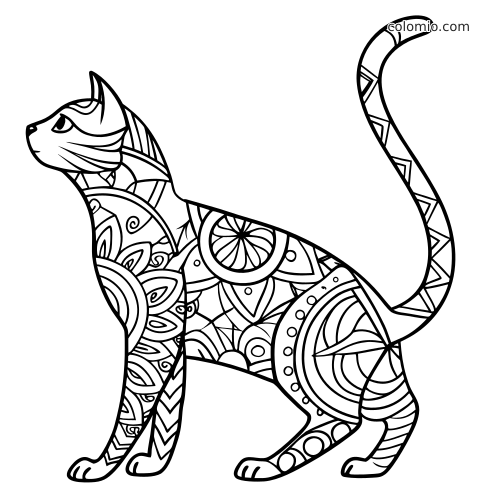
Side view zentangle cat – colored in by the community
-
by Ania
8 Likes
-
4 Likes
-
2 Likes

Detailed wrinkled Sphynx cat – colored in by the community
-
4 Likes
-
4 Likes



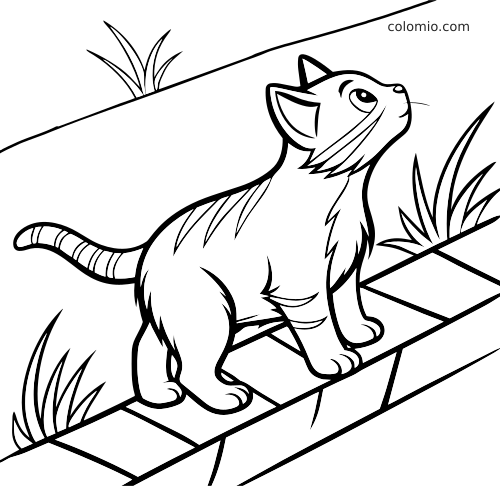

Simple sitting polydactyl cat – colored in by the community
-
3 Likes
-
by Katze
0 Likes

Front view Persian cat – colored in by the community
-
by kat
25 Likes
-
3 Likes
-
1 Likes

Side view Persian cat – colored in by the community
-
7 Likes
-
by luca
2 Likes

Kawaii cat sitting on a cloud – colored in by the community
-
2 Likes
-
by Katze
1 Likes
-
0 Likes
Whiskers, Fur, and Paws: Easy Coloring Tips for Your Cat Picture
Cats look simple at first, but their soft fur, tiny details, and smooth shapes make them extra fun to color. With a few careful steps, the cat can look fluffy, friendly, and real.
What to Pay Special Attention to When Coloring Cats
- Fur direction: Color in short, gentle strokes that follow the fur (often from head to tail and from the back down to the belly).
- Light and shadow: Leave small lighter areas on the forehead, cheeks, and back to make the cat look round instead of flat.
- Face details: Keep the nose small and neat, and try to color around the whisker dots carefully so they stay visible.
- Eyes: Cats’ eyes often look bright. Add a tiny uncolored spot (a “shine”) to make them look lively.
- Ears: The inside of the ears is usually lighter than the fur. Soft coloring here helps the ears stand out.
- Patterns: Stripes, spots, and patches should follow the body shape (curving around legs and tail) so they look natural.
- Paws and tail: Color edges slowly—these parts are small and can get messy if colored too fast.
Helpful hint: Start with light pressure first. It’s easier to make colors darker later than to fix a spot that became too dark.
Realistic Cat Colors (with Handy Color Swatches)
These colors are common in real cats. Use one main fur color, then add a slightly darker shade for shadows and a lighter shade for highlights.
| Cat Part | Realistic Color | Color Hint |
|---|---|---|
| Fur (black cat) | Charcoal Black | #1C1C1C |
| Fur (gray cat) | Cool Gray | #8E949A |
| Fur (white cat) | Soft White | #F5F5F2 |
| Fur (orange/ginger cat) | Warm Ginger | #D98B2B |
| Fur (brown tabby) | Tabby Brown | #8B6B4F |
| Fur (cream cat) | Cream | #E8D7B6 |
| Fur (shadows) | Deep Gray-Brown | #5C5147 |
| Fur (highlights) | Pale Warm Gray | #D9D4CC |
| Nose | Soft Pink | #E7A3A3 |
| Inner ears | Light Pink | #F2C2C2 |
| Eyes (green) | Leaf Green | #5FAE4E |
| Eyes (gold/amber) | Amber Gold | #D4A22A |
| Eyes (blue) | Soft Blue | #6FA8DC |
| Pupils | Deep Black | #000000 |
| Whiskers | Off-White | #EFEFE8 |
| Collar (if shown) | Dark Red | #8B2E2E |
Simple Steps for a Neat, Realistic Cat
- Color the fur lightly first, staying inside the outline.
- Add a darker shade under the chin, along the belly, and where legs meet the body.
- Color the eyes carefully and leave a tiny white shine spot.
- Finish with small details: nose, inner ears, and gentle whisker dots.
Quick check: When the cat’s face is clean and the eyes are bright, the whole picture looks more realistic right away.

Cute kawaii cat with big eyes – colored in by the community
-
7 Likes
-
by Ania
2 Likes

Fluffy cat with Christmas hat – colored in by the community
-
3 Likes
-
by Chiara
0 Likes

Detailed cat holding a fish bone – colored in by the community
-
4 Likes

Simple cat in a Christmas hat – colored in by the community
-
3 Likes
-
by Katze
0 Likes
-
by elli
0 Likes
Scissors, Glue, Meow! Easy Cats Crafts to Try
Make a Purr-fect Cat Mask
✂️ You need: finished cat coloring page, scissors, cardstock or a paper plate, glue stick, crayons/markers, hole punch, string or elastic, cotton balls (optional)
- Color the cat face and cut it out.
- Glue it onto cardstock or a paper plate to make it sturdy.
- Cut out eye holes and add cotton-ball “fur” if you like.
- Punch a hole on each side and tie on string or elastic.
💡 Supports: fine motor skills, creativity, pretend play
Pop-Up Cat Tail Surprise
✂️ You need: finished cat coloring page, cardstock, glue stick, scissors, strip of paper, tape (optional), crayons/markers
- Glue your colored cat onto cardstock.
- Cut a long paper strip and curl it around a pencil.
- Fold one end of the strip and glue it behind the cat as a tail.
- Bend the tail outward so it pops up in 3D.
💡 Supports: spatial thinking, hand-eye coordination, creative design
Classroom Cat Wall Gallery
✂️ You need: several cat coloring pages, crayons/markers, construction paper, glue sticks, safety scissors, yarn or ribbon, hole punch, tape
- Color the cats in different patterns and shades.
- Cut out each cat and glue it onto a bright paper “frame.”
- Punch a hole at the top of each frame.
- String the cats onto yarn and hang the garland on a wall.
💡 Supports: teamwork, scissor control, confidence through sharing

Simple kitten with scratching post – colored in by the community
-
5 Likes
-
by luca
0 Likes
-
0 Likes

Cute cat by scratching post and fish – colored in by the community
-
3 Likes
-
1 Likes

Side-view cat mother with kittens – colored in by the community
-
3 Likes

Mother cat with kittens on a blanket – colored in by the community
-
by Ania
3 Likes
-
1 Likes
-
by Katze
1 Likes
Did You Know? 5 Whisker-Twitchy Facts About Cats
Whiskers Are Built-In Feelers
Cat whiskers help them “measure” spaces and sense tiny air movements, kind of like a super-sensitive guide for sneaking around. Wikipedia
Purrs Can Mean Many Things
Cats often purr when they feel safe and happy, but they can also purr when they’re nervous or want comfort—like a cozy little engine sound. Scientific American
Cat Ears Can Swivel Fast
A cat can turn its ears to help find where a sound is coming from—great for hearing a toy jingle or a tiny rustle nearby. Wikipedia
Cats Came to America Long Ago
When ships traveled to North America centuries ago, cats often came along to help catch mice and protect food supplies on board. Library of Congress
Some Cats Have Extra Toes!
In the United States, especially around old seaport towns, you might hear about “polydactyl” cats—cats born with extra toes that look like fuzzy mittens. Wikipedia

Cute cat and dog front view – colored in by the community
-
4 Likes
-
by aino
3 Likes

Cartoon cat and dog looking up – colored in by the community
-
by Manon
3 Likes

Simple cat and dog sitting together – colored in by the community
-
4 Likes

Detailed British Shorthair cat – colored in by the community
-
1 Likes

Simple British Shorthair cat – colored in by the community
-
2 Likes
-
by Katze
0 Likes

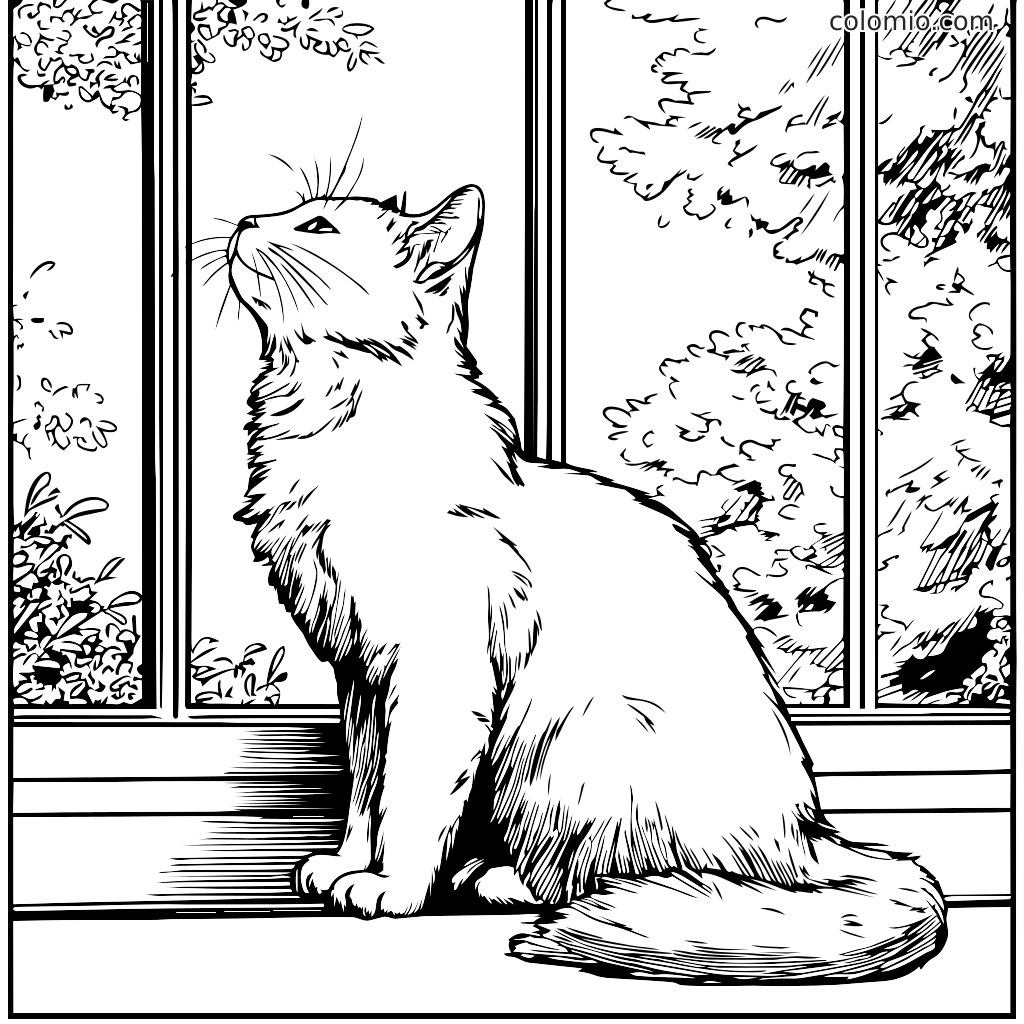
Sitting cat looking up in side view – colored in by the community
-
8 Likes

Detailed Bengal cat looking up – colored in by the community
-
2 Likes
-
by wolfgang
2 Likes

Simple standing Bengal cat – colored in by the community
-
2 Likes

Simple Halloween cat with pumpkin – colored in by the community
-
6 Likes

Cat chasing a mouse – colored in by the community
-
by Isabelle_Leite
4 Likes
-
4 Likes
-
by luca
1 Likes

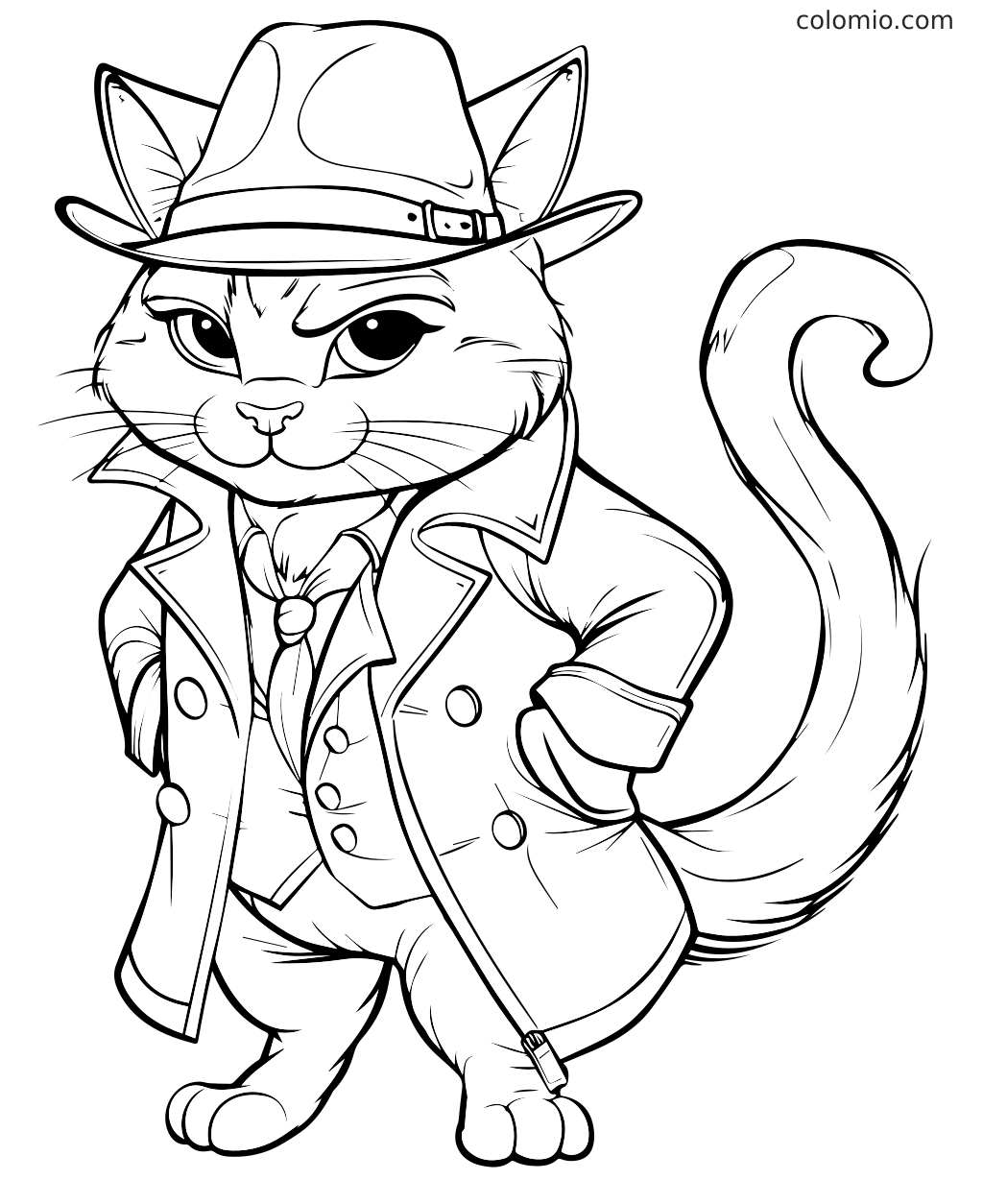


Why Kids Love These Cats Coloring Pages
- Coloring cat outlines helps children develop fine motor skills and color recognition as they practice staying inside the lines.
- Teachers and parents can use the pages for quick, low-prep activities during circle time, transitions, or themed animal lessons.
- Working on a cat picture supports vocabulary and storytelling when kids describe fur patterns, emotions, and names for their characters.
- As a screen-free activity, these printable pages provide calm, focused time and can be paired with songs or read-alouds about cats.
Creative Ideas & Activities
- Turn a colored cat page into a mask by cutting out eye holes, attaching a craft stick or string, and decorating with yarn whiskers for pretend play.
- Create a short storybook: fold several colored cat pages, staple them, and have children write one sentence per page to build storytelling skills.
- Use cat pictures for a counting game by asking kids to count stripes or spots, then write simple addition problems based on their observations.
- Make a classroom bulletin board called “Our Cats” where each student colors a cat, adds a name and one describing word, and displays them together.
- Do a textured collage: color a cat, then glue pieces of felt, tissue paper, or cotton to parts of the image to explore textures and fine motor control.
- Teach color mixing by having children paint cats with primary colors, then blend paints to match tabby, calico, or tuxedo patterns.
- Turn a colored cat into a puppet by gluing the page to cardstock, cutting it out, and attaching a popsicle stick for storytelling and role-play.
- Use cat pages as part of a reward chart: each colored cat earns a sticker or star toward a class goal or personal milestone.
Frequently Asked Questions
Are the coloring pages free to download and print?
Yes, all coloring pages on this page are free to download and print. You can save them to your device and print as many copies as you need for home or school use.
In what file formats can I download the coloring pages, such as PDF or JPG?
The pages are available in common formats like PDF and JPG for easy printing. PDFs keep the layout consistent for multi-page sheets, while JPGs are convenient for single-image prints.
What age range are these cat coloring pages suitable for?
These pages suit a wide range of ages from toddlers and preschoolers to early elementary students, with simpler designs for younger children and more detailed cats for older kids. Adults or teachers can adapt activities to each child’s skill level.
Can I use these coloring pages in my classroom or kindergarten, or are they only for personal use?
Yes, you can use the coloring pages for free at school and in kindergarten, and classroom use is allowed. They’re also suitable for daycare, after-school programs, and homeschooling activities.
How can I get the best coloring results with different papers, crayons, and markers?
For crayons and colored pencils, standard printer paper or light cardstock works well, while markers perform best on heavier paper or cardstock to reduce bleed-through. Encourage light layers, test markers on a scrap first, and offer sharpened pencils and a flat surface for neater details.