
A farm coloring page can be a small window into the bustling, muddy, and musical world of barns, tractors, and animals. These coloring pages are simple, single-sheet illustrations that invite children to choose colors, practice staying inside the lines, and imagine stories about life on the farm. Each scene focuses on familiar elements—cows, chickens, fields, fences, and farm vehicles—so kids immediately connect what they see with real places they might visit or read about. Whether a child knows farms from picture books or a weekend visit, the art provides a gentle, approachable way to explore that setting.
These coloring pages work well for toddlers, preschoolers, and older kids alike because designs can range from chunky, simple shapes to more detailed scenes that challenge fine motor skills. Use them at home, in the classroom, for homeschool lessons, on road trips, or as quiet-time activities after school. Beyond being calming and fun, farm-themed coloring promotes creativity, hand-eye coordination, color recognition, vocabulary building, and storytelling. It’s a relaxed, screen-free way to encourage focus and confidence while children learn about animals, seasons, and chores in farm life.

Cartoon turkey in grass – colored in by the community
-
by Manon
10 Likes


Tractor in a farm field – colored in by the community
-
by daan
1 Likes
-
0 Likes


cartoon cow with a bell – colored in by the community
-
0 Likes

Farm animals in a sunny field – colored in by the community
-
by user-do5vxr
11 Likes

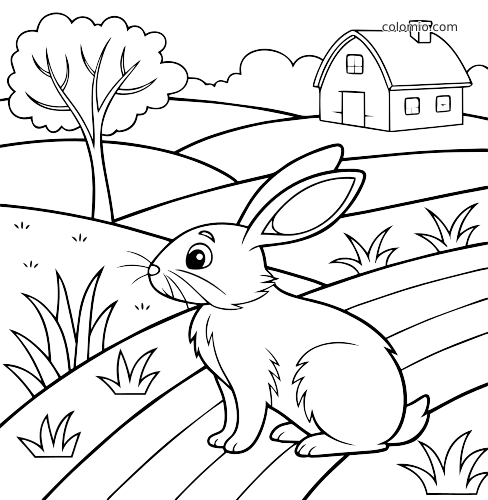
Cute rabbit in farm fields – colored in by the community
-
7 Likes
-
4 Likes

Farmer feeding chicks on the farm – colored in by the community
-
by luca
9 Likes

Farm kid feeding ducks by a fence – colored in by the community
-
by sasi
17 Likes

Bring the Busy Farm to Life: Simple Coloring Tips for a Realistic Scene
A farm picture often has many parts—animals, buildings, fields, and tools. To make it look neat and real, children can slow down and notice tiny details like lines on wood, soft fur, and the different shapes of crops. Coloring with care helps every part of the farm stand out clearly.
Quick Hint: Start with the biggest areas (sky, fields, barn), then finish with smaller parts (windows, fences, animal faces). This keeps the page clean and easier to manage.
What to Pay Special Attention to on a Farm Coloring Page
- Animal fur and feathers: Use short strokes for furry animals (sheep, cows, horses). For chickens or ducks, smoother strokes can look more like feathers.
- Wood texture: Barn walls, fence posts, and crates often look best with light-and-dark lines to show wood grain.
- Brick and roof patterns: If the barn has bricks or roof tiles, keep the pattern even. Coloring each brick or tile lightly can help it look tidy.
- Fields and crops: Grass can be colored in more than one green (light and medium) to look natural. Crop rows look clearer when children color in the same direction.
- Metal tools and tractors: Leave small white highlights (tiny uncolored spots) to make metal look shiny.
- Windows and shadows: Windows can be pale blue or light gray, and a soft shadow under animals or buildings helps them look like they are standing on the ground.
Realistic Farm Colors (Easy Guide)
These colors match common, real-life farm scenes. Children can use them to keep the picture looking natural and familiar.
| Farm Part | Realistic Color Suggestions |
|---|---|
| Barn (painted wood) | Barn Red (#C62828), White Trim (#FFFFFF) |
| Barn (wood, unpainted) | Light Brown (#A47551), Dark Brown (#6D4C41) |
| Roof (metal) | Silver Gray (#B0BEC5), Steel Gray (#78909C) |
| Fence posts | Warm Brown (#8D6E63), Painted White (#F5F5F5) |
| Sky | Light Blue (#90CAF9), Very Pale Blue (#E3F2FD) |
| Grass / pasture | Fresh Green (#66BB6A), Deep Green (#2E7D32) |
| Soil / dirt path | Earth Brown (#8D6E63), Dusty Brown (#A1887F) |
| Hay / straw | Straw Yellow (#F9E27D), Golden Yellow (#E0B84C) |
| Cow (common) | White (#FFFFFF), Black Spots (#212121) |
| Cow (brown) | Chestnut Brown (#8D4B39), Cream/White (#F5F5F5) |
| Horse | Dark Brown (#6D4C41), Light Brown (#A1887F), Black Mane/Tail (#212121) |
| Sheep | Wool White (#FAFAFA), Soft Gray Shadows (#BDBDBD) |
| Pig | Light Pink (#F8BBD0), Rosy Pink (#F48FB1) |
| Chicken | Cream (#FFFDE7), Golden Yellow (#FBC02D), Red Comb (#D32F2F) |
| Ducks | Pale Yellow (#FFF59D), Orange Beak/Feet (#FFA000) |
| Tractor (classic) | Farm Green (#2E7D32), Tire Black (#212121), Metal Gray (#B0BEC5) |
| Water trough / bucket | Cool Gray (#90A4AE), Light Gray Highlight (#CFD8DC) |
Small Steps That Make the Farm Look Real
- Keep outlines clean by coloring from the edge inward, especially around fences and animal faces.
- Use lighter pressure first, then add a second layer for shadows under roofs, behind posts, and beneath animals.
- Repeat the same colors in different places (for example: the same browns in the fence, barn door, and soil) so the whole farm scene feels connected.

Farm cat in side view – colored in by the community
-
by femke
1 Likes


Farm at night under moonlight – colored in by the community
-
by Chiara
5 Likes

Scissors, Glue, Go! Farm Crafts That Pop
Make a Pop-Up Barn Scene
✂️ You need: colored farm coloring page, cardstock, scissors, glue stick, crayons/markers, small scraps of colored paper
- Color the farm picture and cut out the barn and a few animals.
- Fold a piece of cardstock in half to make a card.
- Glue the barn to the back and the animals to the front for a pop-up look.
💡 Supports: fine motor skills, creativity, storytelling
Cotton-Ball Sheep and Fluffy Clouds
✂️ You need: cotton balls, glue, colored farm coloring page, crayons/markers, child-safe scissors (optional)
- Color the sheep and the sky on the farm page.
- Pull cotton balls into small fluffy pieces.
- Glue the cotton onto the sheep’s body and add extra cotton clouds in the sky.
💡 Supports: sensory play, hand strength, careful gluing
Classroom Farm Wall Collage
✂️ You need: several farm coloring pages, a large poster paper sheet, glue sticks, crayons/markers, safety scissors, yarn or green paper strips
- Color and cut out animals, barns, tractors, and fences from the pages.
- Glue the pieces onto the big poster to build one shared farm.
- Add yarn paths or green paper grass to connect the whole scene.
💡 Supports: teamwork, planning, spatial thinking

Detailed duck and goose duo – colored in by the community
-
0 Likes

Simple duck and goose pair – colored in by the community
-
by tiago
5 Likes

Cute cartoon donkey smiling – colored in by the community
-
by sasi
4 Likes

Did You Know? 5 Surprising Facts About American Farms
Most U.S. farms are family-run
Even though farms can look huge, many are owned and cared for by families who work the land year after year. Wikipedia
Iowa grows a corn ocean
One state, Iowa, is famous for growing lots and lots of corn—so much that fields can look like a yellow-green sea in summer. National Geographic
Bees help farms make food
Many fruits, nuts, and veggies need pollinators like bees to help flowers turn into food, so farms often depend on buzzing helpers. U.S. Forest Service
Tractors are farm super-machines
A tractor can pull heavy tools, help plant seeds, and move big loads—like a strong robot friend for farmers (but it still needs a driver!). HowStuffWorks
Soil is alive under your feet
Good farm soil isn’t just dirt—it can be full of tiny living things that help plants grow, like little underground helpers. National Wildlife Federation


Farm mural with barn and rooster – colored in by the community
-
by femke
9 Likes


Rooster – colored in by the community
-
2 Likes
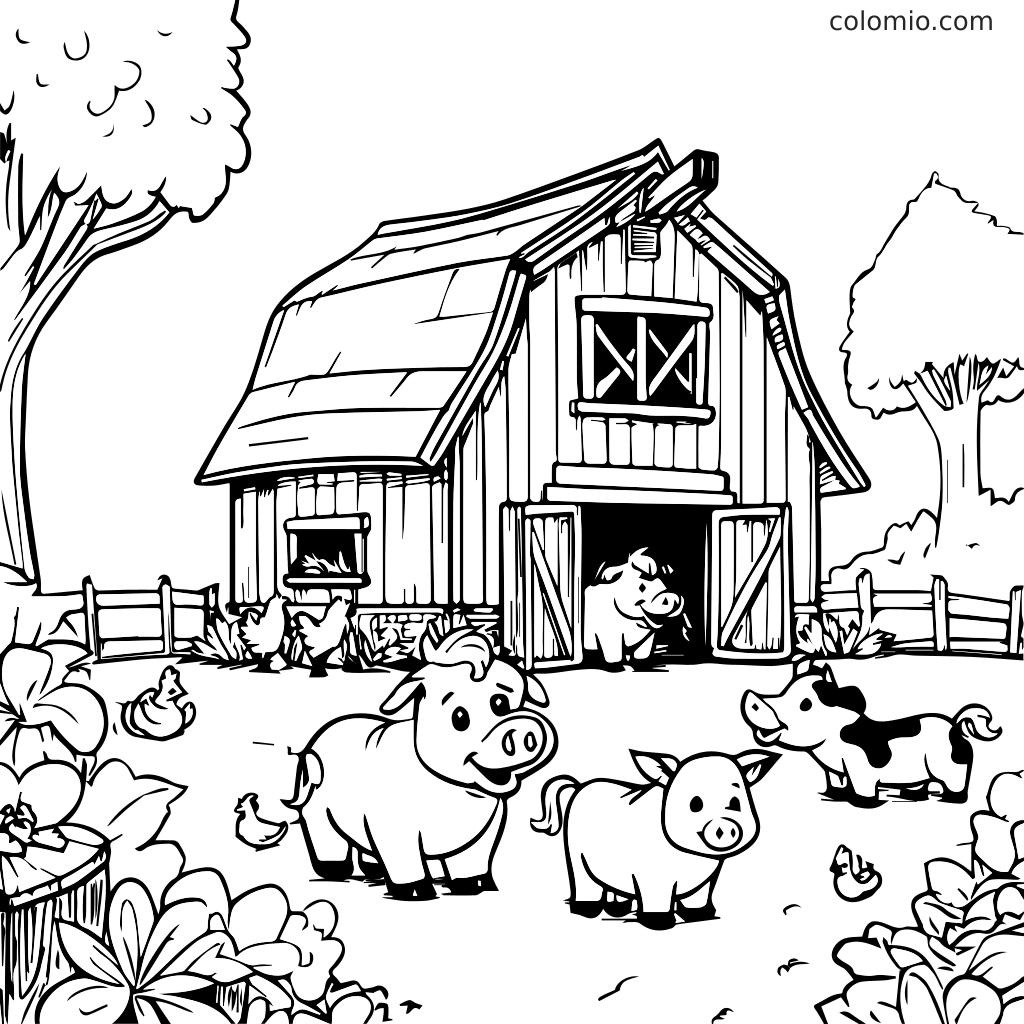
Funny farm animals – colored in by the community
-
3 Likes
-
0 Likes

Three cartoon farm animals – colored in by the community
-
0 Likes

Sheep in a meadow – colored in by the community
-
0 Likes

Hen in a nest – colored in by the community
-
2 Likes
-
1 Likes
-
0 Likes


Funny cow behind a fence – colored in by the community
-
3 Likes
-
1 Likes
-
1 Likes

Chick – colored in by the community
-
3 Likes
-
1 Likes
-
0 Likes


Pecking chicken – colored in by the community
-
3 Likes
-
2 Likes


Cow with little calf – colored in by the community
-
1 Likes

Big pig with acorns – colored in by the community
-
1 Likes
-
1 Likes
-
0 Likes

Sow with piglets – colored in by the community
-
2 Likes
-
1 Likes
-
0 Likes

Flock of sheep – colored in by the community
-
3 Likes

Funny goat with a view – colored in by the community
-
4 Likes
-
4 Likes

Cute goat with fawn – colored in by the community
-
1 Likes
-
0 Likes

Mountain goat – colored in by the community
-
1 Likes
-
0 Likes

Billy-goat – colored in by the community
-
2 Likes
-
1 Likes
-
0 Likes

Goat – colored in by the community
-
1 Likes
-
0 Likes


Chicken – colored in by the community
-
3 Likes

Rooster – colored in by the community
-
5 Likes
-
2 Likes
-
0 Likes

Hen – colored in by the community
-
1 Likes
-
0 Likes
-
0 Likes


Cute pig – colored in by the community
-
3 Likes

Sow with Piglet – colored in by the community
-
0 Likes
-
0 Likes

Smiling pig – colored in by the community
-
2 Likes

Pair of piglets – colored in by the community
-
3 Likes
-
0 Likes
-
0 Likes

Cows with bells – colored in by the community
-
1 Likes
-
0 Likes
-
0 Likes


Domestic cattle – colored in by the community
-
1 Likes
-
0 Likes

Cow with bell and horns – colored in by the community
-
2 Likes
-
0 Likes

Simple lamb – colored in by the community
-
2 Likes


Funny piglet – colored in by the community
-
1 Likes
-
0 Likes
-
0 Likes

Hen with three chicks – colored in by the community
-
0 Likes
-
0 Likes

Grazing cows – colored in by the community
-
1 Likes
-
0 Likes

Funny dreaming sheep – colored in by the community
-
2 Likes
-
0 Likes


Jumping goat – colored in by the community
-
1 Likes

Why Kids Love These Farm Coloring Pages
- They build fine motor skills and hand-eye coordination as children color farm animals, tractors, fences, and barns.
- Parents and teachers can use them as quick lesson supplements or independent activities to teach colors, animal names, and counting.
- These printable farm pages provide a portable, screen-free activity that keeps kids focused during quiet time, travel, or center rotations.
- Open-ended scenes spark creativity and storytelling, encouraging kids to invent their own farm characters and stories.
Creative Ideas & Activities
- Staple several farm coloring pages together to make a personalized farm storybook; kids can color each page and add sentences or captions to tell a sequential story.
- Create a farm matching game by printing two copies, coloring pairs differently, then cutting into cards for memory or matching animal to sound activities.
- Turn colored pages into craft collages by cutting out animals and buildings and arranging them on a large poster board to build a classroom farm mural.
- Use a page as a prompt for a sensory tray: after coloring, place small toy animals, cotton for sheep, and straw for a tactile farm scene to explore together.
- Make counting centers by numbering farm animals on a page and having children place counters or clothespins on each animal to practice math skills.
- Organize a farm-themed puppet show by coloring characters, attaching them to sticks, and having kids act out short stories in groups.
- Use coloring pages for a vocabulary scavenger hunt: ask children to color all the tractors blue or find and label five farm objects to build language skills.
- Adapt pages for a classroom assessment by asking students to follow multi-step coloring instructions (color the cow black, the barn red) to check listening and comprehension.
Frequently Asked Questions
Are the farm coloring pages free to download and print?
Yes, all coloring pages on this page are free to download and print. You can use them at home or in school without any charge.
What file formats are the coloring pages available in and how should I print them?
The pages are available in common printable formats such as PDF and JPG so they work with most home and school printers. For best results, open PDFs with a reader and choose “fit to page” or print at 100% scale; JPGs can be printed from any image viewer.
What ages are these farm coloring pages suitable for?
These pages are suitable for preschoolers through early elementary-aged children, typically ages 3–8, with simpler designs for younger kids and more detailed scenes for older children. You can adapt difficulty by giving toddlers broader crayons and older kids finer colored pencils or markers.
Can I use the coloring pages in my classroom or kindergarten?
Yes, classroom and kindergarten use is allowed and encouraged; the pages can be used freely in school settings. They work well for centers, take-home activities, and group projects.
How can I get the best coloring results with these farm pages?
Use heavier white paper (around 90–110 lb/160–200 gsm) for vibrant colors and to prevent marker bleed; crayons and colored pencils work well for most pages, while washable markers are great for bold color but may need thicker paper. Place a scrap sheet under the page when using markers, and encourage light layers of color and blending with colored pencils for smoother results.