Coloring pictures of wild forest animals: Bring nature home with you
 Author Mathias
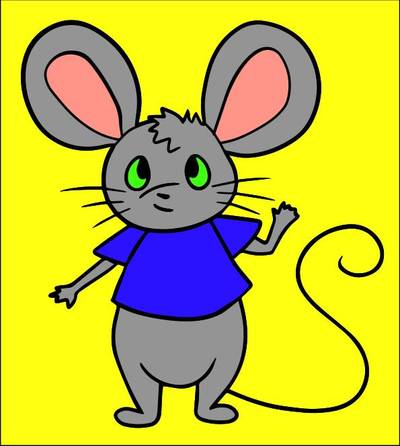
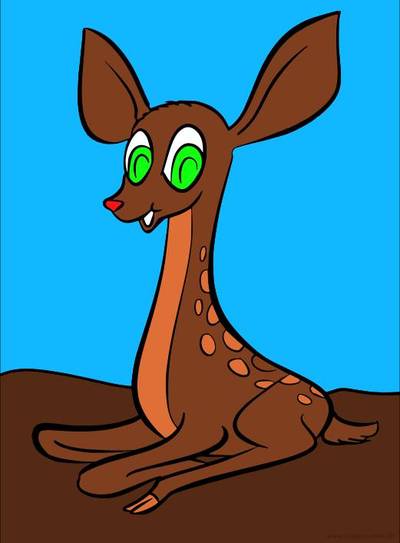
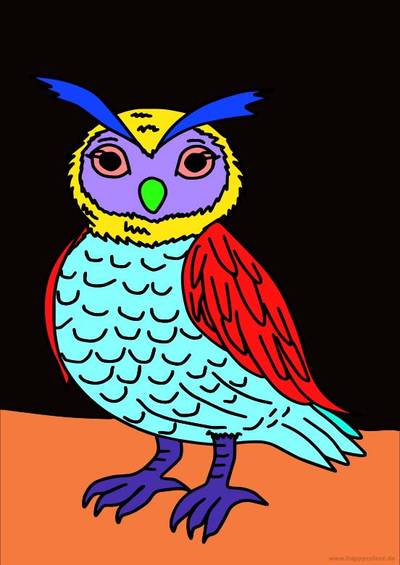
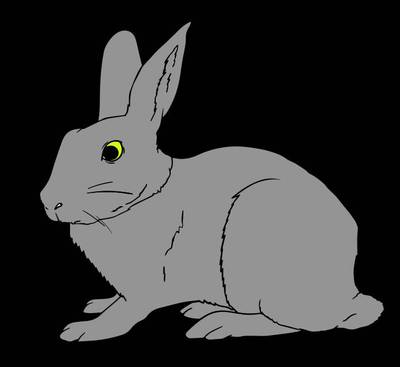
 This forest animals coloring page welcomes kids into a calm, imaginative corner of the woods. Each simple line drawing features friendly deer, foxes, owls, squirrels, and other forest animals drawn with clear shapes and open spaces so little hands can explore color without frustration. The coloring page is designed to be approachable for first-time scribblers while still offering enough detail to engage older children who enjoy shading and pattern work.
These coloring pages are suitable for toddlers, preschoolers, and older kids alike, and they work well at home, in the classroom, for homeschool lessons, on road trips, or during quiet time. Coloring a forest animal can teach color recognition, improve fine motor skills, and encourage storytelling as children invent names and habitats for each creature. Using several coloring pages together supports sequencing and following directions, while a single page can be a soothing, focused activity. Parents and teachers will find them to be gentle, creative tools that promote concentration, vocabulary about nature, and a sense of accomplishment—all in a warm, welcoming way that invites children to learn as they play.


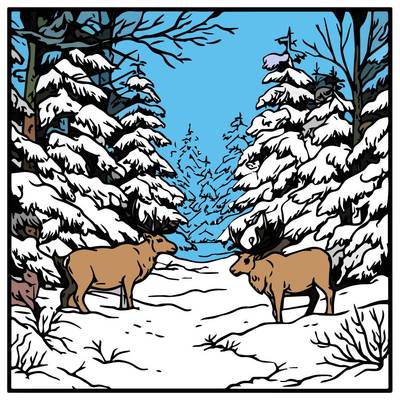
Reindeer in a snowy forest – colored in by the community
-
by luca
 5 Likes


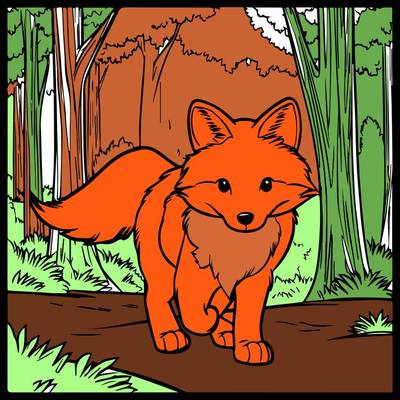
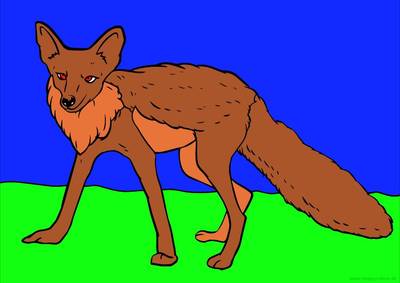
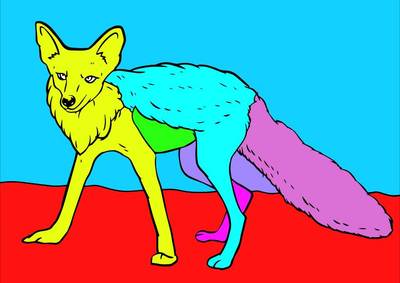
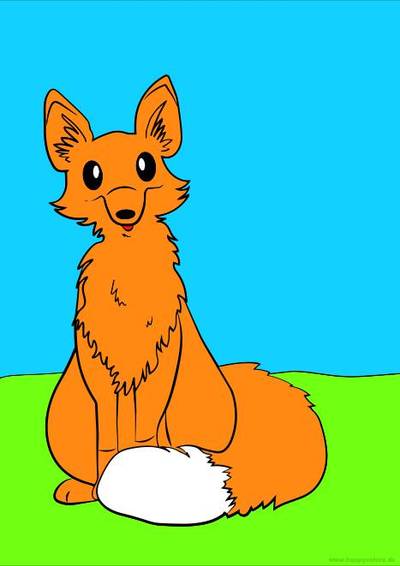
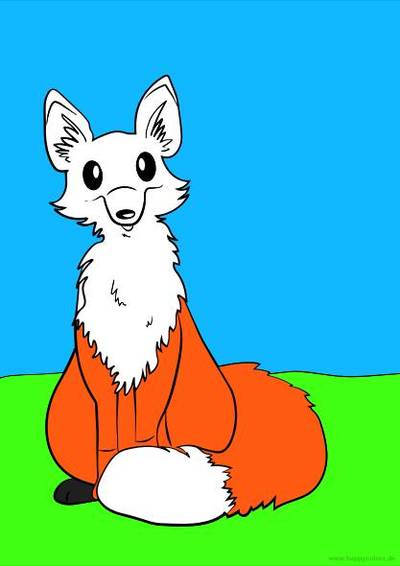
Fox in the forest – colored in by the community
-
 1 Likes

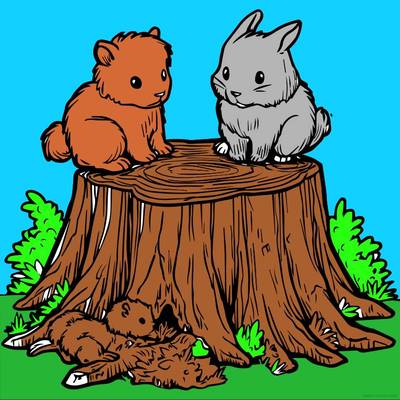
Animals on a stump – colored in by the community
-
 3 Likes

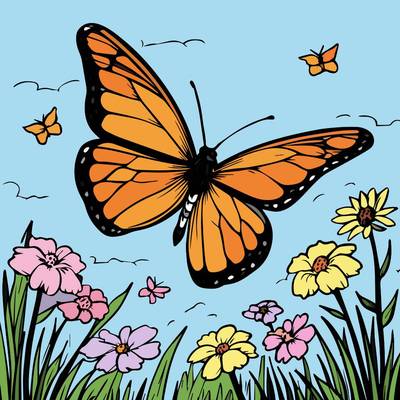


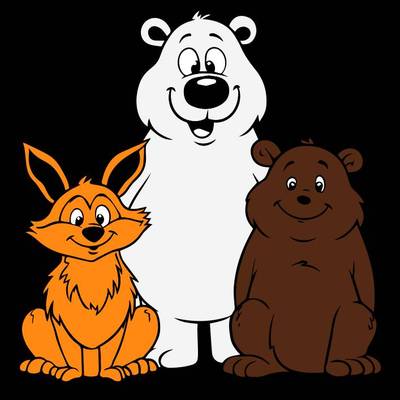
Cute forest animals – colored in by the community
-
 0 Likes

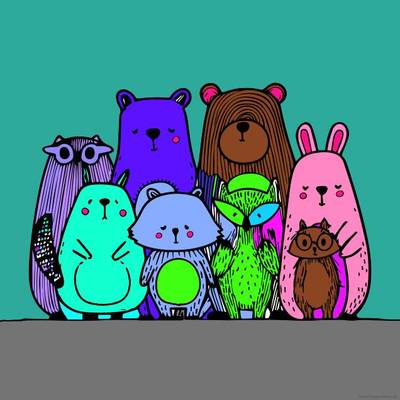
Cute animal friends – colored in by the community
-
 2 Likes

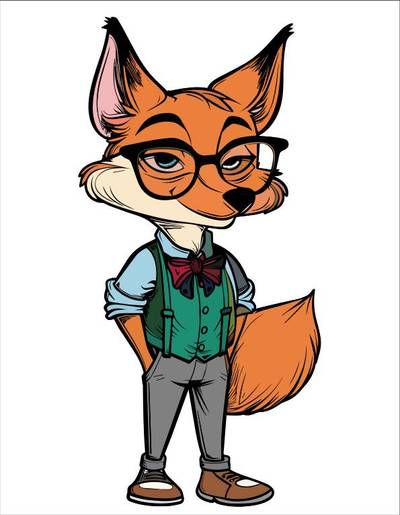
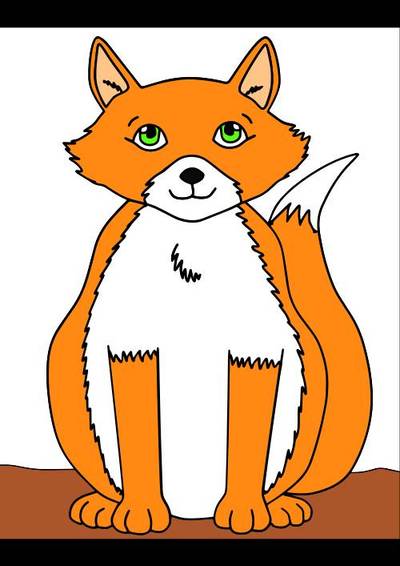
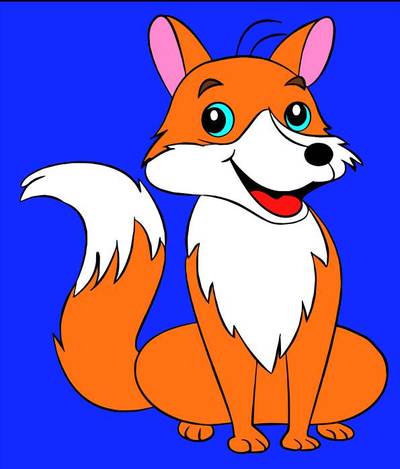
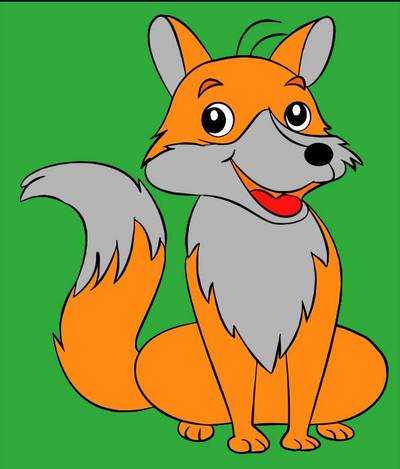
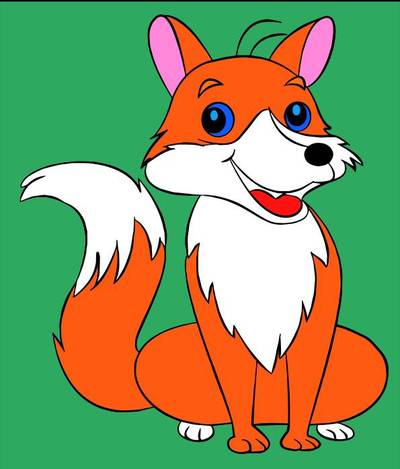
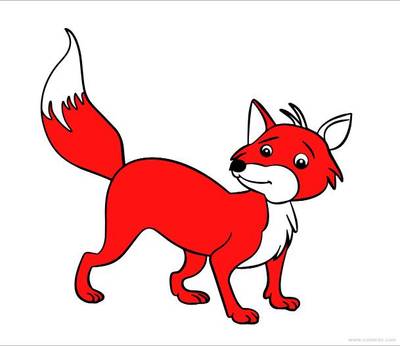
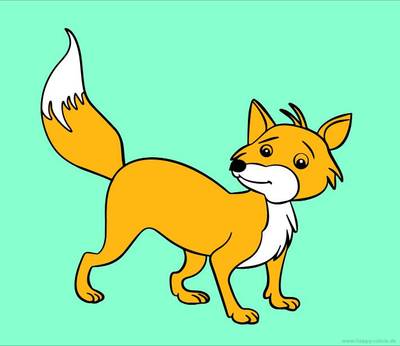
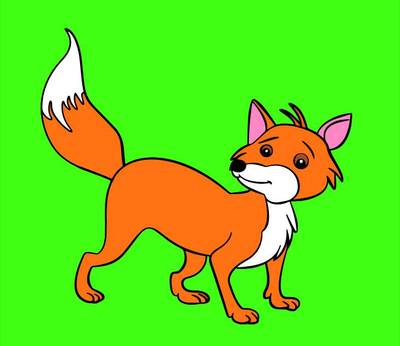
Smart Fox Cartoon Coloring Page – colored in by the community
-
by freja
 15 Likes
-
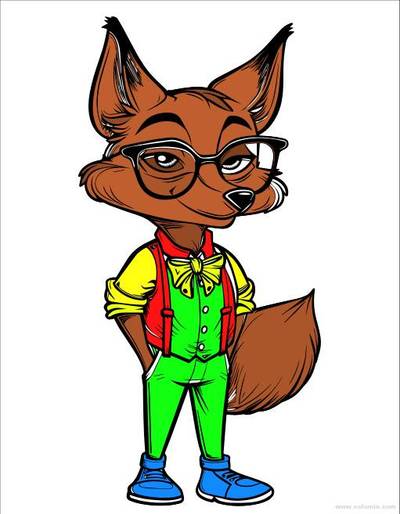 5 Likes
-
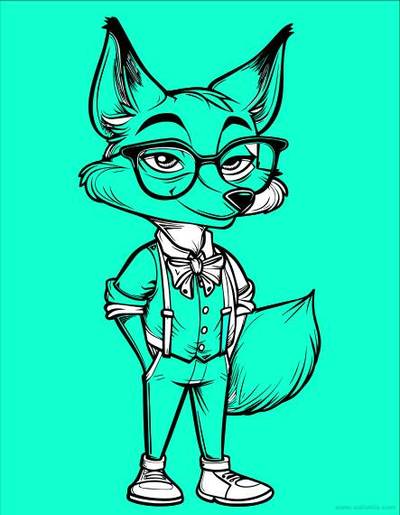 2 Likes

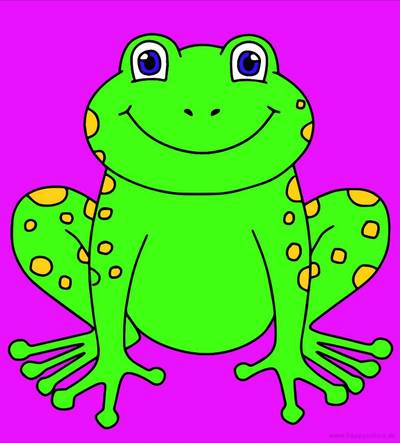
Bring Forest Animals to Life: Simple Coloring Tips for Woodland Friends
Forest animals often have soft fur, gentle color changes, and small details like whiskers, claws, and bright eyes. Careful coloring helps each animal look real and easy to recognize, even with simple crayons or colored pencils.
What to Notice While Coloring Forest Animals
- Fur direction: Color in short strokes that follow the body shape (along the back, around the belly, and down the legs).
- Light and shadow: Keep the top of the head and back a little lighter; add slightly darker color under the chin, belly, and tail.
- Face features: Leave tiny white spots for “shine” in the eyes; keep noses and whisker areas neat and clean.
- Patterns and markings: Watch for stripes, spots, or mask-like face markings (common on raccoons and some owls).
- Different textures: Feathers look best with smooth, even coloring; fur looks best with small strokes; antlers look best with gentle wood-like lines.
- Edges and outlines: Color carefully up to the line for a tidy look, especially on ears, paws, and tails.
Helpful hint: Use one main color first, then add a darker shade for shadows. This keeps the animal looking natural and not too busy.
Realistic Colors That Work Best (With Color Swatches)
These colors fit many common forest animals such as deer, foxes, rabbits, squirrels, raccoons, owls, hedgehogs, and bears. Use them to match fur, feathers, and natural forest details.
| Color & Swatch | Where It Fits Best |
|---|---|
| Warm Brown | Deer fur, squirrels, owl feathers, tree bark details |
| Dark Brown | Shadows in fur, bear fur, hooves, deeper feather areas |
| Light Beige | Deer belly, rabbit fur, lighter fur patches, soft highlights |
| Soft Gray | Raccoon fur, wolf-like shading, shadow areas, some owl patterns |
| Charcoal Gray | Raccoon mask stripes, nose shading, deep shadows, feather tips |
| Fox Orange | Fox coat, warm fur accents, autumn-toned animals |
| White | Rabbit tail, fox chest tip, eye highlights, snowy fur patches |
| Black | Eyes (tiny pupil dots), nose, claws, strong markings |
| Light Tan | Deer face, inner ears, soft fur transitions, young deer spots base |
| Taupe | Natural fur blending, hedgehog body, gentle shading on woodland animals |
| Chestnut | Fox legs, squirrel tail depth, bark-like details, antler shading |
| Forest Green | Leaves, bushes, background plants around the animals |
Small Details That Make a Big Difference
- Ears: Keep inner ears lighter (tan or light beige) than the outer fur.
- Noses: Use charcoal gray or black, then soften the edges with a tiny bit of light gray.
- Eyes: Color the eye dark, but leave a small white dot for a friendly, lively look.
- Tails: Add extra shading where the tail meets the body to show fluff and depth.
Neat finishing touch: After coloring, gently go over shadow areas one more time with the darker shade. This helps the forest animal stand out clearly from the page.

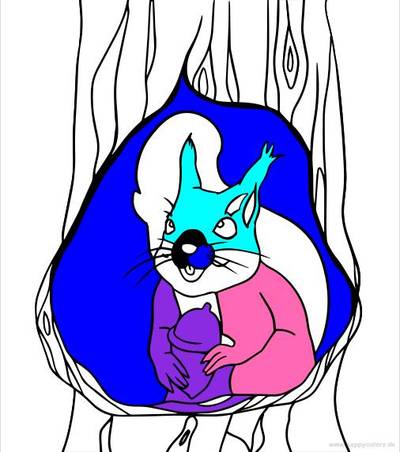
Squirrel in a tree – colored in by the community
-
 0 Likes

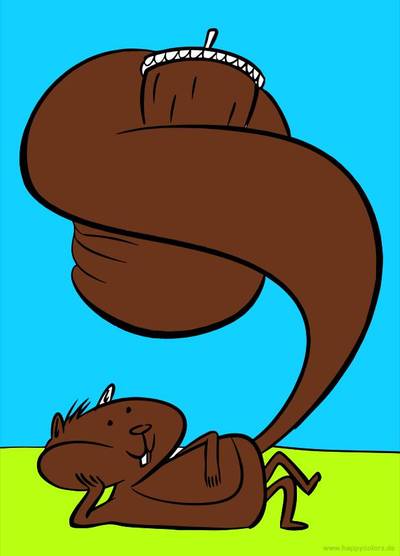
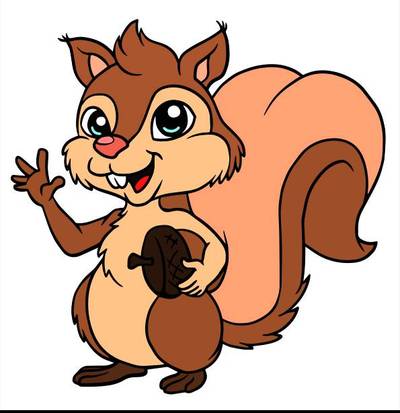
Cute squirrel with acorn – colored in by the community
-
 1 Likes

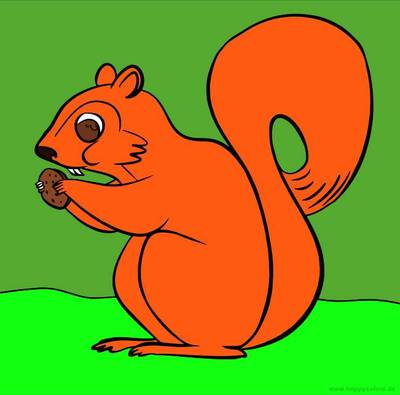
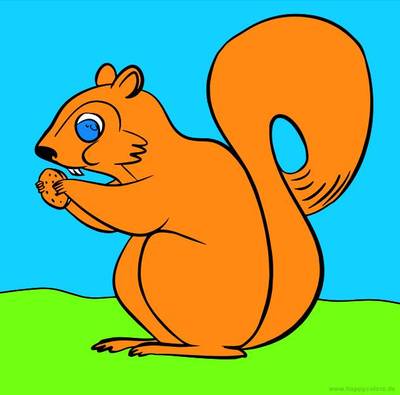
Squirrel nibbling nut – colored in by the community
-
by Katze
 3 Likes
-
 3 Likes
-
 0 Likes

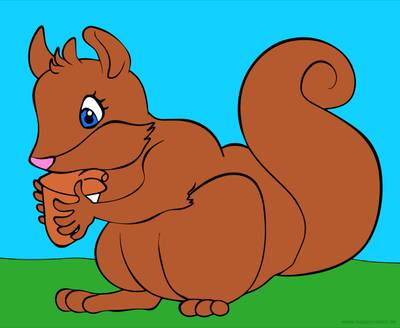
Squirrel with acorn – colored in by the community
-
 2 Likes
-
 0 Likes
Scissors, Glue, Go! Forest Animals Craft Adventures
Make a Pop-Up Forest Scene
✂️ You need: colored forest animals page, cardstock or construction paper, scissors, glue stick, crayons or markers
- Color the forest animals and cut them out.
- Fold a piece of cardstock in half to make a card.
- Cut two small slits in the fold and push the tab inward.
- Glue one animal onto the tab so it pops forward.
- Add trees, grass, and a sun with crayons or paper shapes.
💡 Supports: fine motor skills, creativity, spatial thinking
Toilet Roll Woodland Puppets
✂️ You need: colored forest animals page, empty toilet paper rolls, glue, scissors, tape (optional), crayons or markers
- Color and cut out one forest animal.
- Wrap the toilet roll with plain paper if you want a clean background.
- Glue the animal onto the front of the roll.
- Cut small ears, tails, or paws from leftover paper and attach them.
- Stand them up and act out a tiny forest story.
💡 Supports: hand strength, imagination, storytelling skills
Classroom Forest Wall Collage
✂️ You need: several colored forest animals pages, large paper or poster board, glue sticks, child-safe scissors, leaves or twigs (optional), markers
- Color and cut out lots of forest animals together.
- Place a big sheet of paper on a table for everyone to reach.
- Glue the animals onto the paper to build a forest group scene.
- Add trees, paths, and a river with markers or paper scraps.
- Glue on a few dry leaves or tiny twigs for texture if you have them.
💡 Supports: teamwork, planning, creative confidence

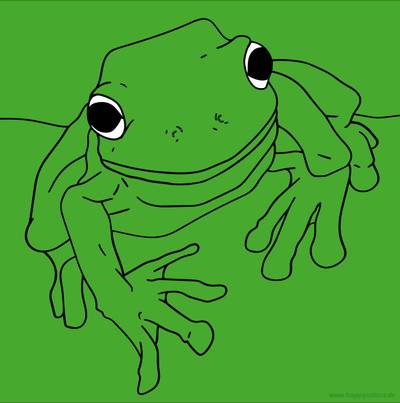
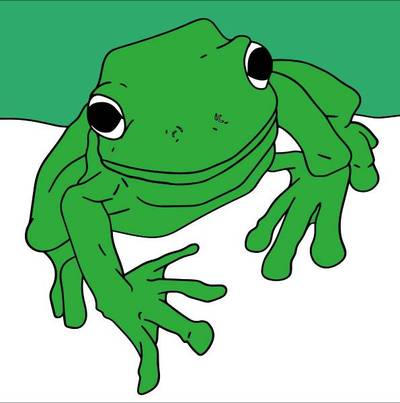



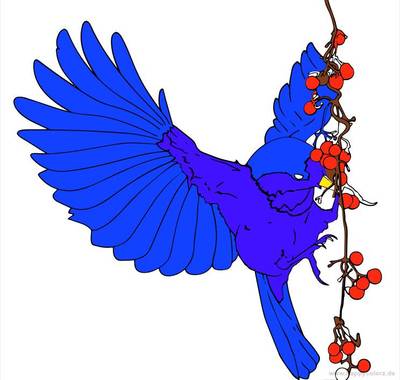
Bird eating berries – colored in by the community
-
 1 Likes

Did You Know? 5 Wild Secrets of Forest Animals
Owls Hear Mice Under Snow!
Some owls can listen for tiny footsteps and then swoop down to catch a mouse even when it’s hiding under a blanket of snow in North American forests. National Geographic Kids
Beavers Build Nature’s Dams
Beavers use sticks, mud, and rocks to make dams that slow water down and can create ponds—new homes for fish, frogs, birds, and more in places like the forests of the Pacific Northwest. U.S. Fish & Wildlife Service
Black Bears Smell Super Far
American black bears have amazing noses and can smell food from far away, which helps them find berries, nuts, and insects in forest parks across the United States. National Park Service
Deer Antlers Grow Like Magic
Male deer grow new antlers again and again—usually every year—and the antlers can start out covered in soft “velvet” that helps them grow. Smithsonian Magazine
Woodpeckers Wear Built-In Helmets
Woodpeckers peck trees to find insects and make nest holes, and their bodies are specially built to handle all that tapping—like having extra shock protection. U.S. Forest Service

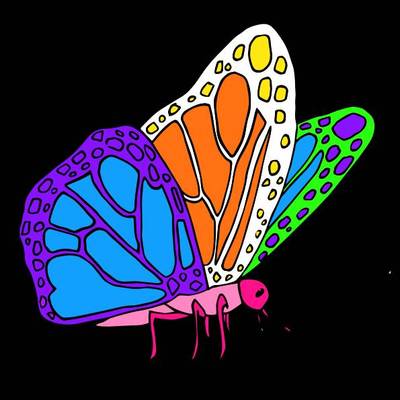
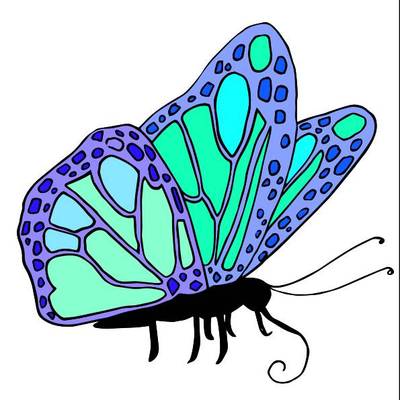
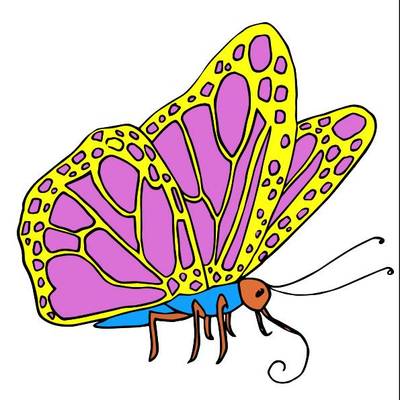
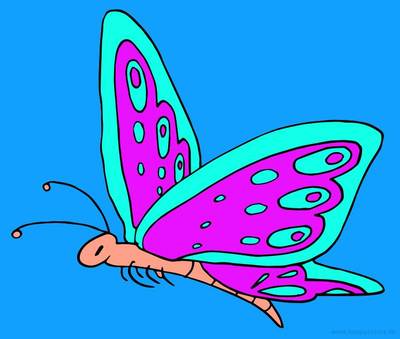
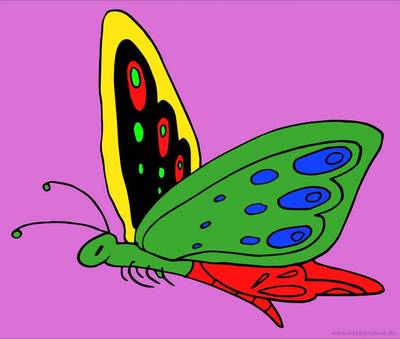
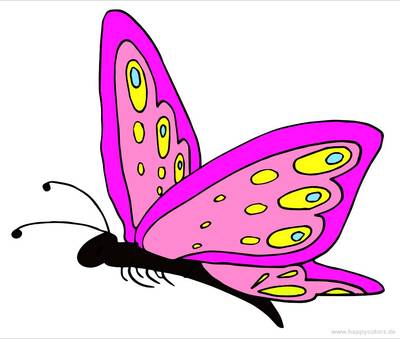
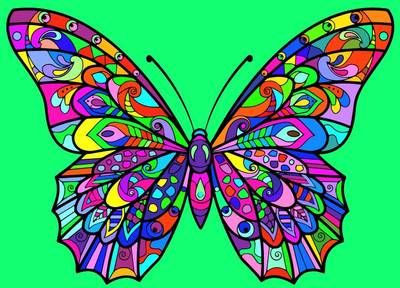
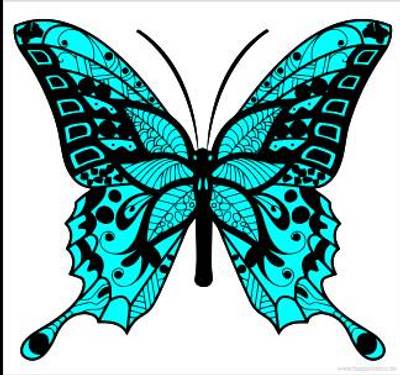
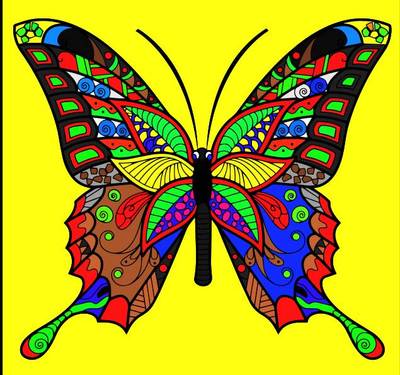
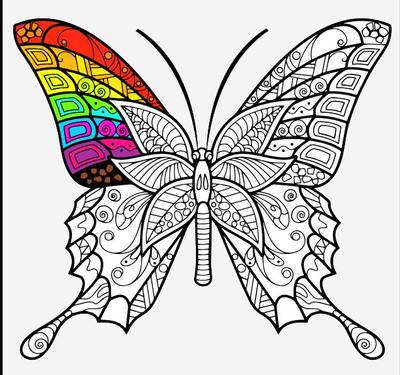
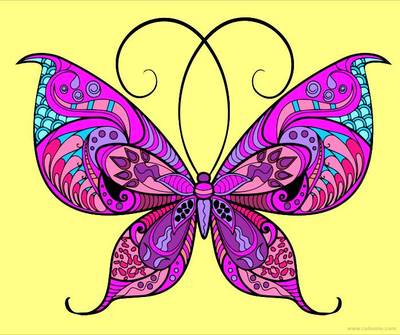
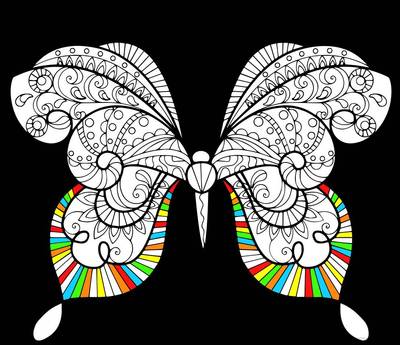
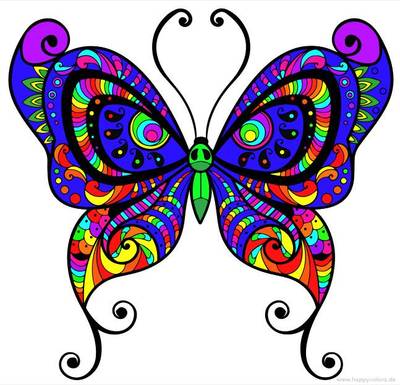
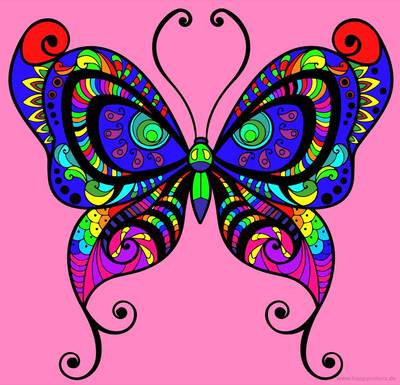
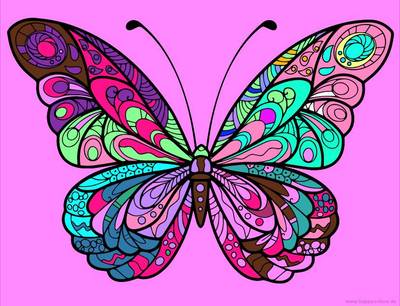
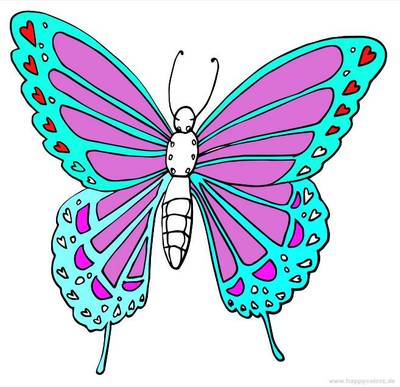
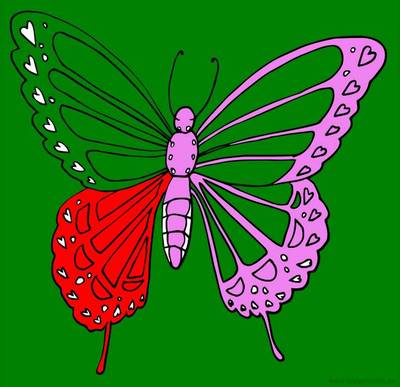
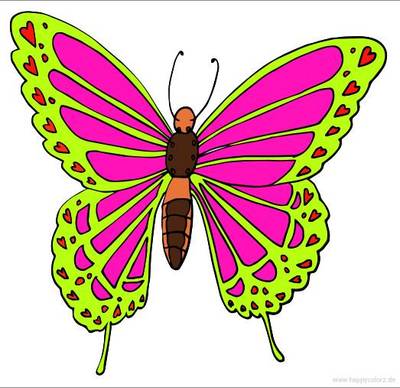
Funny butterfly – colored in by the community
-
 0 Likes
























Easy long-eared owl – colored in by the community
-
 2 Likes


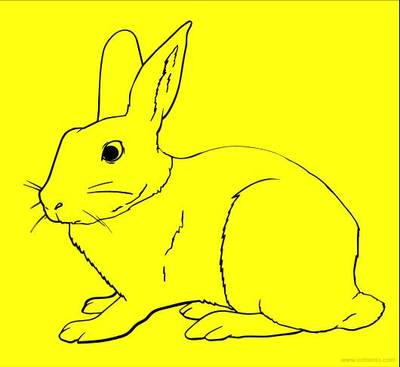

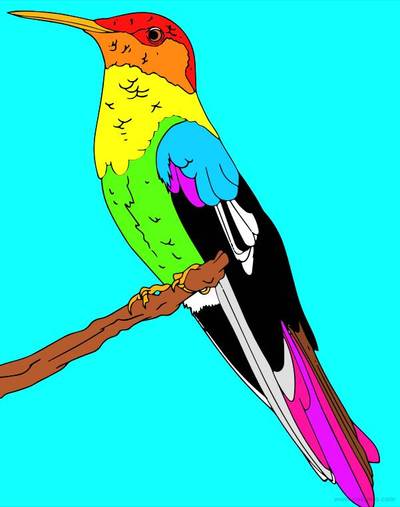
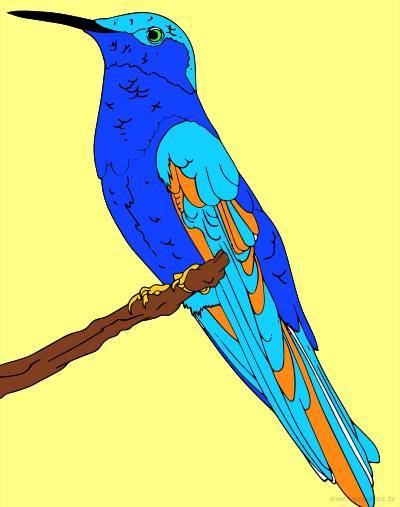
Hummingbird on tree trunk – colored in by the community
-
 4 Likes
-
 1 Likes




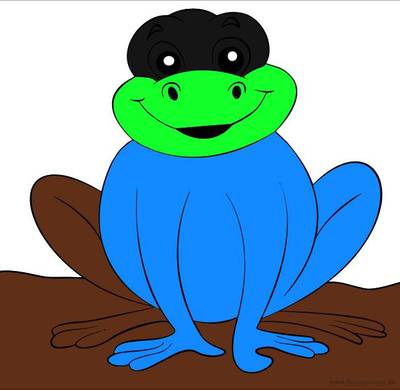
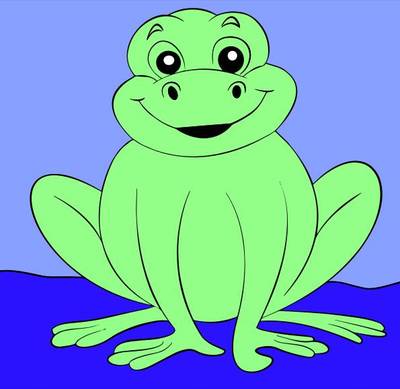

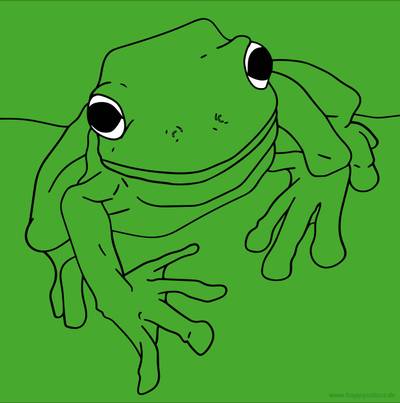
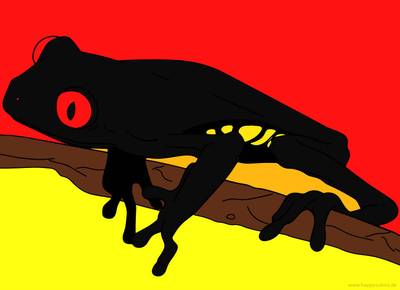
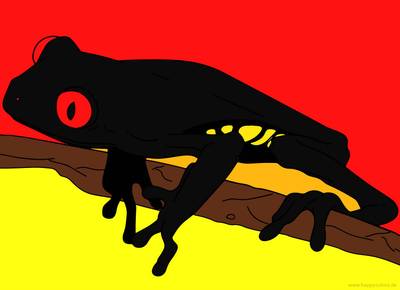
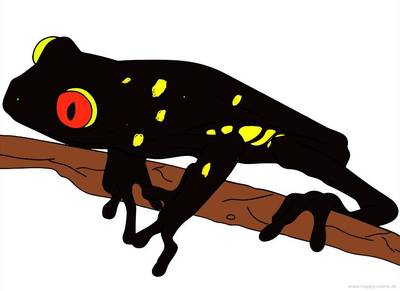
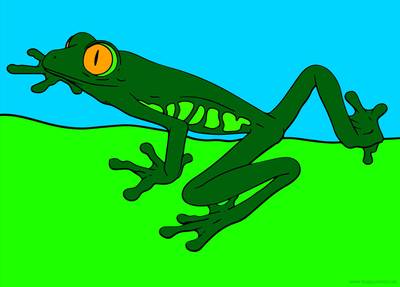
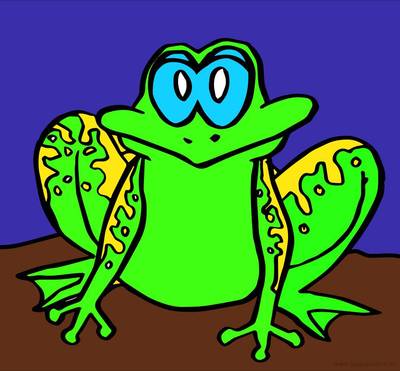
Red-eyed treefrog – colored in by the community
-
 1 Likes
-
 1 Likes
-
 0 Likes





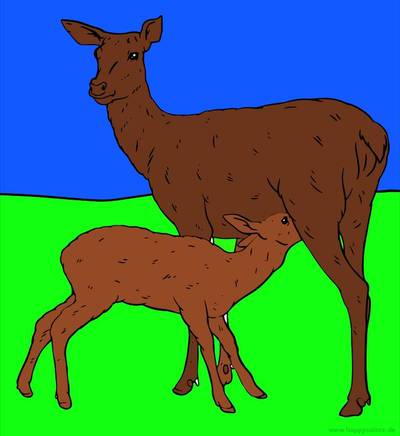
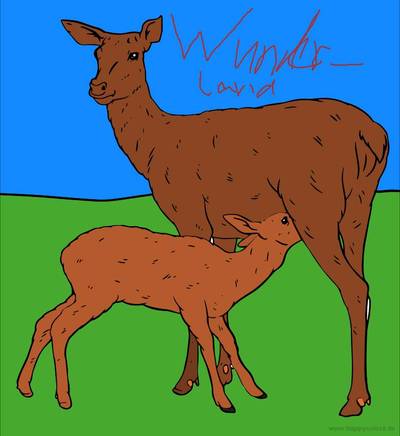
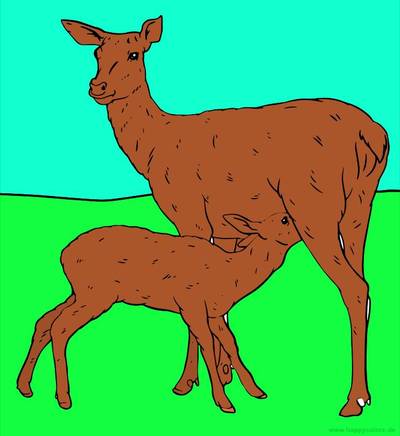
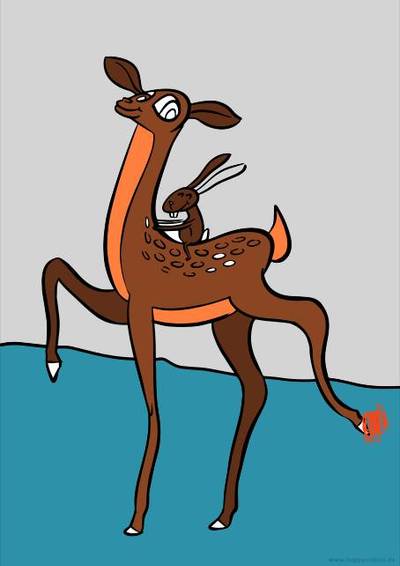
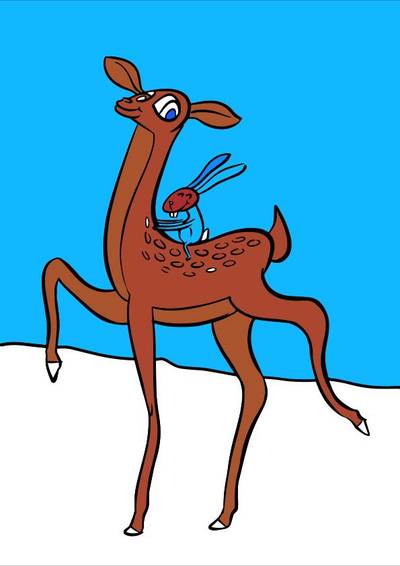
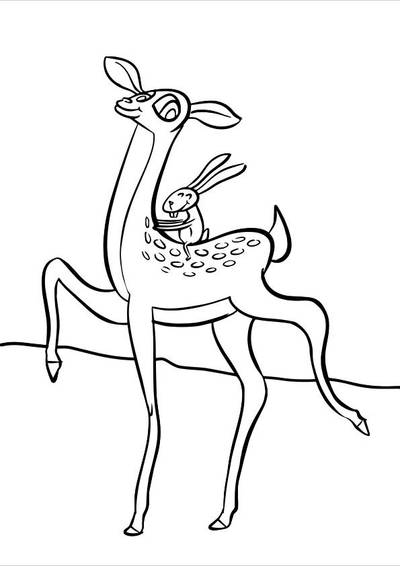
Funny deer with rabbit – colored in by the community
-
 3 Likes
-
 1 Likes
-
 0 Likes

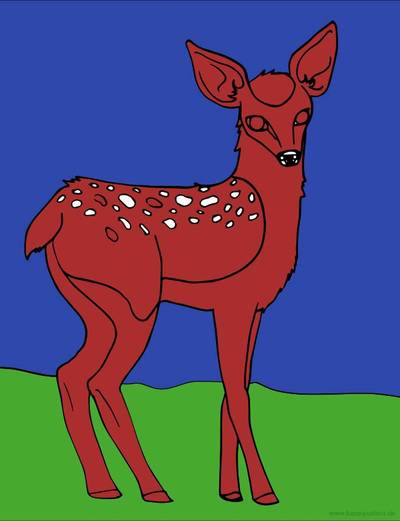
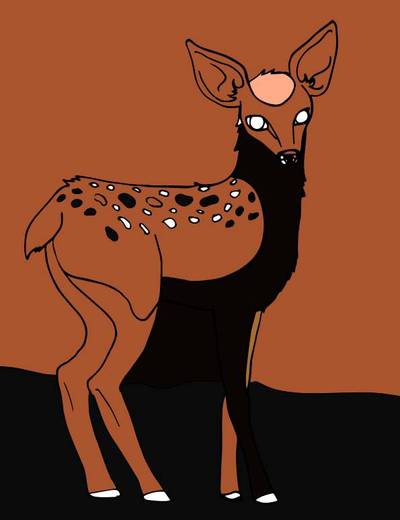
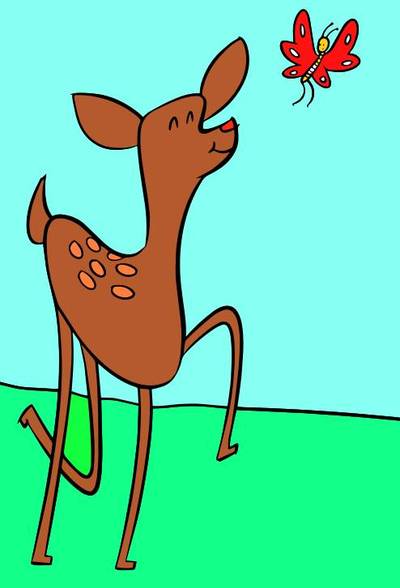
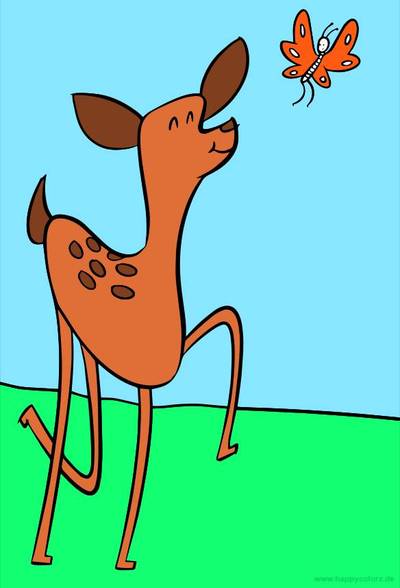
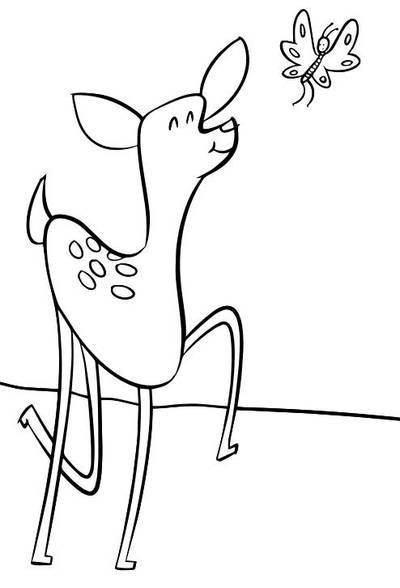
Fawn with butterfly – colored in by the community
-
 18 Likes
-
by Ania
 2 Likes
-
 0 Likes

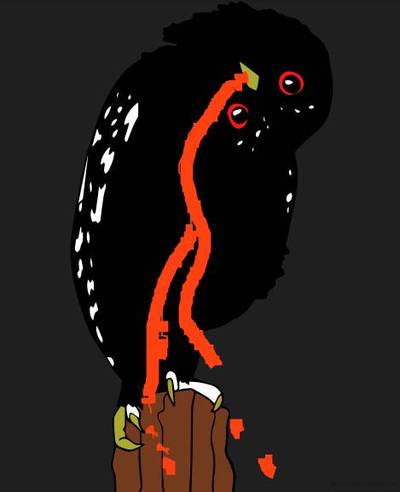
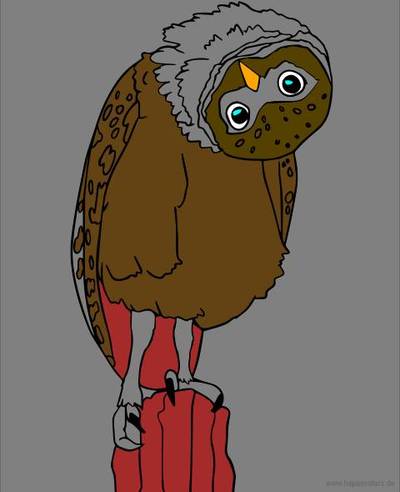
Owl with twisted head – colored in by the community
-
 2 Likes
-
 1 Likes

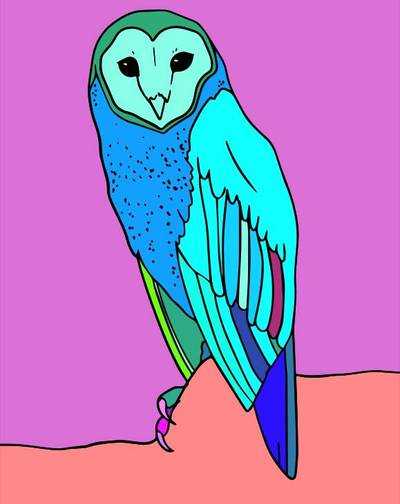
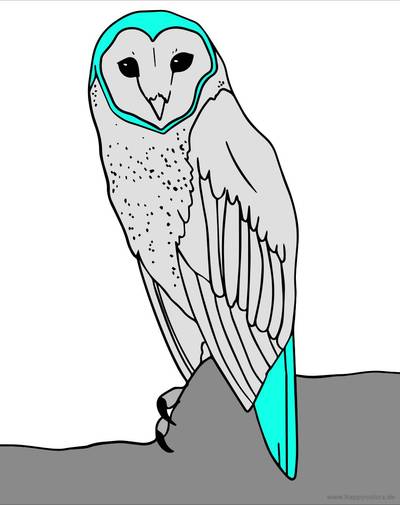
Simple barn owl – colored in by the community
-
 2 Likes
-
 1 Likes
-
 0 Likes

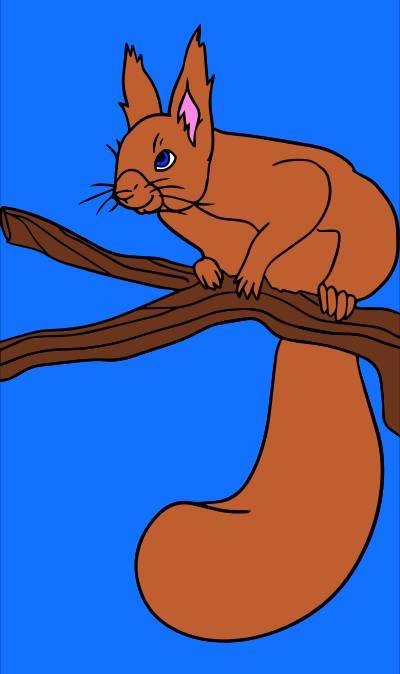
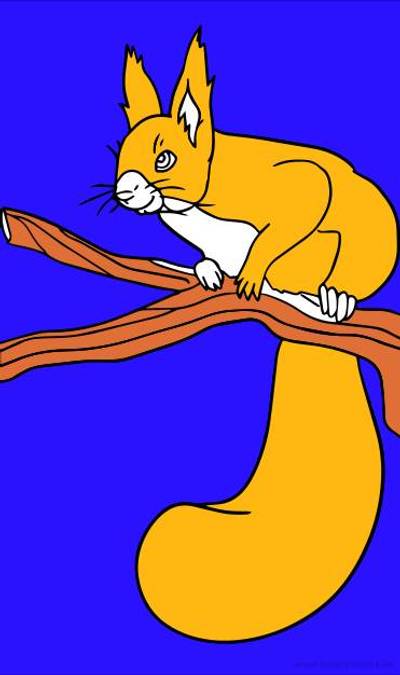
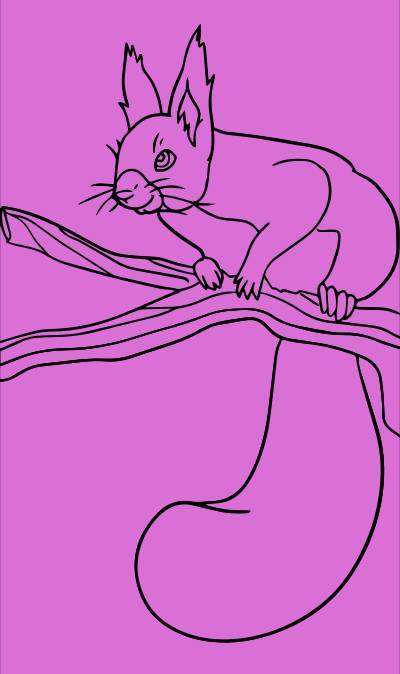

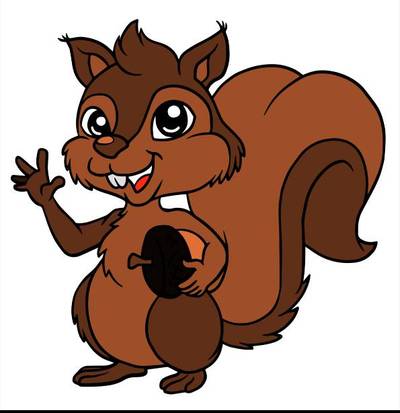
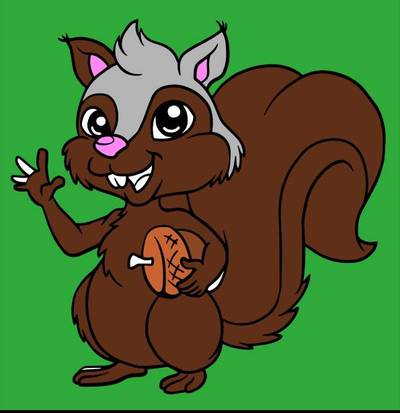
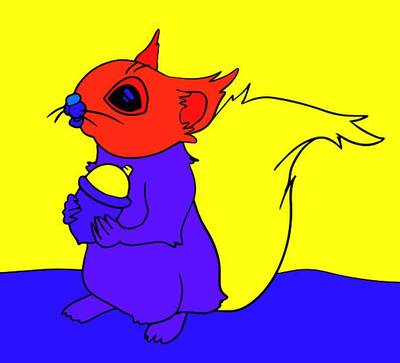
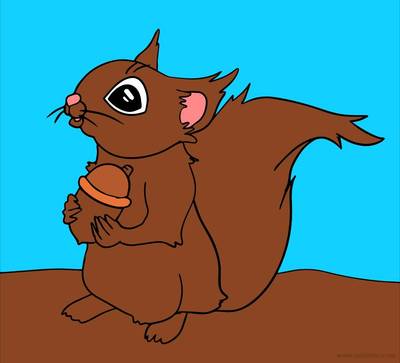
Cute squirrel – colored in by the community
-
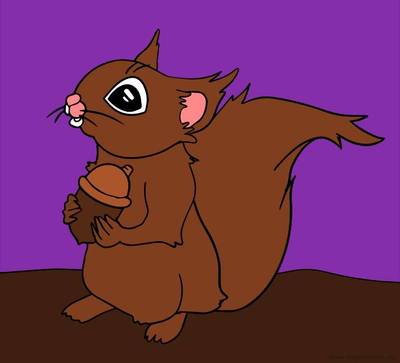 4 Likes
-
 2 Likes
-
 1 Likes

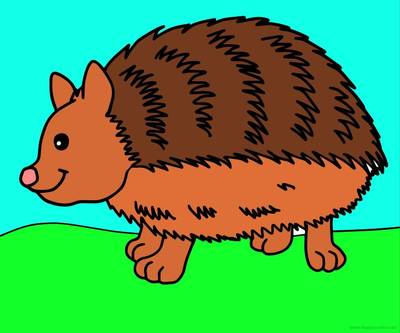

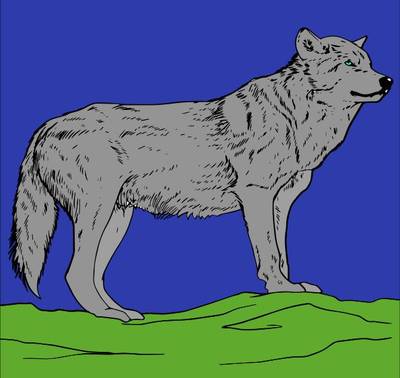
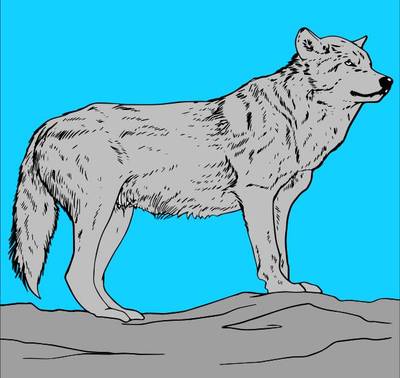
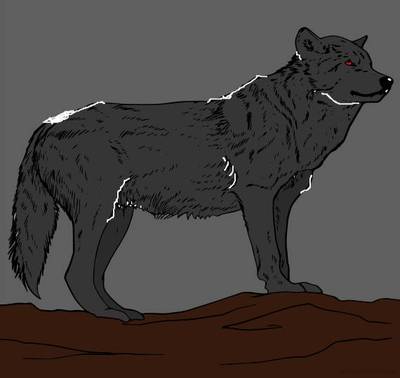


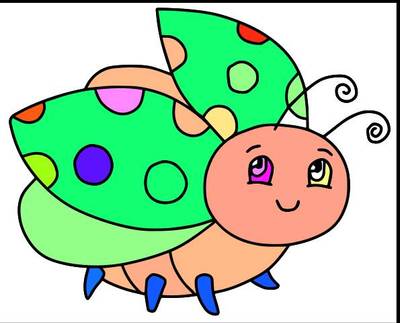
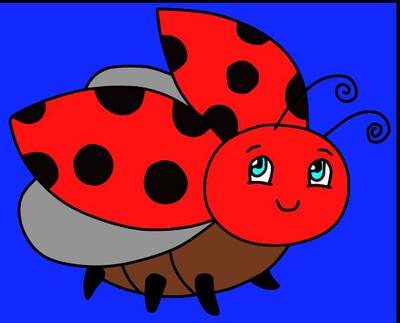

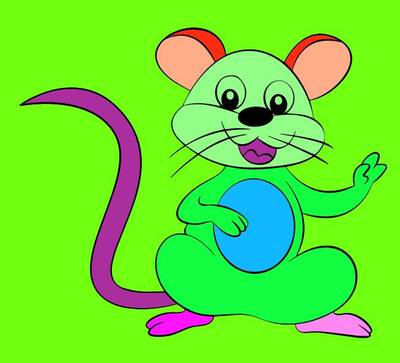

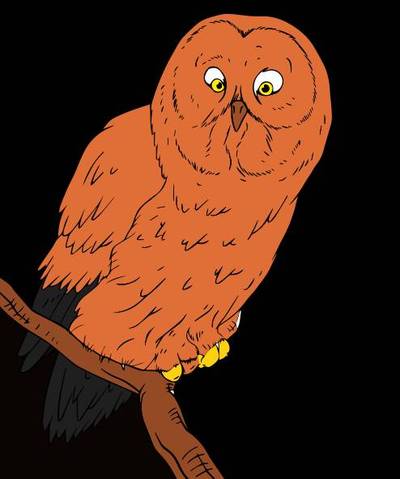
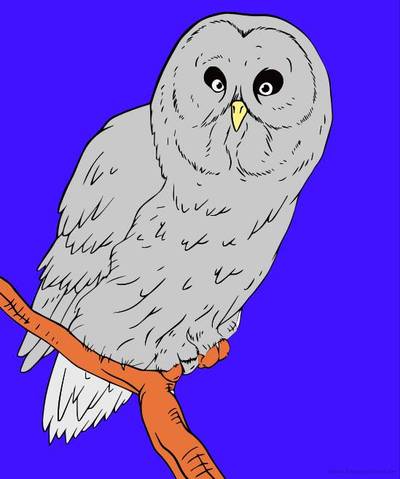
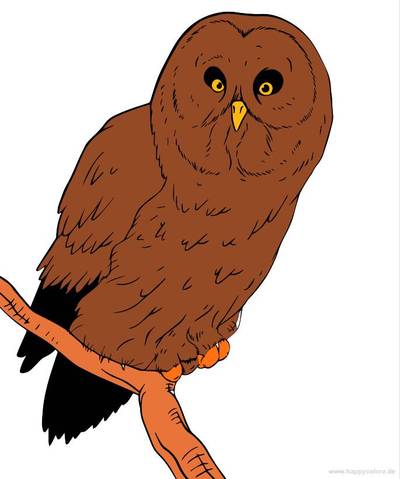


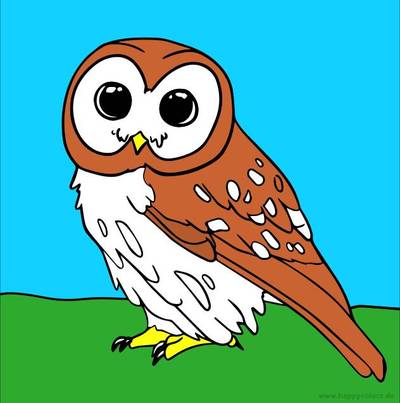
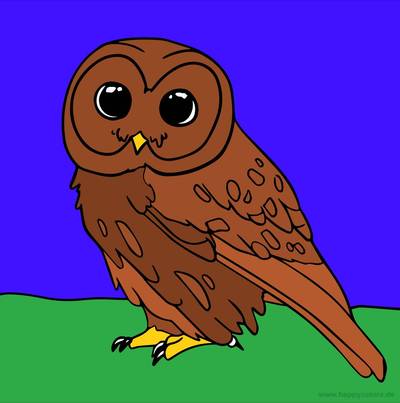
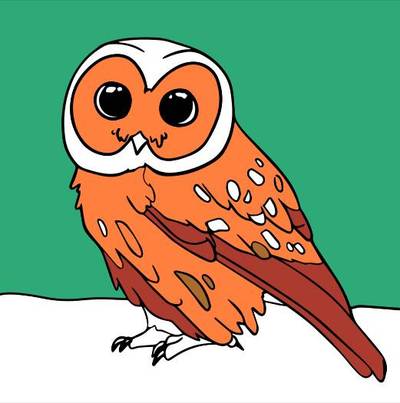

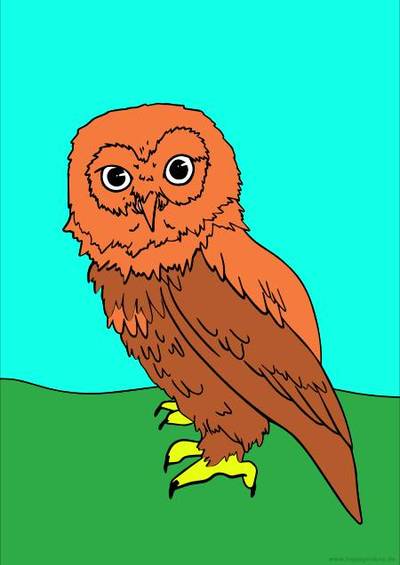
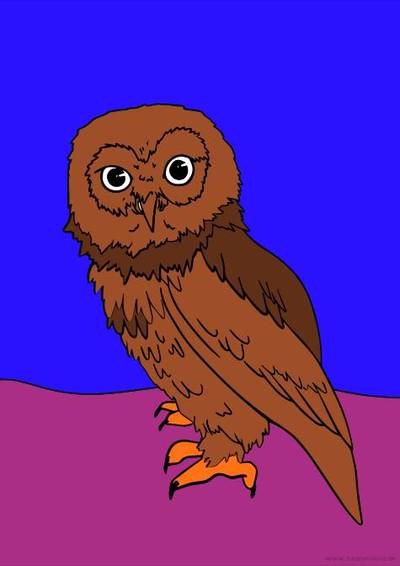
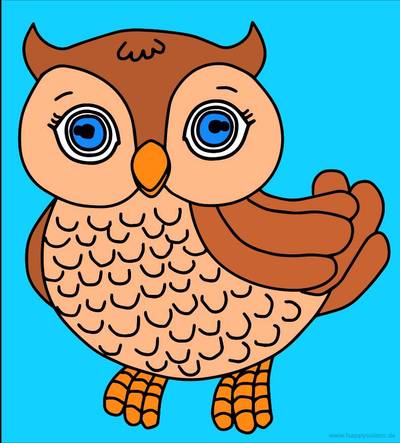
Short-eared owl – colored in by the community
-
 1 Likes
-
 0 Likes

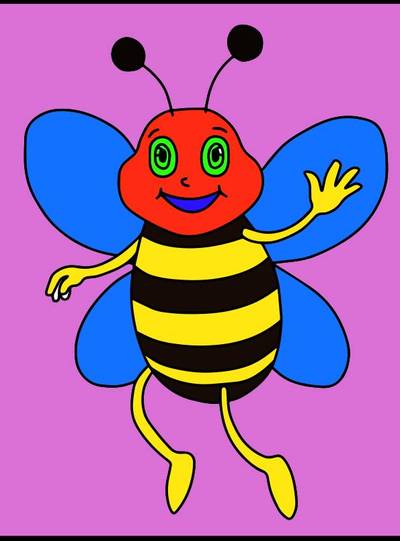
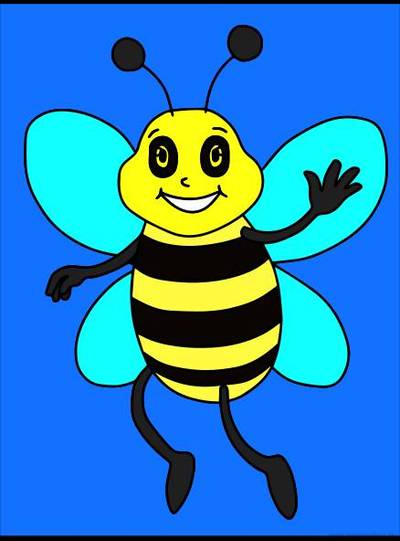
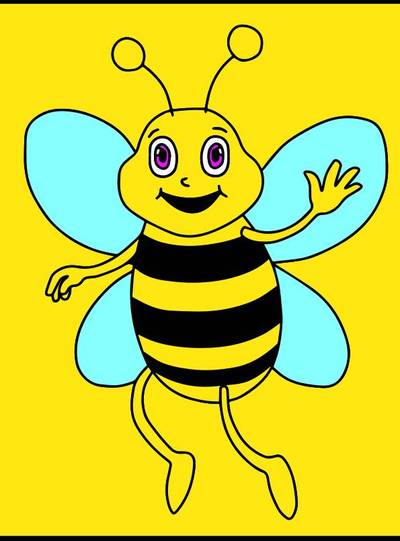


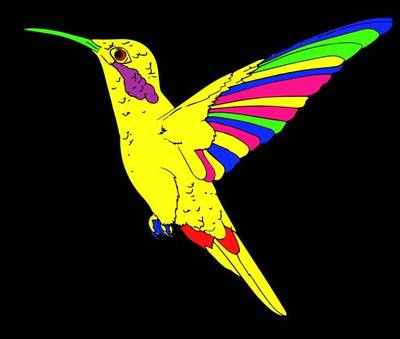
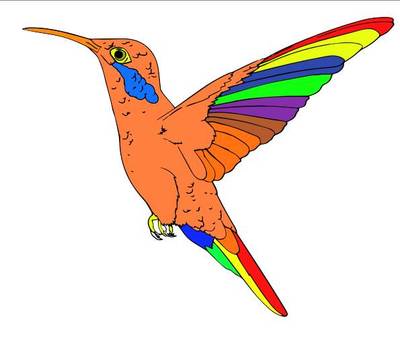
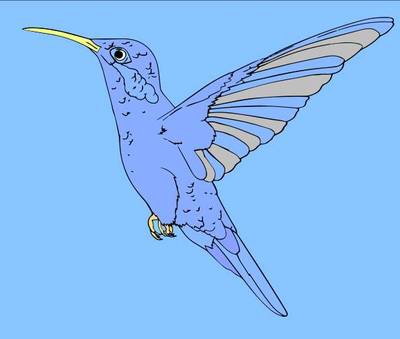



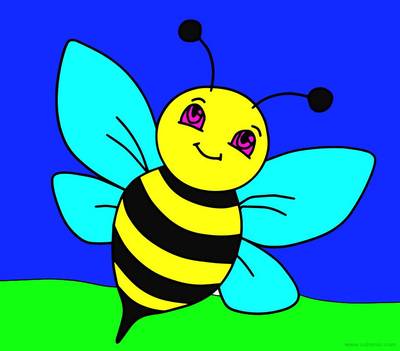
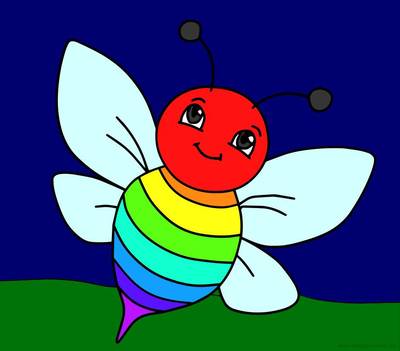
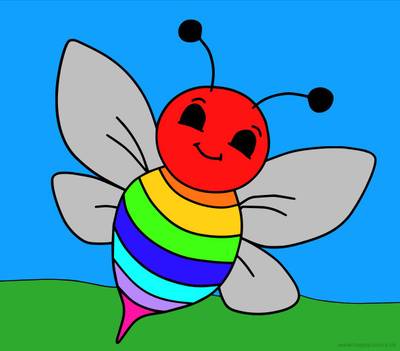

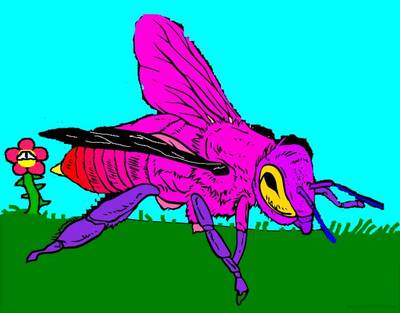
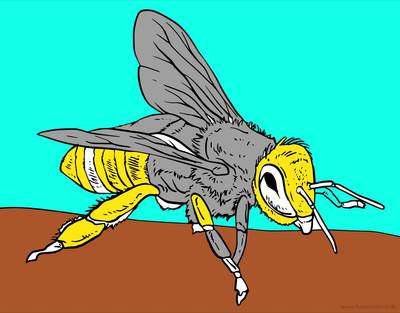

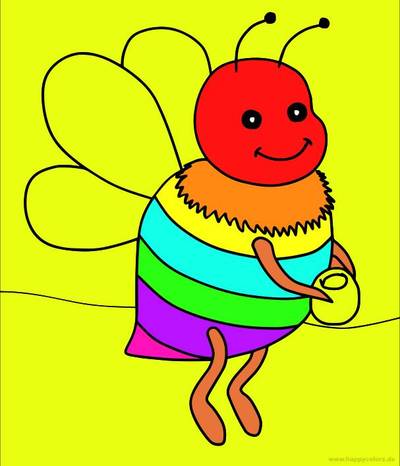
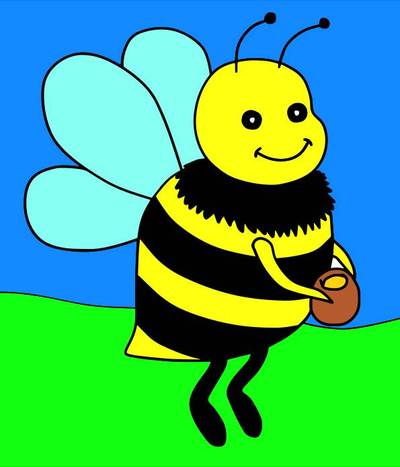
Smiling bee – colored in by the community
-
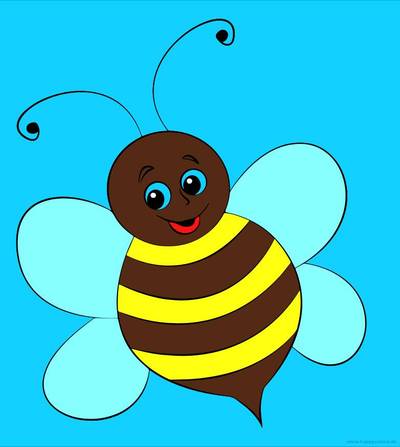 4 Likes
-
 0 Likes

Dove – colored in by the community
-
 2 Likes
-
by user-6aha42
 0 Likes
-
 0 Likes

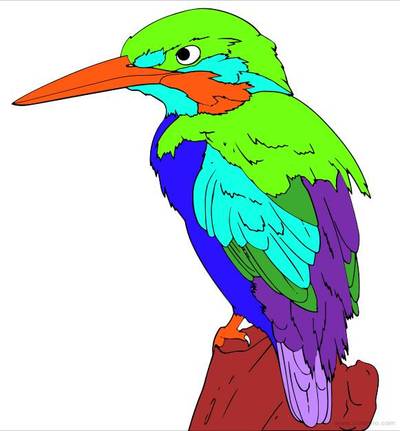
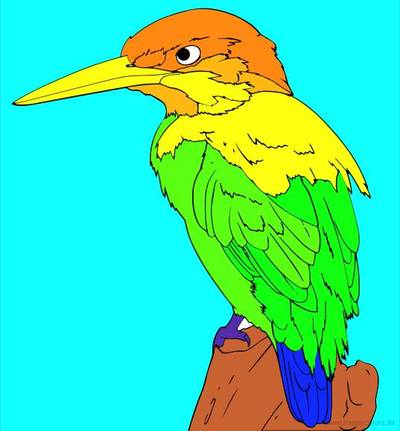
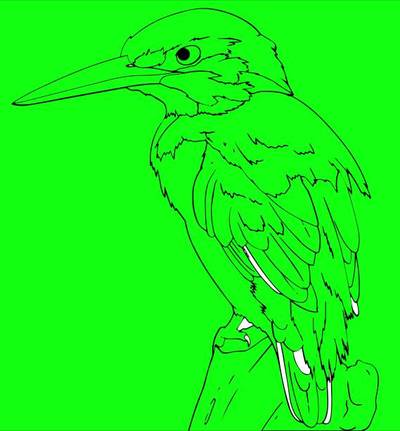

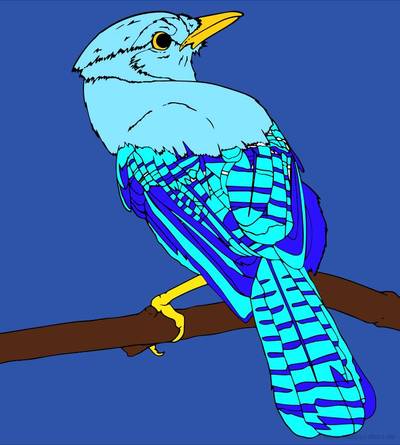
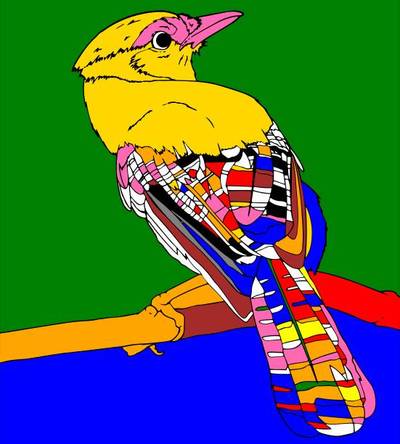





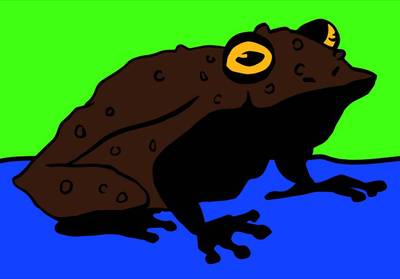



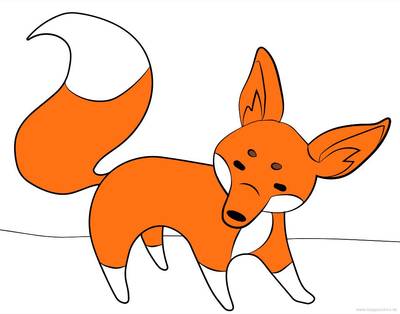


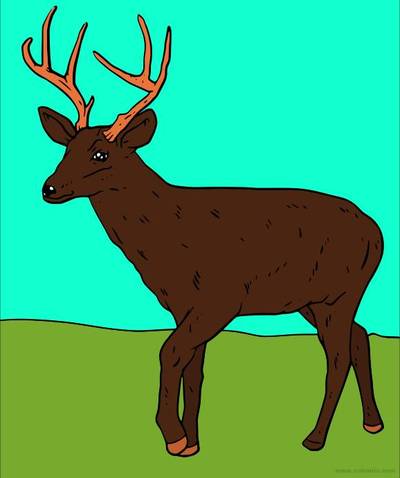
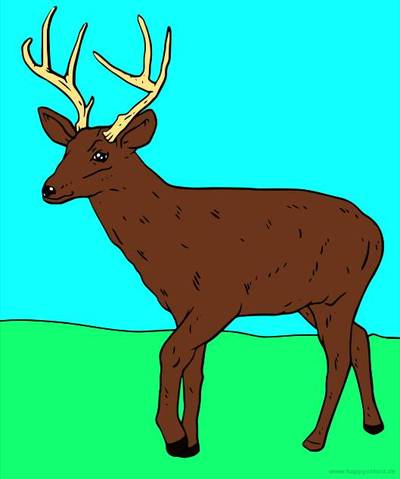
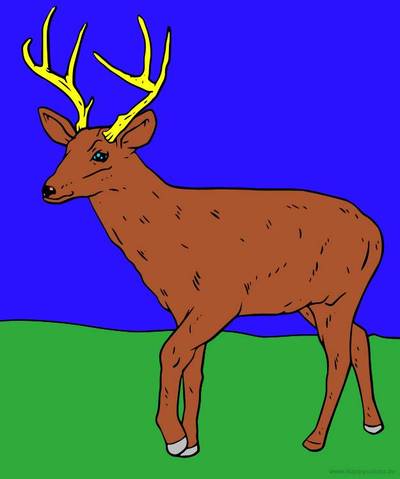




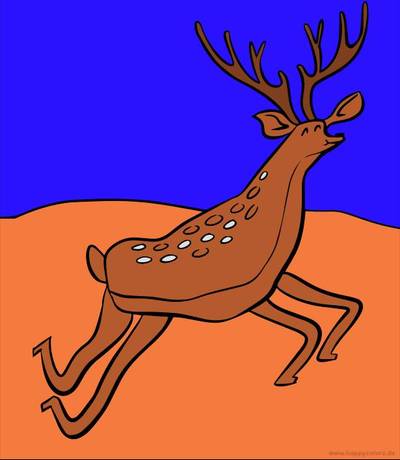
Funny jumping deer – colored in by the community
-
 2 Likes


Why Kids Love These Forest Animals Coloring Pages
- Coloring forest animals helps children build fine motor skills and color recognition as they stay inside the lines and choose palettes.
- Parents and teachers can quickly print themed pages for lesson plans, substitute activities, or quiet time without extra prep.
- These printable pages provide a focused, screen-free activity that calms kids and keeps them engaged for extended periods.
- The simple animal designs spark storytelling and vocabulary development by prompting children to name, describe, and imagine each forest animal.
Creative Ideas & Activities
- Make animal masks by coloring a forest animal, cutting it out, mounting on cardstock, and attaching elastic or ribbon for dramatic play.
- Create a memory matching game by printing two copies, coloring different forest animals, cutting into cards, and playing a flip-and-match game.
- Use a colored forest animal as a story starter: have each child color one animal and write or dictate a short adventure about where it lives and what it eats.
- Build a shoebox diorama of a forest habitat and glue colored animals inside to teach about ecosystems and spatial layout with hands-on crafting.
- Turn pages into a handwriting activity by having kindergarteners trace the animal names and label body parts to practice letters and vocabulary.
- Organize a sort-and-classify lesson where students group forest animals by diet, size, or nocturnal/diurnal behavior using the printed pictures as manipulatives.
- Assemble a classroom mural by giving each student a different animal to color, then combining the pages into a large forest scene on a bulletin board.
- Lamination makes pages reusable for tracing or dry-erase coloring, and you can cut one into puzzle pieces for a simple DIY jigsaw activity.
Frequently Asked Questions
Are the coloring pages really free to download and print?
Yes, all coloring pages on this page are free to download and print. You can save, print, and use them at home or in the classroom without charge.
What file formats are the coloring pages available in and how should I print them?
The pages are available as common PDF and JPG files, with PDF usually offering the best print quality and layout. For best results print at 100% scale on standard paper or cardstock and choose portrait or landscape based on the image orientation.
What ages are these forest animals coloring pages suitable for?
These pages suit a wide age range from preschoolers to early elementary students, with simpler designs for toddlers and more detailed pages for older children. They are specifically useful for kindergarten activities as well as home use.
Can I use these coloring pages in my classroom or kindergarten?
Yes, classroom use is allowed and encouraged; you may print copies for students and incorporate them into lesson plans or centers. Teachers can freely use the forest animals pages for group activities, morning work, or art projects.
How can I get the best coloring results with crayons, markers, or colored pencils?
Use heavier paper or cardstock for markers to prevent bleed-through, while regular printer paper works fine for crayons and colored pencils; a scrap sheet underneath helps protect surfaces. For finer detail choose colored pencils, use crayons for blending and texture, and consider laminating pages for reusable dry-erase coloring.