
Get there fast: free coloring pictures of lightning-fast vehicles!
 Author Mathias
 Vehicles come to life on every coloring page, inviting curious hands to explore cars, trucks, planes, and more. These simple black-and-white illustrations show familiar vehicles in clear, bold lines that make coloring easy and satisfying. Each coloring page is designed to spark imagination while keeping shapes recognizable for little learners, and a single vehicle image can be colored, labeled, or turned into a scene with crayons, stickers, or paint.
These vehicle coloring pages are suitable for toddlers, preschoolers, and older kids alike. For toddlers, large shapes and chunky outlines build fine motor control; preschoolers can practice colors, patterns, and vocabulary; older kids can add details, shadowing, or write stories about each vehicle. Use them at home during quiet time, in the classroom as a cooperative activity, for homeschool lessons about transportation, or in travel kits to keep children calmly engaged. Beyond fun, coloring develops hand-eye coordination, focus, and early literacy when you discuss parts of a vehicle. It also encourages creativity and problem-solving as children choose colors and design elements. Friendly and flexible, these pages offer a gentle, educational activity that grows with each child and fits easily into everyday routines.

Pirate ship on ocean waves – colored in by the community
-
by user-5jg5px
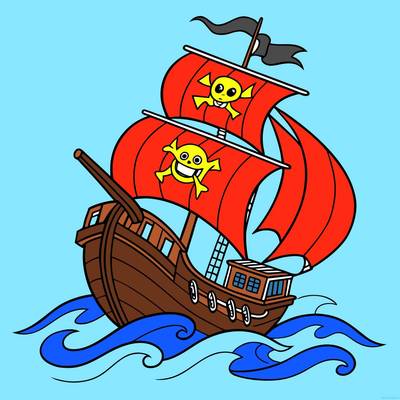 9 Likes
-
 5 Likes
-
 4 Likes

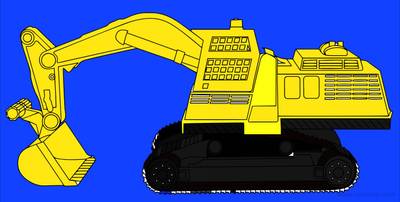
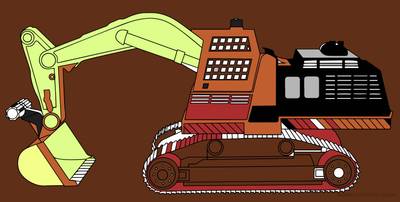
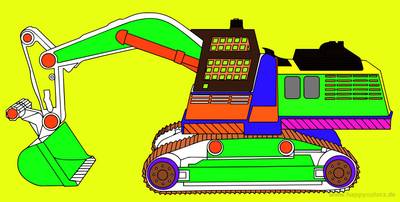
Excavator with bucket and tracks – colored in by the community
-
by tatez
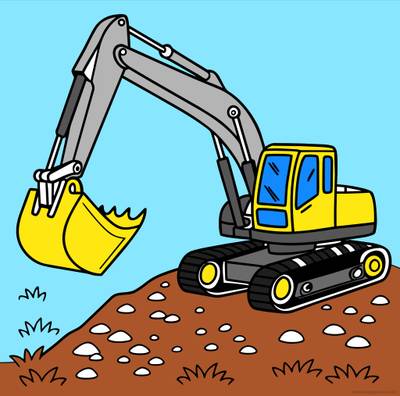 0 Likes
-
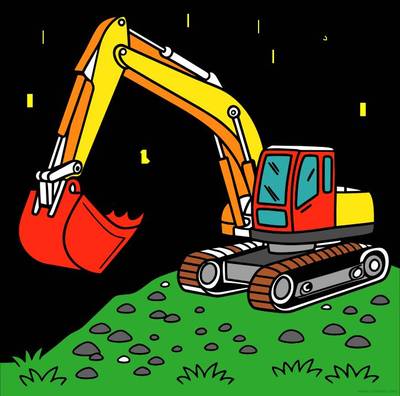 0 Likes
-
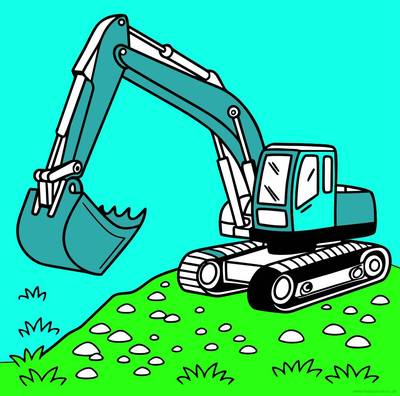 0 Likes

Bicycle with flower basket – colored in by the community
-
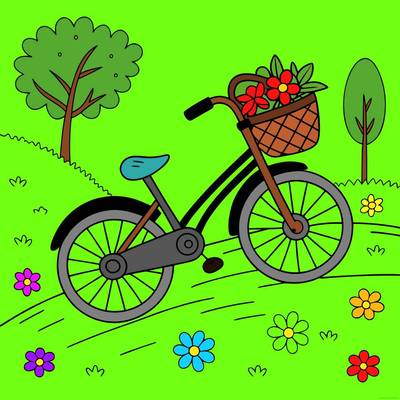 1 Likes
-
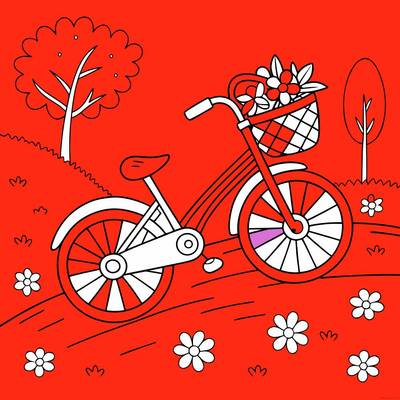 1 Likes
-
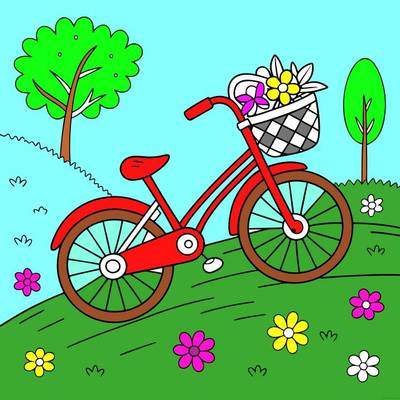 0 Likes

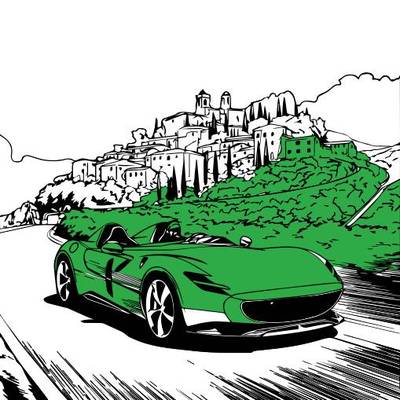
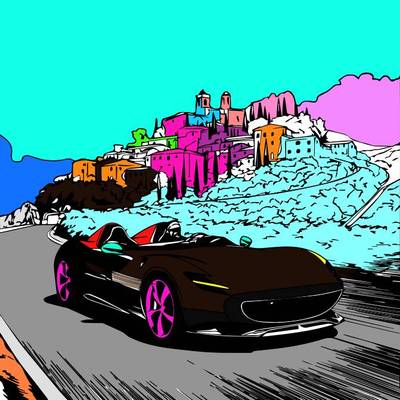
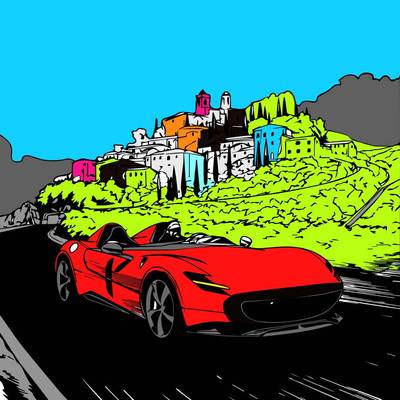

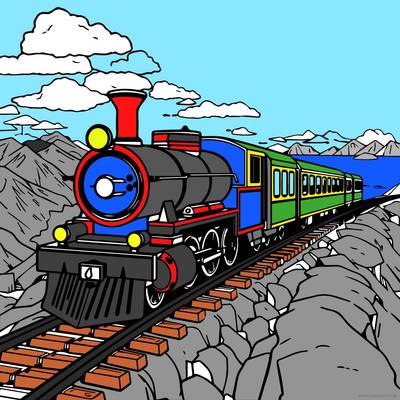
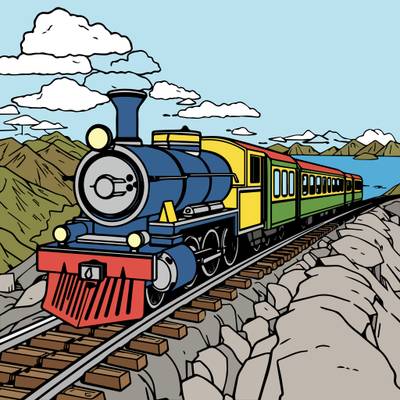
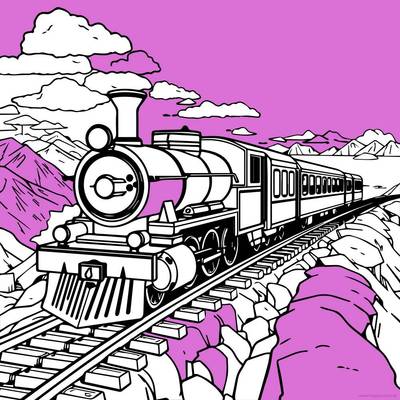
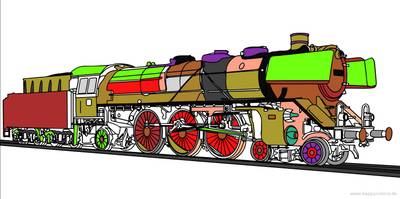
Train in a mountain landscape – colored in by the community
-
by tom
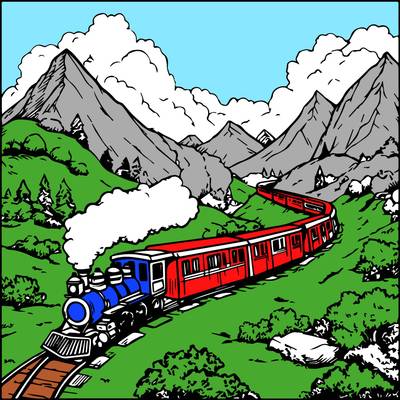 15 Likes

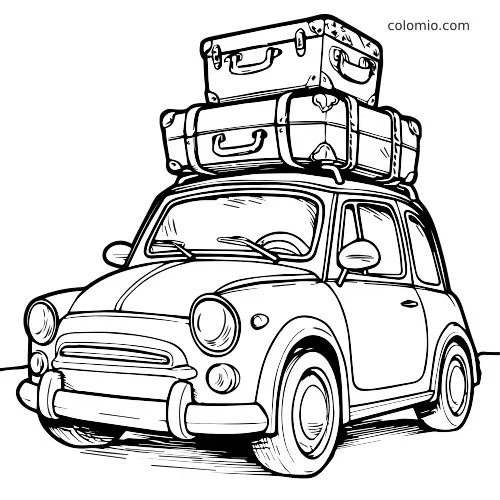
Car in a tunnel scene – colored in by the community
-
by hugo
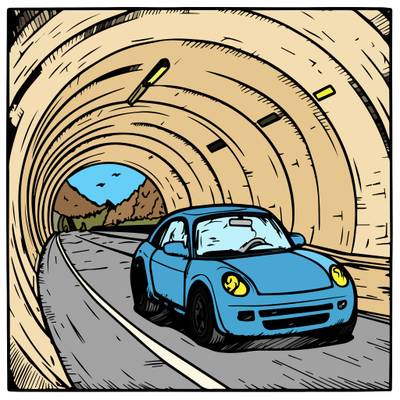 4 Likes
-
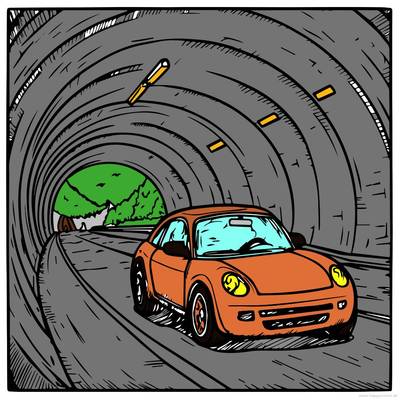 0 Likes
-
by oldtimer_klaus
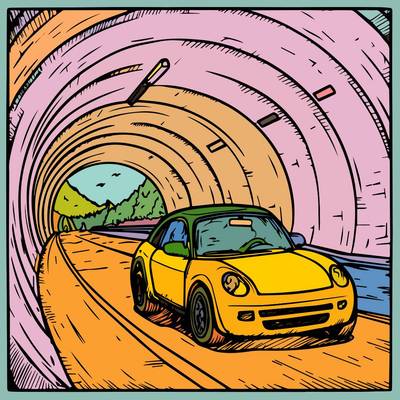 0 Likes


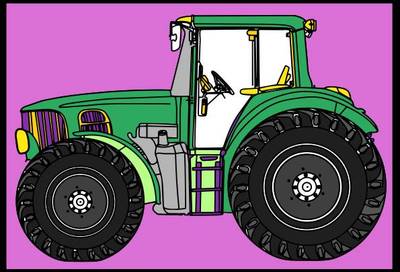
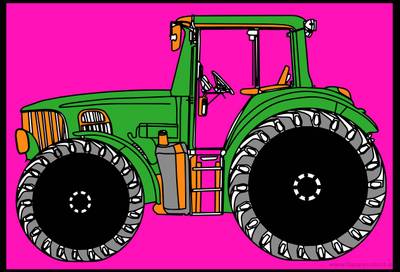
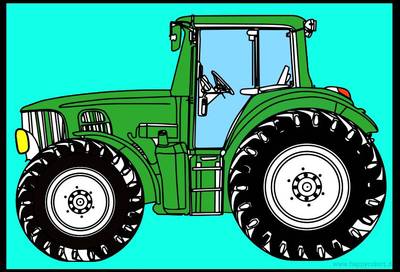
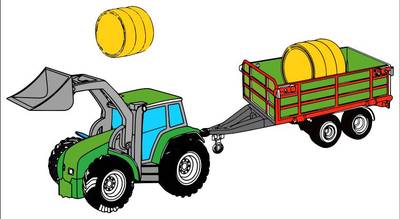
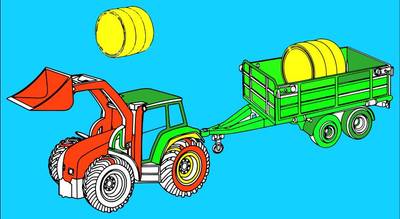
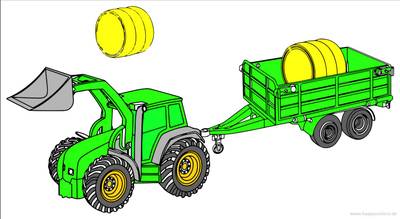
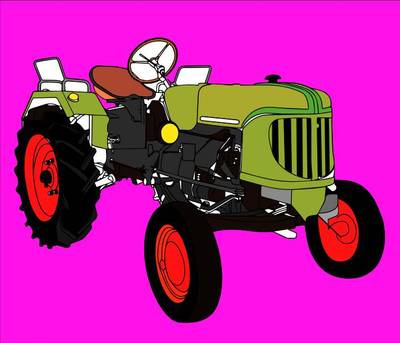
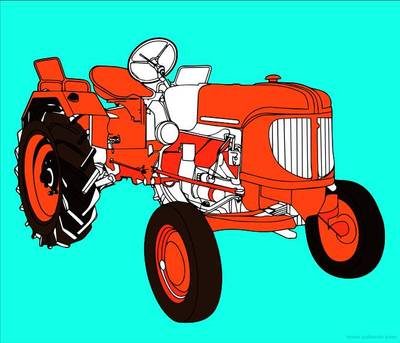
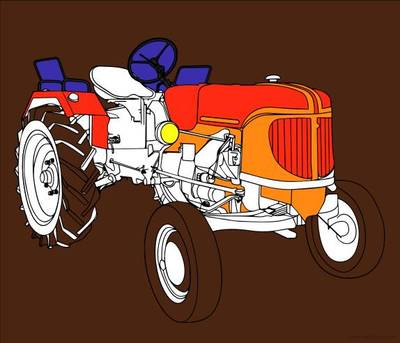
Tractor by the barn – colored in by the community
-
by benni
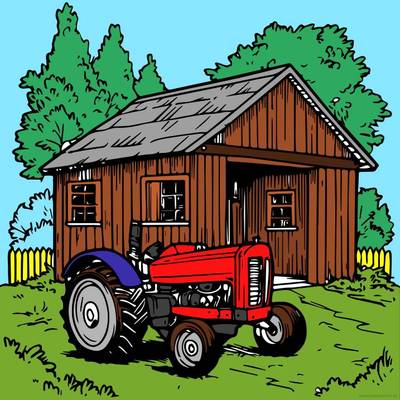 12 Likes
-
by oskar
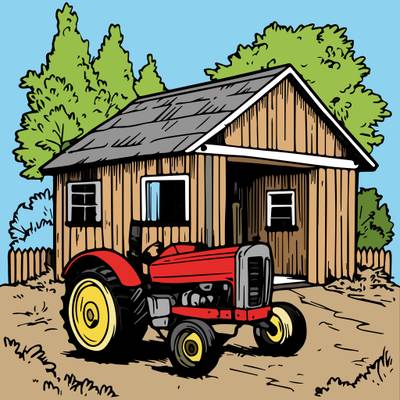 8 Likes
-
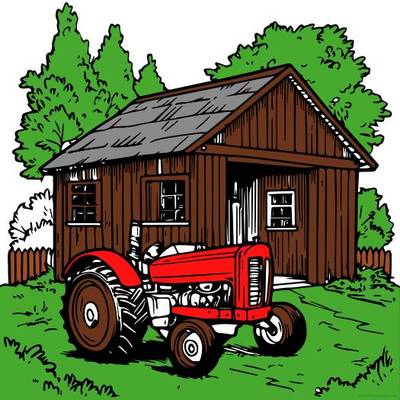 5 Likes

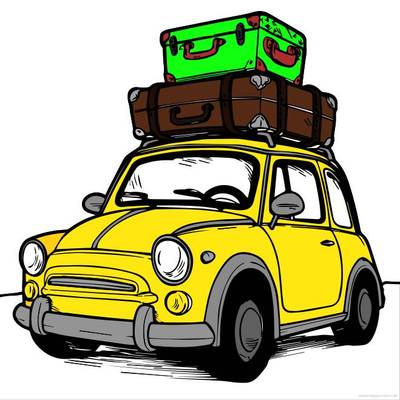
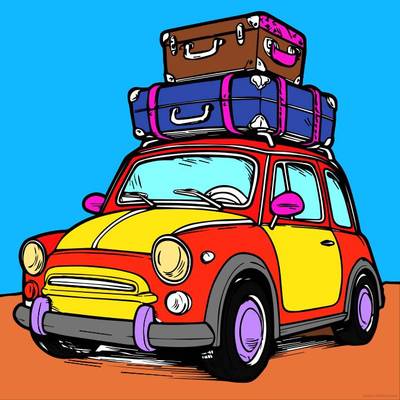
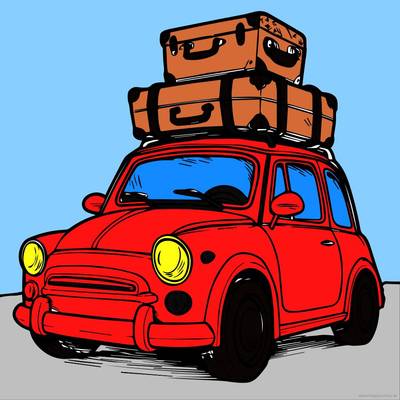


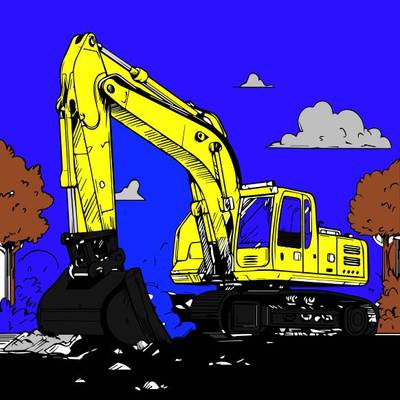
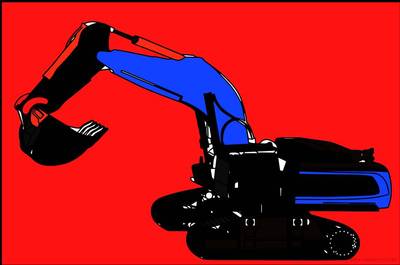
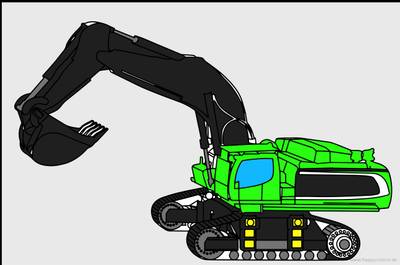
Excavator on a construction site – colored in by the community
-
 4 Likes
Rev Up Your Crayons: Make These Vehicles Look Ready to Roll!
Vehicles have lots of fun details—wheels, windows, lights, and bold shapes. Coloring them carefully helps the picture look neat, shiny, and real. Slow down on small parts, and use bigger strokes on large areas like doors, hoods, and roofs.
What to Watch for While Coloring Vehicles
- Big shapes first: Color the largest parts (body, roof, trailer) before tiny details (mirrors, handles, logos).
- Windows and glass: Leave a thin white edge or a small uncolored spot to look like a bright reflection.
- Wheels and tires: Tires are usually dark and matte. Rims can be lighter or metallic-looking.
- Lights: Headlights look best in pale yellow or light gray; taillights are usually red. Add a tiny white dot to make them look shiny.
- Lines and panels: Many vehicles have door lines and sections. Coloring each section evenly makes the vehicle look solid and tidy.
- Texture differences: Metal parts can look smooth with even coloring; rubber parts (tires, bumpers) look better with slightly softer shading.
- Keep colors inside the outline: Turn the paper a little while coloring curves like fenders and wheel arches.
Helpful hint: For a clean “real vehicle” look, press lightly first, then add a second layer of the same color to make it deeper and smoother.
Realistic Vehicle Colors (With Easy Color Hints)
These are common, realistic colors seen on many cars, trucks, buses, and other everyday vehicles. Use the table to pick a main body color, then match it with simple detail colors for tires, windows, and lights.
| Vehicle Part | Realistic Color | Color Hint |
|---|---|---|
| Vehicle body (common) | Red | #D32F2F |
| Vehicle body (common) | Blue | #1976D2 |
| Vehicle body (common) | White | #FFFFFF |
| Vehicle body (common) | Black | #212121 |
| Vehicle body (common) | Silver / Light gray | #B0BEC5 |
| Vehicle body (common) | Dark gray | #616161 |
| Vehicle body (common) | Yellow | #FBC02D |
| Vehicle body (common) | Green | #2E7D32 |
| Tires | Tire black | #1B1B1B |
| Wheel rims | Metal gray | #9E9E9E |
| Windows | Light sky blue | #B3E5FC |
| Window shadows | Blue-gray | #78909C |
| Headlights | Pale yellow | #FFF9C4 |
| Taillights | Red | #E53935 |
| Turn signals | Orange | #FB8C00 |
| Bumpers / trim (common) | Dark gray | #424242 |
Simple Steps for a Neat, Realistic Finish
- Color the main vehicle body in one even direction for a smooth look.
- Use darker gray or black for tires and lower parts to “ground” the vehicle on the page.
- Add windows last, keeping them lighter than the body so they look like glass.
- Finish with lights and tiny details, using careful small strokes near the outlines.
Quick check: When the body, windows, tires, and lights are clearly different colors, the vehicle looks more realistic and easier to recognize.




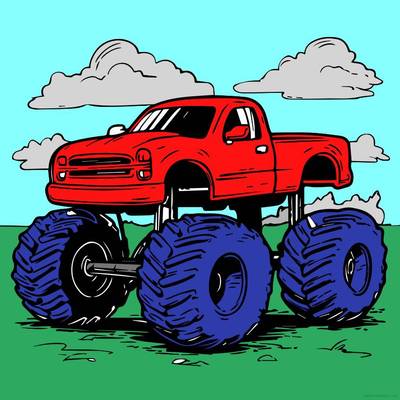
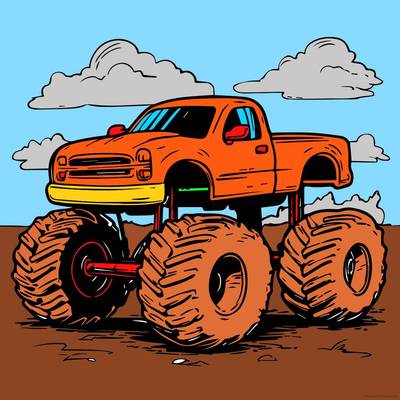
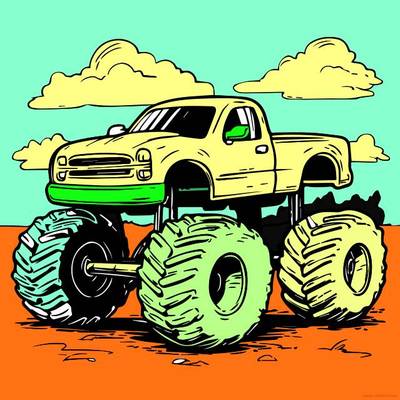

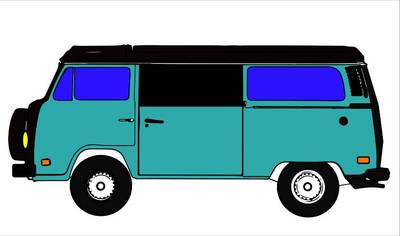
Scissors, Glue, Go! Vehicle Crafts That Zoom
Make a Pop-Up Paper Car!
✂️ You need: colored paper or cardstock, scissors, glue stick, markers or crayons
- Fold a piece of cardstock in half like a greeting card.
- Cut two short slits on the fold and push the tab inward.
- Draw and cut out a small vehicle, then glue it onto the pop-up tab.
💡 Supports: fine motor skills, creativity, step-by-step thinking
Toilet Roll Bus in Minutes
✂️ You need: toilet paper roll, colored paper, glue, scissors, marker, 4 bottle caps or paper circles
- Wrap the toilet roll with colored paper and glue it down.
- Cut and glue on windows and a door from paper shapes.
- Attach wheels using bottle caps or paper circles and draw headlights.
💡 Supports: hand-eye coordination, shape recognition, imaginative play
Classroom Road Map Collage
✂️ You need: large paper or cardboard, crayons or markers, glue, scissors, vehicle coloring pages or cutouts, tape
- Draw big roads, crossings, and parking spots on the large paper.
- Color and cut out vehicles, then glue them onto the map.
- Add labels like “school,” “park,” and “garage,” then hang it up with tape.
💡 Supports: teamwork, spatial thinking, planning and storytelling



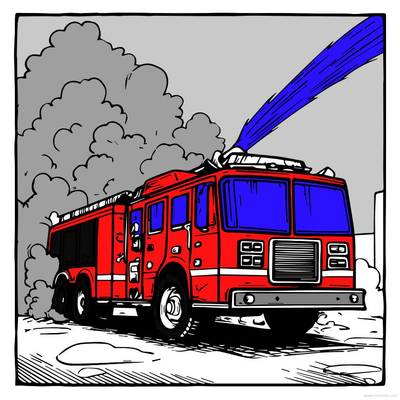
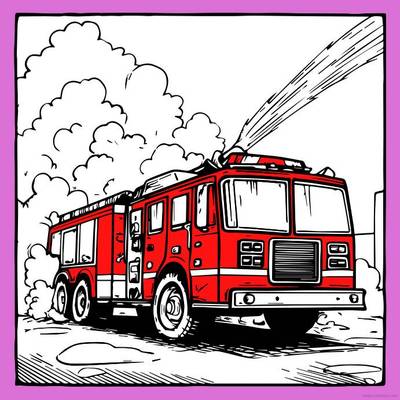
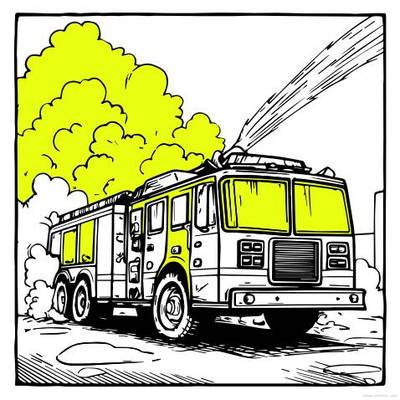
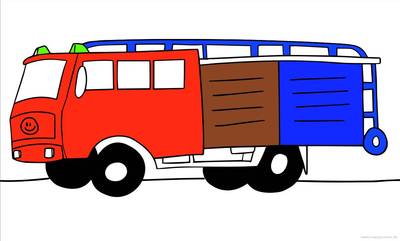
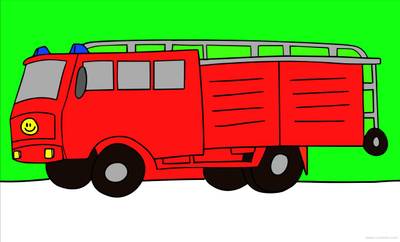
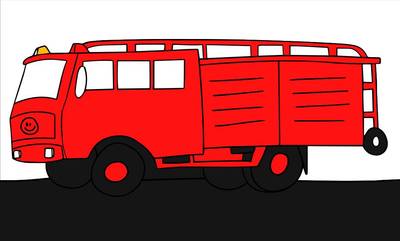
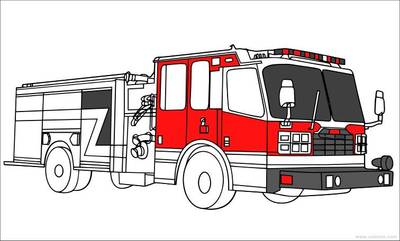
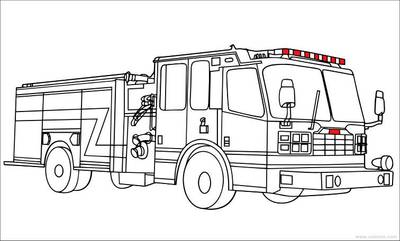
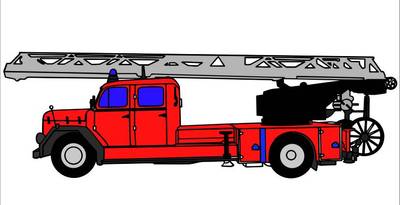
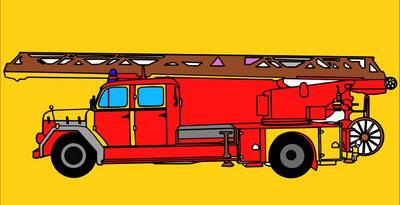
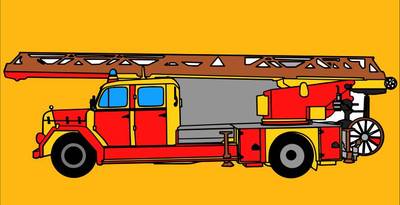
European fire truck – colored in by the community
-
 1 Likes
-
 0 Likes
-
 0 Likes


Did You Know? 5 Surprising Facts About Vehicles
Cars Once Had No Gas!
The first popular cars in the U.S. didn’t all run on gasoline—some early vehicles were powered by steam or electricity before gas engines took over. Smithsonian Magazine
School Buses Weren’t Always Yellow
In 1939, leaders met to choose one easy-to-see color for school buses, and “National School Bus Glossy Yellow” became the famous look seen across many U.S. states. History Channel
Trains Can Climb Tiny Hills
Trains are super strong, but they don’t like steep slopes—steel wheels on steel rails work best on mostly flat tracks, which is why railroads often take long routes through valleys and passes. HowStuffWorks
Airplanes Ride Invisible “Lift”
Airplane wings are shaped to help create lift, an upward push from moving air that helps the plane rise and stay in the sky like it’s surfing on wind. NASA
Big Ships Float Like Magic
Even huge ships can float because their shape makes them push aside lots of water; the water pushes back up, helping the ship stay on top instead of sinking. National Geographic

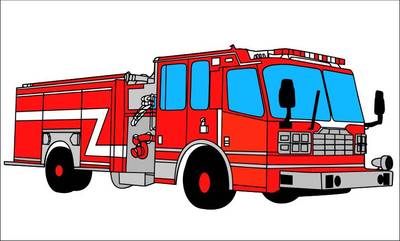
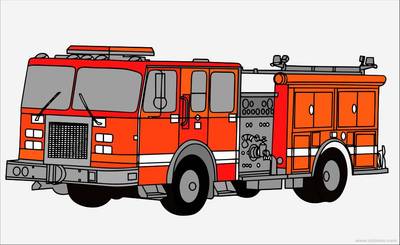
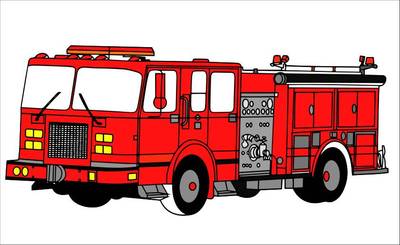
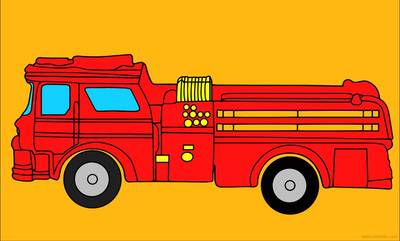
San Francisco Fire Truck – colored in by the community
-
 1 Likes
-
 0 Likes

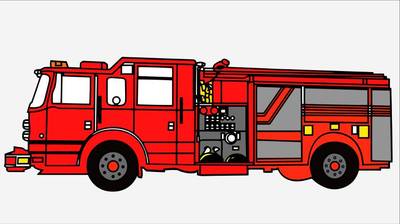
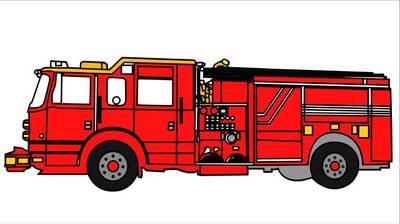
Cobb County fire truck – colored in by the community
-
 0 Likes
-
 0 Likes

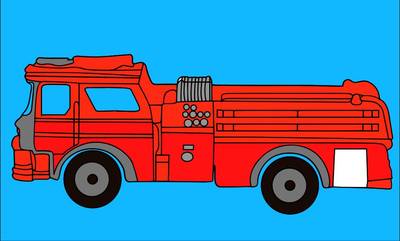
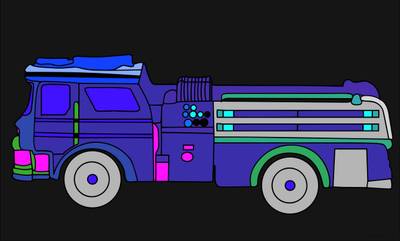

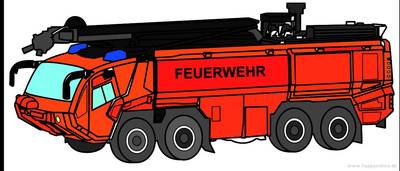
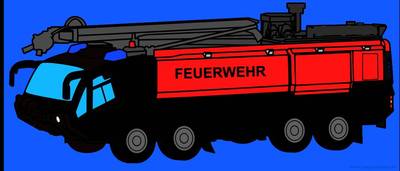
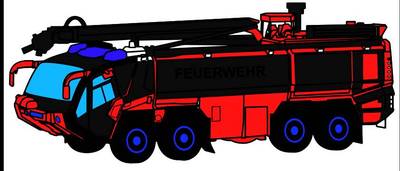

Airport fire engine with water cannon – colored in by the community
-
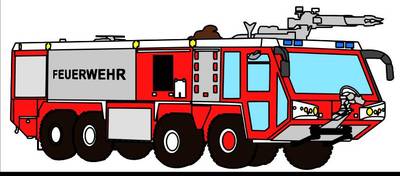 5 Likes
-
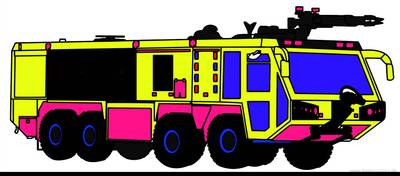 3 Likes
-
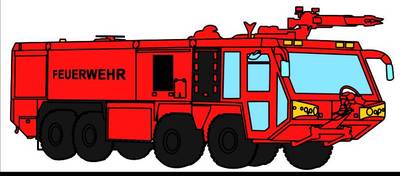 3 Likes


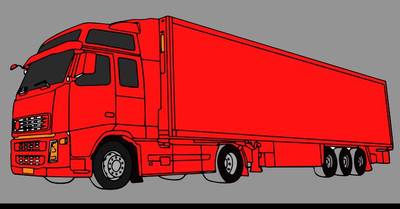
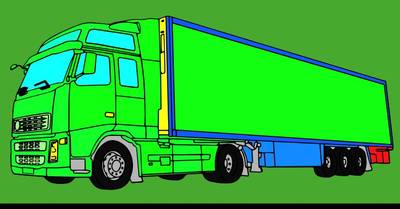
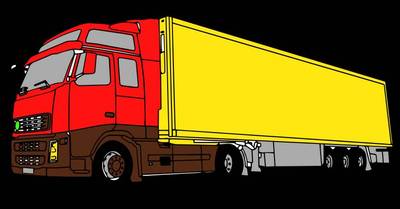

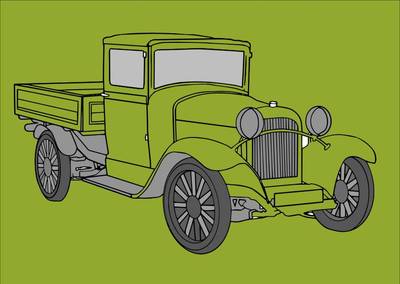
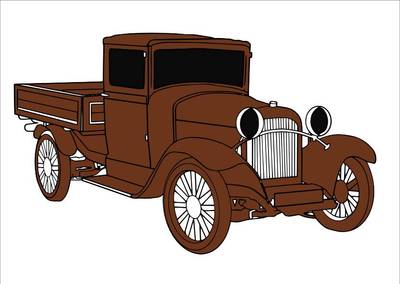
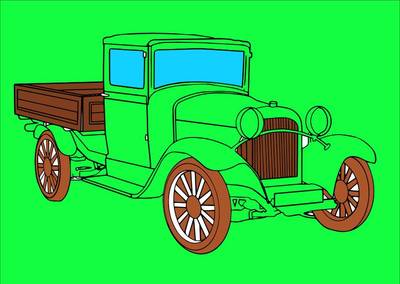

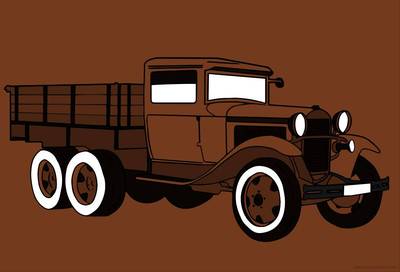

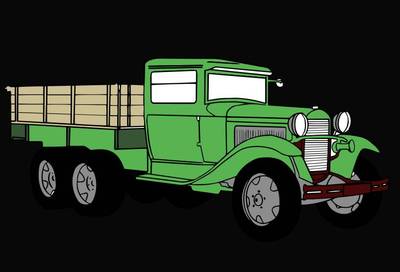

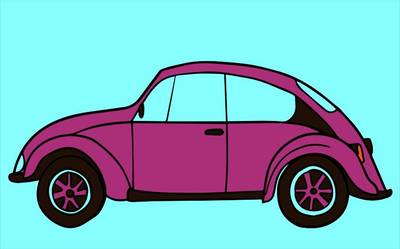
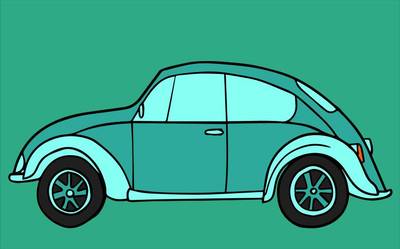
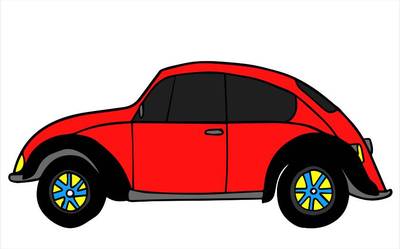

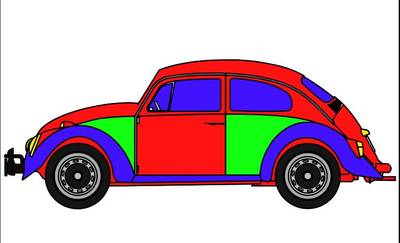
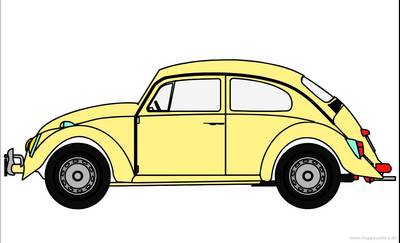
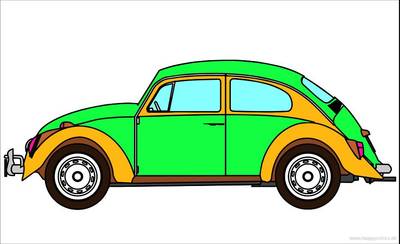

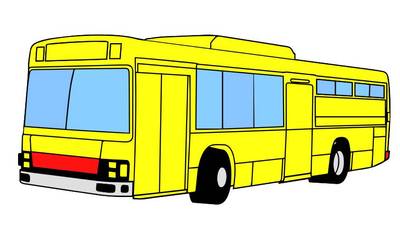
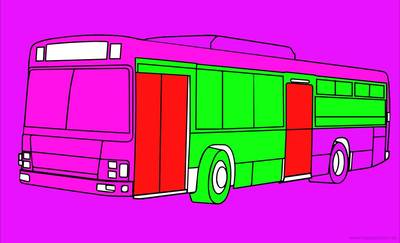
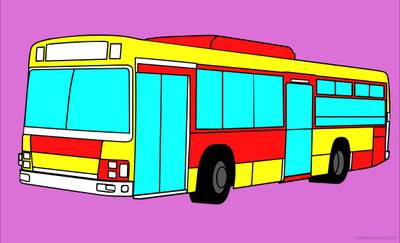

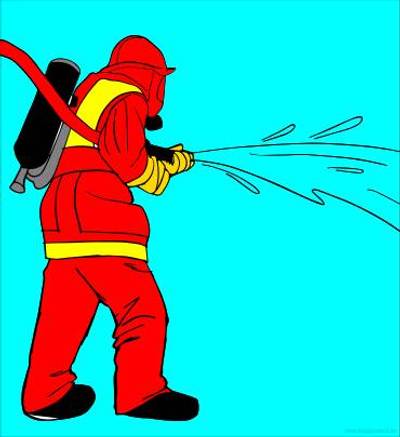
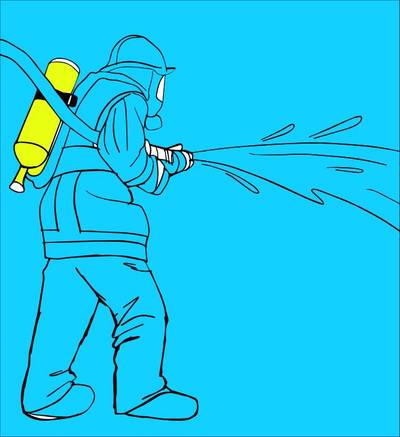
Firefighter extinguishing fire – colored in by the community
-
by user-r7cw3e
 4 Likes
-
 0 Likes
-
 0 Likes


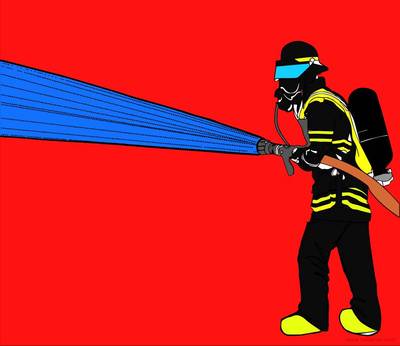
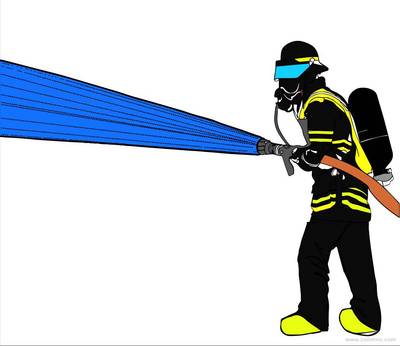
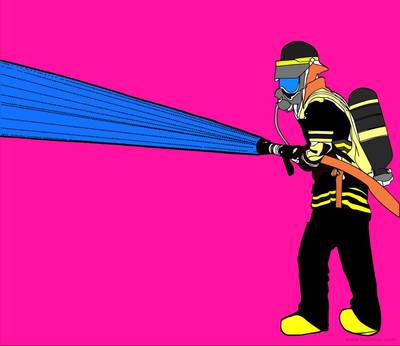

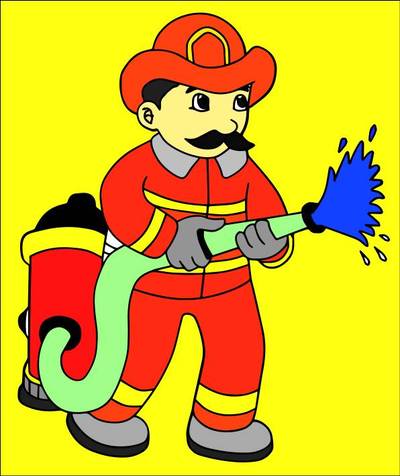
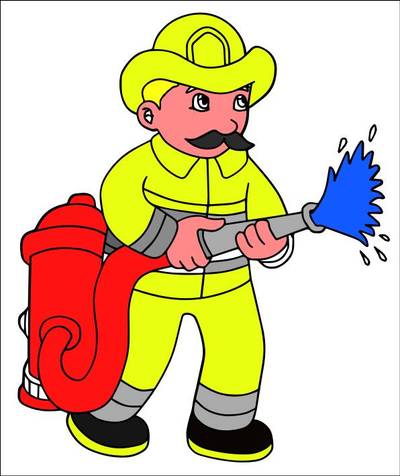
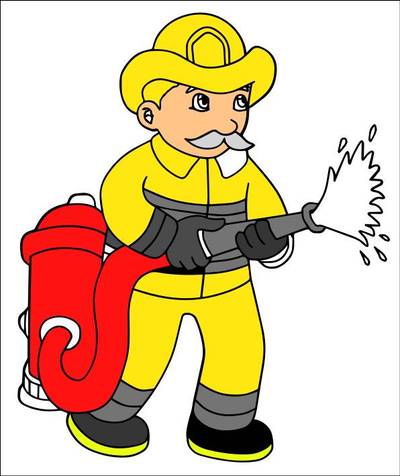
Cute firefighter with hose – colored in by the community
-
 1 Likes
-
 0 Likes
-
 0 Likes

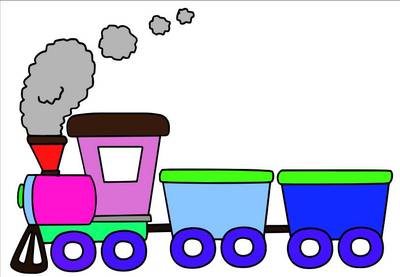


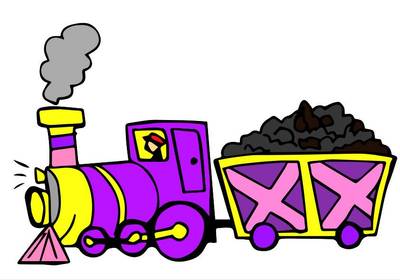
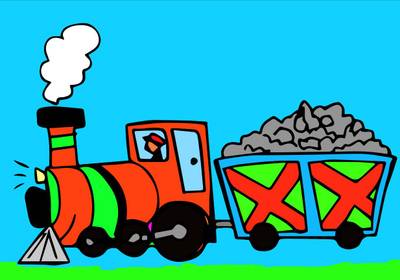
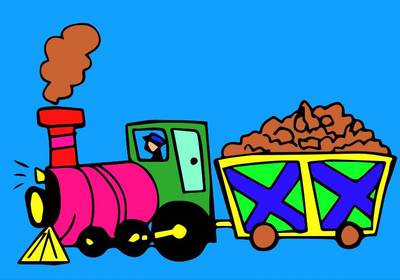

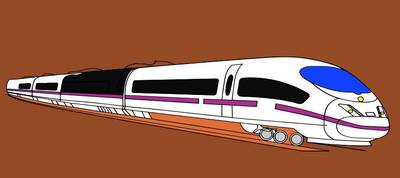
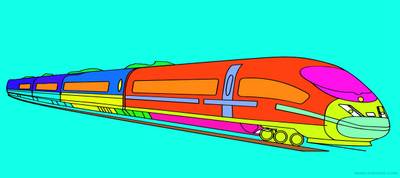
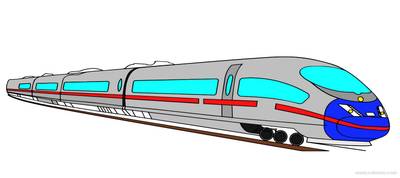

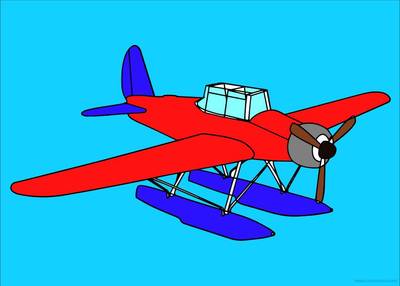
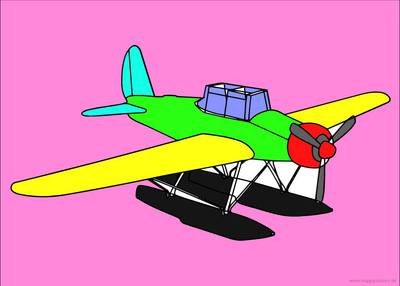
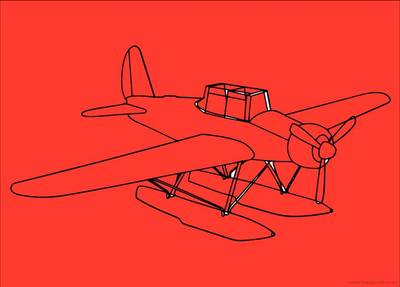

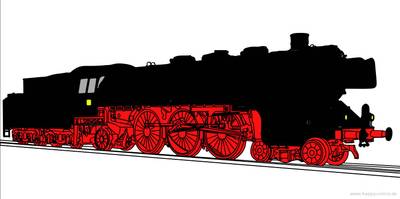
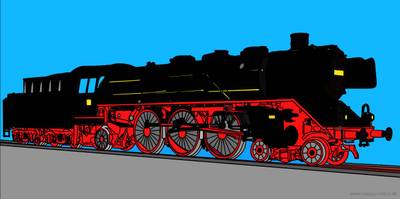


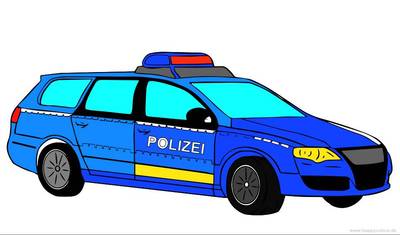
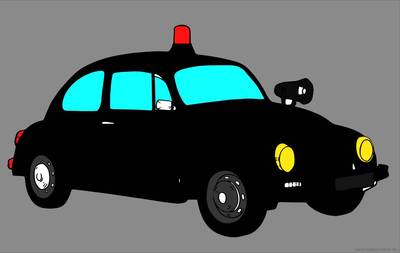
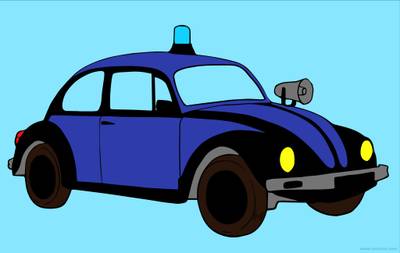
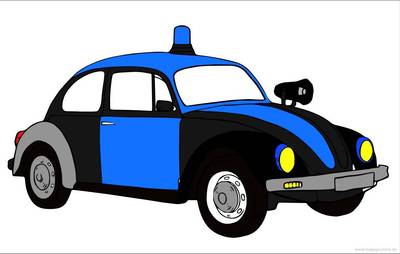
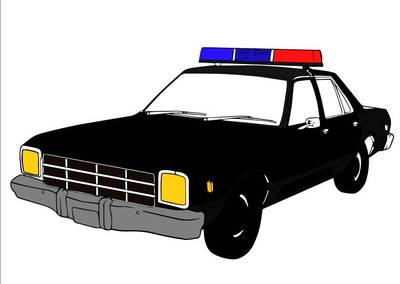
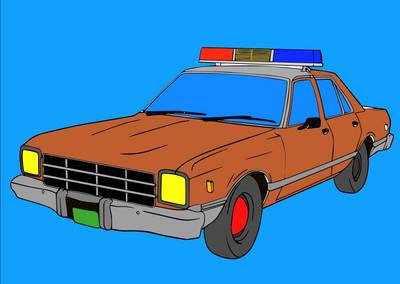
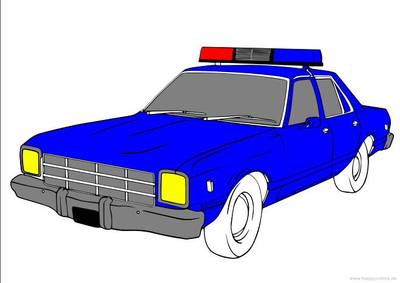
Classic police car 50s highway patrol – colored in by the community
-
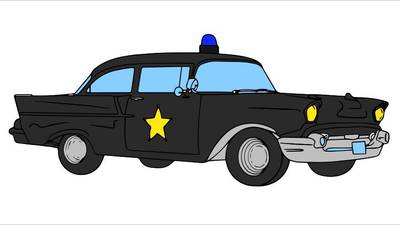 11 Likes
-
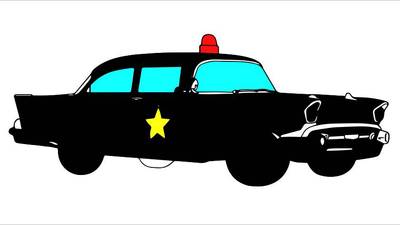 4 Likes
-
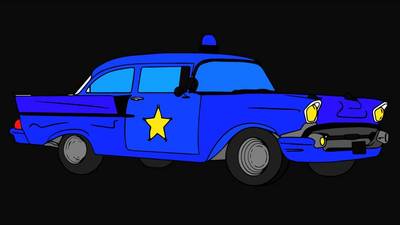 1 Likes

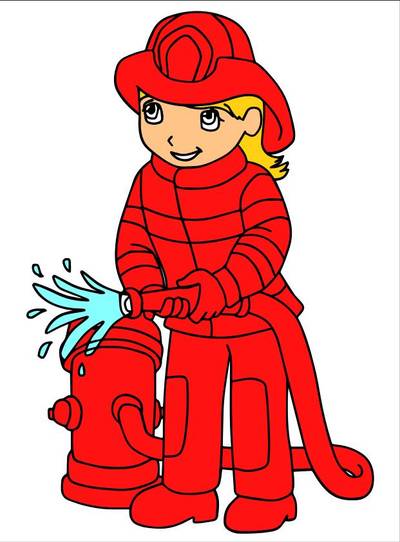
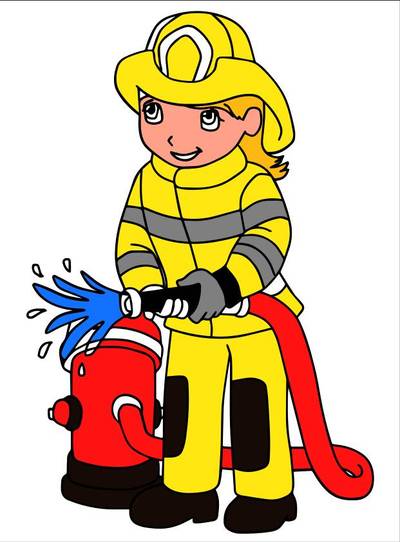
Sweet firefighter with hydrant and tube – colored in by the community
-
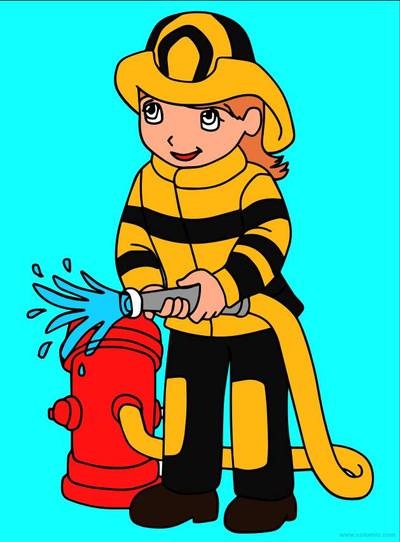 3 Likes
-
 2 Likes
-
 1 Likes

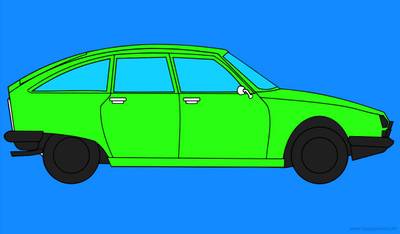
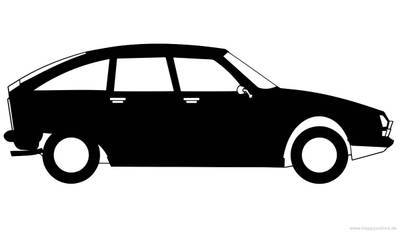
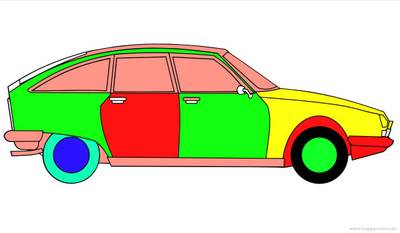

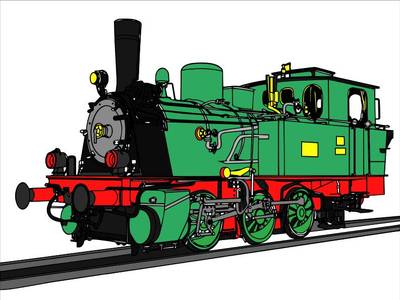

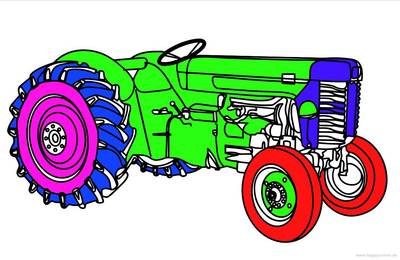
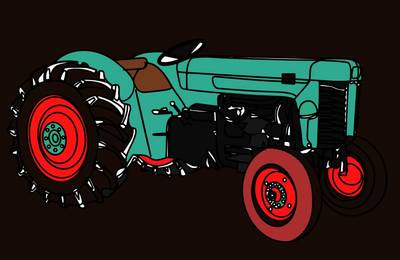
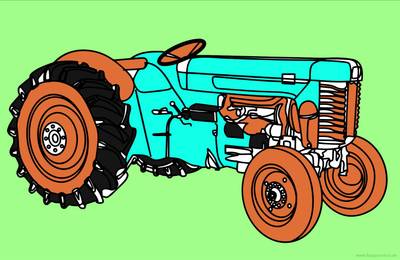

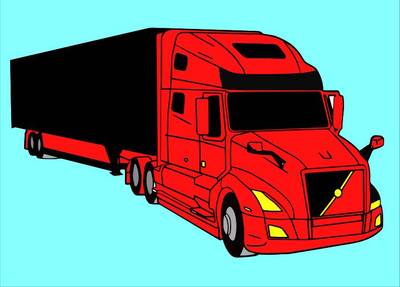
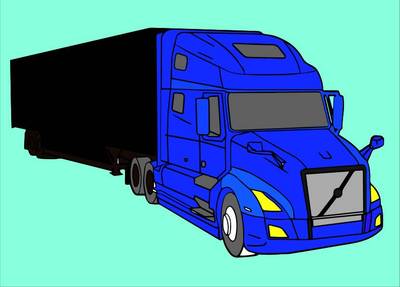
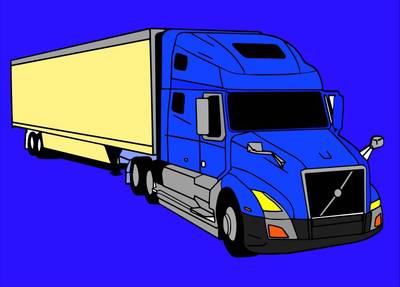

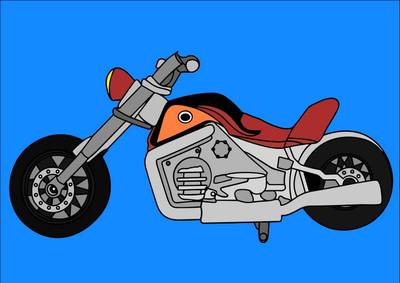
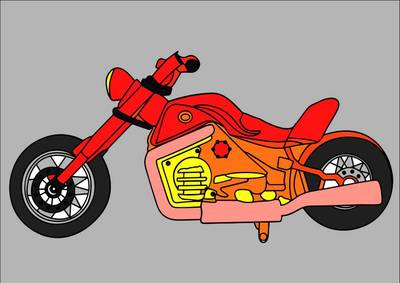
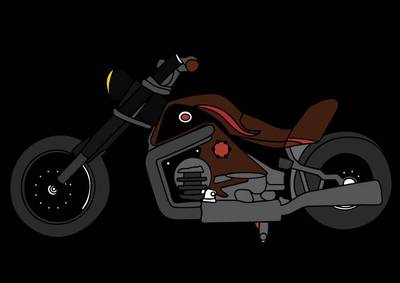

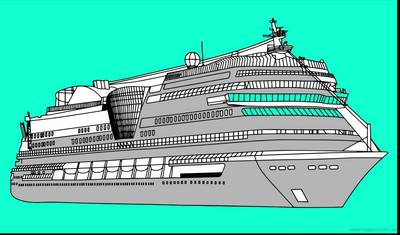
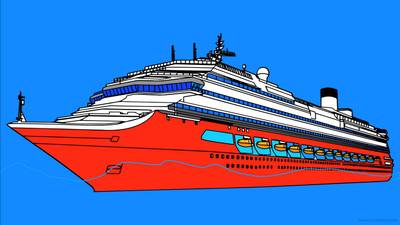
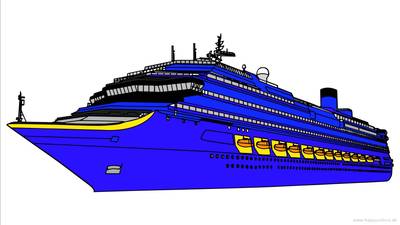
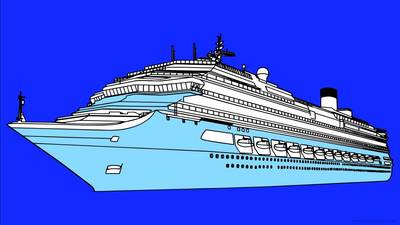
Cruiser – colored in by the community
-
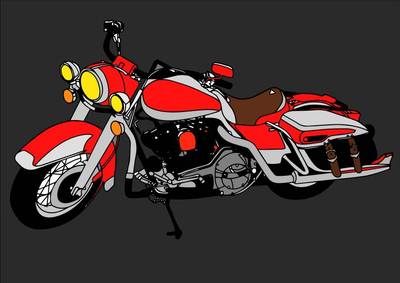 0 Likes
-
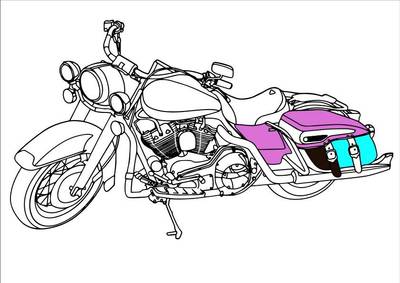 0 Likes
-
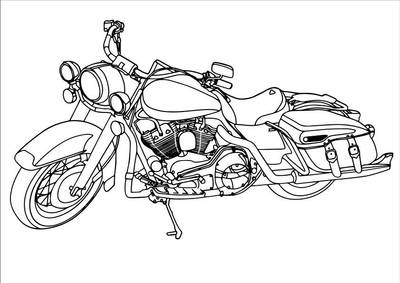 0 Likes

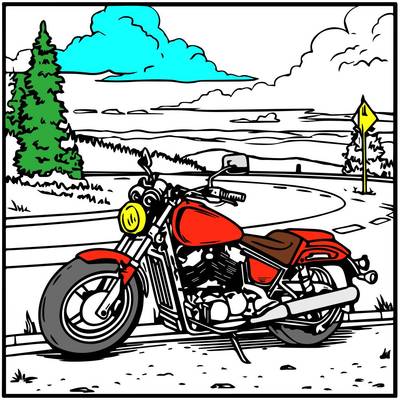
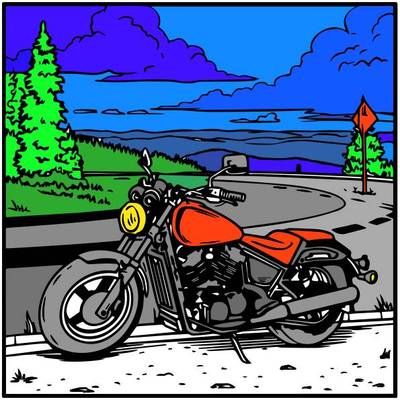
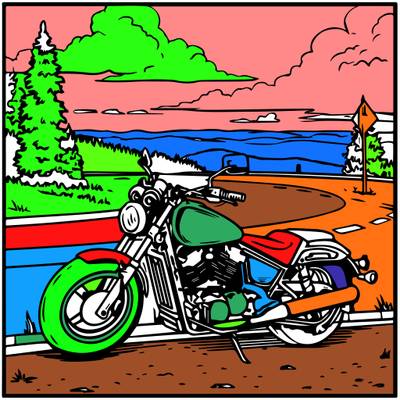
Cruiser motorcycle – colored in by the community
-
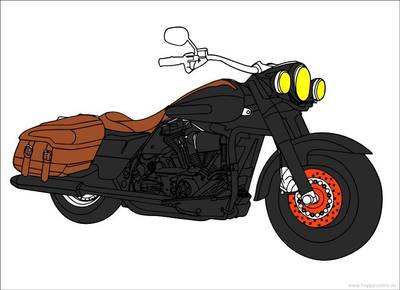 4 Likes




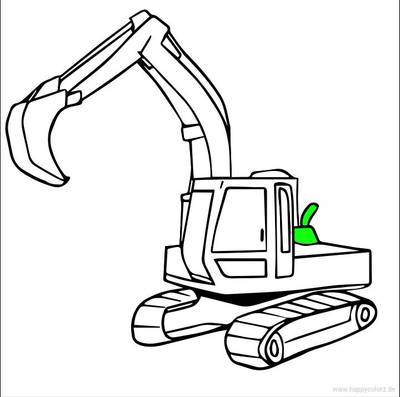

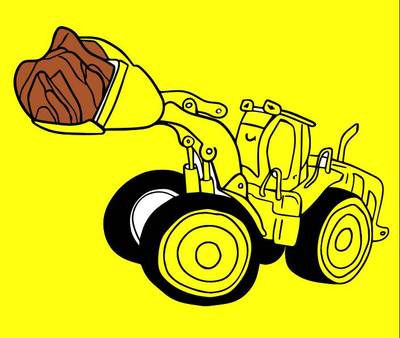

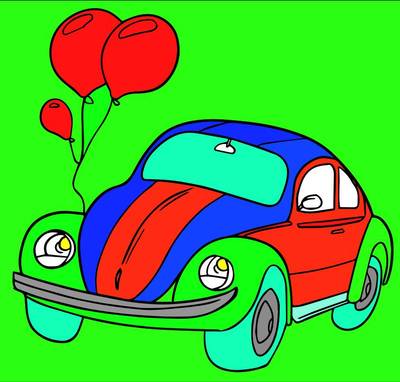
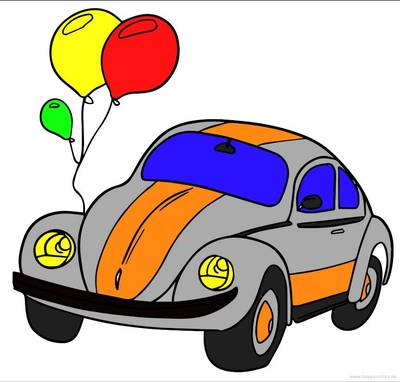

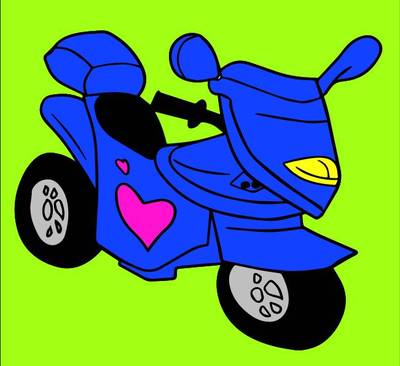
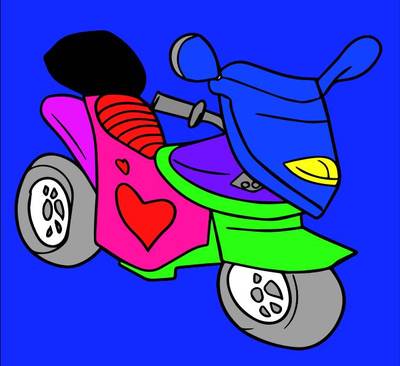
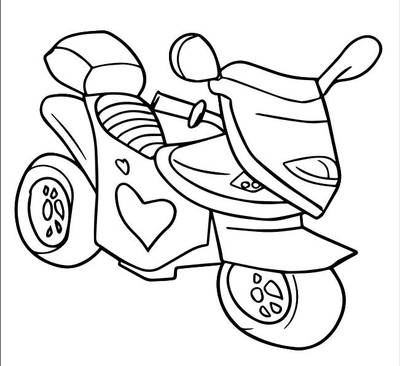
Motorbike for kids – colored in by the community
-
 3 Likes
-
 1 Likes
-
 0 Likes

Motor scooter – colored in by the community
-
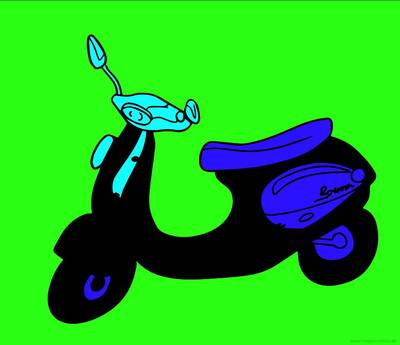 2 Likes
-
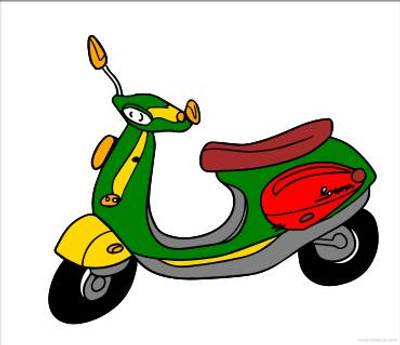 1 Likes
-
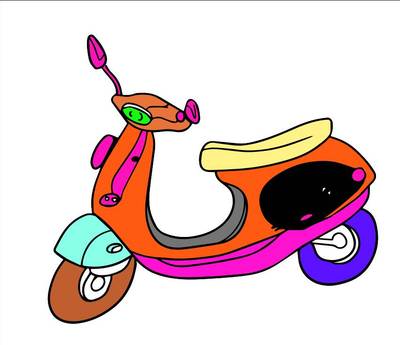 0 Likes

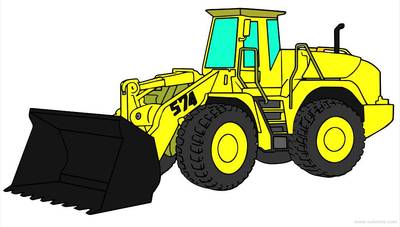



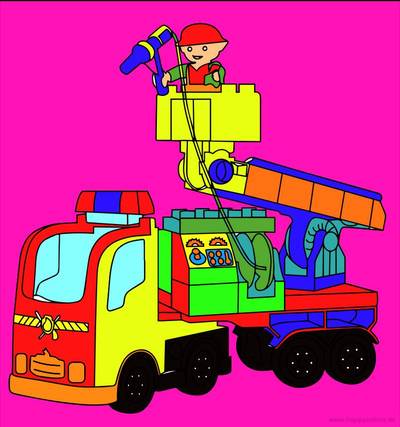
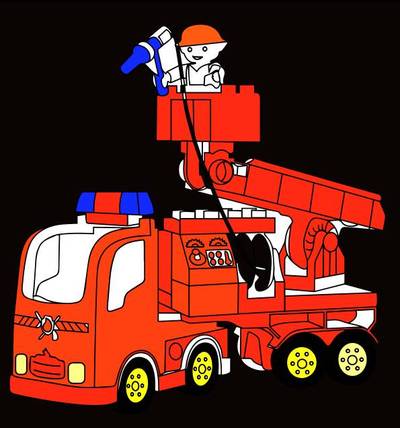
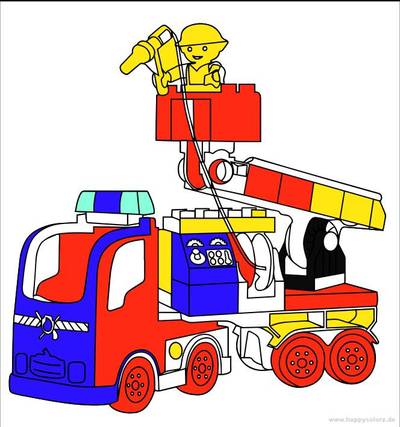

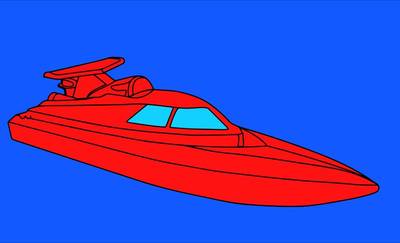

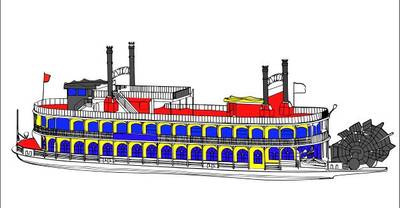
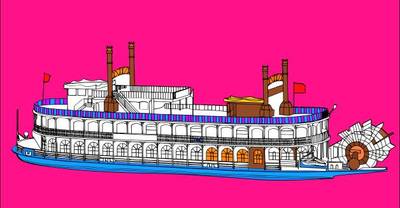
Classic paddle steamer – colored in by the community
-
 1 Likes
-
 1 Likes

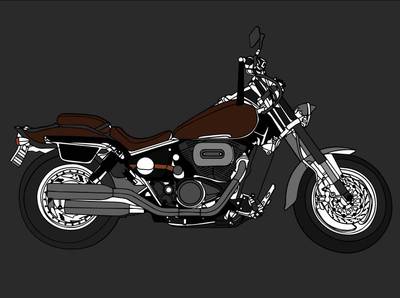
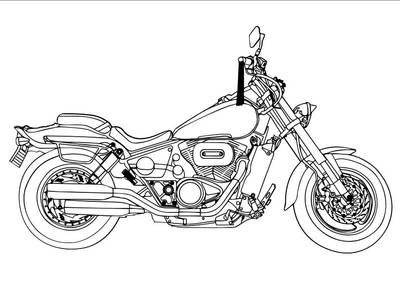


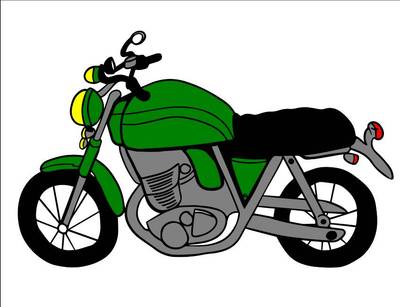
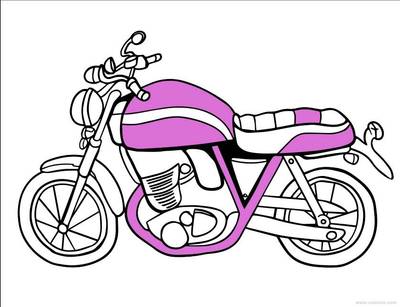
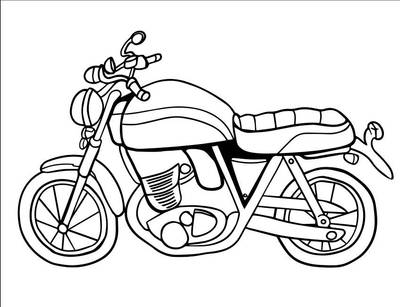
Simple motorbike – colored in by the community
-
 1 Likes
-
 0 Likes
-
 0 Likes

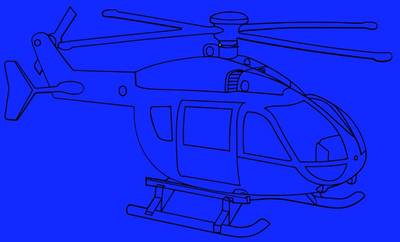
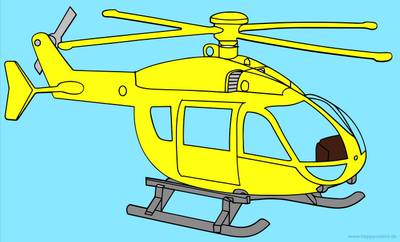

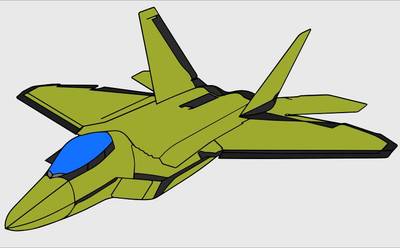
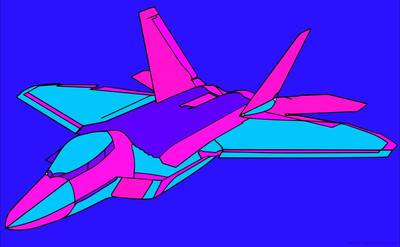
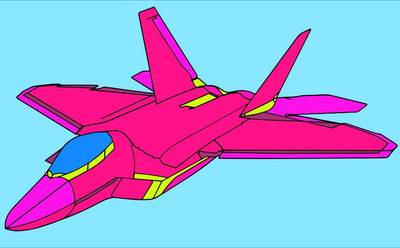

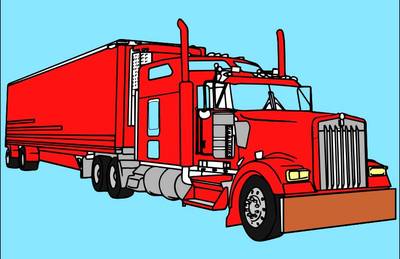
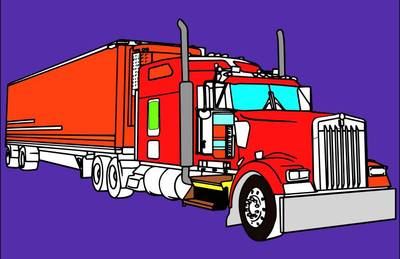
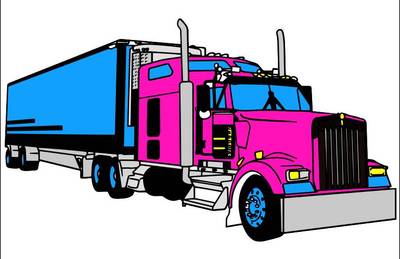

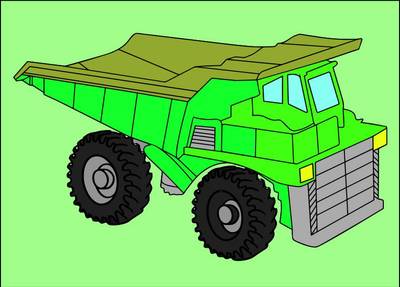
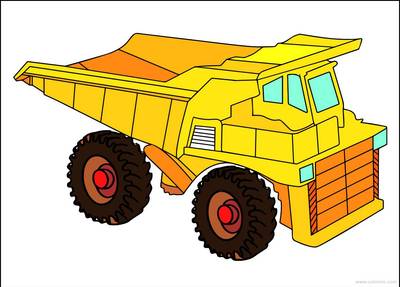
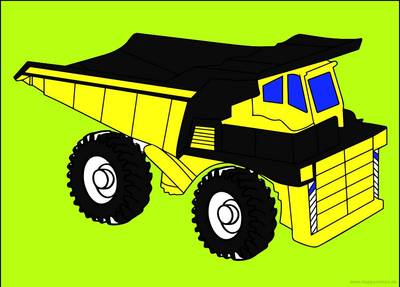

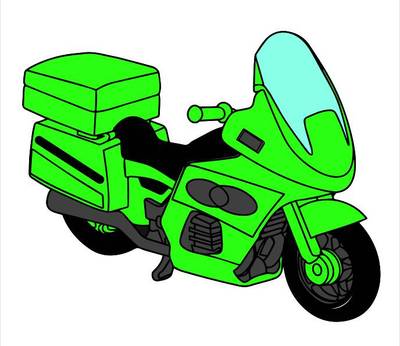
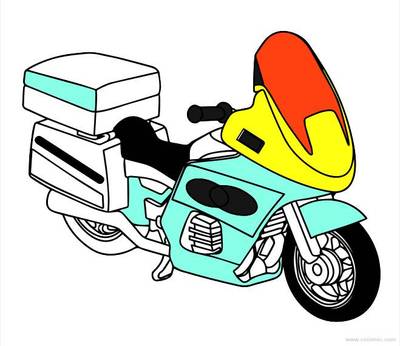
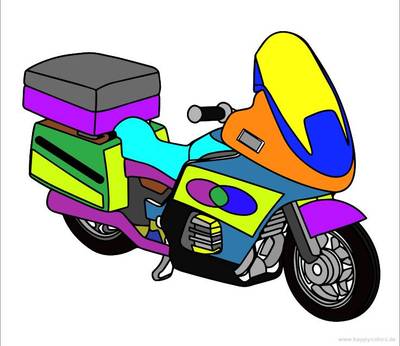

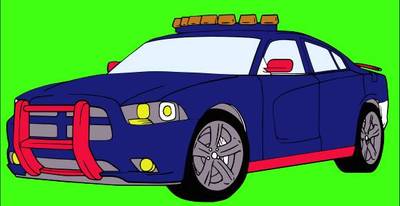
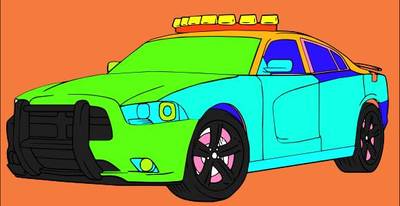
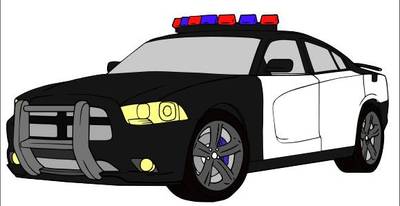

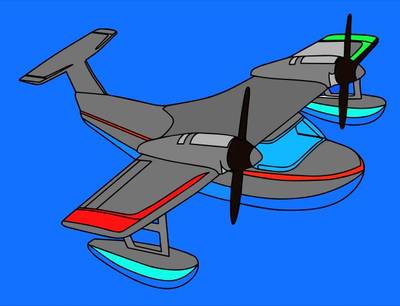
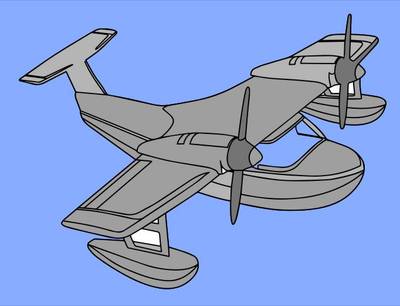


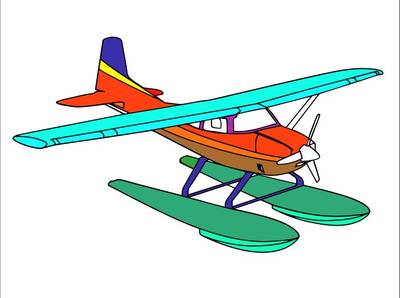
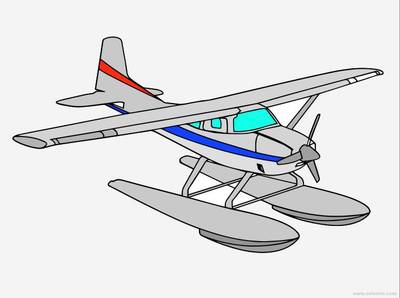
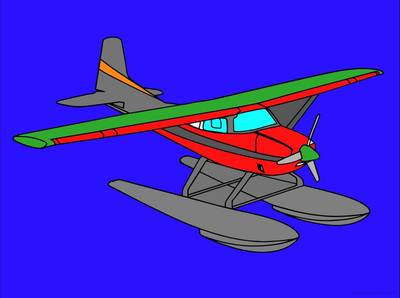

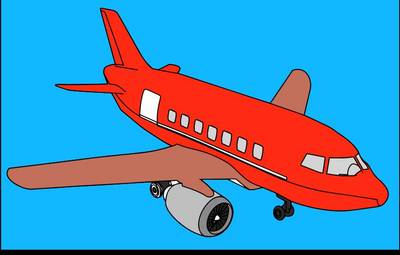
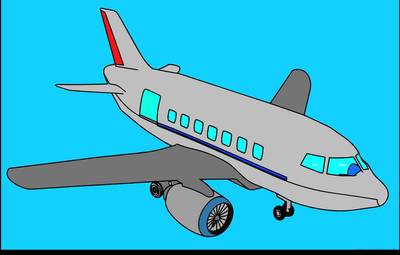
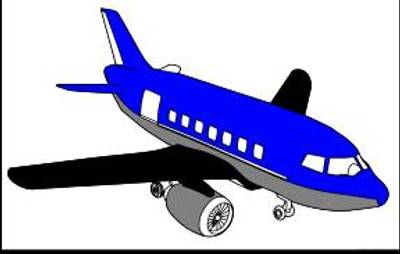

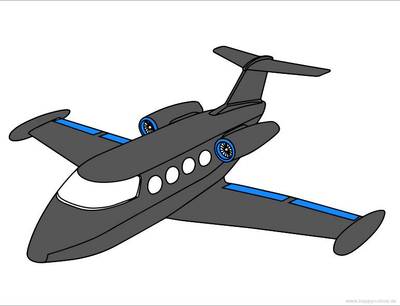
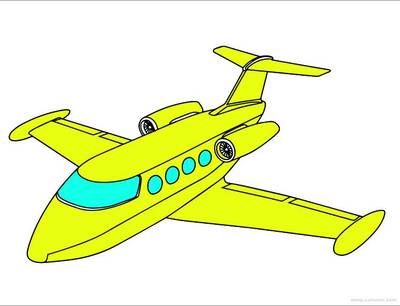
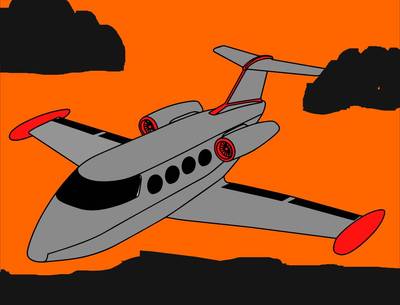

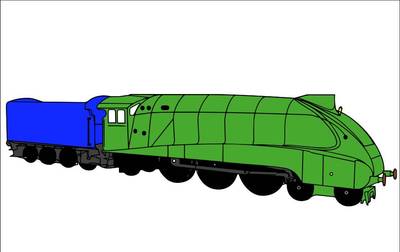
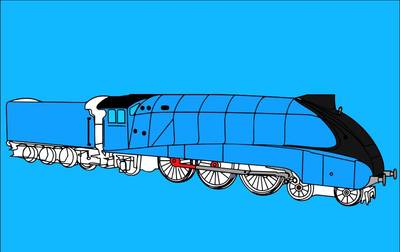
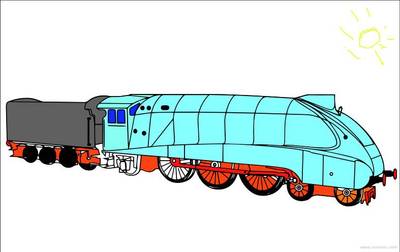

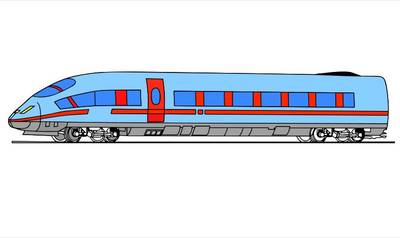
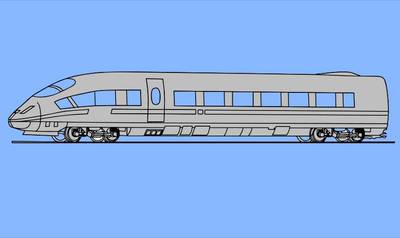
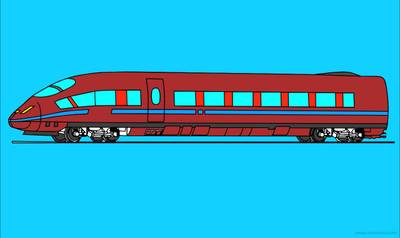

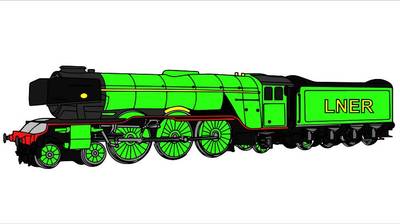
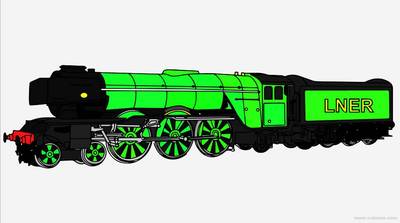
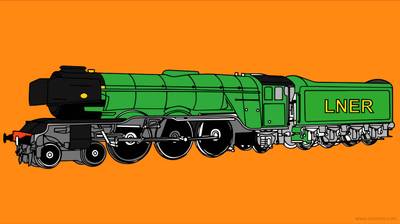

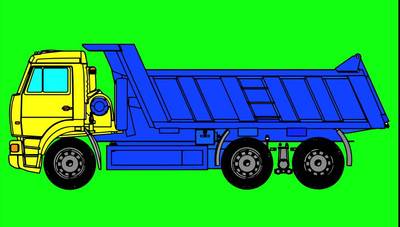
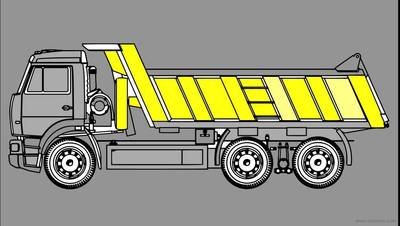
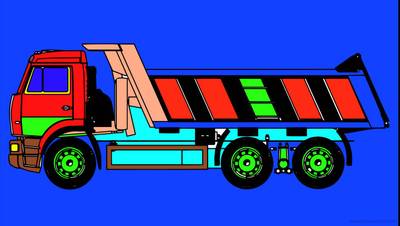

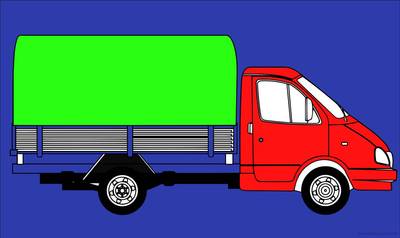
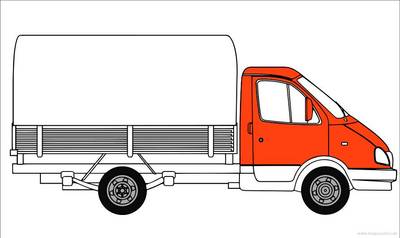
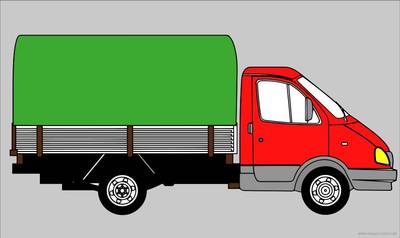

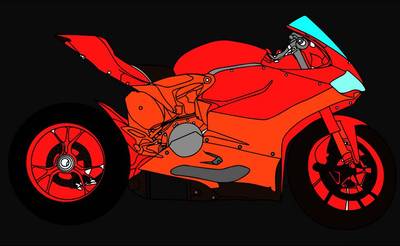
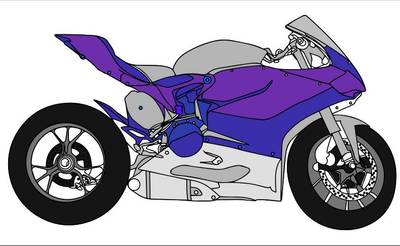
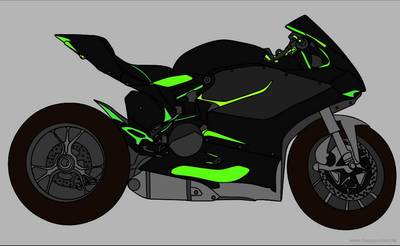

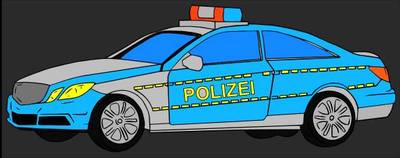
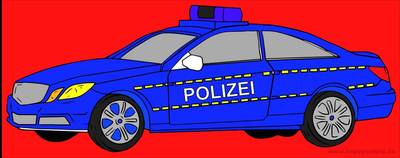
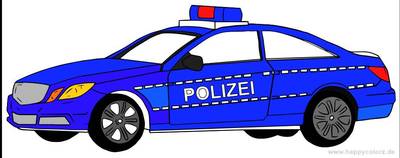

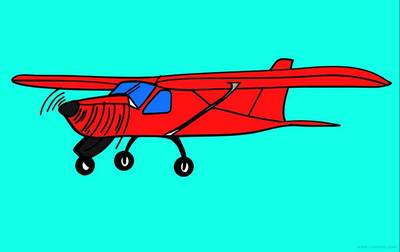
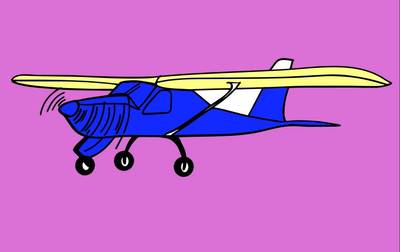
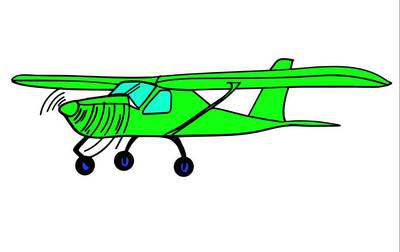

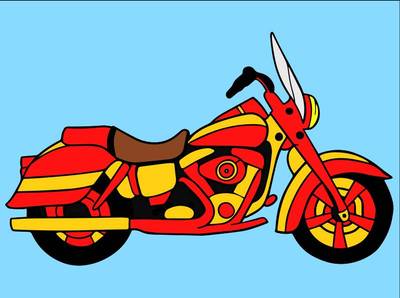
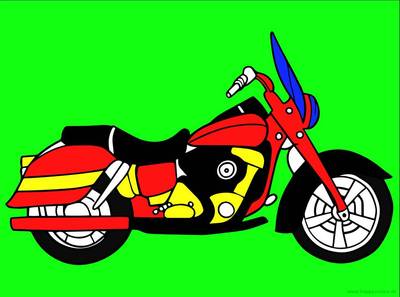
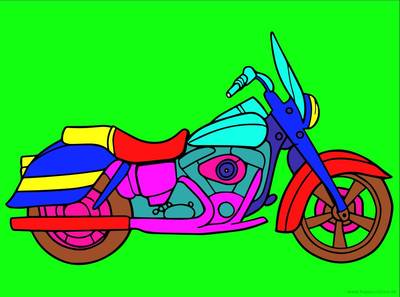


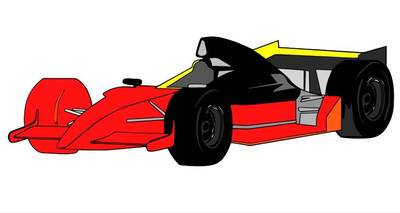
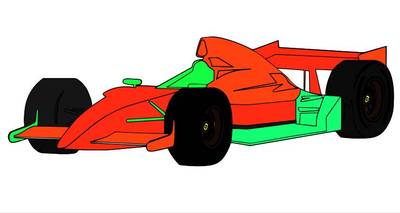



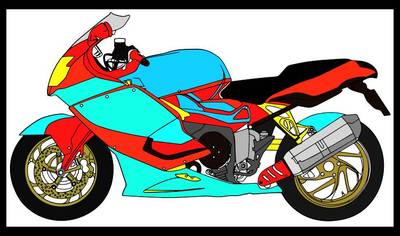
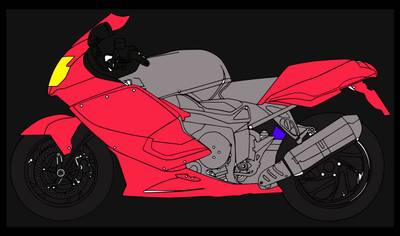
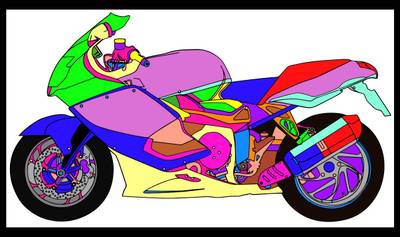

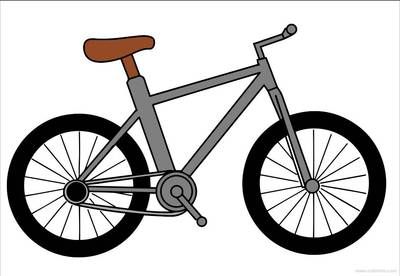
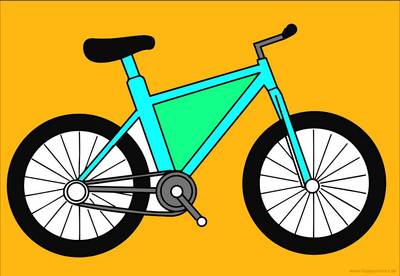

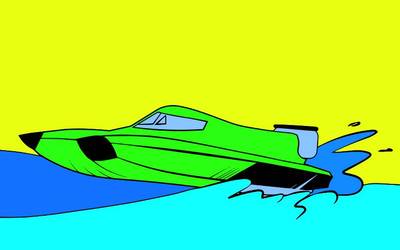
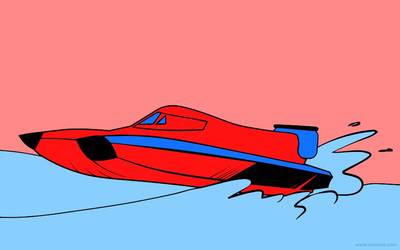

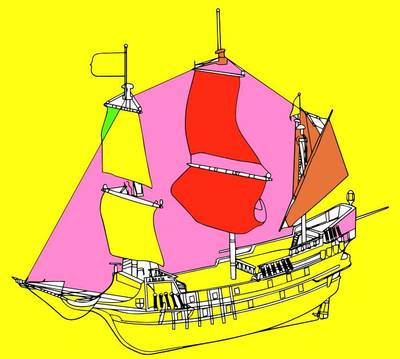
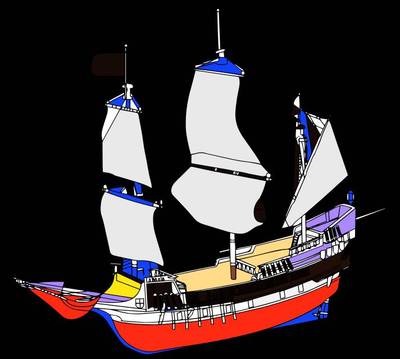
Simple sailing ship – colored in by the community
-
 1 Likes
-
 0 Likes

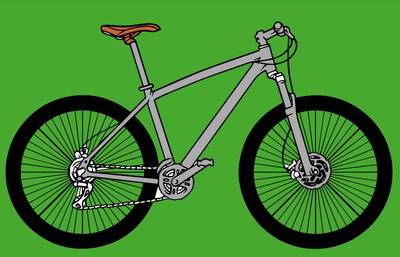
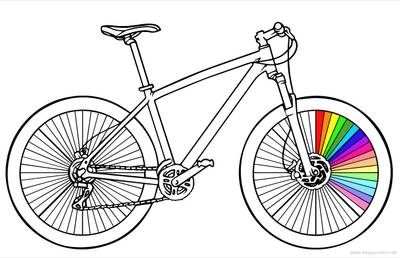



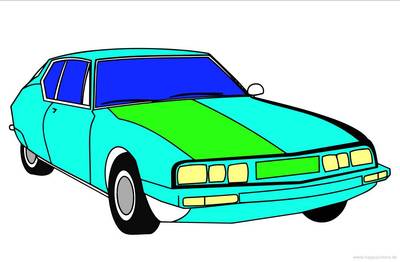
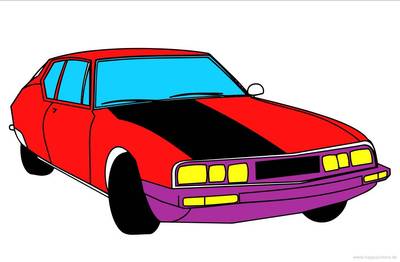
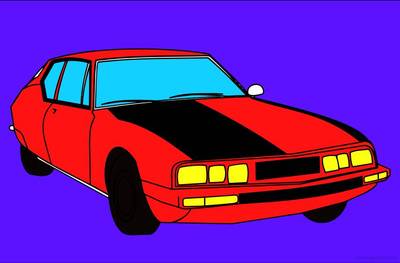

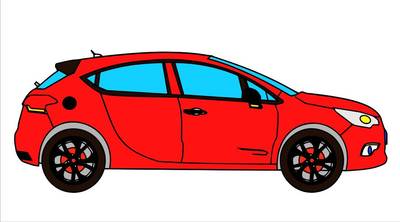
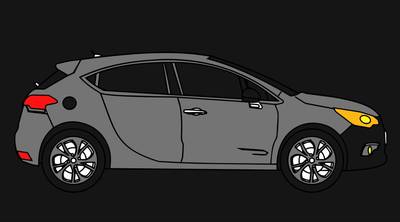
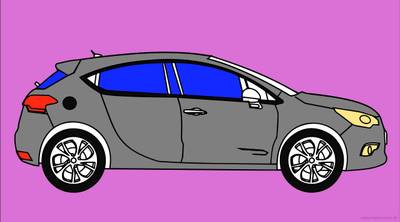

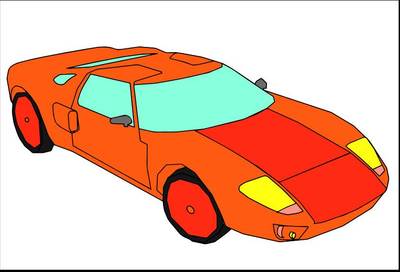
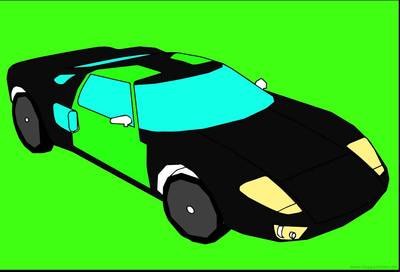
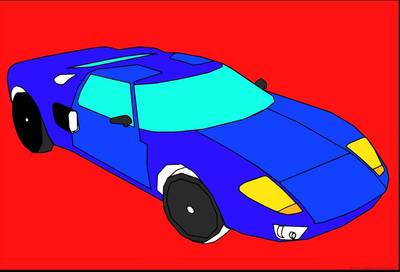

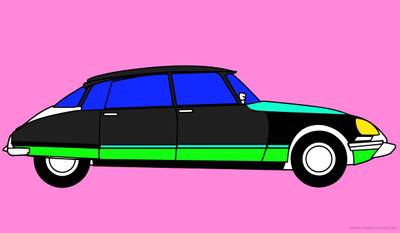
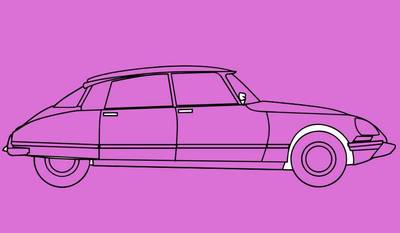
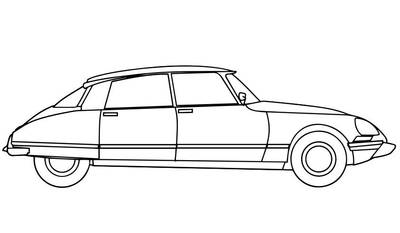

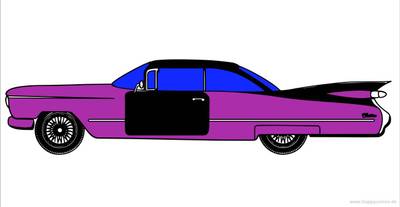
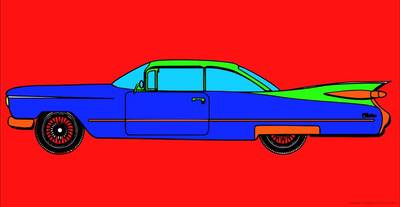
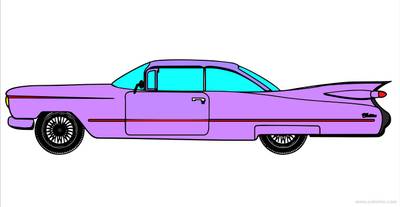

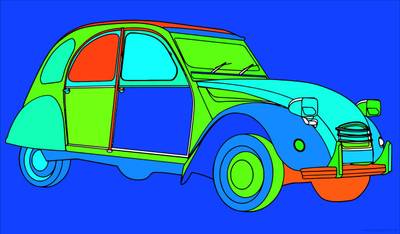
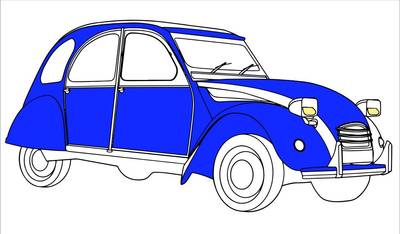
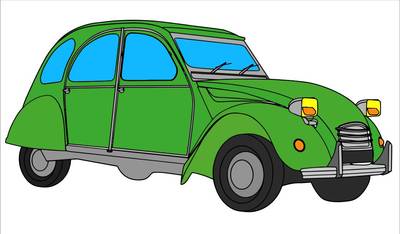

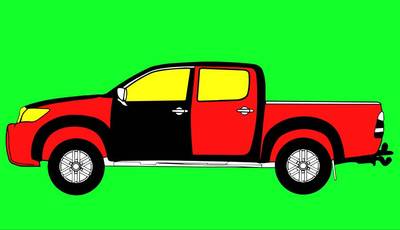
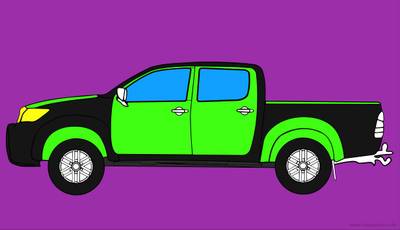
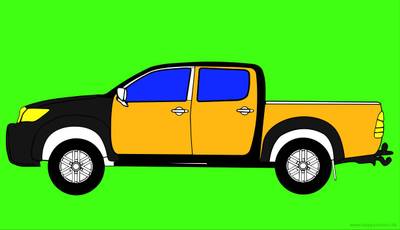

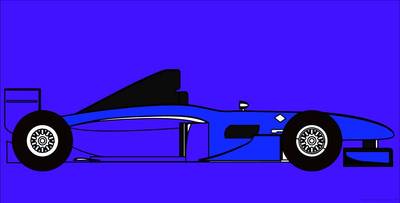
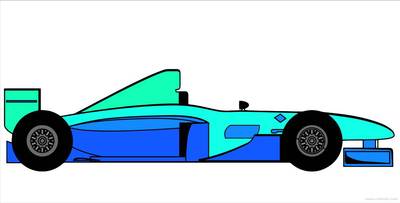
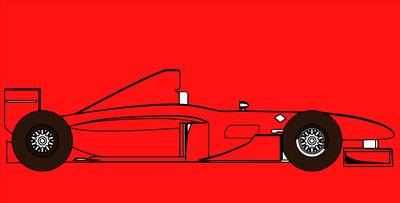

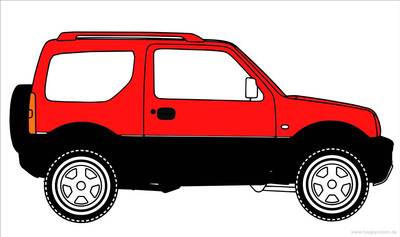
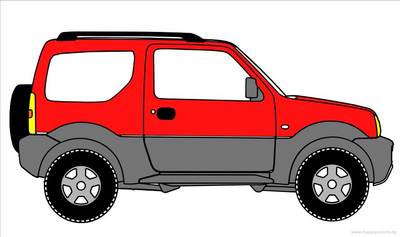
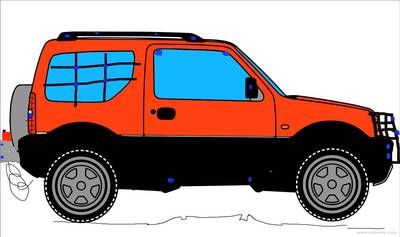

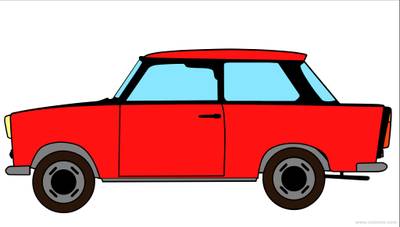
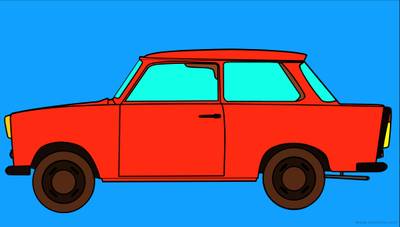
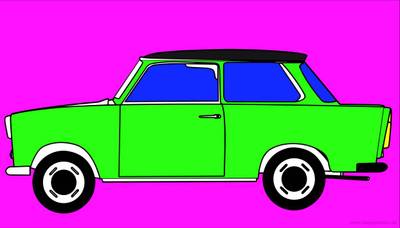

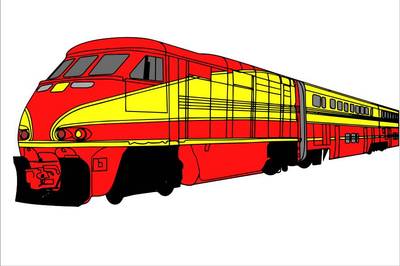
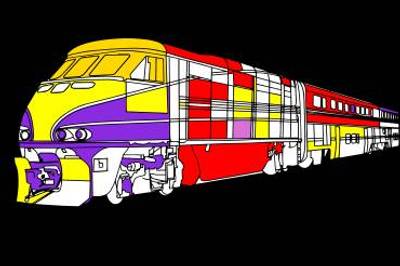

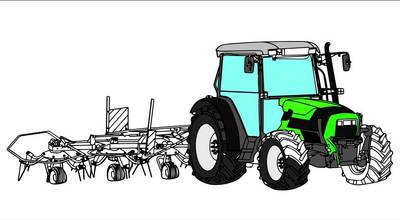
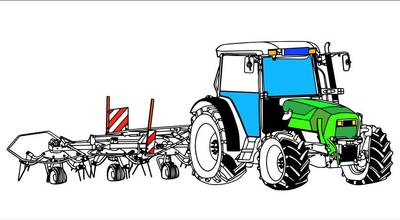
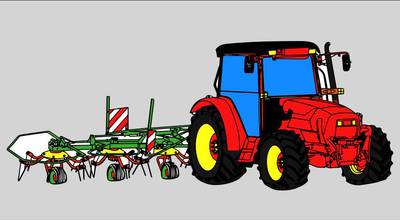


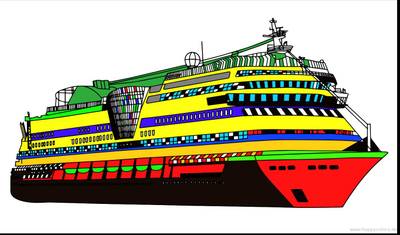
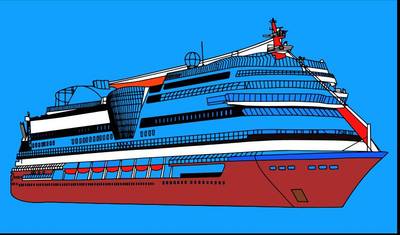


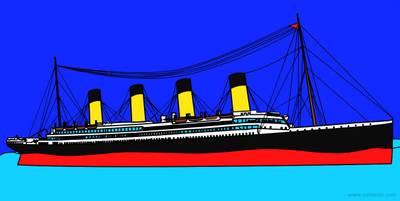
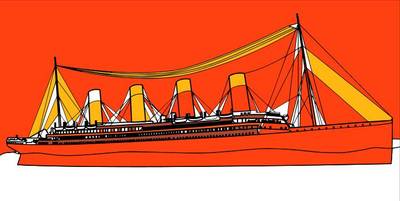




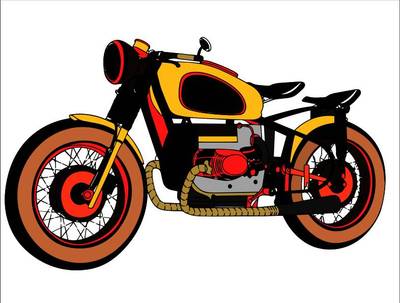
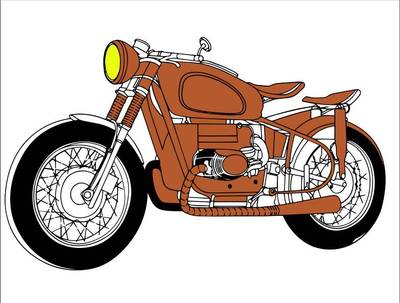
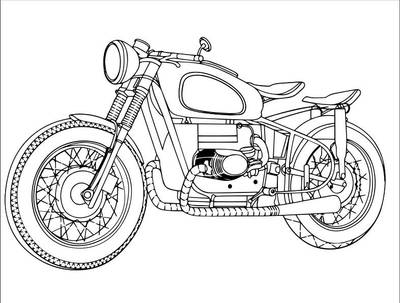
Classic motorcycle – colored in by the community
-
 3 Likes
-
 0 Likes
-
 0 Likes

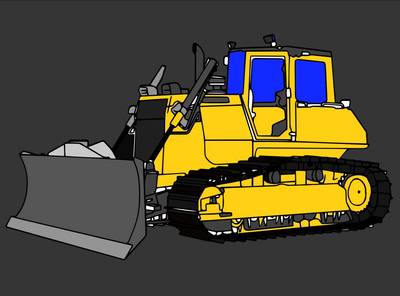
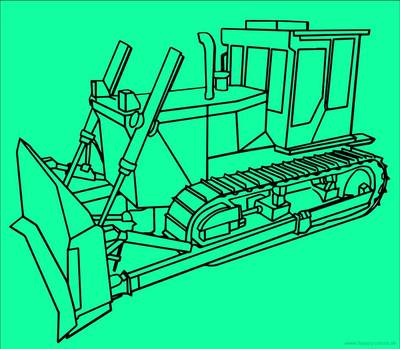
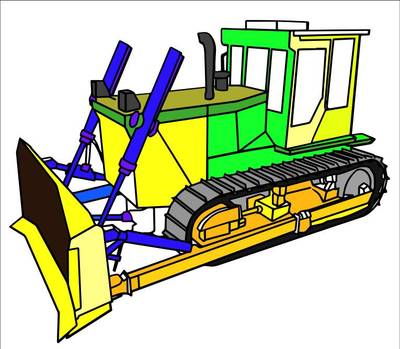
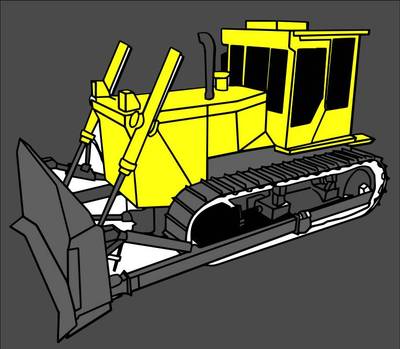
Bulldozer – colored in by the community
-
 1 Likes
-
 0 Likes
-
 0 Likes

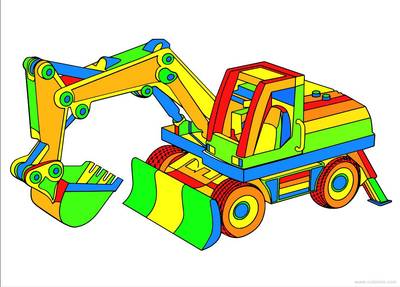

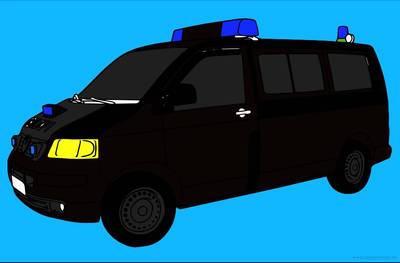
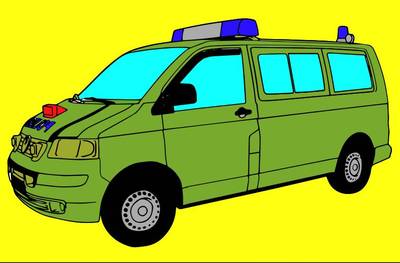
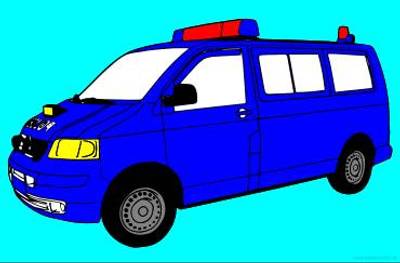


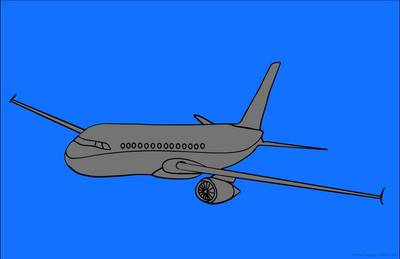

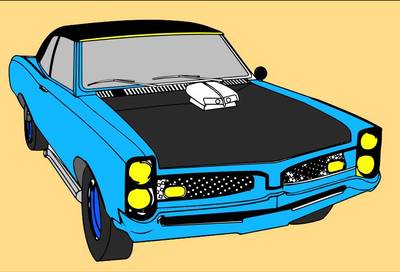
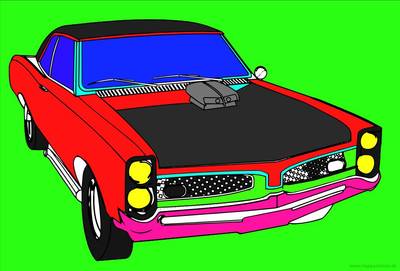
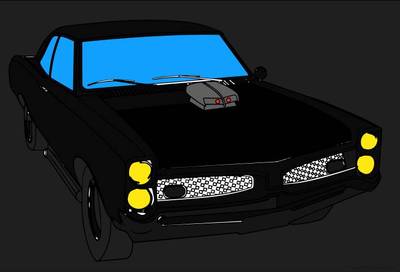

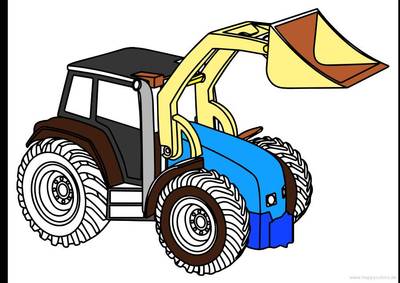
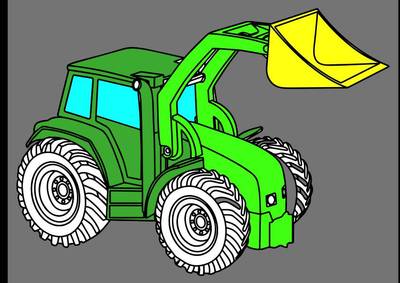
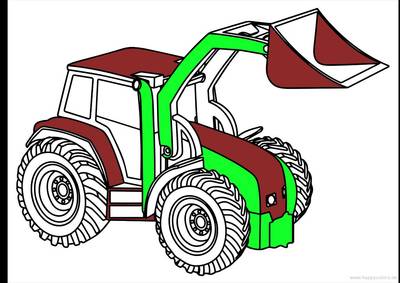

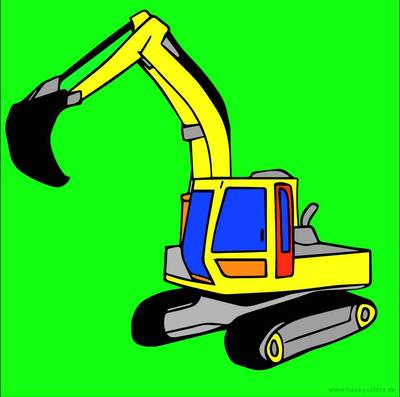
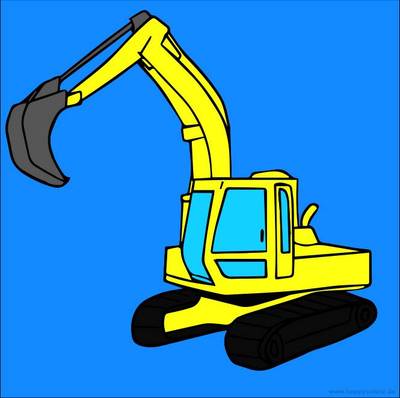
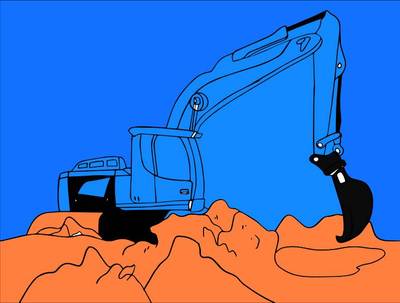
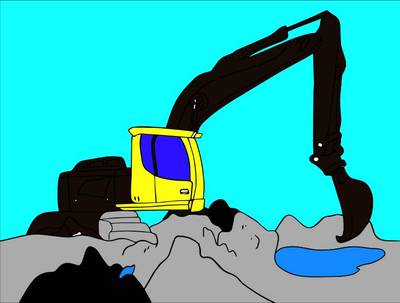
Digger on construction site – colored in by the community
-
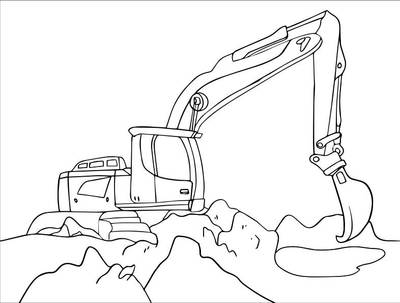 1 Likes
-
 0 Likes
-
 0 Likes

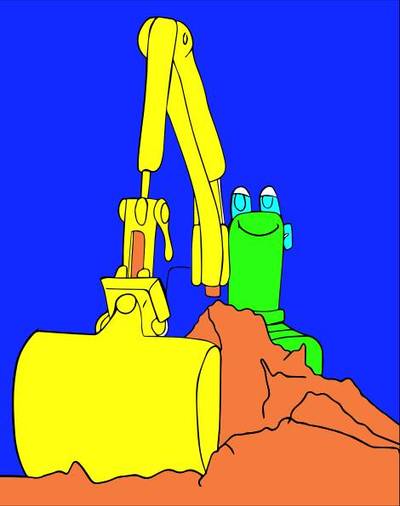
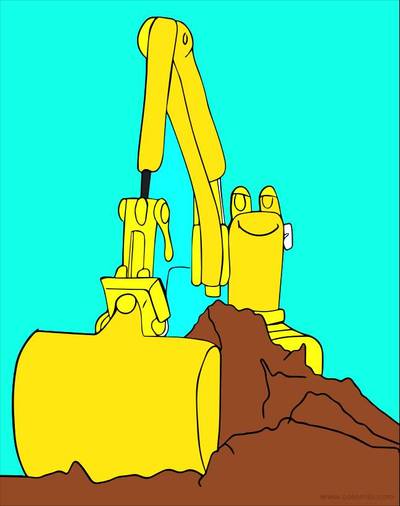
Funny digger with face – colored in by the community
-
 1 Likes
-
 0 Likes


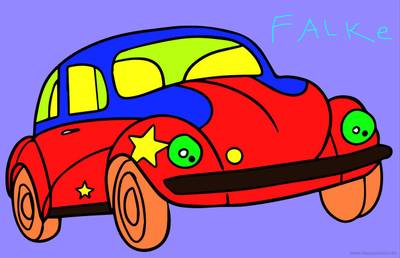
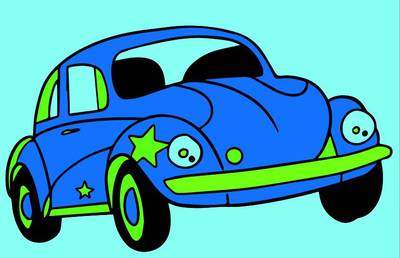
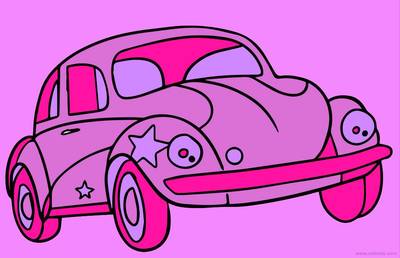


🎨 New coloring pages by email
Regularly get new free coloring pages straight to your inbox – no spam, unsubscribe anytime.
You’ll first get a confirmation email (double opt-in). Unsubscribe anytime with one click. Privacy Policy
Why Kids Love These Vehicles Coloring Pages
- Coloring vehicles helps children develop fine motor skills and color recognition as they learn to stay within lines and choose palettes.
- Parents and teachers can use the free printable vehicles to reinforce lessons about transportation, community helpers, and vocabulary with minimal prep.
- These pages provide a tactile, screen-free activity that calms kids during transitions, travel, or quiet time.
- Sharing different vehicle images encourages cooperative play and storytelling, making them ideal for classroom centers and small groups.
Creative Ideas & Activities
- Make vehicle collages by cutting colored copies and gluing them onto construction paper; add stickers, glitter, or tissue paper for texture using scissors and glue.
- Create a matching memory game by printing two copies, cutting vehicles into cards, and turning them face down for children to find pairs and practice concentration.
- Turn vehicle pages into puppets by laminating or gluing to cardstock, attaching popsicle sticks, and staging simple puppet shows to build storytelling skills.
- Use vehicle pictures for counting and simple math—group cars by color to practice addition or subtraction with counters, buttons, or small toys.
- Build a road map diorama on a large sheet or shoebox lid, draw streets and landmarks, and place colored vehicle cut-outs to role-play community scenes.
- Use a single vehicle as a story prompt: ask each child to describe where their vehicle is going, who is riding it, and what happens next to encourage creative writing and oral language.
- Teach color-mixing basics by using watercolors or diluted paint to blend primary colors when coloring vehicles, then discuss results and let kids experiment on scrap paper.
- Create a classroom gallery and voting activity where each child displays a colored vehicle, writes a title or short description, and classmates vote on categories like “Most Creative.”
Frequently Asked Questions
Are the coloring pages free to download and print?
Yes, all coloring pages on this page are free to download and print. You may use them at home or in the classroom, including school and kindergarten, at no cost.
What file formats are available for printing and downloading?
Files are available in PDF and JPG formats for easy downloading and printing. PDFs work well for full-page prints and consistent layout, while JPGs are handy for quick image editing or printing from tablets.
What ages are these vehicle coloring pages suitable for?
These pages are suitable for preschoolers through early elementary students, with simpler vehicle designs for younger children and more detailed pages for older kids. You can adapt difficulty by changing tool size, paper, or by adding extra details and writing prompts.
Can I use these coloring pages in my classroom or kindergarten?
Yes—classroom and school use is allowed and free, and you may print copies for centers, worksheets, or art projects. Teachers are welcome to use the pages for lessons, crafts, and displays without restriction.
How can I get the best coloring results with crayons, markers, or paint?
For crayons and colored pencils use standard printer paper or light cardstock for smoother coloring and less tearing; for markers or paint use heavier cardstock to prevent bleed-through. Washable markers, pencil crayons for detail, and a protective sheet under the paper will help achieve bright, neat results.